Video
Please note that the English version of this text has been prepared with the assistance of AI, and in some instances, it may not have been subsequently reviewed or edited by the authors.
Description
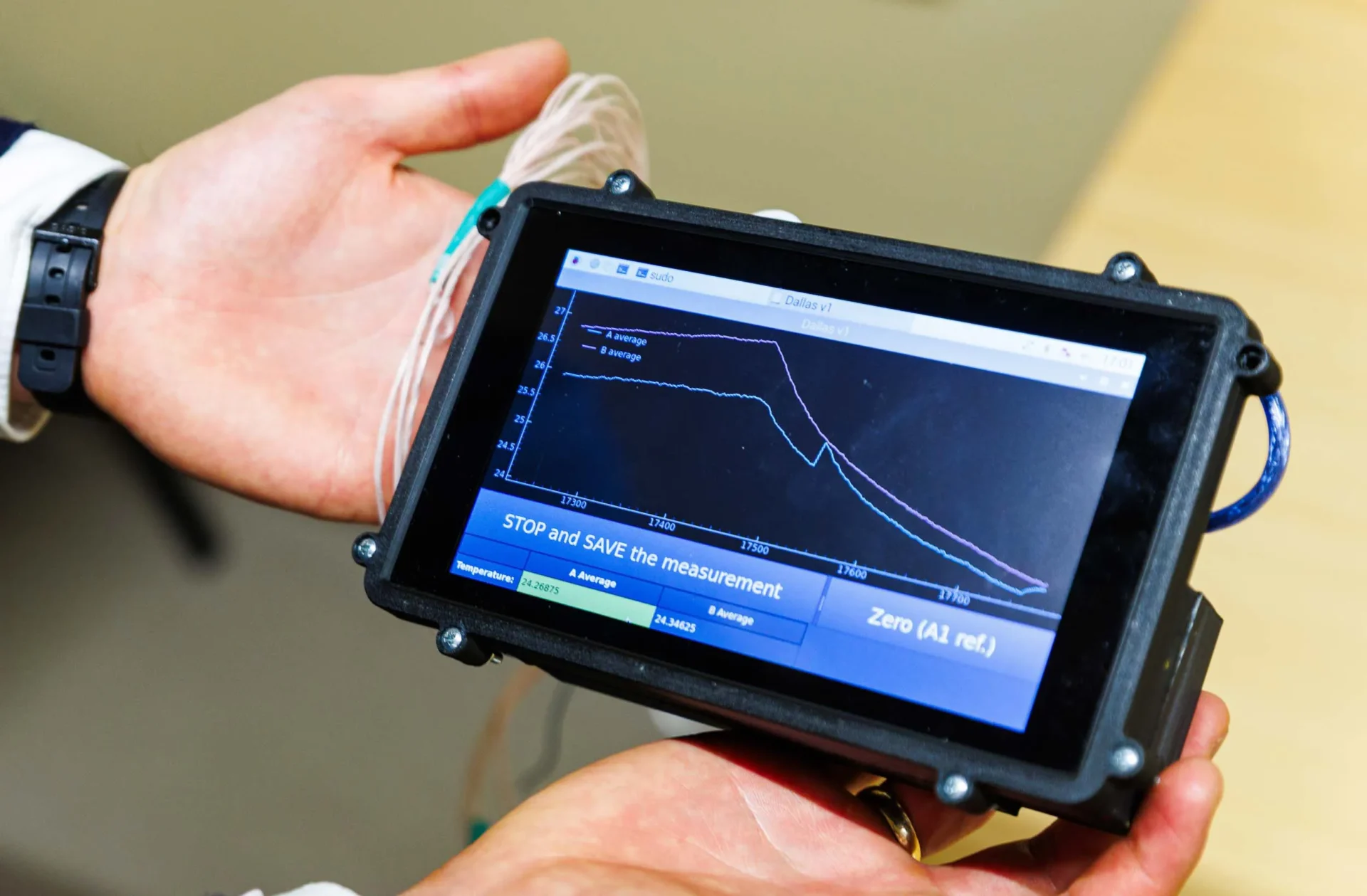
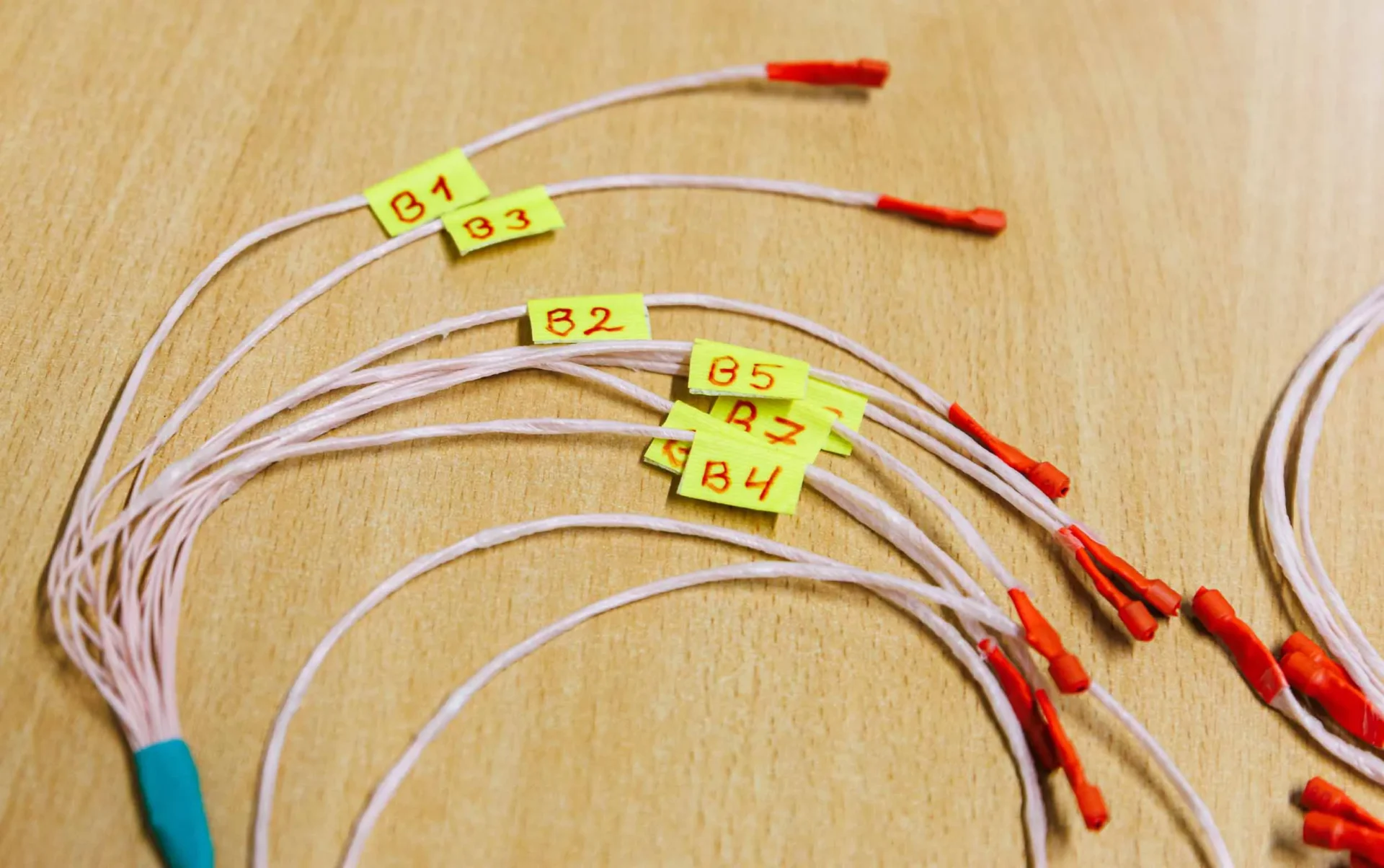
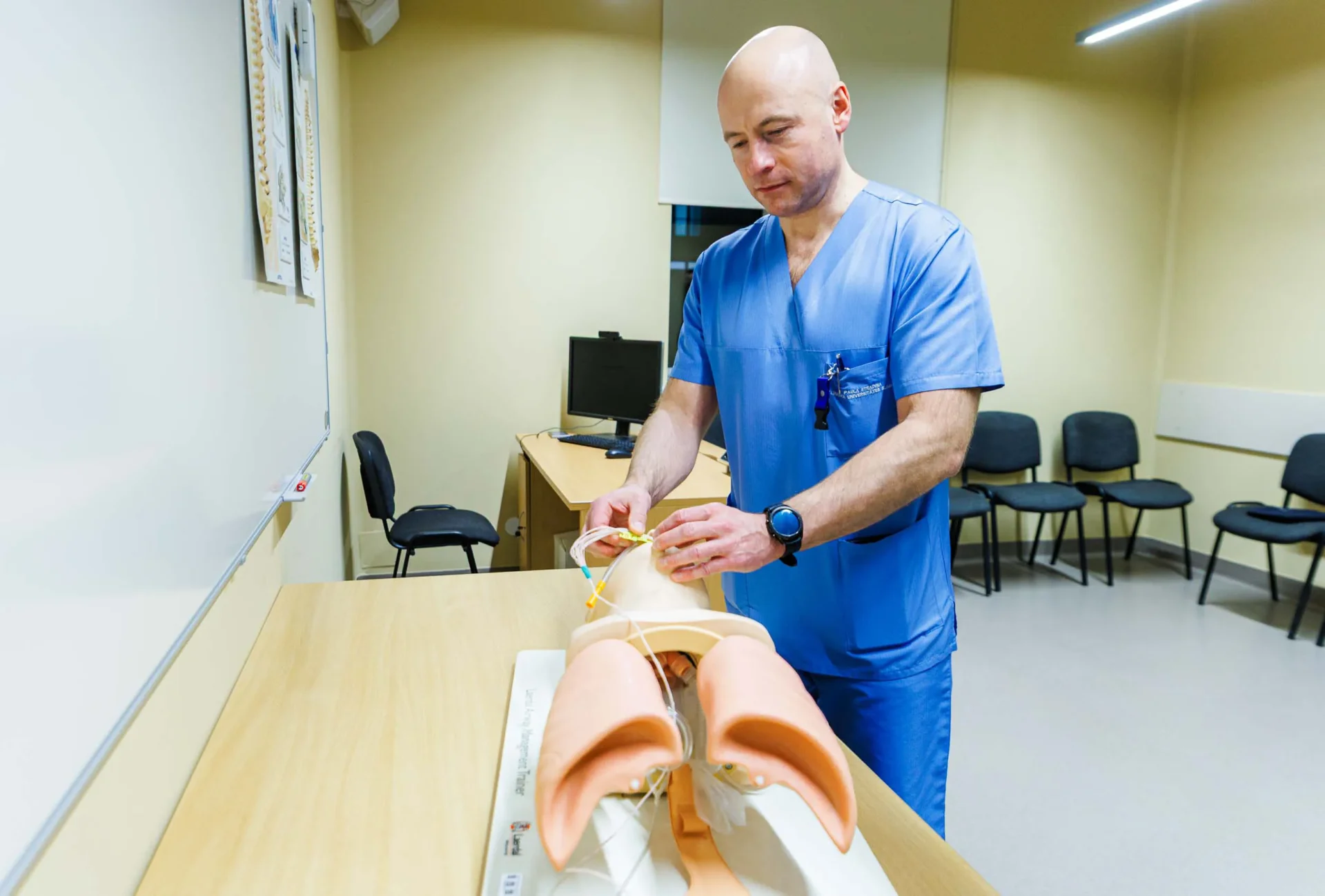
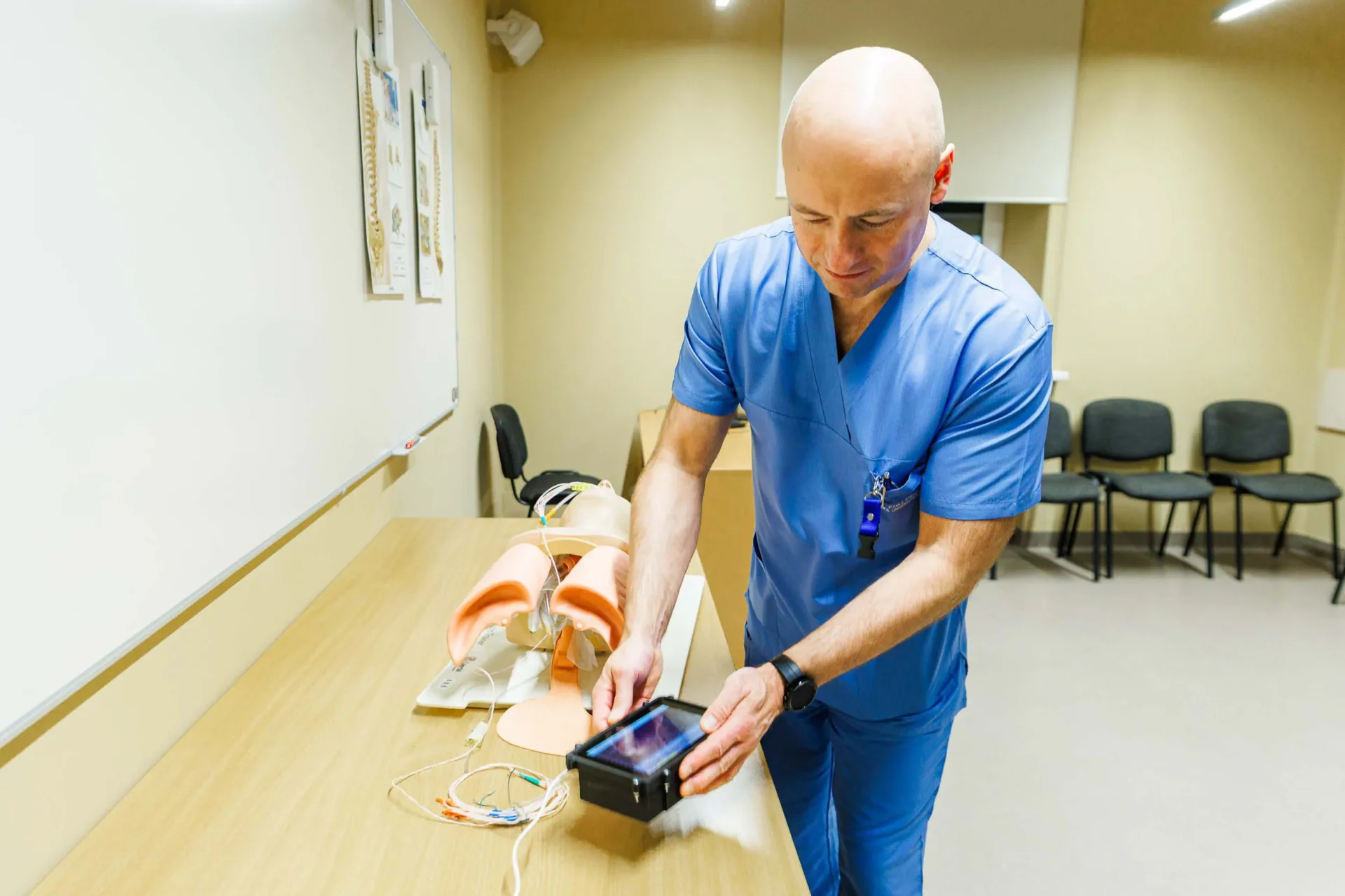
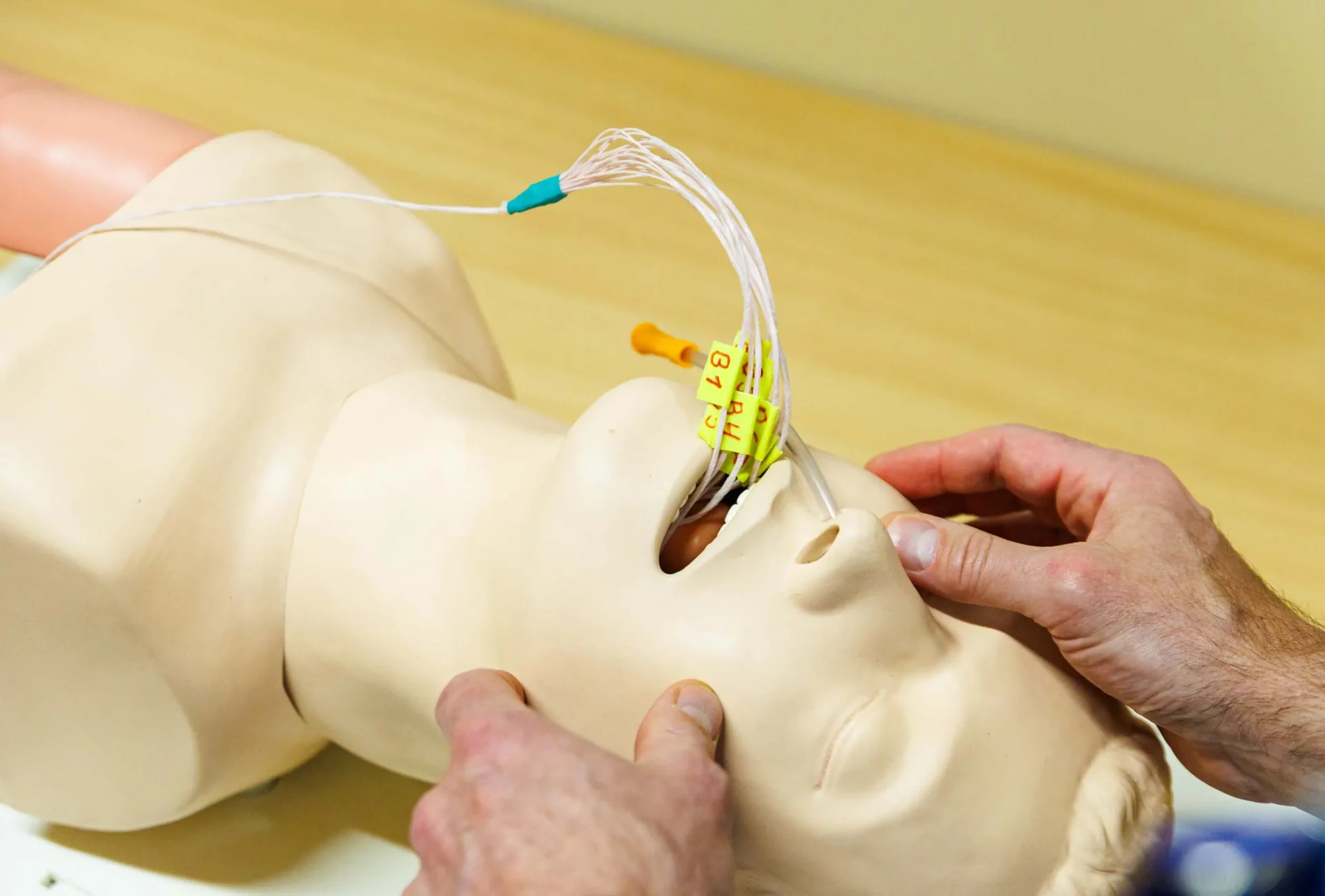
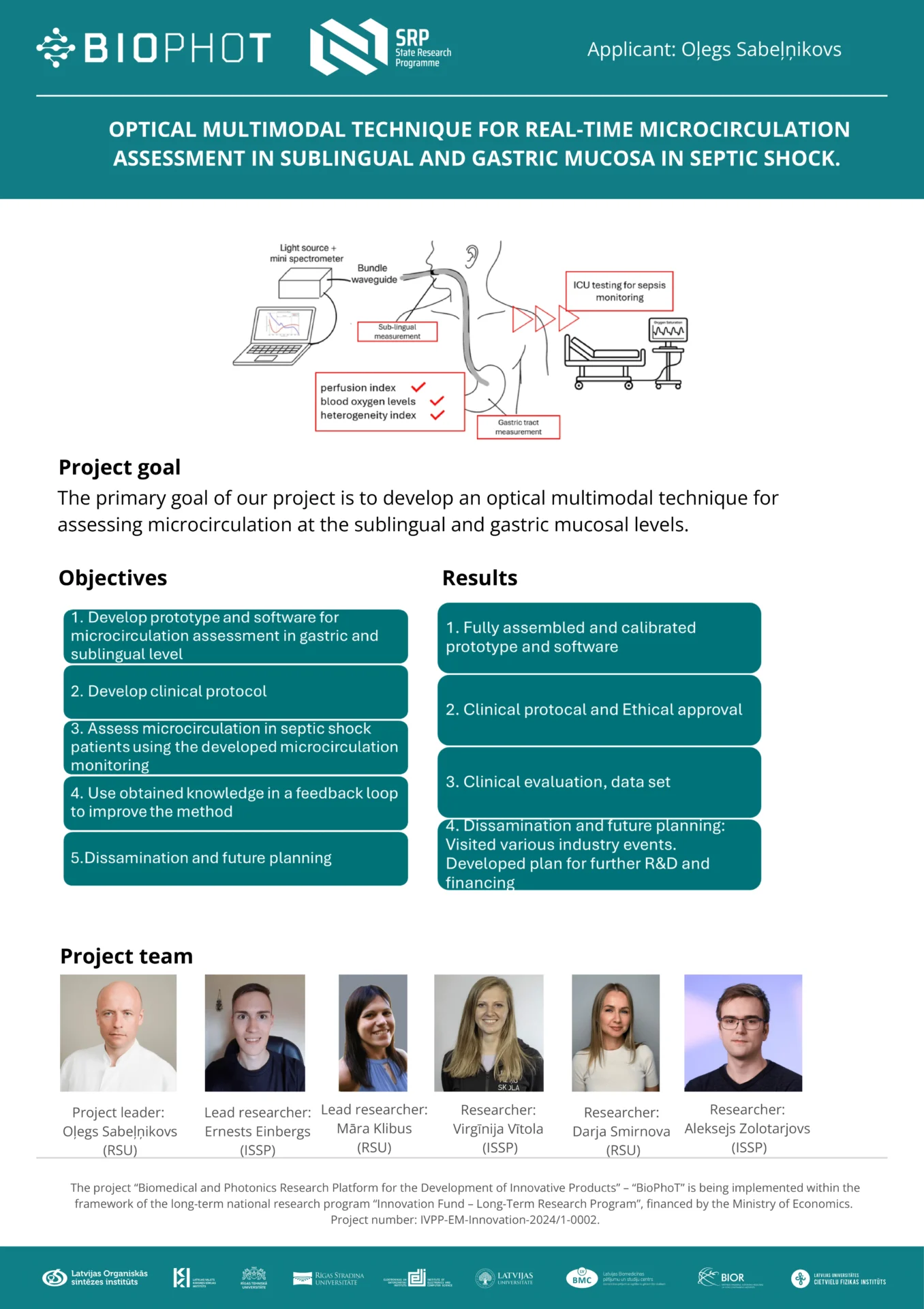
A new, minimally invasive optical device for real-time assessment of microcirculation at the sublingual and gastric mucosal level.
Sepsis and septic shock are a global health problem with high lethality and significant healthcare costs. Current sepsis guidelines focus on stabilising systemic haemodynamics using infusion therapy and vasopressor therapy, but these therapies do not always improve microcirculation.
Microcirculatory disorders cause oxygen deprivation in tissues and impaired organ function, which increases the risk of death. Currently, microcirculation is usually assessed by capillary refill time (subjective method) or blood lactate levels (non-specific method), but these approaches have important limitations.
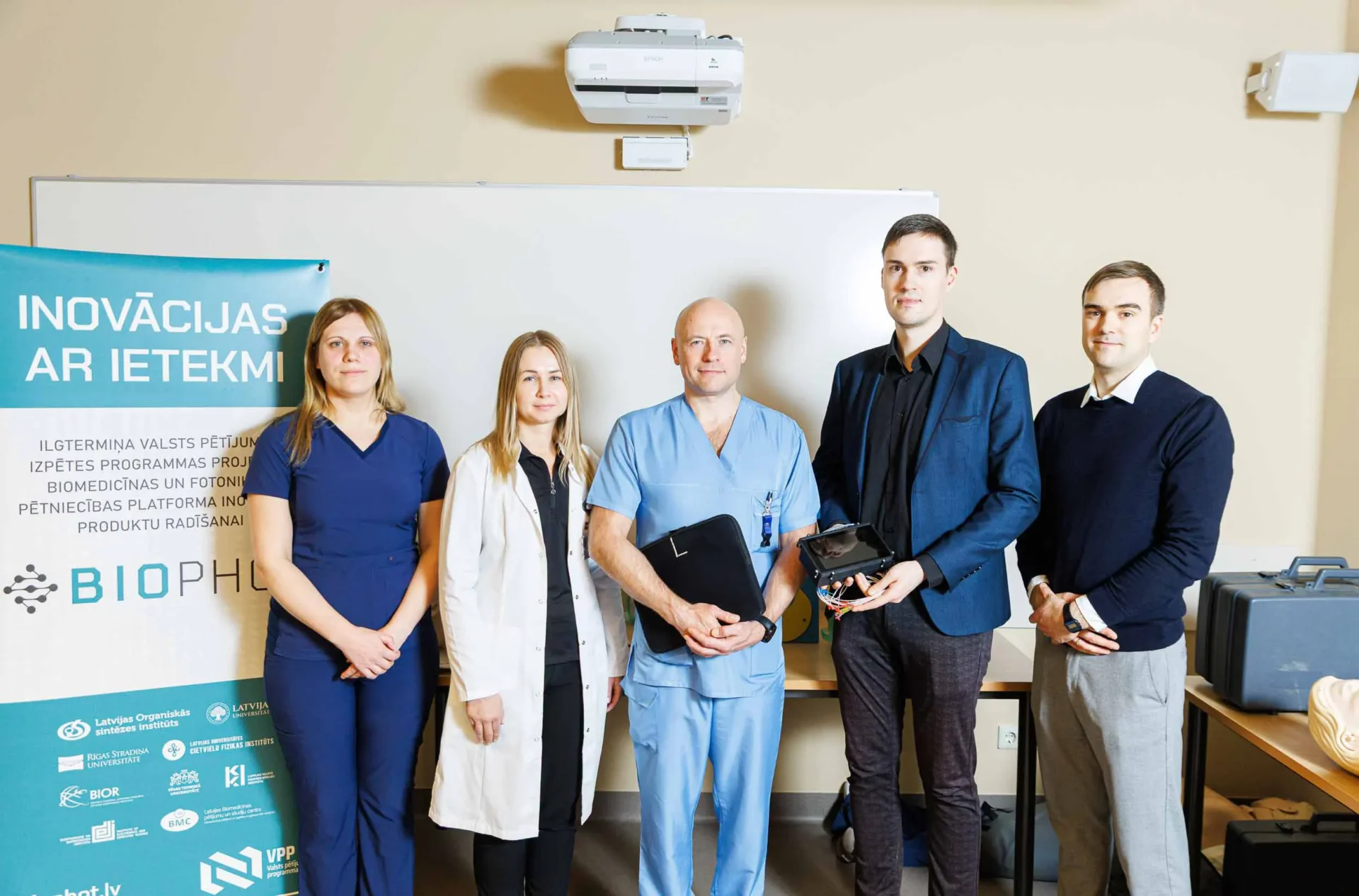
The goal of the project is to develop a technology that can measure tissue oxygenation, perfusion and heterogeneity indices by light spectroscopy. This technology, combining the clinical experience of the RSU and the optical technologies of the ISSF of the UL will allow continuous assessment of microcirculation at the organ level in septic shock patients during the early phase of treatment.
The Achievable Results
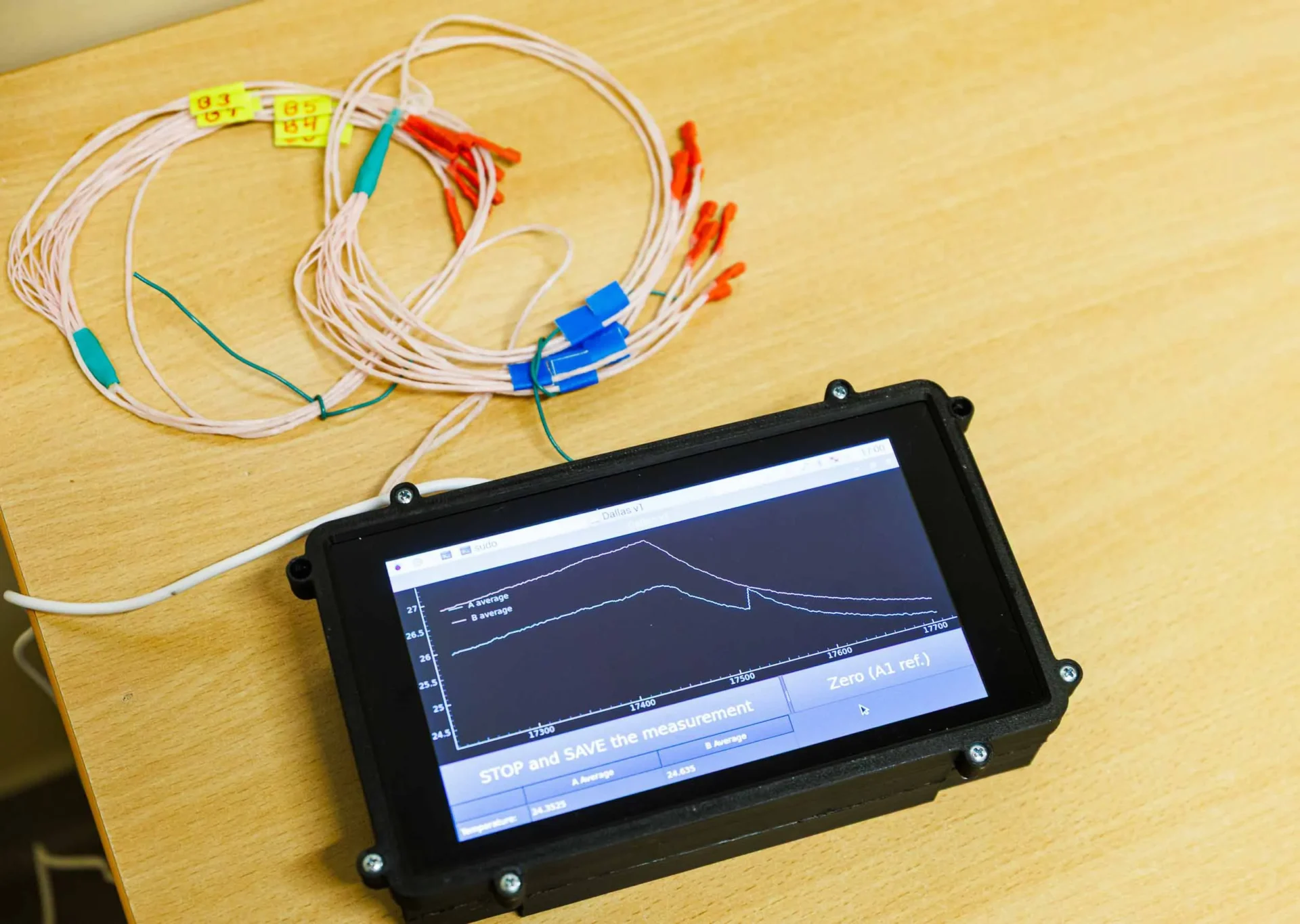
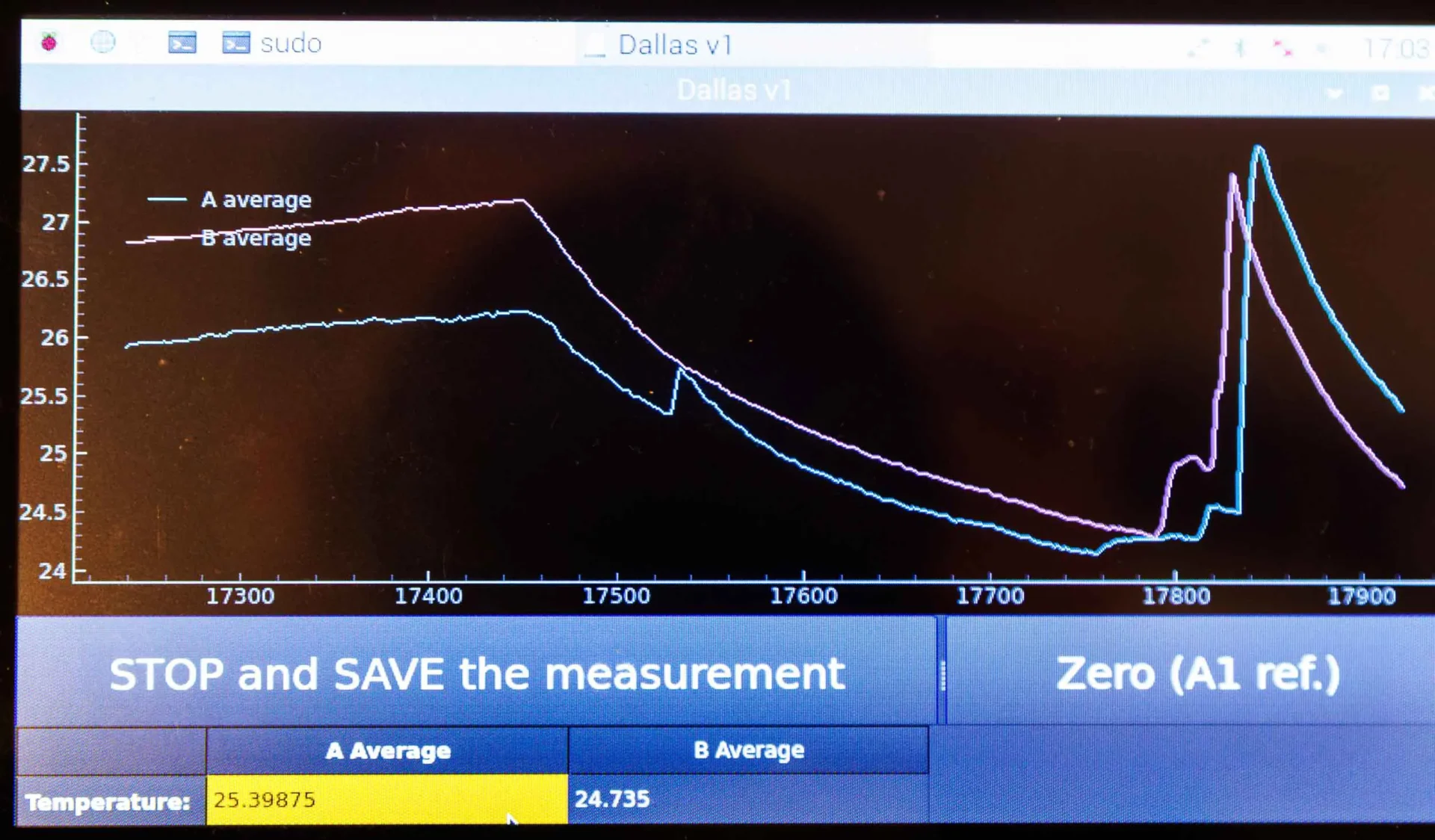
Develop a technology that can calculate and estimate microcirculation at the sublingual and gastric mucosal level from scattered light signals. To perform real-time measurements in the intensive care setting and to refine the protip based on results obtained in clinical practice.
The Anticipated Benefit
An innovative optical device will be developed to assess microcirculation in real time, allowing clinicians to more accurately monitor tissue oxygenation and blood flow at the organ level during septic shock.
In the future the device will help tailor treatment to each patient – guiding fluid and vasopressor therapy according to real indicators, not just general parameters. This will reduce the risk of complications and improve treatment outcomes.
The Allocated Funding
EUR 200,000 as of 10.10.2025.
Team


Gallery