Video
Description
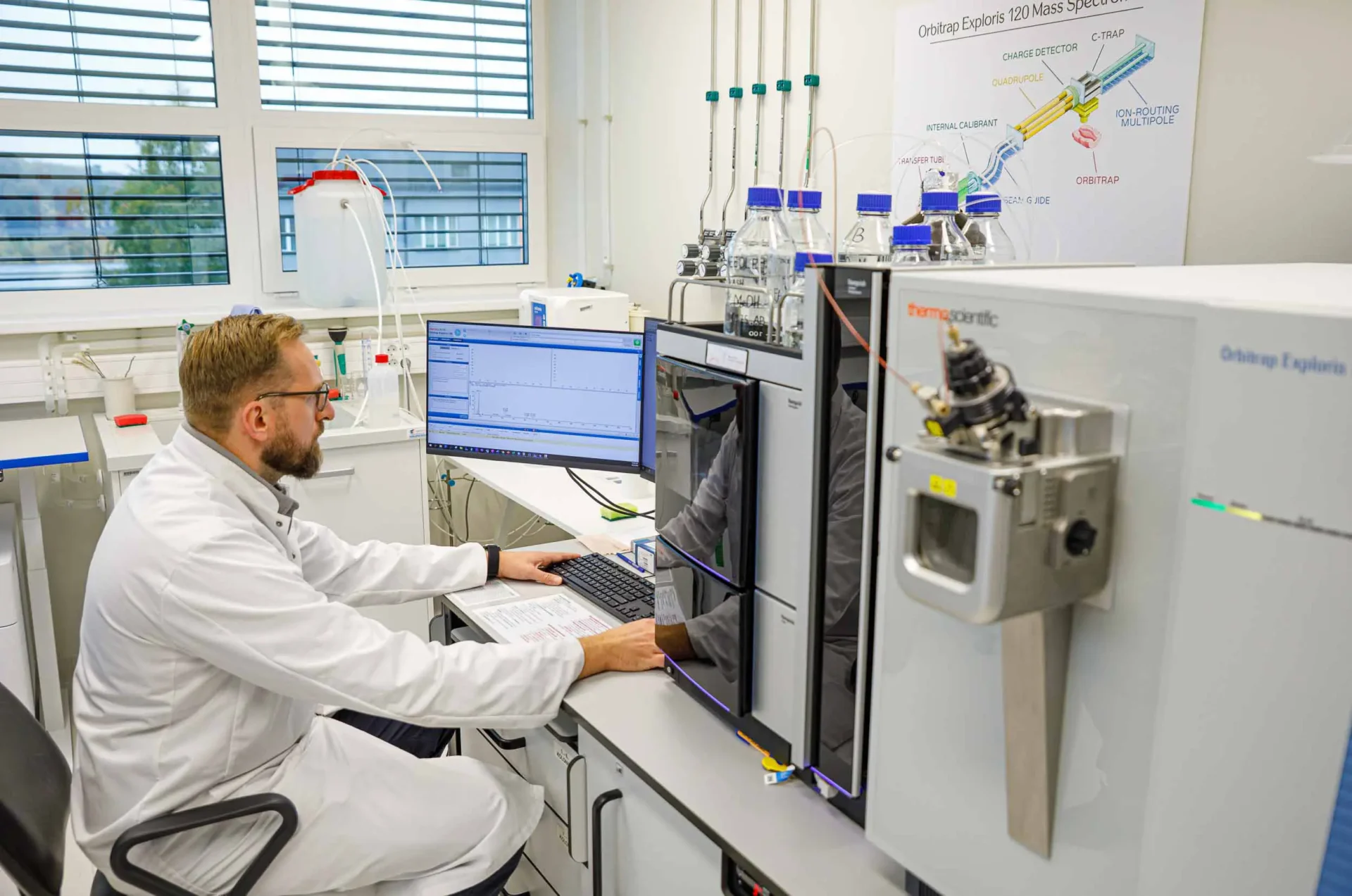
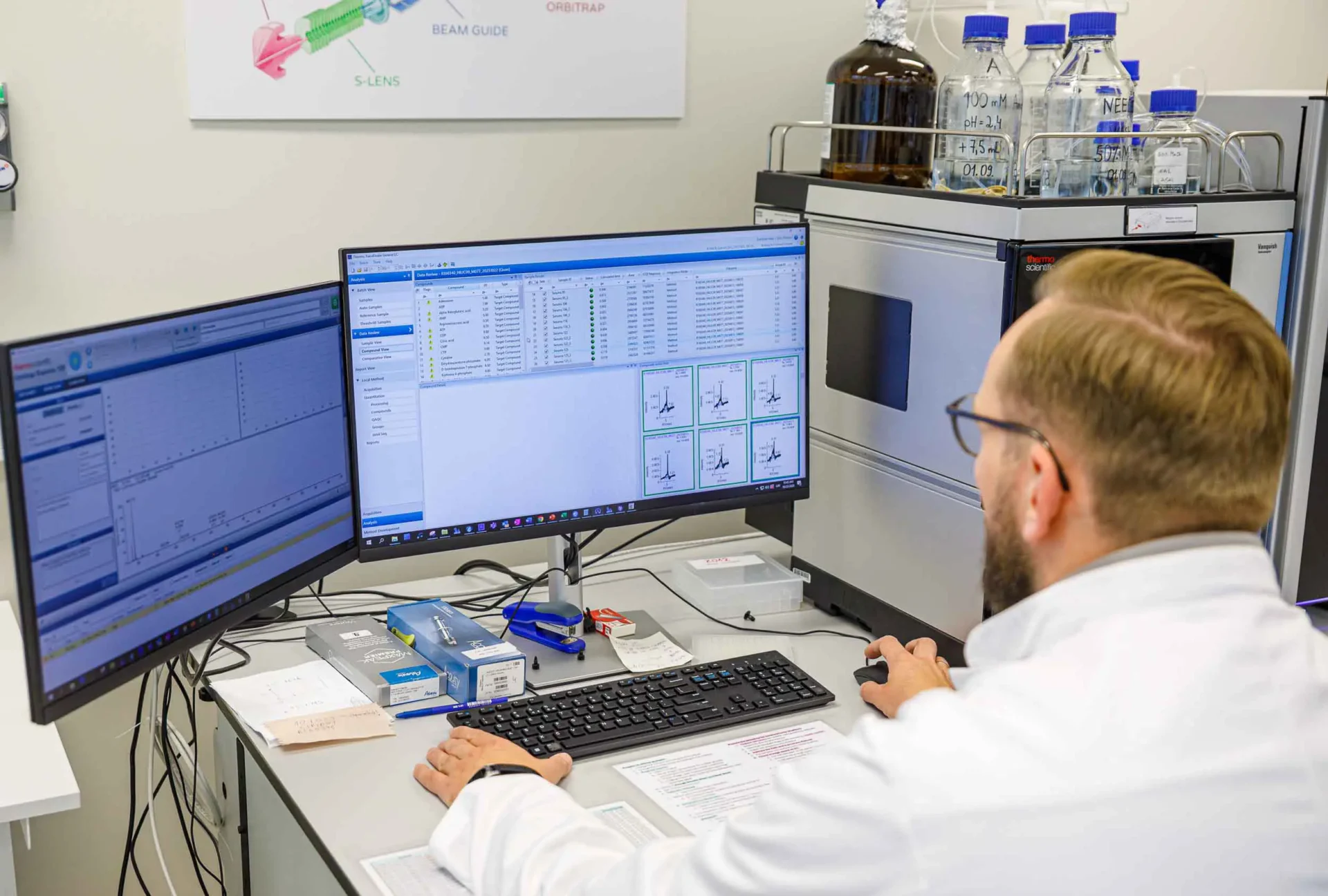
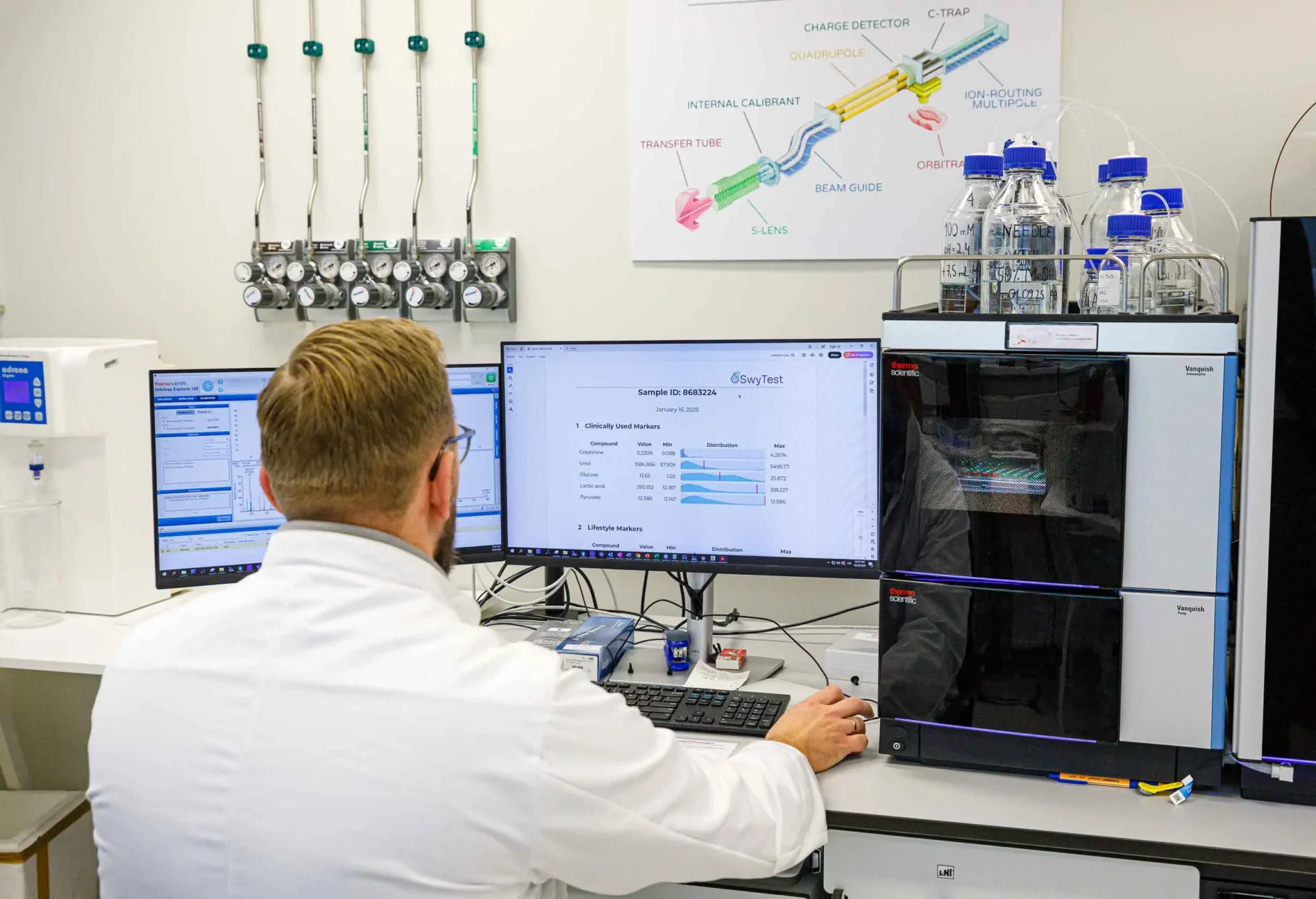
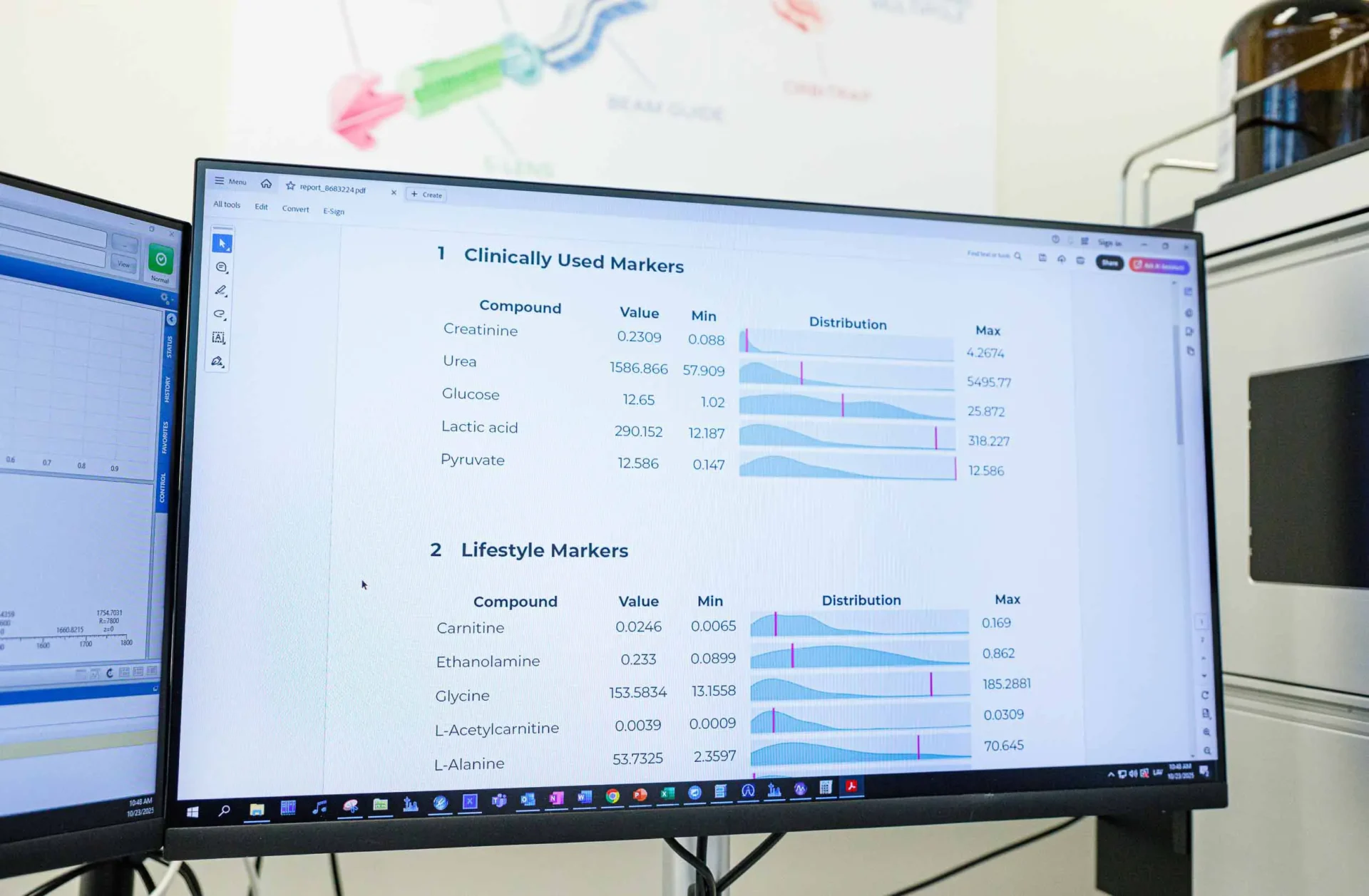
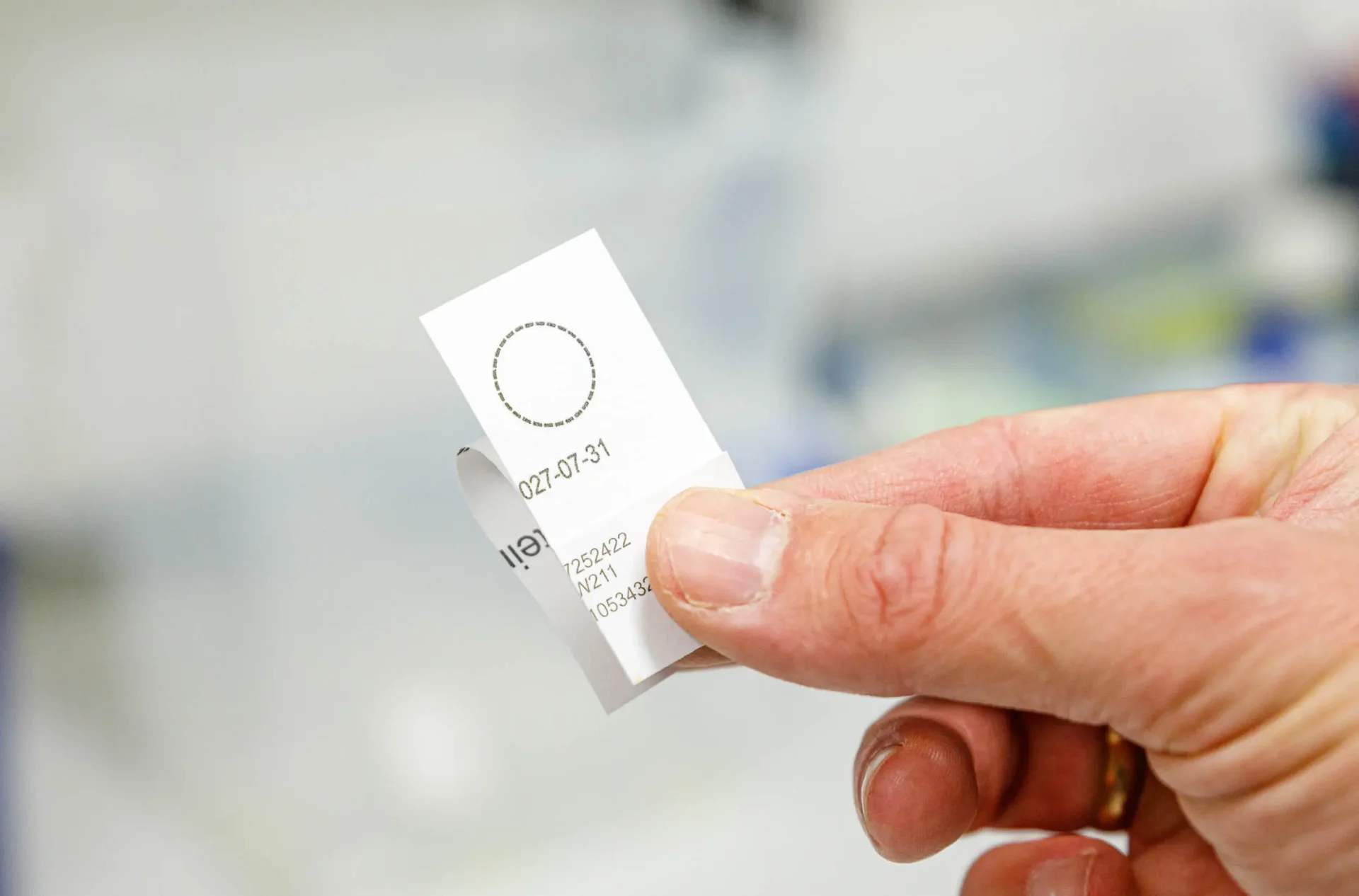
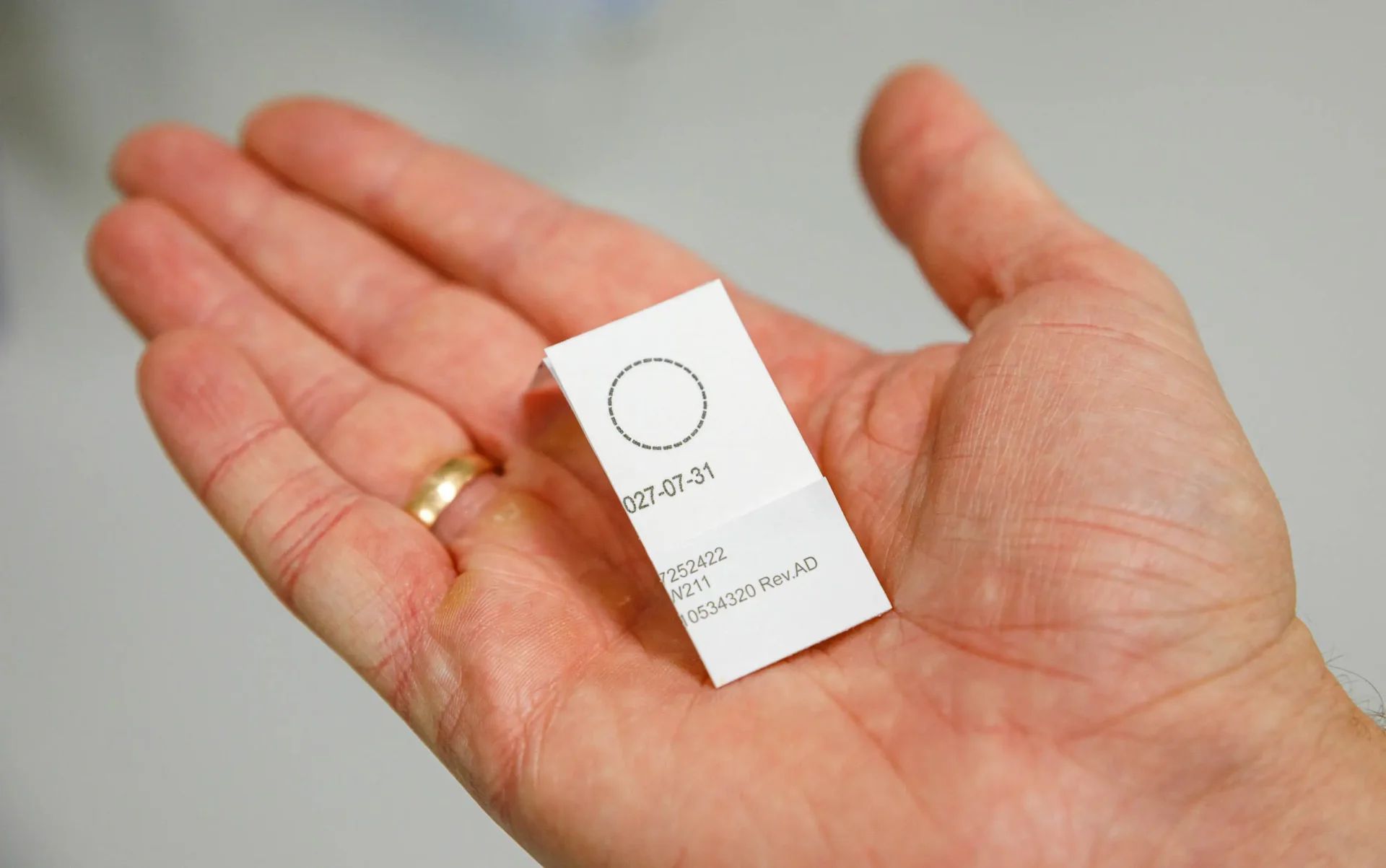
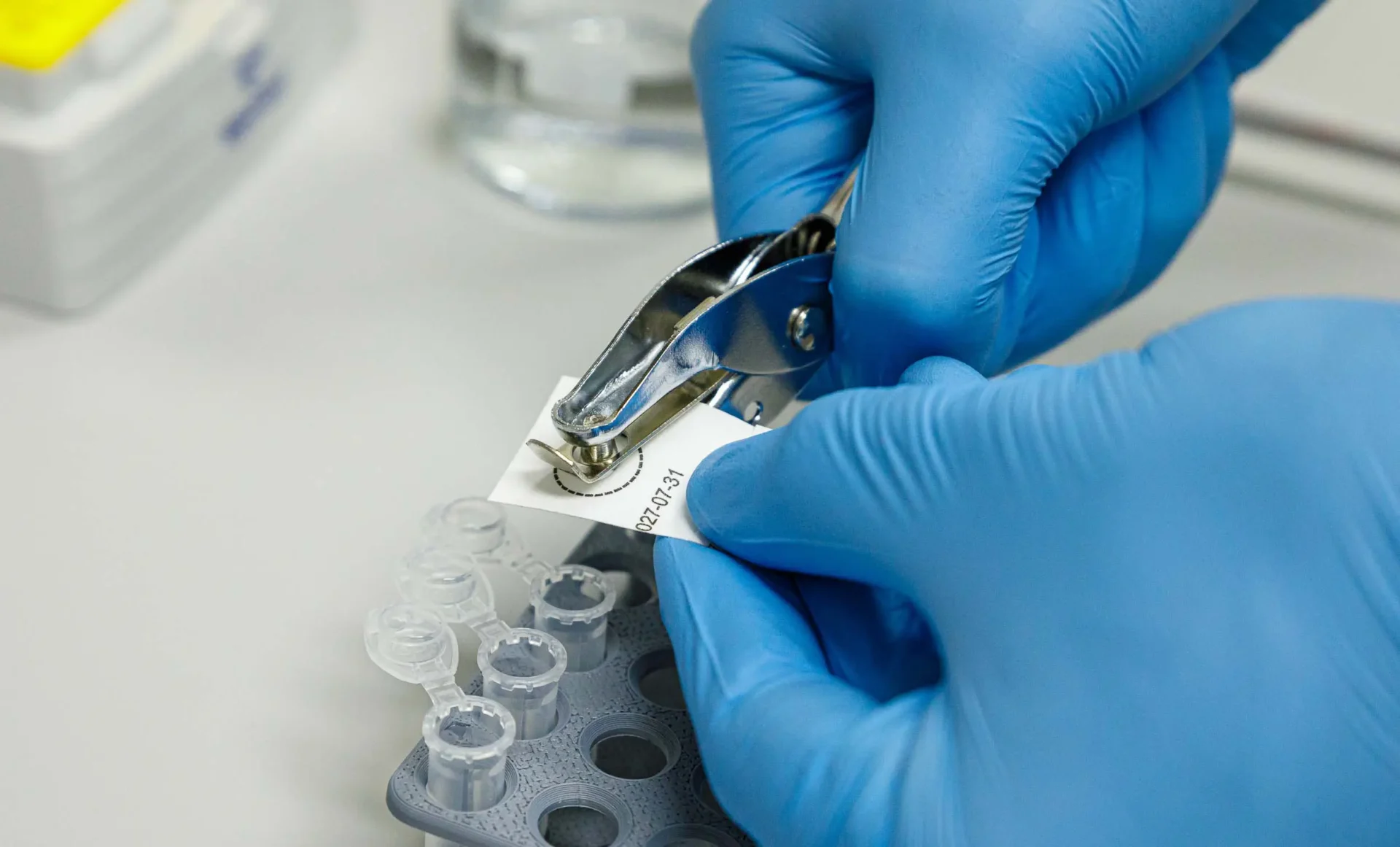
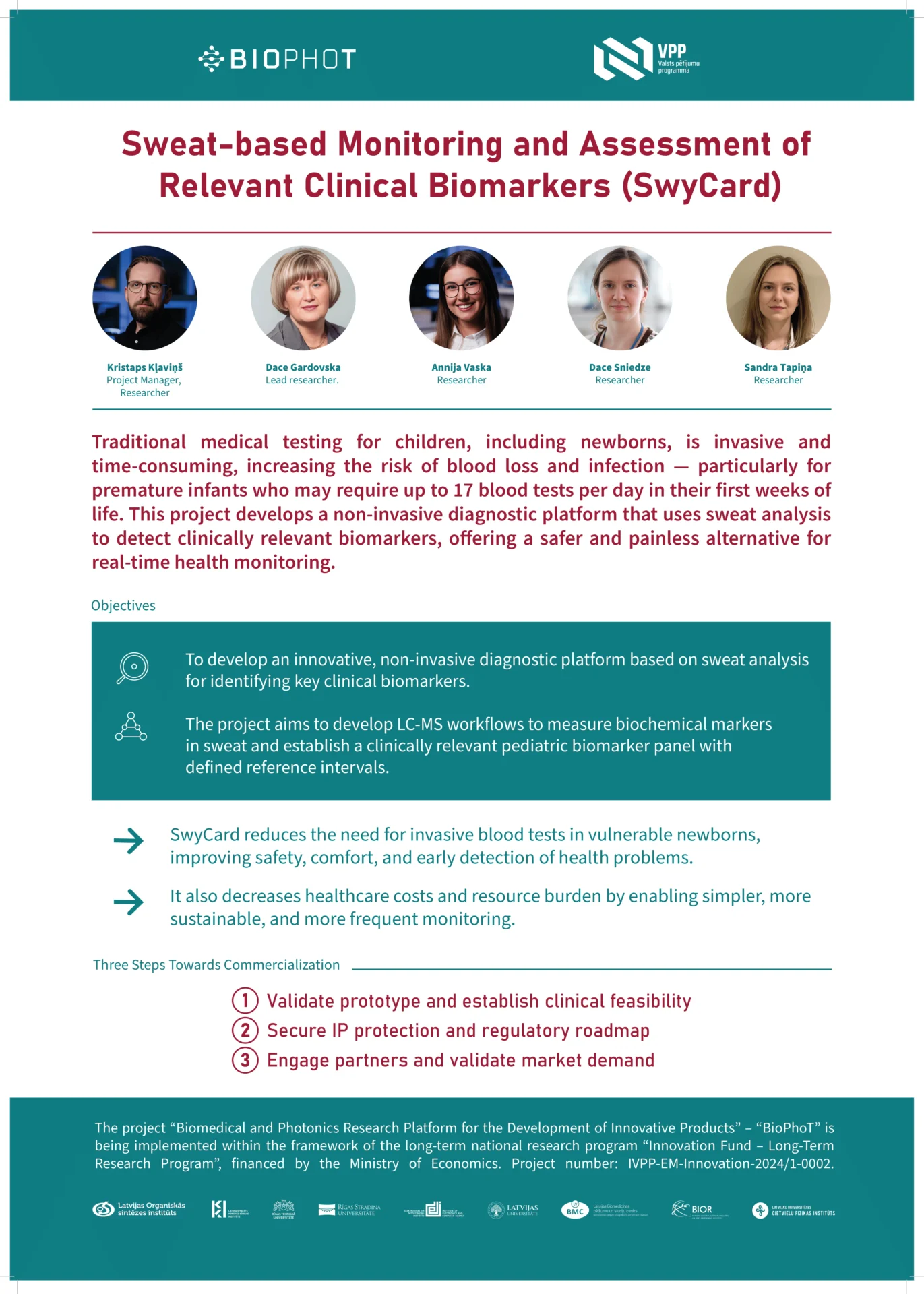
Traditional medical tests for children, including newborns, are invasive and time-consuming. They increase the risks of blood loss and infections, especially in premature babies, who may need up to 17 blood tests a day during the first weeks of life. The project is developing a non-invasive diagnostic platform that uses sweat analysis to identify clinical biomarkers. This technology provides a safe and painless alternative, allowing real-time monitoring of health status and early detection of problems.
Achievable results
The project aims to develop a new, non-invasive health screening platform based on sweat analysis.
The project will establish biomarker reference intervals to facilitate the development of new clinical tests in paediatric patients.
Benefit
The SwyCard project brings significant benefits to society by promoting safer and non-invasive healthcare for newborns.
SwyCard directly addresses a critical need in newborn care - reducing dependency on blood tests, which is painful, stressful and associated with complications such as infections and excessive blood loss. SwyCard provides a safer, painless and more accessible alternative for obtaining diagnostic information, improving the efficiency of clinical processes and increasing patient safety in this highly vulnerable patient group.
Allocated funding
200,000 EUR on October 13, 2025.
Team
Gallery