Video
Description
Fungal infections affect more than a billion people worldwide. Infections of the skin, nails and hair are the most common, but weakened immunity or invasive medical procedures can lead to severe, often fatal fungal infections that cause millions of deaths every year. Only four antifungal drug classes are available worldwide for treatment and they are showing rapid resistance development, which poses a significant threat to current treatment options. Candida albicans and other fungi have been listed as Critically Dangerous Pathogens by the World Health Organisation, highlighting the urgent need for new drugs with different mechanisms of action.
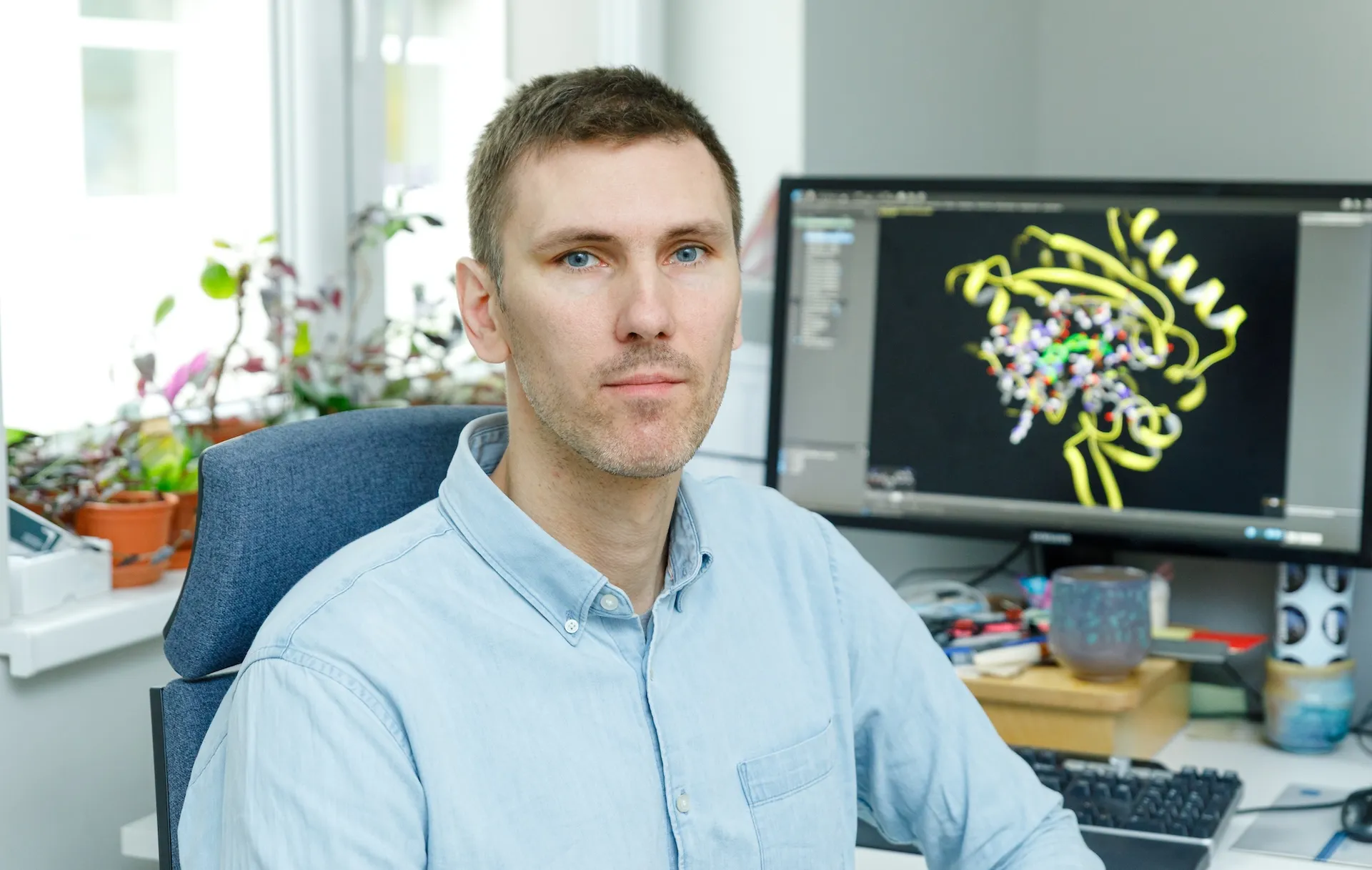
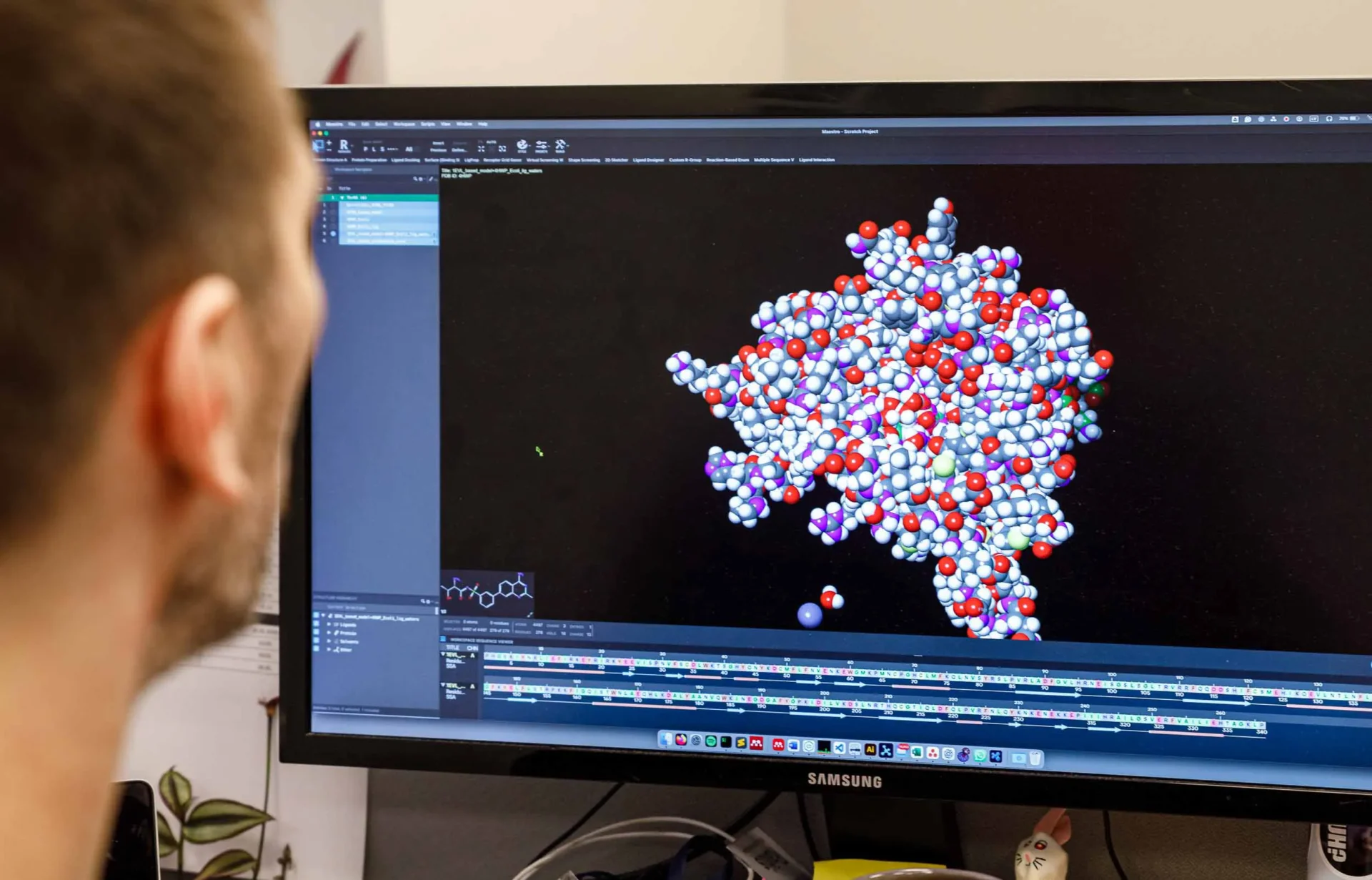
The TRIAL project offers a new solution: developing drug candidates that block threonyl-tRNA synthetase (ThrRS), an enzyme without which fungi are unable to synthesise proteins and reproduce. Compounds of natural origin have already shown that this mode of action can be effective, but previous molecules have been too complex or toxic. The project team is using structurally simpler compounds and an advanced structural biology approach to create potent and selective inhibitors of Candida albicans.
This project will provide fundamental knowledge on new drug targets, create patentable antifungal compounds and pave the way for the next round of drug development.
Achievable results
This project will provide fundamental knowledge on new drug targets, create patentable antifungal compounds and pave the way for the next round of drug development.
Benefit
In the long term, this means safer and more effective treatments for patients, a lower risk of resistance and significant public health benefits as invasive fungal infections continue to rise.
Allocated funding
200,000 EUR on October 13, 2025.
Team


Gallery