Video
Please note that the English version of this text has been prepared with the assistance of AI, and in some instances, it may not have been subsequently reviewed or edited by the authors.
Description
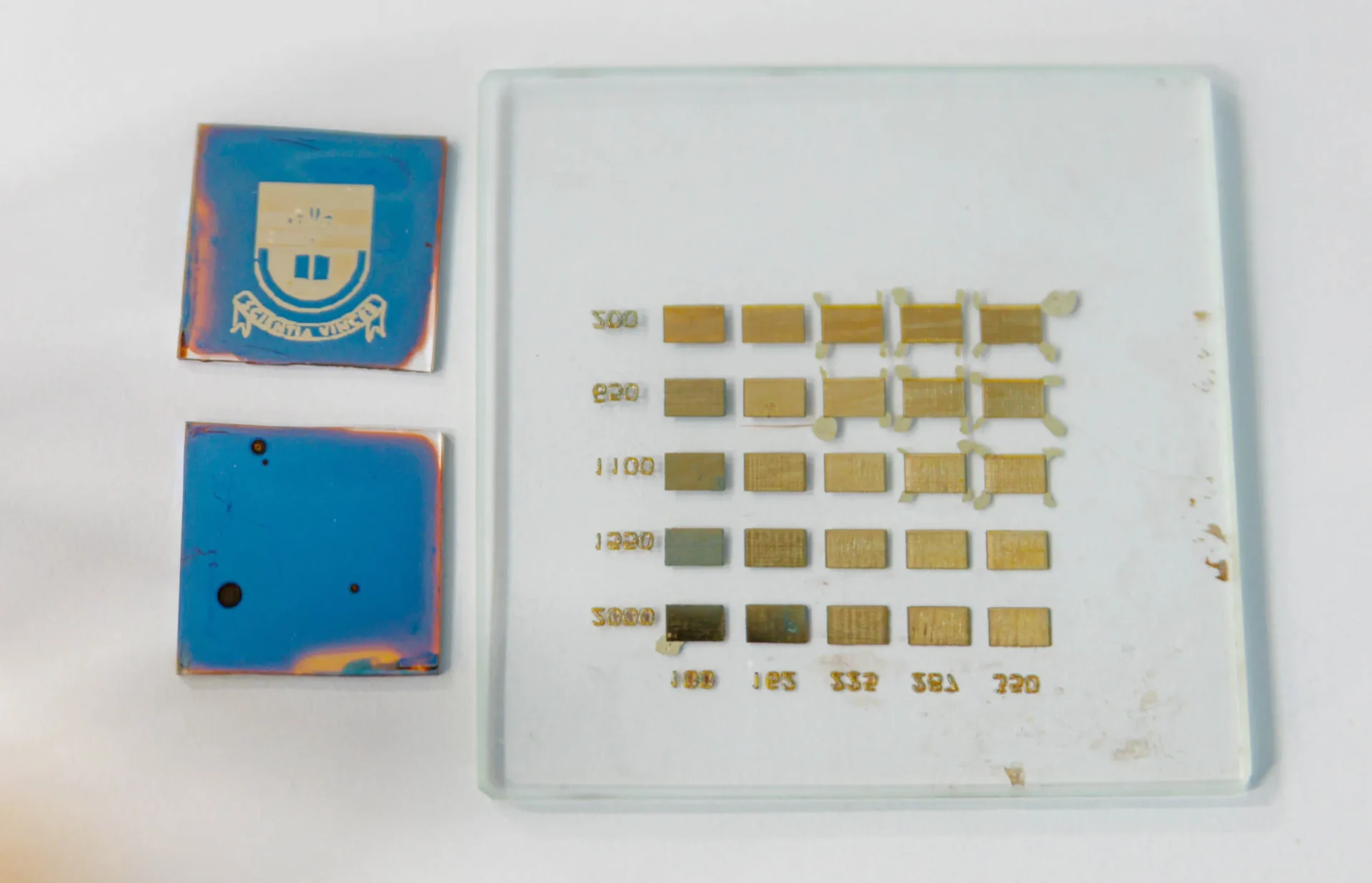
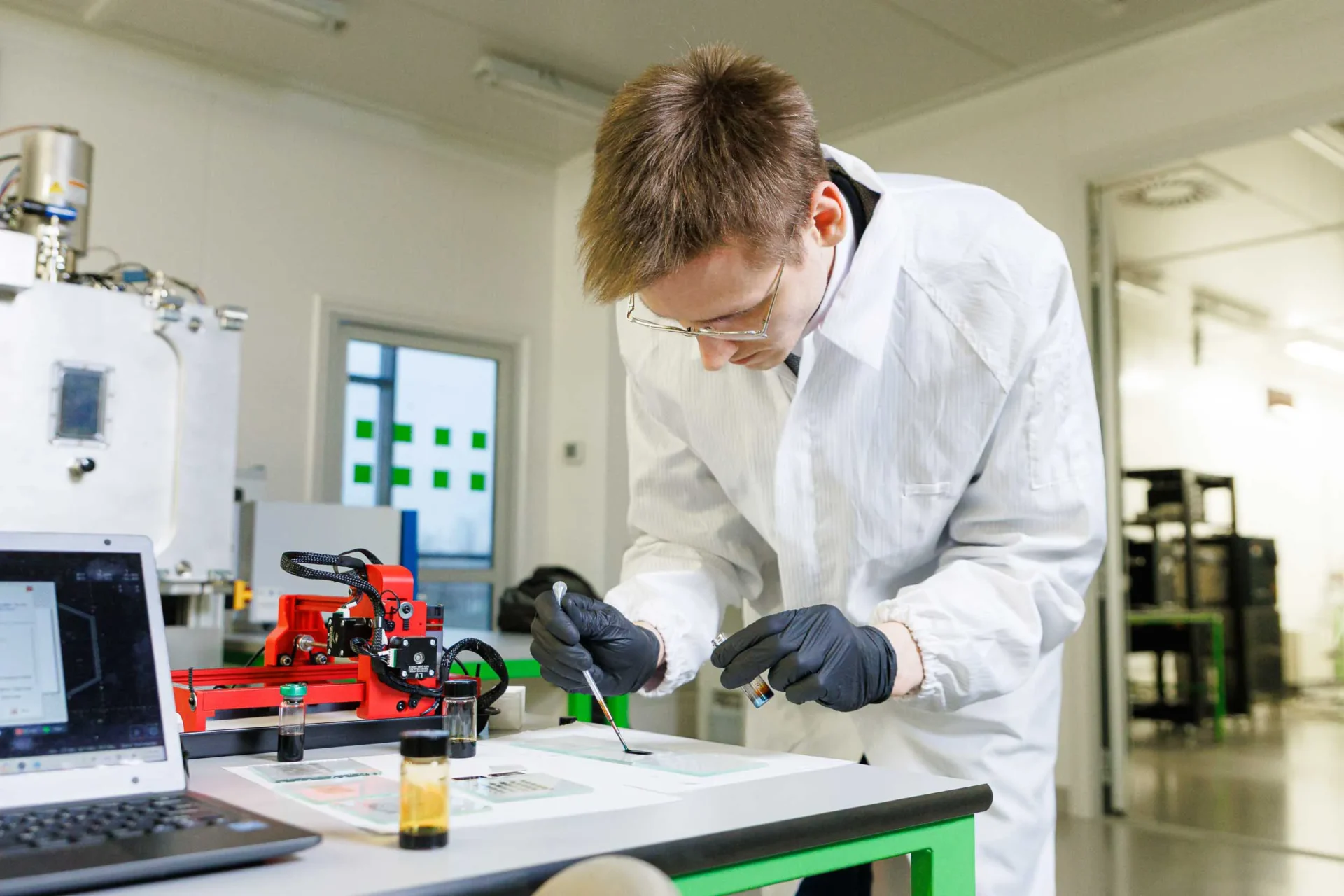
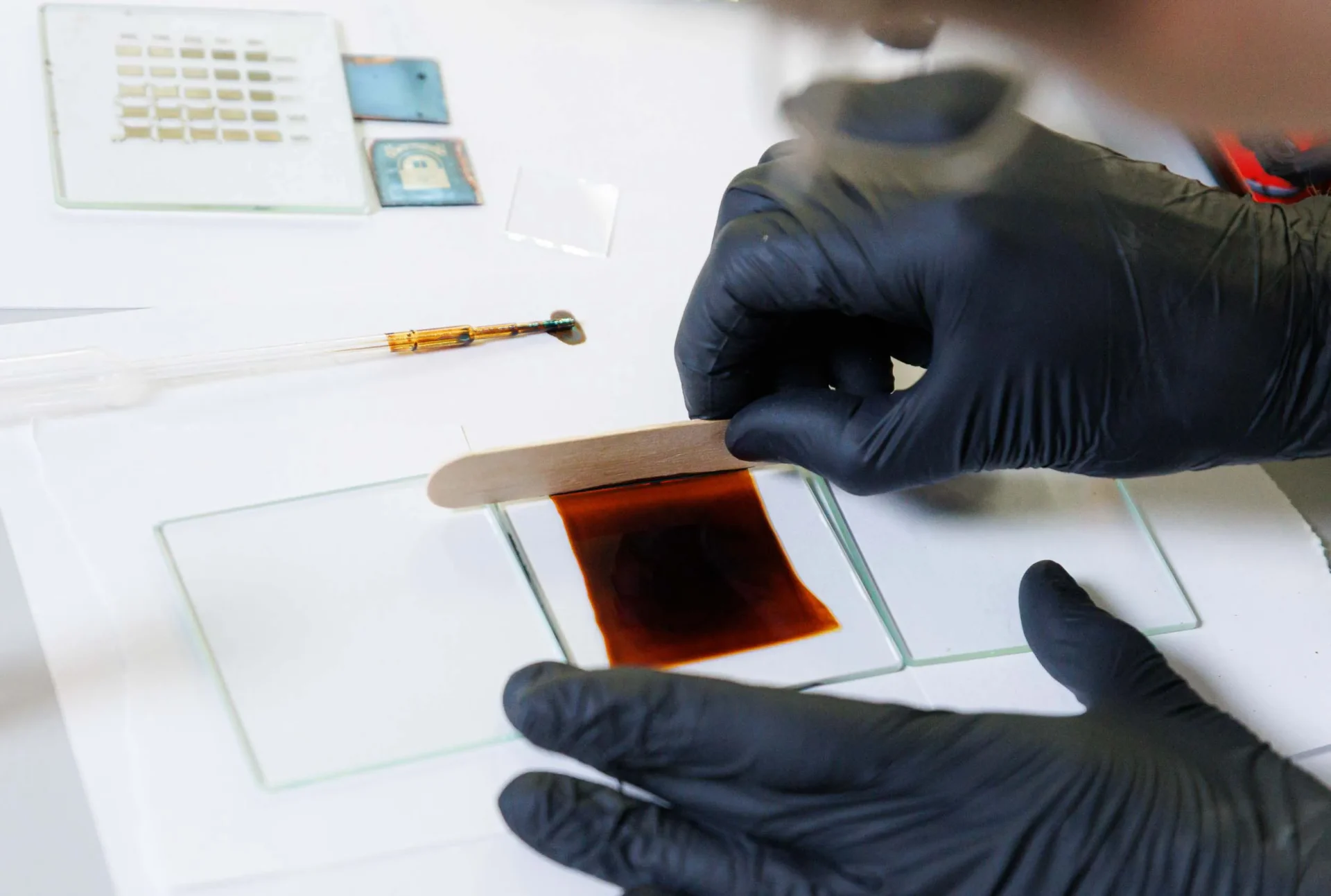
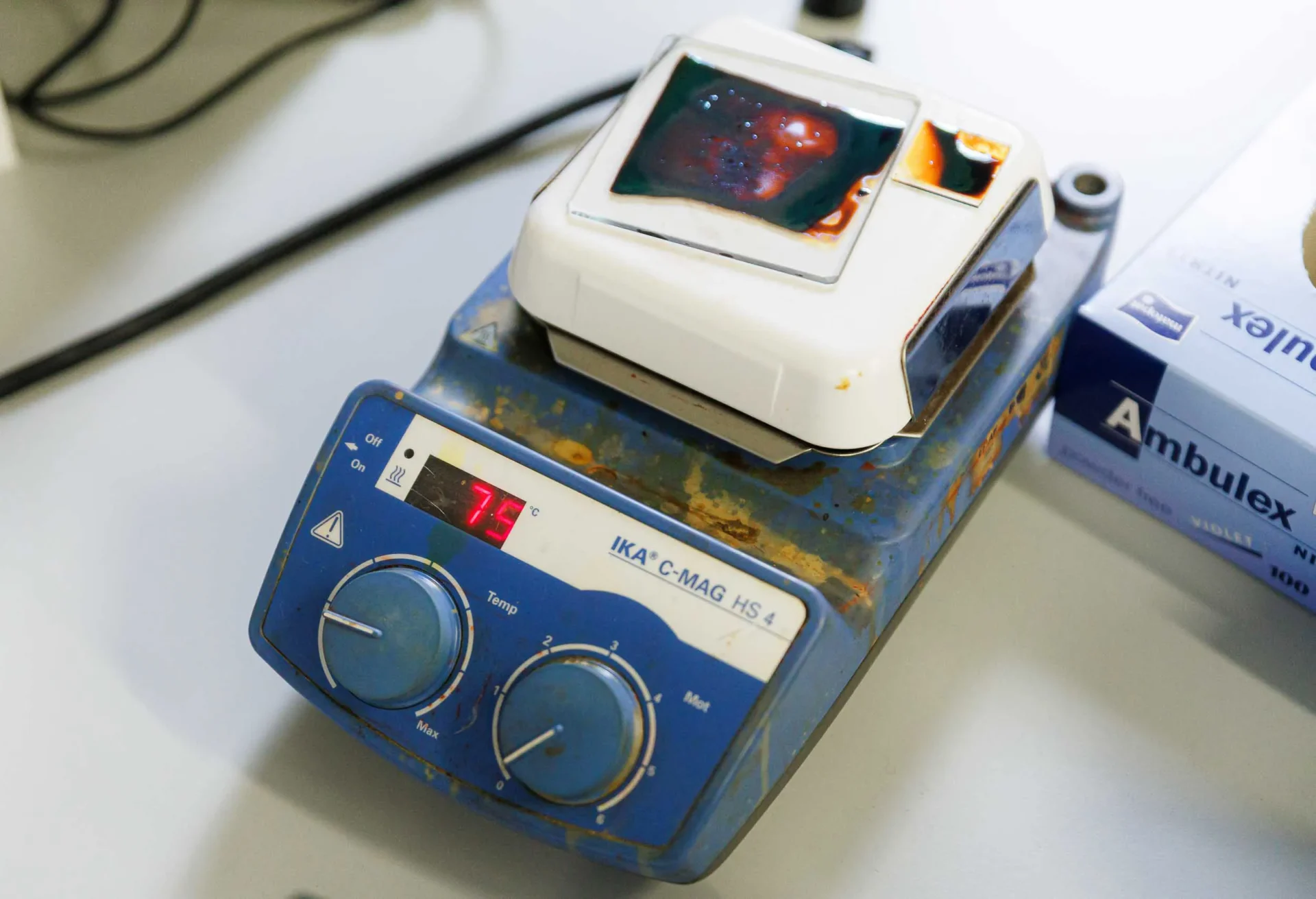
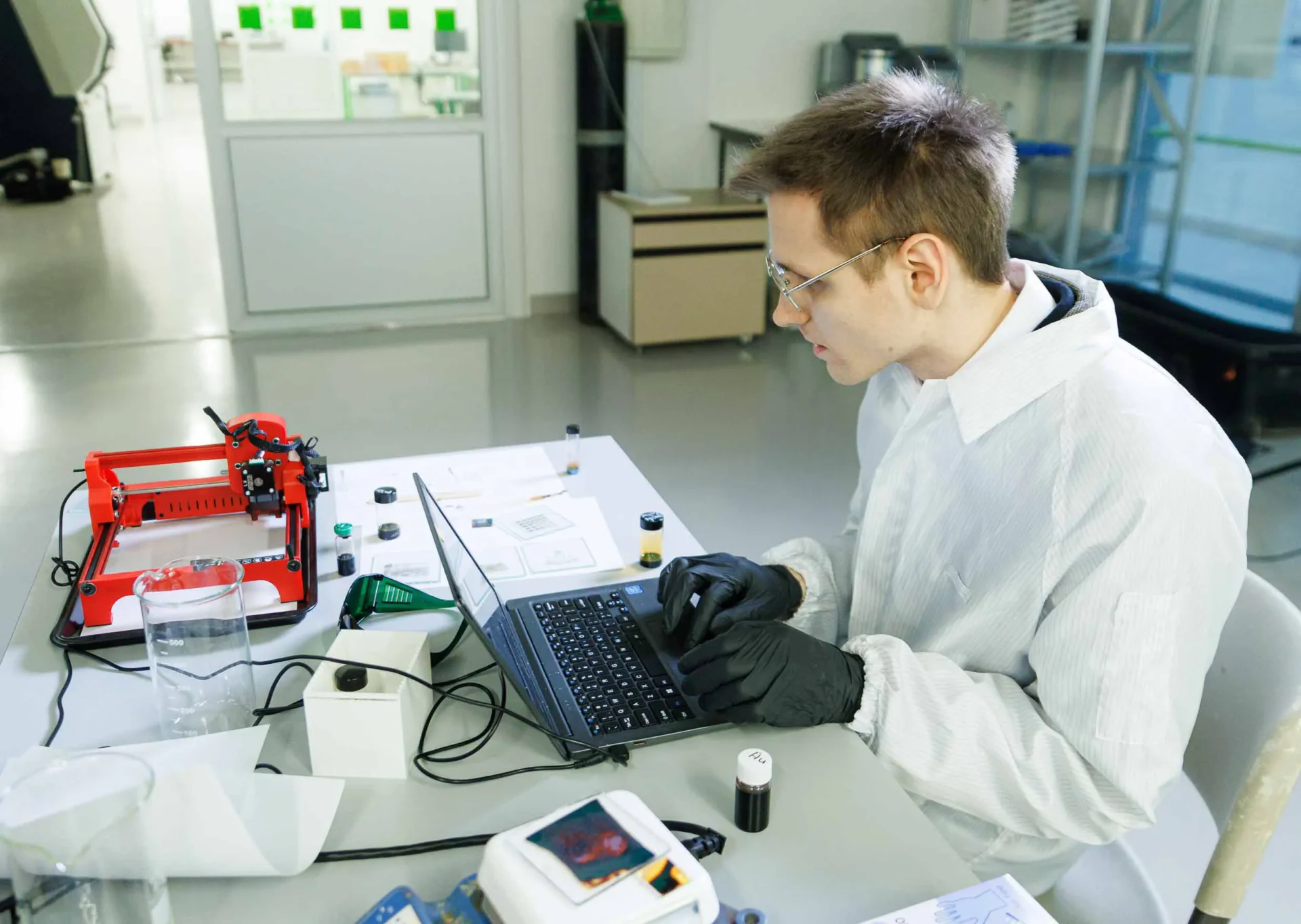
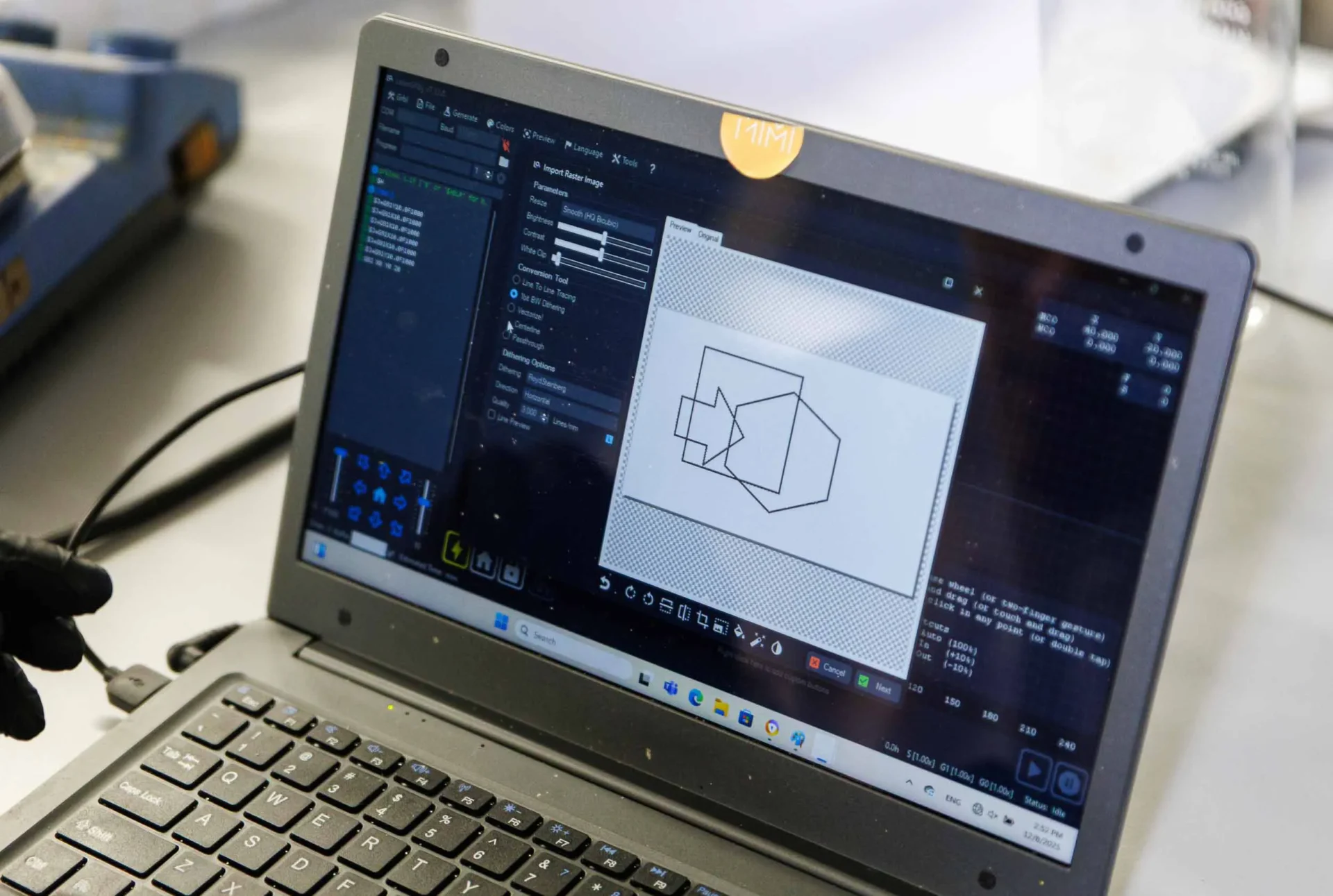
Chromogenic coating is the key technology for smart windows that will play an important role in energy saving in the near future. In this project we propose to synthesize chromogenic and plasmonic nanomaterials by forming advanced inks for printed x-chromic coatings with enhanced transmission of visible light and high solar modulation by incorporating plasmonic nanoparticles (NPs). An additional objective is to achieve a synergistic effect between the plasmonic and thermochromic components to reduce the phase transition temperature of the thermochromic material (down to 25-30 °C) by using the additional energy absorbed from the solar spectrum and converted into thermal energy by the plasmonic nanoparticles. It is important to note that ND-based deposition technology (e.g. inkjet printing) allows for a significant reduction in production costs compared to traditional vacuum deposition processes and makes smart windows more affordable for construction engineers and end users.
The Achievable Results
The main objective of the current research and innovation project is to develop functional inks for printing cost-effective and high-performance plasmonic and thermochromic coating for energy-efficient Smart Windows.
The Anticipated Benefit
The project will provide technologies to address major challenges in the development of a resource-efficient society. This will be achieved by addressing the energy losses associated with modern window and fenestration technologies. The impact of energy production on climate change is well known and described in the 2030 Agenda for Sustainable Development. One of the most important technologies for reducing energy consumption in buildings is smart windows, which are characterised by their ability to dynamically adjust the transmittance of light radiation and solar energy through an external stimulus. In addition, additive technologies such as inkjet printing based on nanomaterial inks allow a significant reduction in raw material consumption and production energy costs compared to traditional vacuum deposition processes, and make smart window technology more environmentally friendly and affordable for both civil engineering and end-users.
The Allocated Funding
EUR 199 141 as of 01.10.2025.
Team







Gallery