
Video
Please note that the English version of this text has been prepared with the assistance of AI, and in some instances, it may not have been subsequently reviewed or edited by the authors.
Description
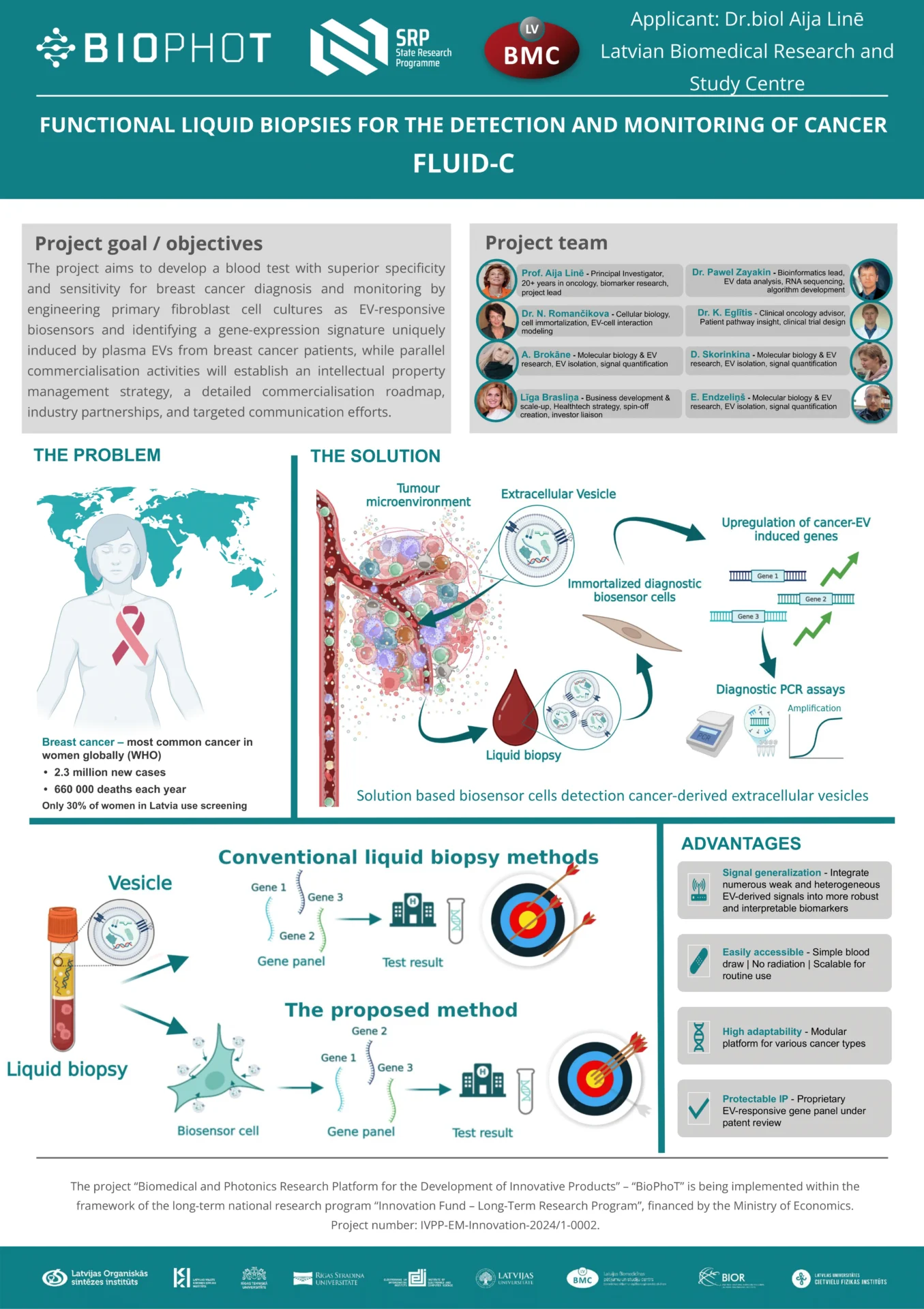
A large number of studies have shown that extracellular vesicles (EVs) derived from cancer cells promote cancer progression by activating different signalling pathways in target cells. In this project, we propose to develop a conceptually novel liquid biopsy method for cancer detection and monitoring based on gene expression changes induced in target cells by EVs in the patient's blood. In this one-year project, we plan to develop a proof-of-concept of this technology for the diagnosis of breast cancer (BC).
A key component of the proposed technology will be a cell line that acts as a biosensor - i.e. it can sense the patient's EVs and respond to them with specific changes in gene expression. The main research objective of the FLUID-C project is to establish a fibroblast cell line that would serve as a sensitive EV biosensor and to identify gene expression signatures that are specifically induced by EVs from breast cancer patients but not from healthy individuals.
Key commercialisation activities will include the development of an intellectual property management strategy, a detailed commercialisation roadmap, the identification of potential industry partners and targeted communication activities, thus mapping out a clear path to the implementation in the market.
The Achievable Results
To obtain proof-of-concept for the FLUID-C technology, using breast cancer diagnostics as an example, thus reaching TRL3, and to develop a roadmap for bringing this technology to market.
The Anticipated Benefit
Blood analysis for breast cancer diagnosis and early detection of recurrence, facilitating early detection and post-operative monitoring, thus improving the effectiveness of treatment and quality of life for patients.
The Allocated Funding
EUR 200,000 as of 01.10.2025.
Team








Gallery
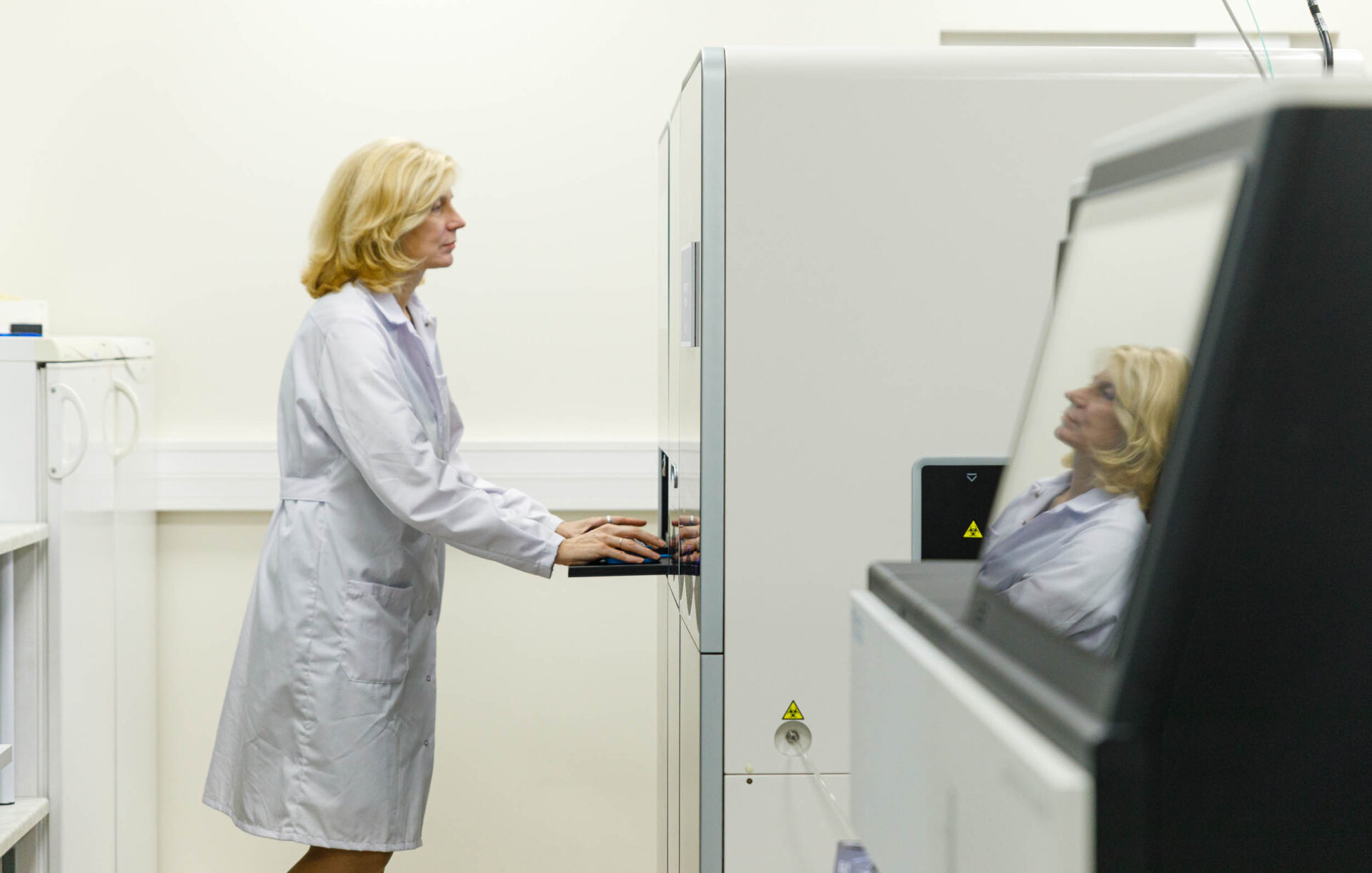
Functional liquid biopsy test for diagnosis and monitoring of tumours.
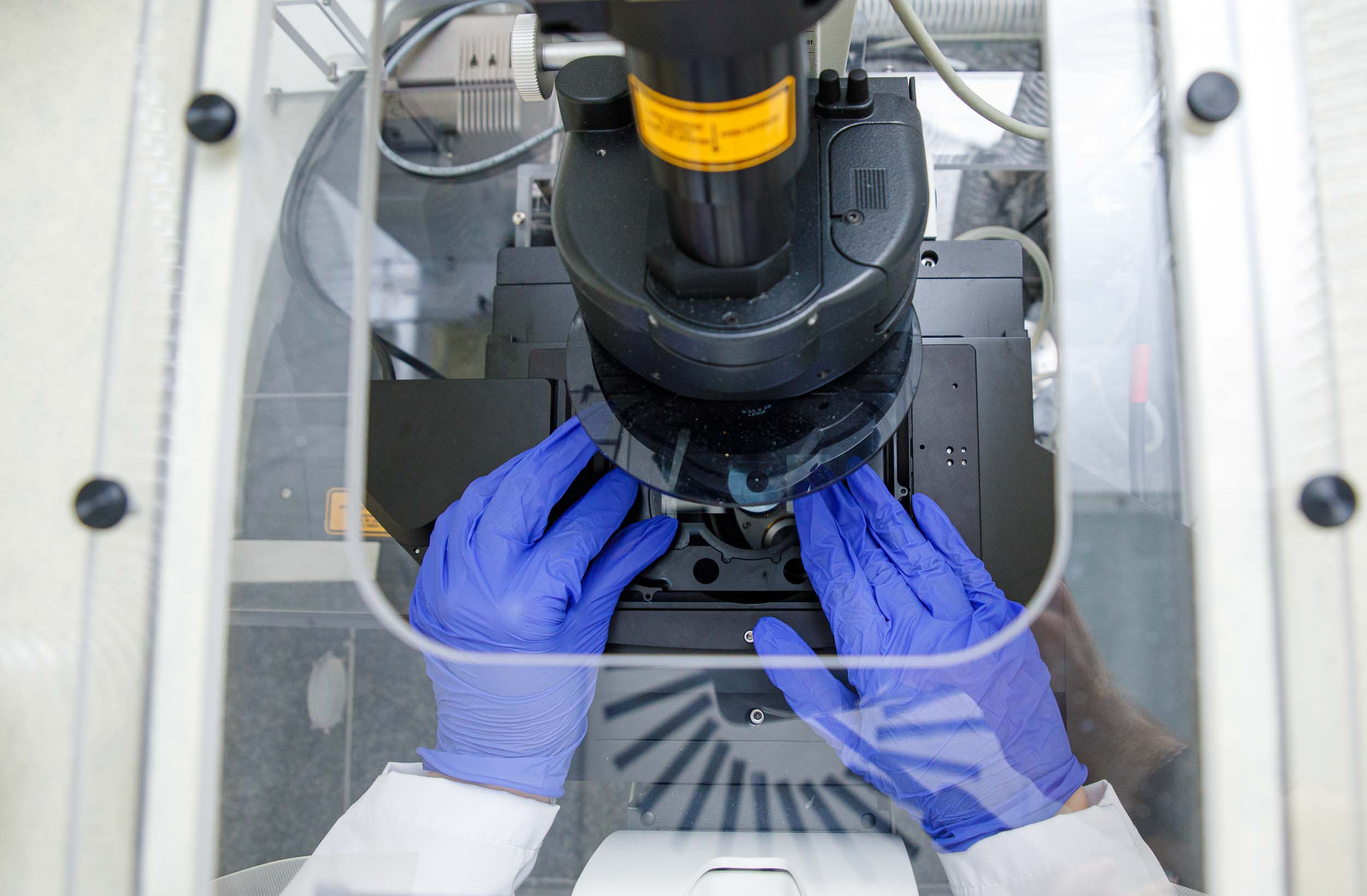
Functional liquid biopsy test for diagnosis and monitoring of tumours.
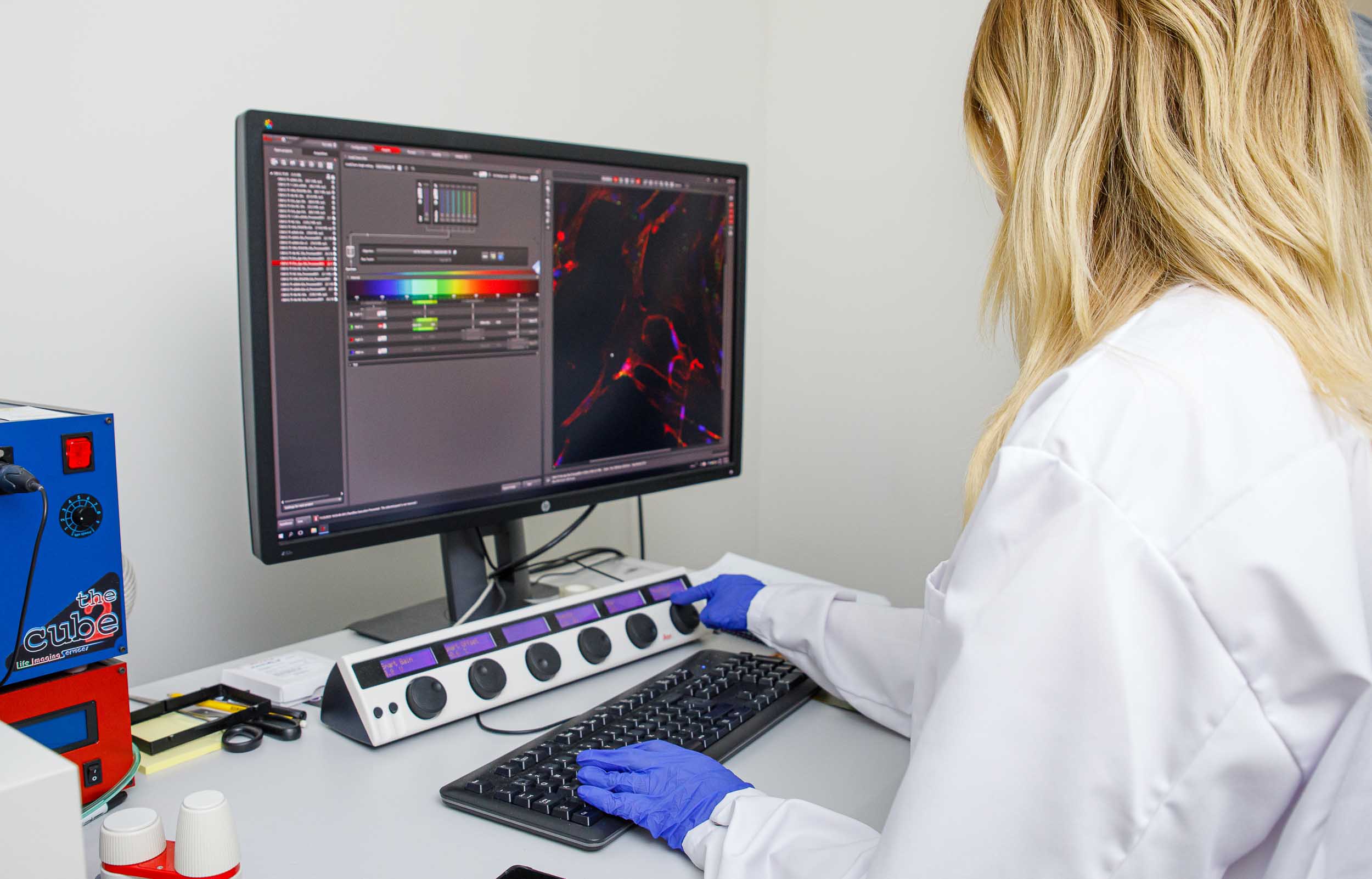
Functional liquid biopsy test for diagnosis and monitoring of tumours.
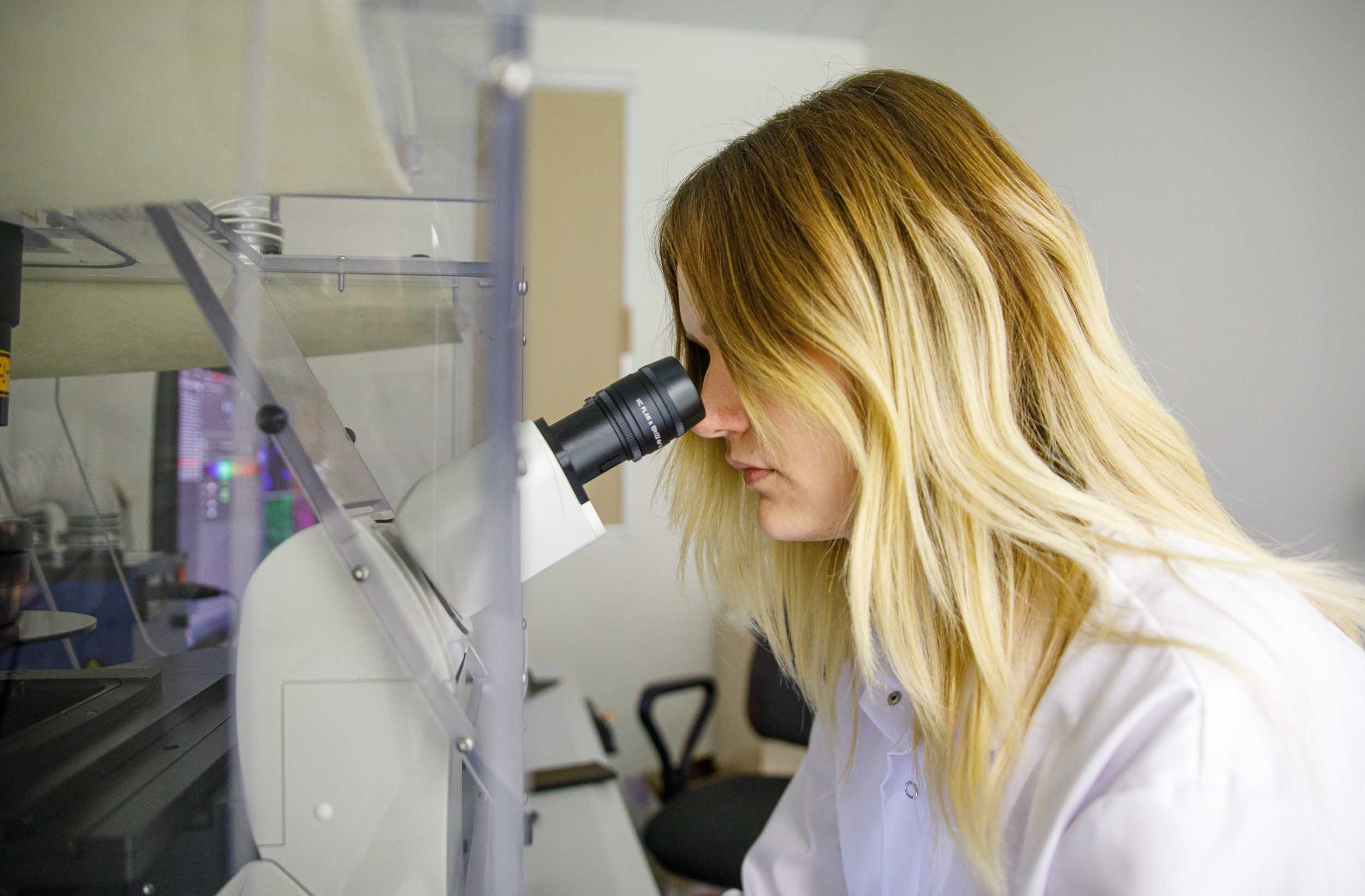
Functional liquid biopsy test for diagnosis and monitoring of tumours.
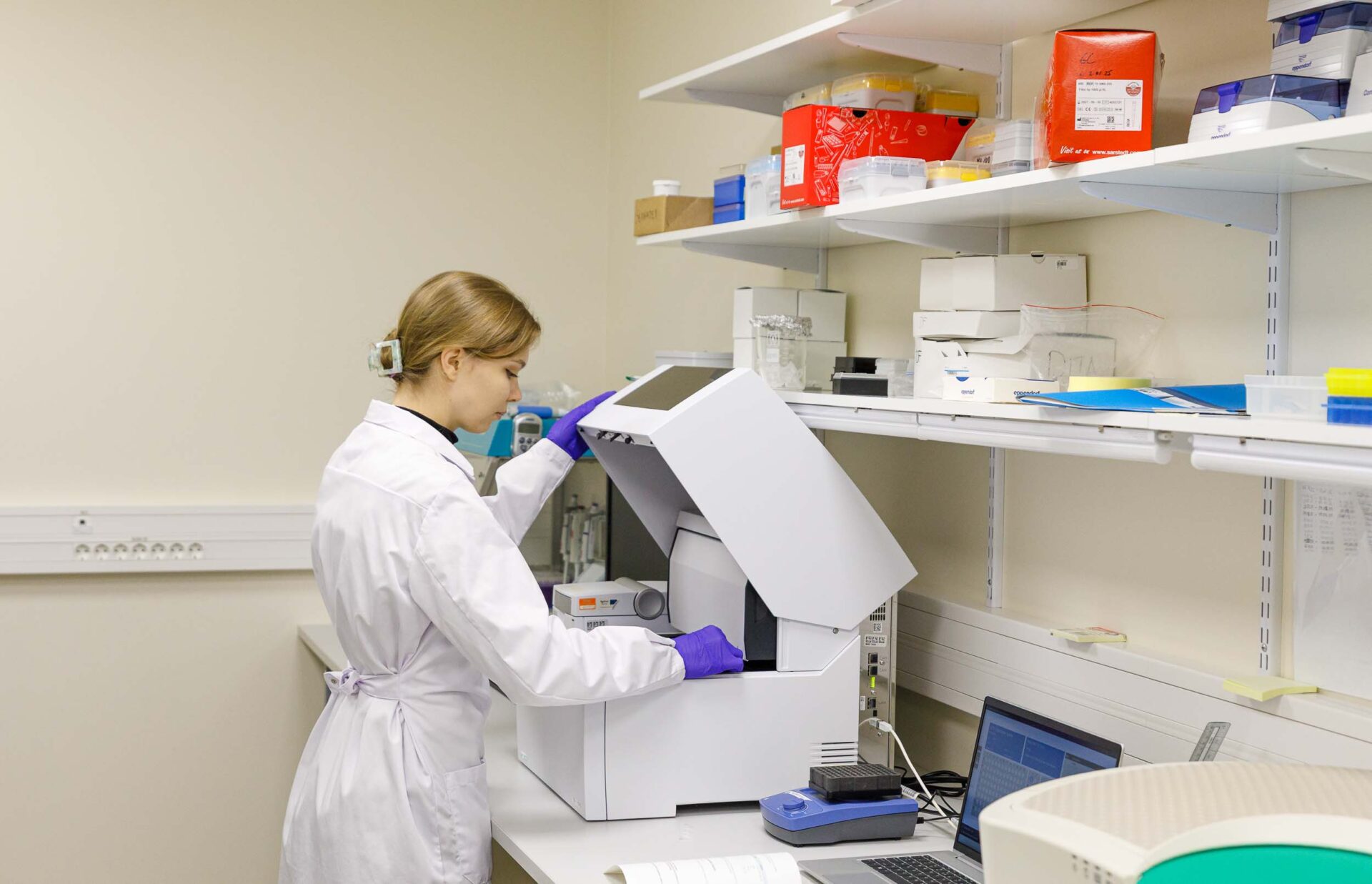
Functional liquid biopsy test for diagnosis and monitoring of tumours.
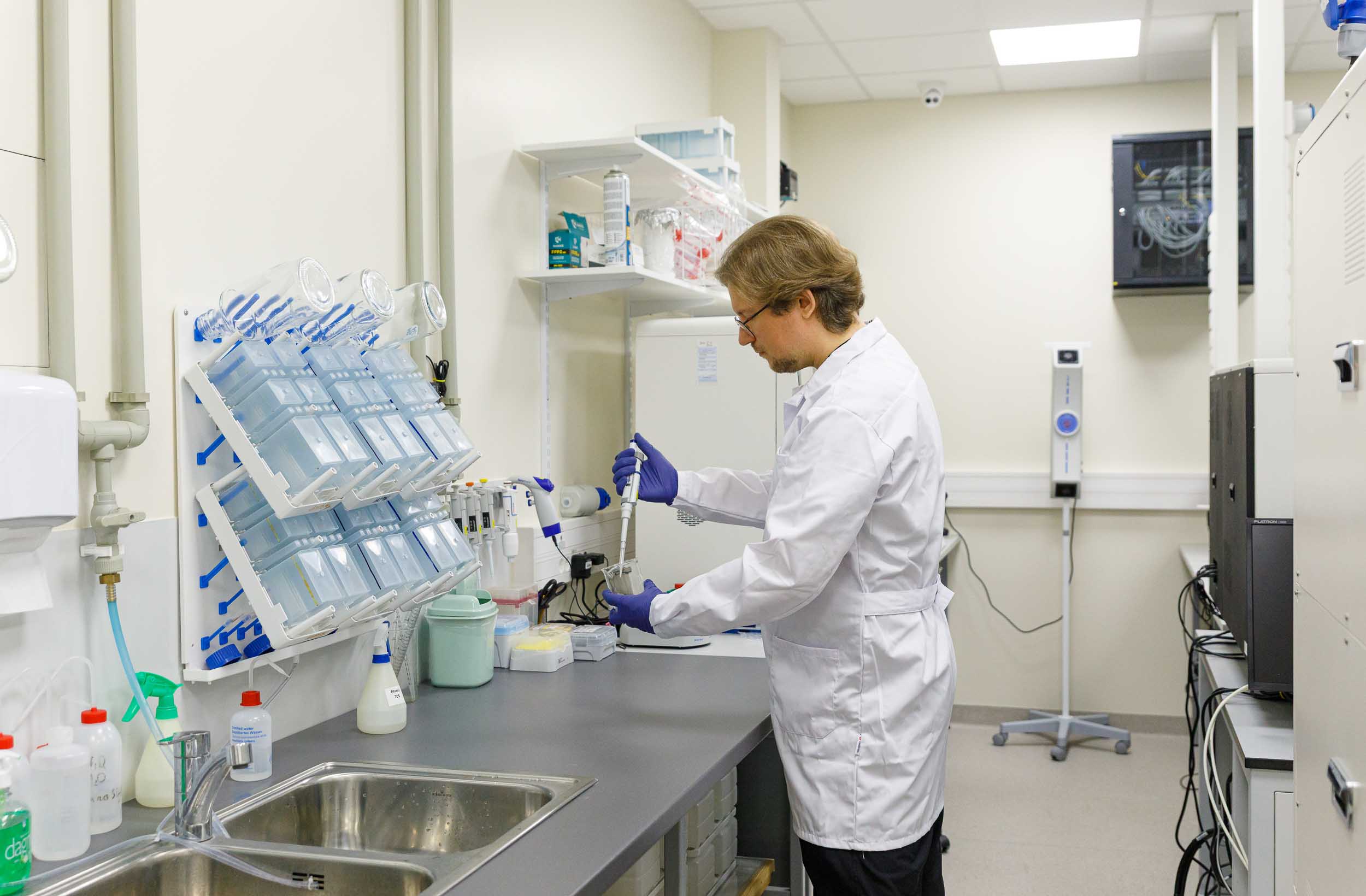
Functional liquid biopsy test for diagnosis and monitoring of tumours.
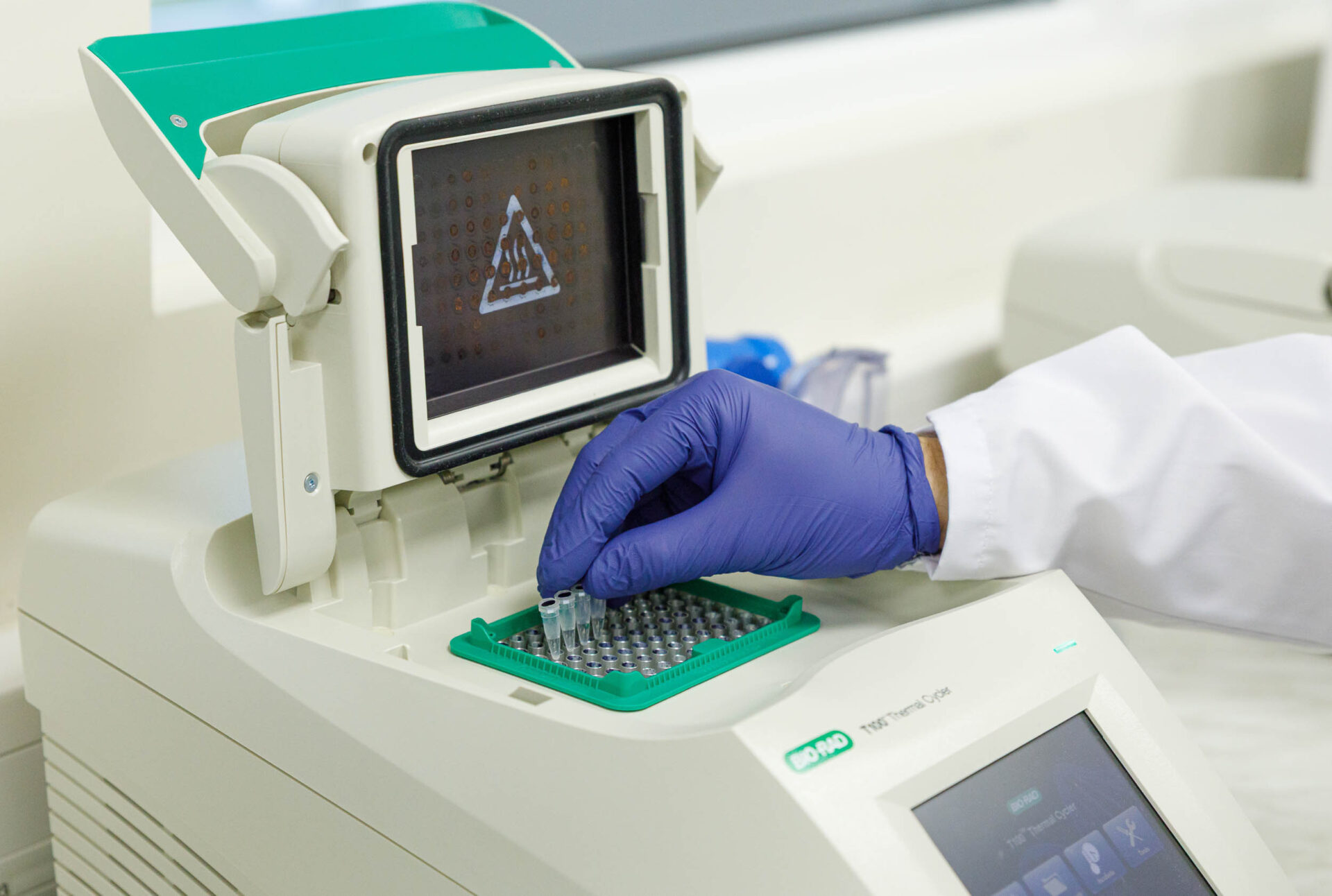
Functional liquid biopsy test for diagnosis and monitoring of tumours.
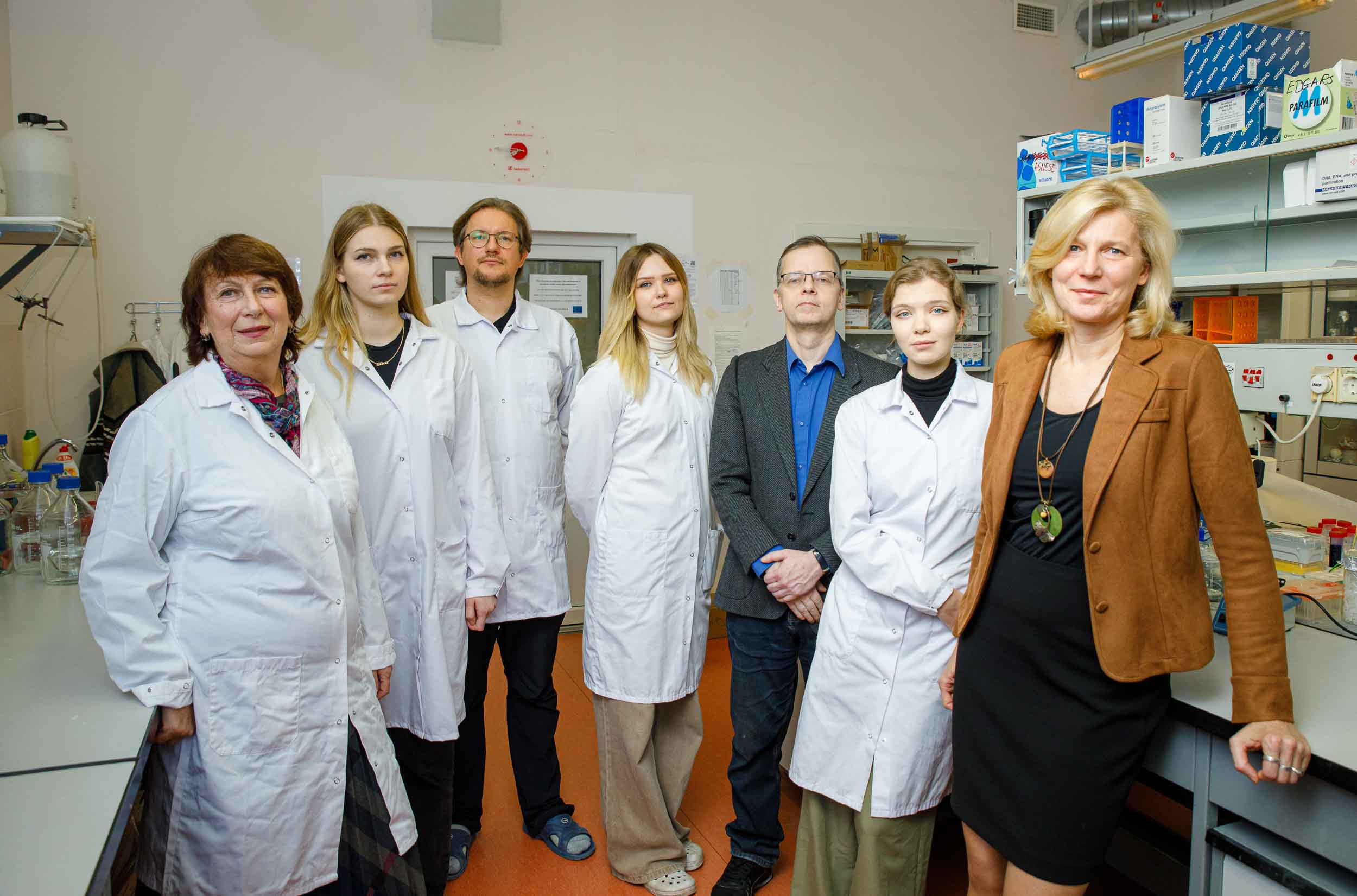
Functional liquid biopsy test for diagnosis and monitoring of tumours.