Video
Please note that the English version of this text has been prepared with the assistance of AI, and in some instances, it may not have been subsequently reviewed or edited by the authors.
Description
Osteosarcopenia—the coexistence of osteoporosis and sarcopenia—affects approximately 20% of older adults, significantly increasing the risk of fragility, falls, and mortality. Current diagnostics are fragmented, expensive, and reliant on hospital infrastructure. The BoMUS project introduces the first portable dual-mode ultrasound system that simultaneously quantifies bone porosity and muscle quality using artificial intelligence. This enables early risk identification in primary care and large-scale population screening.
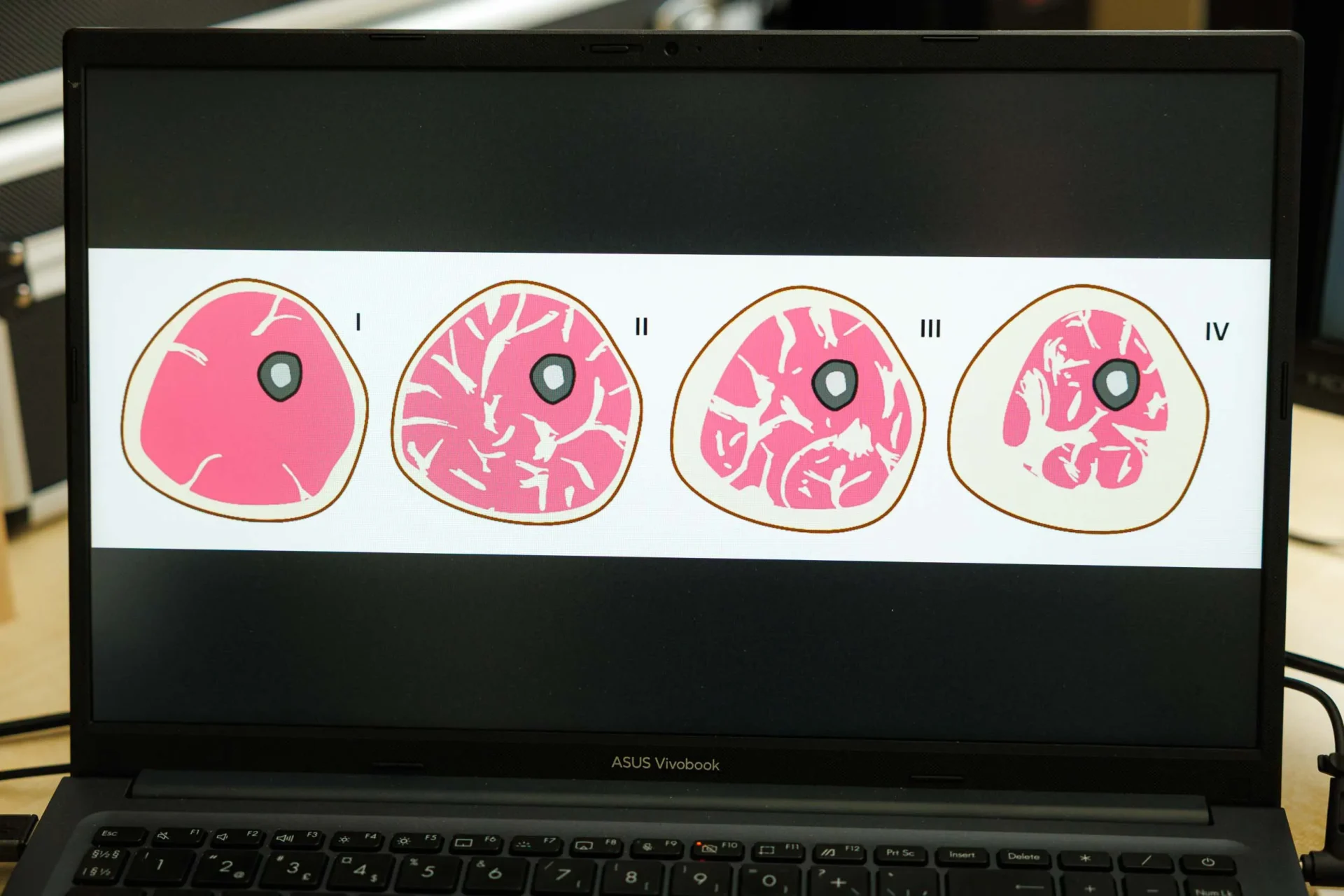
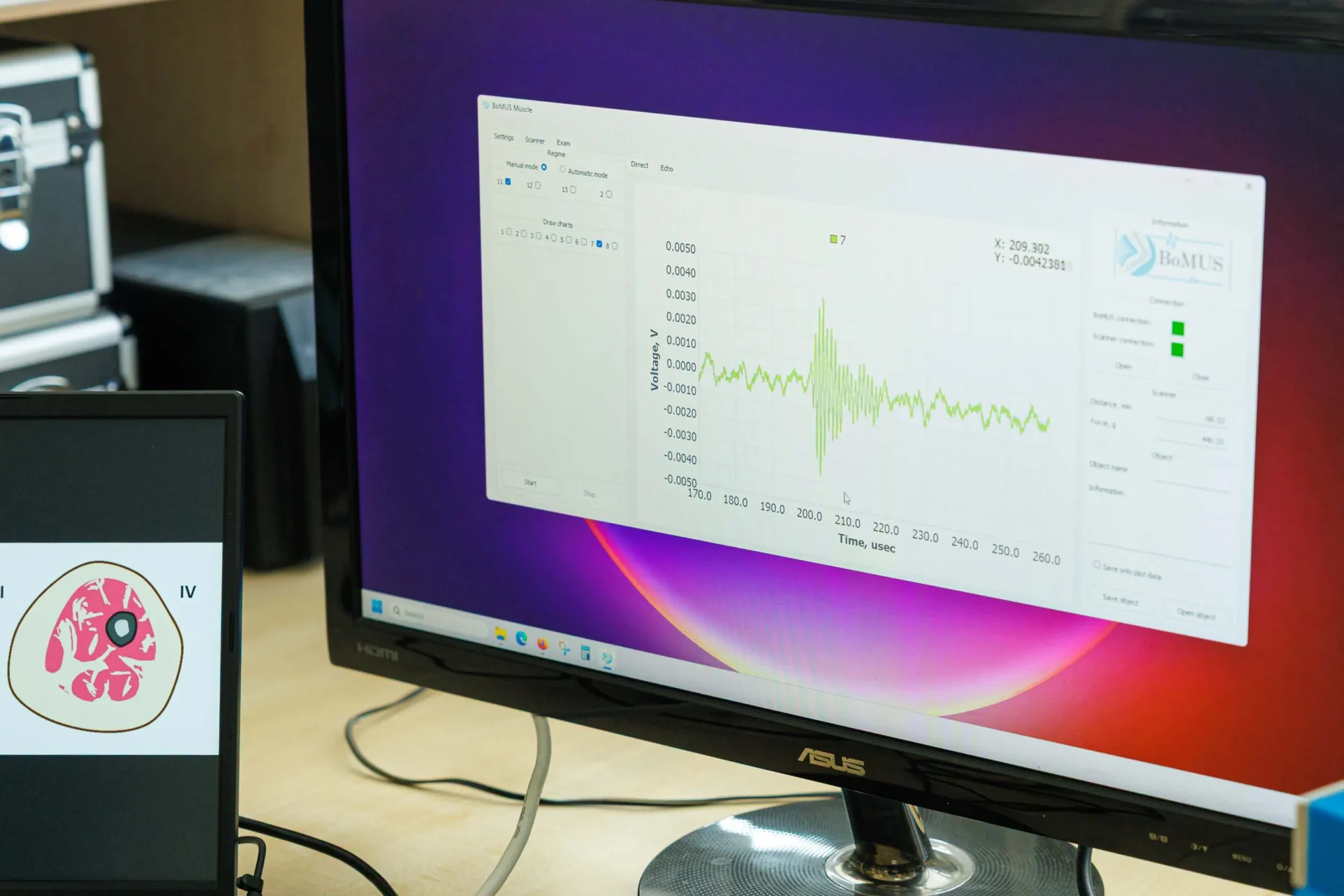
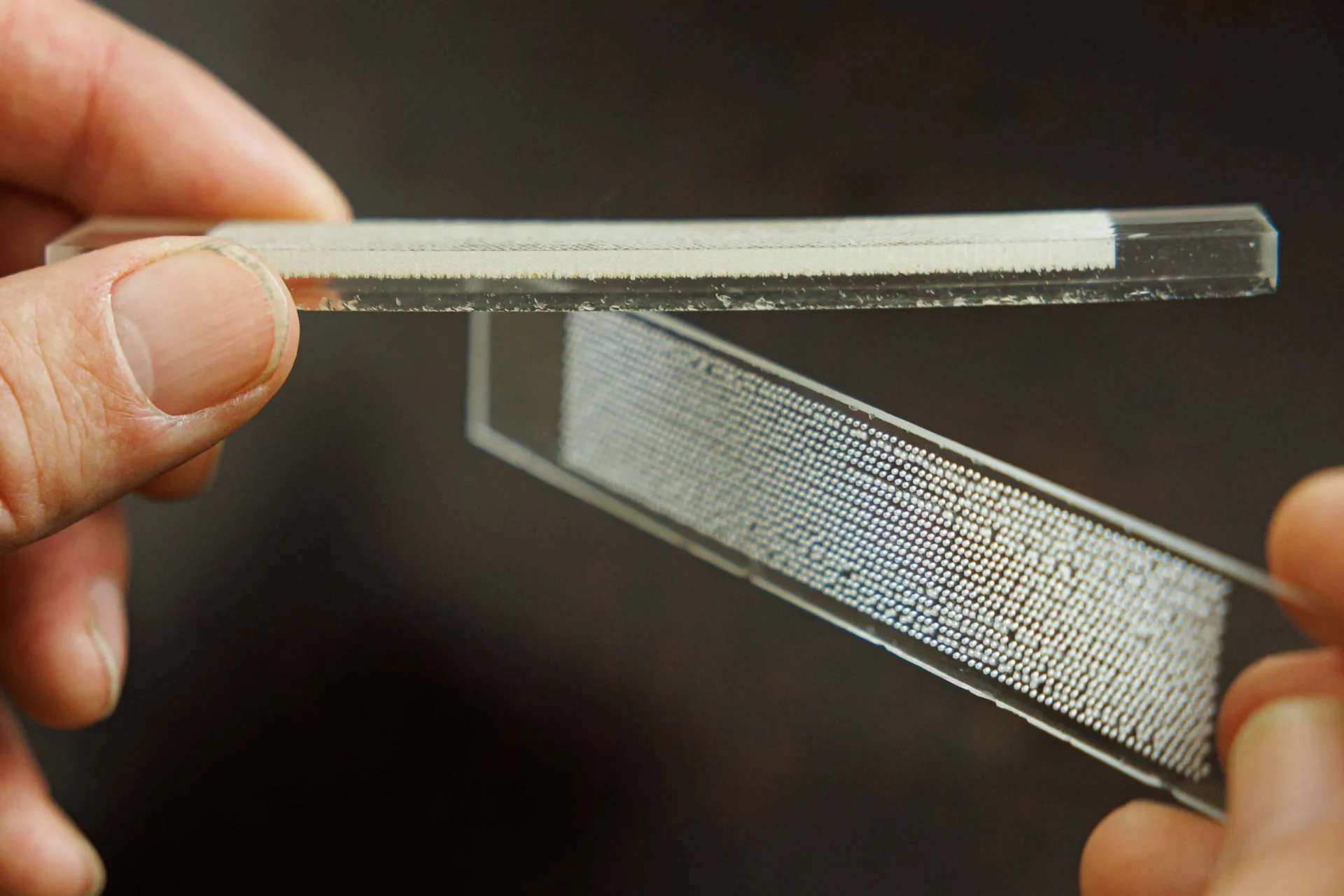
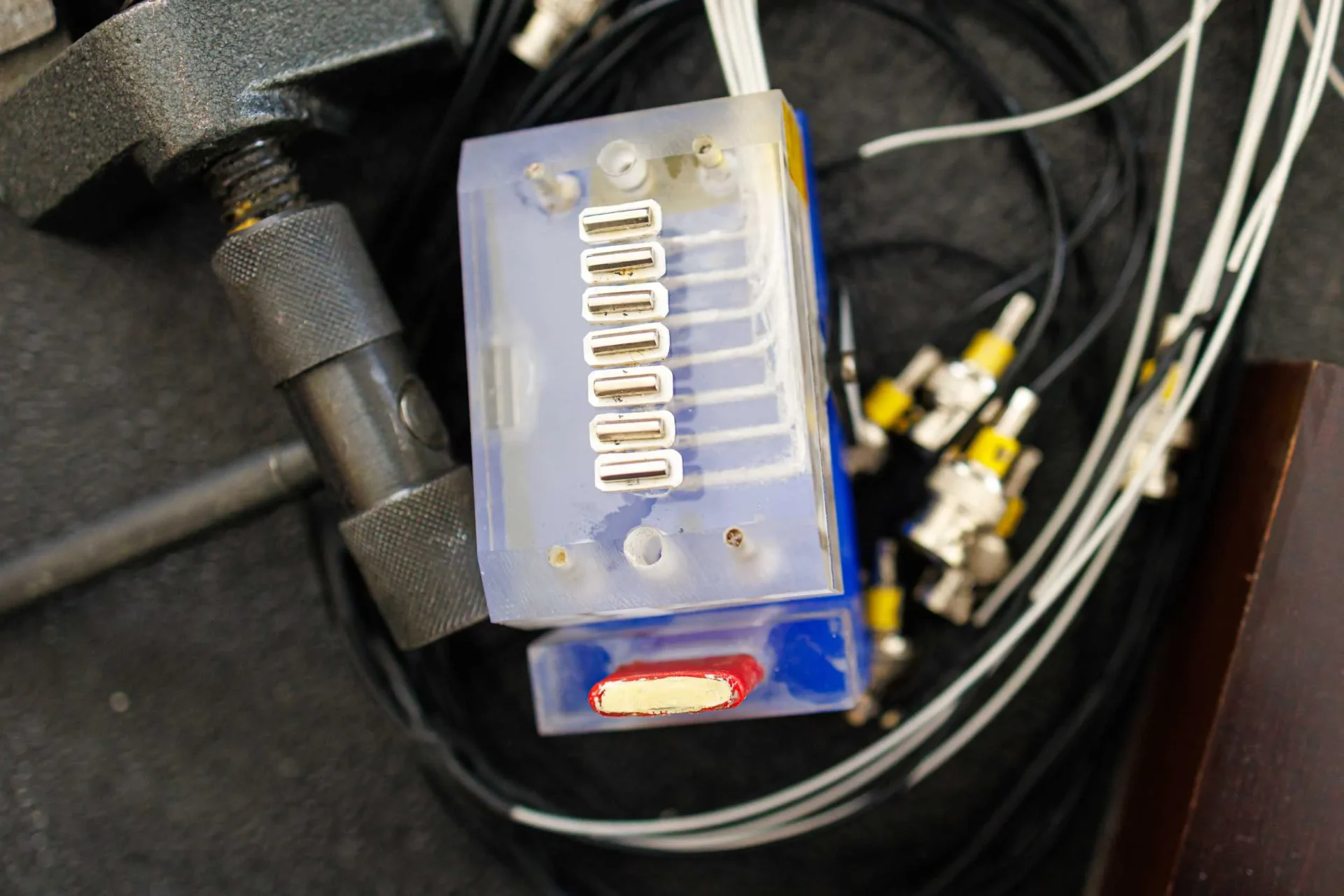
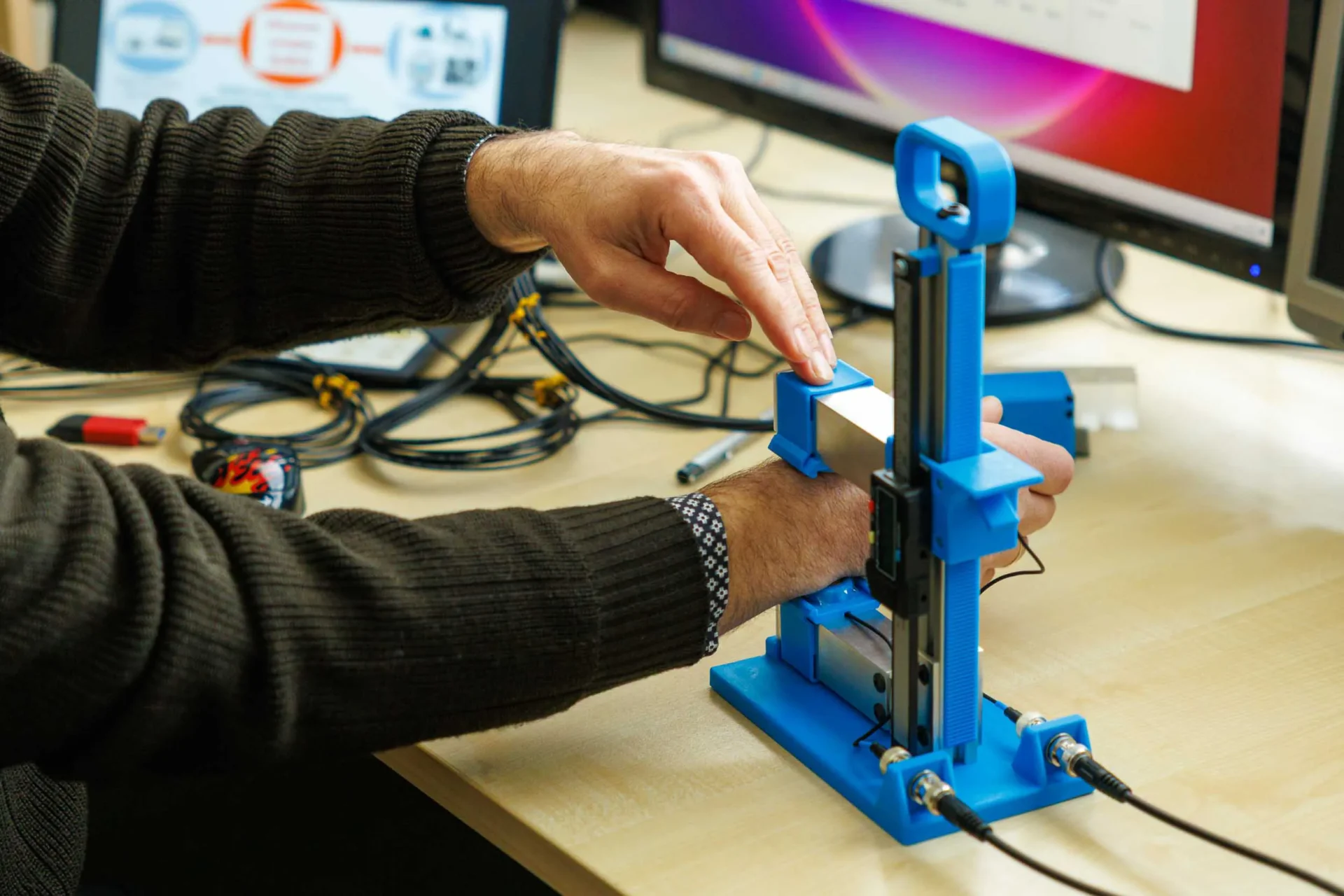
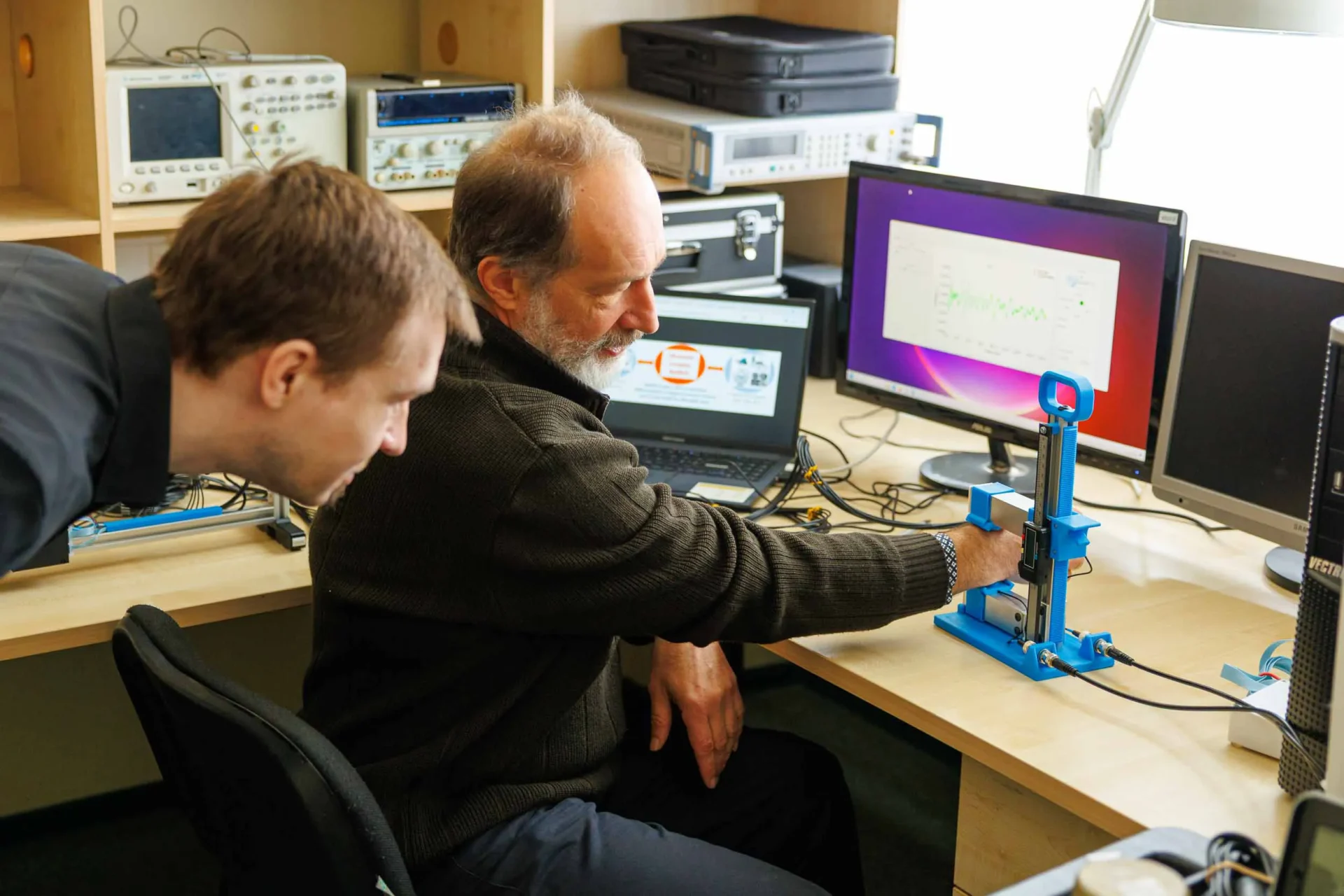
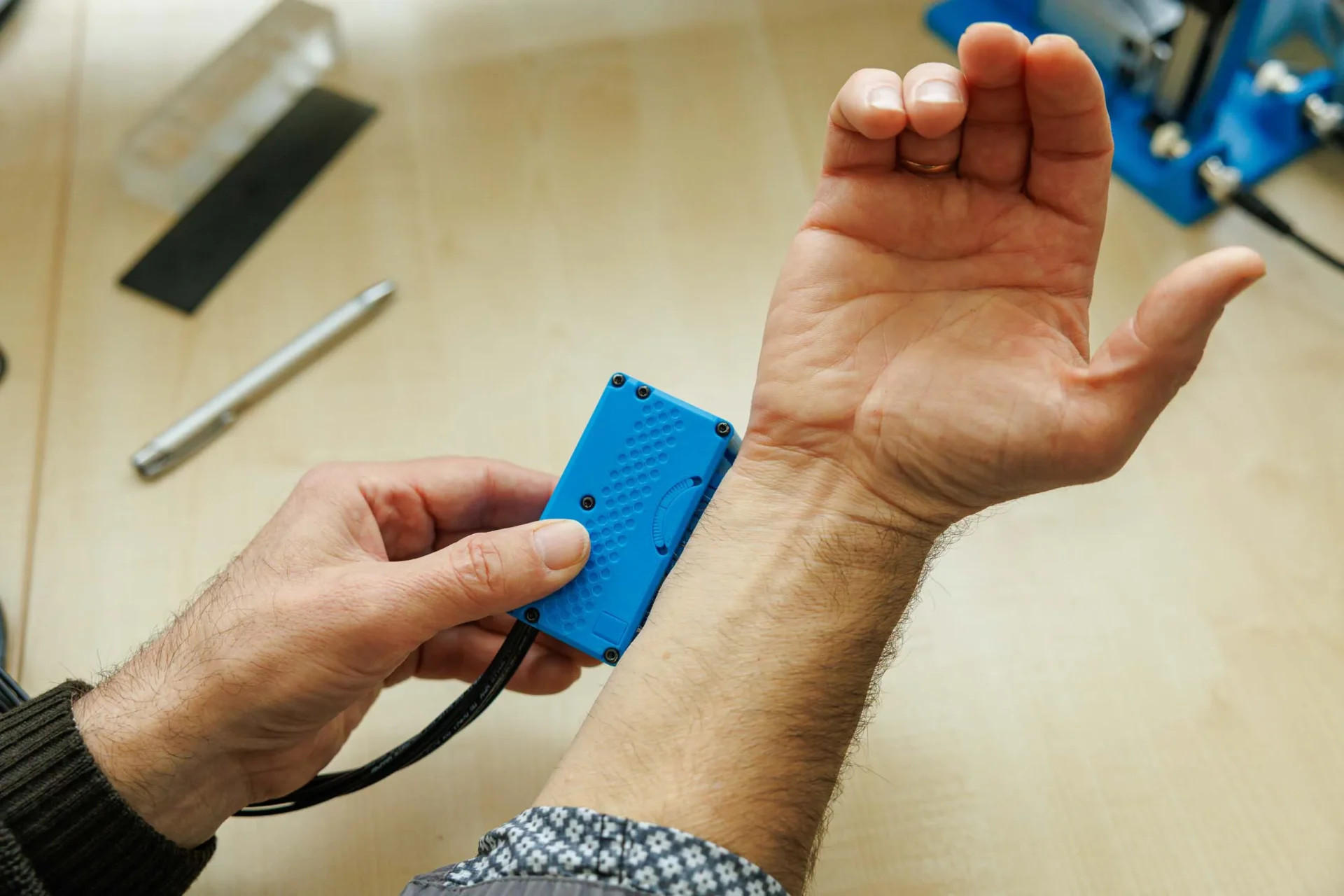
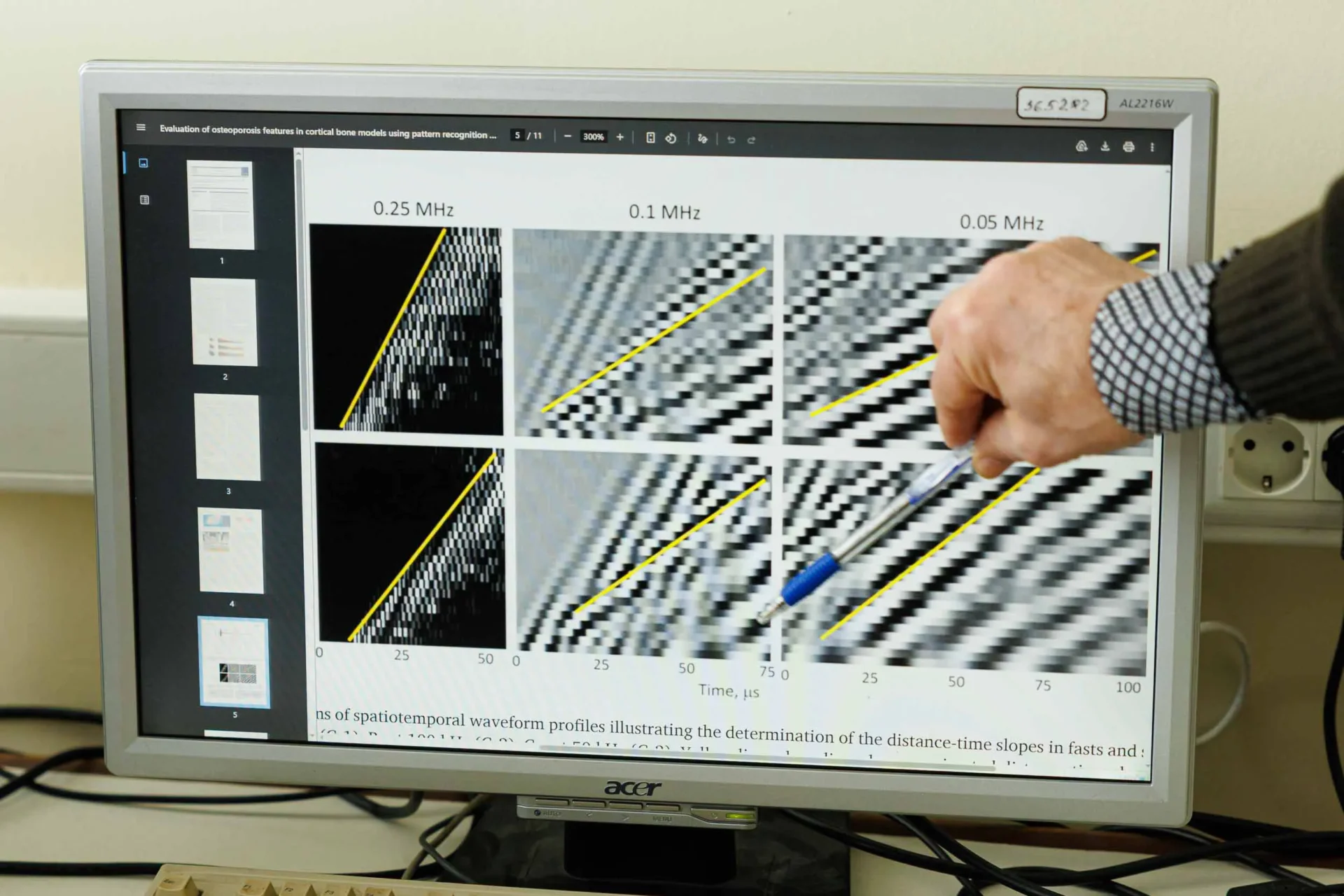
Within the project a system is being developed that combines ultrasound sensors with artificial intelligence-driven signal processing, providing a fast, cost-effective, and non-ionizing radiation alternative to expensive and immobile imaging methods such as MRI, XCT, and DXA. It relies on two complementary measurement methods: (1) guided wave propagation analysis along long bones to assess cortical thickness and intracortical porosity – key fracture risk factors in osteoporosis, and (2) through-transmission wave analysis in skeletal muscles to quantify intramuscular fat infiltration – a significant marker of muscle atrophy and sarcopenia.
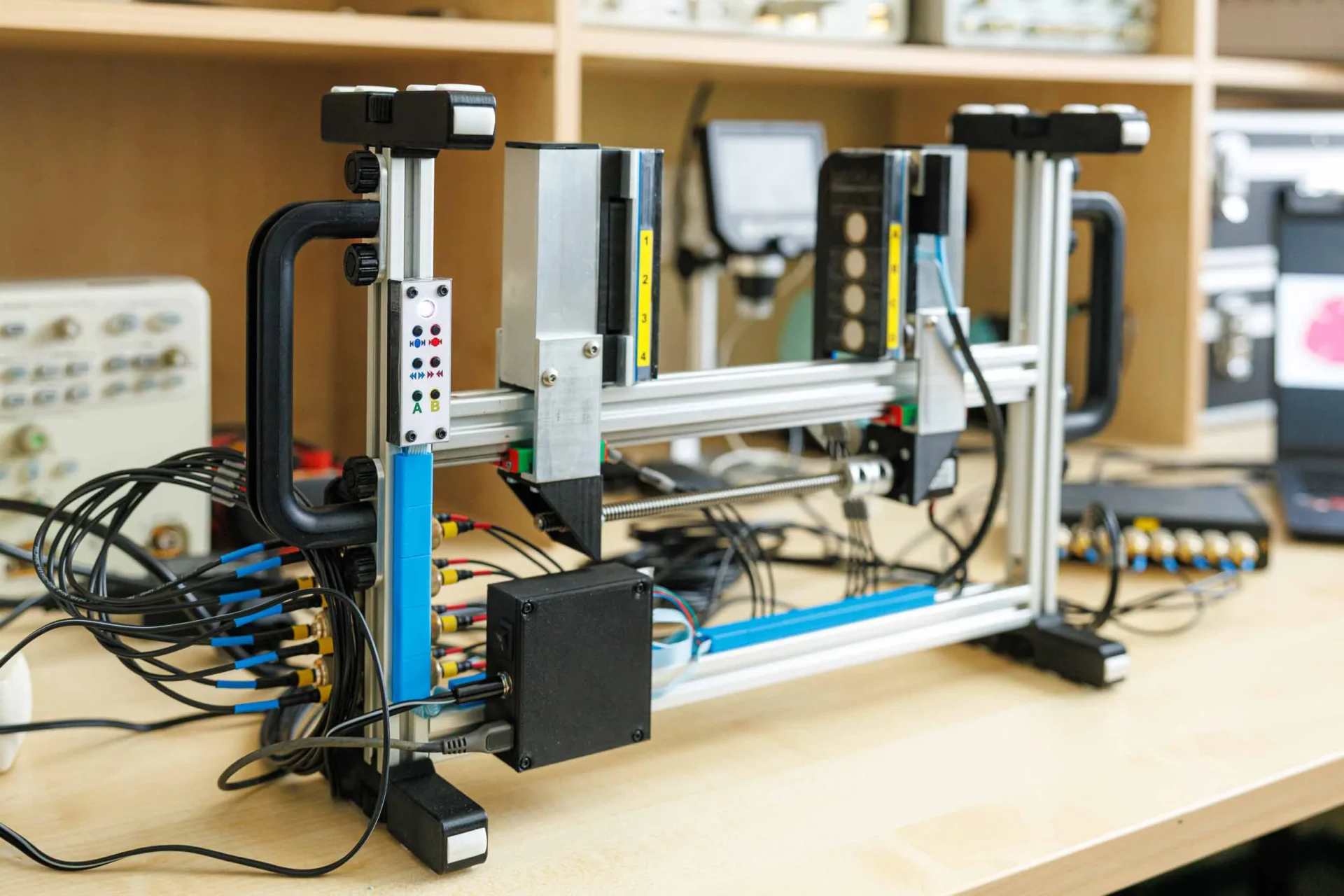
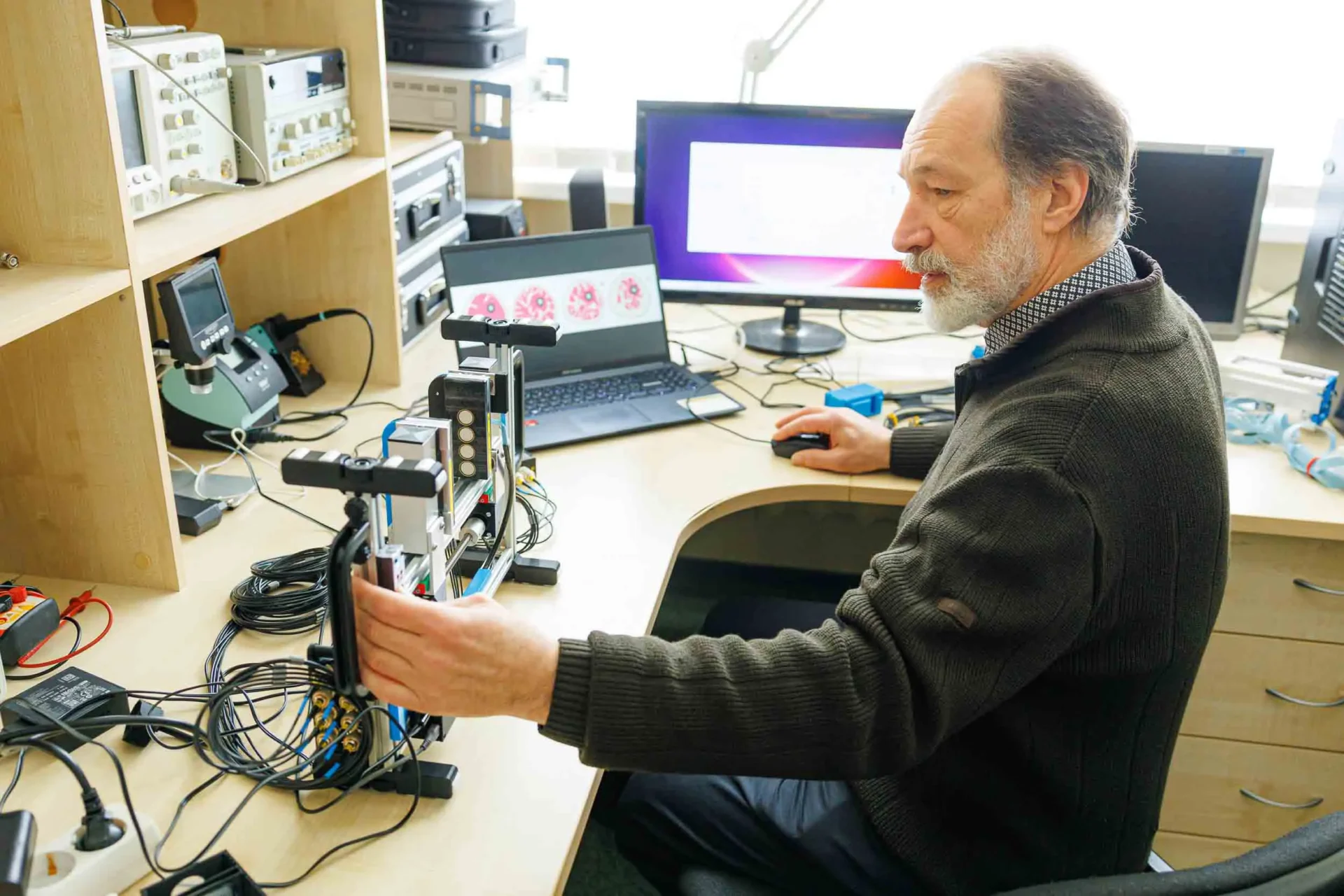
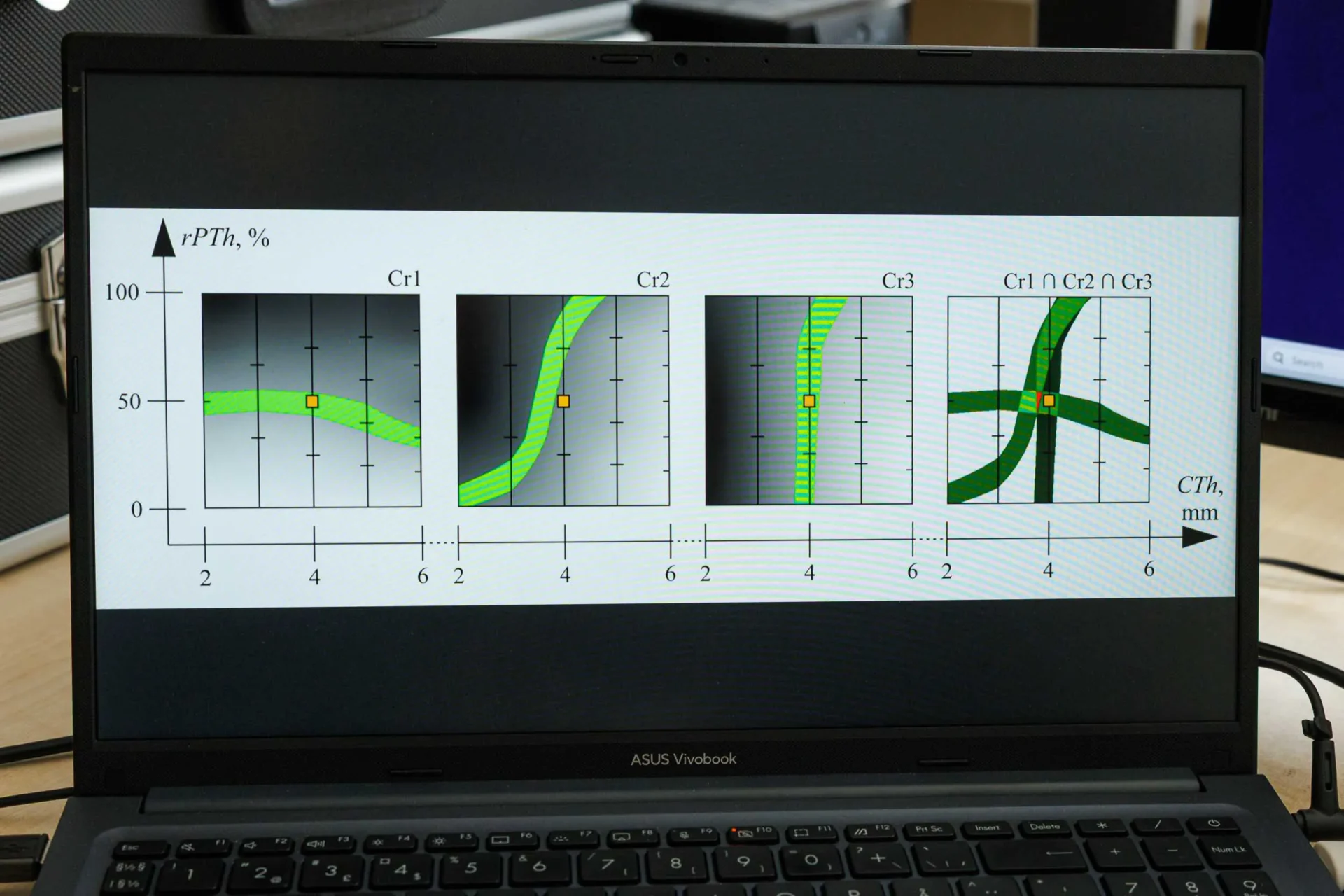
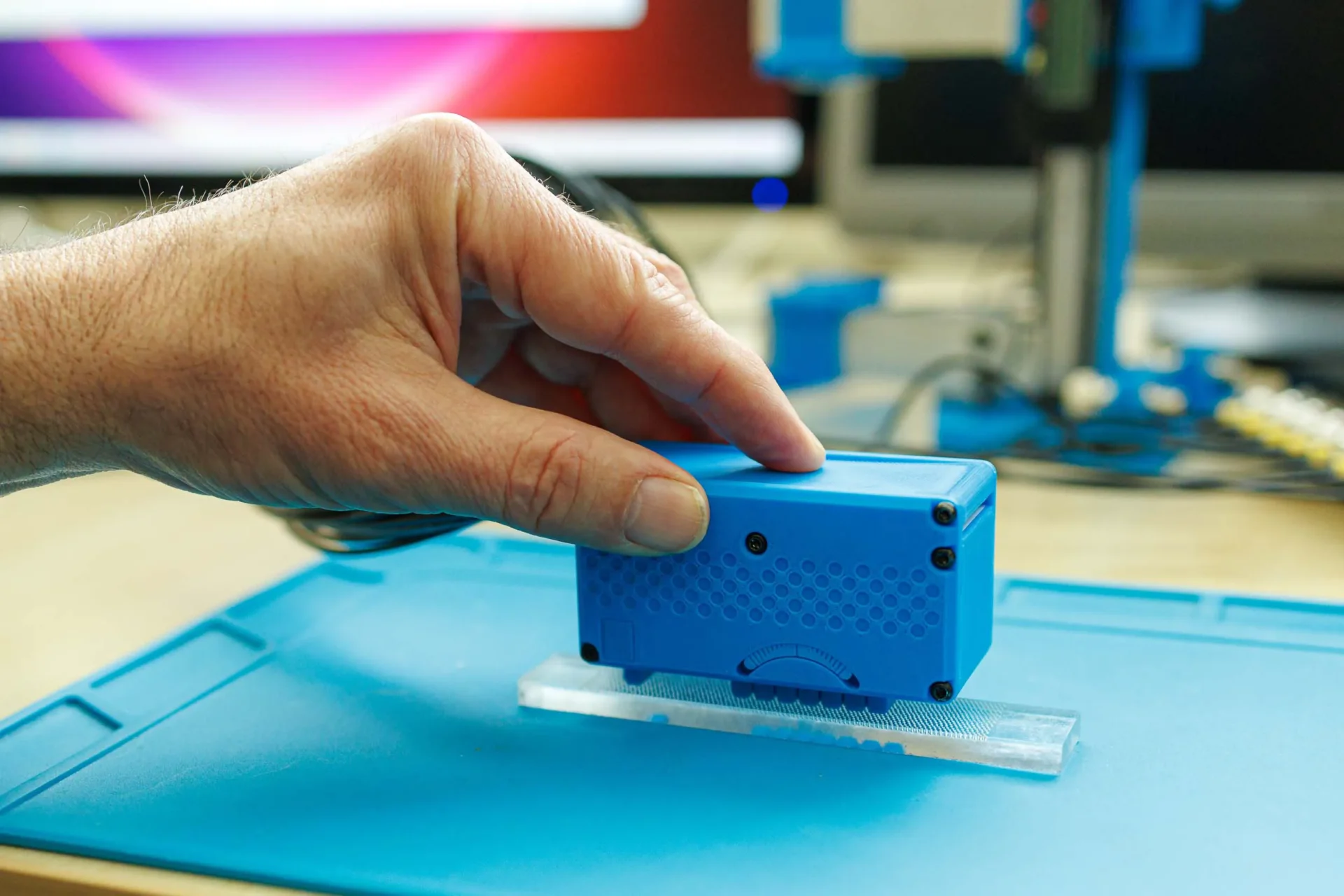
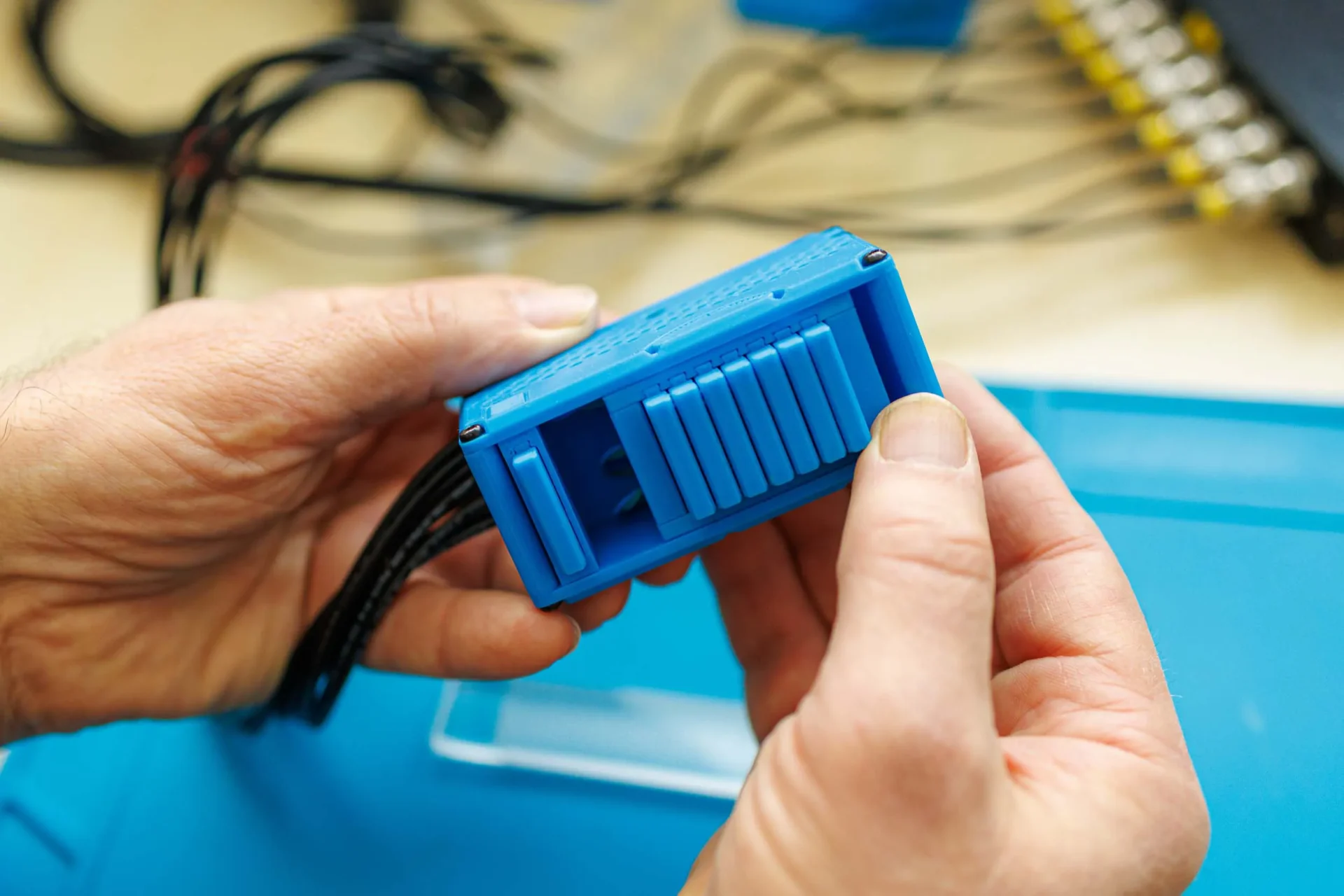
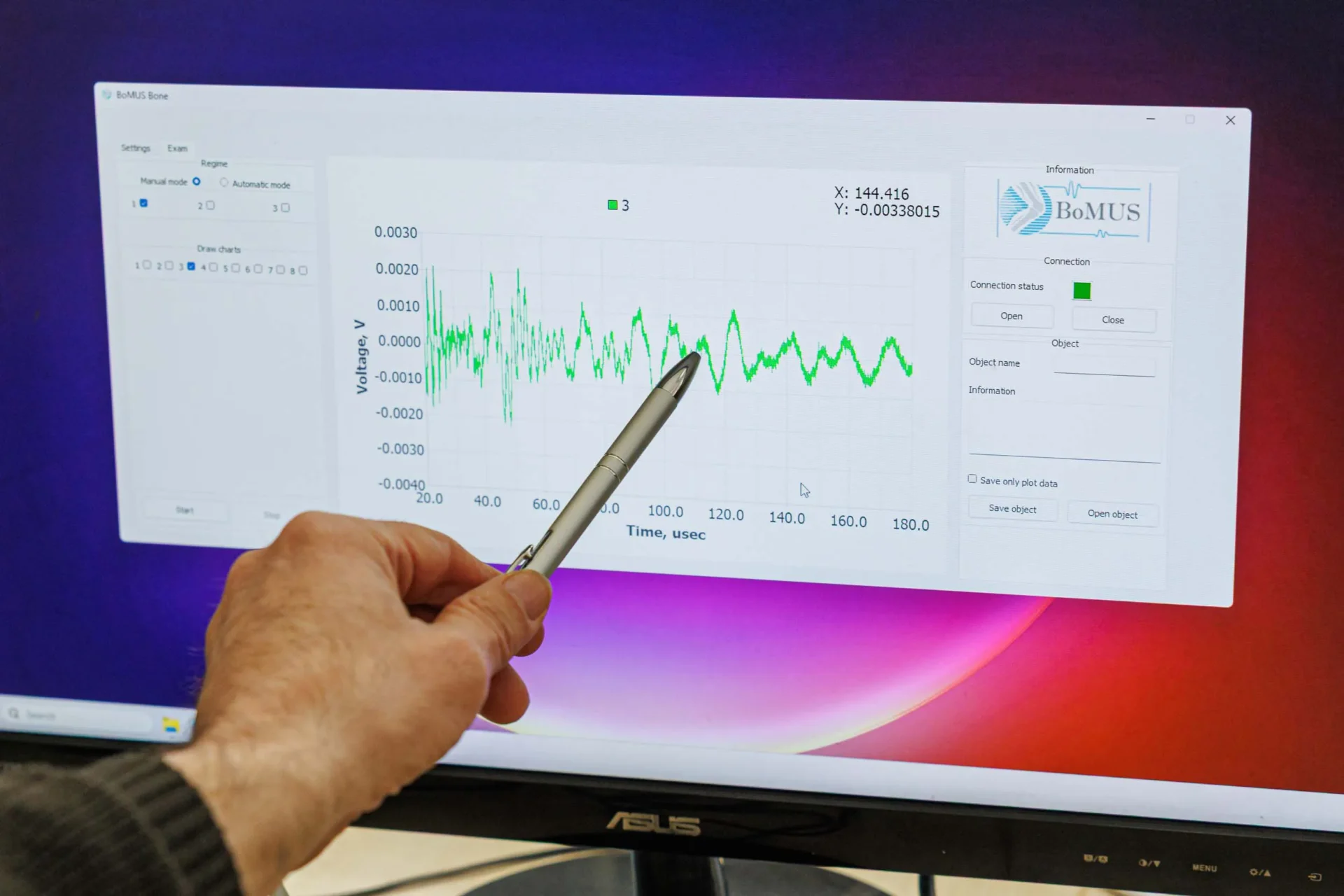
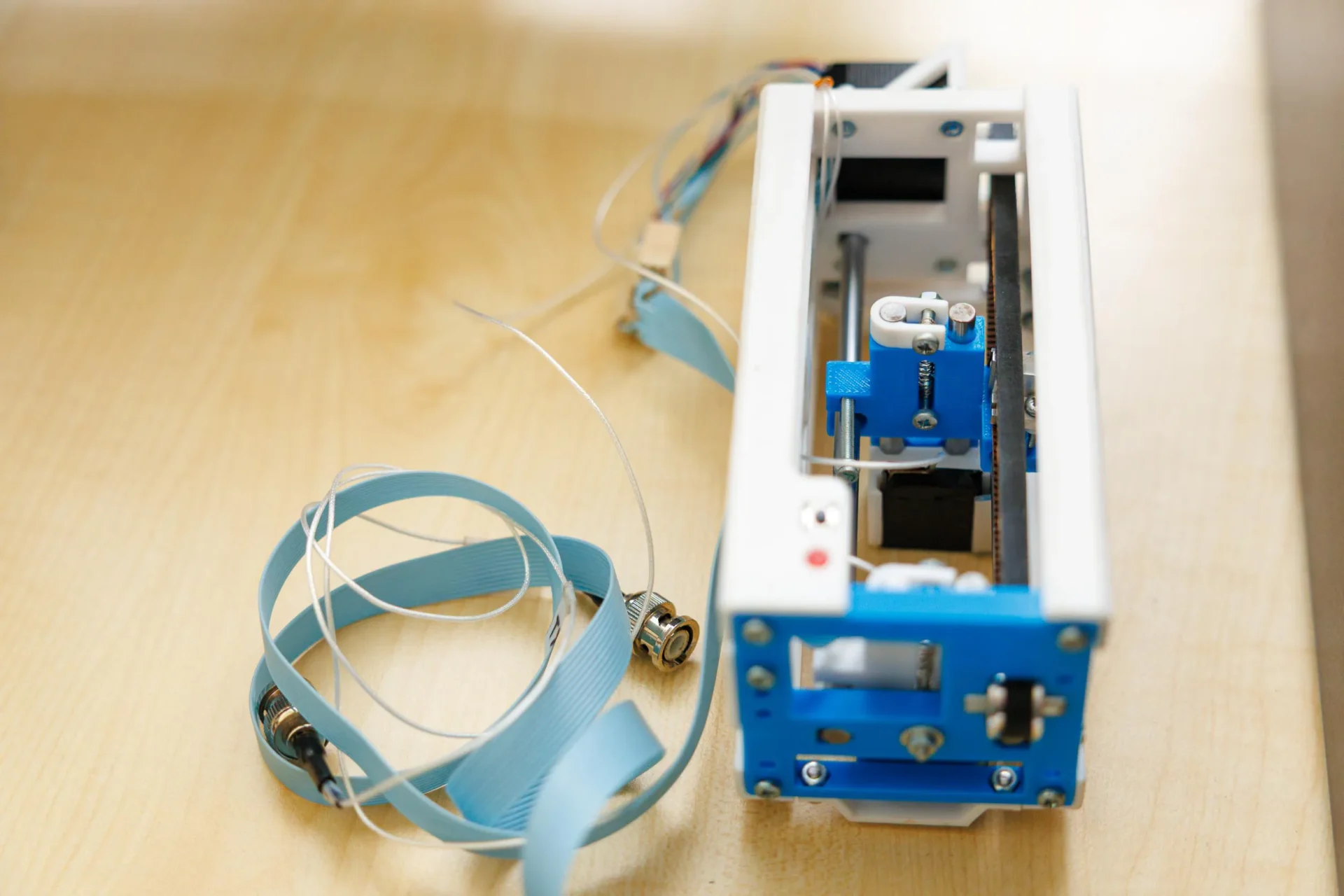
AI-based algorithms, including artificial neural networks (ANNs) and pattern recognition methods, are used for the automatic acquisition of diagnostic parameters from complex ultrasound signals. The system includes a handheld probe for bone and muscle examination, as well as an electronic data acquisition device that works in conjunction with a laptop.
The Achievable Results
The project aims to increase the technological readiness level from TRL3 to TRL4 for a portable ultrasound measurement system for non-invasive assessment of bone and muscle tissue quality. Additional pre-marketing activities will be carried out to understand customer needs, create business models, and survey stakeholders.
The main objectives of the 8-month project are:
- Hardware optimization;
- Data acquisition and preprocessing software;
- Acquisition of features of artificial intelligence
- Validation in phantoms and biological samples;
- Documentation and distribution;
- Pre-marketing activities.
Target groups: post-menopausal women, diabetics, athletes, rehabilitation groups, and the elderly. Environmental benefits include the absence of radiation, low energy consumption, and recyclable components, supporting the Green Deal and EU sustainability goals.
The Anticipated Benefit
The BoMUS system offers unique health benefits to the public as no other system in the world currently provides simultaneous quantitative measurement of cortical bone density and muscle fat in a portable, non-invasive format. The device combines dual-mode ultrasound scanning and artificial intelligence algorithms to quickly and accurately determine key structural parameters, such as cortical thickness (CTh) and intracortical porosity (CPo) in bone, as well as intramuscular adipose tissue (IMAT) content in muscles. BoMUS is a compact, AI-powered, radiation-free device suitable for use in clinical settings, home monitoring, and sports medicine. High sensitivity (at least 85%) and repeatability (90% or higher) ensure accurate and reliable results, enabling individuals and healthcare professionals to implement early prevention, reduce the risk of fractures, and support active, healthy aging.
The Allocated Funding
190,000 EUR on 03/01/2026.
Team





Gallery