Video
Description
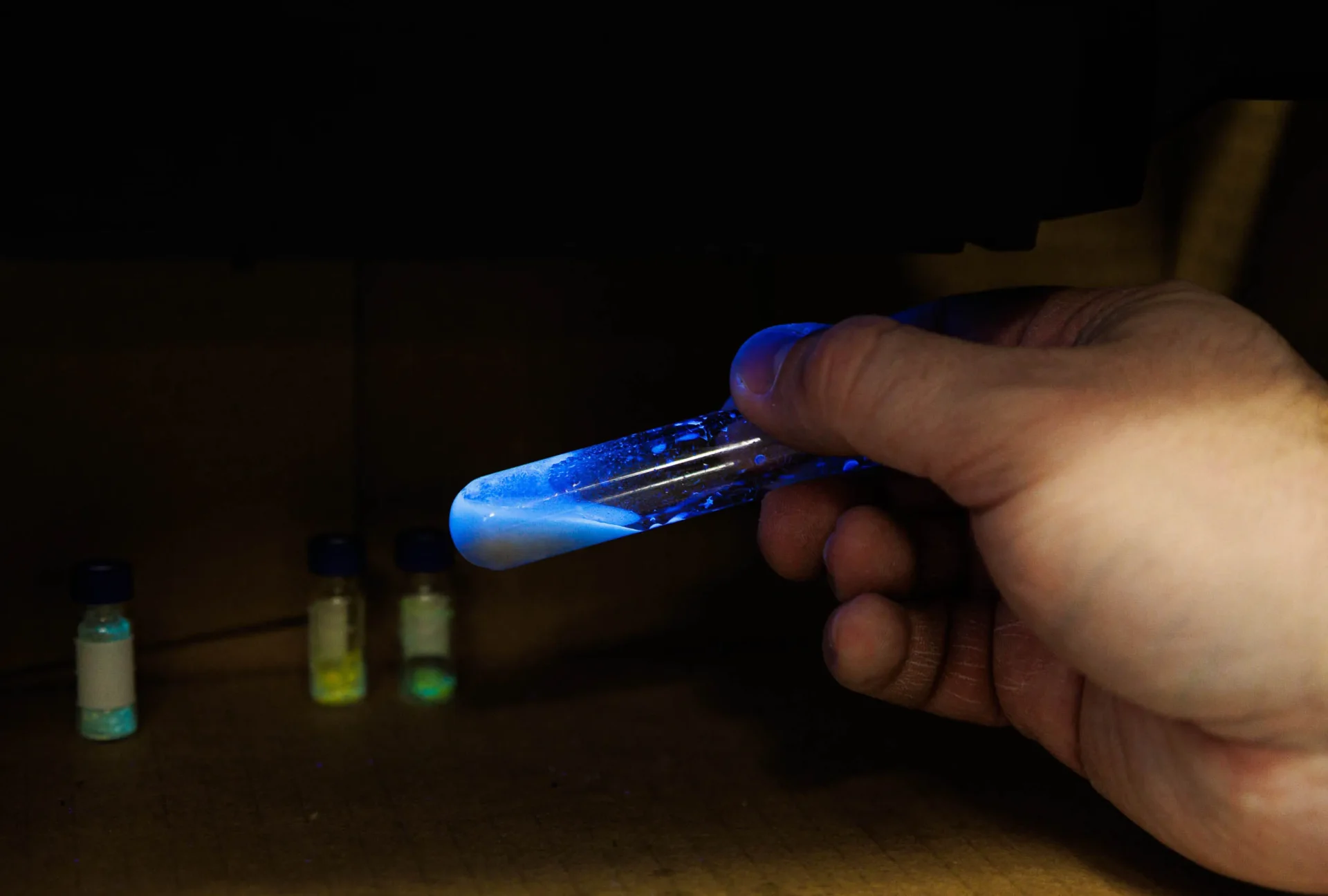
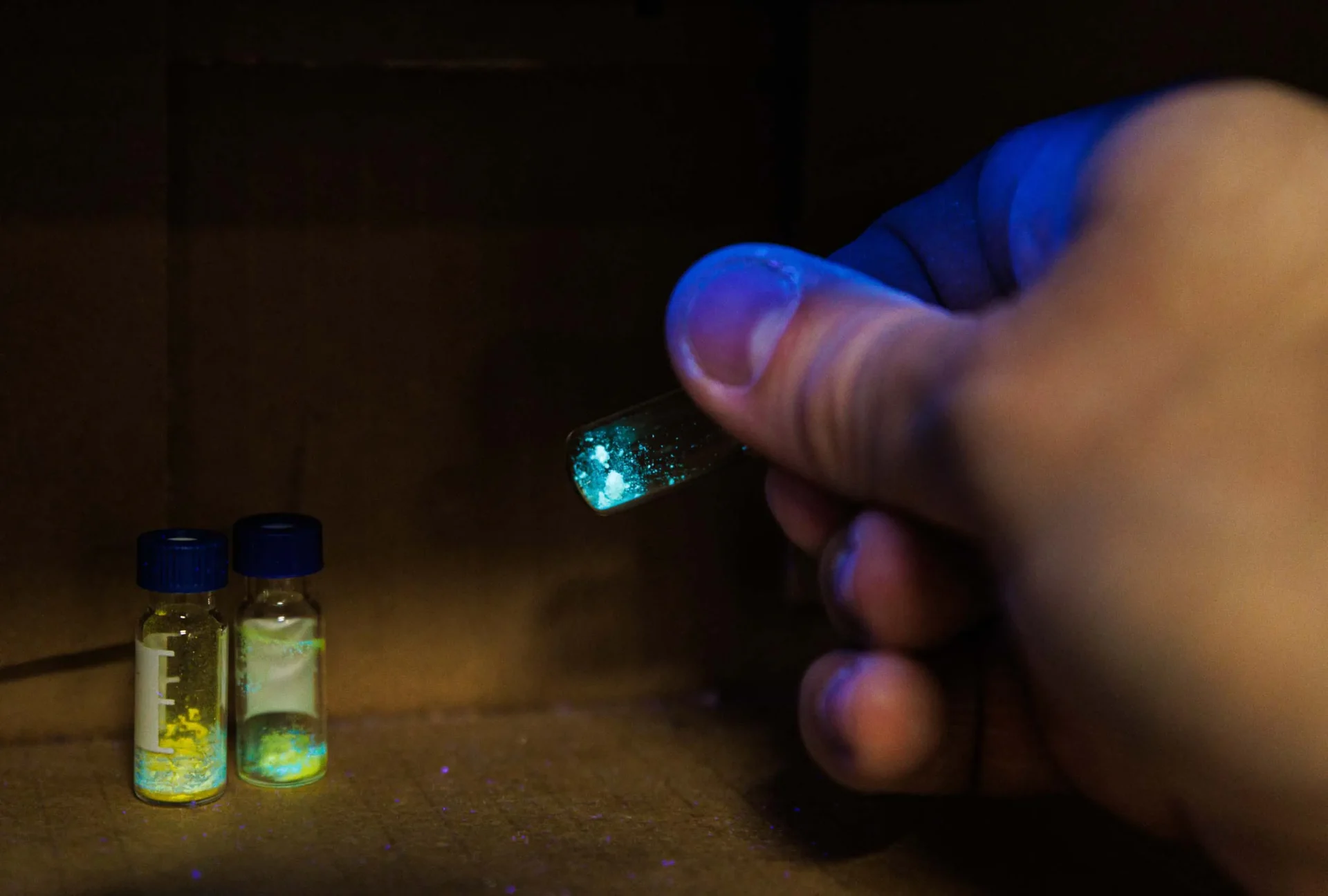
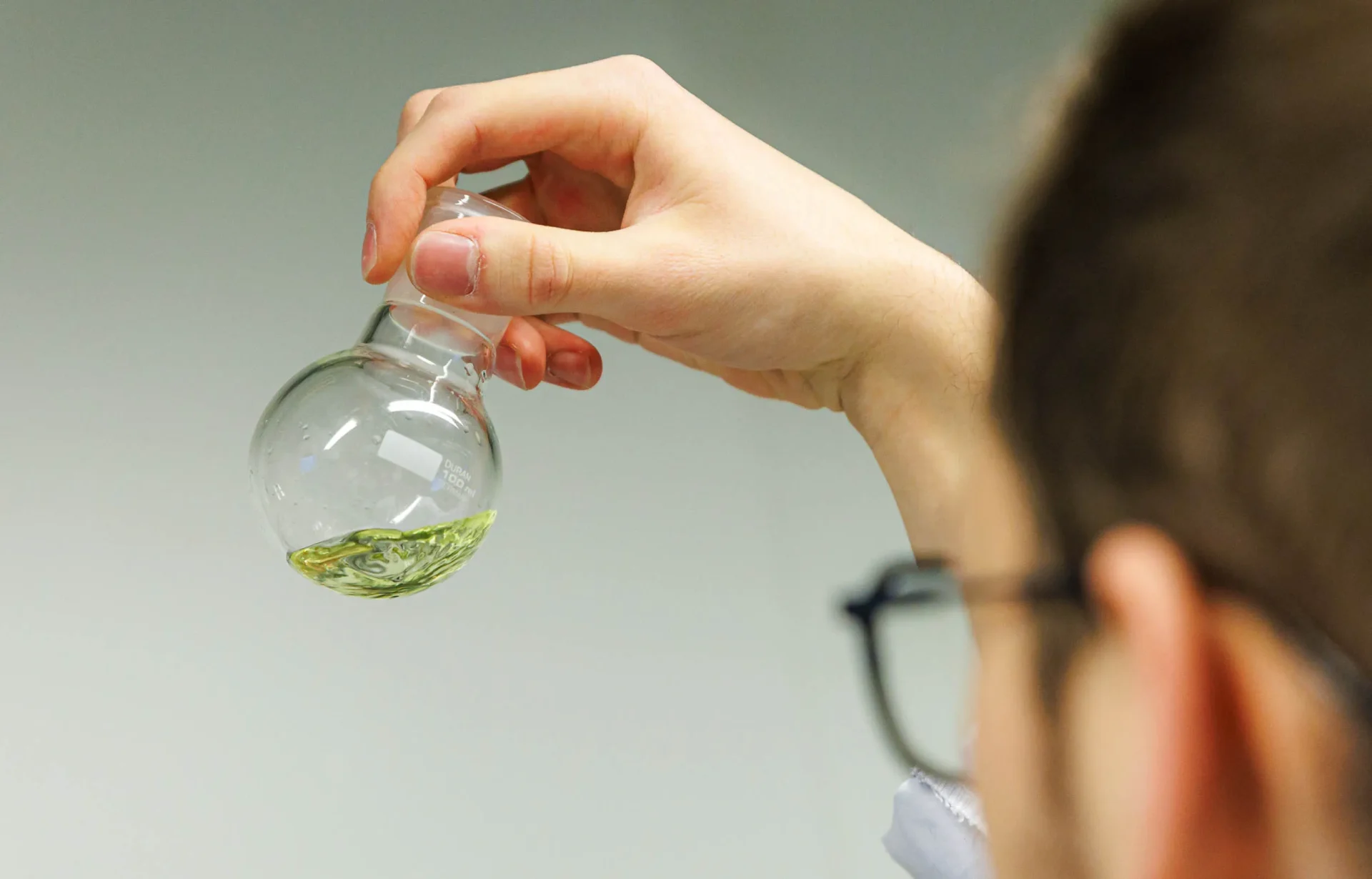
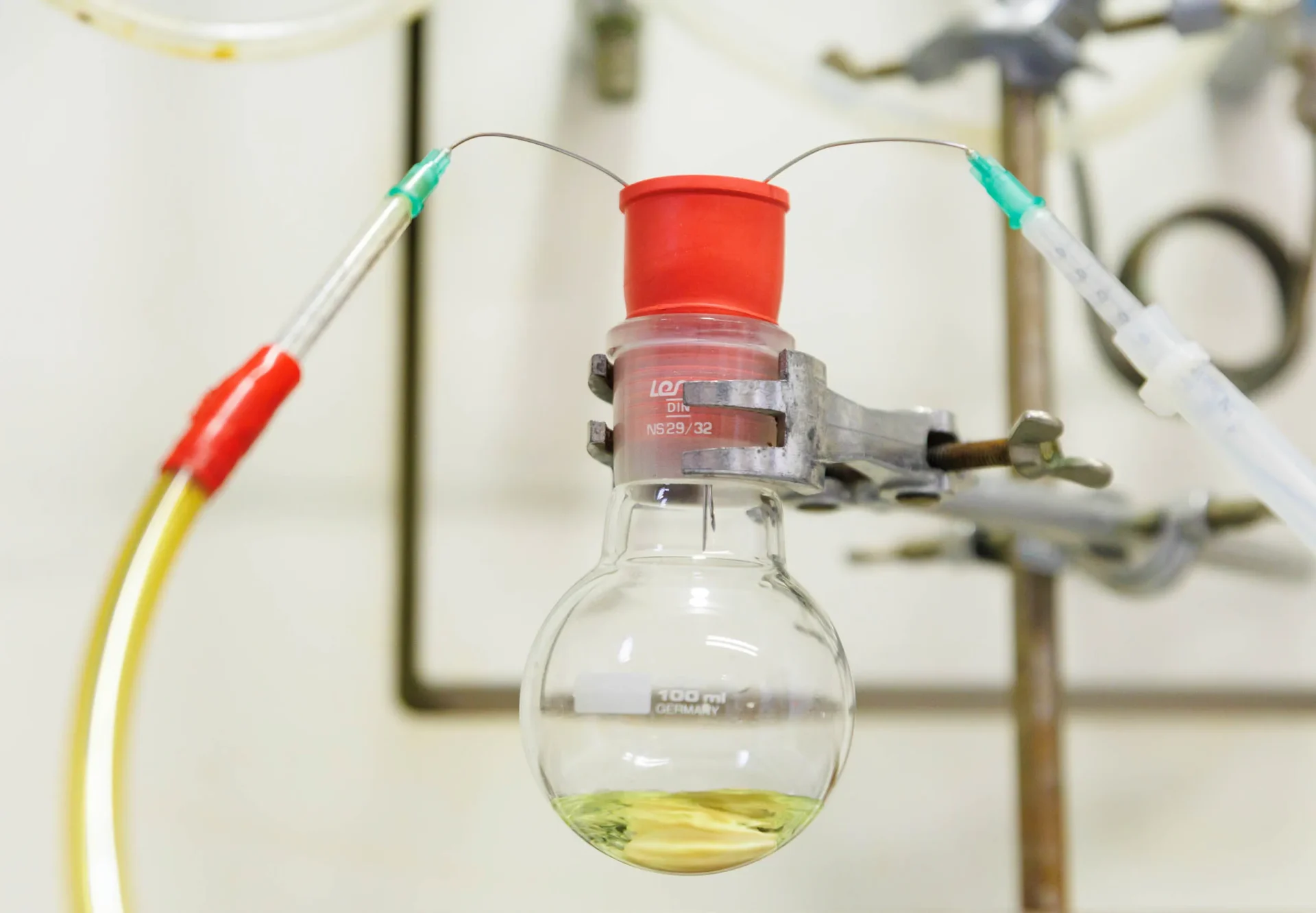
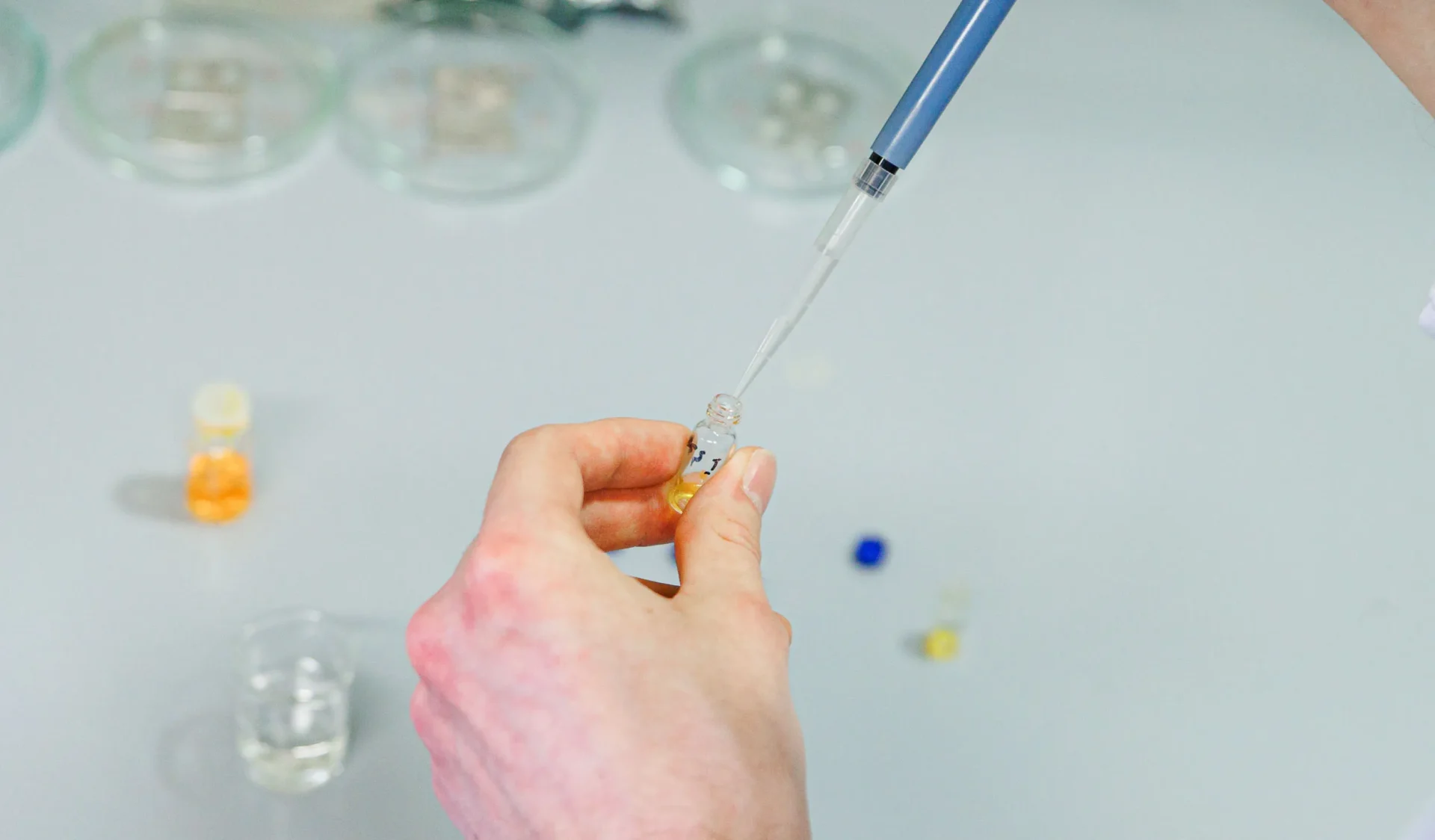
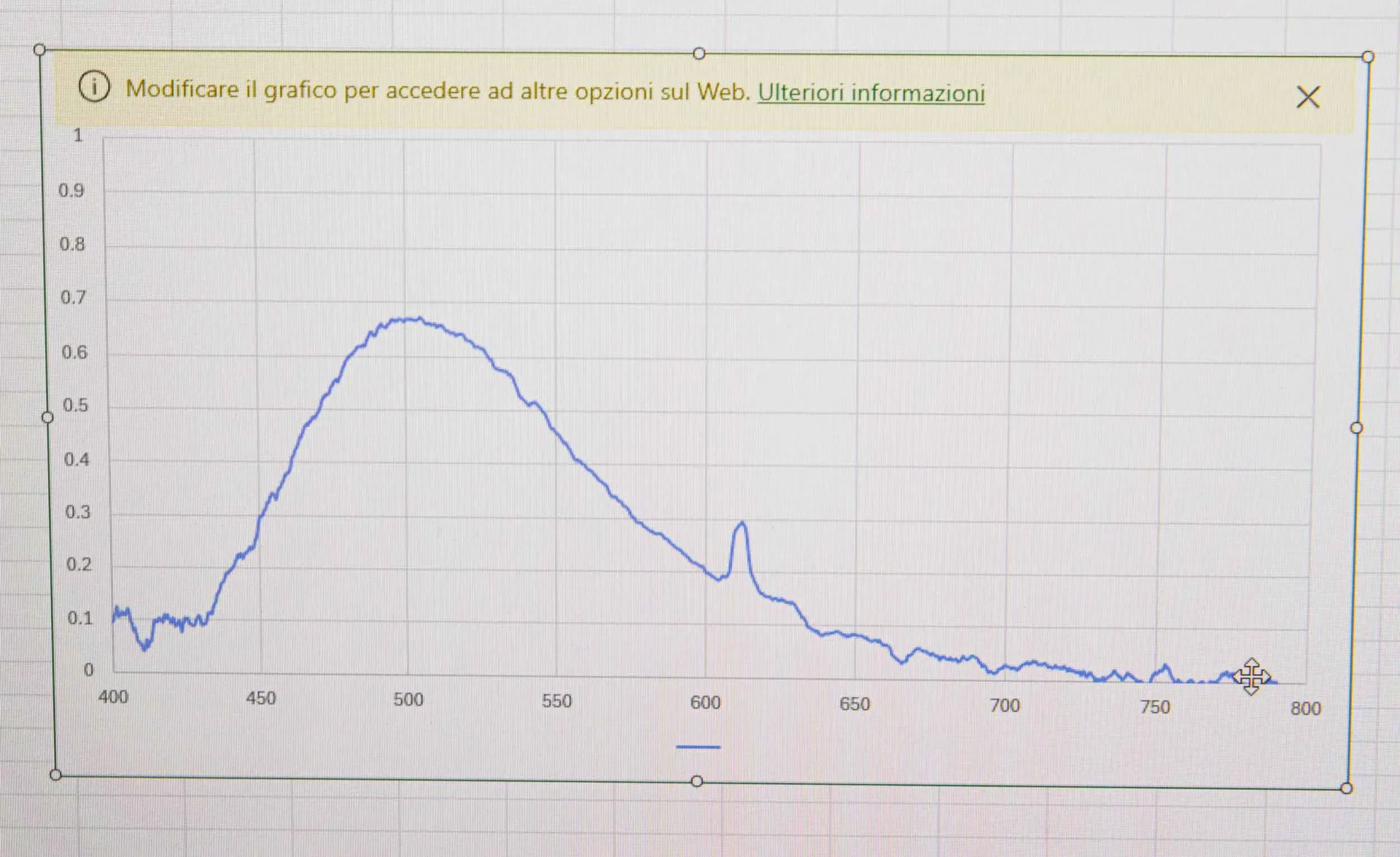
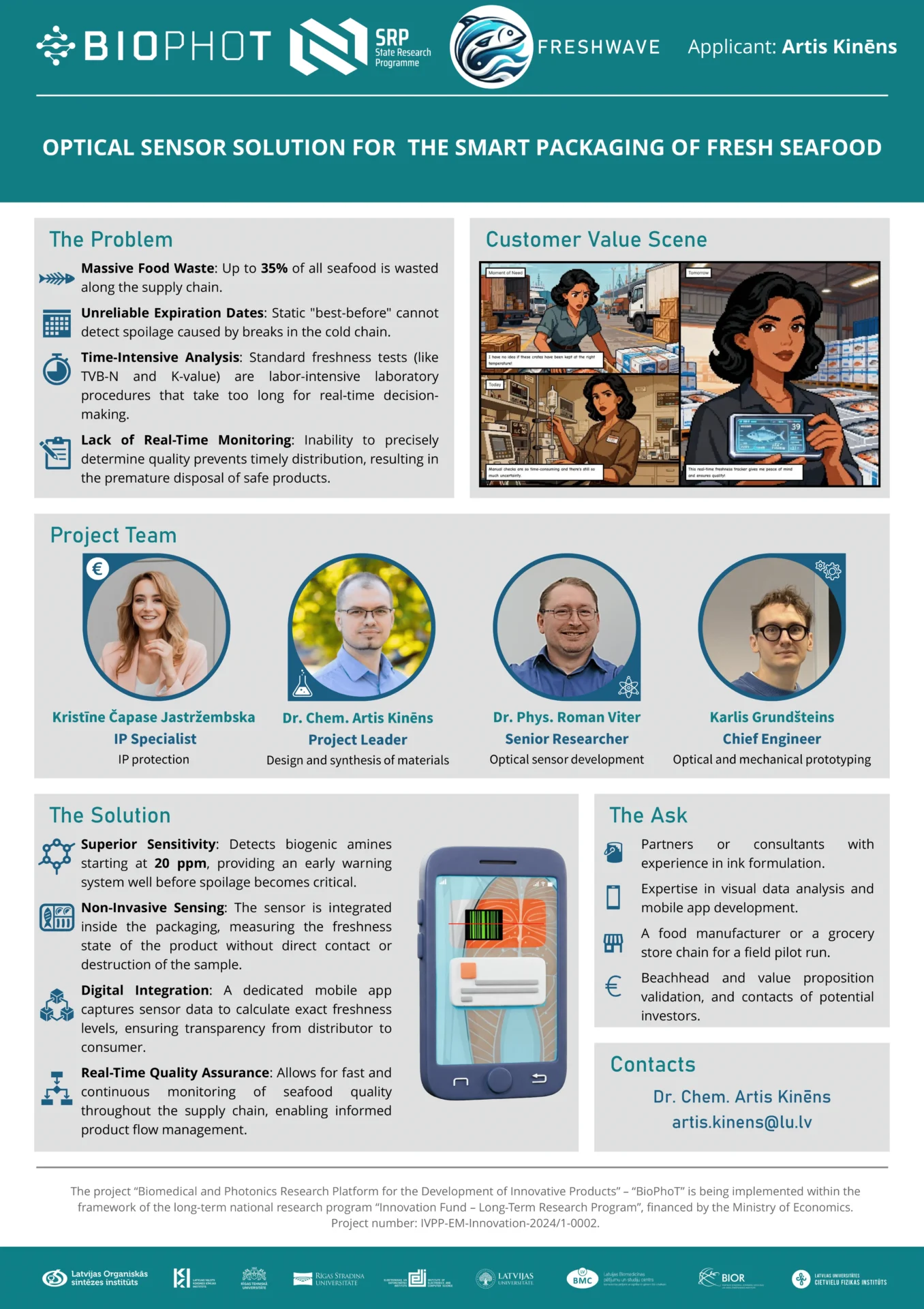
The FRESHWAVE project aims to develop and validate an innovative optical sensor for real-time, non-invasive monitoring of seafood freshness, raising the technology maturity level from TRL 3 to TRL 4. This innovation is based on a newly developed pyridinium phosphor (PyL) that is particularly sensitive to biogenic amines produced during decomposition, with detection thresholds starting from 20 ppm. This provides a significant early warning of product spoilage, a significant improvement over traditional laboratory methods (TVB-N, K-value) and simplified indicators (pH, TTI) which are often inaccurate or non-specific. The project objectives include optimisation of the PyL sensor matrix, scaling-up of the synthesis, development of a functional label-like prototype compatible with existing packaging and validation of its performance on real seafood samples. Providing an accurate, low-cost and easy-to-read tool accessible to the entire food supply chain. FRESHWAVE directly addresses the problem of approximately 35% annual seafood losses. The project will culminate in the submission of a patent application and a clear commercialisation strategy, including the creation of a start-up company to bring the technology to market. This is in line with the EU Green Deal and the “Field to Table” strategies, improving food safety, reducing waste and enhancing consumer security.
Achievable results
Scaling of active pyridinium phosphor (PyL);
Development of a PyL-based optical sensor matrix sensitive to the presence of airborne biogenic amines;
Validation of the developed sensor matrix for the determination of concentrations of volatile biogenic amines;
Validate the applicability of the sensor in determining the degree of freshness of fish products;
Achieving the objectives will allow to increase the TRL of the prototype sensor from 3 to 4-5.
Benefit
Sensor application for monitoring freshness and shelf-life of fish products will:
Economic investment - will enable efficient management of product flow, increasing the volume of products sold and reducing food waste.
Environmental benefits - The sensor is expected to improve the efficient marketing of fish production, resulting in a reduction of food waste.
Social benefits - Improved controls on fish freshness will reduce the risks of food-borne poisoning and disease.
Allocated funding
$200,000 EUR on 10.10.2025.
Team






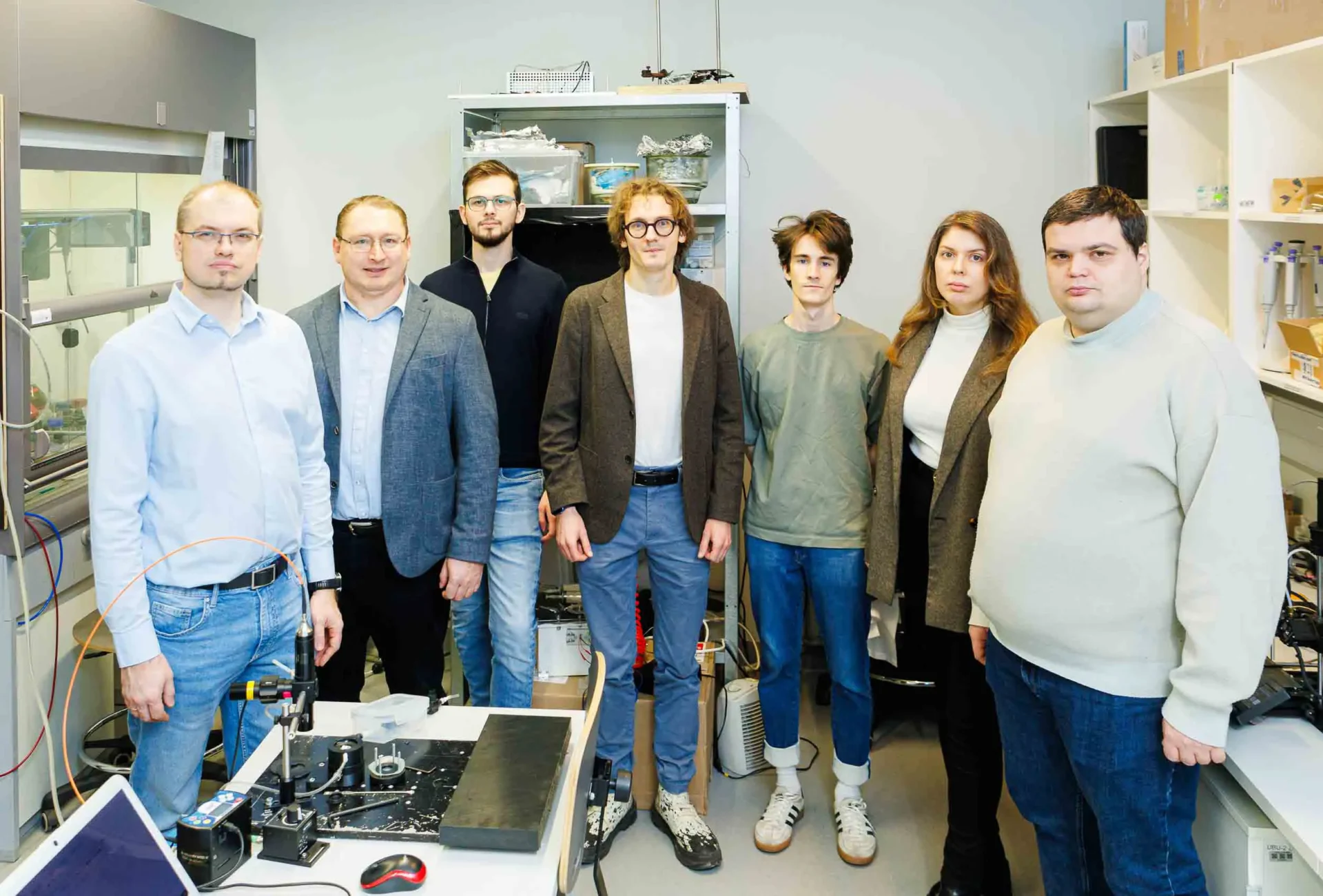
Gallery