Video
Please note that the English version of this text has been prepared with the assistance of AI, and in some instances, it may not have been subsequently reviewed or edited by the authors.
Description
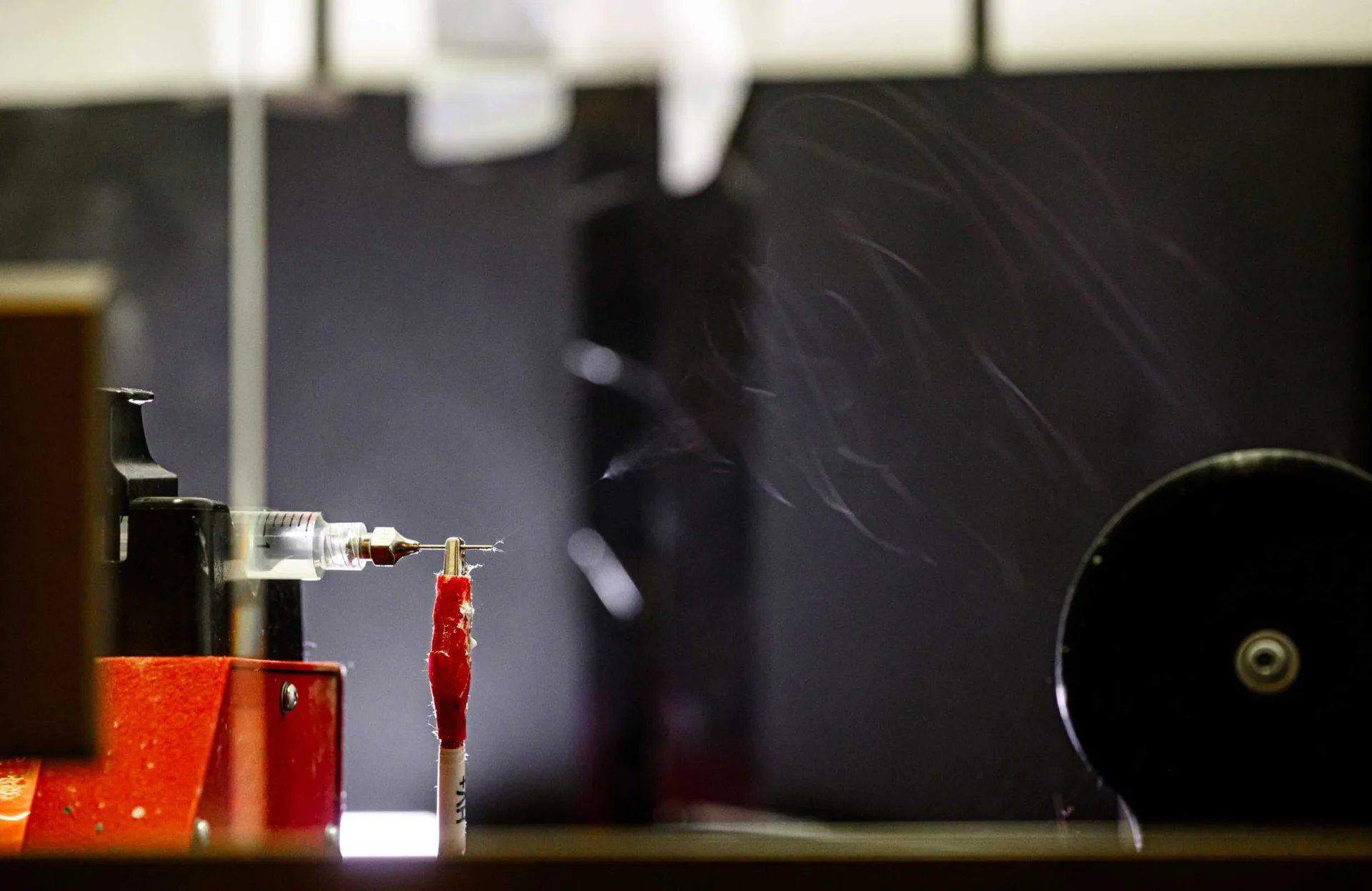
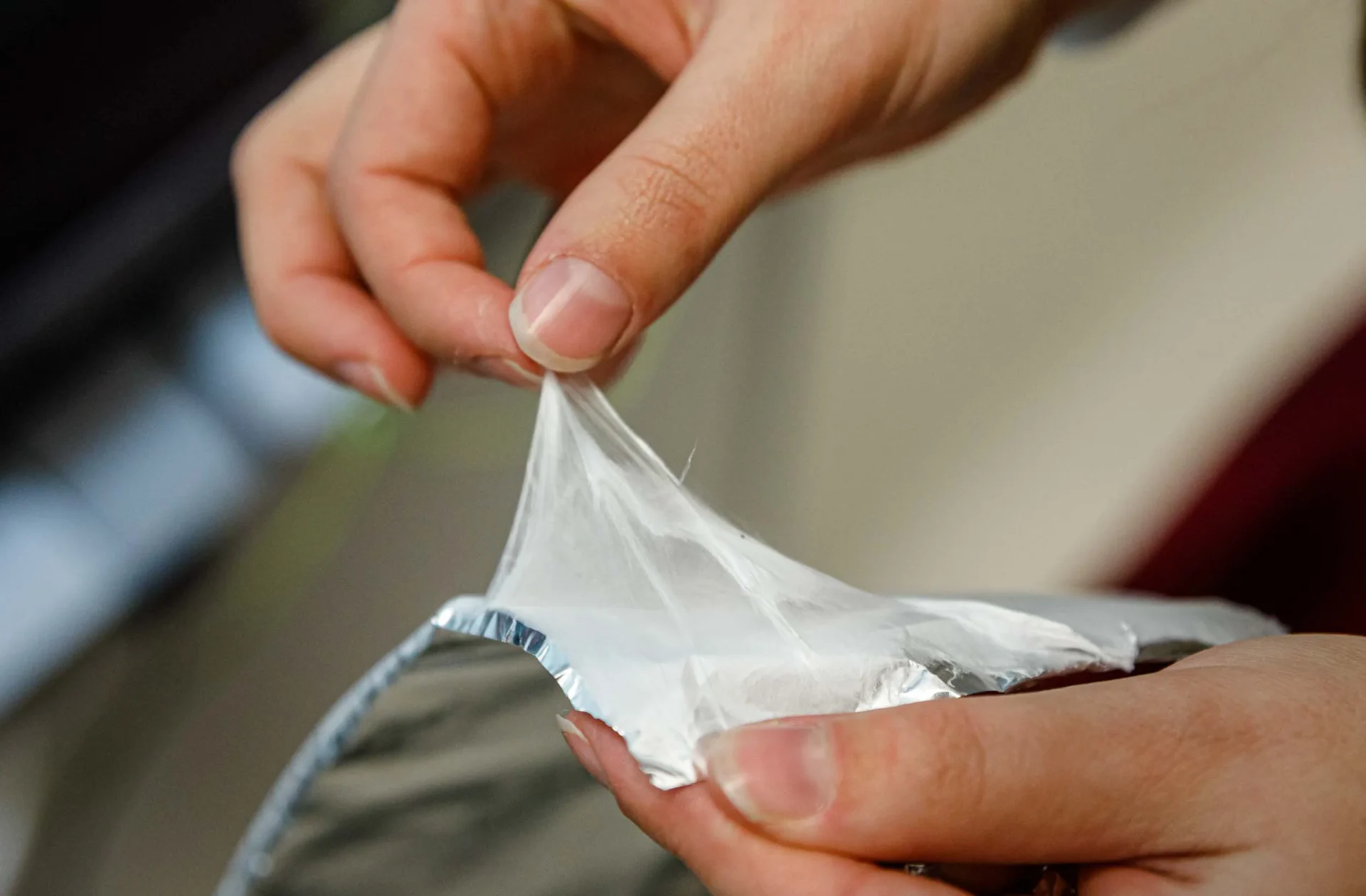
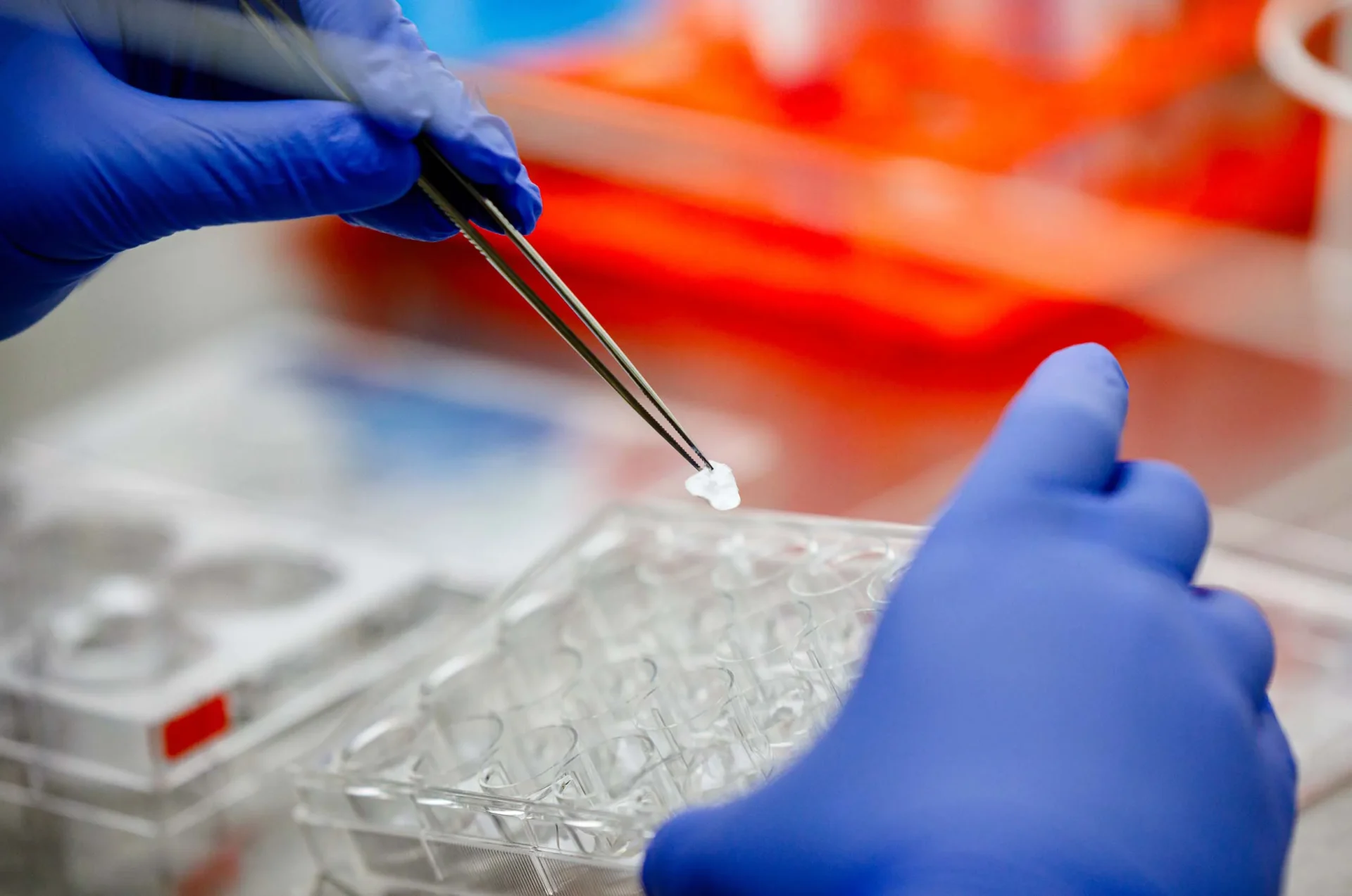
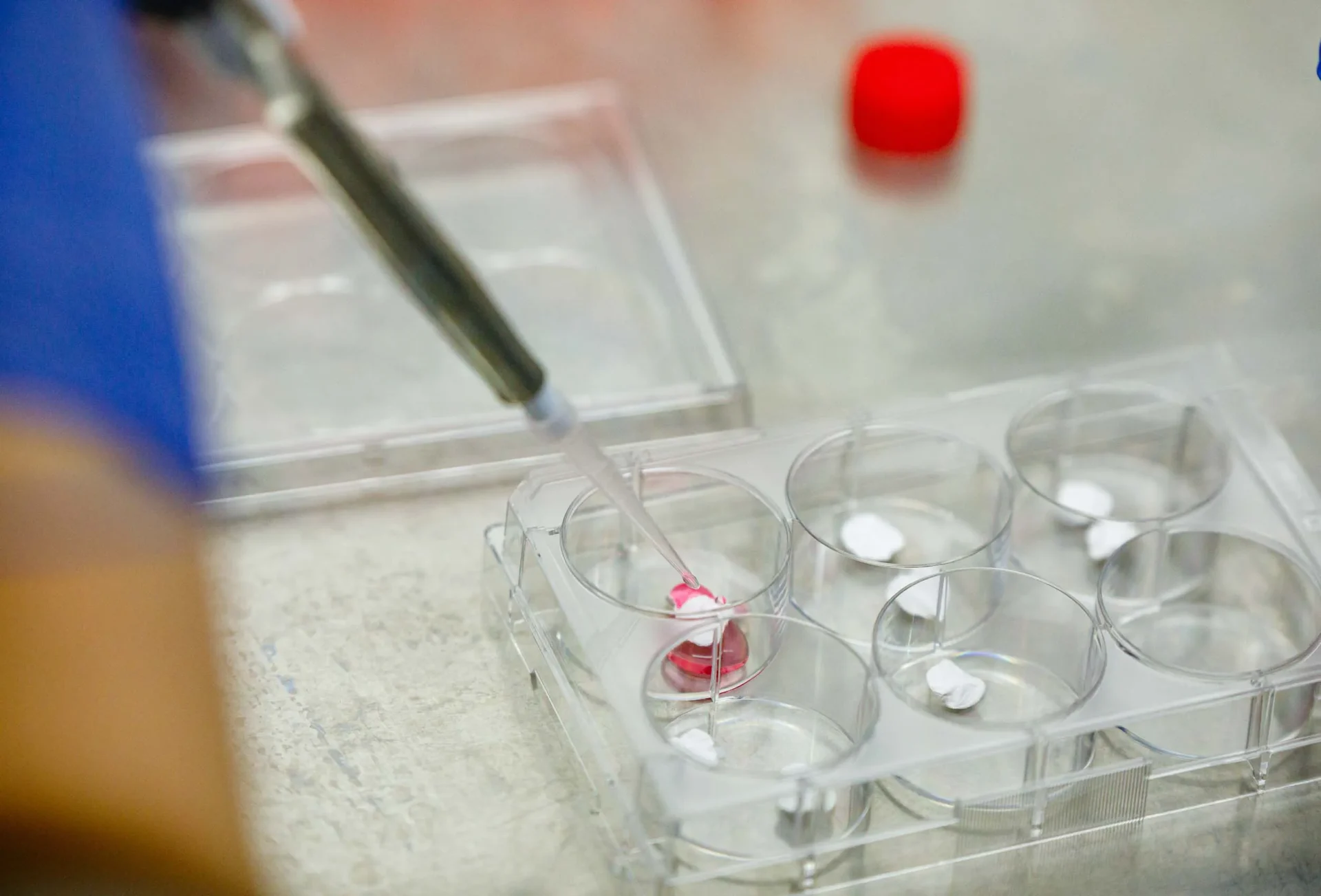
AD-HEMOSTOP is an innovative project that aims to develop advanced haemostatic dressings that quickly stop bleeding, prevent infection and promote tissue regeneration in both military and civilian environments. The core innovation is an electrospun, biodegradable nanofibrous dressing material composed of chitosan and polyethylene oxide reinforced with polycaprolactone. This combination combines the natural coagulation-promoting and antimicrobial properties of chitosan with improved mechanical strength and biocompatibility. The material mimics an extracellular matrix, supporting healing while safely degrading and eliminating the need for surgical removal. By addressing the problem of severe bleeding – the leading preventable cause of death in trauma – AD-HEMOSTOP promises to have a significant societal impact. The rapid haemostatic effect of the dressing can reduce mortality on the battlefield and in civil emergencies, while its antibacterial and regenerative properties help to reduce surgical complications and improve recovery. In addition, AD-HEMOSTOP has great potential for commercialisation. The project will generate valuable intellectual property and has a clear pathway to CE marking and FDA approval, opening the door to market introduction. Given the large European market for haemostatic products and the growing global demand, AD-HEMOSTOP is poised to make both a life-saving and an economically significant contribution.
The Achievable Results
To develop a scalable technology for the production of porous electrospinning haemostatic dressings with adjustable structural and functional properties for rapid and easy application in surgical and combat situations.
Develop and validate a functional prototype at TRL 5 level, based on comprehensive in vitro and in vivo tests, which will serve as a basis for CE/ISO certification and subsequent introduction to the market of the medical device.
Ensure a robust pre-clinical data set for regulatory and clinical translations, including performance parameters (haemostatic efficacy, reduction in clotting time), histological and immunohistochemical assessments, biocompatibility, degradation kinetics and complete ethical compliance.
Prepare a structured market implementation roadmap through segmentation analysis, stakeholder and end-user mapping (surgical, trauma and combat medicine sectors), and development of an initial IP portfolio in collaboration with clinical and military experts.
The Anticipated Benefit
The AD-HEMOSTOP project tackles one of the most persistent and deadly global health problems – uncontrolled bleeding, which causes more than 2.5 million deaths each year in trauma, surgery and military conflict. By developing a biodegradable, multifunctional electrospinning nanofibre dressing that provides rapid haemostasis, antimicrobial protection and tissue regeneration support, the project aims to significantly improve clinical outcomes, especially in environments where time and resources are limited. The bandage's ease of use, ability to adapt to wound geometry and bioresorbability offer a next-generation solution to unmet needs in both civilian healthcare and the battlefield.
In clinical practice, the AD-HEMOSTOP dressing could:
- reduce mortality from acute haemorrhage in the pre-hospital and intra-operative setting;
- reduce healthcare costs by reducing the need for transfusions, re-operations and prolonged hospital stays;
- shorten recovery time and reduce infection-related complications thanks to its antimicrobial activity;
- strengthen the sustainability of healthcare in remote regions and conflict zones where surgical infrastructure is limited.
The Allocated Funding
EUR 200,000 as of 10.10.2025.
Team






Gallery