Please note that the English version of this text has been prepared with the assistance of AI, and in some instances, it may not have been subsequently reviewed or edited by the authors.
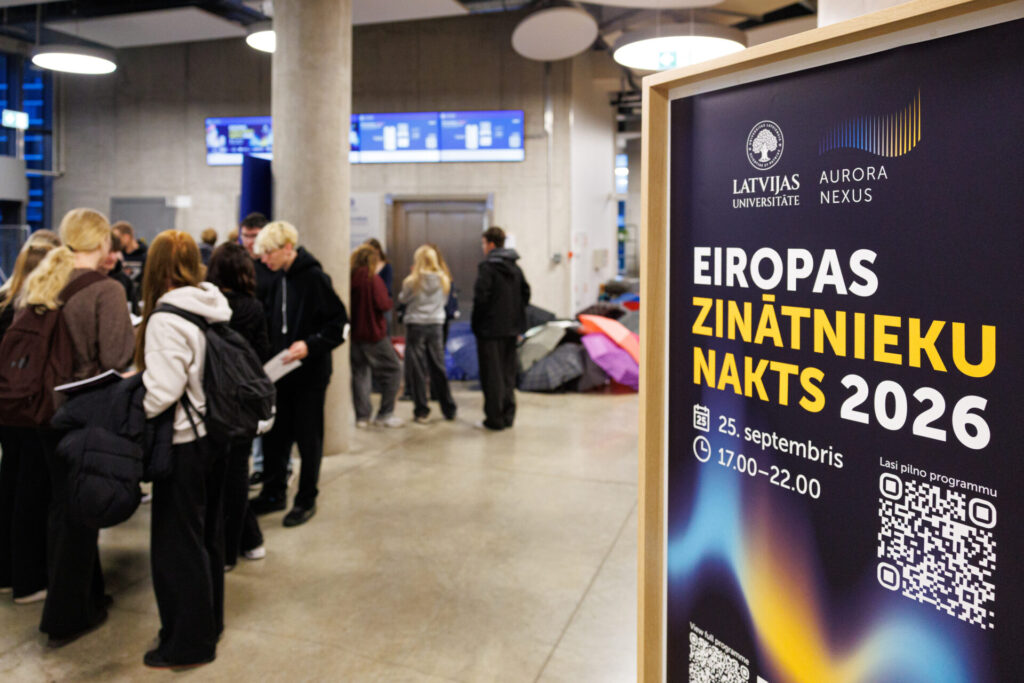
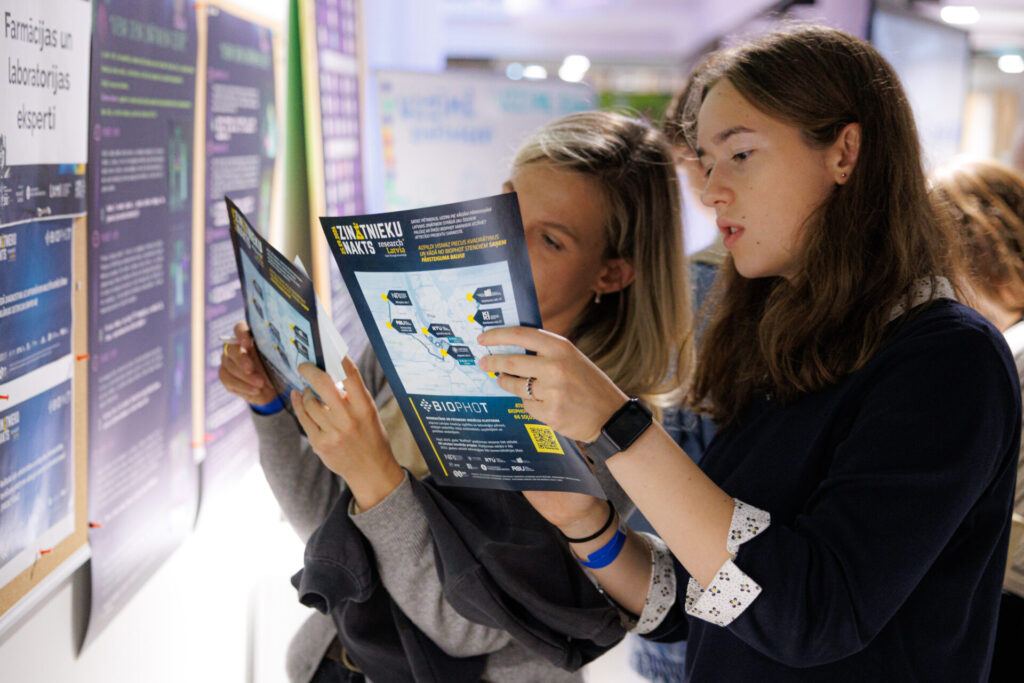
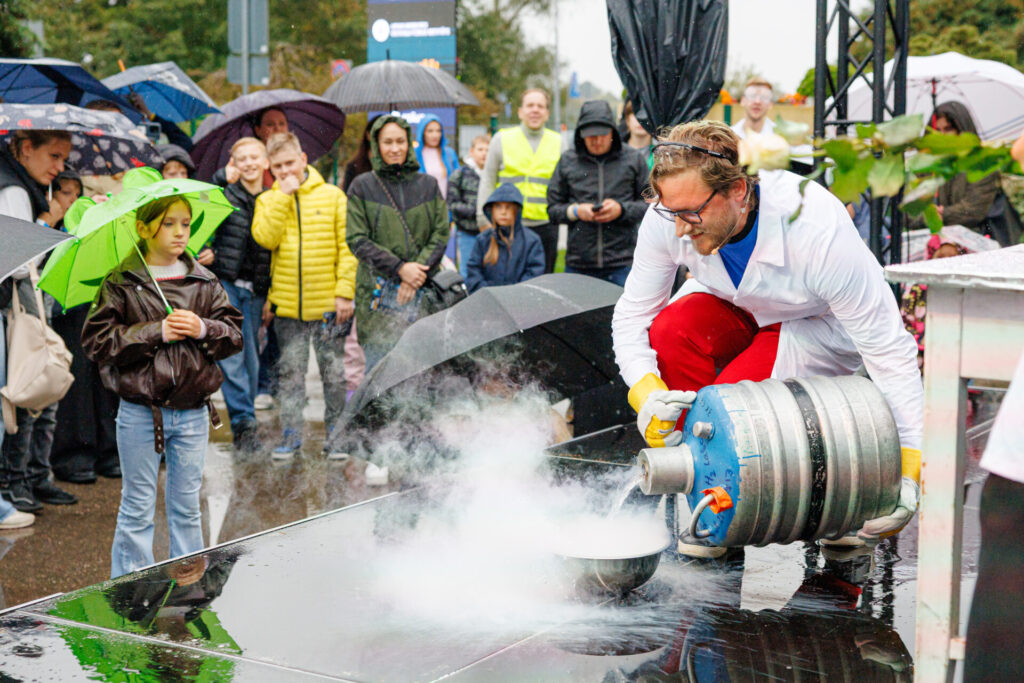
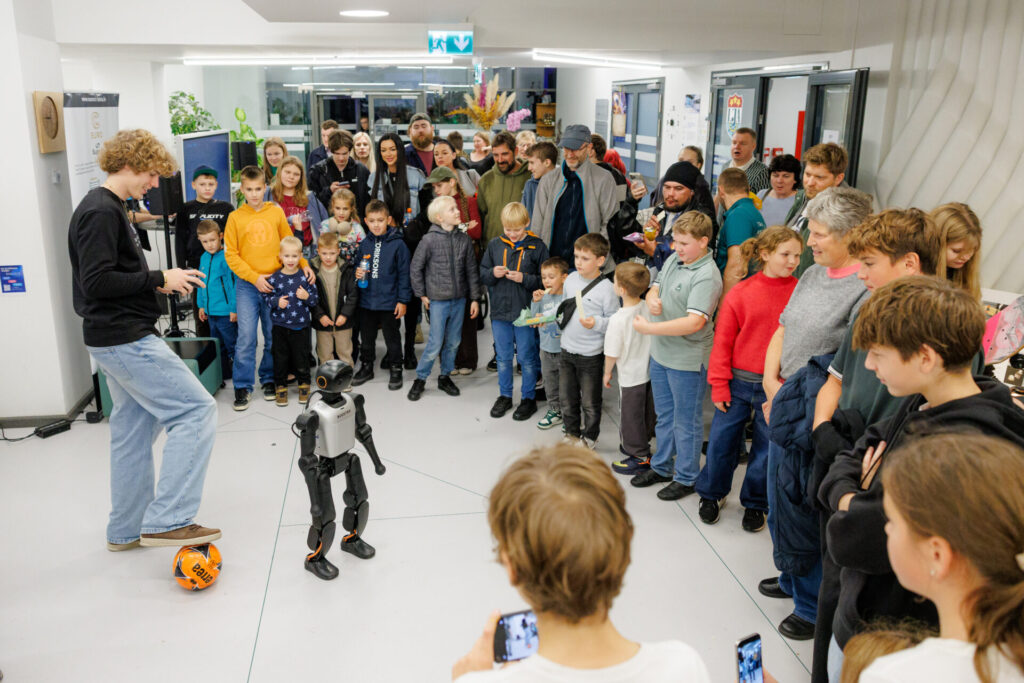
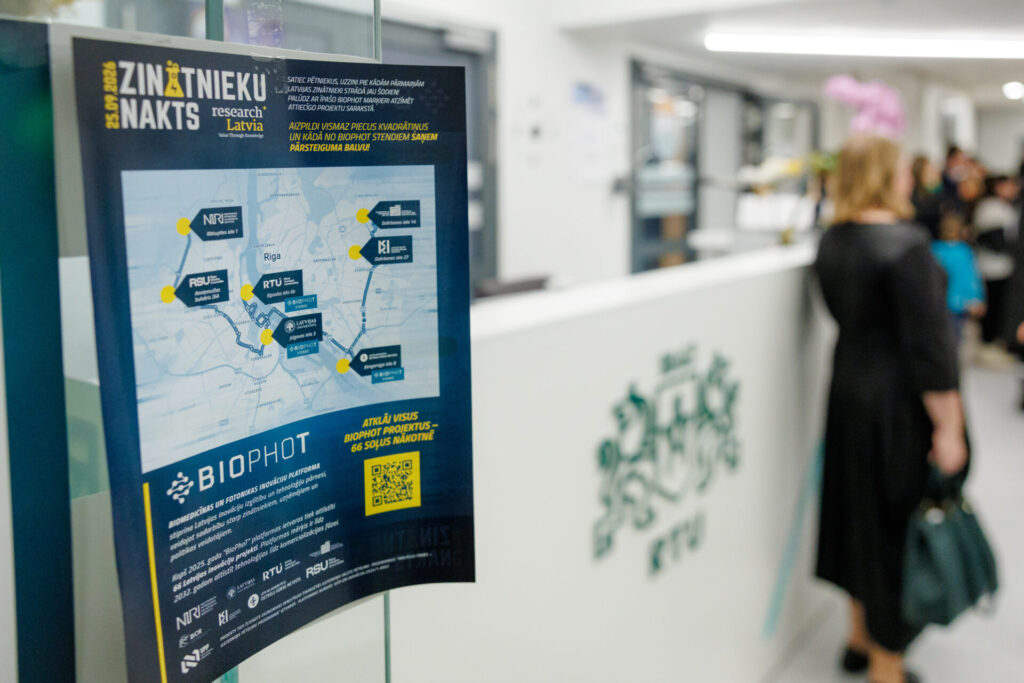
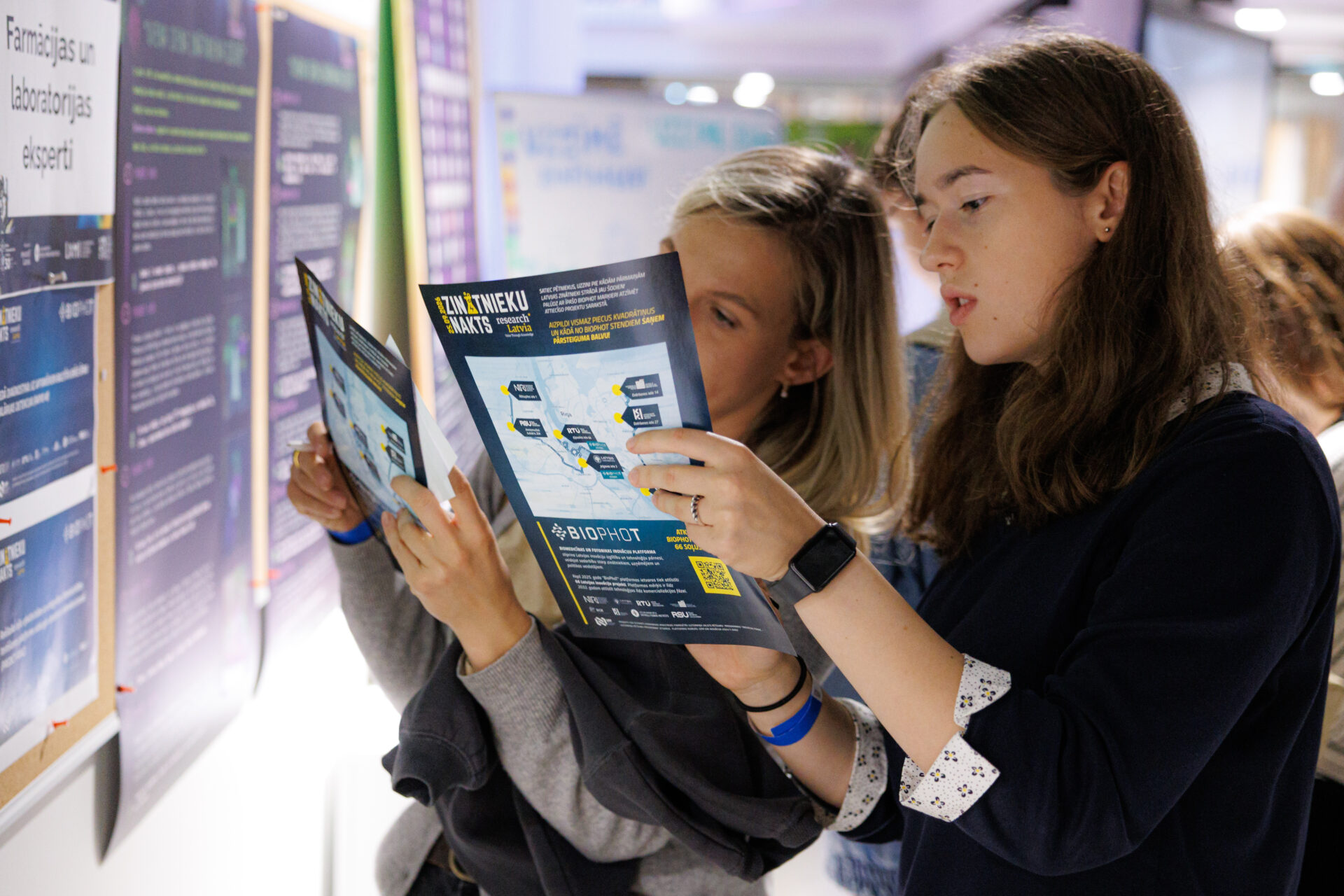
On September 25, European Researchers“ Night 2026 in Riga invited visitors not only to peek into laboratories and meet researchers, but also to embark on an exciting journey of innovation: during the special ”BioPhoT" orienteering game, more than 1,000 visitors across seven of Latvia's leading research institutions explored technologies and solutions that are being developed in Latvia today and could shape our future.
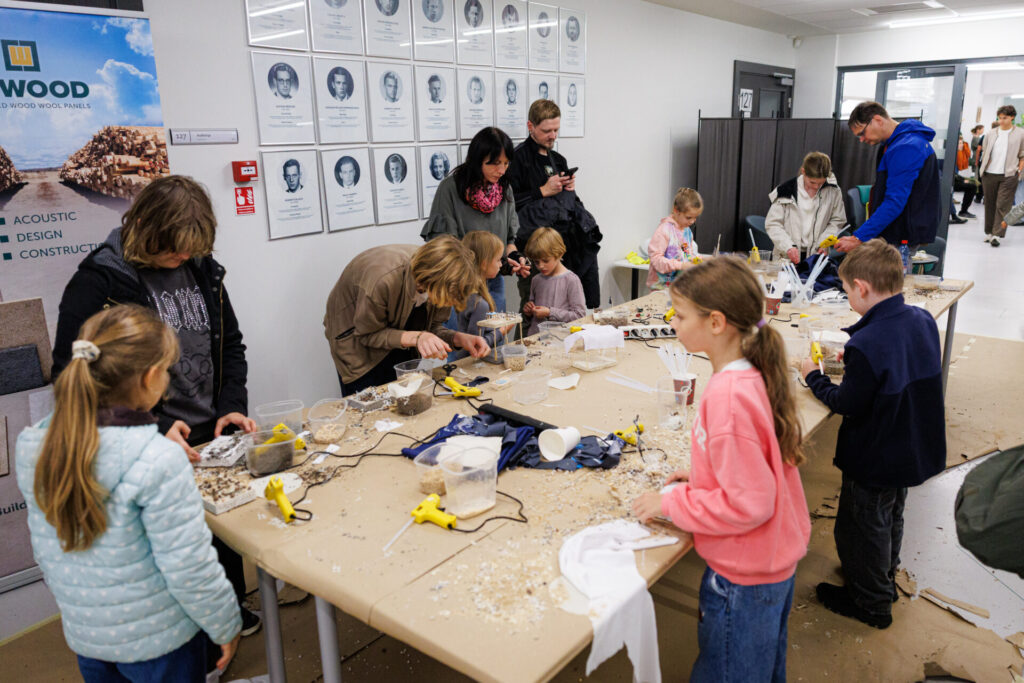
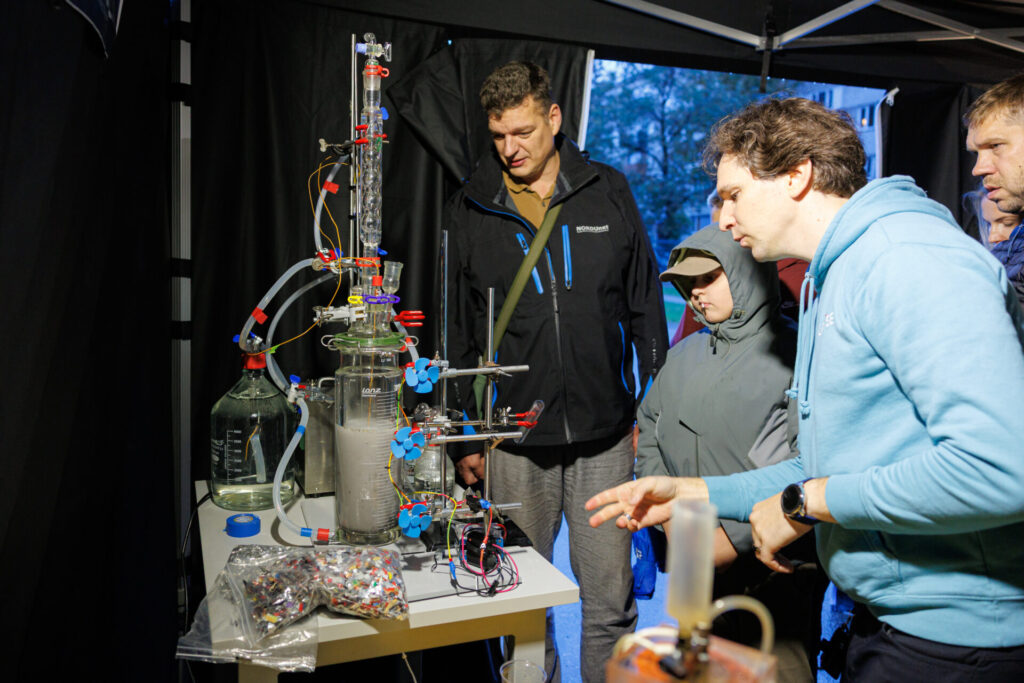
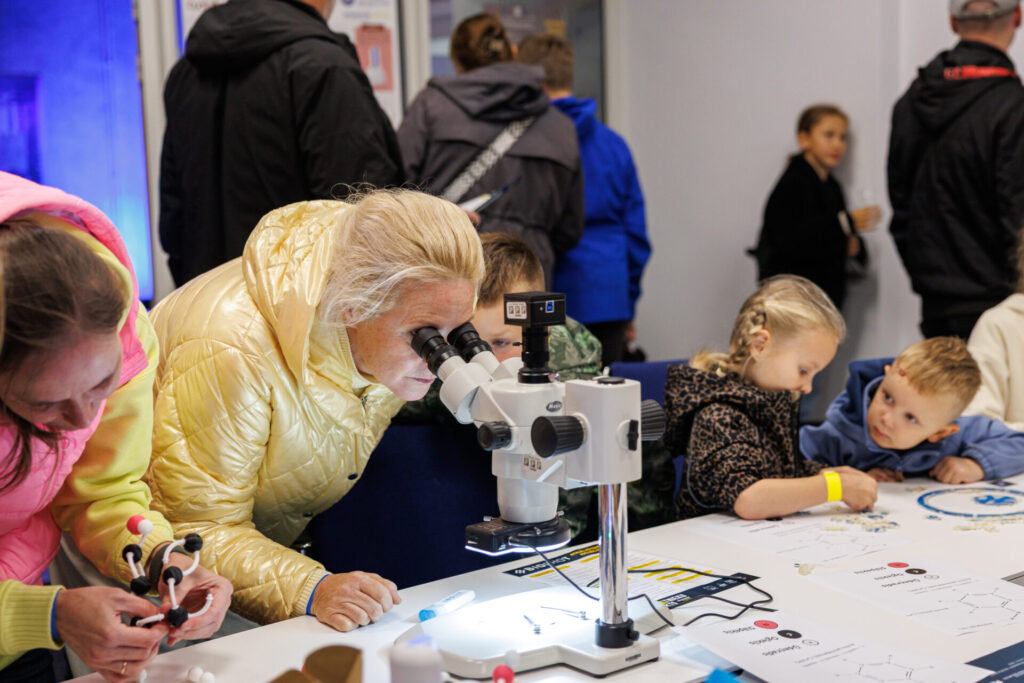
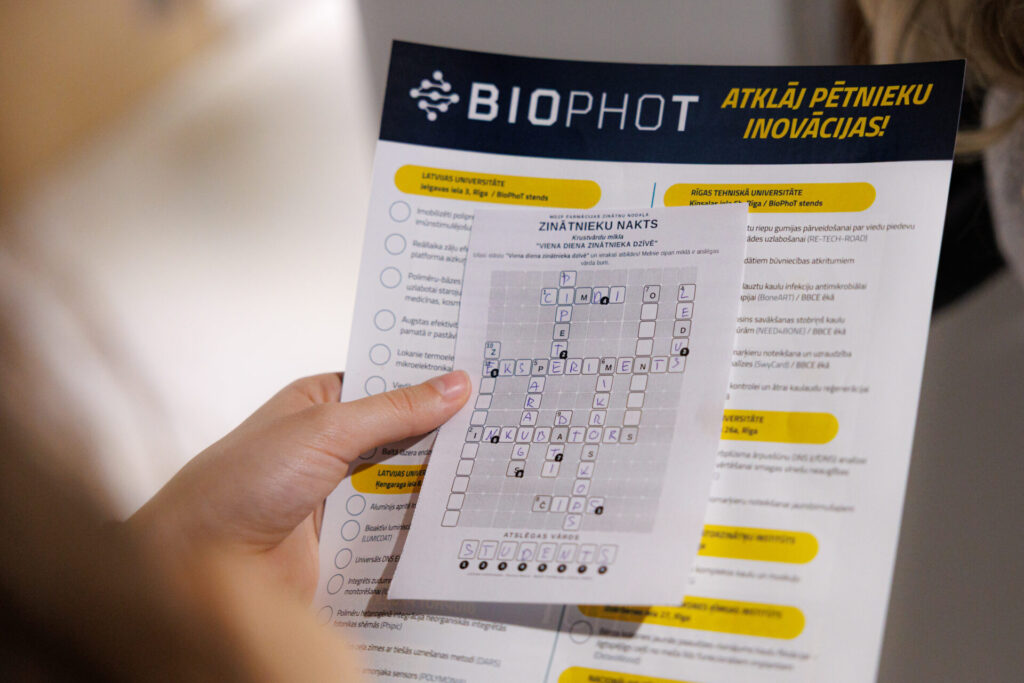
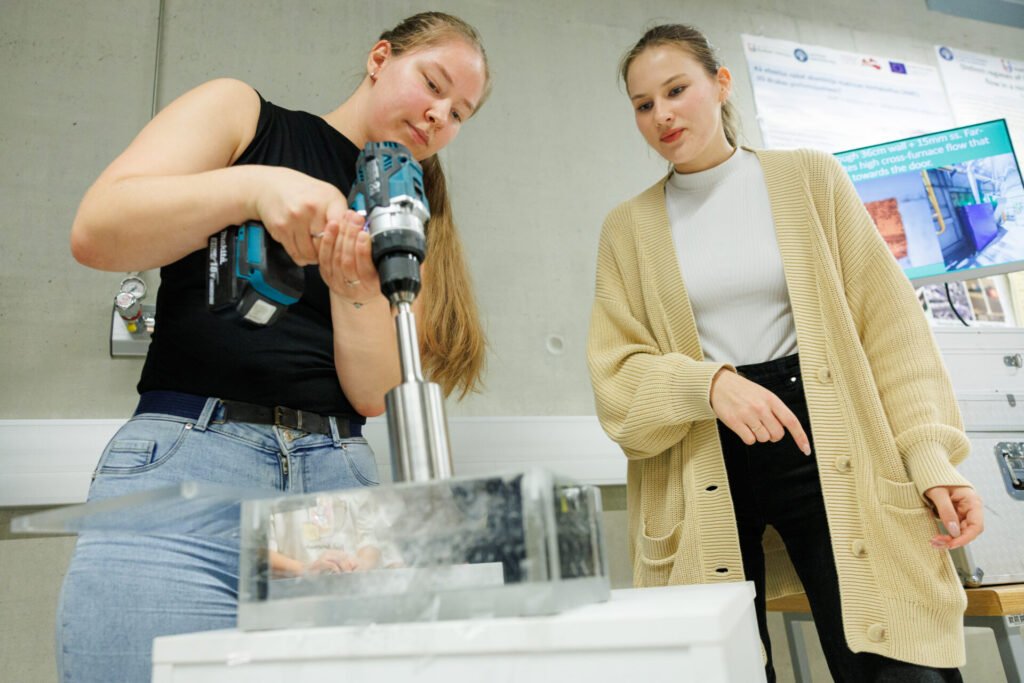
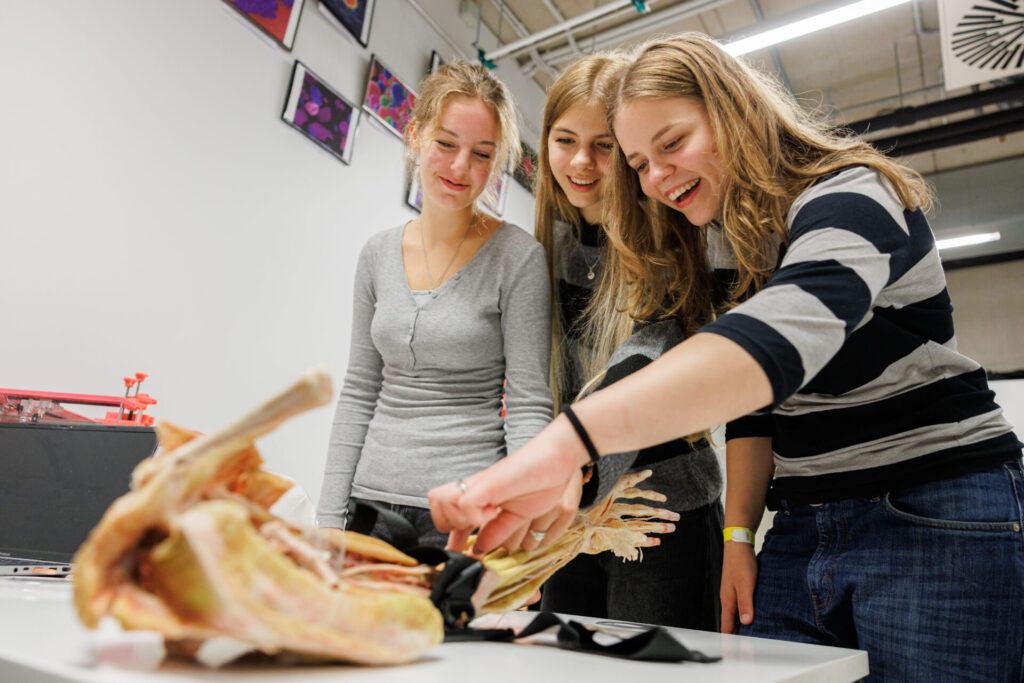
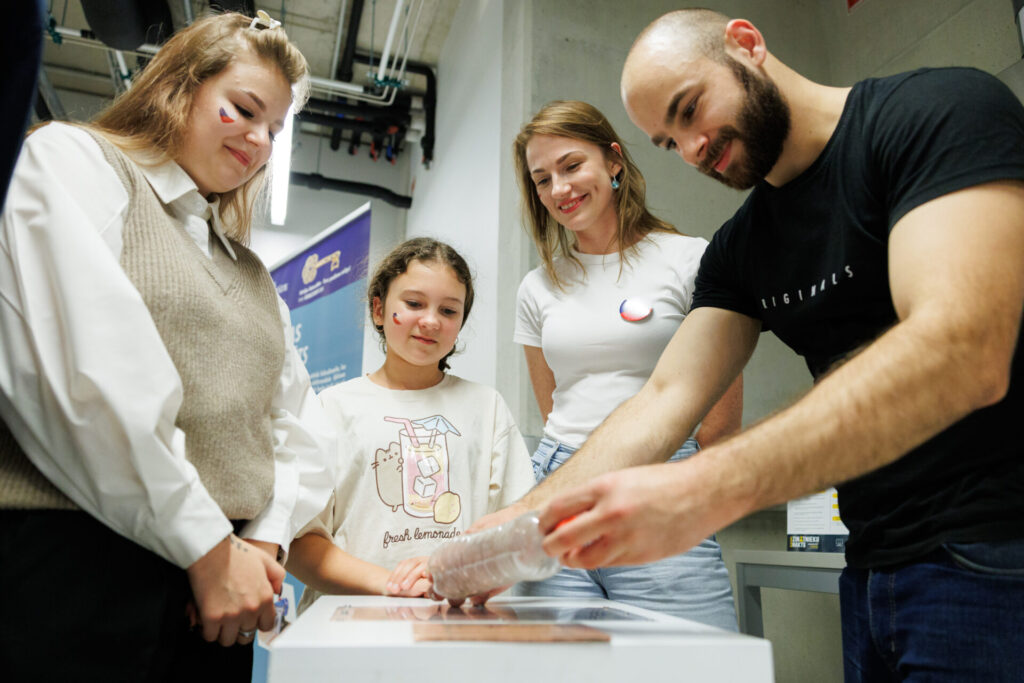
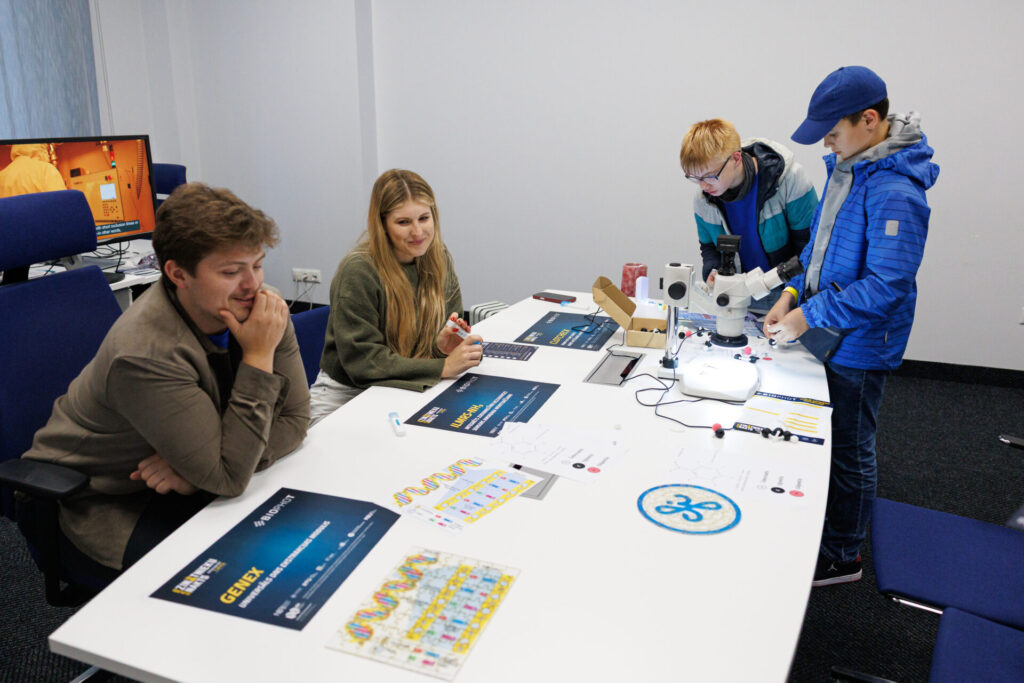
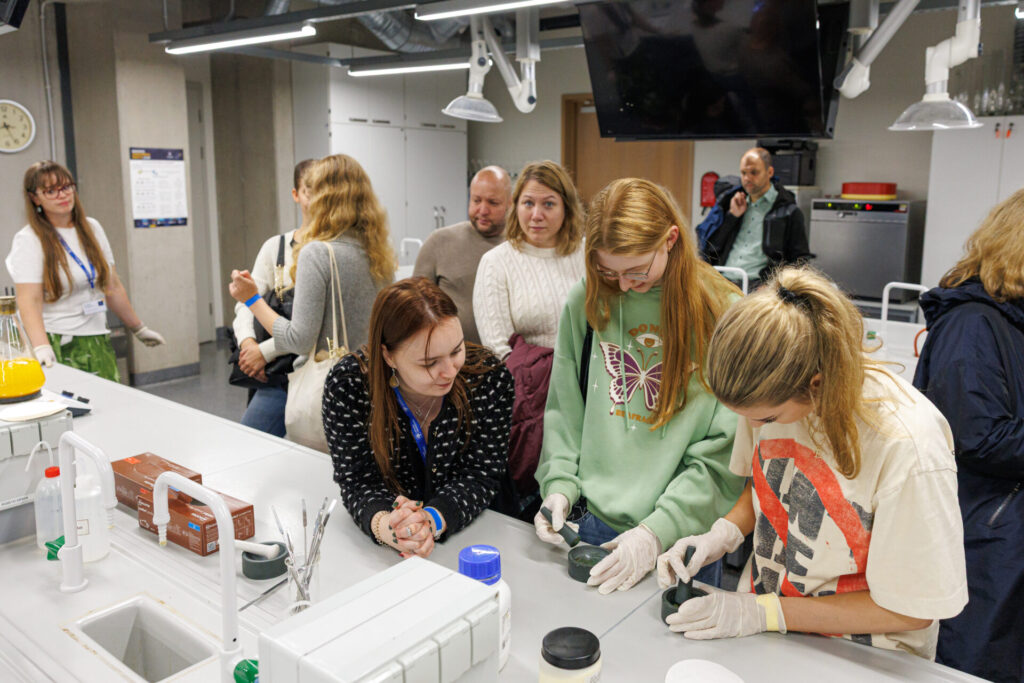
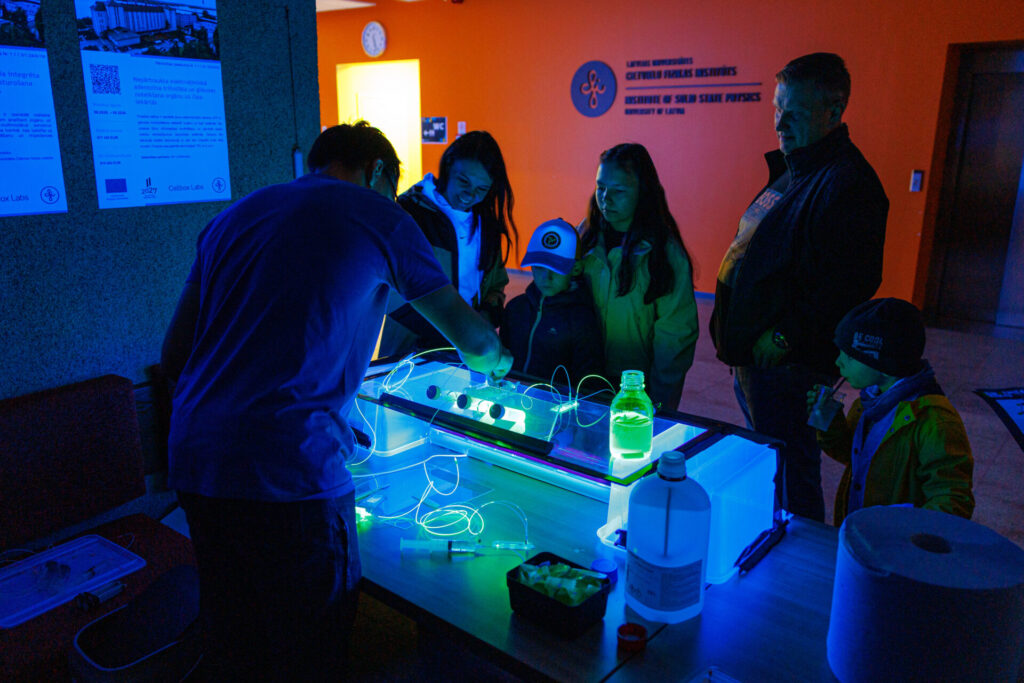
The orienteering game took participants from one scientific institution to the next, allowing them to meet the “BioPhoT” project teams in person and get a glimpse of what happens behind laboratory doors. Visitors were not only able to view the solutions developed by the researchers, but also to chat with the scientists themselves and learn how an idea turns into research, an experiment into a result, and a result into a technology with practical application.
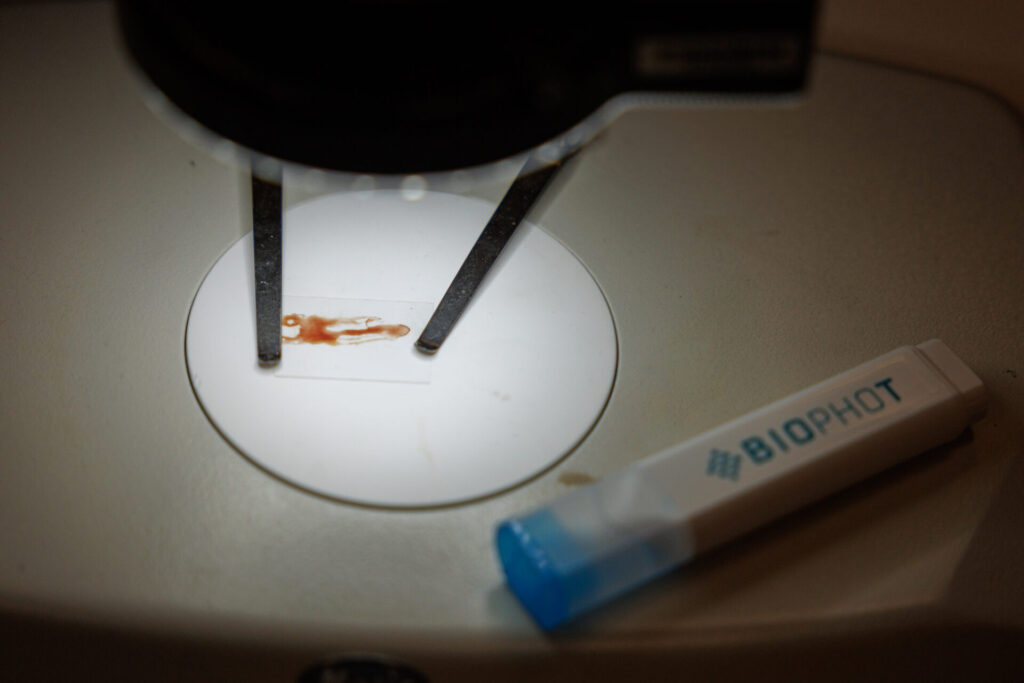
Visitors of Researchers' Night 2026 explored a wide range of innovations in biomedicine, photonics, materials science, energy, microelectronics, and environmental technologies. At the University of Latvia, enthusiasts discovered solutions in medicine, industry, and energy – ranging from new immune system-supporting compounds and drug efficacy testing methods to radiation protection materials, more efficient metal heating, and flexible energy sources. In the medical field, a rapid malaria diagnostic device, new materials for stopping bleeding, and a white laser endoscopy system were also demonstrated.
At Riga Technical University, it was possible to explore technologies for environmental protection and medicine – the recycling of worn-out tires into asphalt, CO₂ capture filters made from construction waste, as well as new solutions for treating bone infections, regenerating bone tissue, and detecting health biomarkers through sweat analysis.
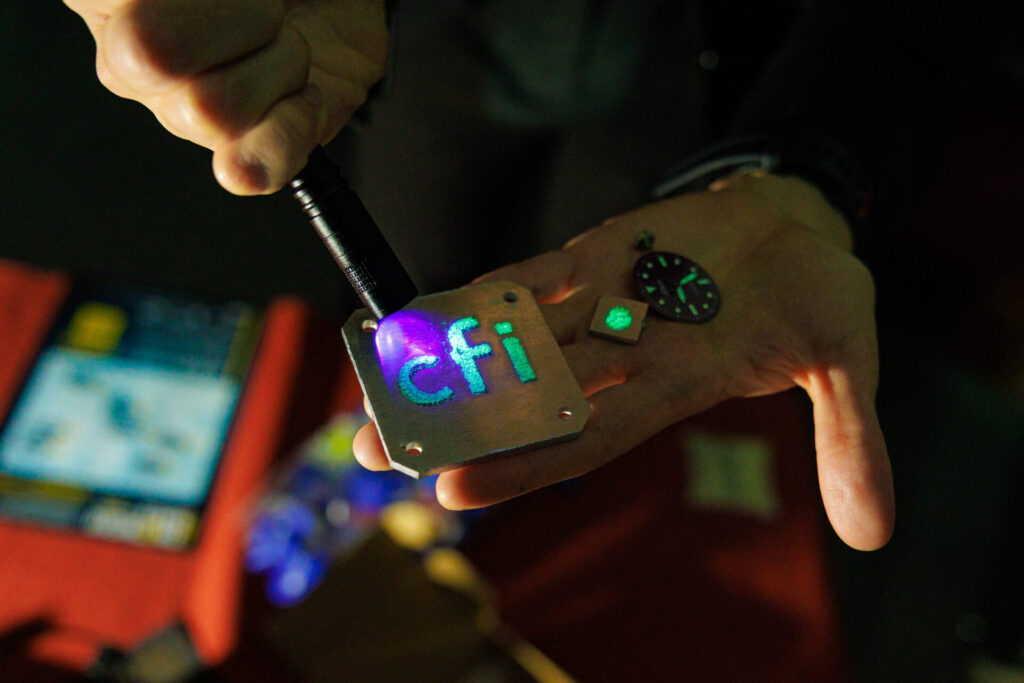
At the Institute of Solid State Physics of the University of Latvia, the focus was on materials science, photonics, and sensors. Visitors learned about carbon capture and energy harvesting solutions, bioactive coatings, DNA extraction technologies, ammonia sensors, long-afterglow road signs, blood clotting assessment, and optical fiber temperature sensors.
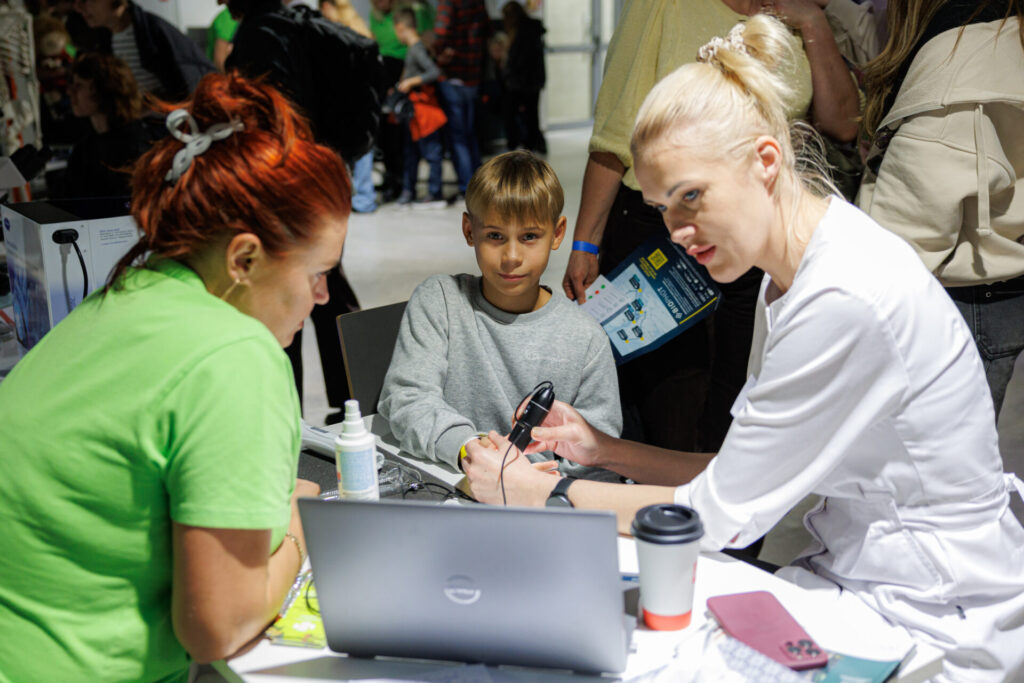
In other scientific institutions – the Institute of Electronics and Computer Science, Rīga Stradiņš University, the Latvian State Institute of Wood Chemistry, and the National Research and Innovation Institute – solutions for health diagnostics and treatment were presented, ranging from the use of cell-free DNA in male infertility research and urine analysis for sepsis detection in newborns to sweat analysis, the use of ultrasound for bone and muscle assessment, and the use of birch wood in the creation of bone implants. Additionally, researchers are exploring new ways to promote the production of GABA – a substance that plays a significant role in the functioning of the nervous system – with the help of the microbiome.
The orientation game allowed science to be explored actively, excitingly, and step by step. Each stop revealed a new research study, technology, or its application, while at the same time allowing the broader picture to be seen, as Latvia's science and innovation environment is diverse. Solutions created in Latvia cover fields that affect health, energy, the environment, and everyday technologies alike.
For each project visit, participants received a stamp on their game card, while the most active game participants also had the opportunity to receive a surprise prize. Interest in science and innovations created in Latvia is alive and widespread! Science is not just complex terms, formulas, or laboratory equipment, because behind it stand people with ideas, the courage to experiment, and the persistence to create new solutions.
Photo by Dmitrijs Sulžics, BioPhoT“