Video
Please note that the English version of this text has been prepared with the assistance of AI, and in some instances, it may not have been subsequently reviewed or edited by the authors.
Description
The goal of the CaReSense commercialization project is to develop an innovative, cost-effective technology based on capillary reperfusion for continuous microcirculation monitoring in intensive care units (ICUs), particularly for patients with septic shock, while simultaneously promoting technology transfer and commercialization.
Traditional hemodynamic monitoring is unable to detect microcirculatory disorders, leading to suboptimal treatment. Existing CRT methods are manual, subjective, and provide one-off measurements.
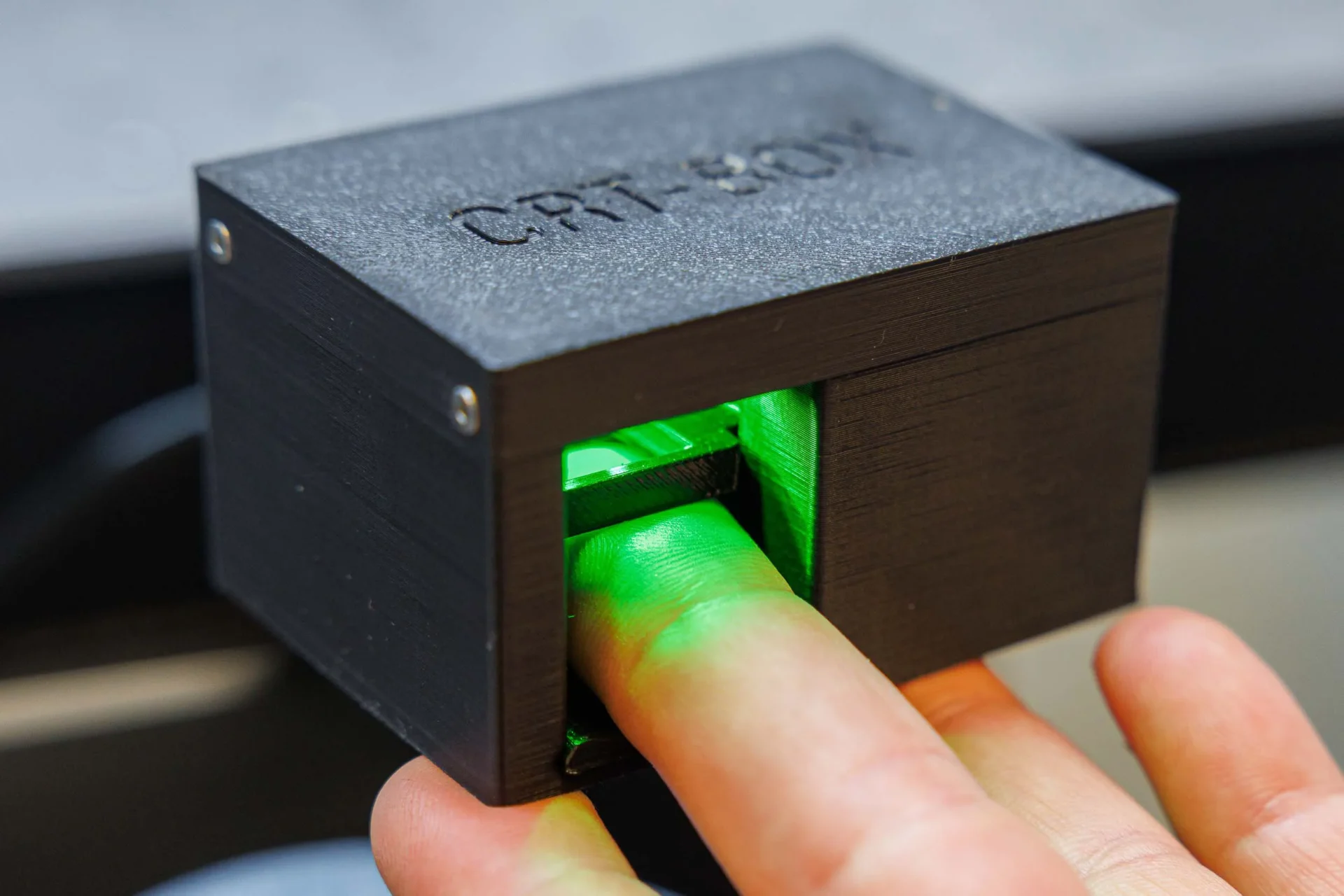
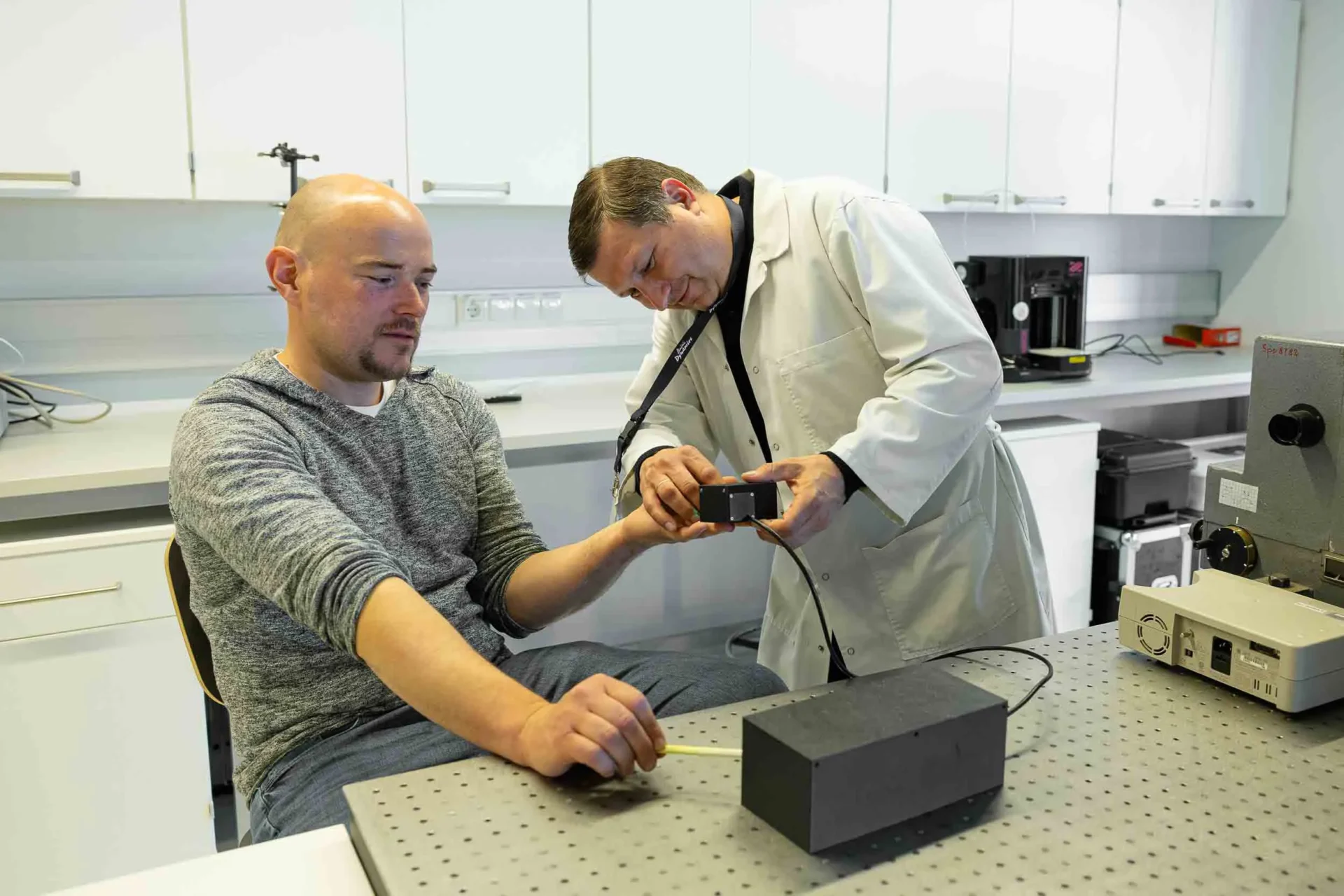
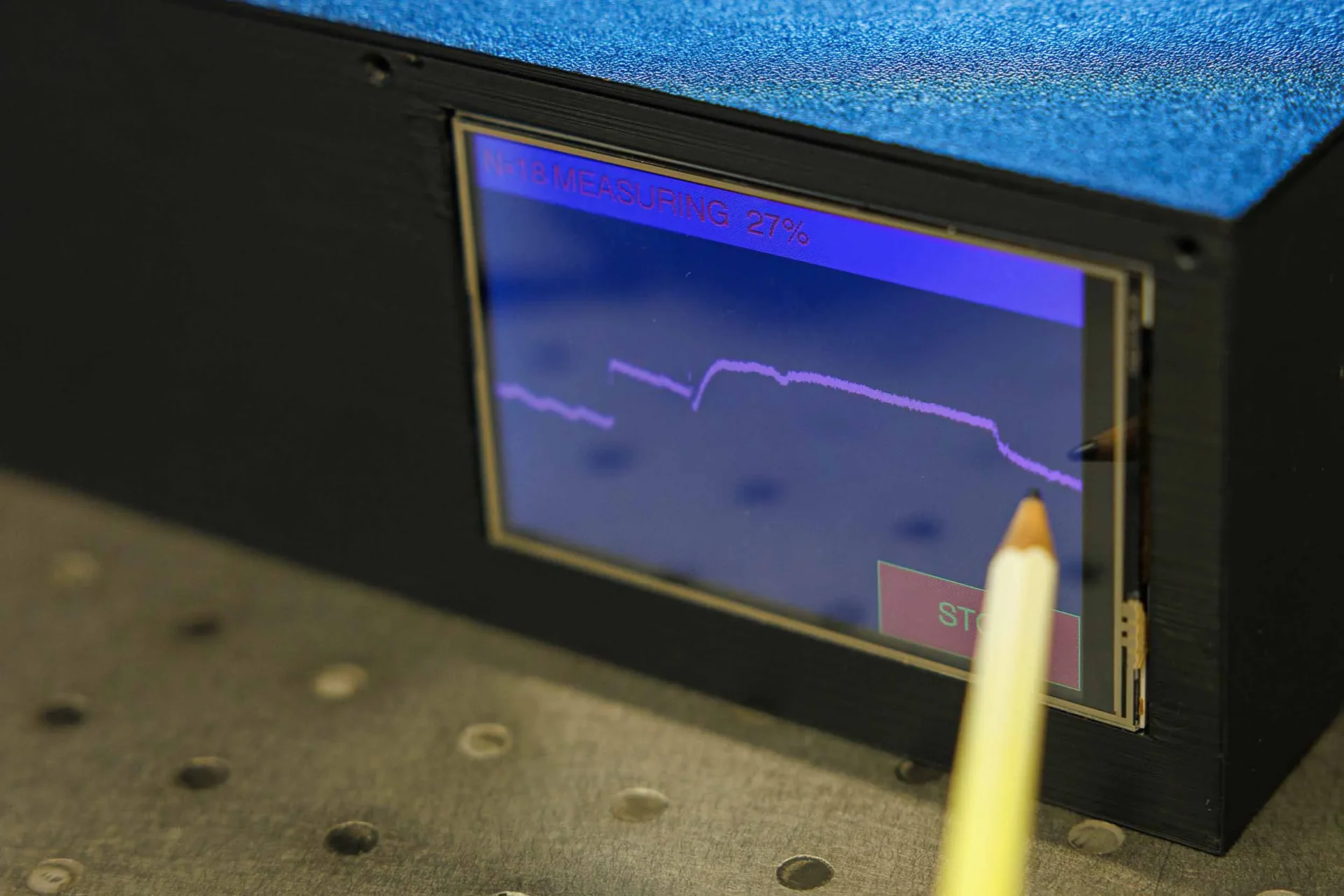
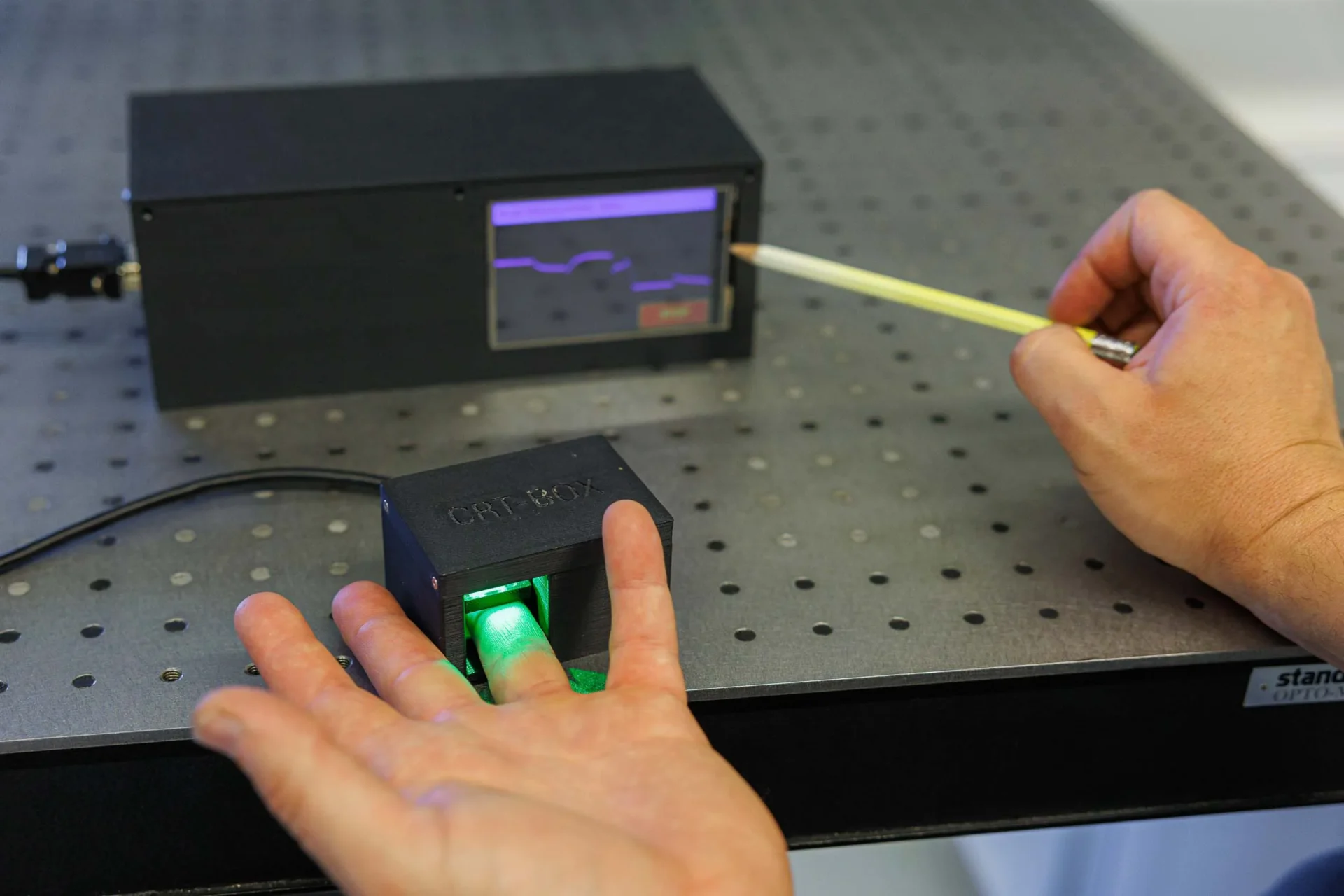
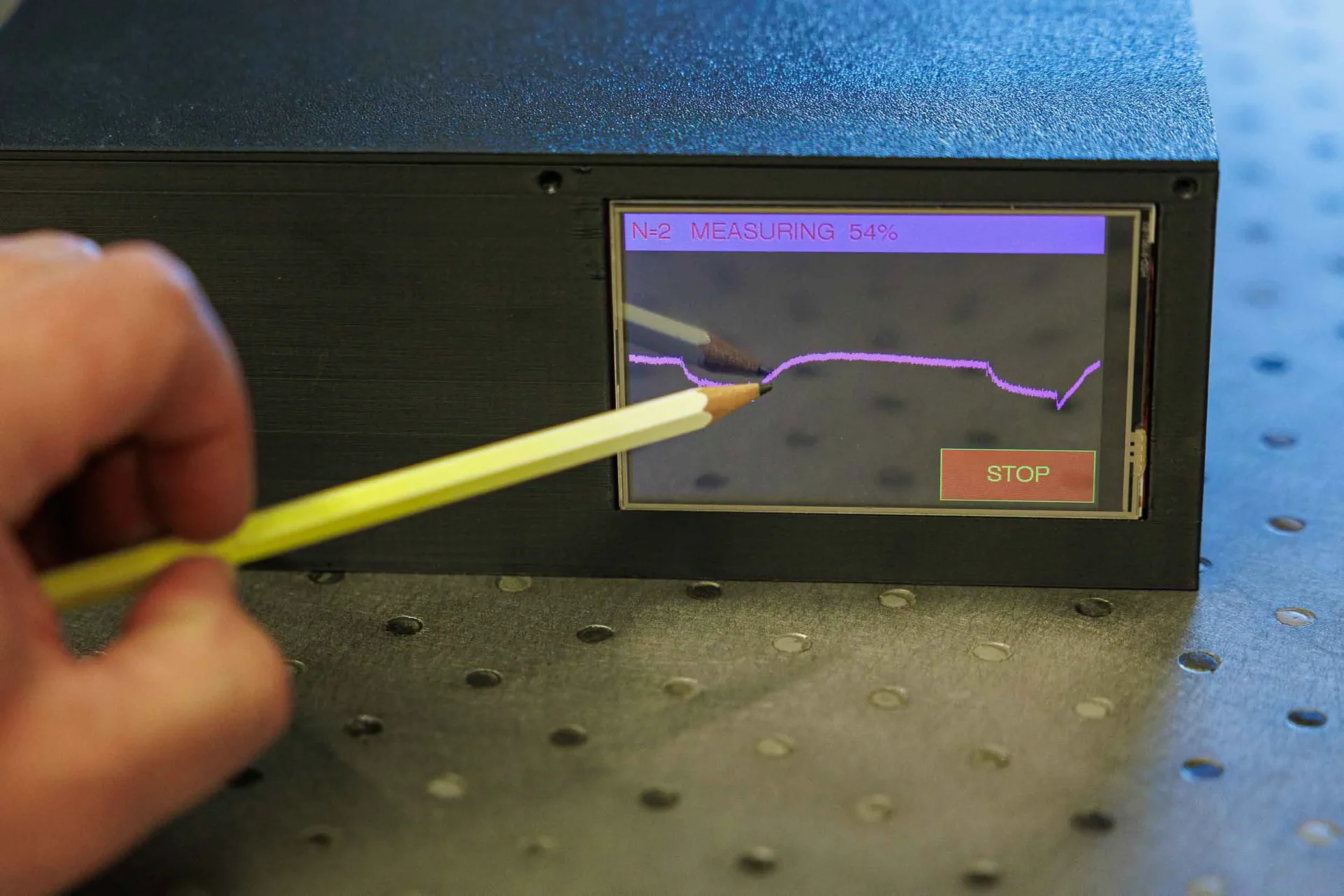
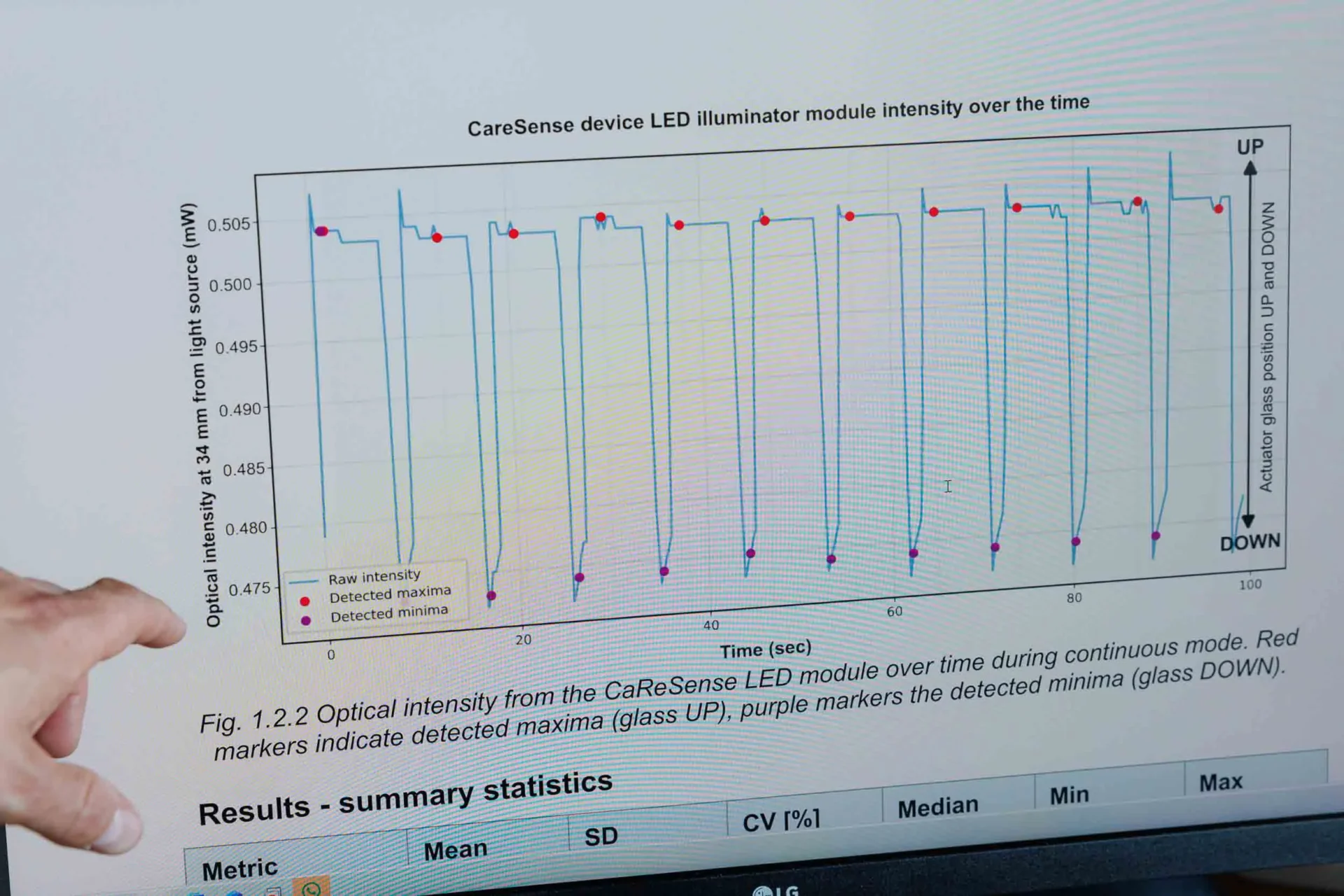
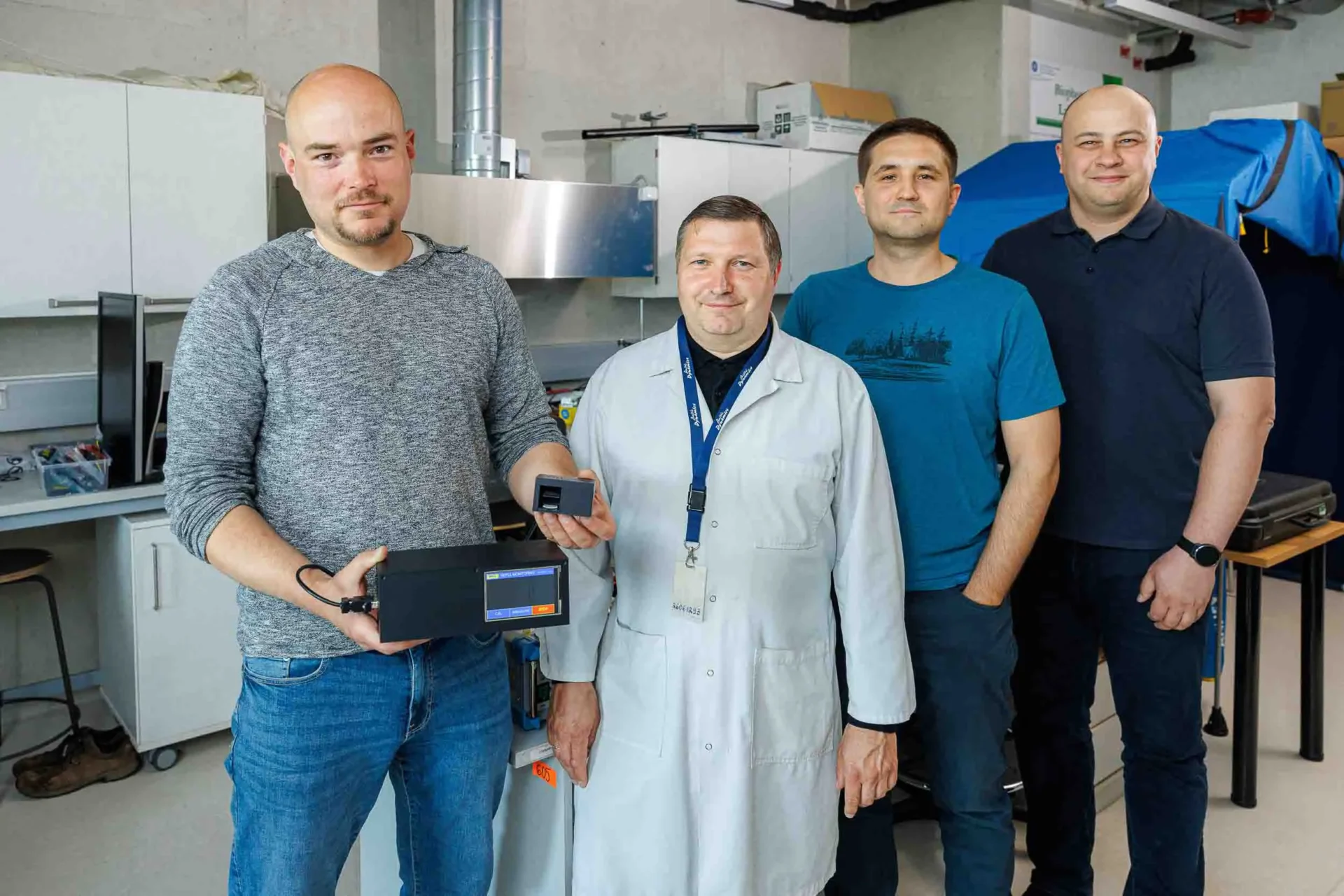
The project addresses key challenges including optical path stability, quantification and standardization of reperfusion curves. The prototype comprises a servo-driven fingertip probe, a green light LED, a photodiode, and an infrared thermometer connected to a processor. The device provides 5–6 real-time readings per minute, utilizing algorithms to analyze pathological curves and identify deviations characteristic to sepsis.
To advance the technology from TRL3 to TRL4, the project includes preclinical validation on healthy volunteers and ITN patients, development of investigation protocols, and a commercialization strategy encompassing market analysis, IP protection, and stakeholder engagement. Expected benefits include improved diagnostics, reduced healthcare costs, and better patient outcomes.
The project will be implemented by a multidisciplinary team from the University of Latvia and Rīga East Clinical University Hospital.
The Achievable Results
Develop a technology demonstrator – prototype (TRL4) suitable for tissue recapillarization tests in intensive care patients.
Develop a protocol and methodology for continuous recapillary measurements of skin microcirculation.
Determine the commercialization potential of the technology and develop a strategy and identify next steps for its commercialization.
Research sustainability practices.
The Anticipated Benefit
Innovative technology that significantly supplements the critical parameter metrics of intensive care patients and potentially, by including it in diagnostic guidelines, will substantially improve diagnostics and therapy management.
The Allocated Funding
190,000 EUR due March 18, 2026.
Team

Dr. biol. Zbigņevs Marcinkēvičs
Dr. sc. administr. Didzis Rūtītis

Dr. med. Sigita Kazūna
Edgars Ļaksa
Gallery