Video
Please note that the English version of this text has been prepared with the assistance of AI, and in some instances, it may not have been subsequently reviewed or edited by the authors.
Description
Cancer cells are devious – they often hide from the immune system by creating a protective barrier around themselves using special proteins called IC antigens. With the help of these antigens, the malignant tumor deceives the immune system by imitating a harmless part of the body. As a result, immunity “walks past” the cancer, leaving it untouched.
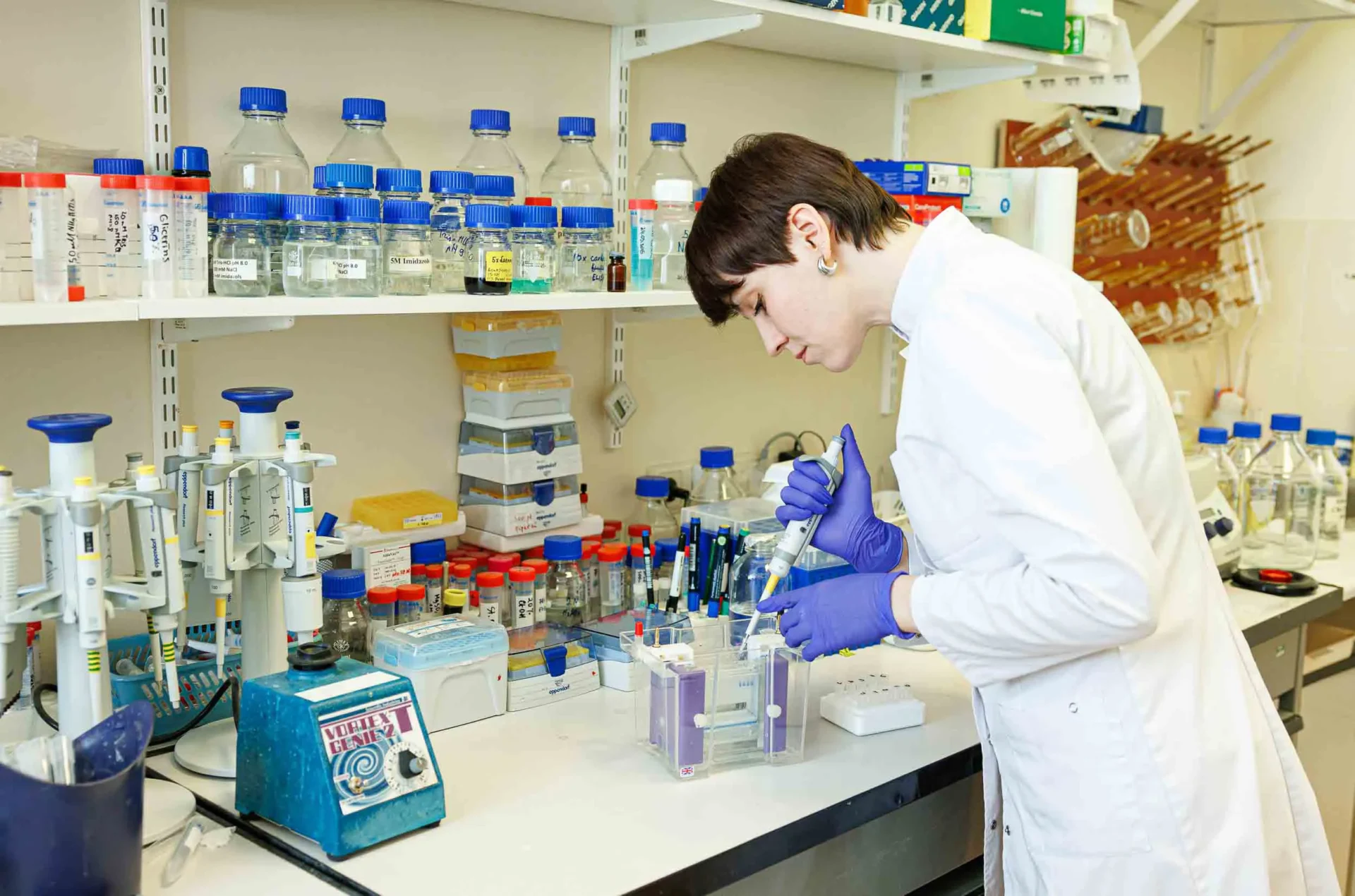
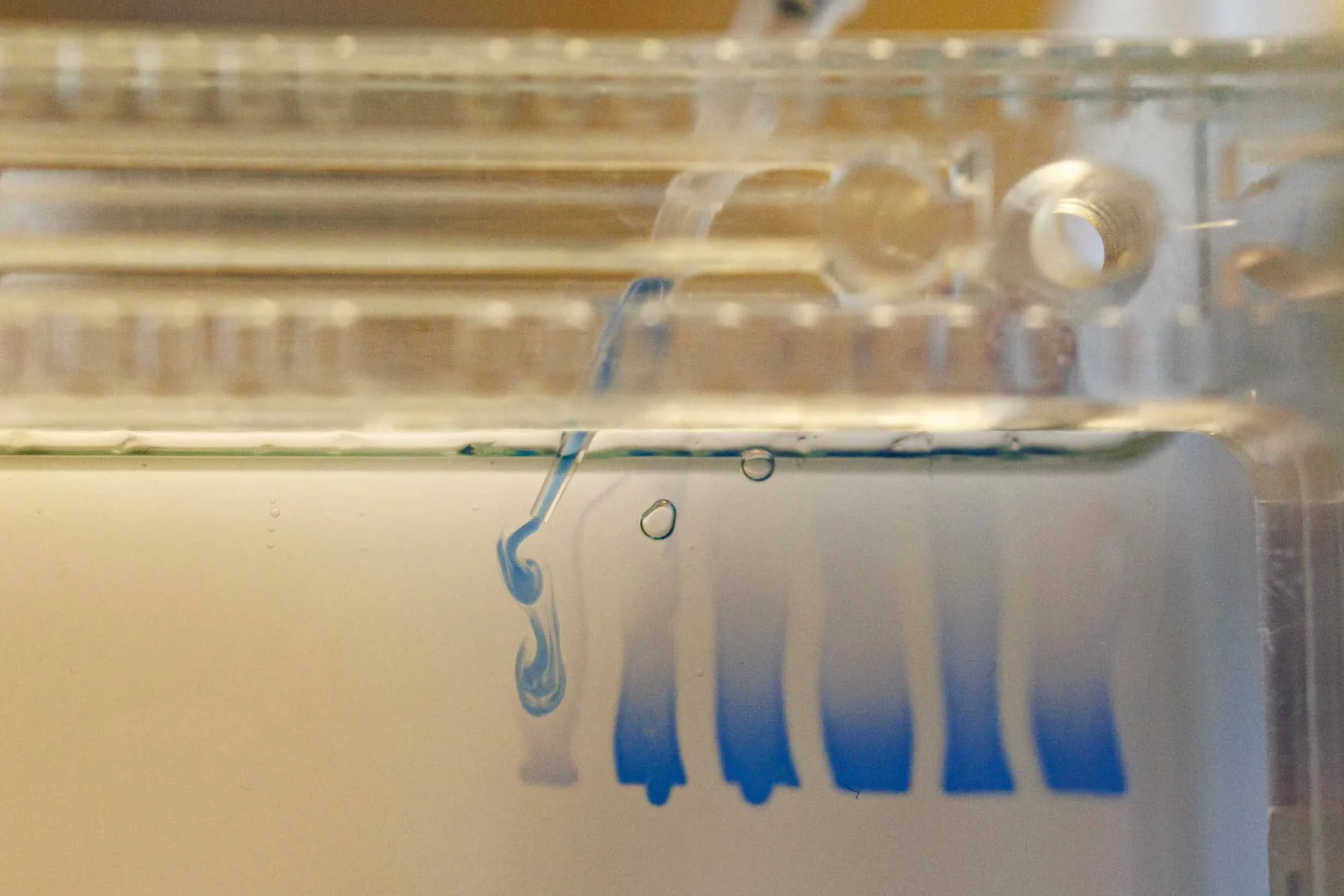
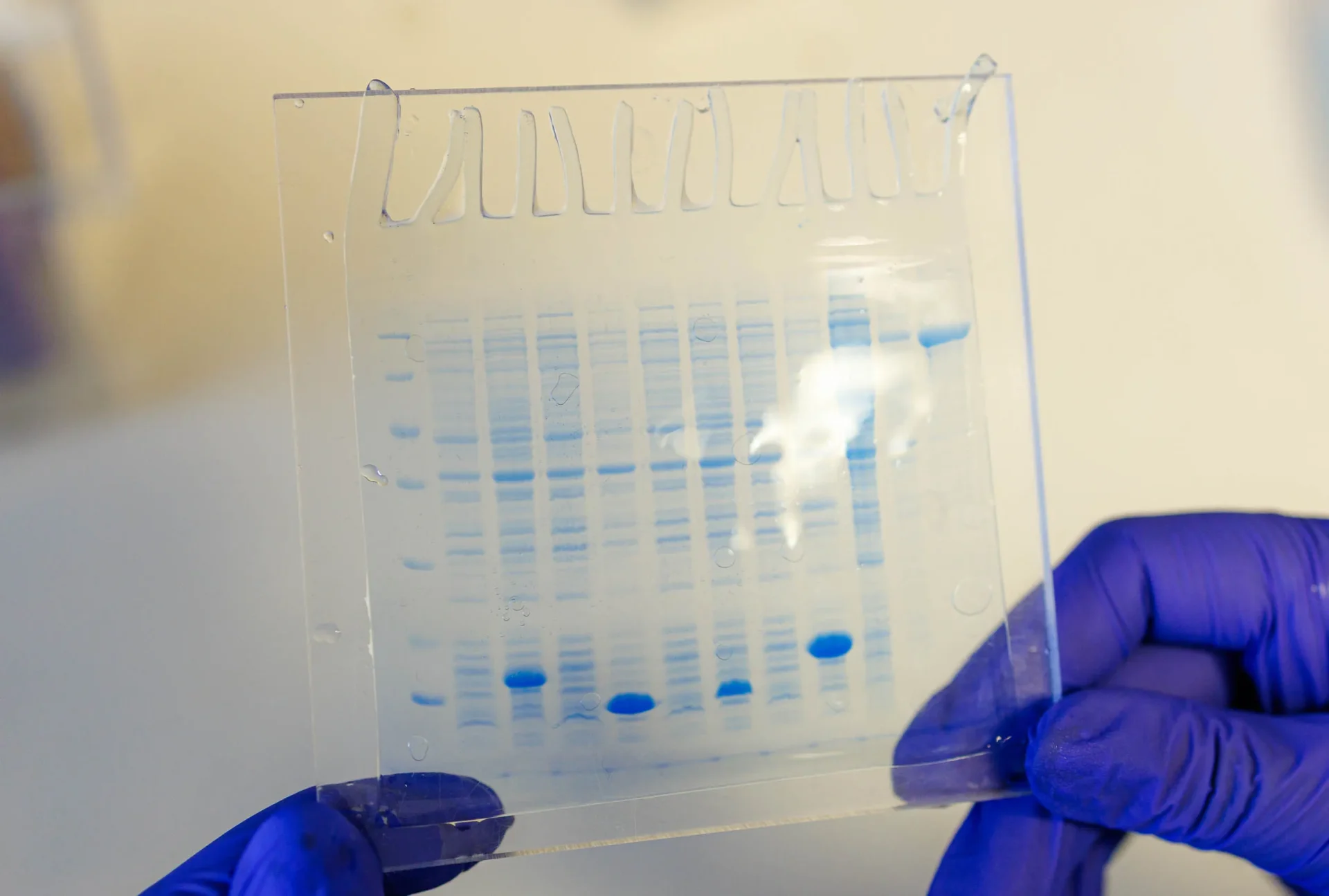
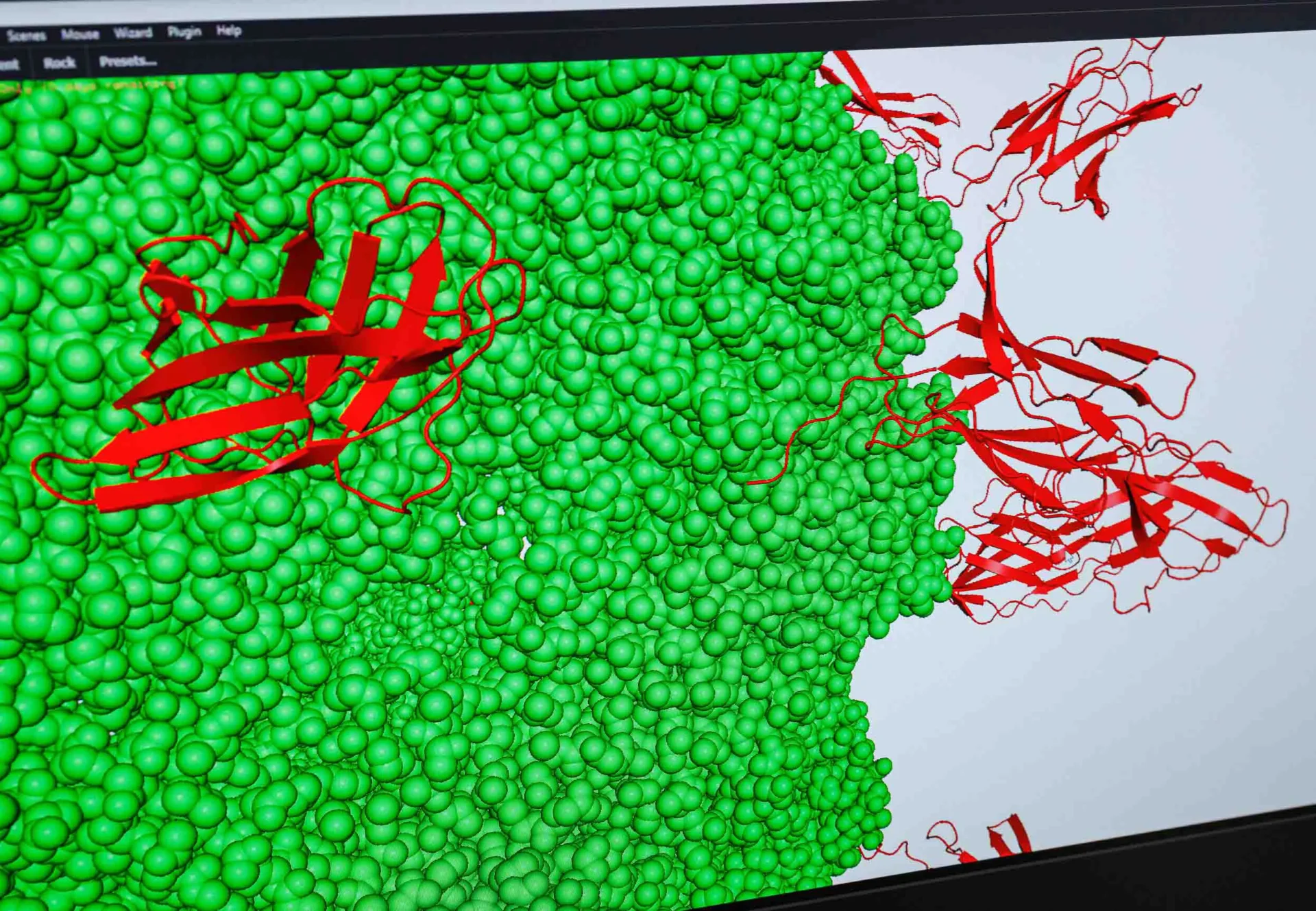
How does the new technology work? Our scientific group is developing an innovative vaccine designed to teach the body to recognize and destroy this cancer defense barrier. The basis of the vaccine is “viral shells.” These are not dangerous because they do not contain viral genetic material, but they excellently attract the attention of the immune system. Using special “chemical glues,” a fragment of the tumor's defense mechanism – one of the IC antigens – is firmly attached to these shells. As a result, upon seeing this combination, the body begins to produce antibodies that specifically attack the tumor's defense barrier. Once this barrier is broken, the body's immune system is able to recognize and destroy cancer cells.
The Achievable Results
The first laboratory tests have been successful – the vaccine has induced a strong immune response in mouse models. Now, the researchers' task is to take the next steps:
1. Prove vaccine efficacy: test whether the vaccine can actually stop melanoma (skin cancer) growth in a mouse model.
2. Adapt for humans: prepare the technology so that it can be safely used in human medicine in the future.
3. Accessibility: develop an intellectual property protection strategy and foster industry collaboration to ensure the vaccine reaches clinical trials.
The Anticipated Benefit
A New turn in cancer treatment: why our developed vaccine is a step forward?
One of the biggest victories in oncology today is the use of immune checkpoint inhibitors. These are medications (antibodies) that prevent cancer from hiding from our immune system. However, current therapy faces two major obstacles: enormous costs and serious side effects. Active immunization, or vaccines, offers a fundamentally different approach to solving these problems. In current therapy, ready-made antibodies produced in a laboratory at high concentrations are administered intravenously to the patient. They travel throughout the body and can cause an “overheated” immune system, which begins to attack not only the cancer but also the patient's own healthy organs. The advantage of a vaccine is that it teaches the patient's own immune system to produce the necessary antibodies naturally and in moderate amounts. As a result, the immune response is more specific, reducing the risk of the therapy becoming toxic to the patient's body.
One of the biggest tragedies in modern medicine is that the most effective cancer drugs are often astronomically expensive – a single patient's treatment course can cost tens or even hundreds of thousands of euros. This makes them inaccessible to many people and places an immense burden on healthcare budgets. The advantage of our proposed vaccine lies in its significantly lower production costs and less frequent application, as it creates a long-lasting “immune memory.” What does this mean for society? If this vaccine technology is implemented in practice, we will transition from “luxury medicine” to democratic medicine. This means more equitable treatment opportunities for a wider range of patients.
The Allocated Funding
190,000 EUR on 03/01/2026.
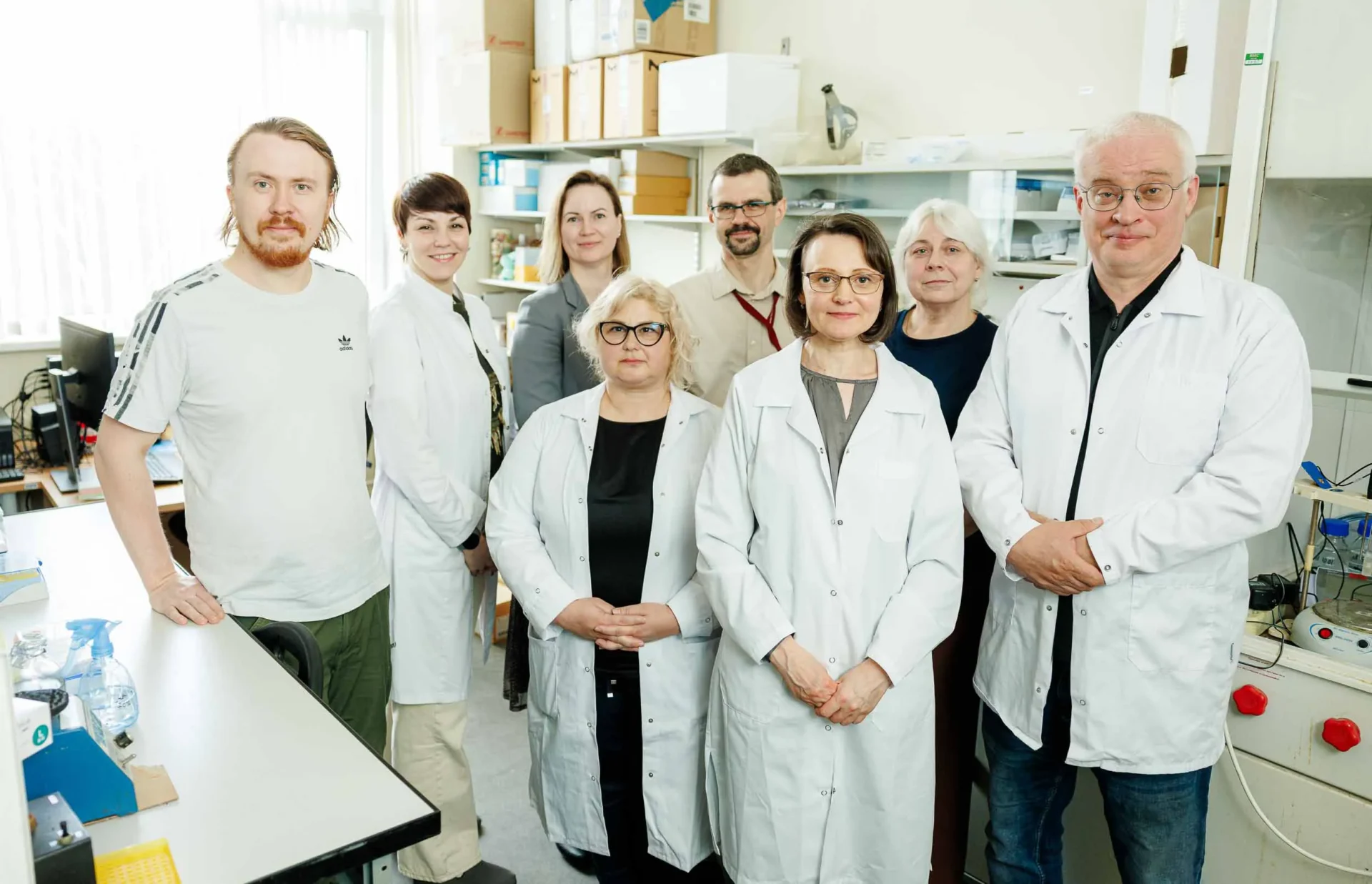
Team


Dr. biol. Zane Kalniņa
Senior Researcher

Dr. biol. Dace Skrastiņa
Researcher
Dr. biol. Gints Kalniņš
Researcher
Dr. biol. Juris Jansons
Researcher
Mg. sc. nat. Liene Lāce
Research assistant
BSc. Ināra Akopjana
Research assistantGallery