Video
Please note that the English version of this text has been prepared with the assistance of AI, and in some instances, it may not have been subsequently reviewed or edited by the authors.
Description
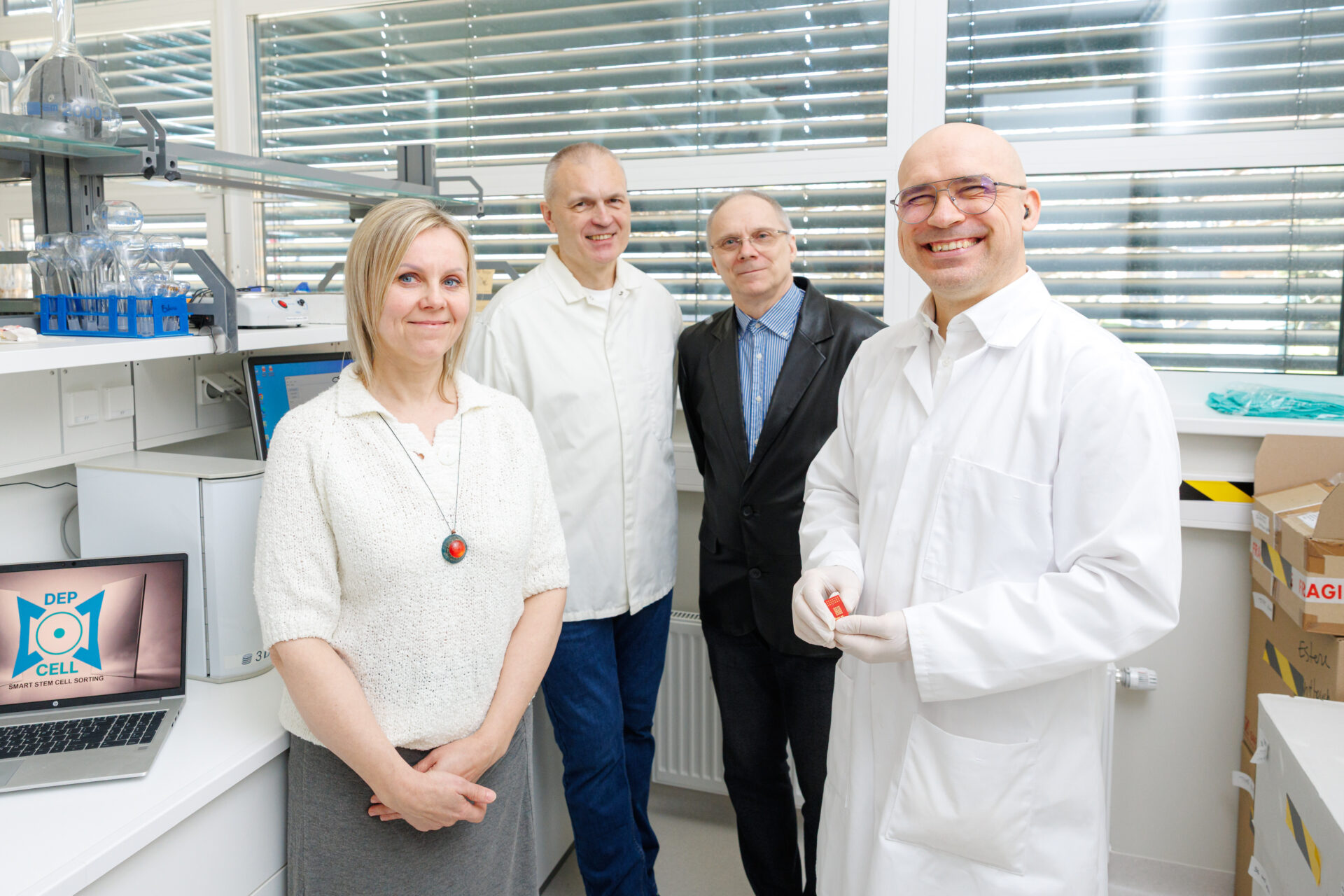
The DEPCELL project focuses on validating the sorting of live, unlabeled mesenchymal stromal/stem cells (MSCs) using dielectrophoresis (DEP), with the goal of correlating DEP-based separation parameters with cell quality markers such as telomere status and replicative potential. The project aims to develop and validate a DEP platform developed by RTU under GMP-like conditions to support the preparation of advanced cell therapy products for the Hospital's Exceptional Use Framework. In parallel, an AI-supported quality control workstation is being developed for real-time cell analysis. The validation primarily focuses on adipose-derived MSCs, with potential future applications in cell therapy workflows for indications like psoriasis, rheumatoid arthritis, and Crohn's disease, pending further analytical, regulatory, and clinical validation.
The Achievable Results
The project will define and validate conditions for sorting live MSC populations based on DEP in GMP-like conditions. Planned outcomes include defining suitable sorting parameters, evaluating post-sorting cell viability and quality, integrating AI-assisted quality control, and preparing a validation framework for future transition to enhanced cell therapy product manufacturing and Hospital Exemption applications.
The Anticipated Benefit
The project could facilitate the development of more precise, standardized, and higher-quality cell therapy workflows for patients with diseases such as psoriasis, rheumatoid arthritis, and Crohn's disease, especially in situations where existing treatment options are insufficient. By developing viable MSC selection and improved quality control, DEPCELL can contribute to safer, more reproducible, and accessible future cell therapy manufacturing in Latvia.
The Allocated Funding
190,000 EUR on 03/09/2026.
Team







Gallery
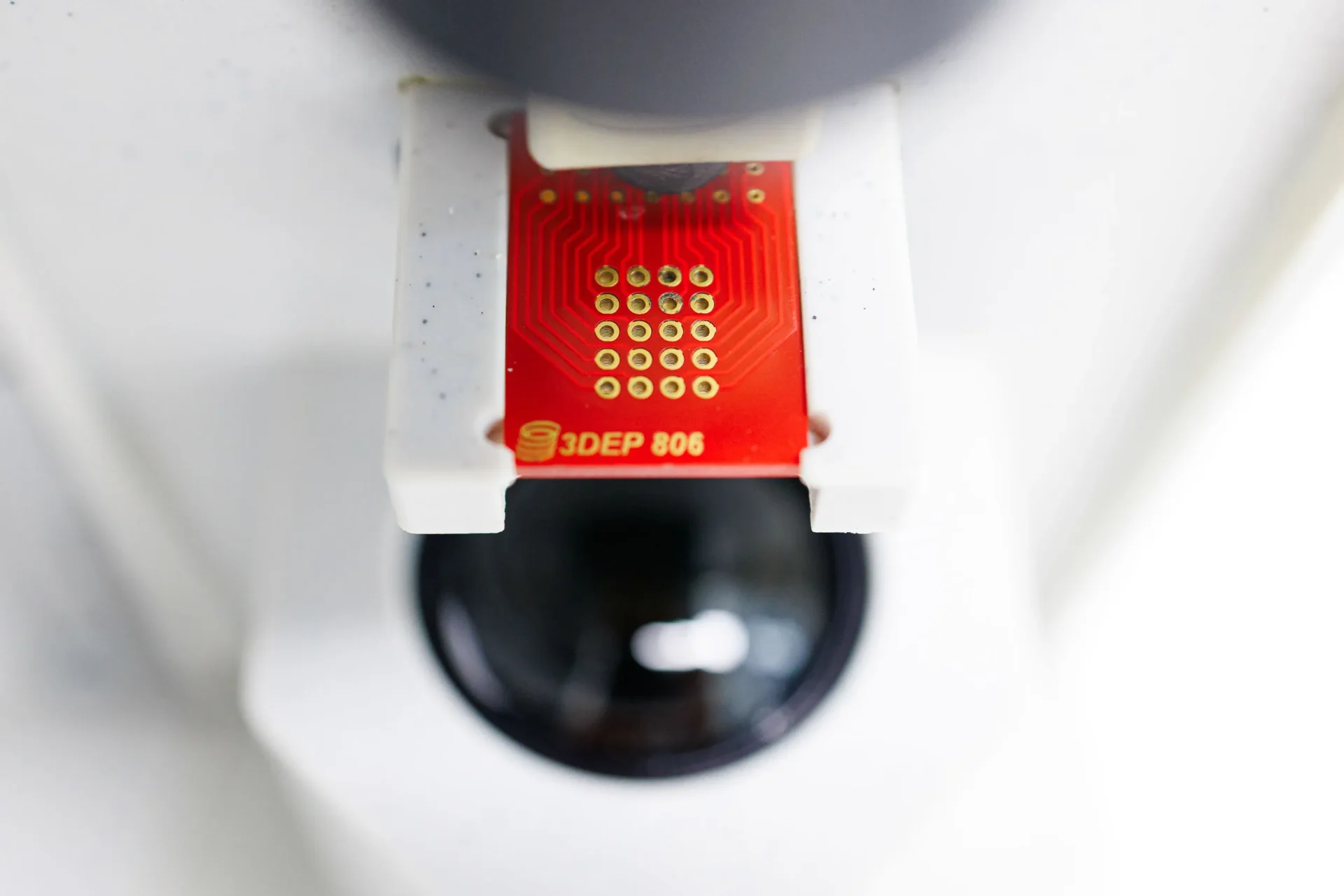
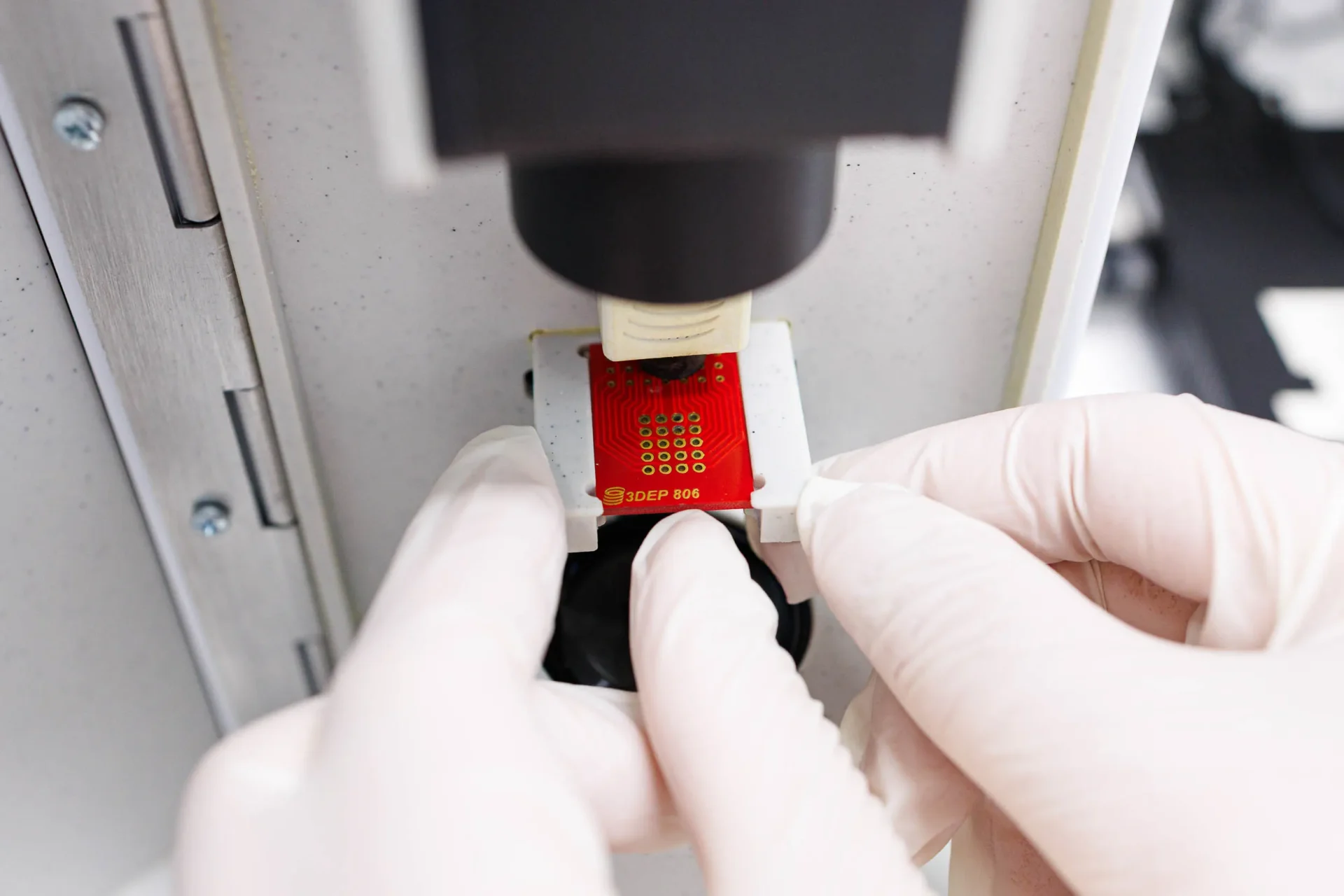
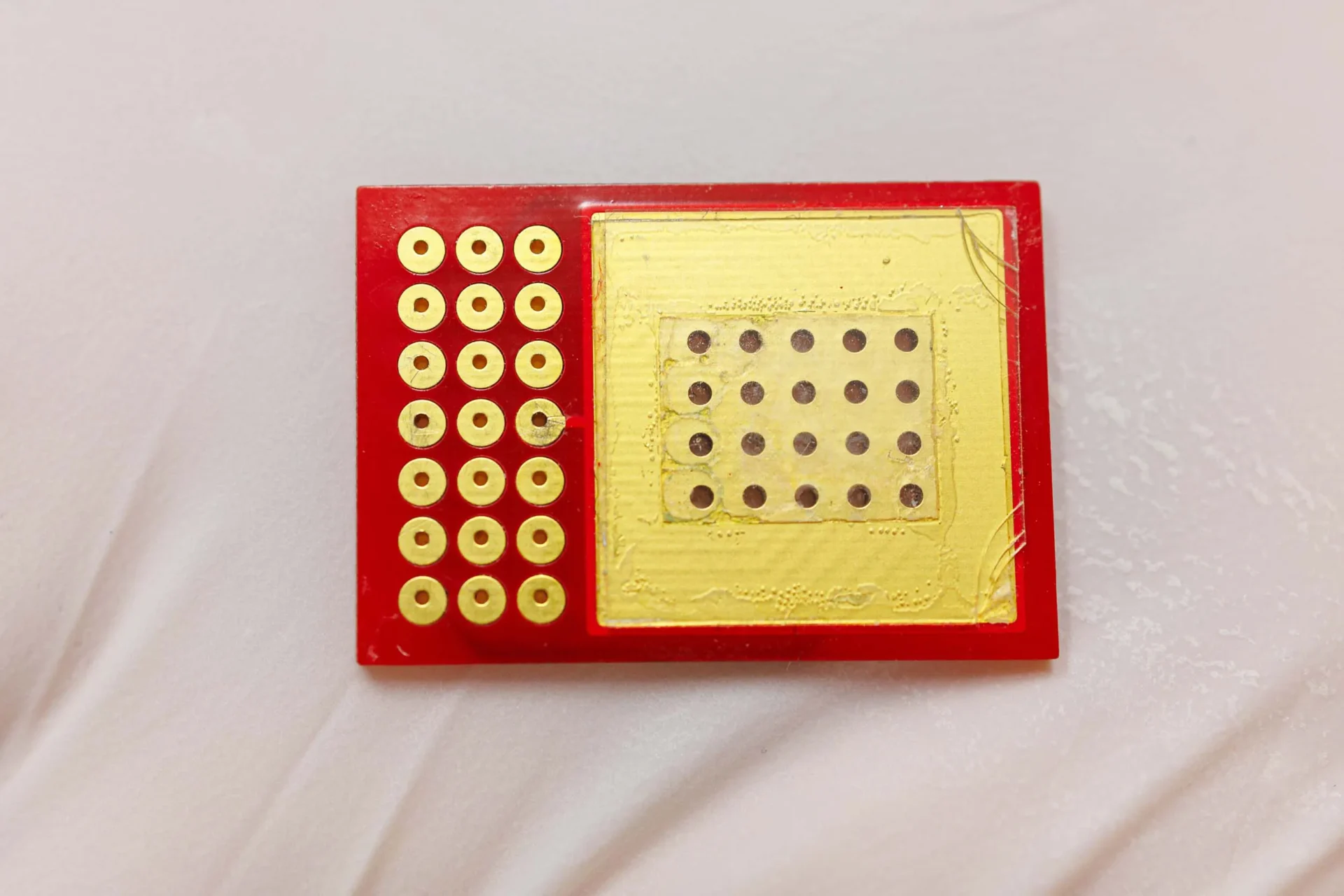
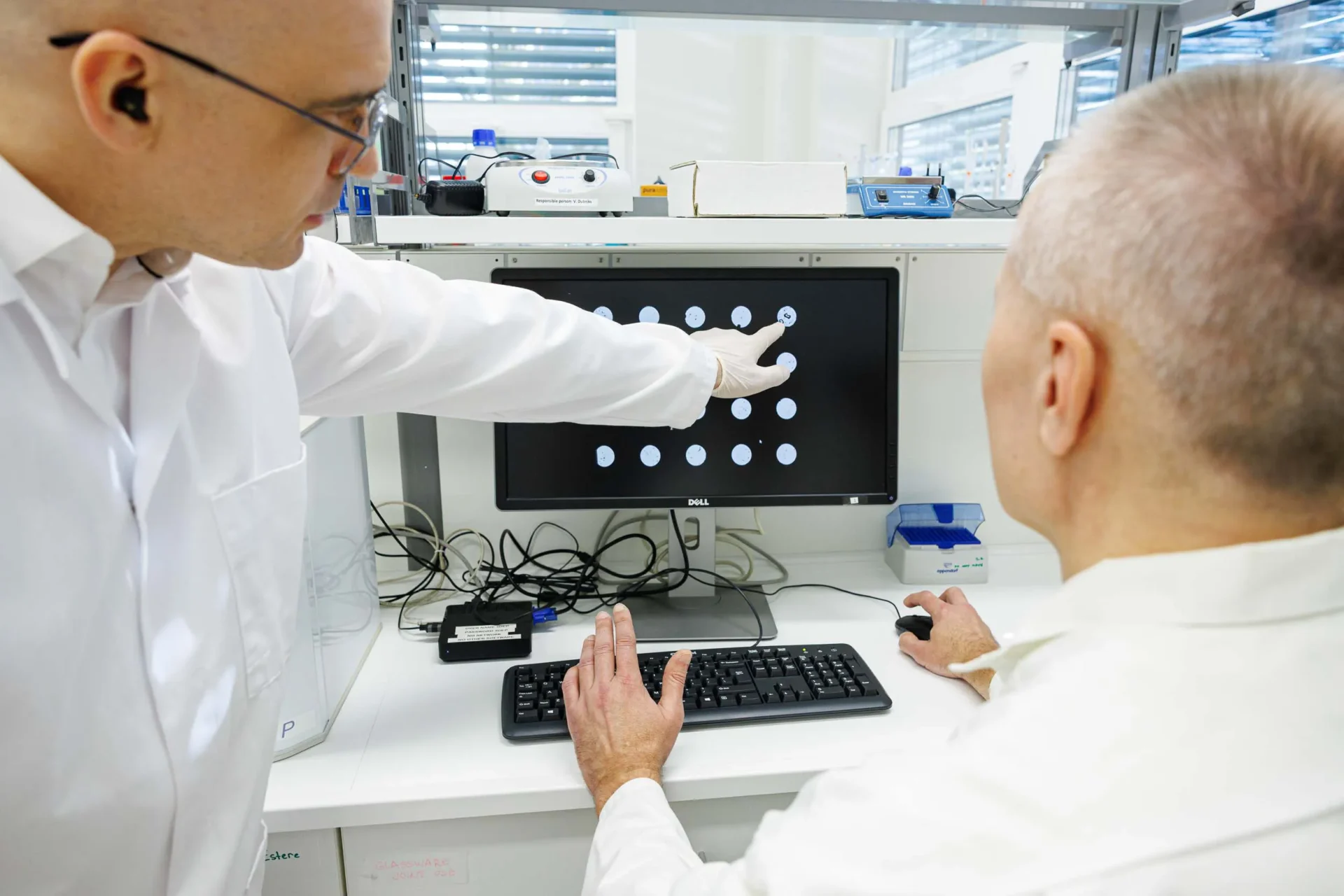
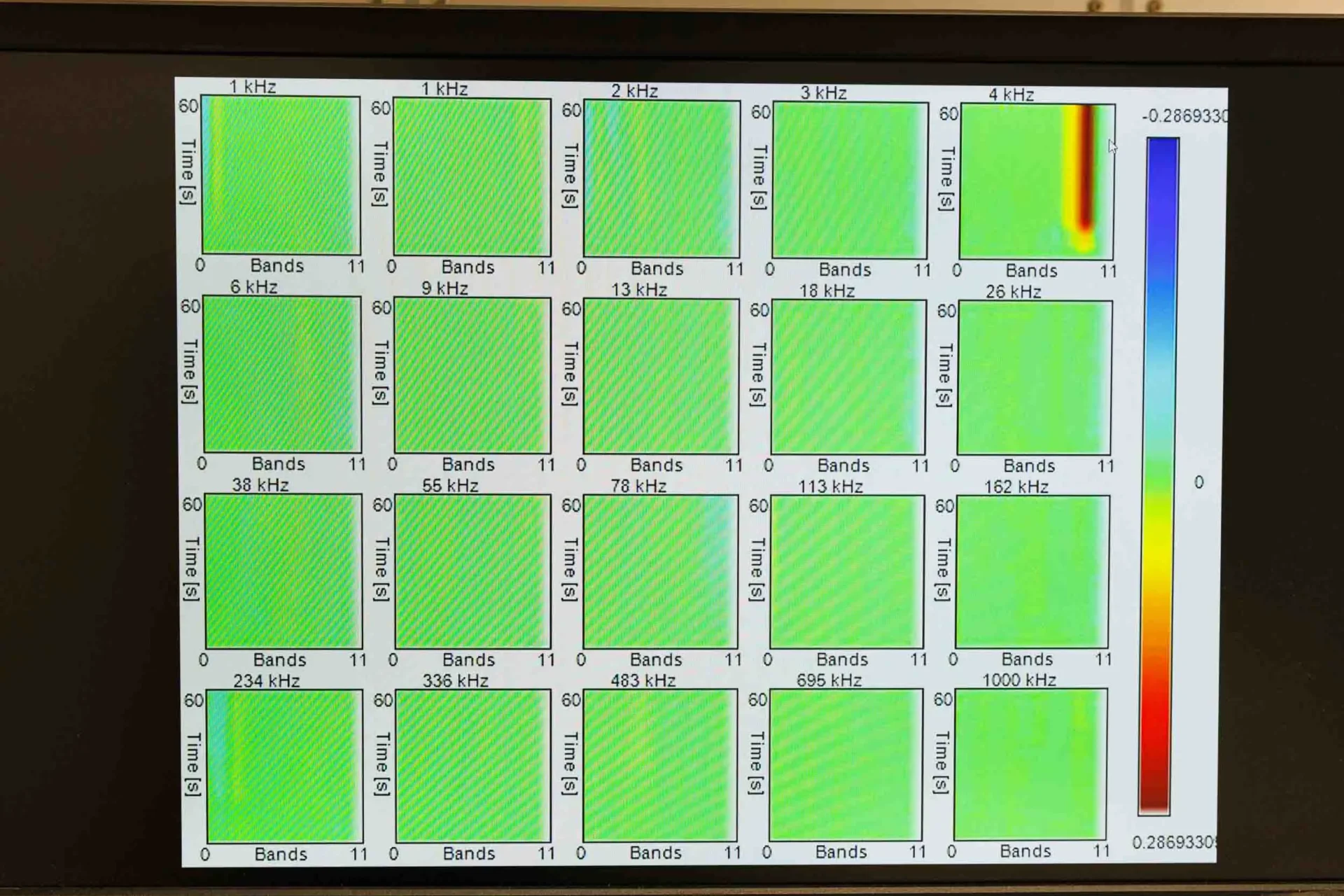
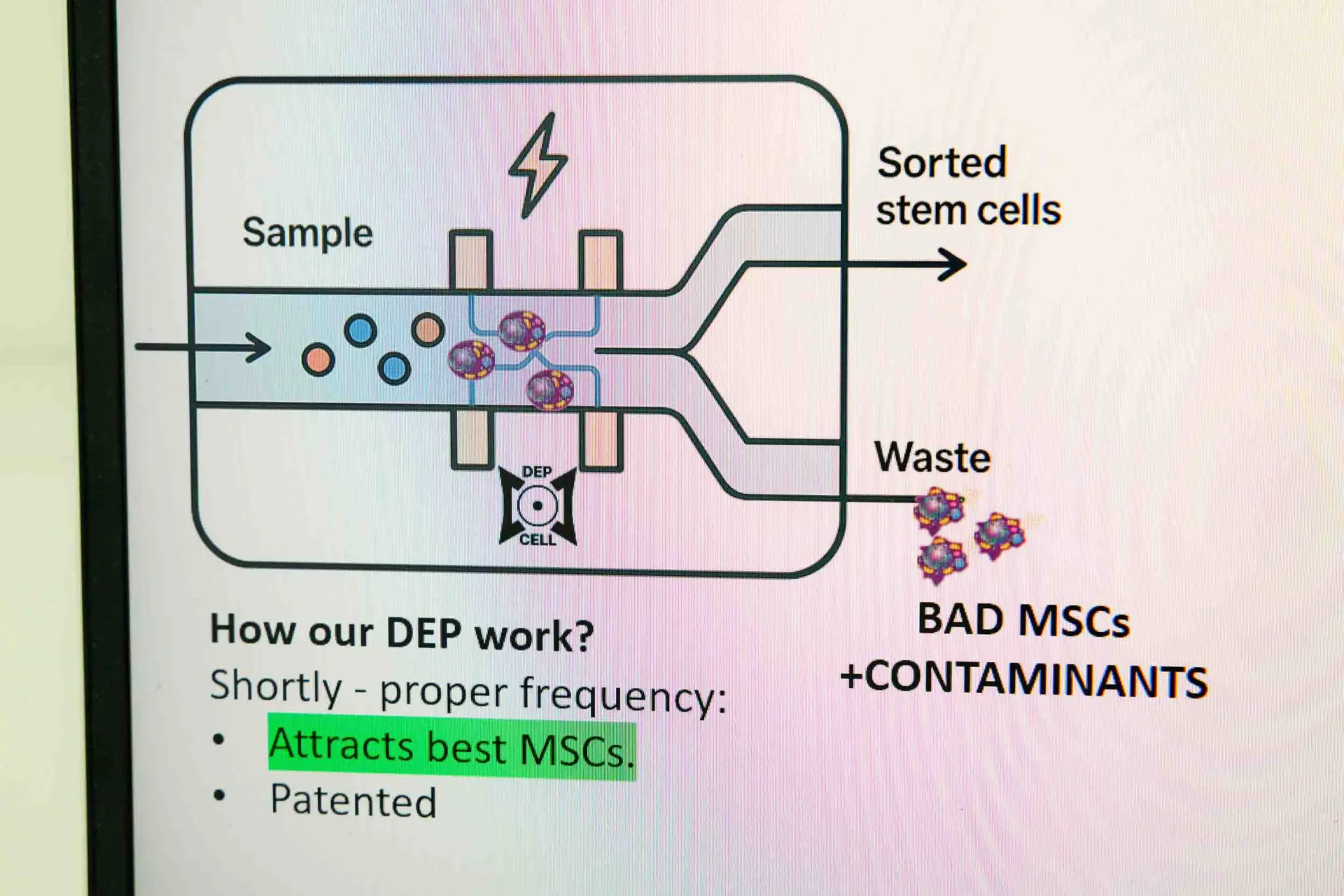
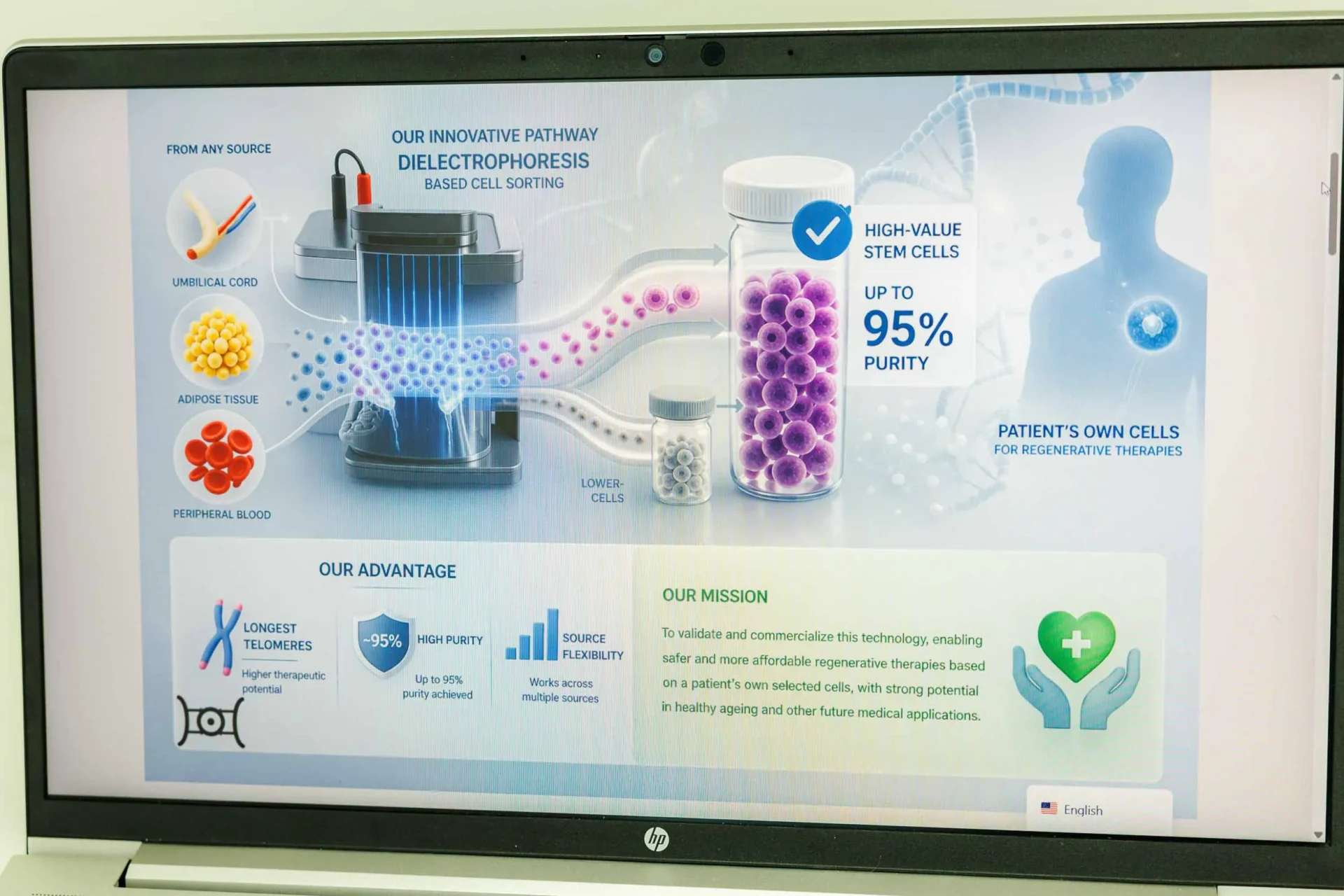
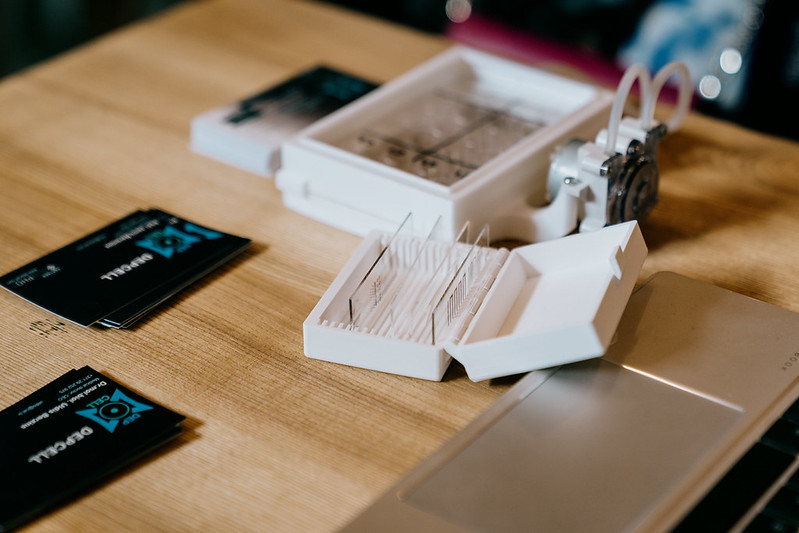
Photo: DTA

Photo: DTA
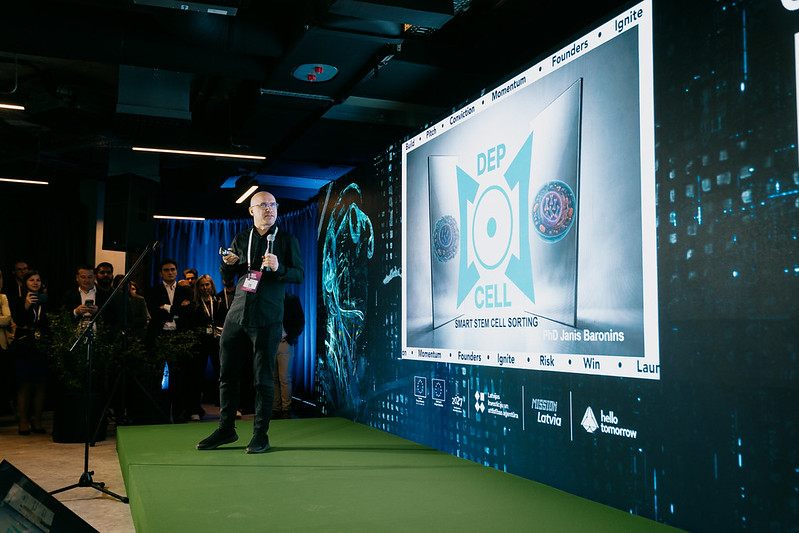
Photo: DTA
Photo: DTA
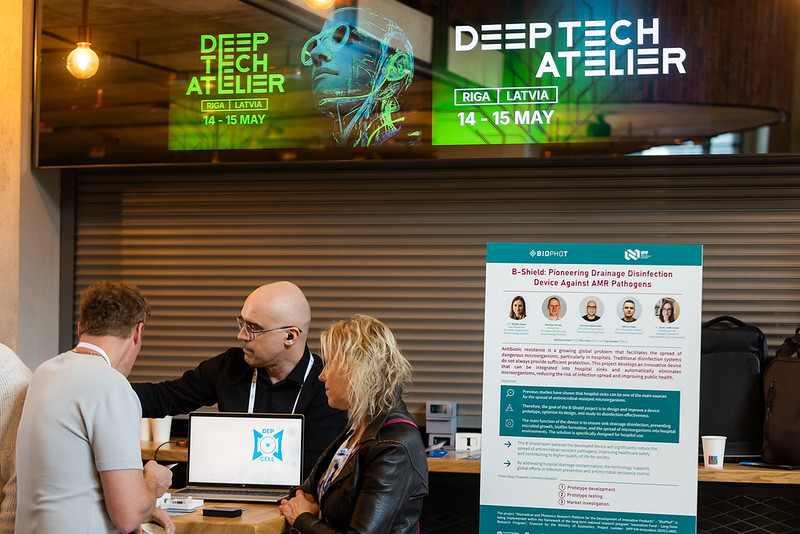
Photo: DTA