Please note that the English version of this text has been prepared with the assistance of AI, and in some instances, it may not have been subsequently reviewed or edited by the authors.
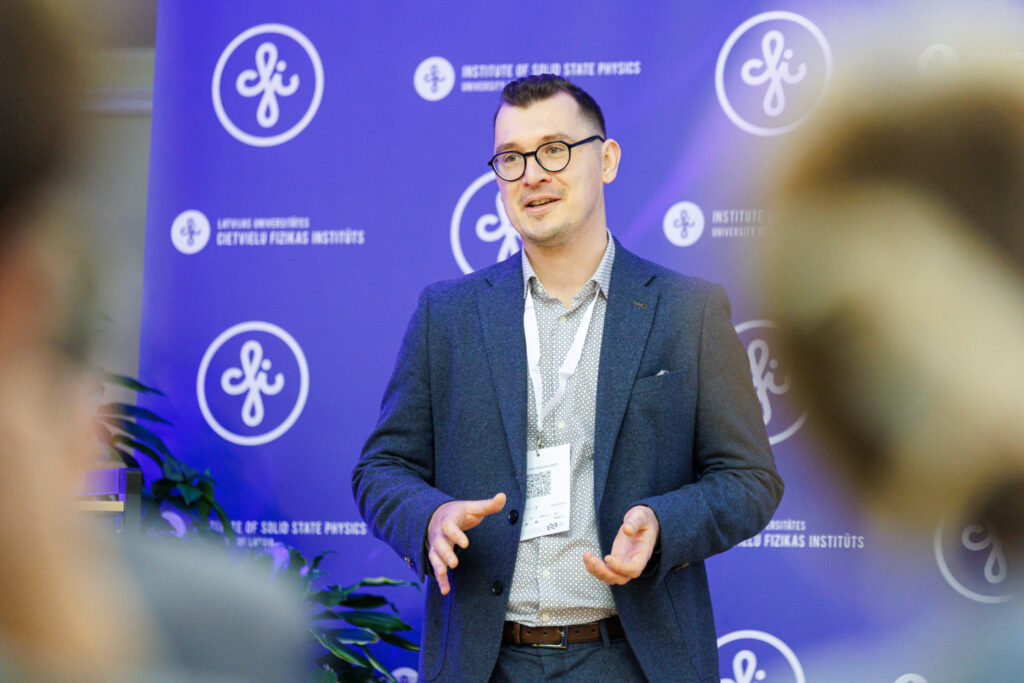
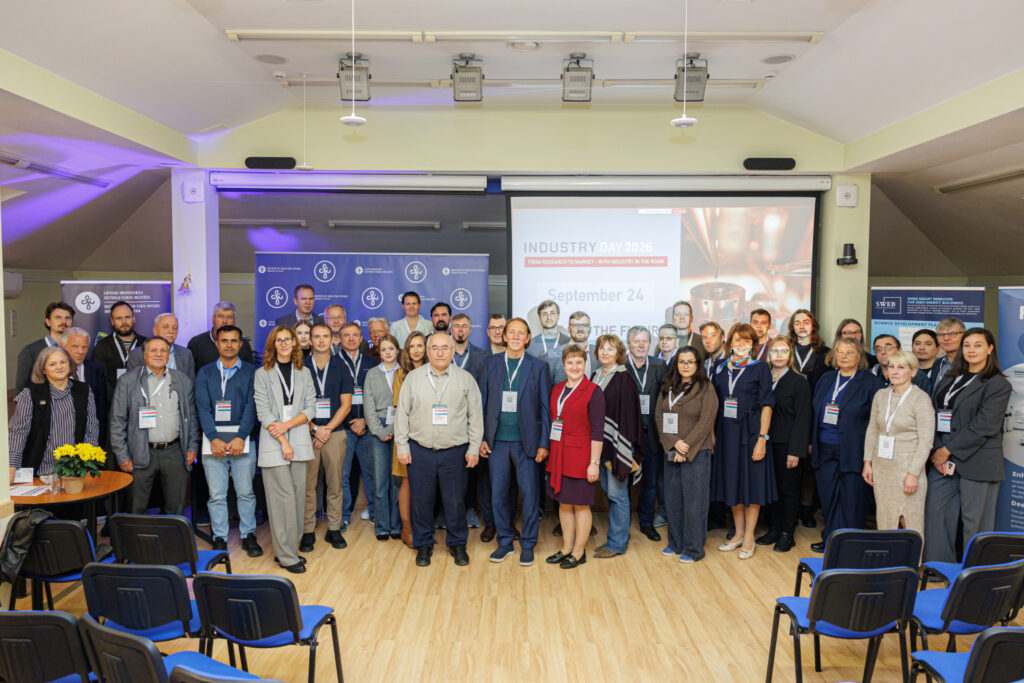
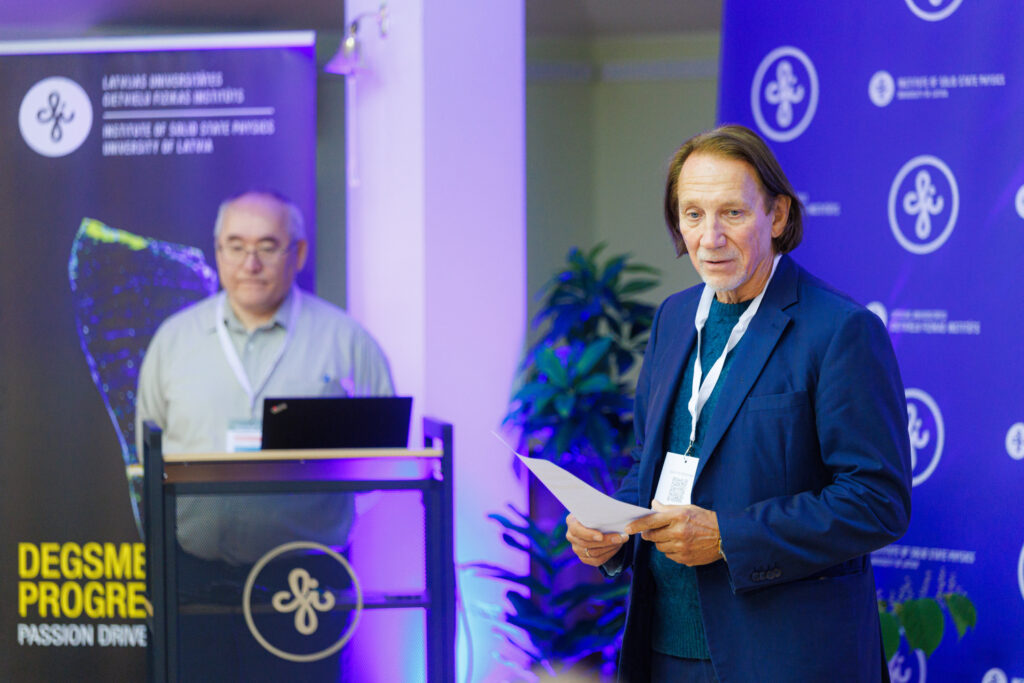
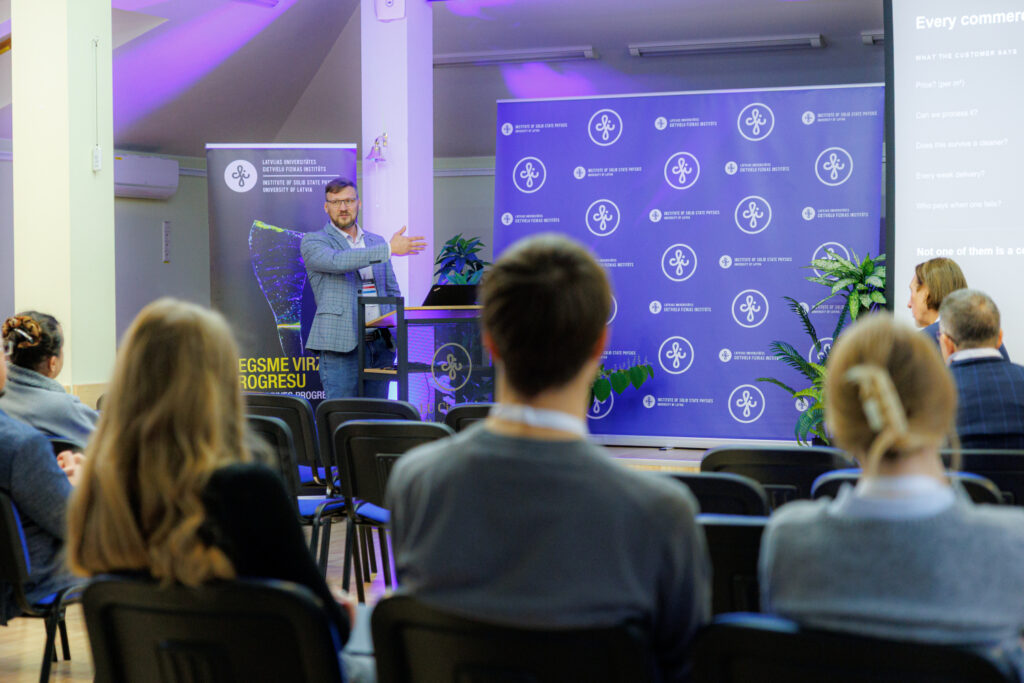
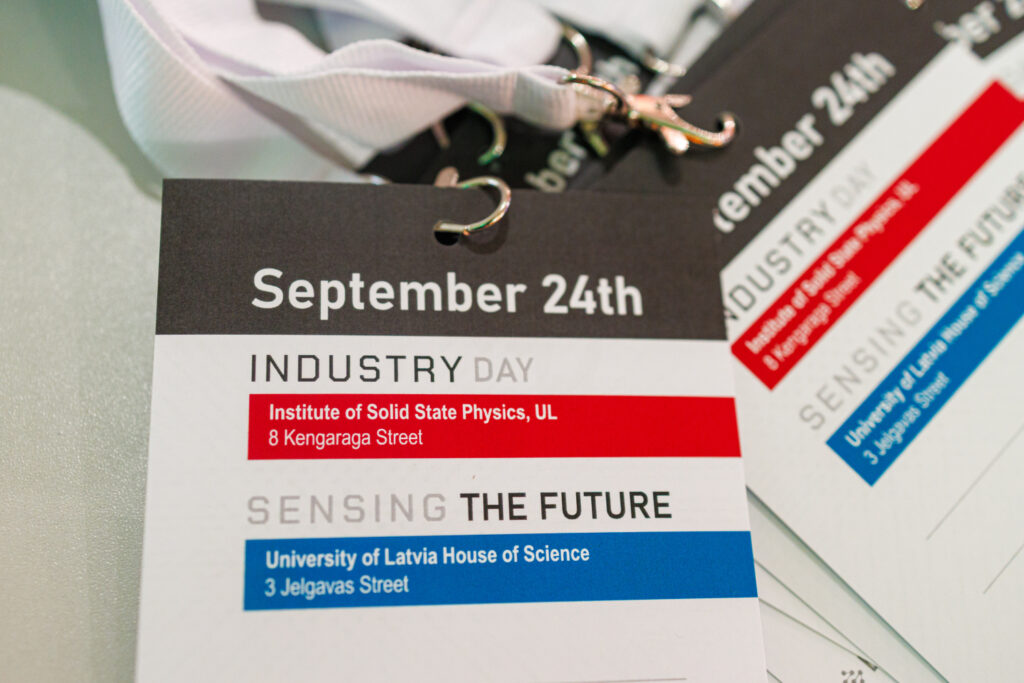
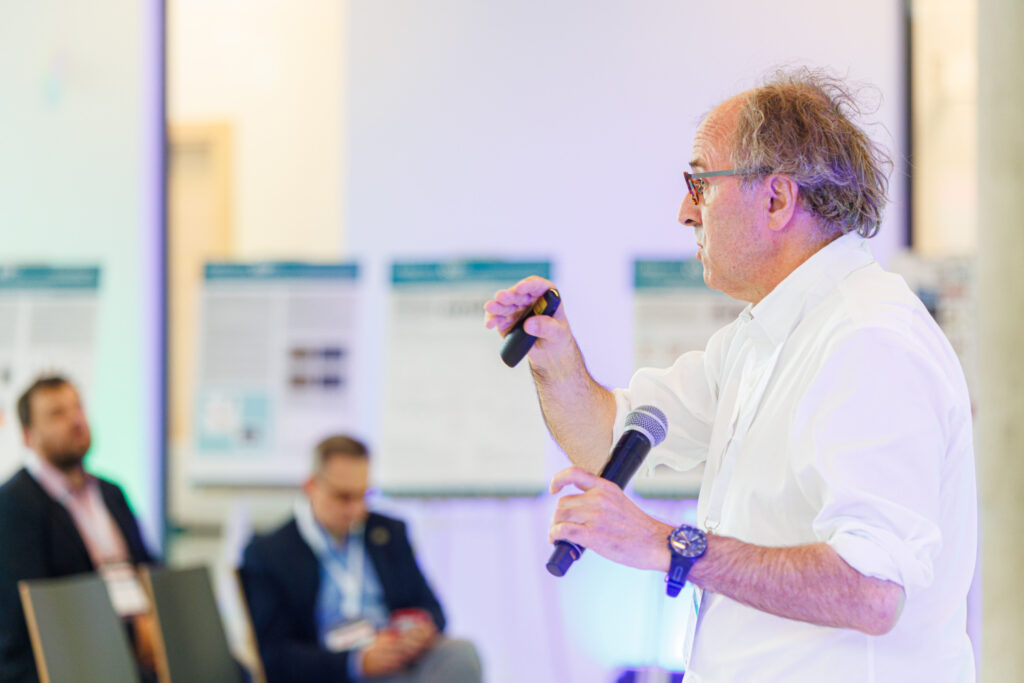
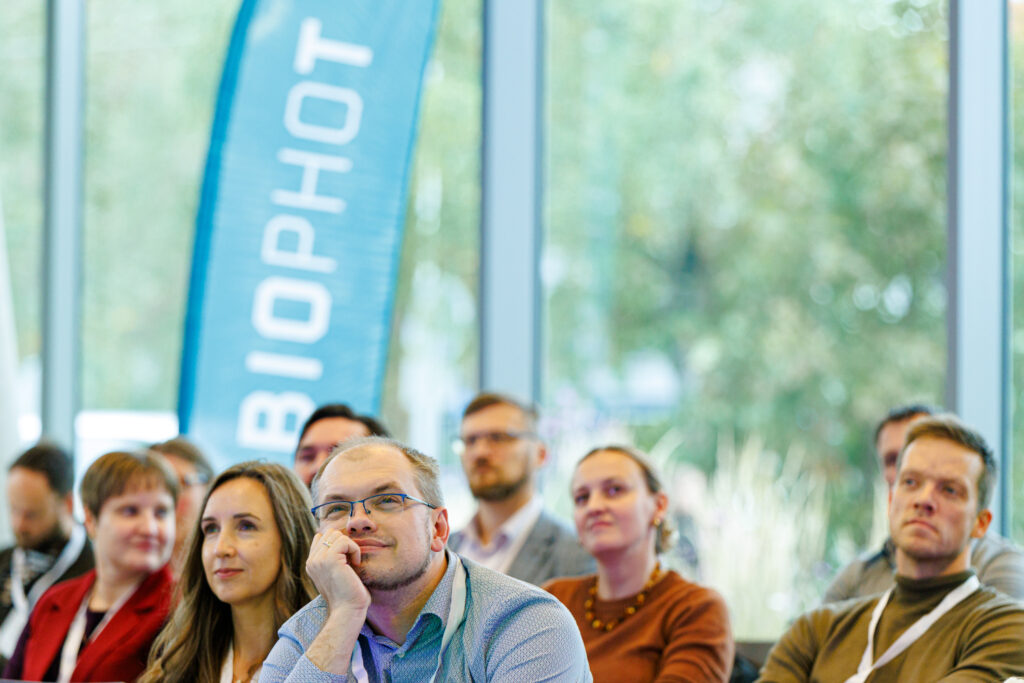
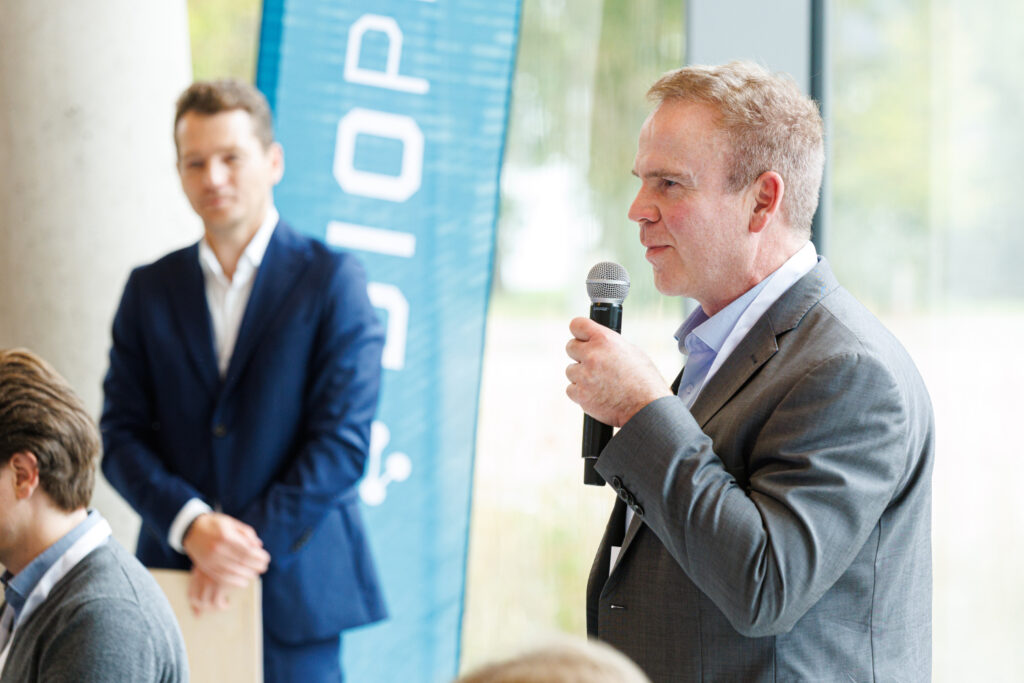
Latvia has both brilliant ideas and strong scientists – this is an opportunity to turn this potential into technologies, products, and export-capable solutions. To achieve this, closer and more practical cooperation between science and industry is needed. This was also confirmed by the “Industry Day & Sensing the Future” event held on September 24 by the Institute of Solid State Physics of the University of Latvia (IMIS/LU CFI) and the biomedicine and photonics innovation platform “BioPhoT”.
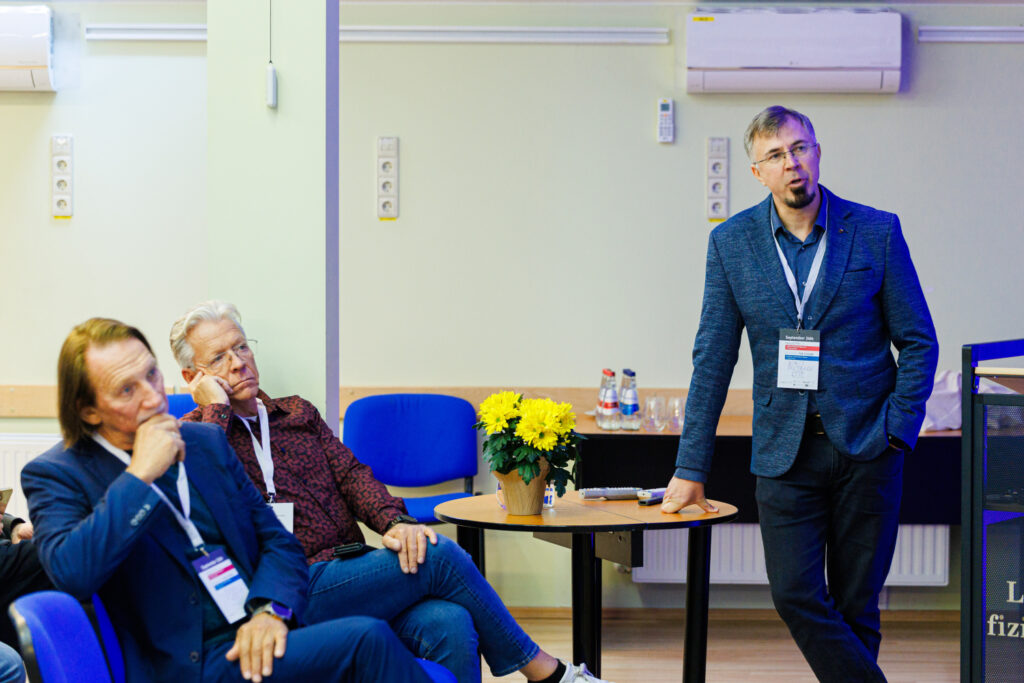
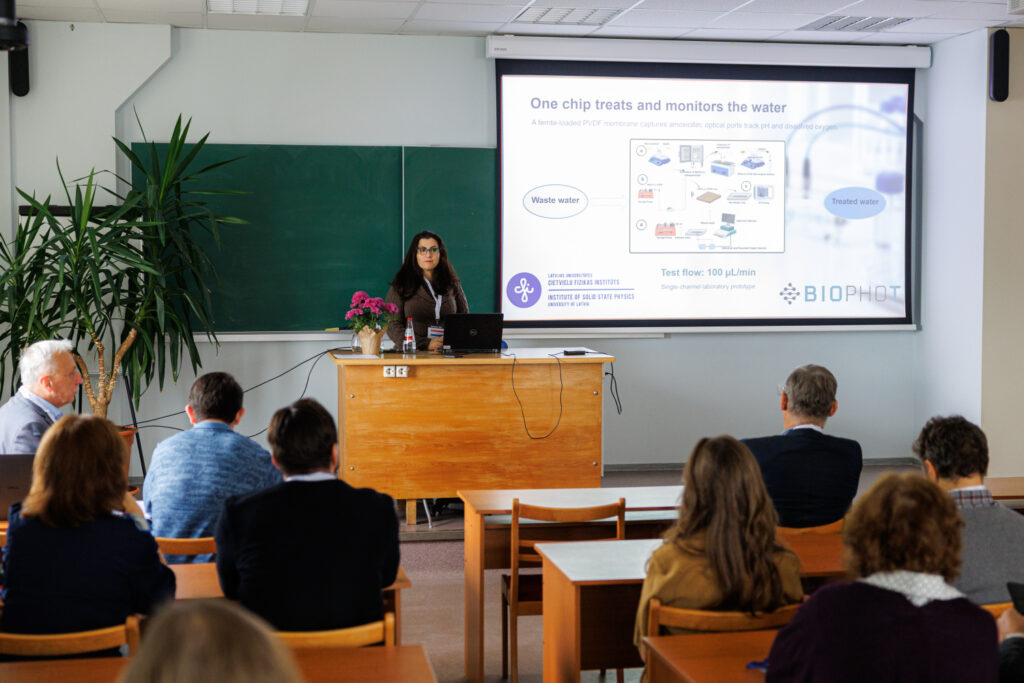
At the event, researchers, technology developers, and entrepreneurs not only learned about new technologies but also discussed their practical application and commercialization opportunities. The main conclusion of the experts was that in order for the potential of innovations created in Latvia to be fully utilized, not only investments are needed, but also a strong ecosystem and cooperation.
“State support instruments like “BioPhoT” connect the needs of entrepreneurs with researcher expertise and create an ecosystem, and it would be important both in the fields of biomedicine and photonics, as well as in other areas, says Senior Expert of the State Education Development Agency Daiga Eiduka. of the European Commission European Innovation Scoreboard 2025 Latvia ranks 25th among the 27 EU member states, with its overall innovation performance reaching 56.7% of the EU average. Research and development (R&D) spending by Latvian companies accounts for only 17.9% of the EU average, while sales of innovation products account for 43.6%.
At the same time, entrepreneurs themselves acknowledge the importance of cooperation with science. In the latest Knowledge Transfer Barometer of Riga Technical University, 83% of businesses indicated that cooperation between companies and scientific institutions can significantly boost Latvia's competitiveness and growth. However, 63% cited a lack of information about opportunities for such cooperation as the main barrier.
“These data show that the challenge is not just about the amount of funding. A company may have a specific technological challenge, but it is not always clear where to look for the necessary knowledge and partners. On the other hand, a researcher may have a promising technology, but lacks the opportunities to test it in a real industrial environment and develop it to the market. Therefore, cooperation must be established at the very beginning of technology development, when there is a much greater chance that a scientific idea will turn into a practical solution, product, and economic value,” Eiduka outlines.
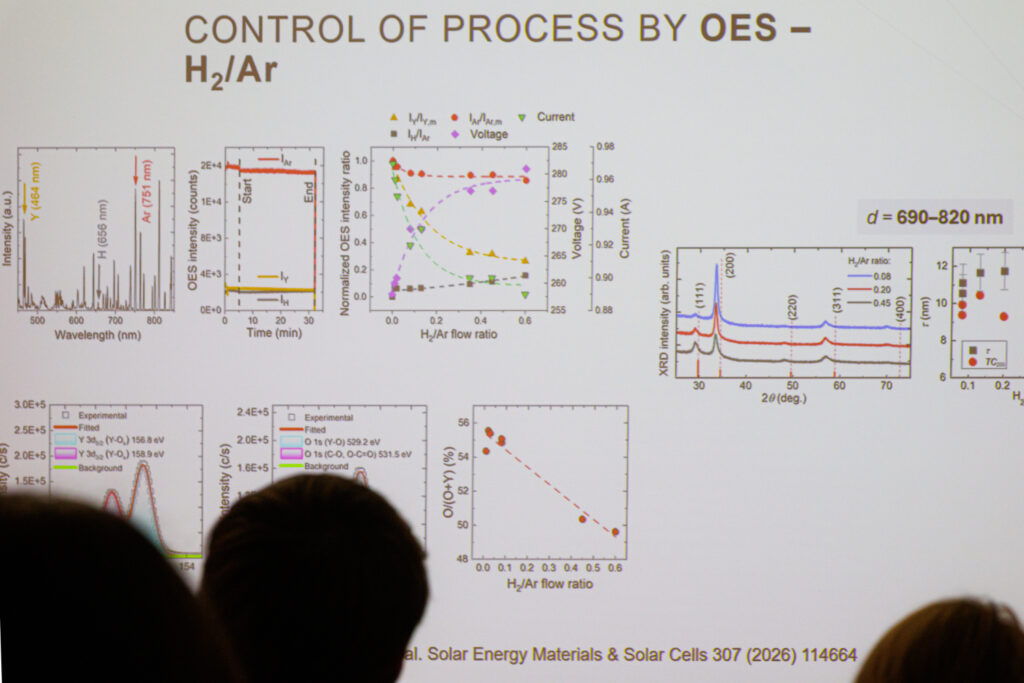
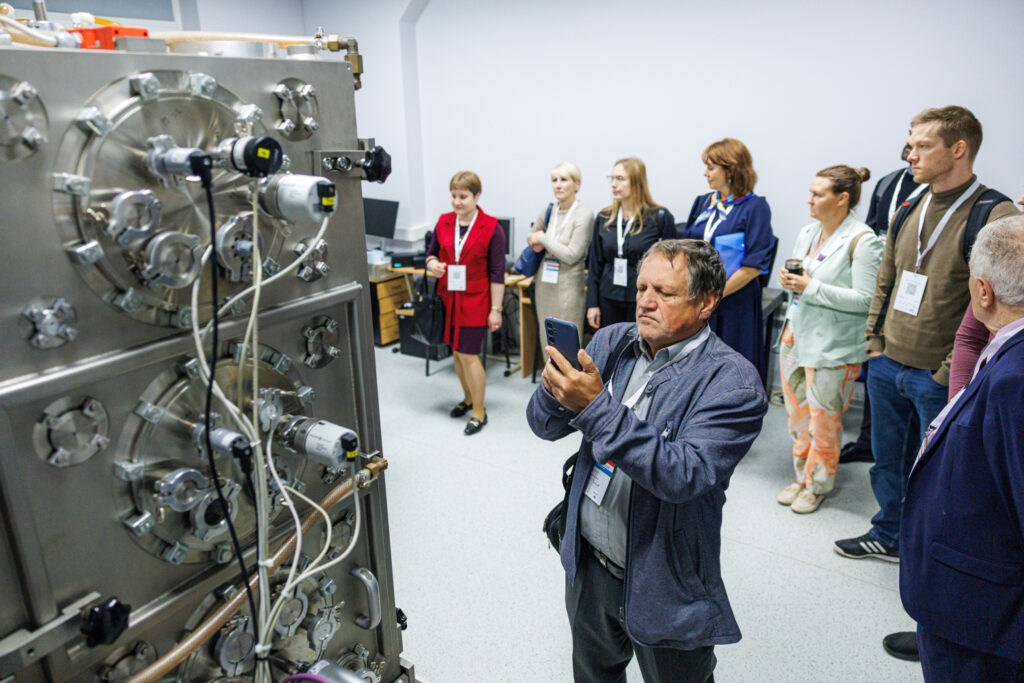
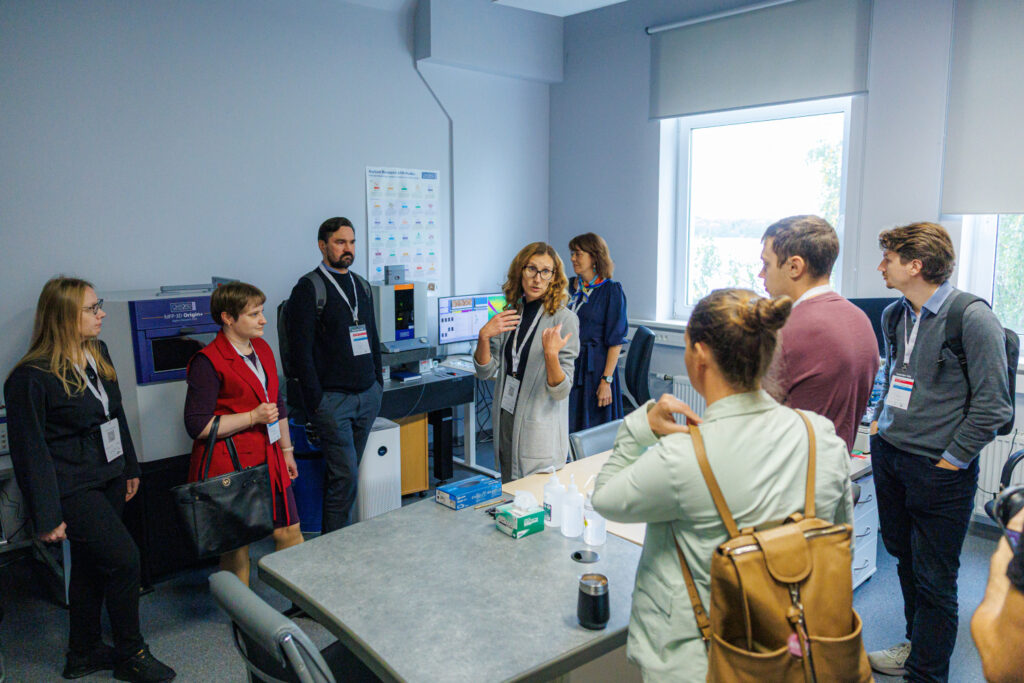
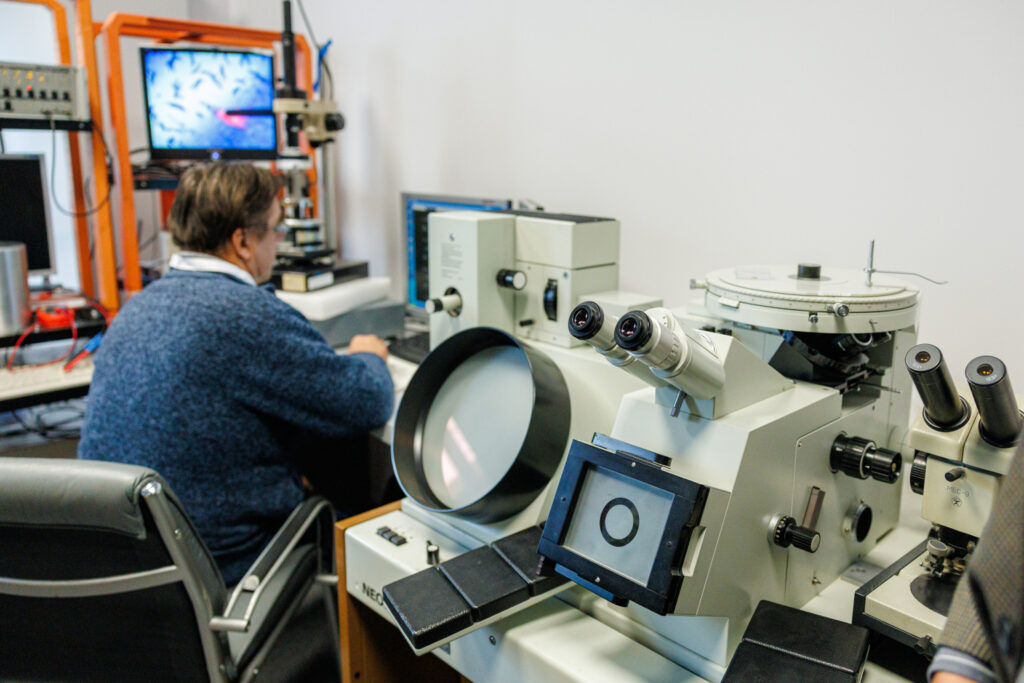
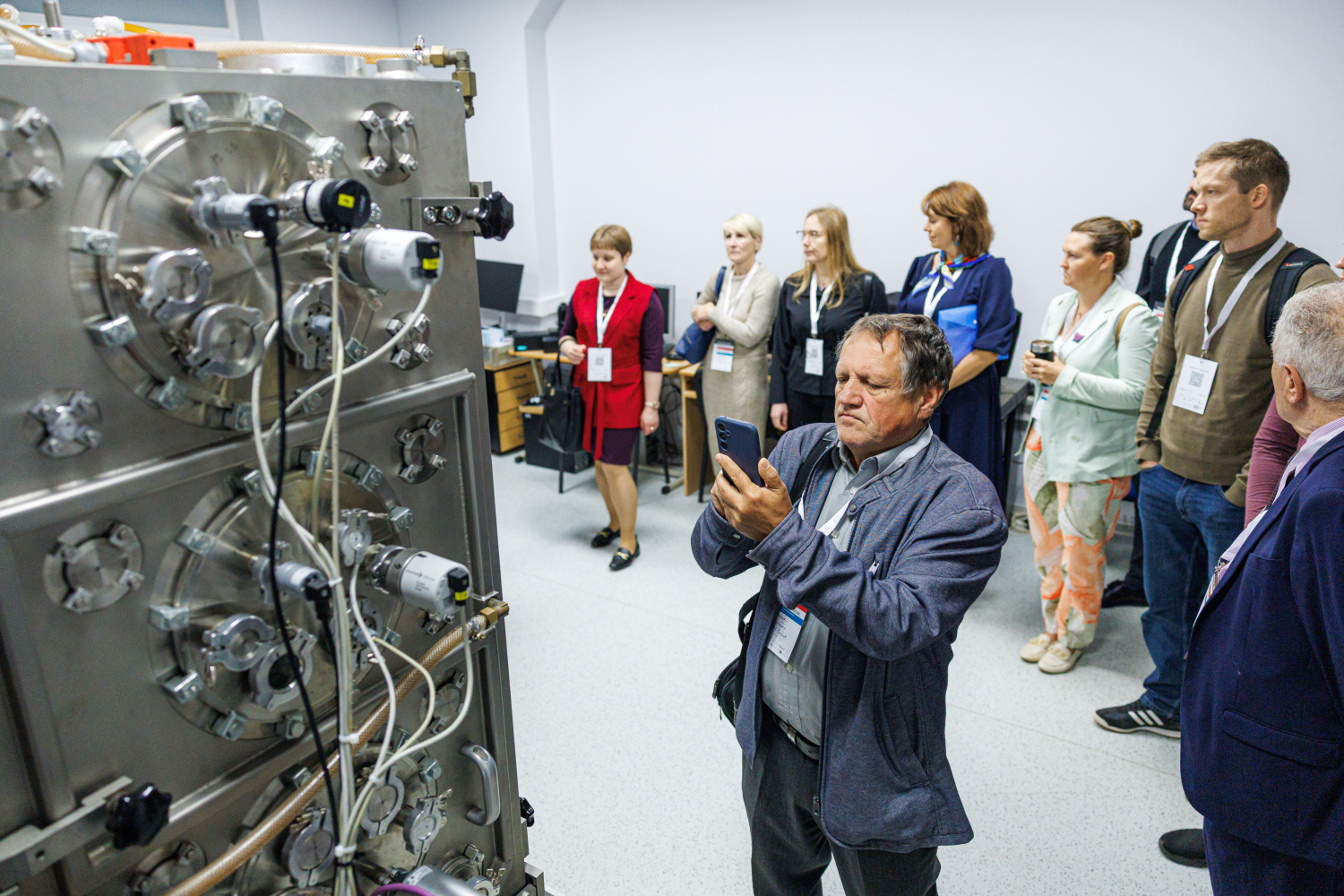
Bridging the gap between scientists and entrepreneurs, the “Industry Day & Sensing the Future” event allowed entrepreneurs to visit the ISSP UL laboratories and explore technologies developed by researchers in the fields of smart windows, functional coatings, sensors, biomedicine, energy harvesting, additive manufacturing, and water purification.
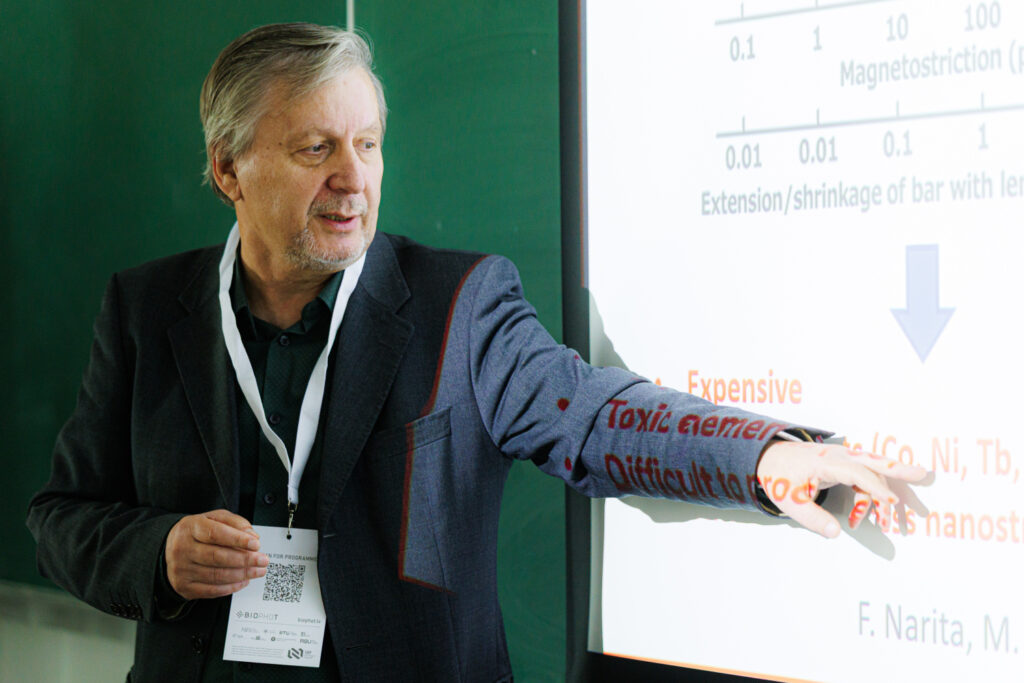
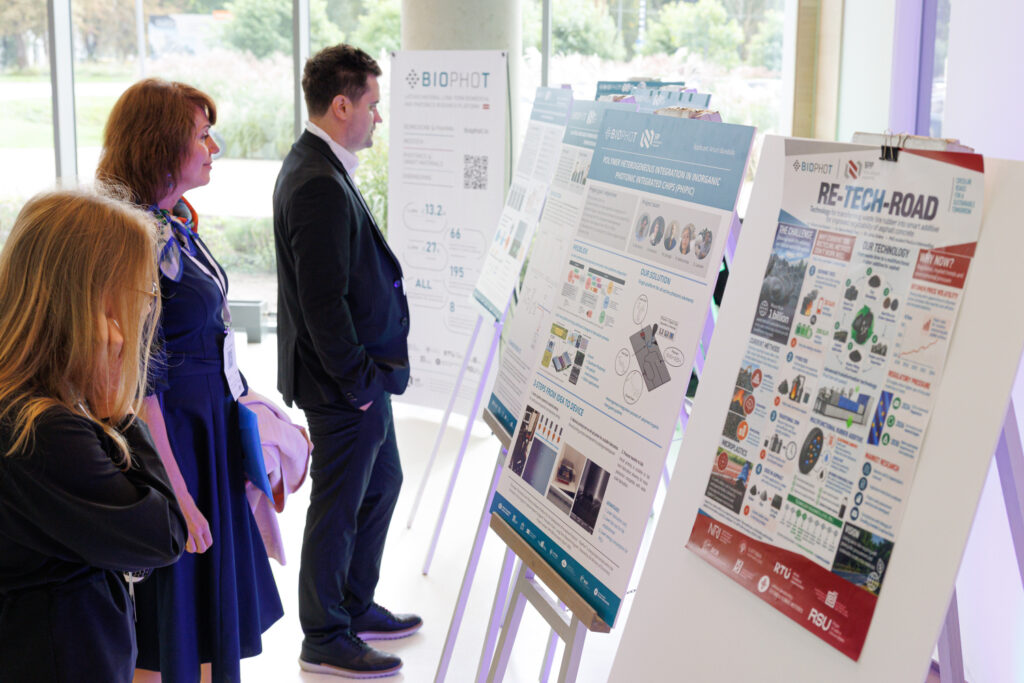
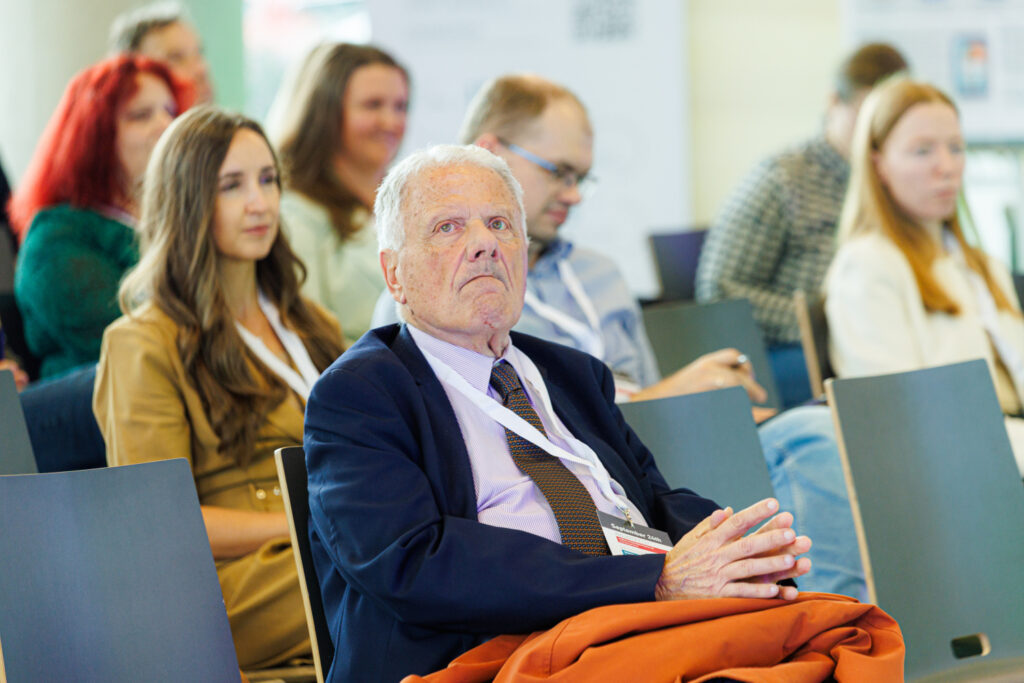
At the University of Latvia, discussions continued regarding energy, communications, and advanced manufacturing technologies. Of particular significance was the evaluation provided by industry representatives of technologies developed by Latvian scientists and a special presentation session that created the opportunity to quickly find potential cooperation partners.
The experience of the involved scientists and entrepreneurs shows that industry involvement must happen at the very beginning of technology development, rather than only when the researcher has already created a finished solution. An enterprise can help define a real market need and technical requirements, while the scientist can create a corresponding solution. This increases the likelihood that the research result will become not only a scientific achievement, but also a practically usable product or technology.
This approach is also the basis of the Industry Challenge initiative by the biomedical and photonics innovation platform BioPhoT: companies approach it with their technological challenges, while the platform helps by engaging research teams and technical infrastructure to create targeted solutions. BioPhoT helps build a bridge from research to commercialization by supporting technology development, validation, the creation of commercialization strategies, intellectual property management, and the attraction of industry partners.
“For a new technology to reach the market, a good scientific result is not enough on its own. Time, competence, and targeted support are needed to test and develop it, and to find a suitable application and partners for it. It is precisely at this stage that we see our role—to help researchers and entrepreneurs find a common language and move together from a promising idea to a solution that has real market potential, points out “Osvalds Pugovičs, head of ”BioPhoT".
Since 2025, 66 Latvian innovation projects have been developed under “BioPhoT”, with 12.7 million euros invested in them. The platform's role is particularly crucial in the “valley of death” of innovation, the stage when a promising technology is not yet mature enough to attract market financing on its own, but already needs the next step on the path to commercialization.