Video
Please note that the English version of this text has been prepared with the assistance of AI, and in some instances, it may not have been subsequently reviewed or edited by the authors.
Description
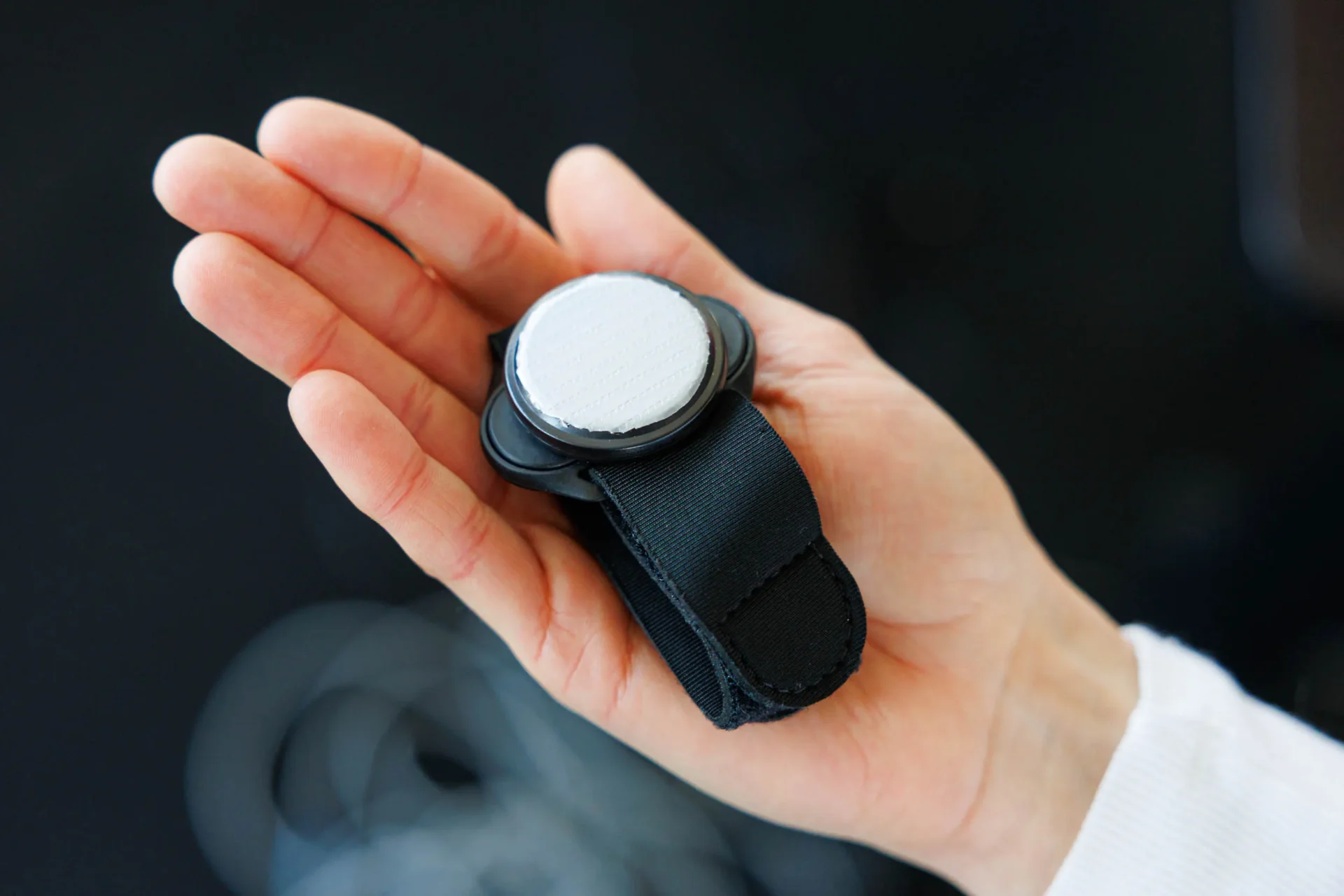
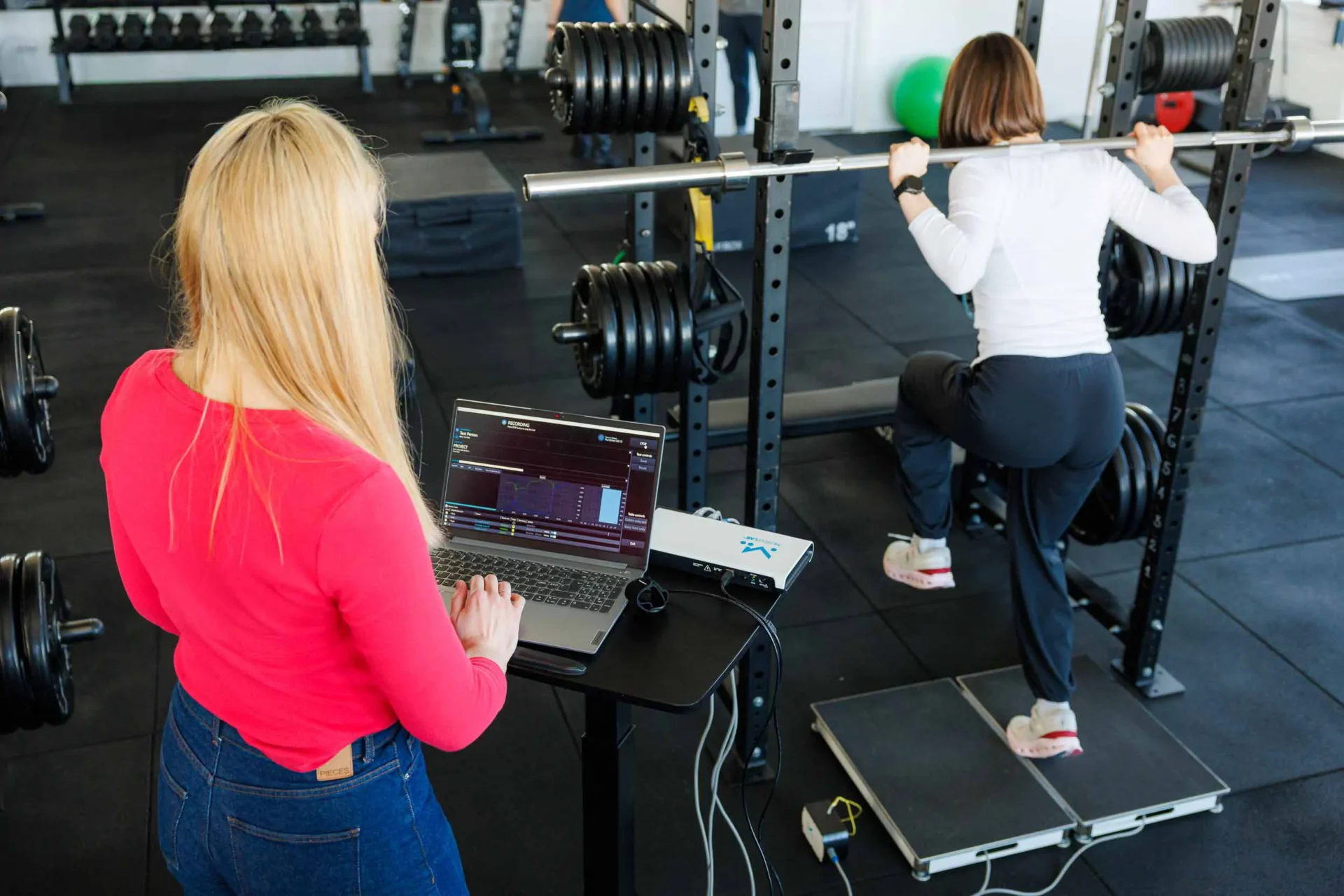
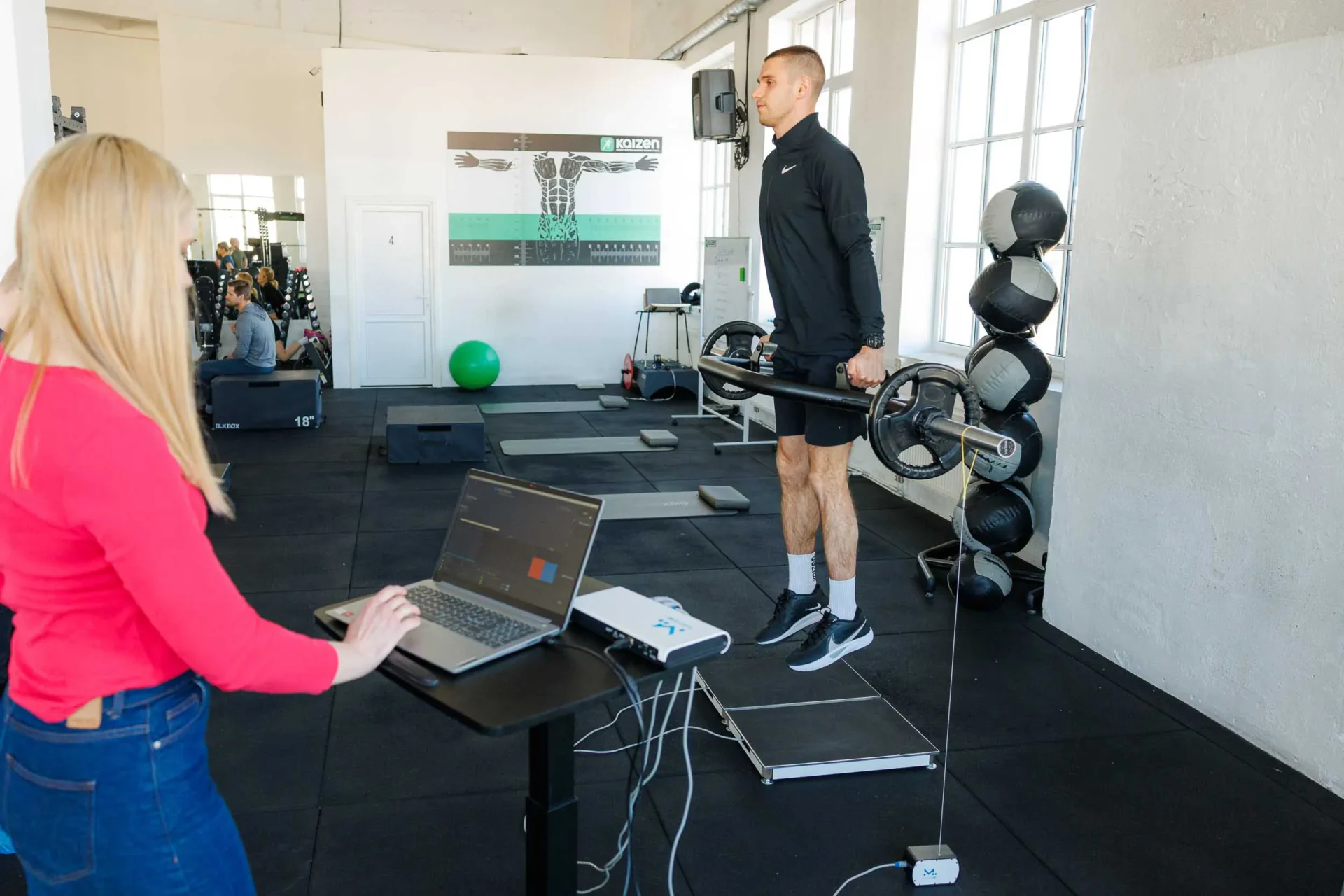
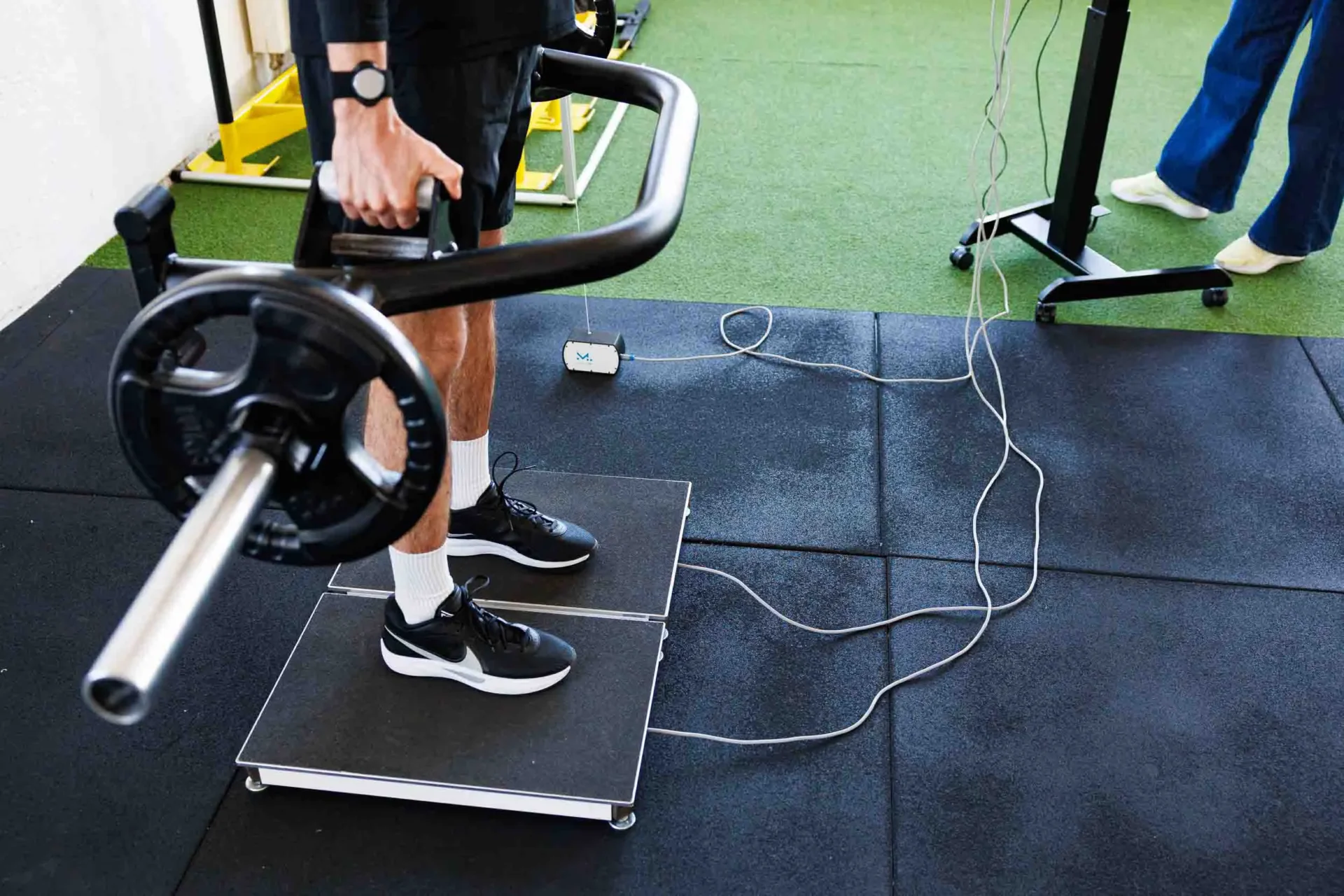
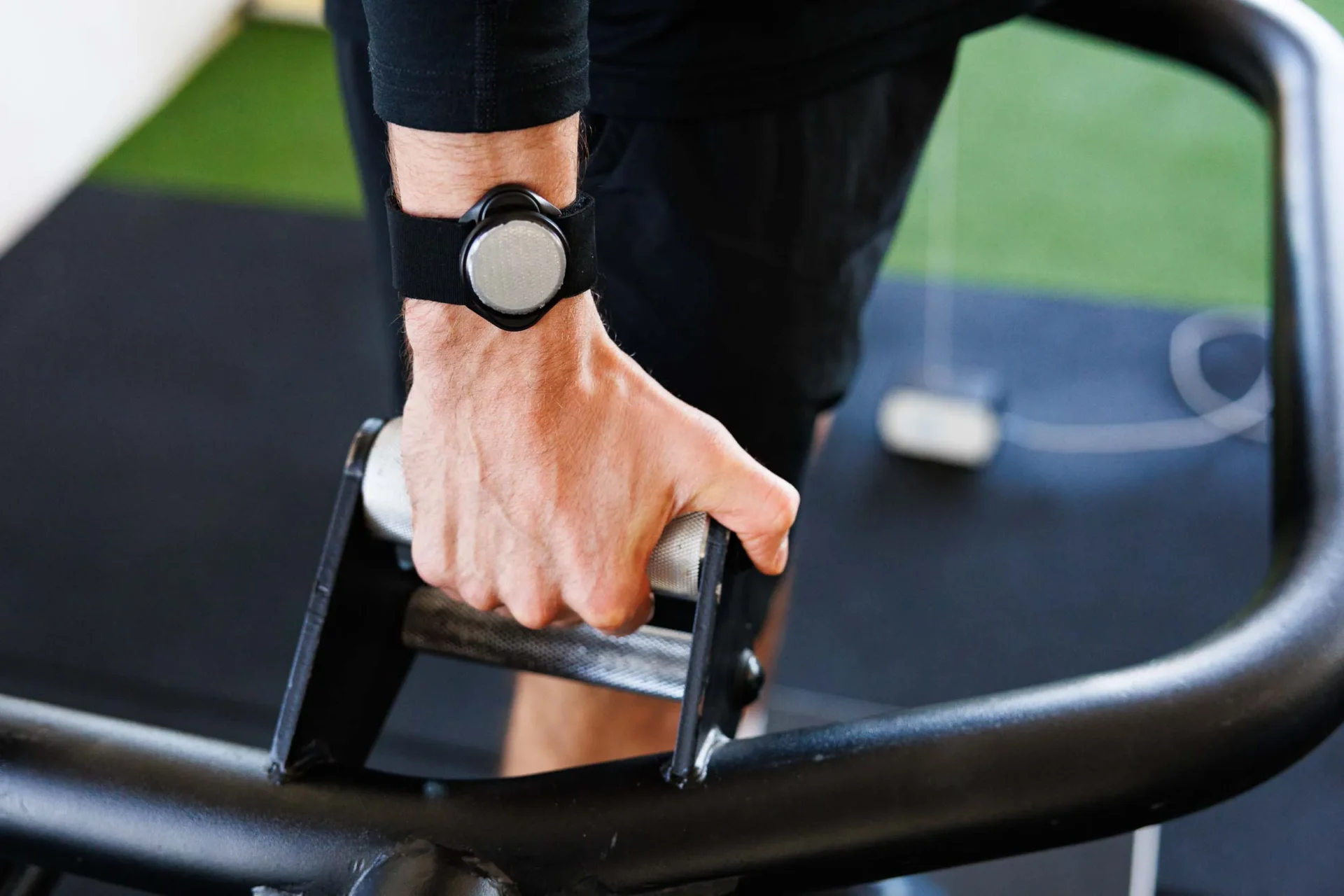
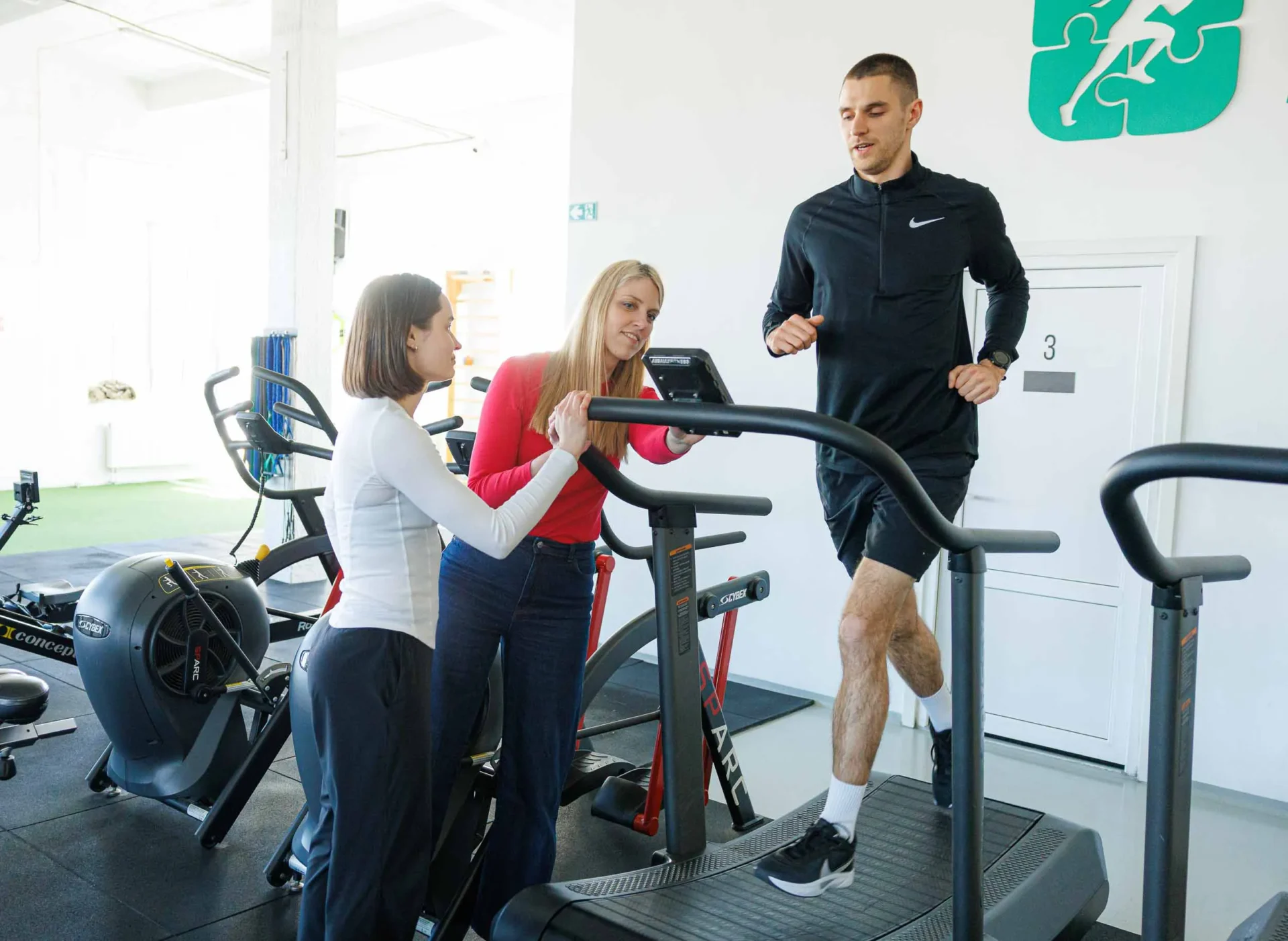
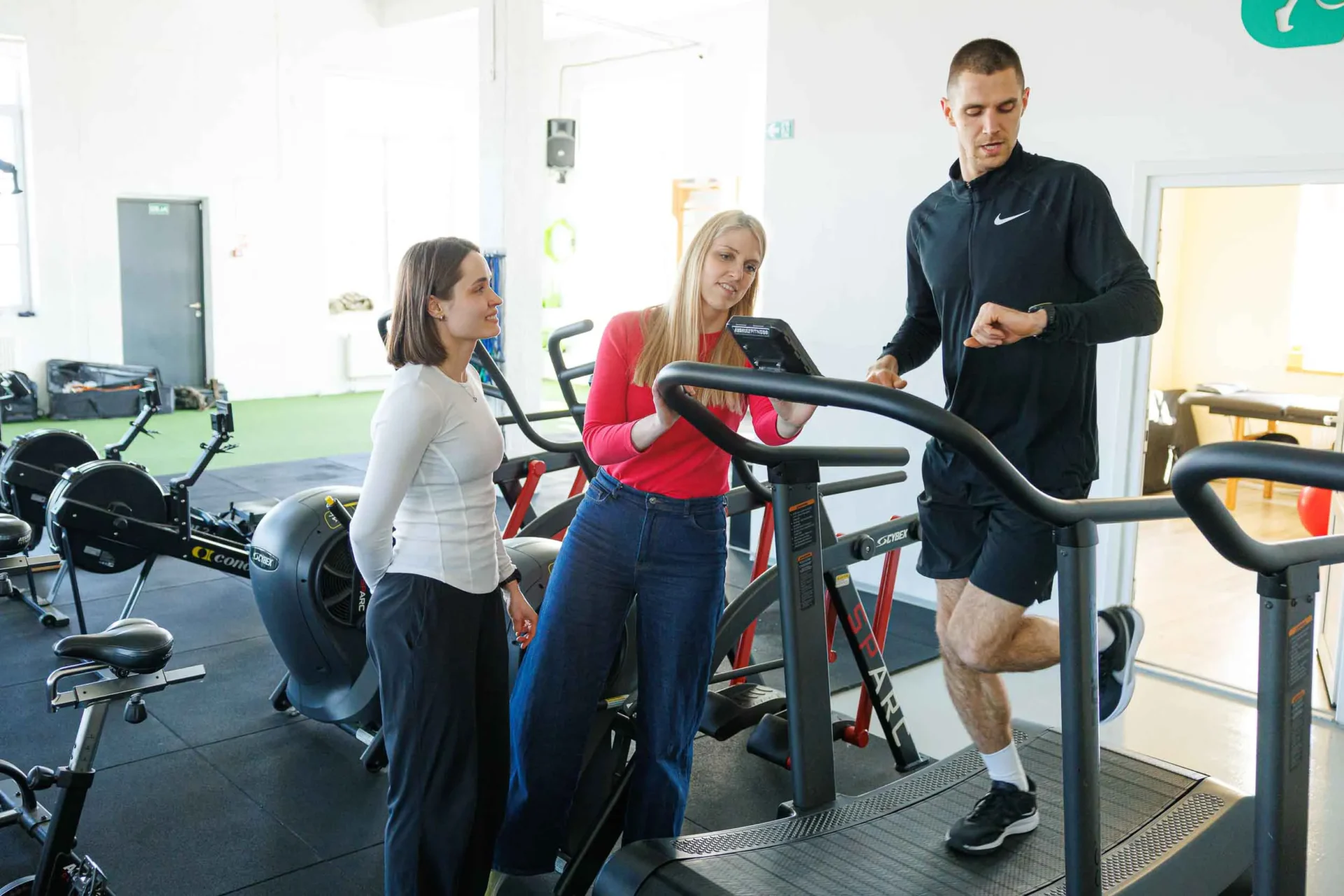
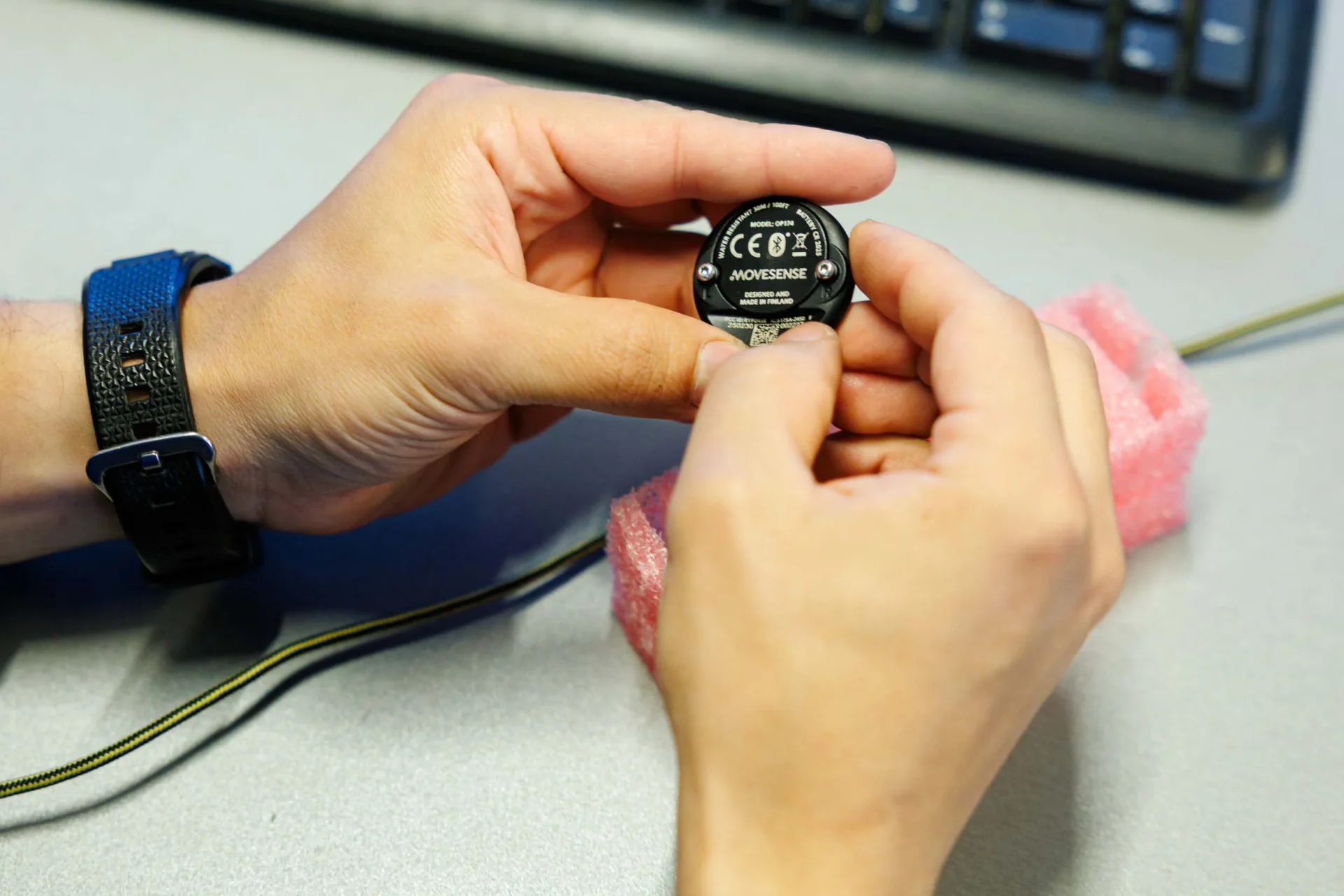
The project solution is based on a 9-axis motion sensor system and its data analysis algorithms, which provide automated neuromuscular load monitoring. The solution is designed to automatically recognize executed exercises, determine movement speed, and assess muscle fatigue based on decreased movement speed and changes in movement patterns.
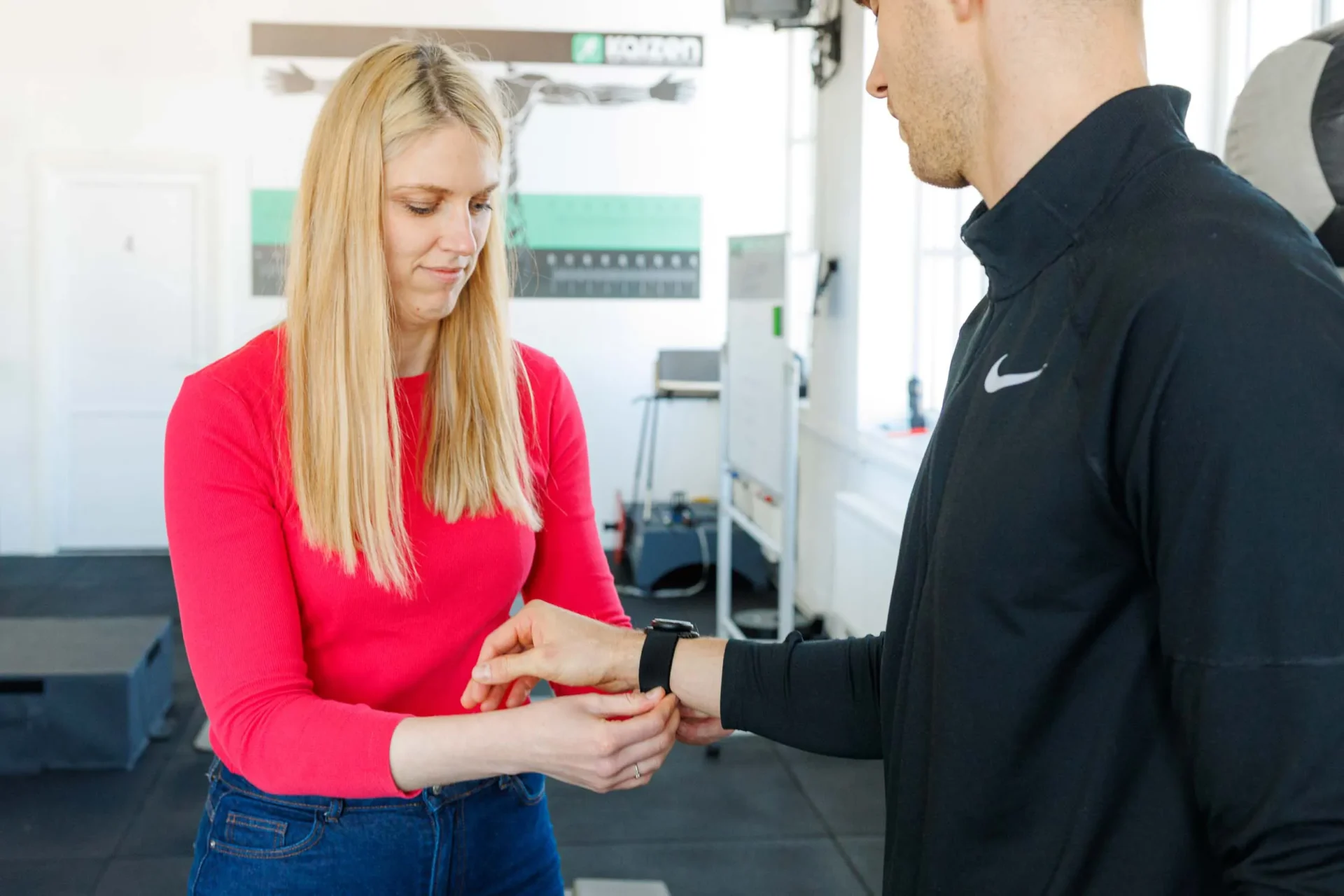
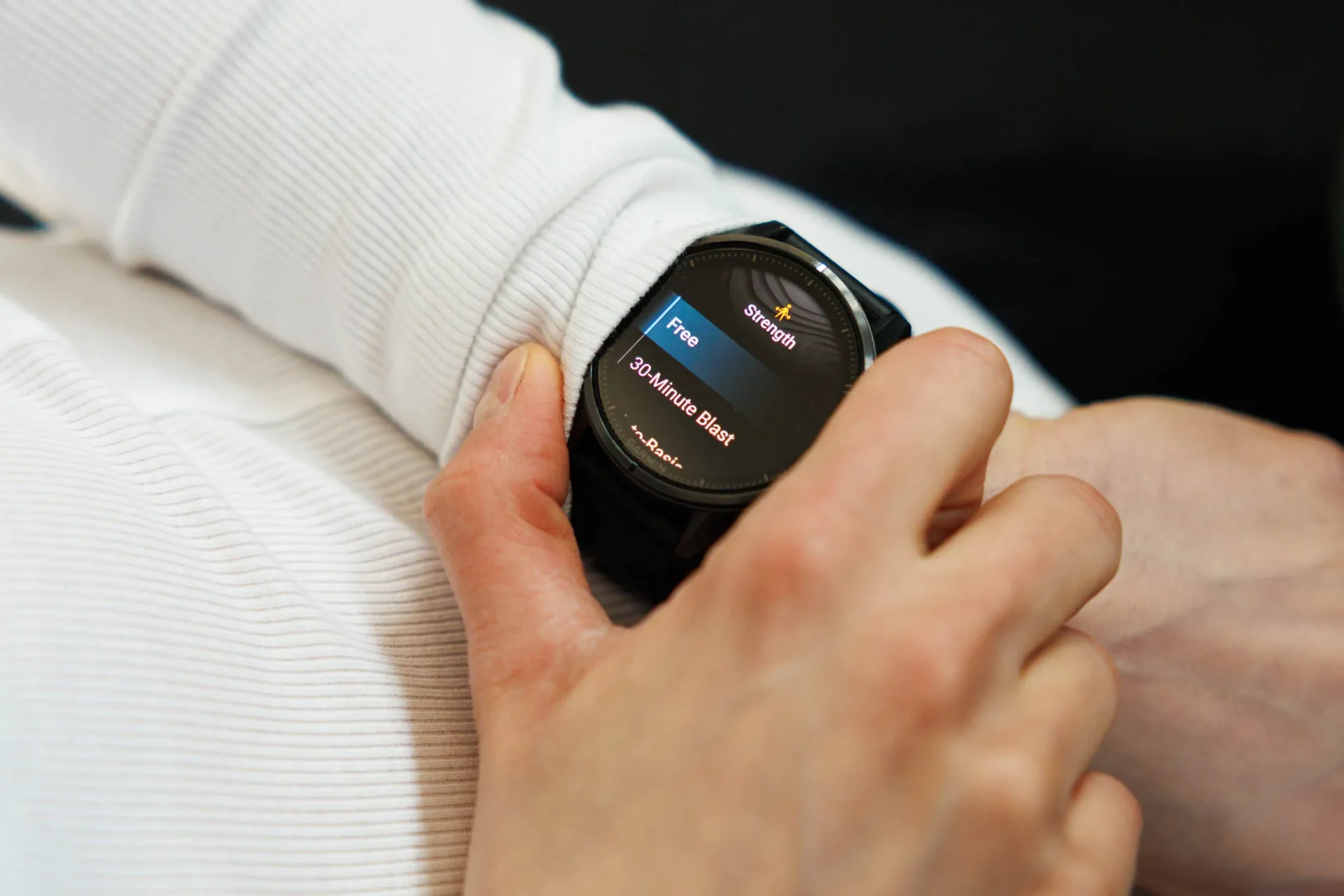
During the project the technology will be developed from TRL3 to TRL4, developing and validating key algorithm components under laboratory conditions. The solution is being developed with the aim to ensure its integration into existing sports watches without the need for additional sensors for end-users, allowing them to continue using their familiar devices while significantly expanding their analytical capabilities.
The Achievable Results
The project's goal is to develop a motion analysis system for automatic exercise recognition and movement speed tracking to assess neuromuscular load during training. Current sports watches and sensors primarily use heart rate data, supplemented by GPS-based pace and distance data, to provide training recommendations. However, this approach offers limited information on muscle load and fatigue, especially during strength and functional training. As a result, most consumer-available wearable fitness technologies lack essential information regarding aspects related to musculoskeletal load.
The Anticipated Benefit
By developing a neuromuscular load monitoring solution for everyday sports watches and sensors, the project will promote safer and more effective training habits not only for professional athletes but also for the general public. An improved muscle load and fatigue monitoring system can help reduce the risk of injury, optimize physical performance, and encourage healthier physical activity habits in the long run.
At the same time, technology can promote innovation in sports science, rehabilitation, and preventive healthcare by expanding the accessibility and practical application of movement analytics.
The Allocated Funding
190,000 EUR due March 18, 2026.
Team






Gallery