Video
Please note that the English version of this text has been prepared with the assistance of AI, and in some instances, it may not have been subsequently reviewed or edited by the authors.
Description
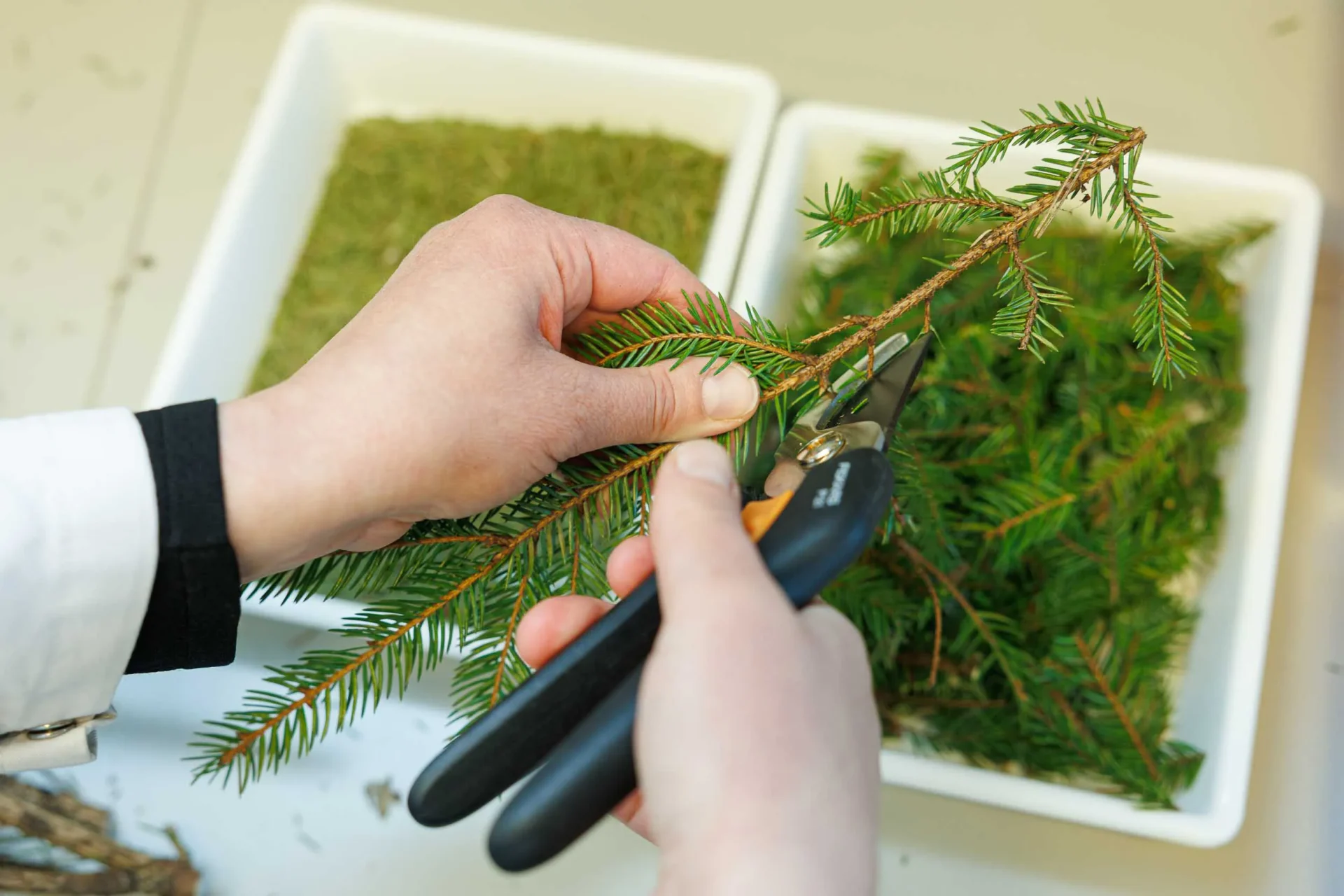
Conifer needles are a unique source of biologically active substances. The estimated volume of conifer needle biomass remaining after wood production in Latvia in 2024 was ~380,000 tons. Therefore, the development of technology for processing conifer needles will promote the conversion of these forestry wastes into high-value-added products.
The evolutionary success of conifers largely depends on the complexity of their defense mechanisms, deterring herbivory and pathogenic predation, and determining their unique biological activity. Prenols are hydroxy derivatives of linear polymers of more than 100 monomer units and are analogs of dolichols found in human cell membranes. In vivo, prenol compounds are closely related to membrane stability and the formation of sugar chains.
There are still 2 problems affecting the availability and use of polyprenols: 1) polyprenols are poorly soluble, so only a small portion of the administered dose is assimilated; 2) the largest manufacturers of polyprenol-containing preparations are located in Russia, so their availability on EU markets is limited.
The Achievable Results
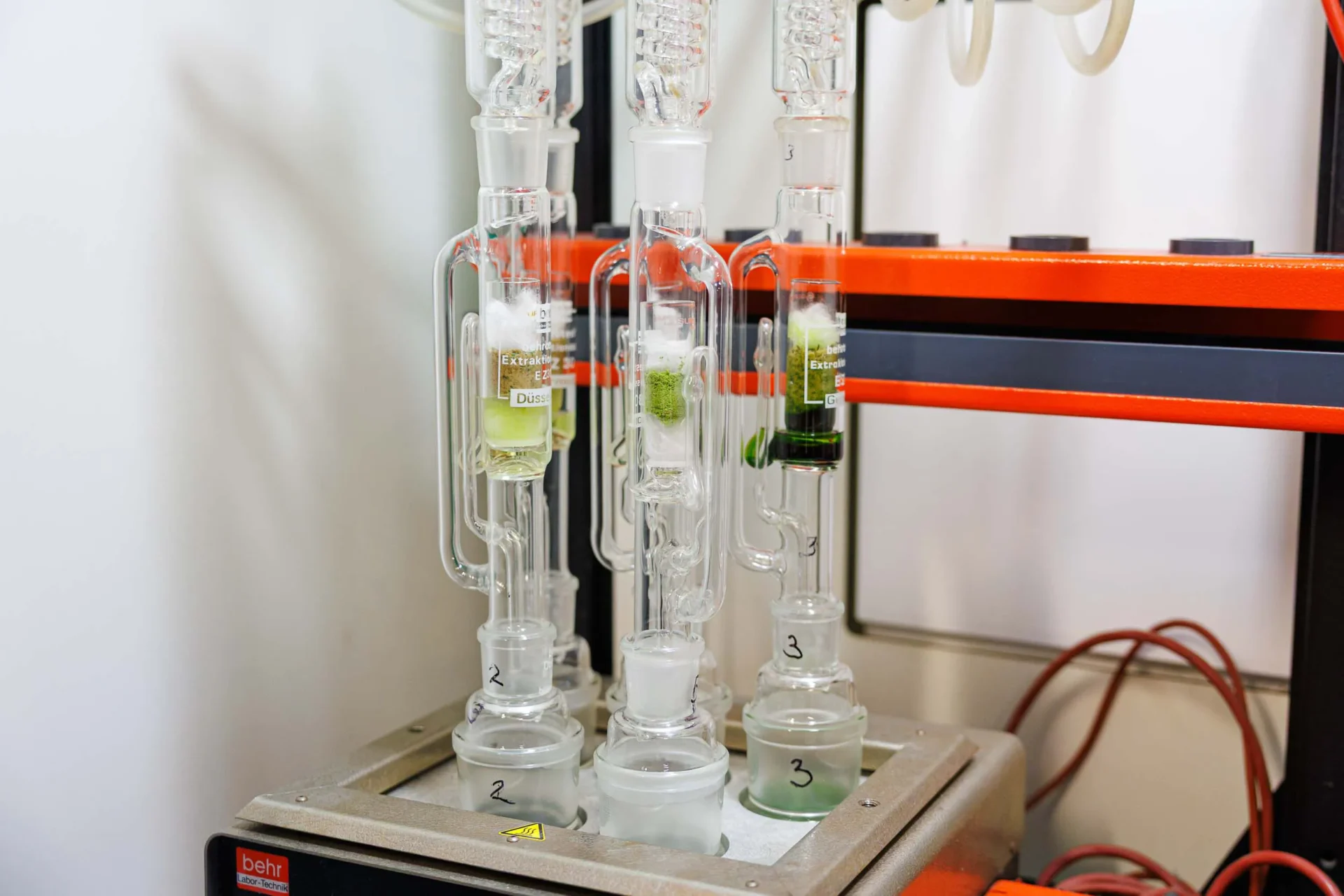
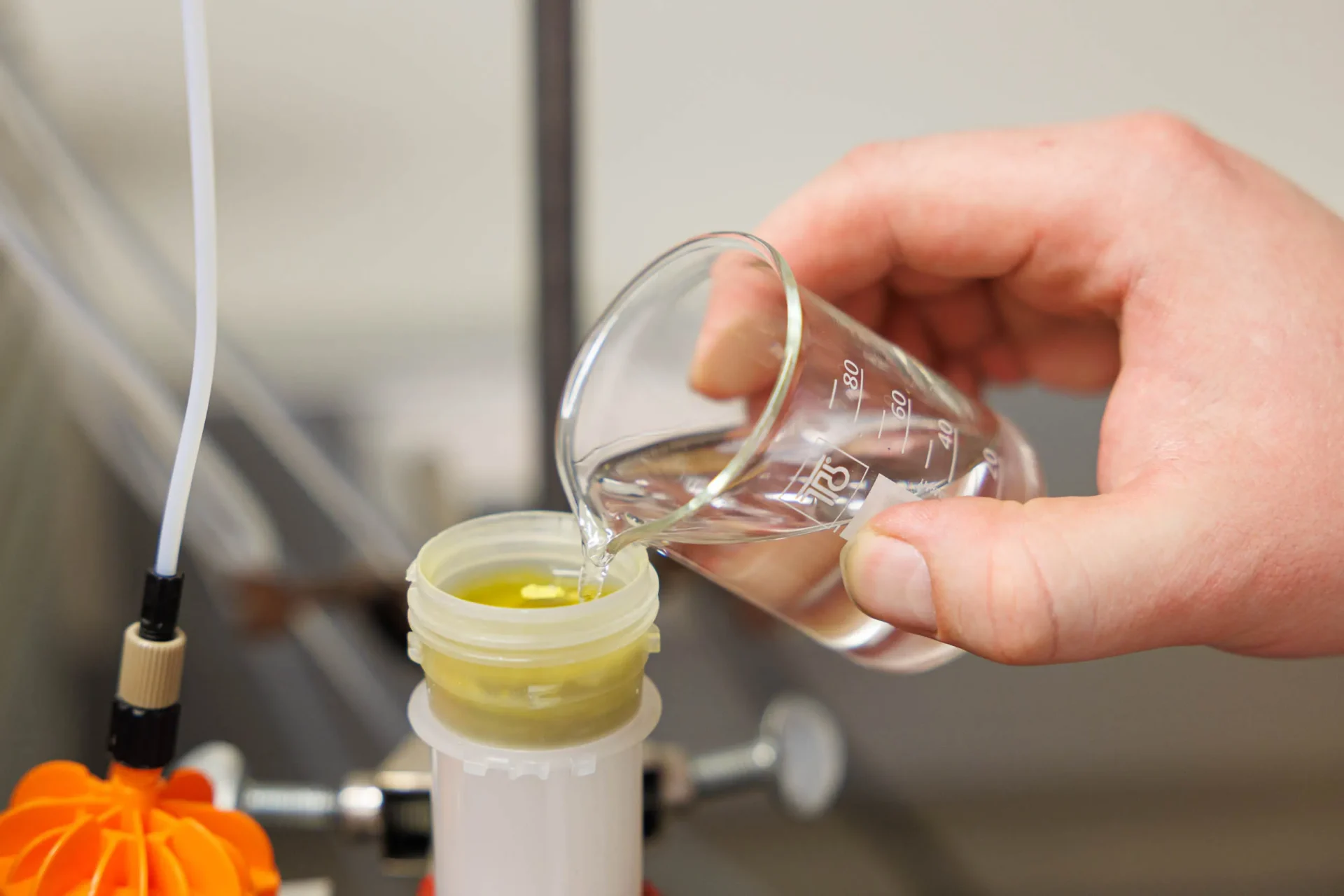
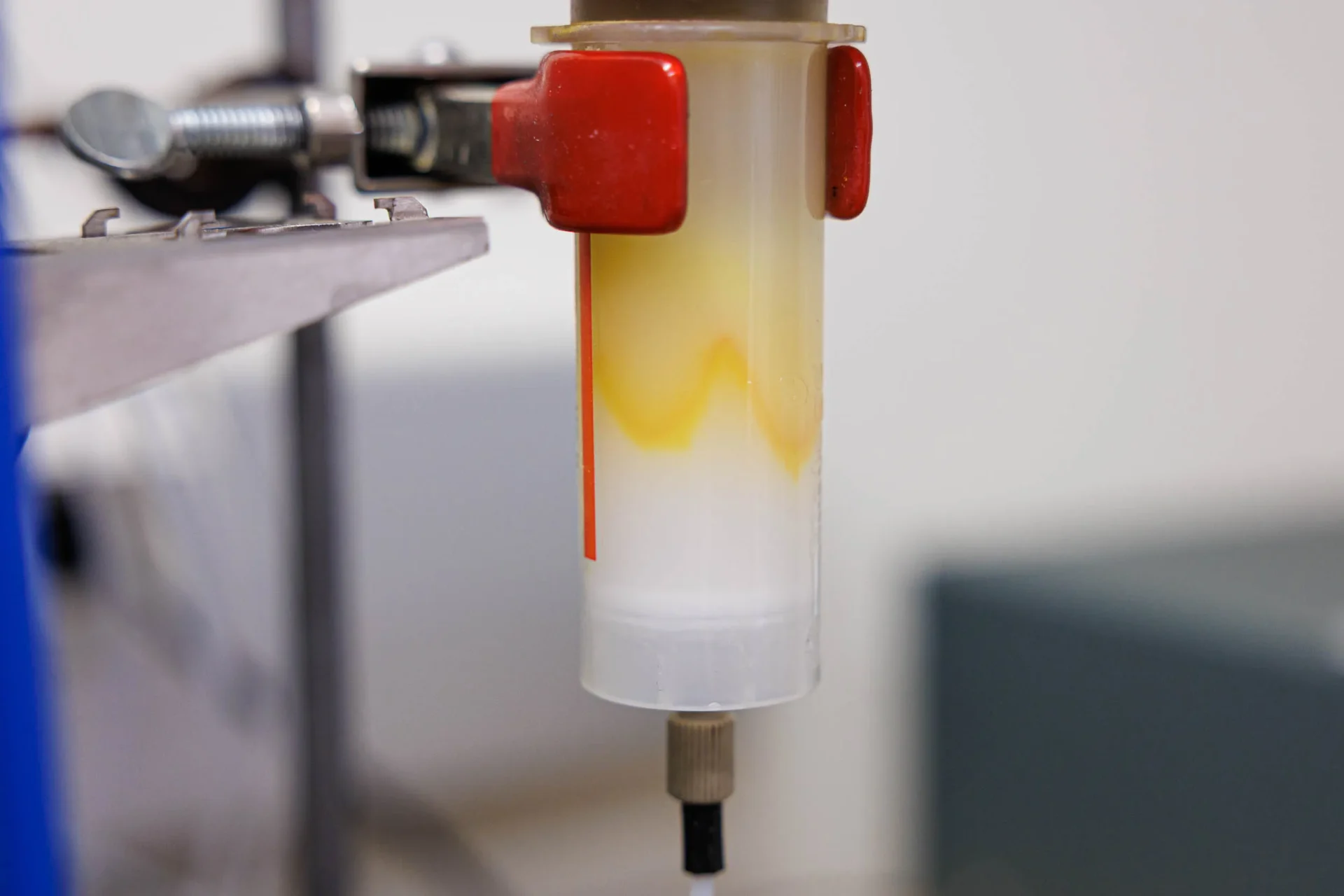
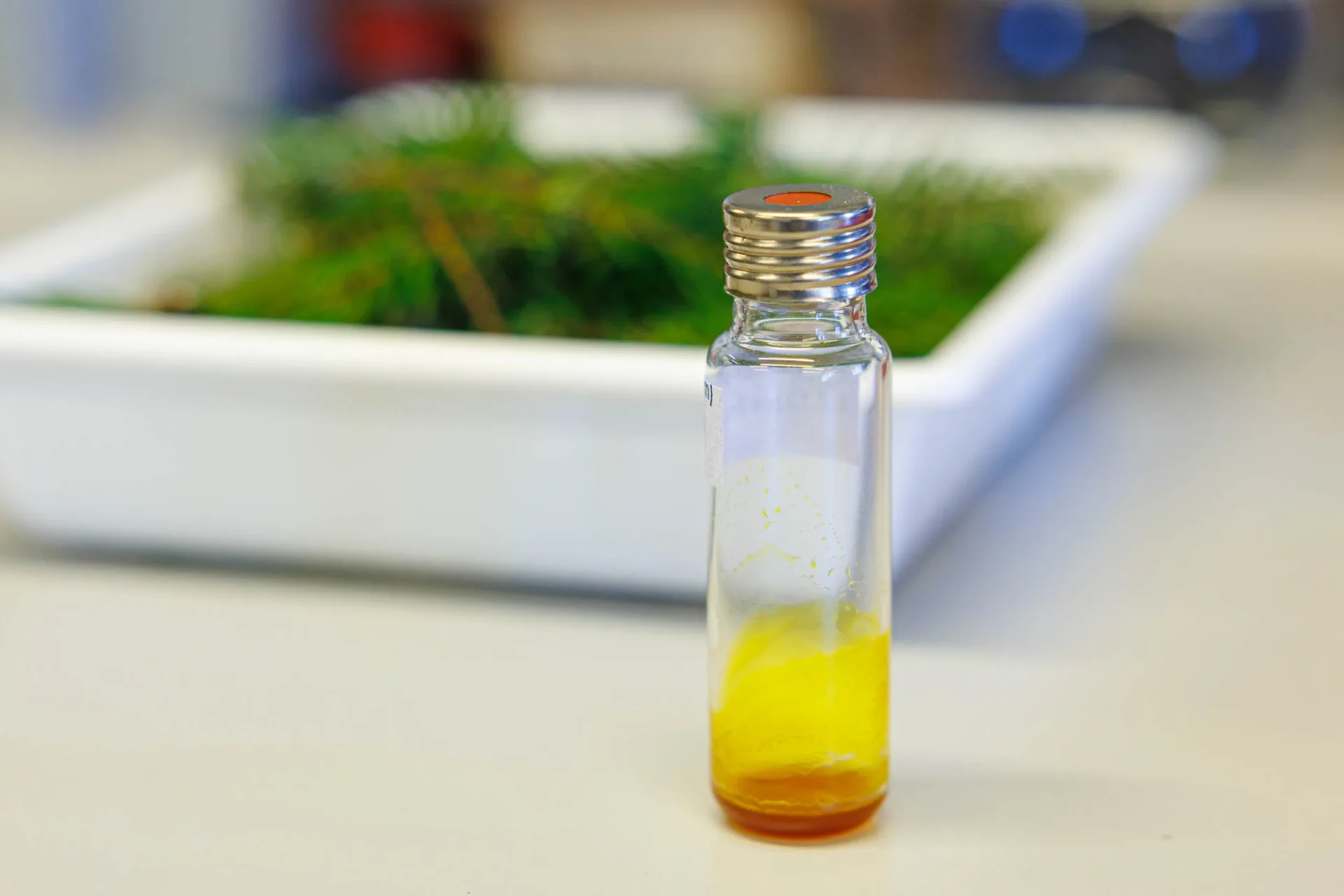
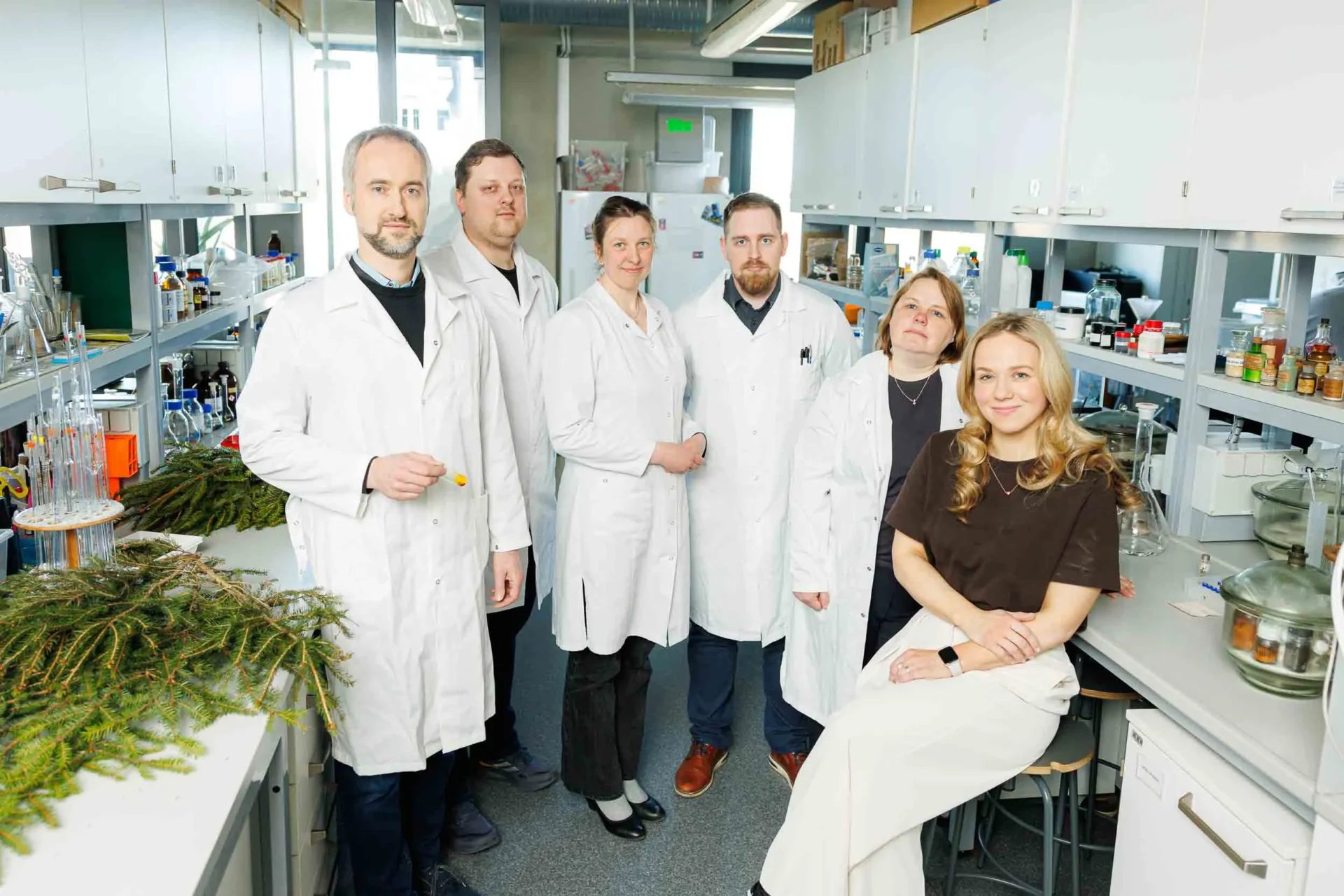
The IMMOPREN project aims to develop and demonstrate an environmentally friendly biorefining approach for the valorization of spruce needles (forestry co-stream biomass) by producing a high-value bioactive product prototype suitable for pharmaceutical, cosmetic, and dietary supplement applications. The project will enhance the production method and the product – immobilized polyprenol as a slow-release adaptogen with immunostimulating activity. The project aims to achieve a Technology Readiness Level (TRL) of 4 by validating the bioactive component formulation in a laboratory and pilot-scale environment.
The Anticipated Benefit
Recent studies have shown hepatoprotective, neuroprotective, and immunomodulatory properties of polyprenols isolated from spruce needles (Picea abies). Polyprenols have a non-toxic, non-mutagenic, non-teratogenic, and non-carcinogenic effect on humans. Furthermore, their biological activity exhibits significant anti-cancer, anti-hepatitis C virus, and anti-HIV effects, and they are adjuvants in leukemia chemotherapy and radiotherapy. Polyprenols possess immunostimulatory activity and can be considered adaptogens that enhance the body's function in stressful situations.
The Allocated Funding
190,000 EUR due March 18, 2026.
Team






Gallery