News

“BioPhoT” research projects demonstrate commercialization potential at the “Innovation Impact Forum 2026”

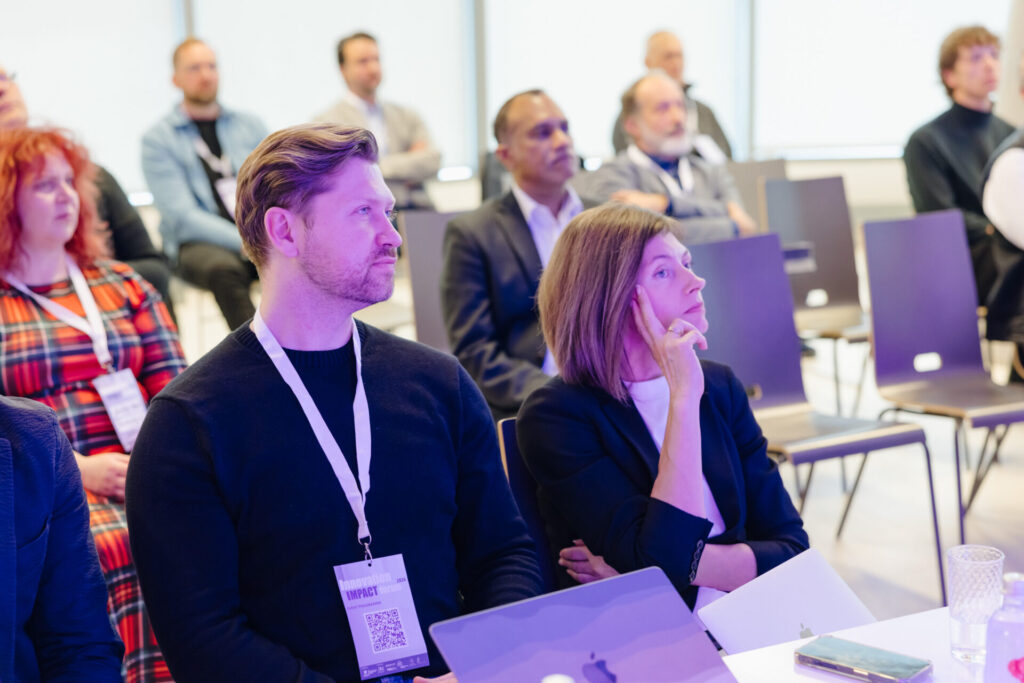
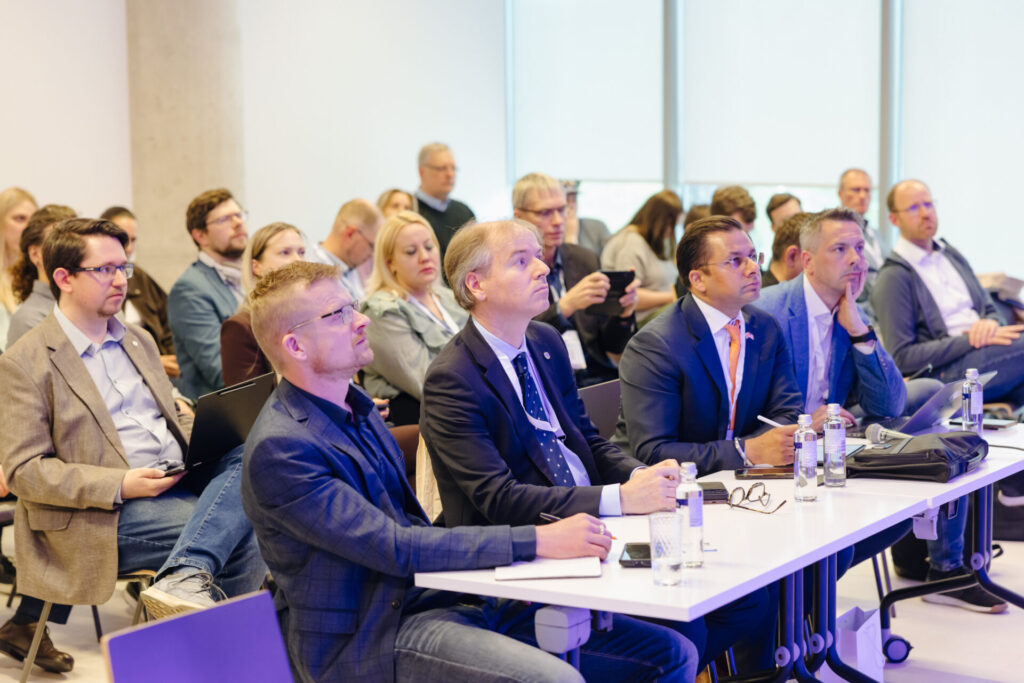
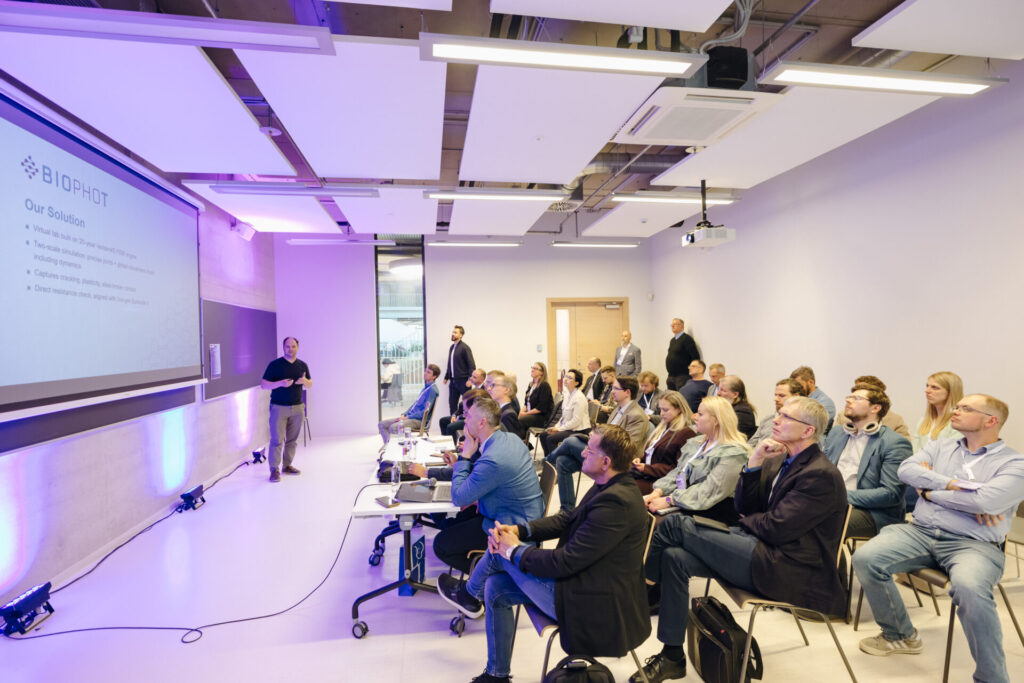
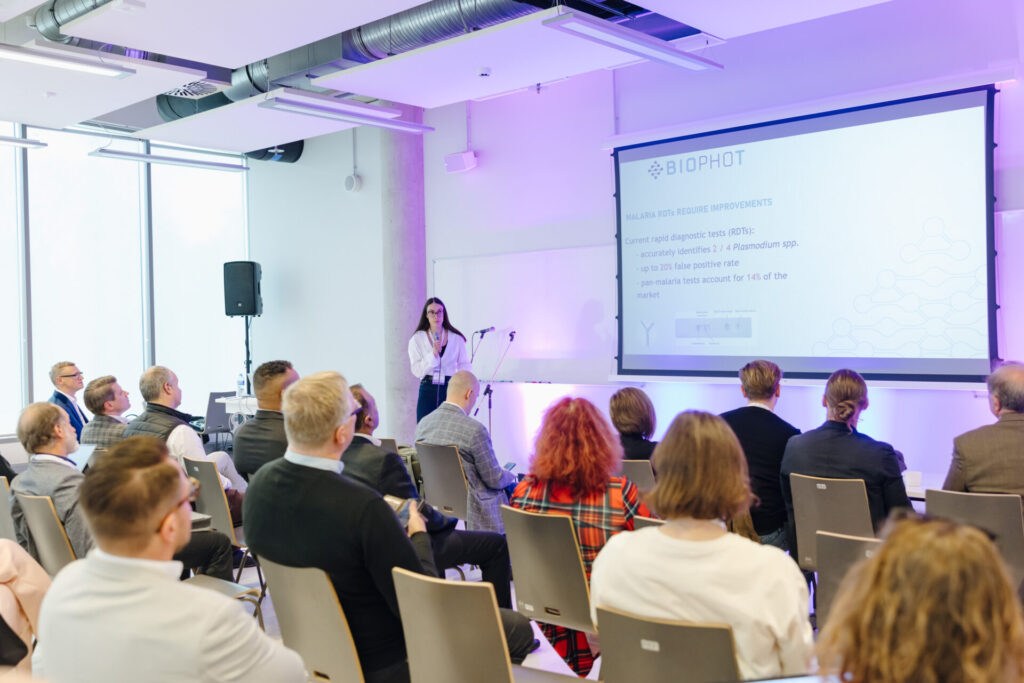
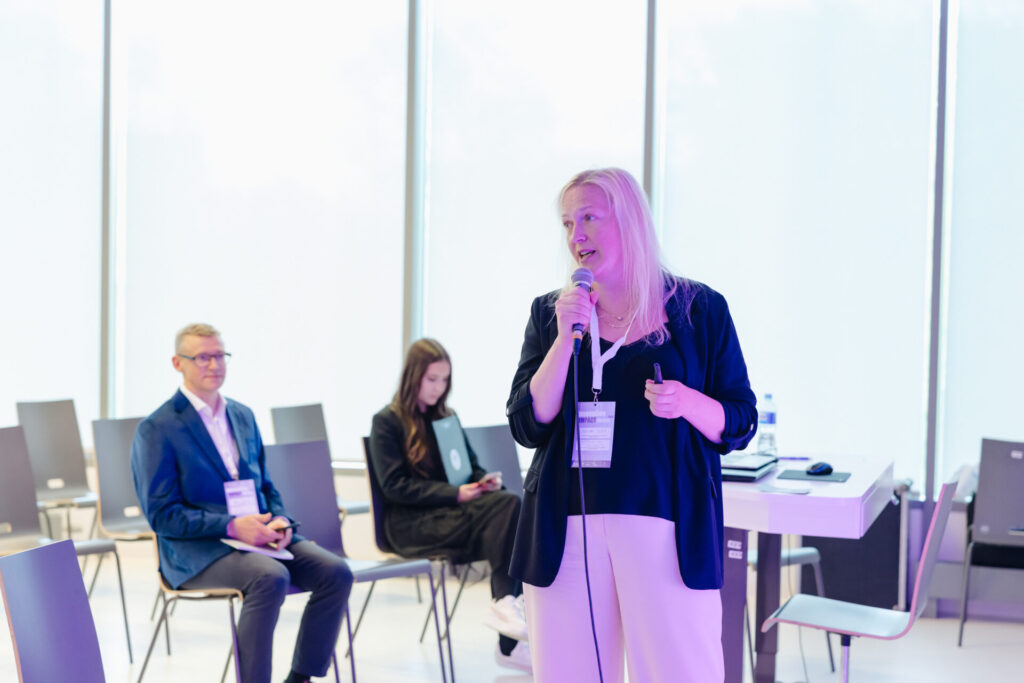
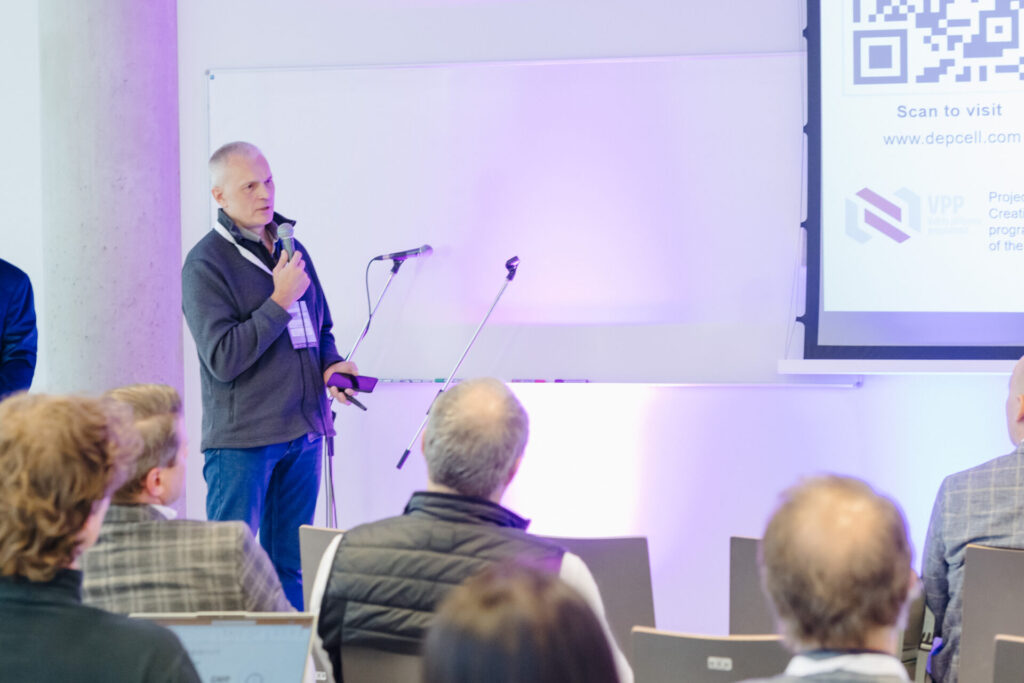
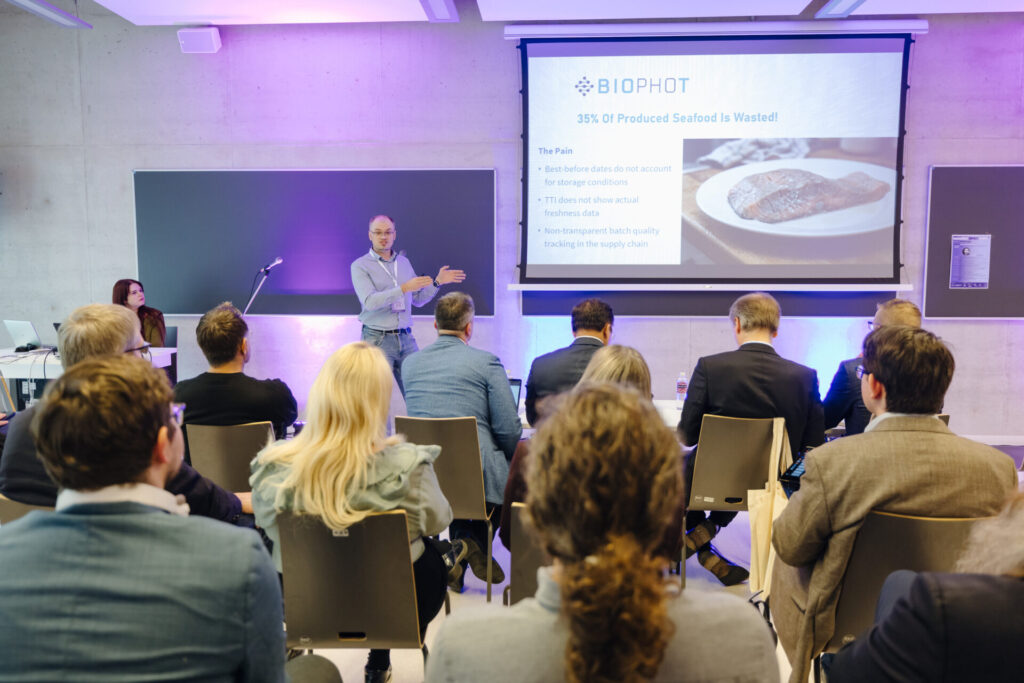
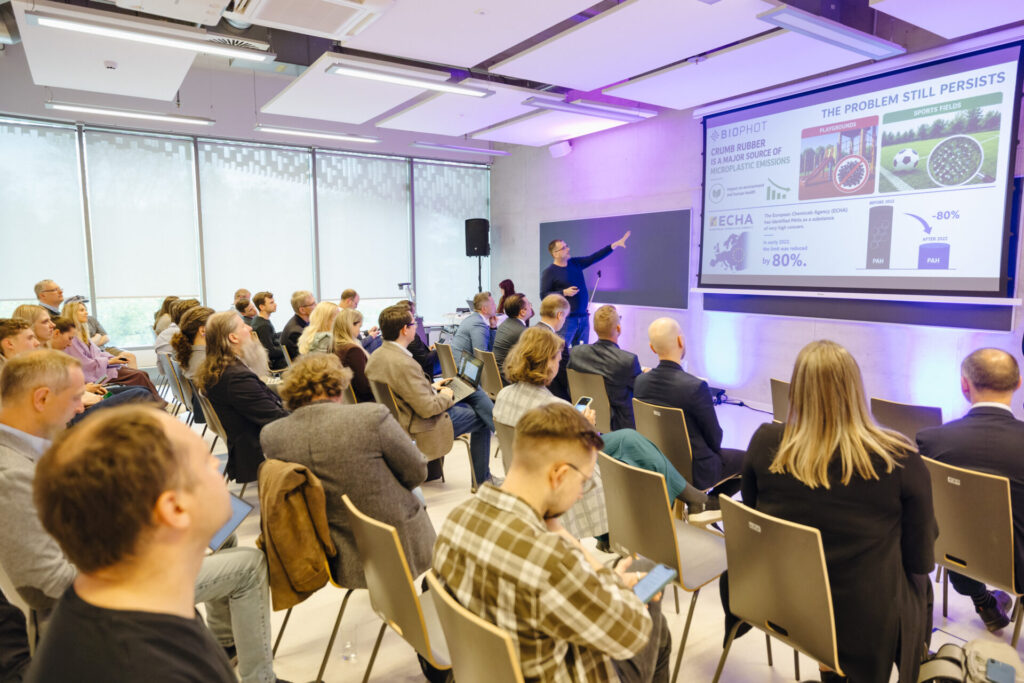
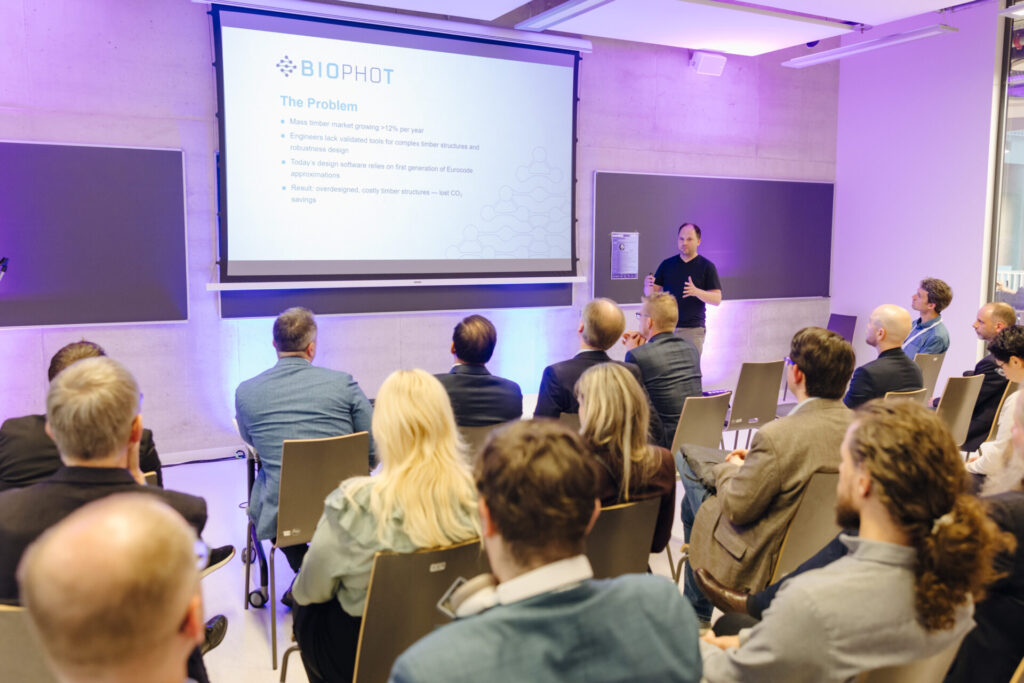
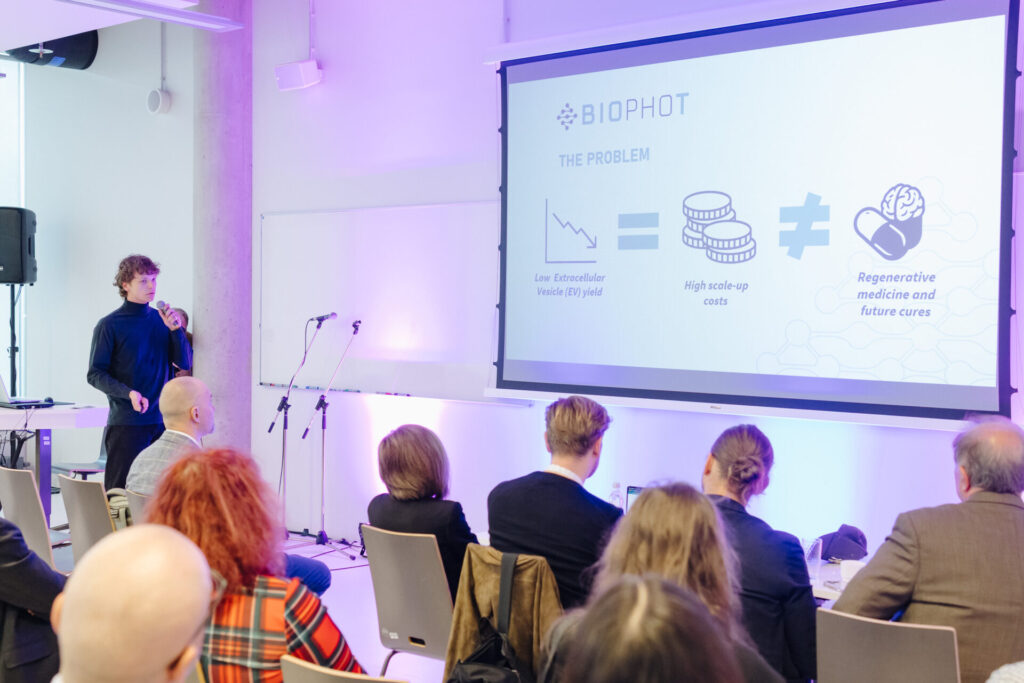
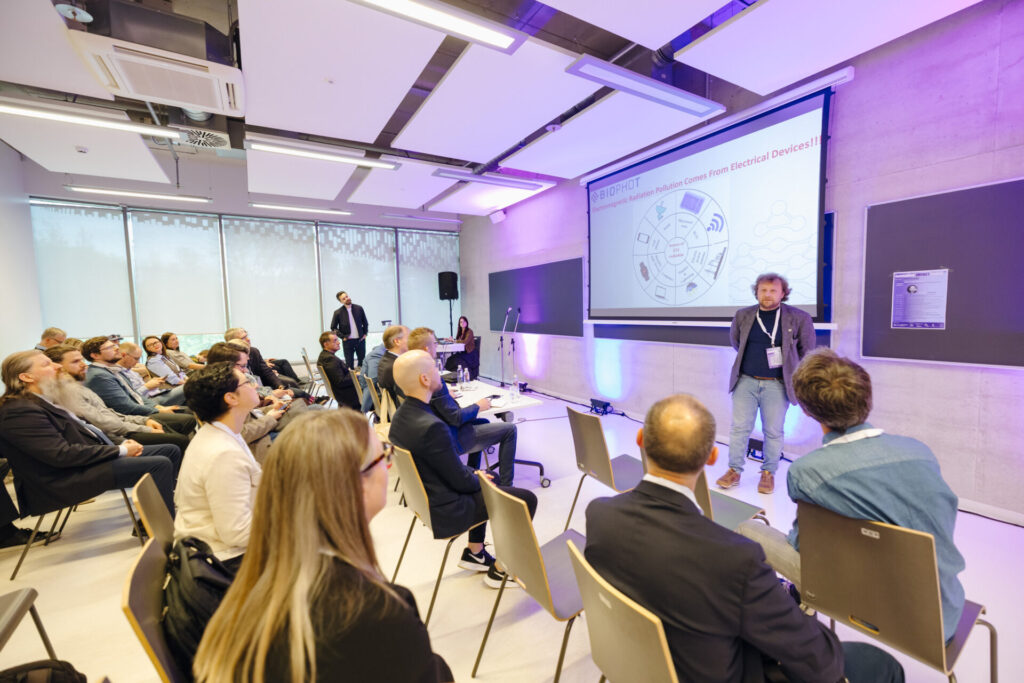
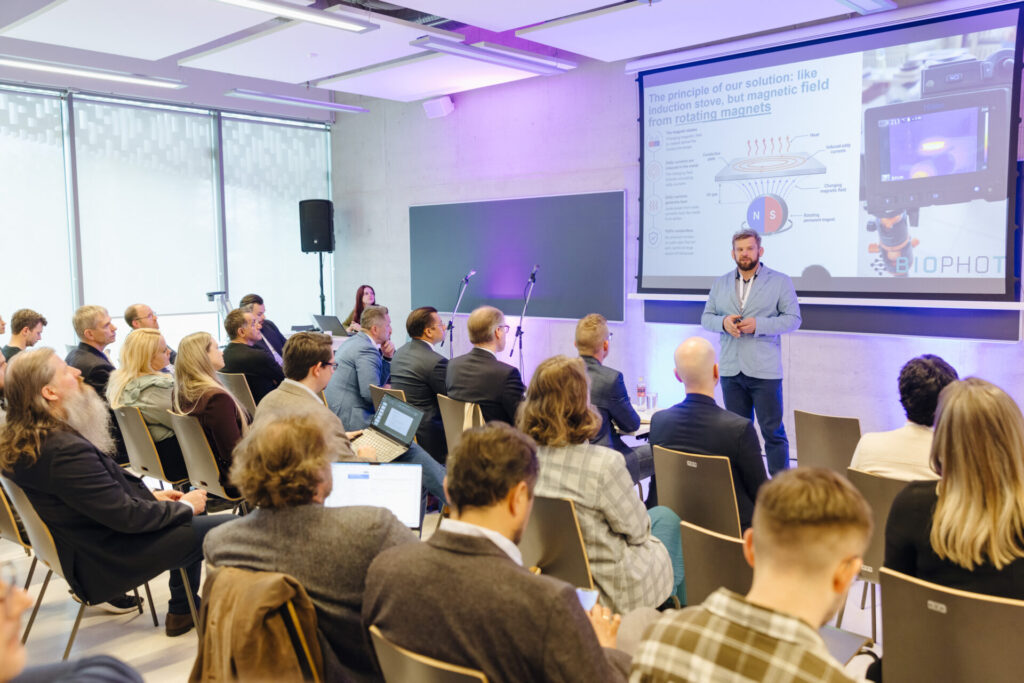
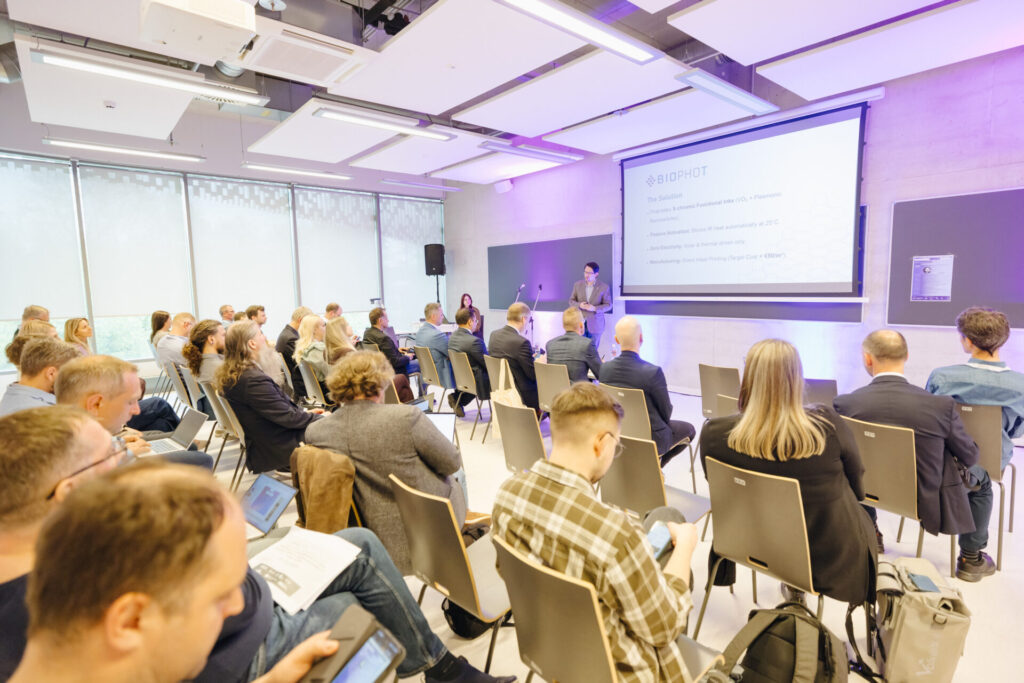
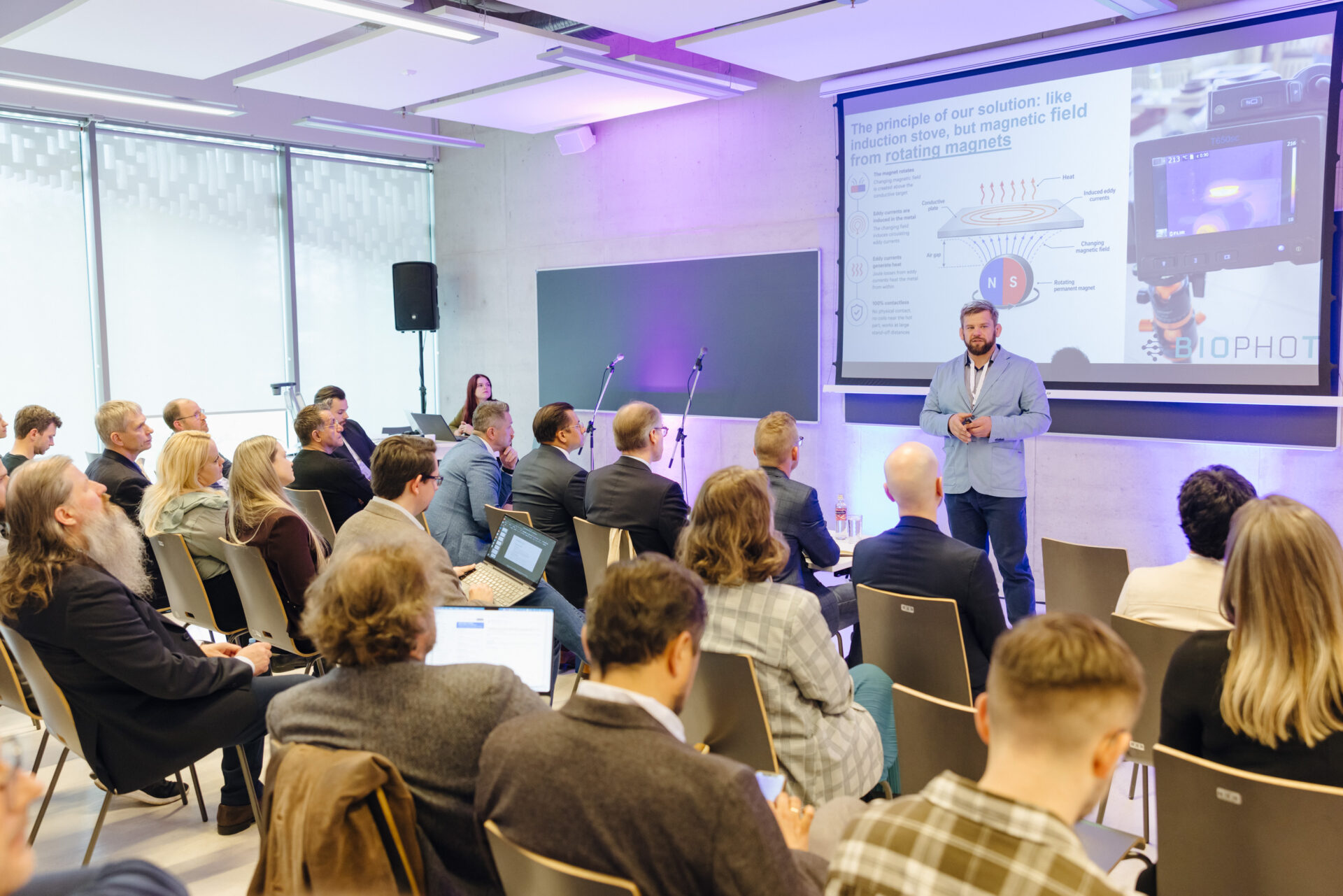
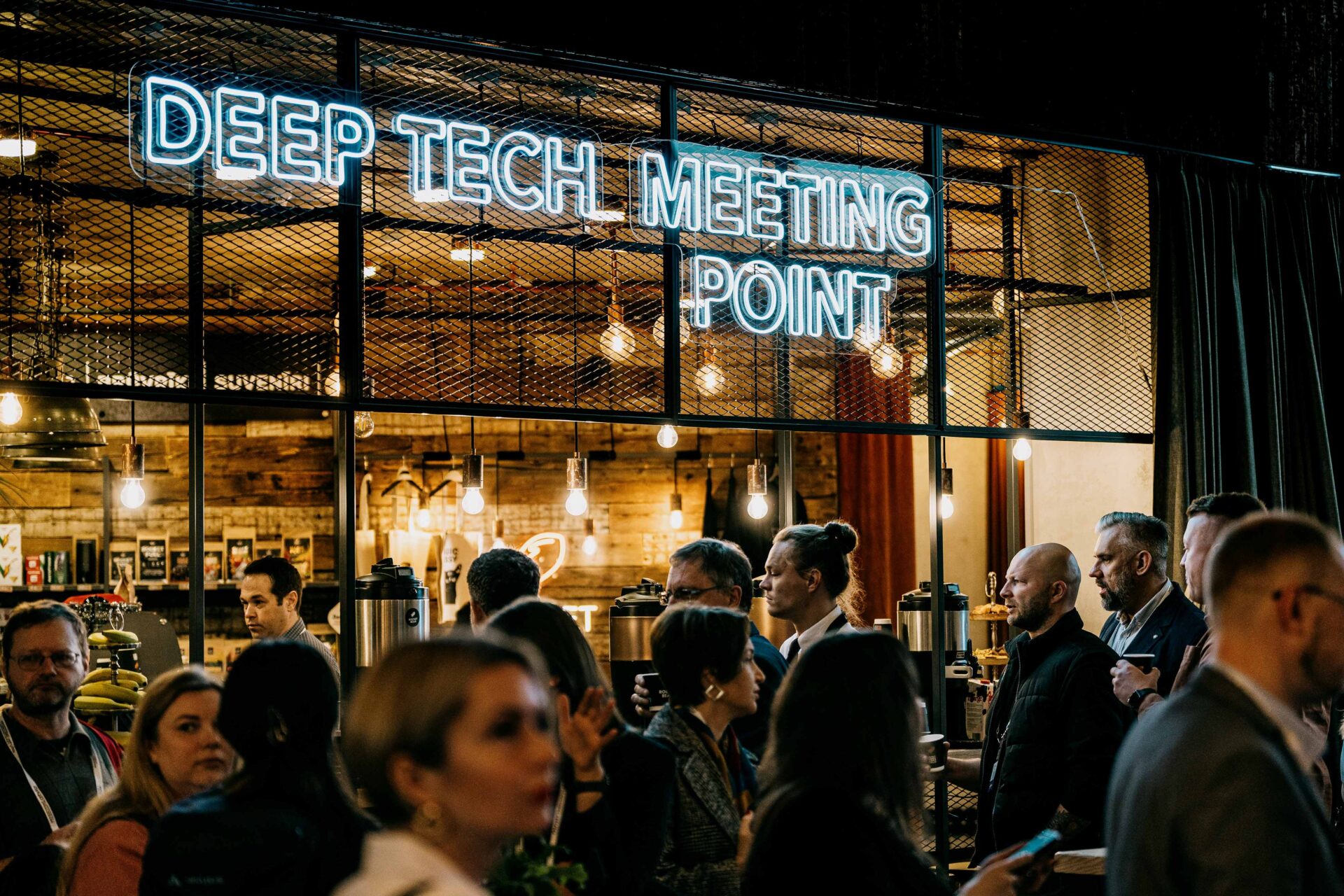
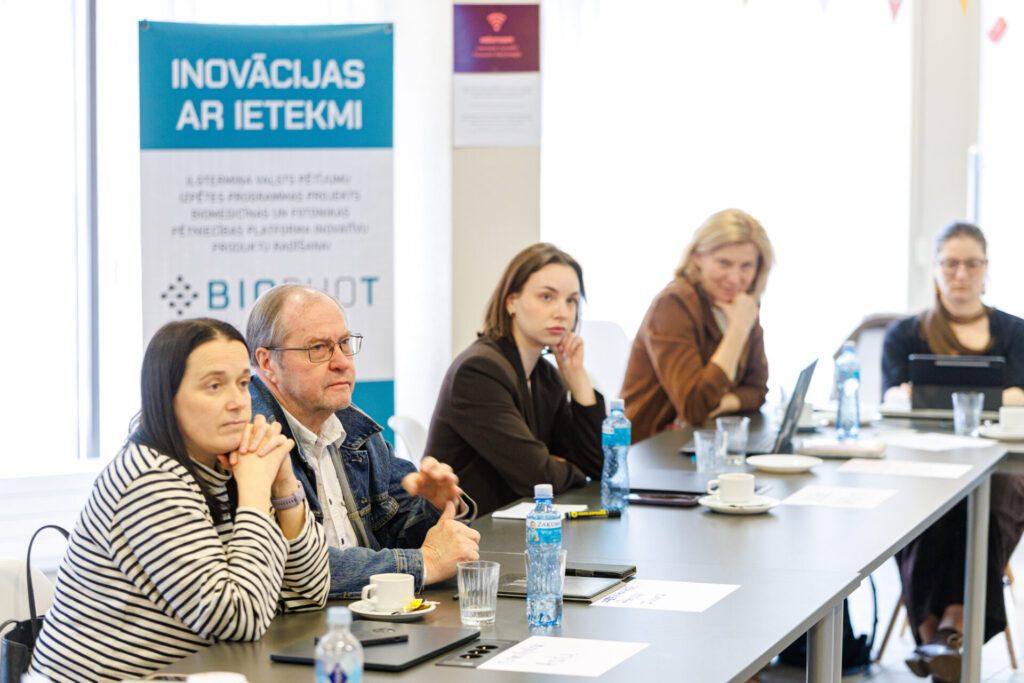
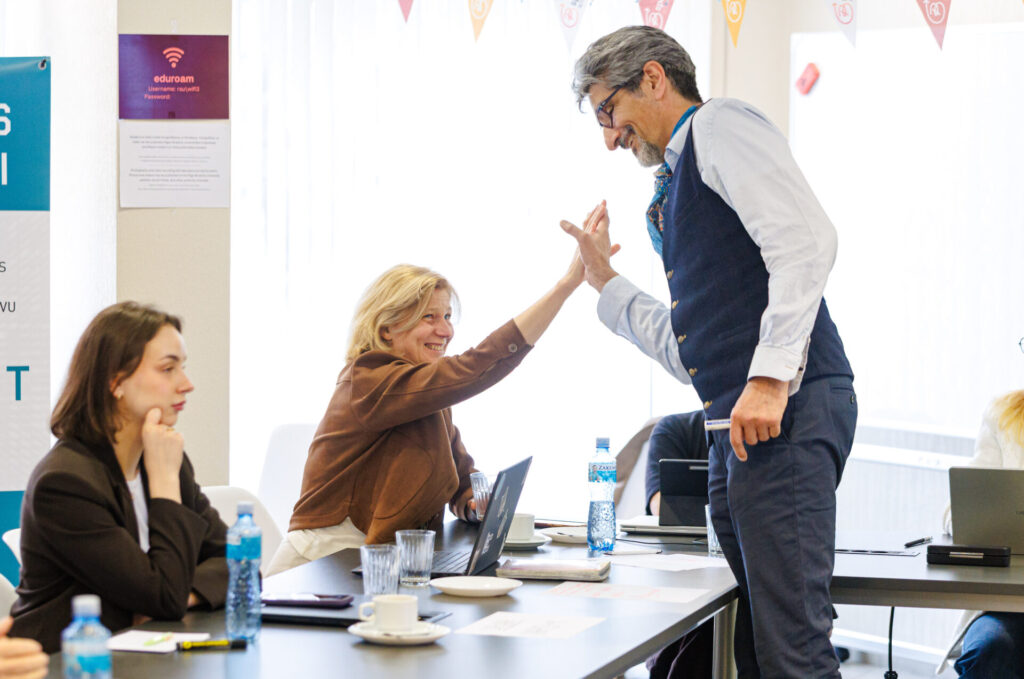
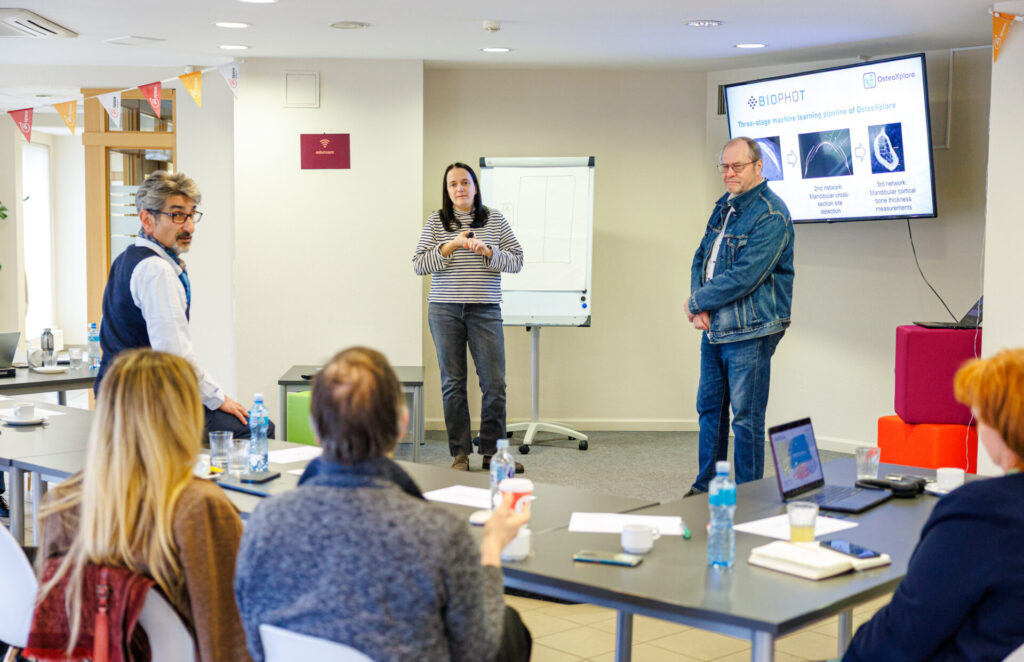
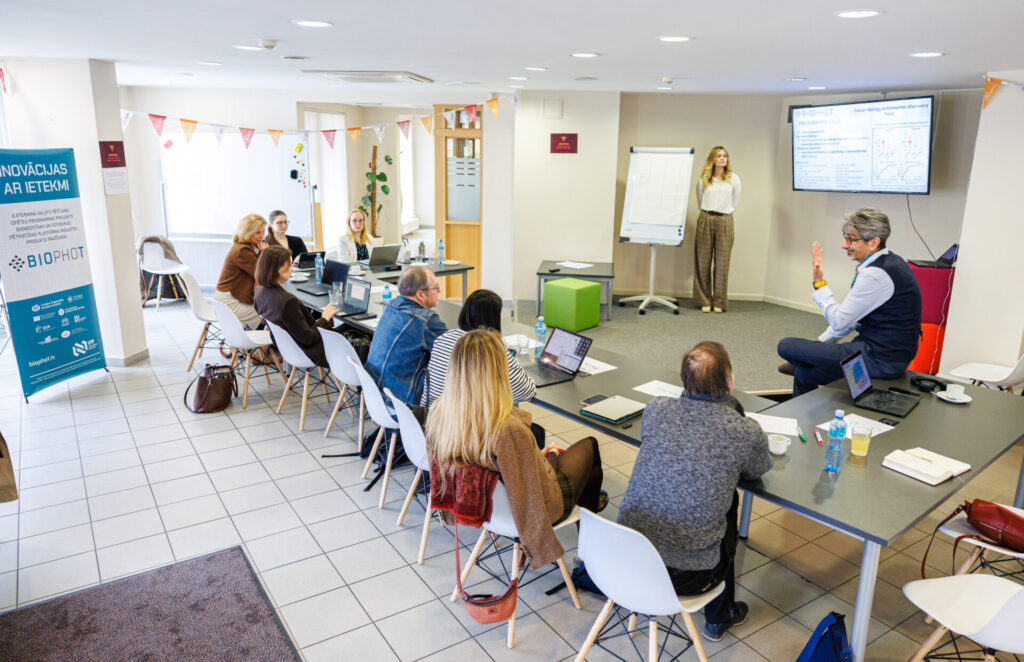
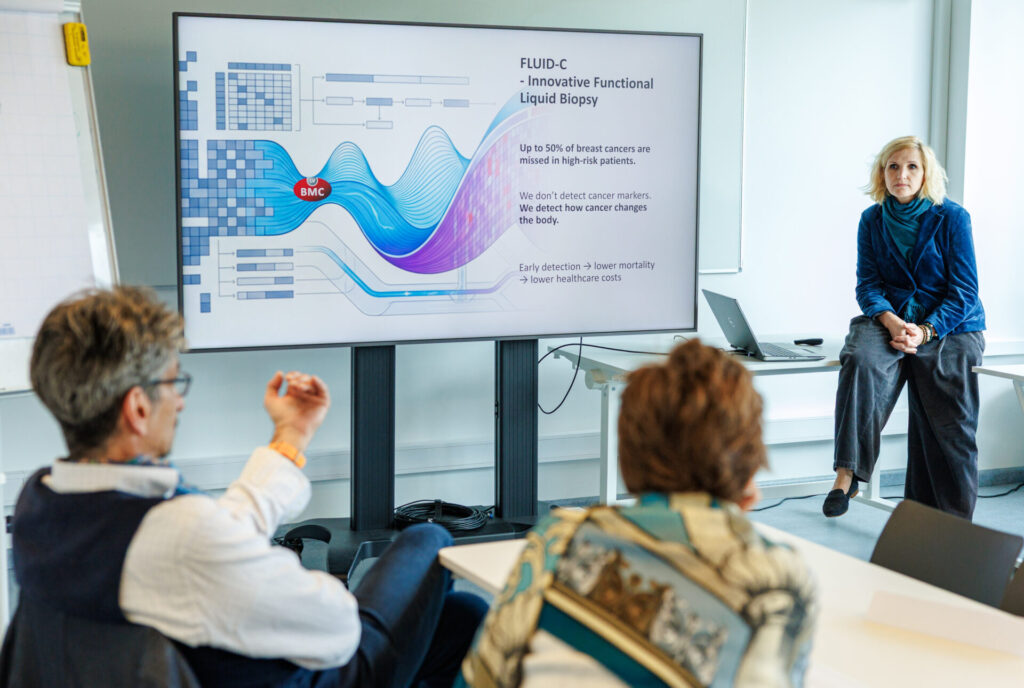
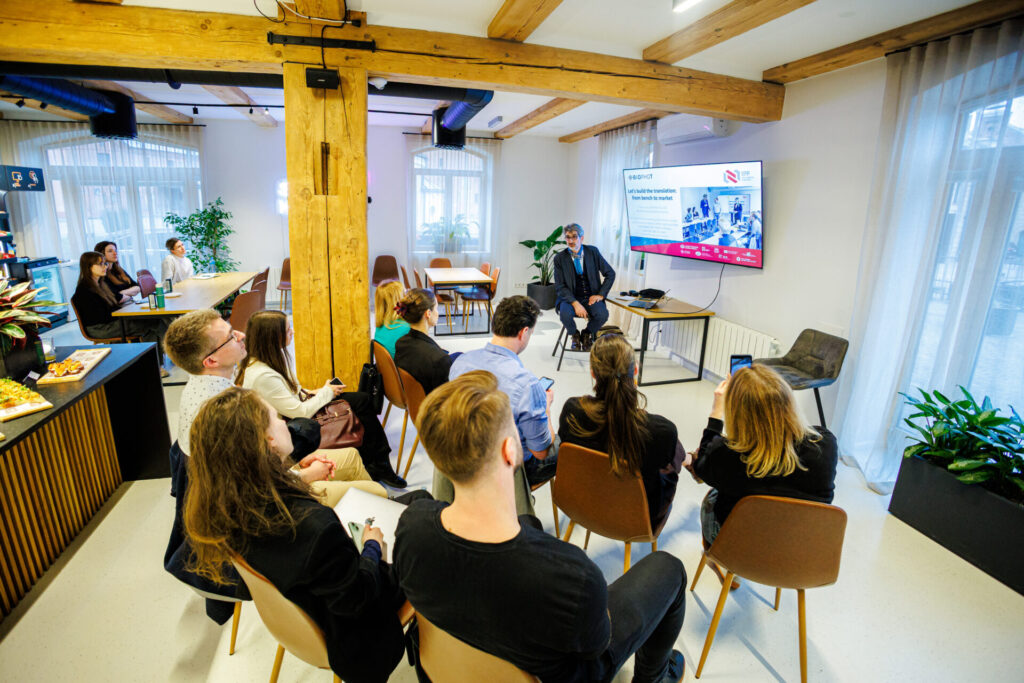
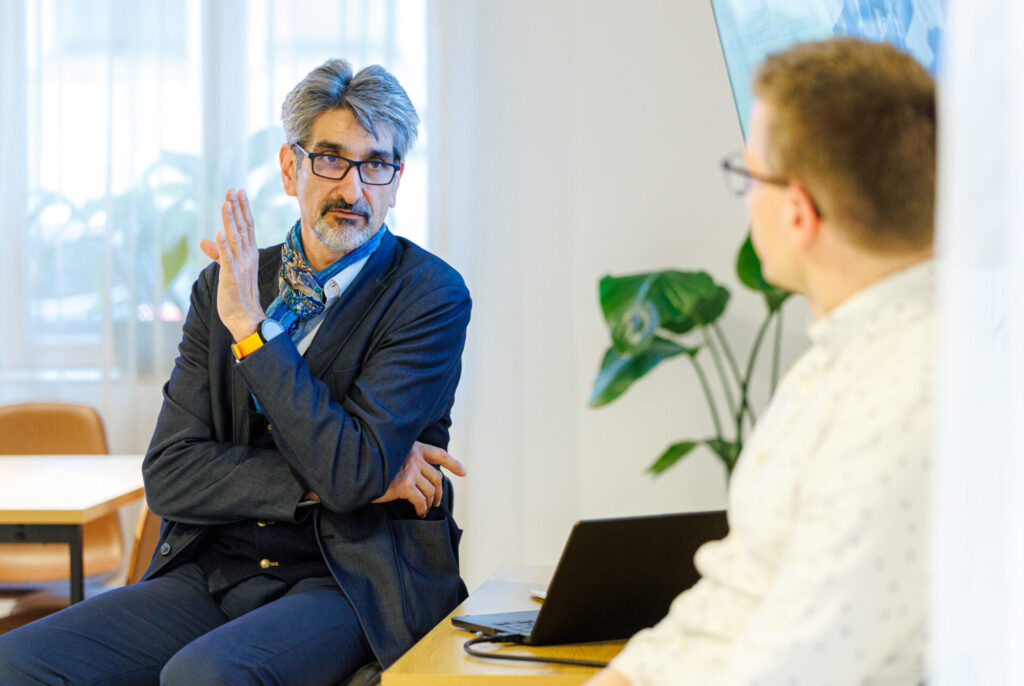
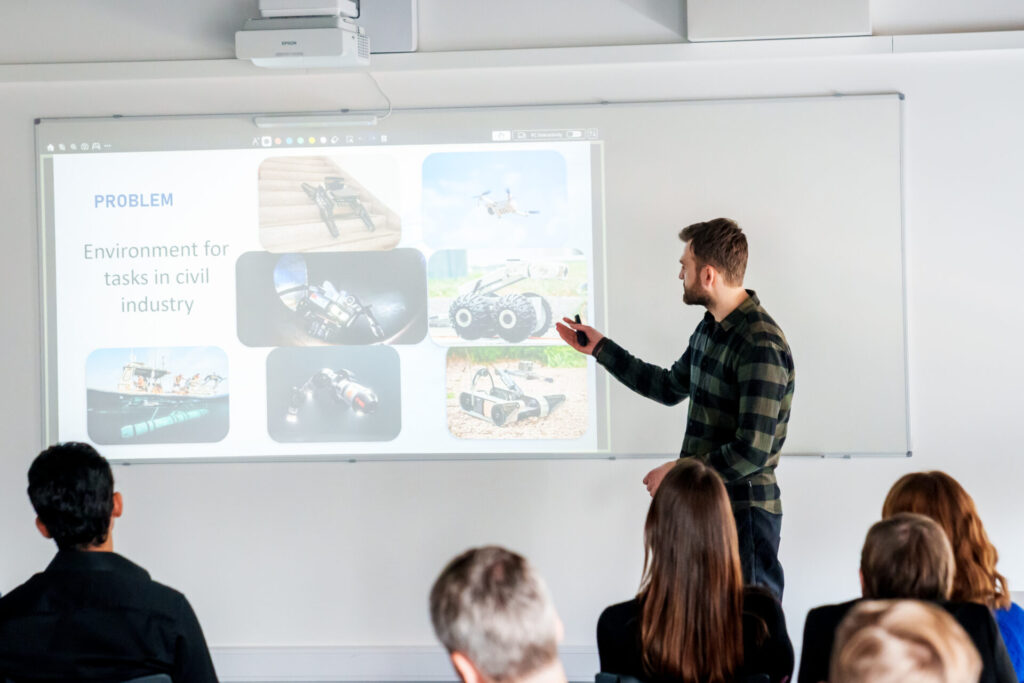
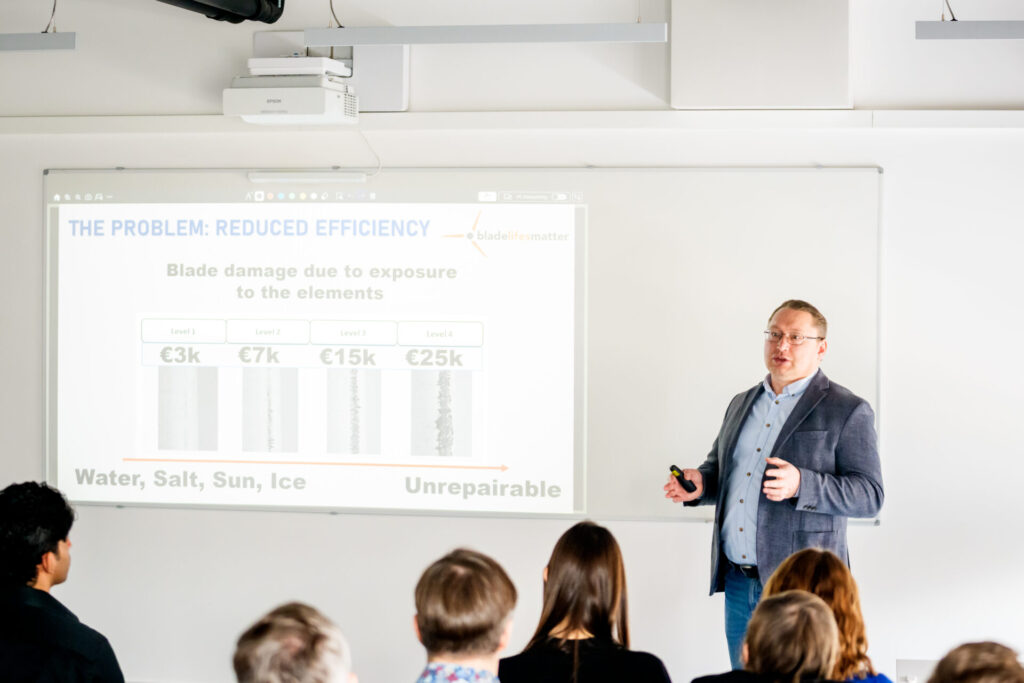
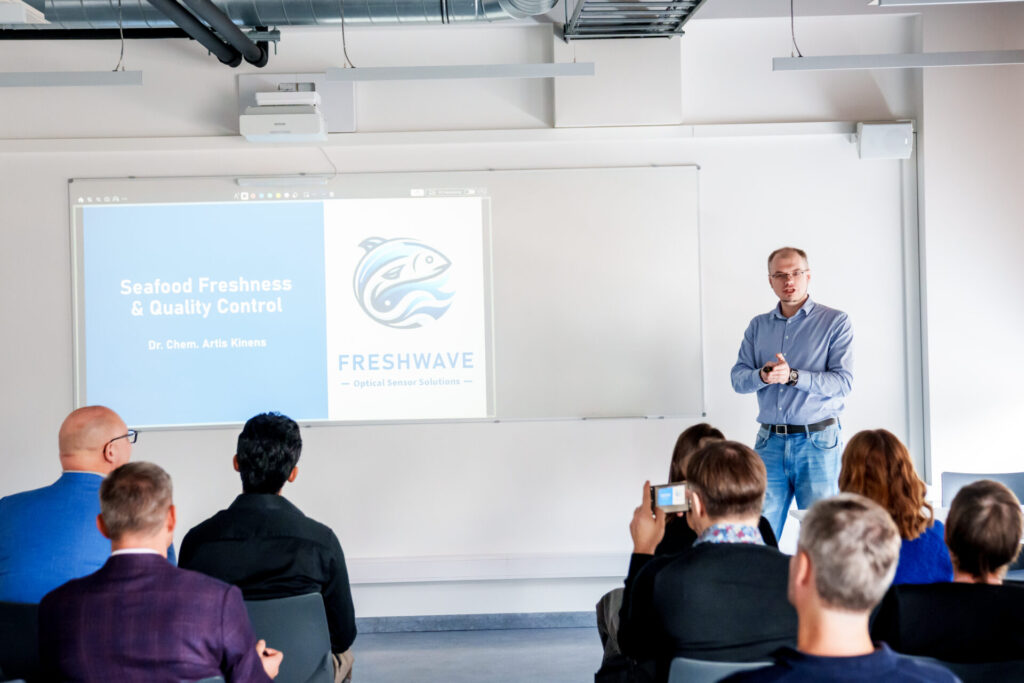
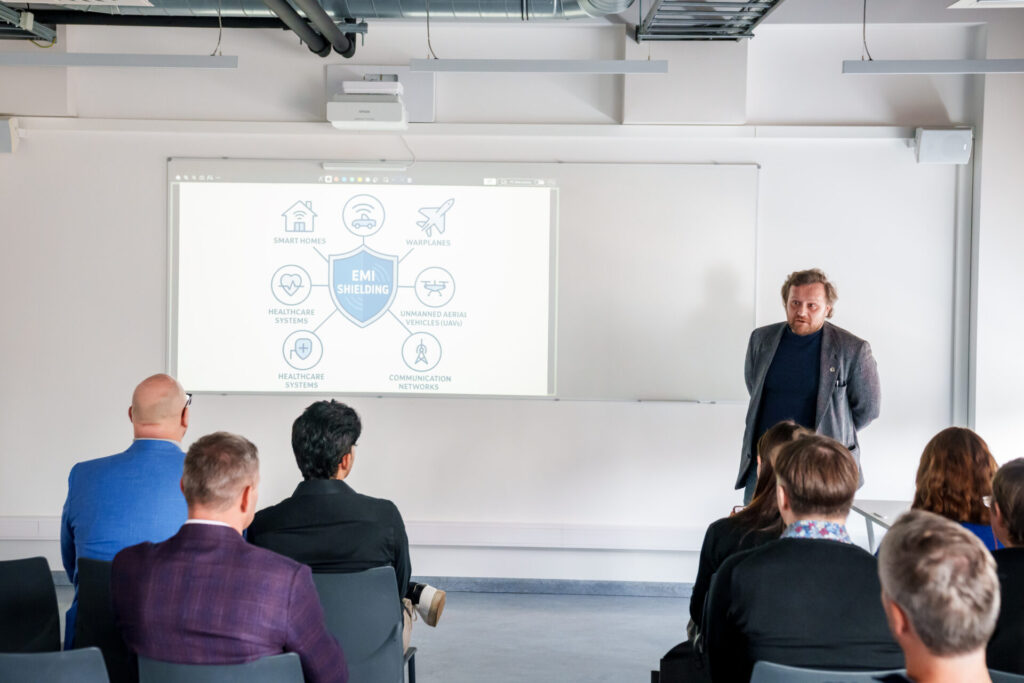
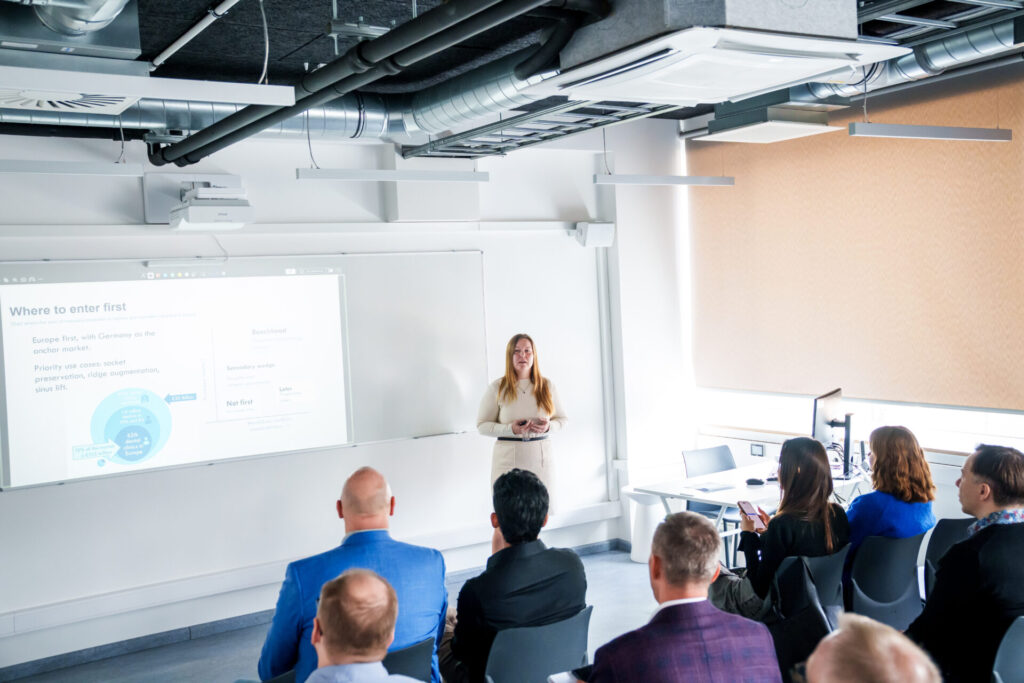
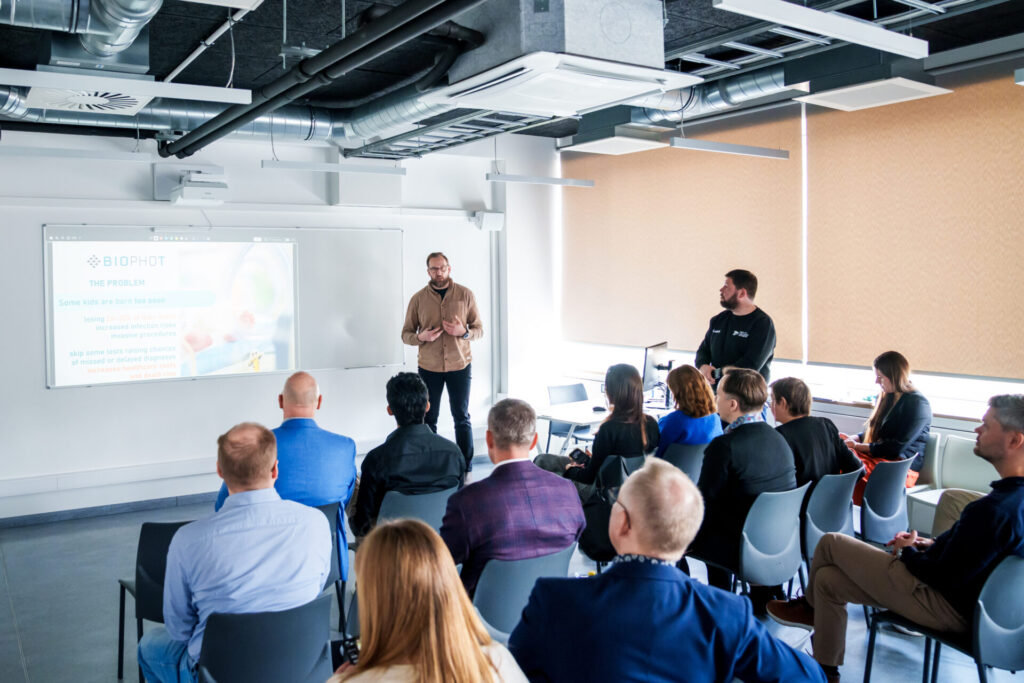
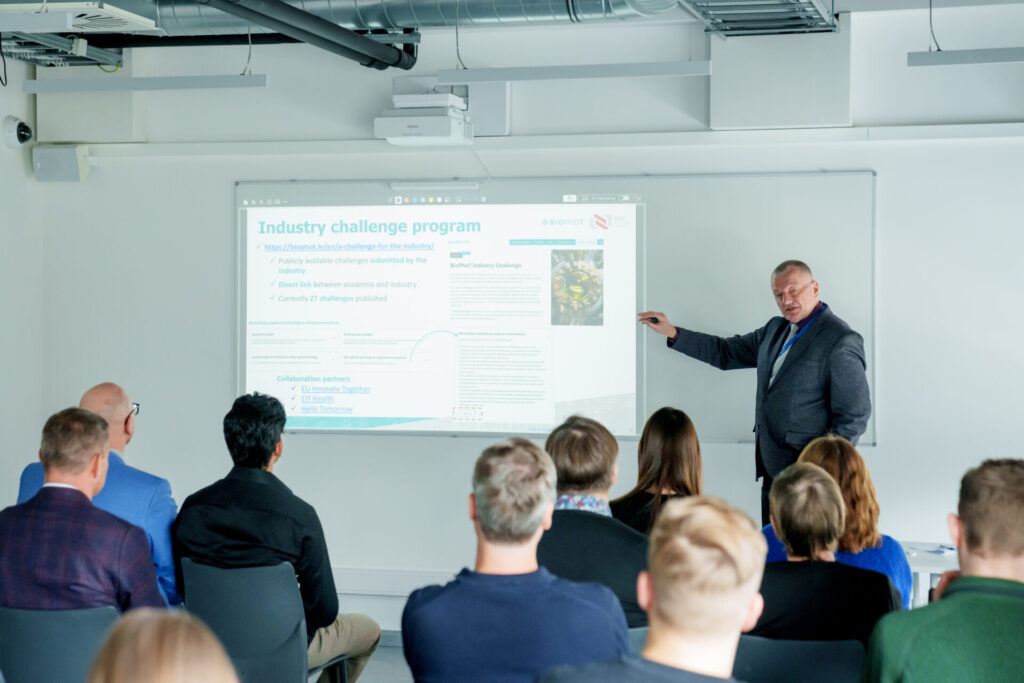
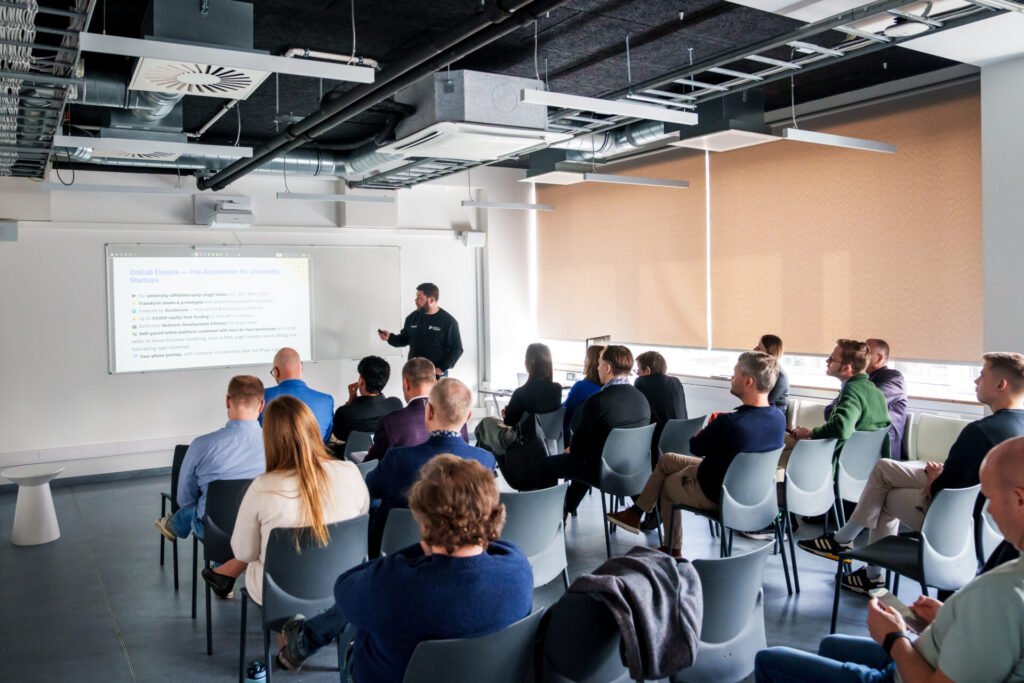
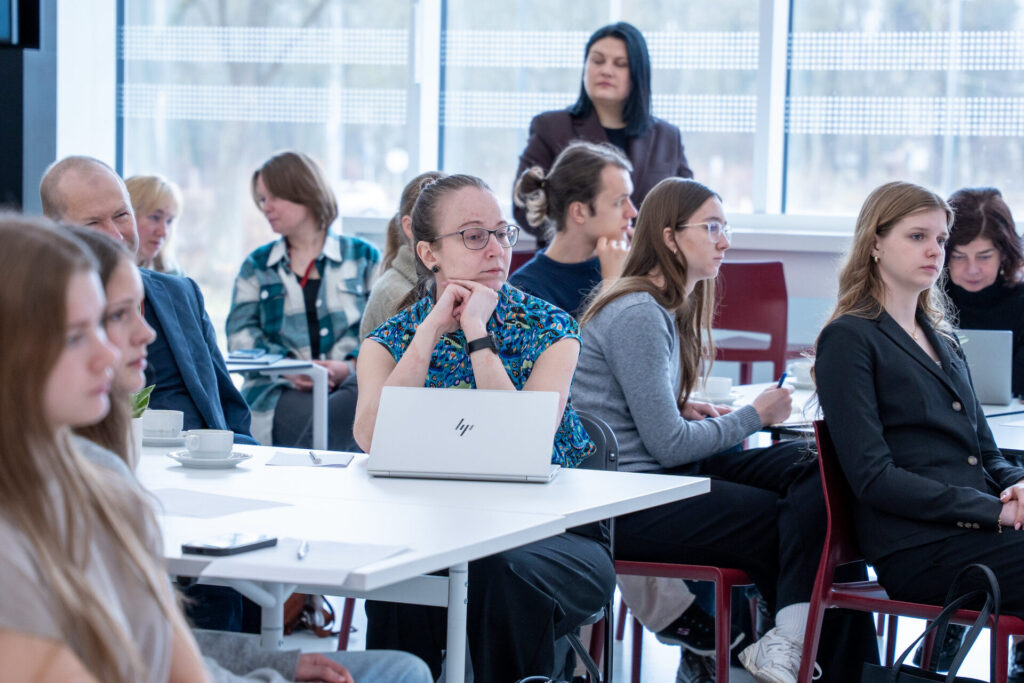
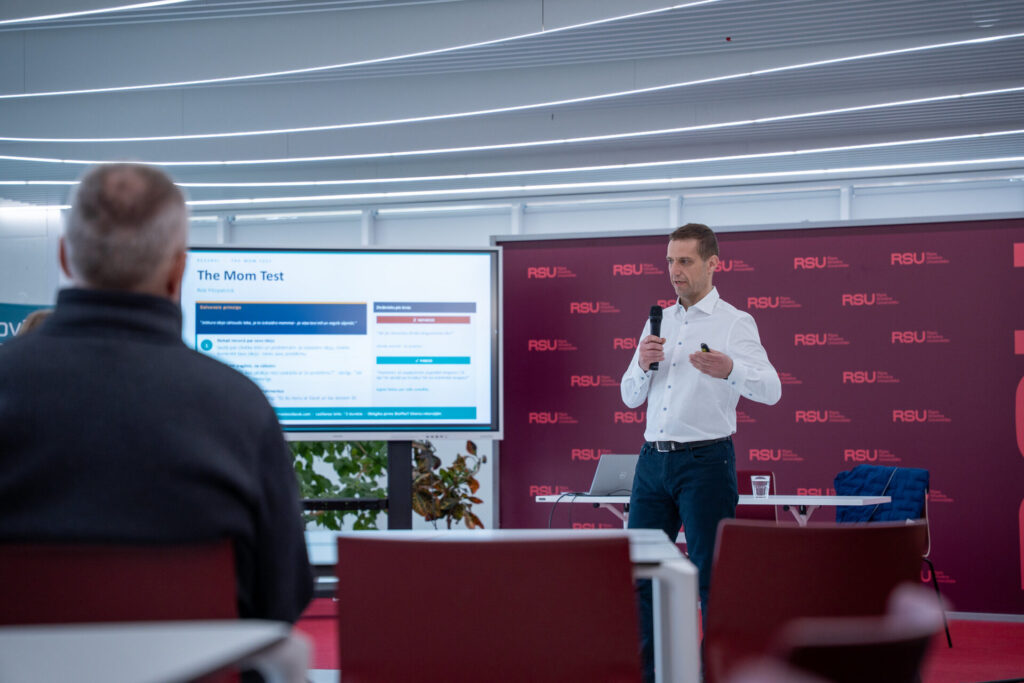
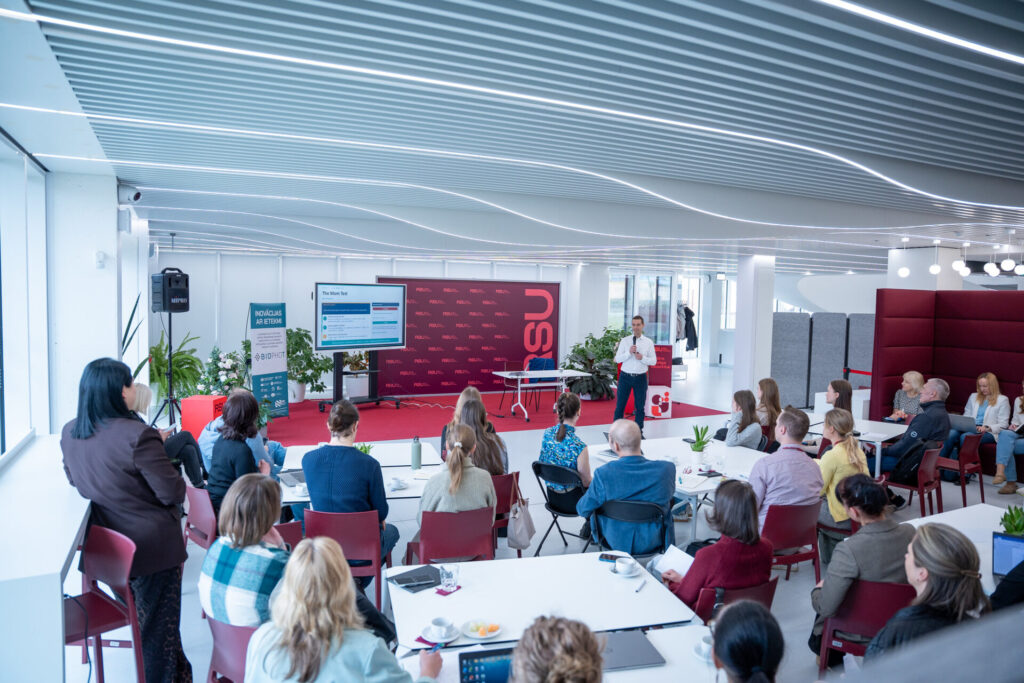
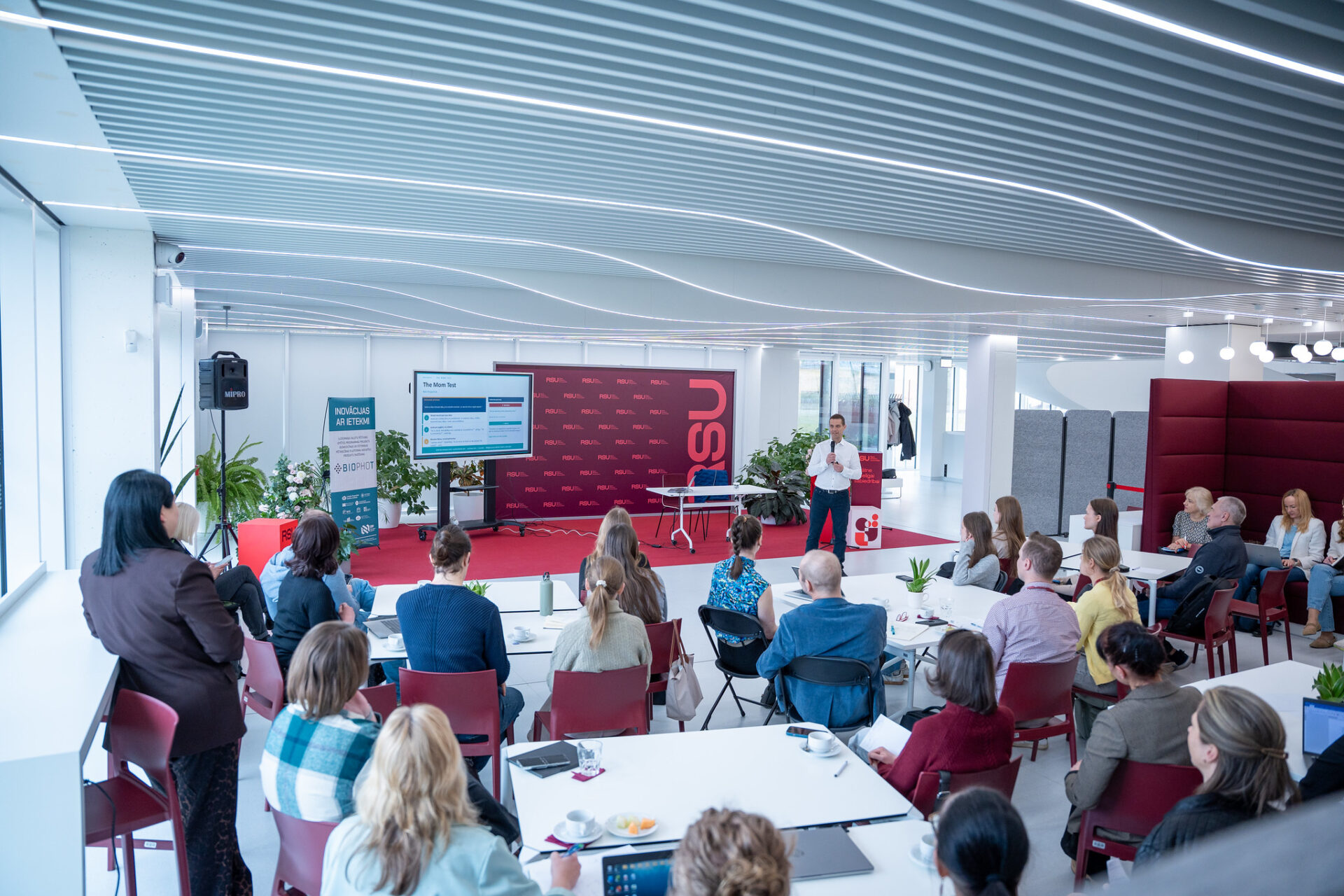
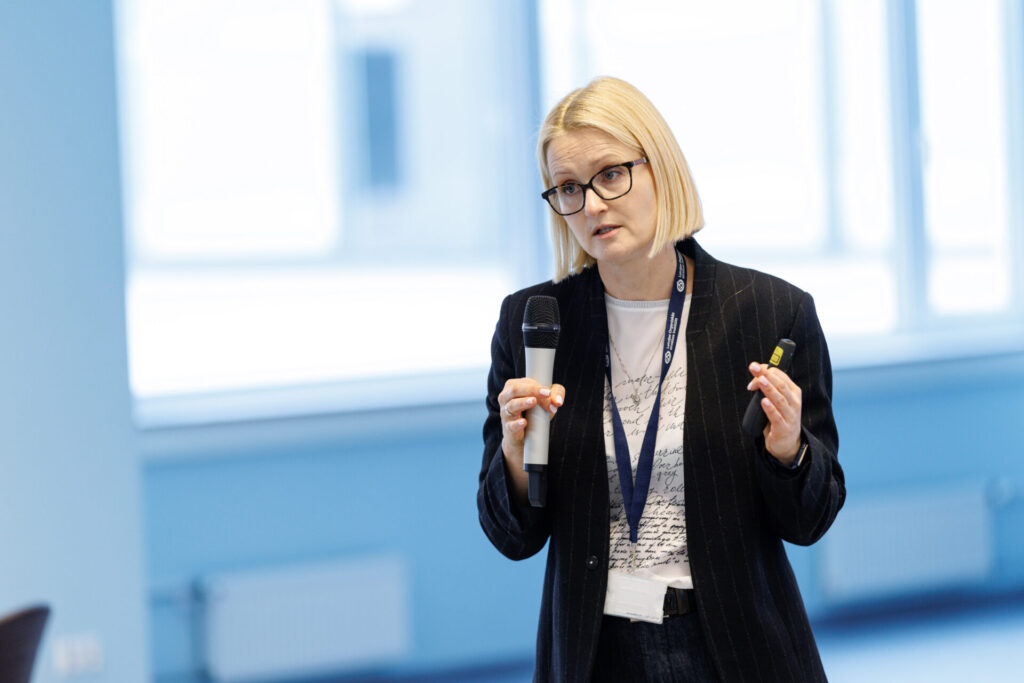
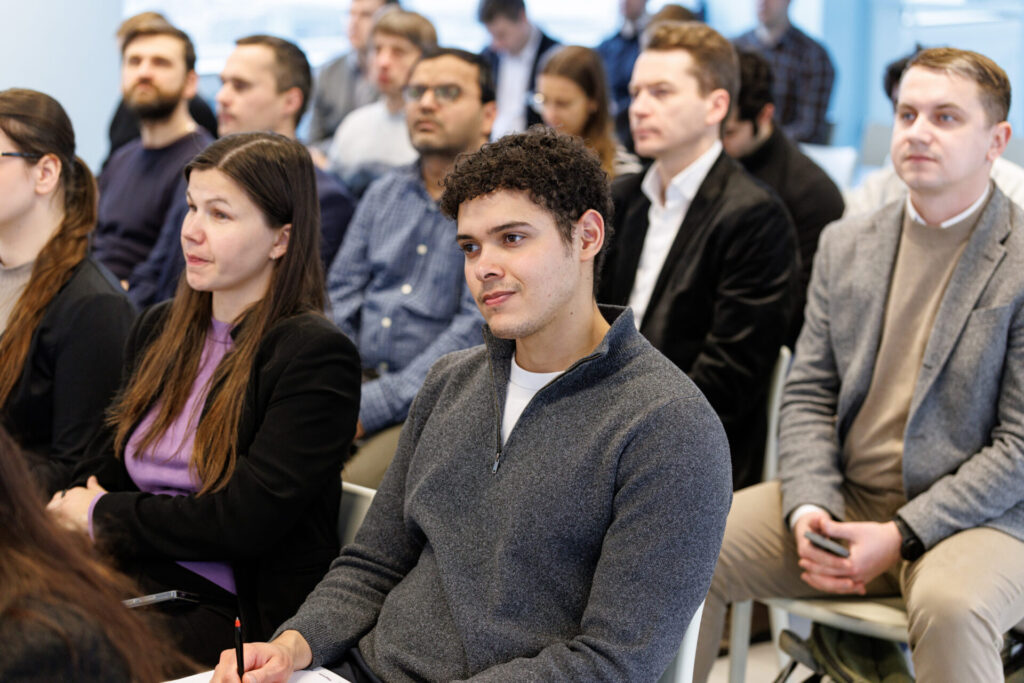
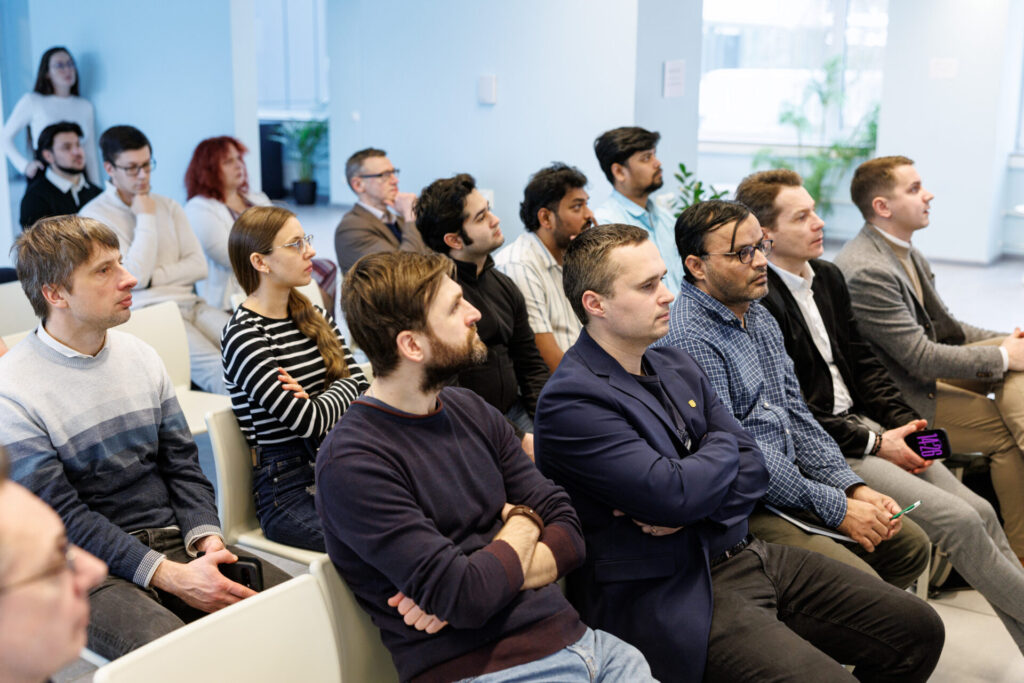
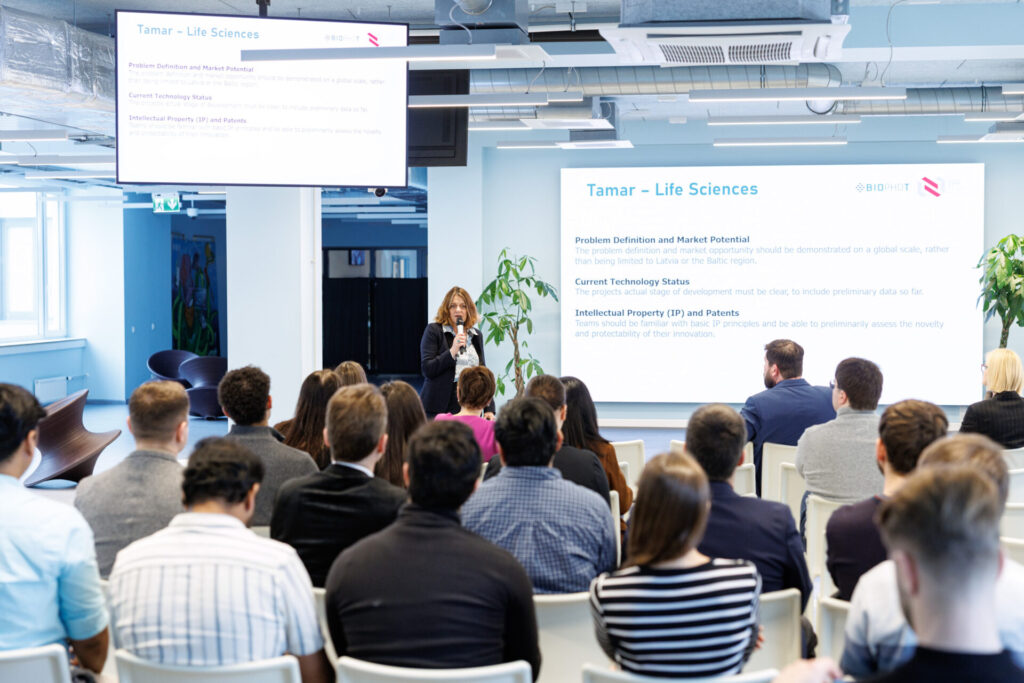
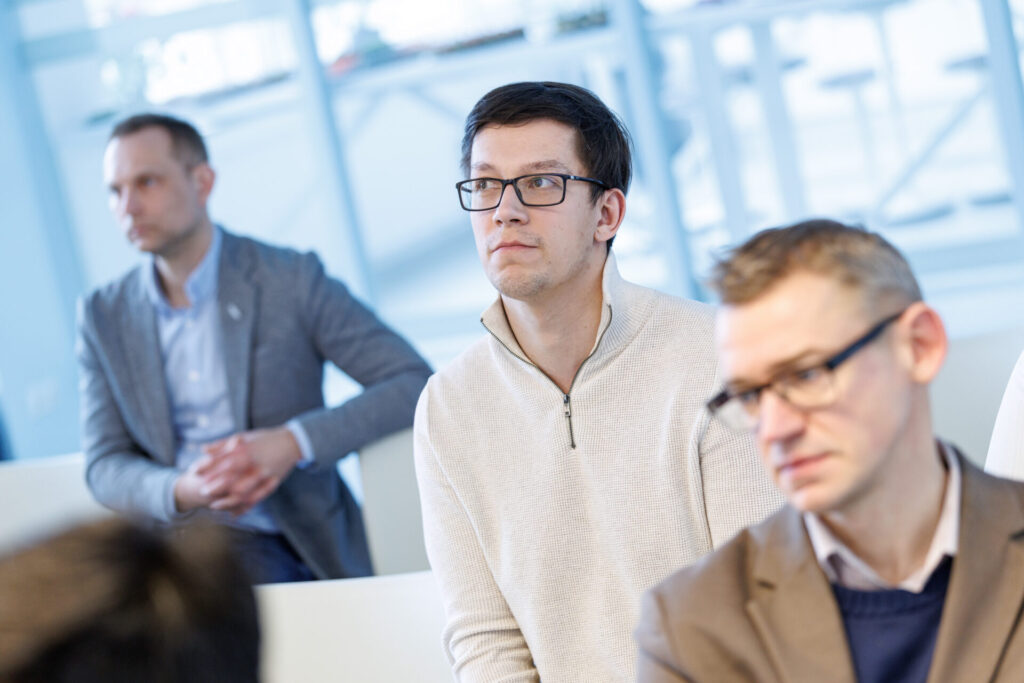
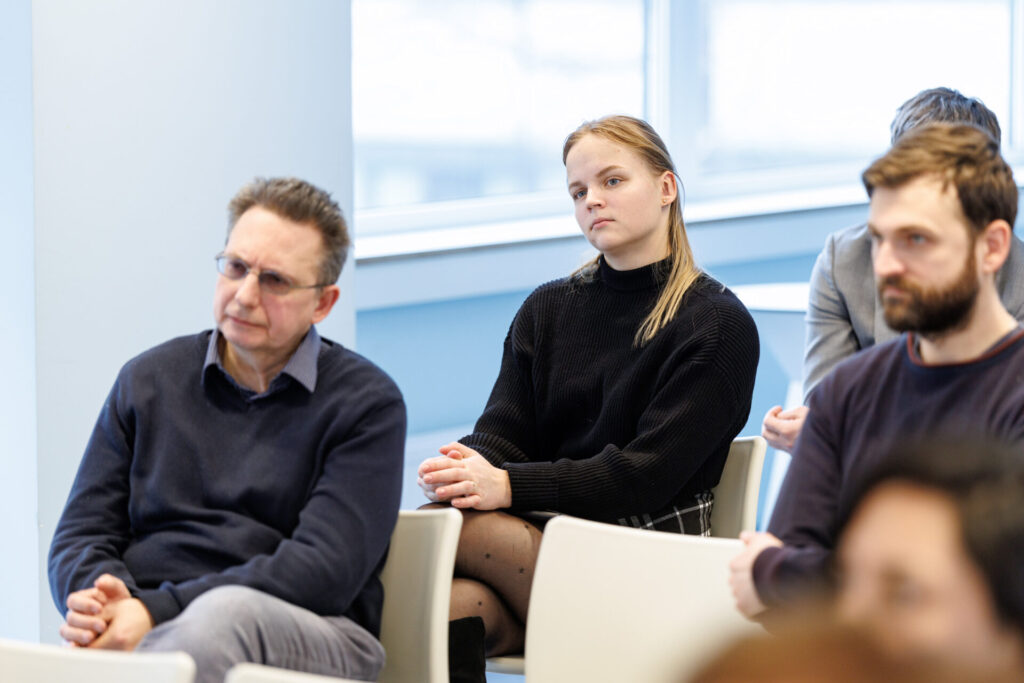
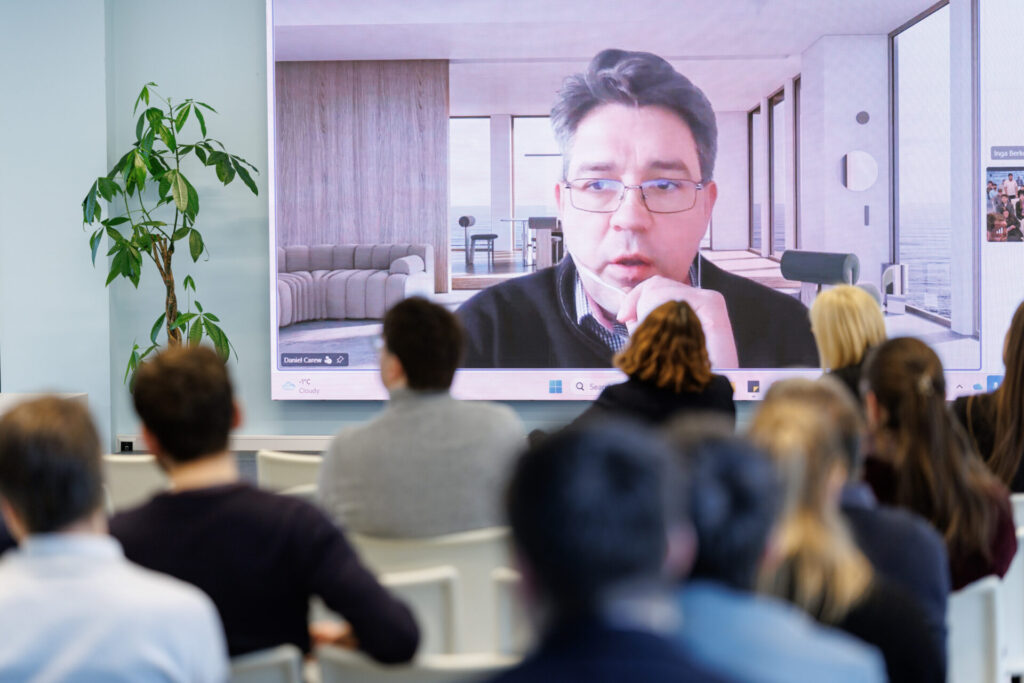
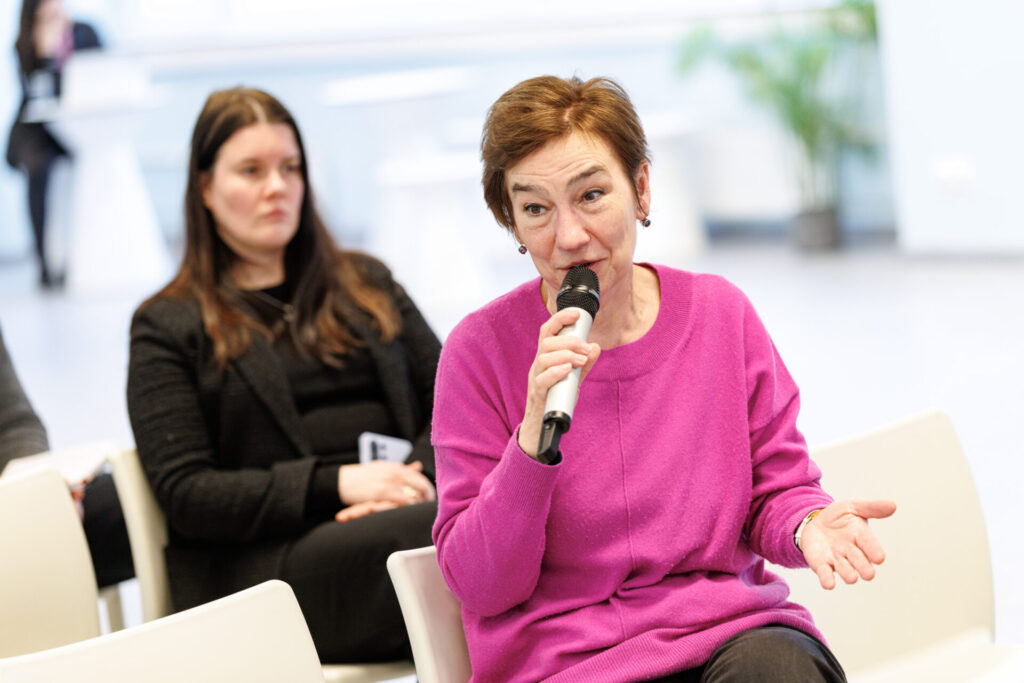
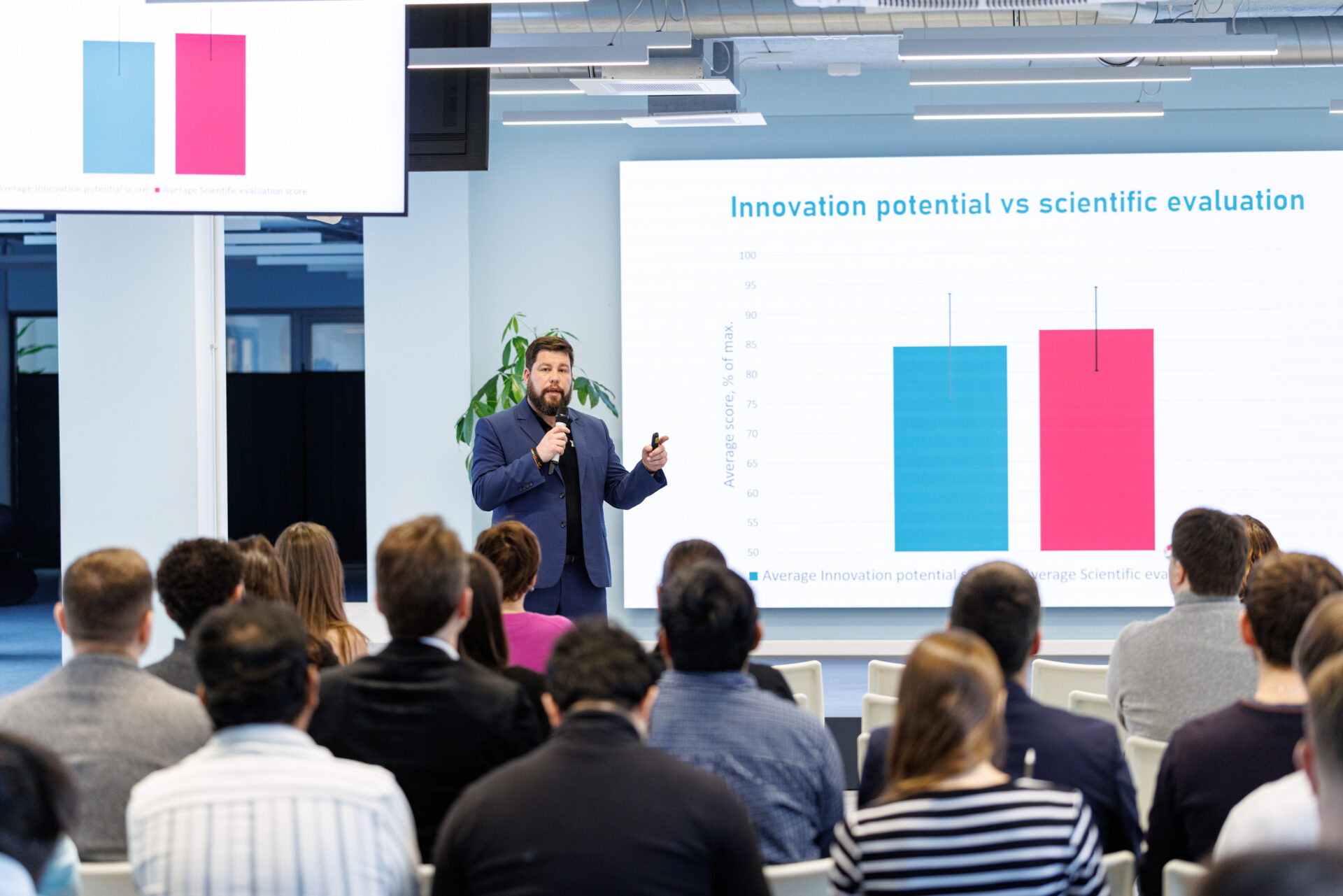
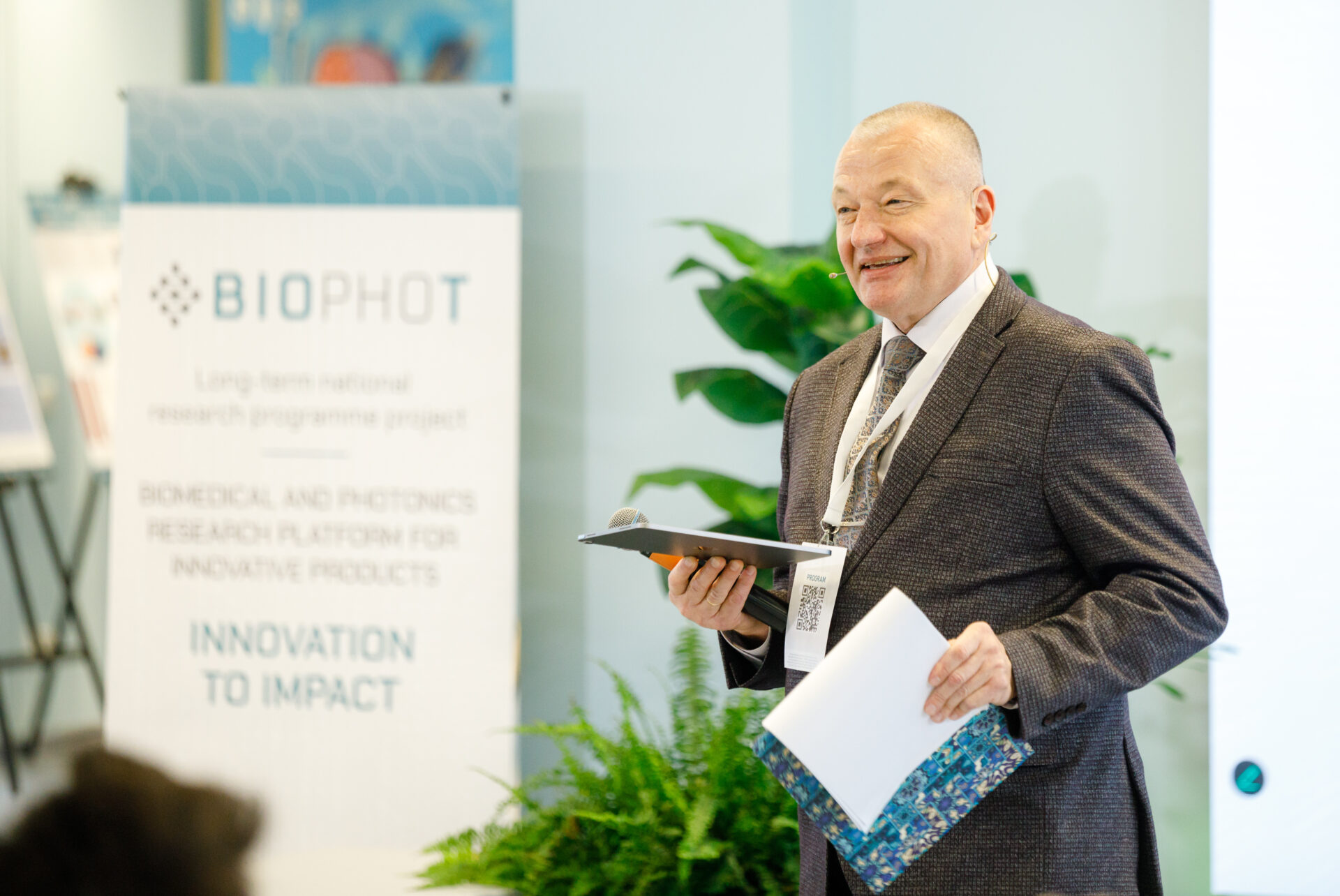
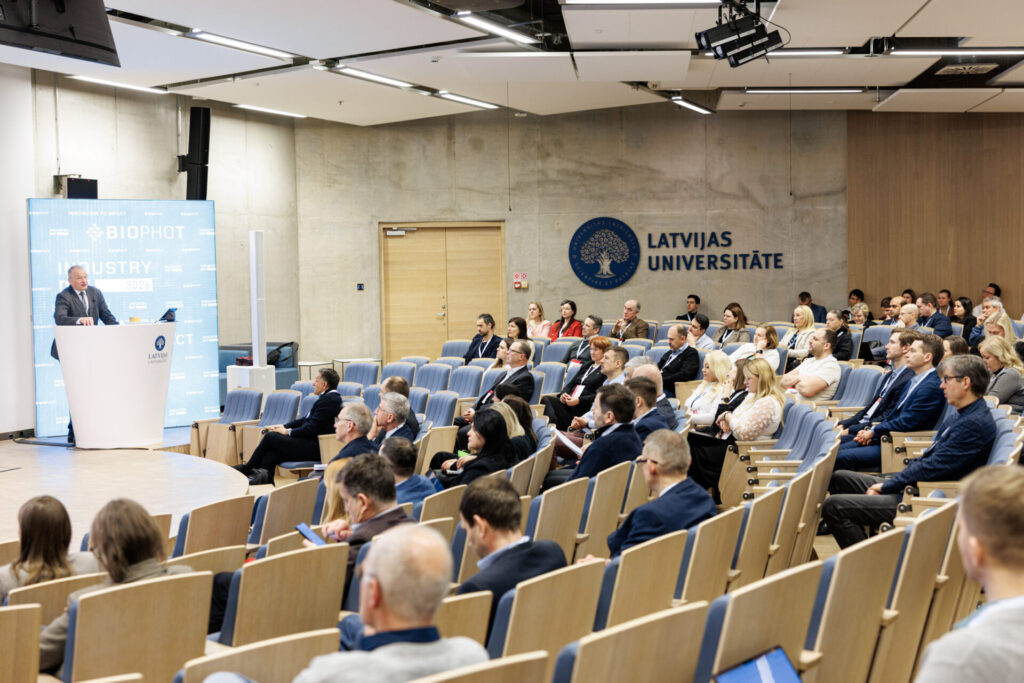
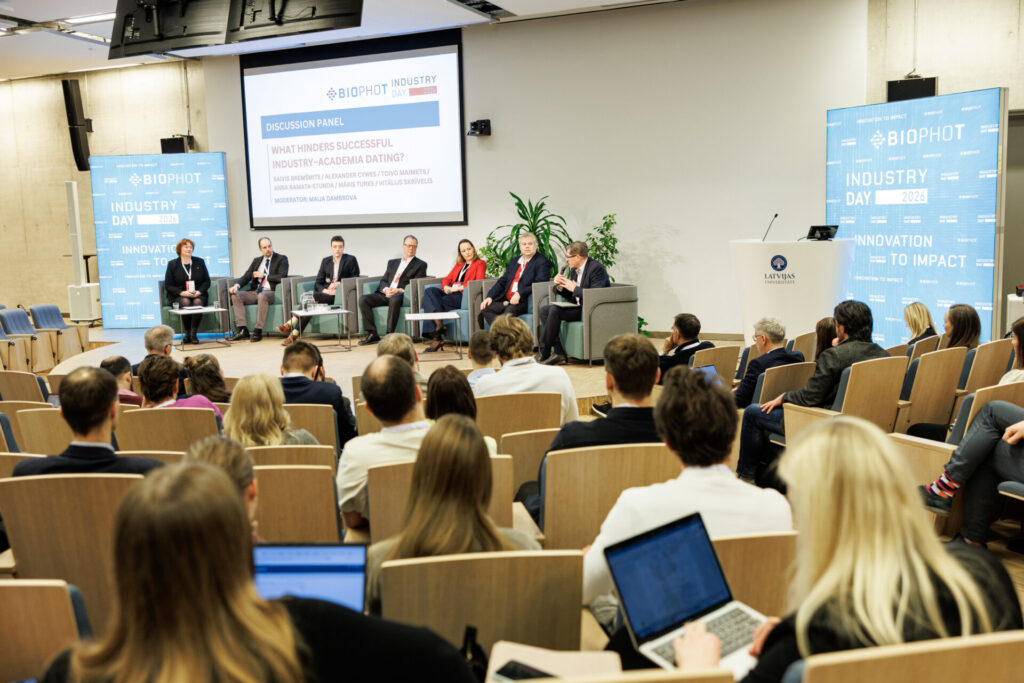
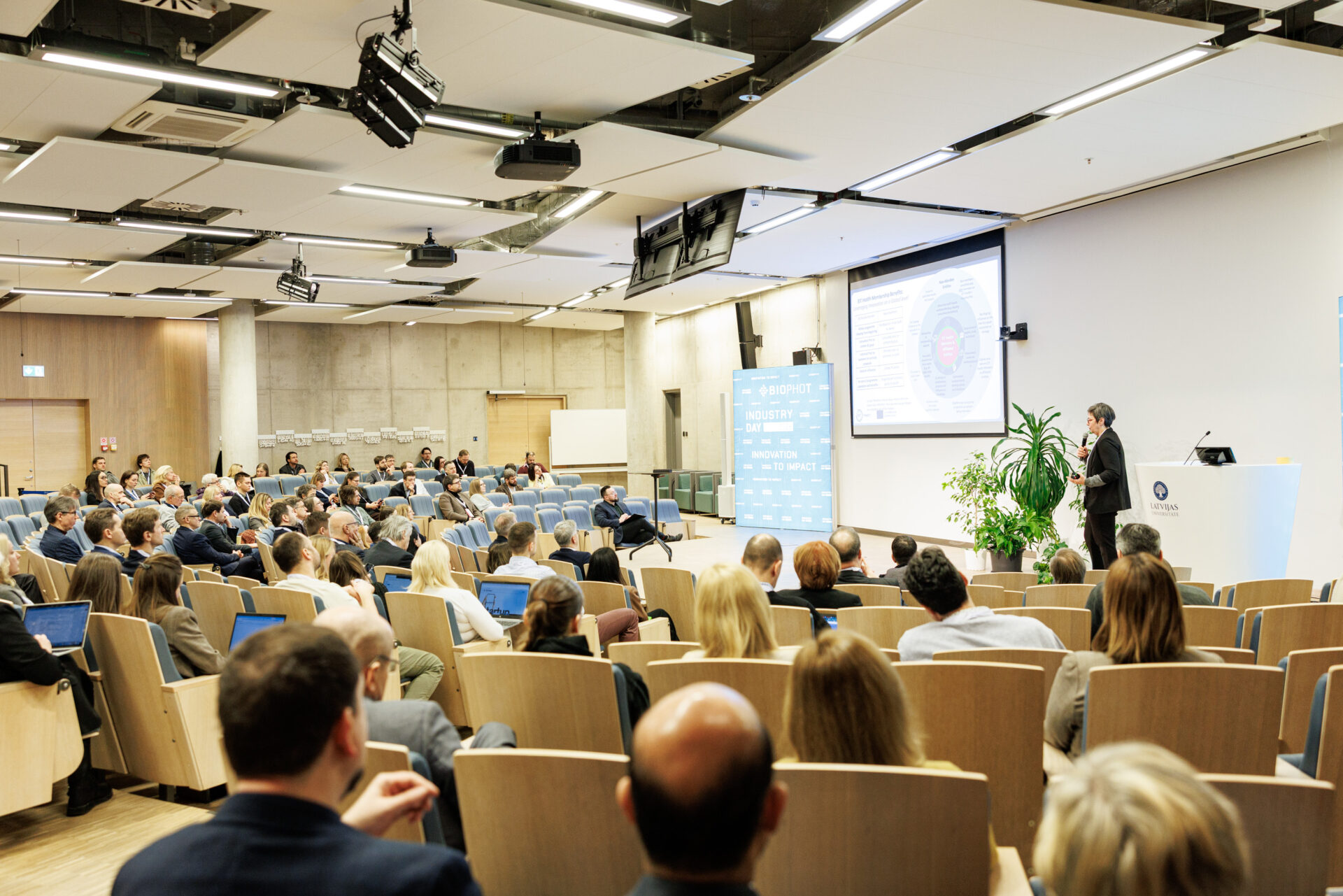
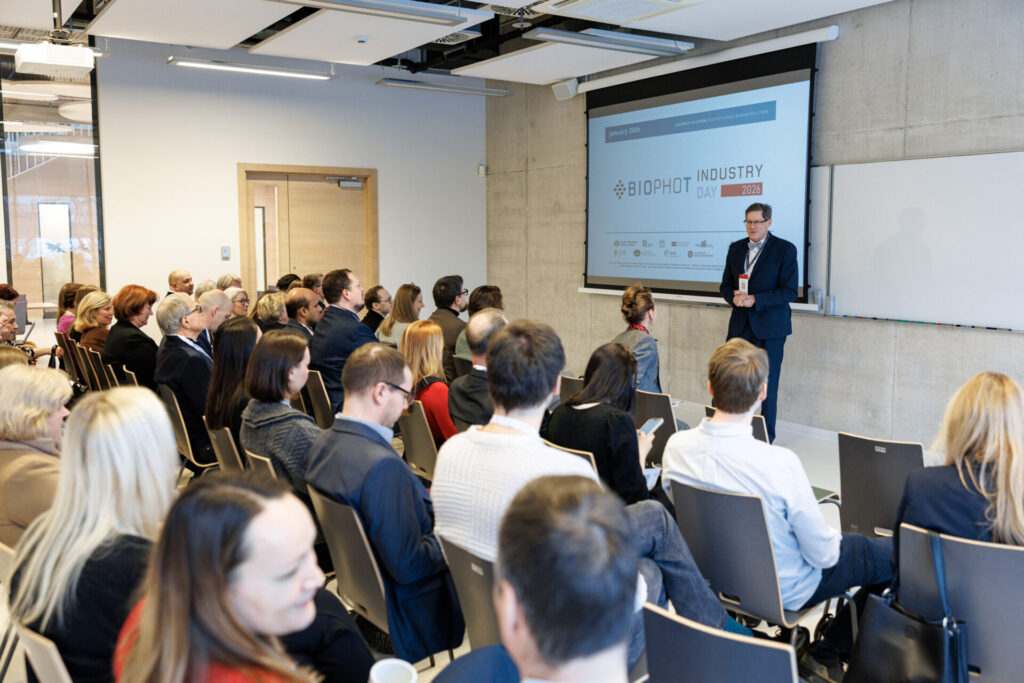
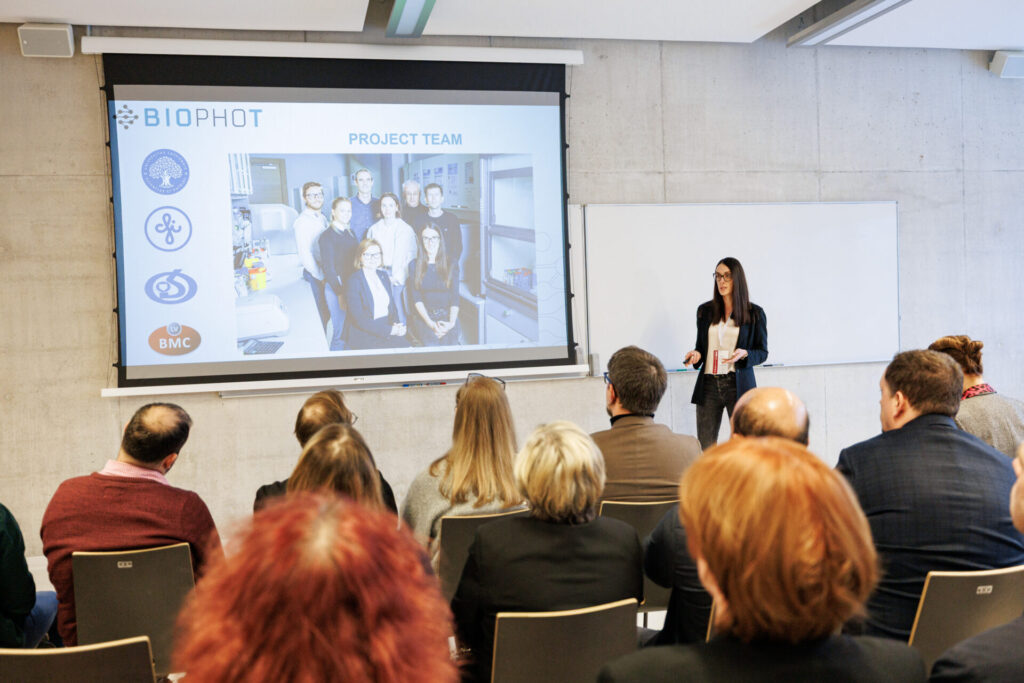
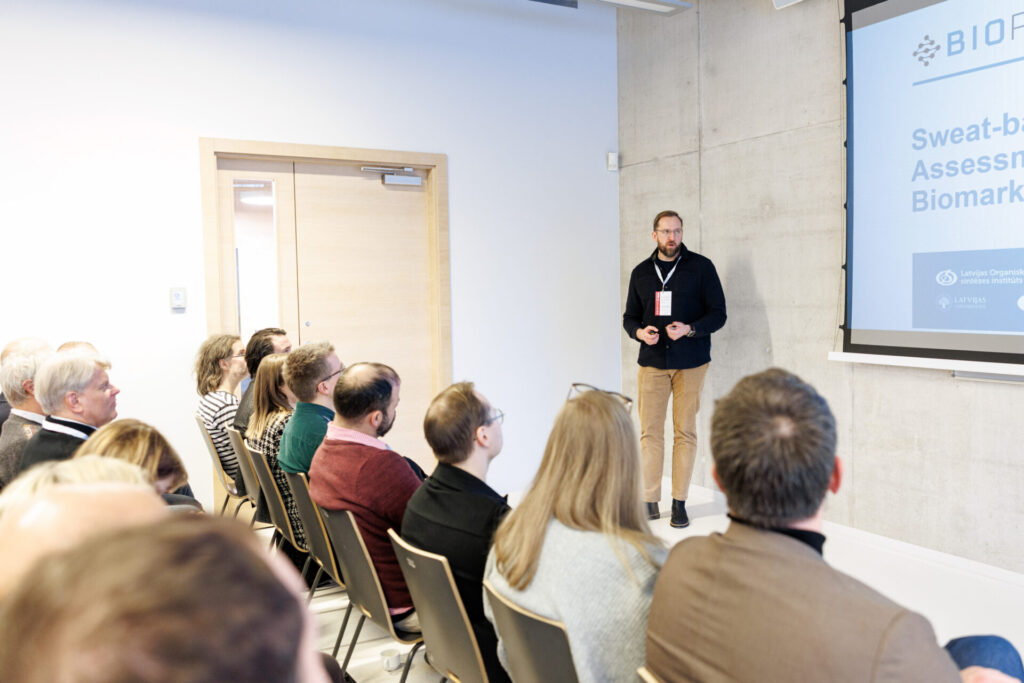
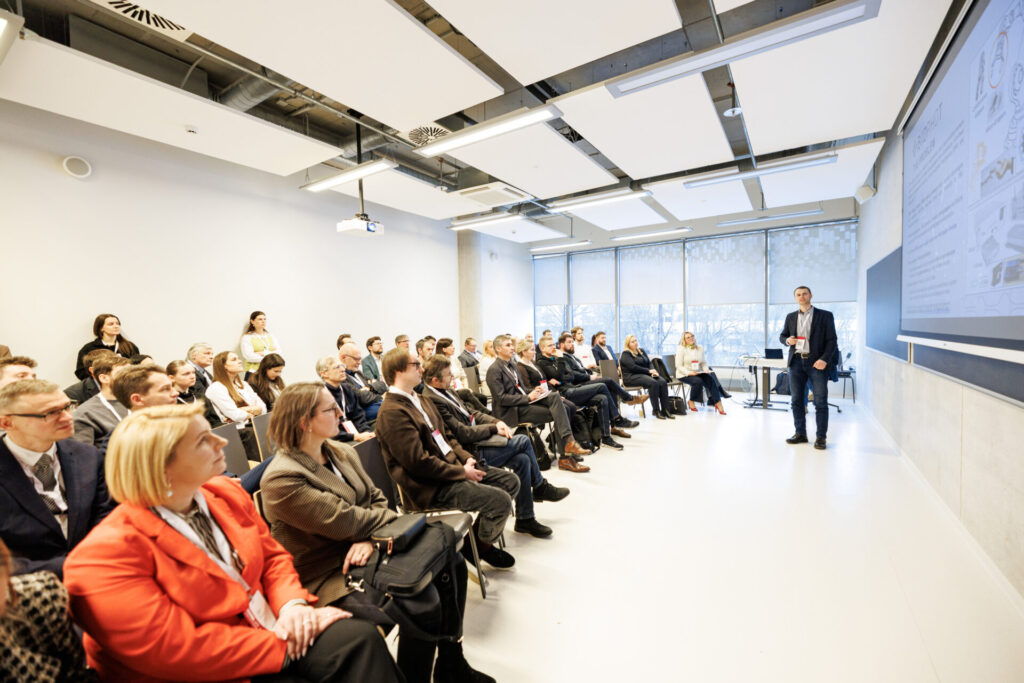
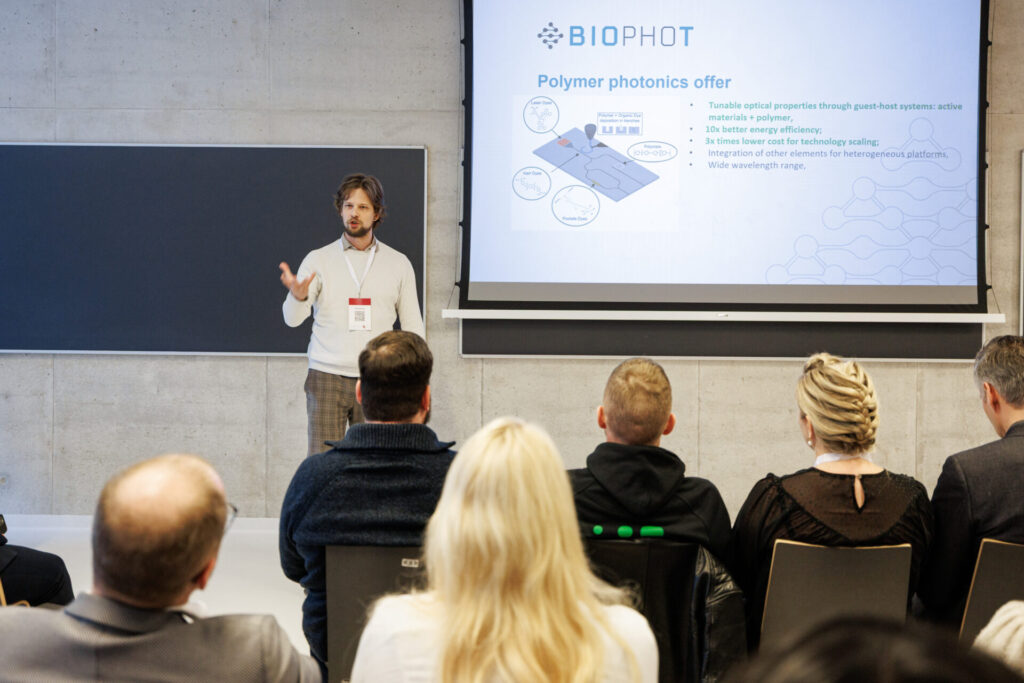
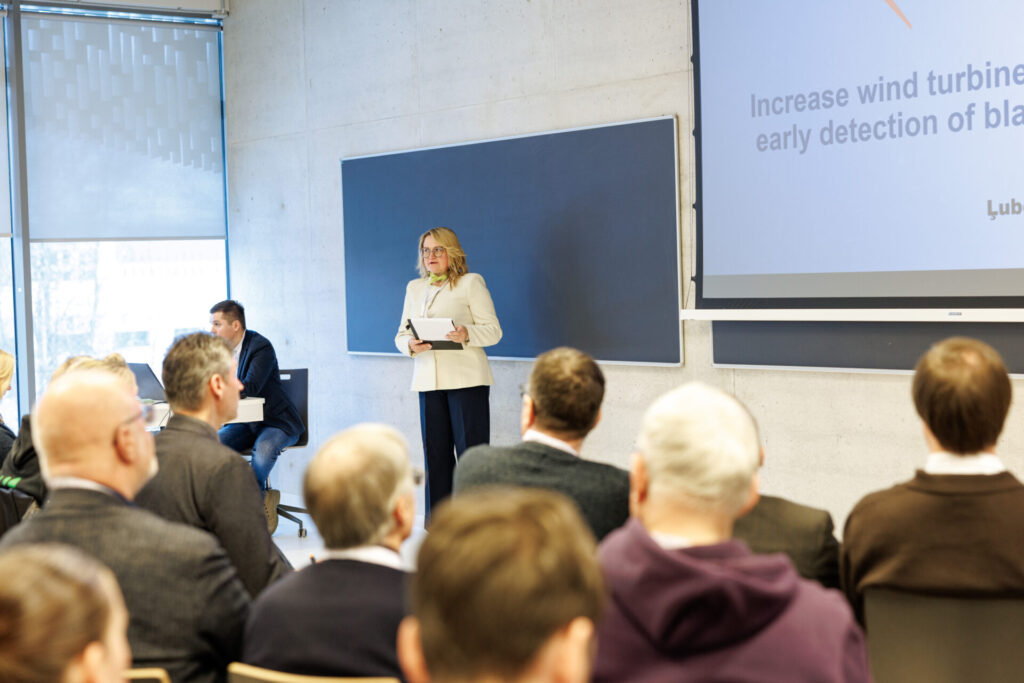
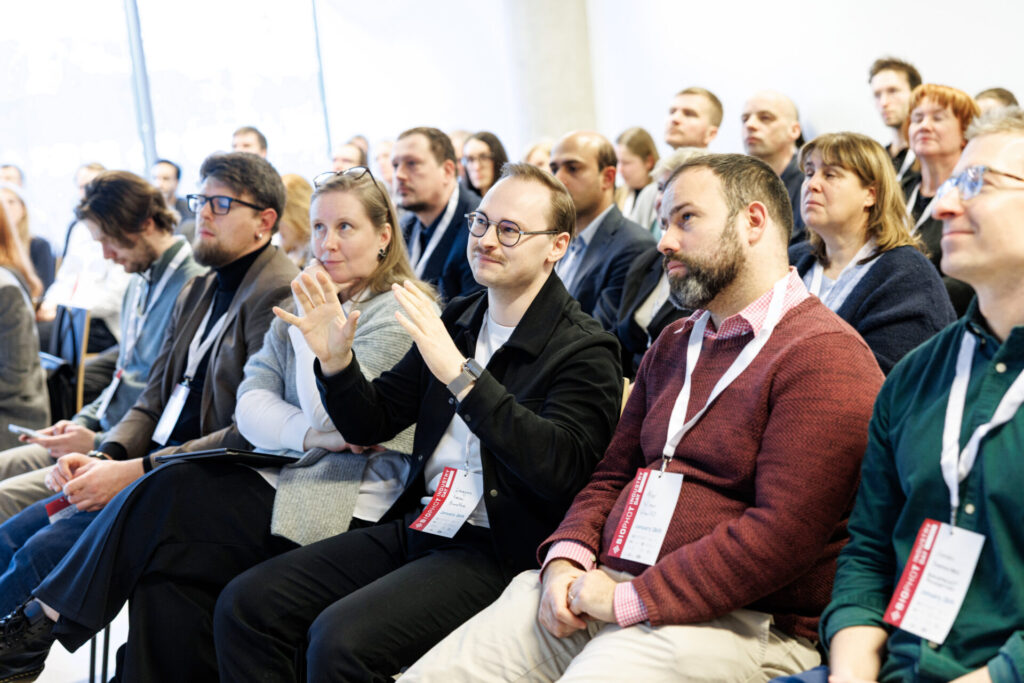
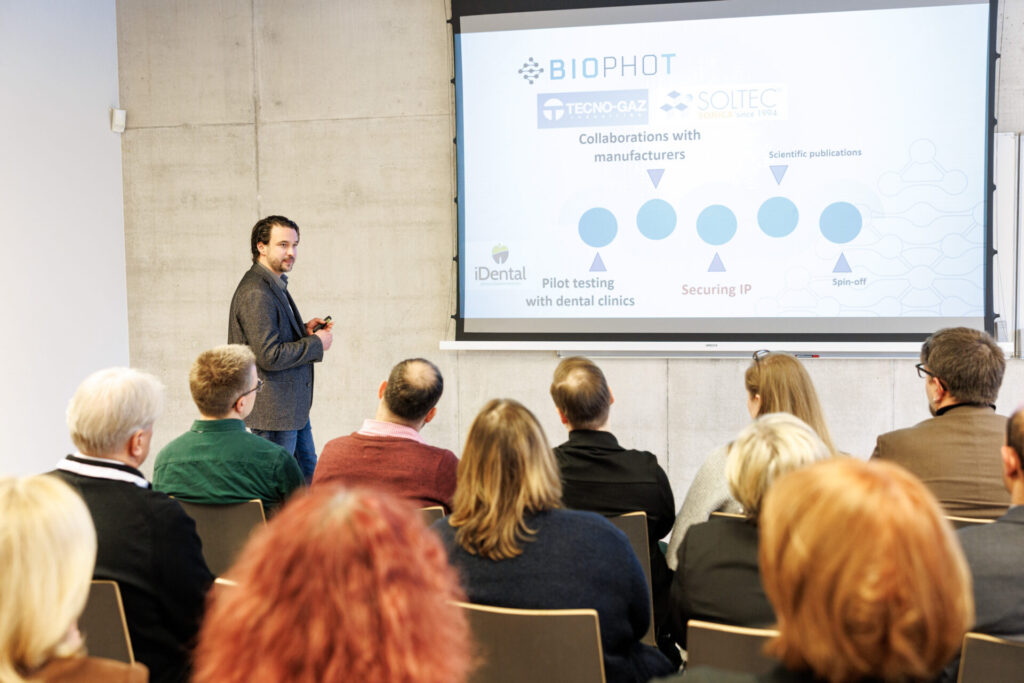
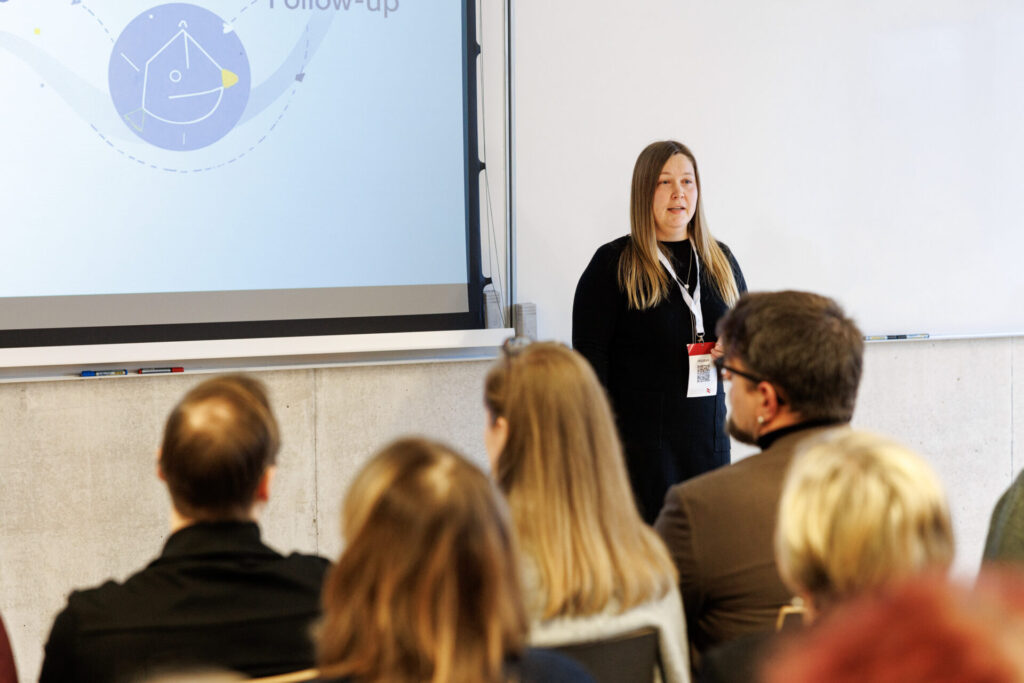
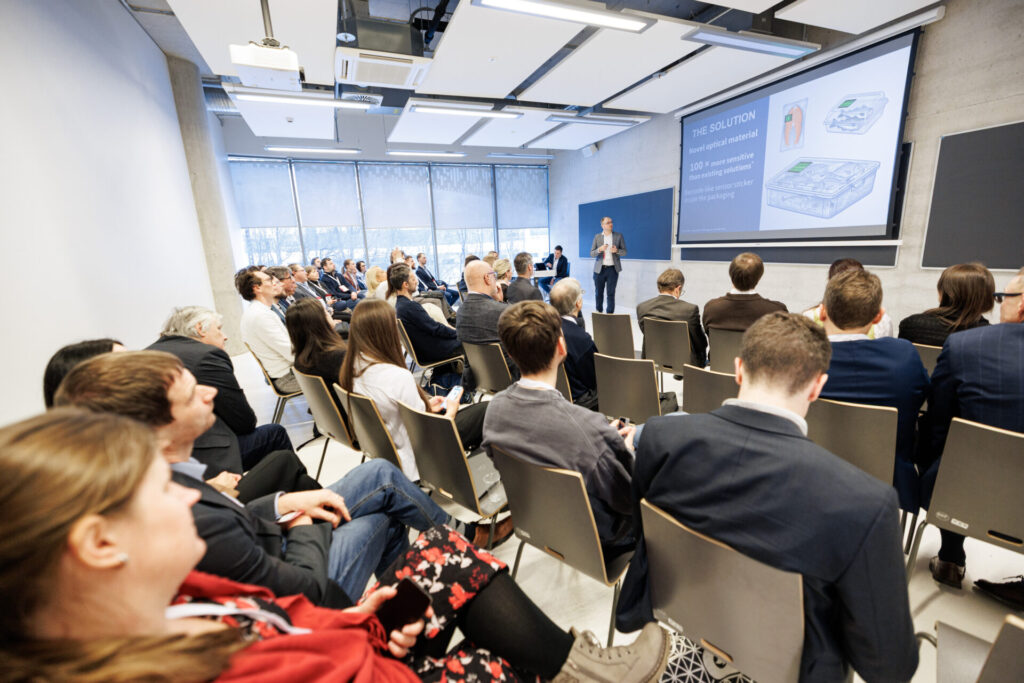
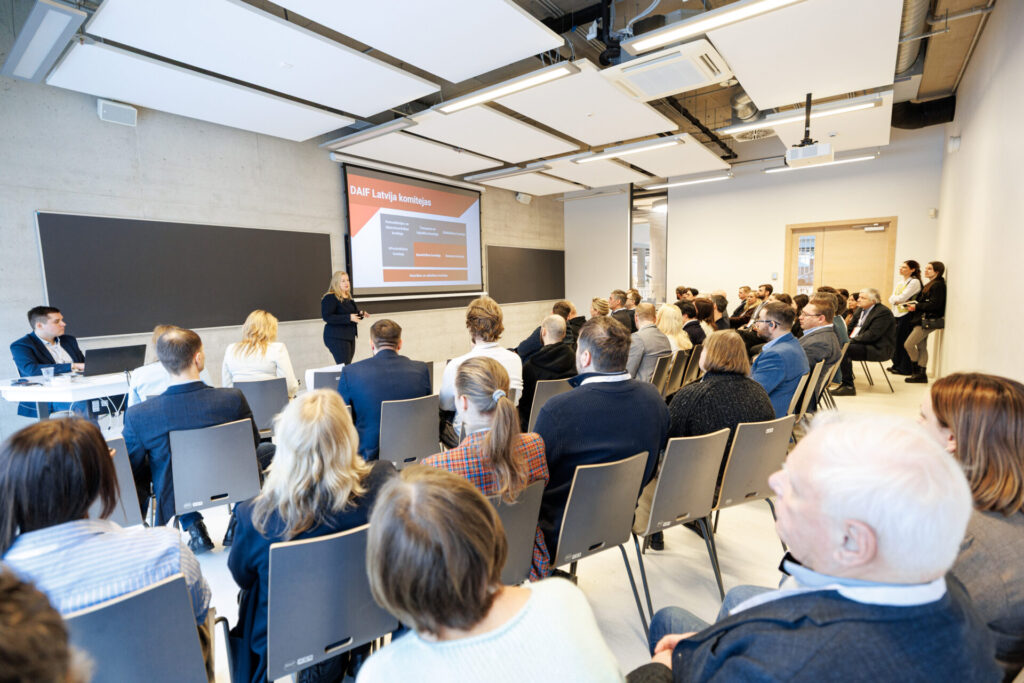
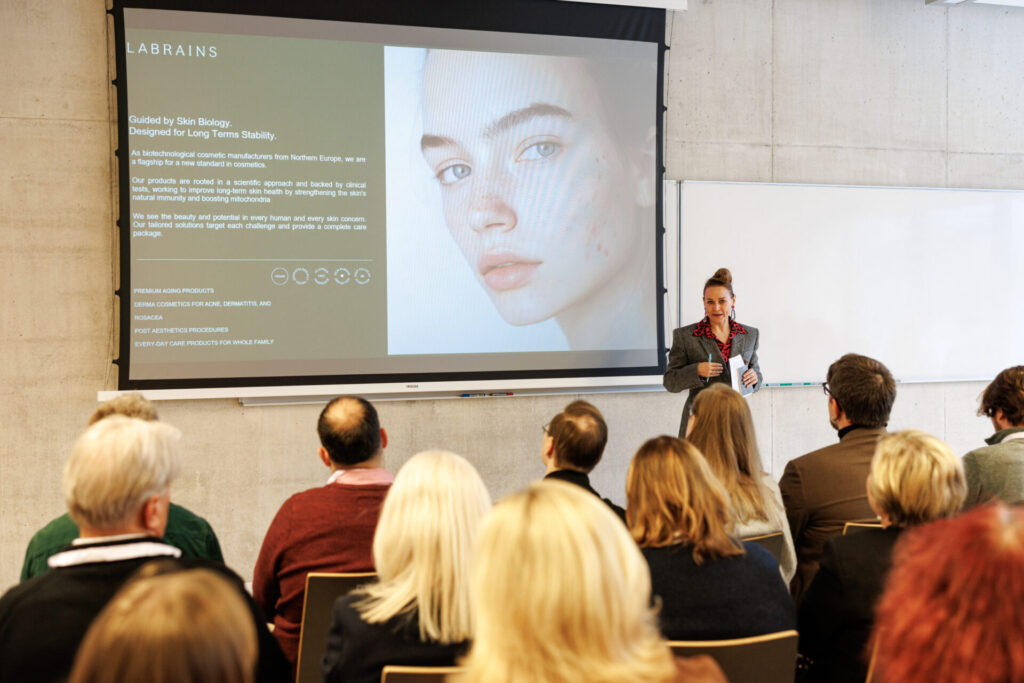
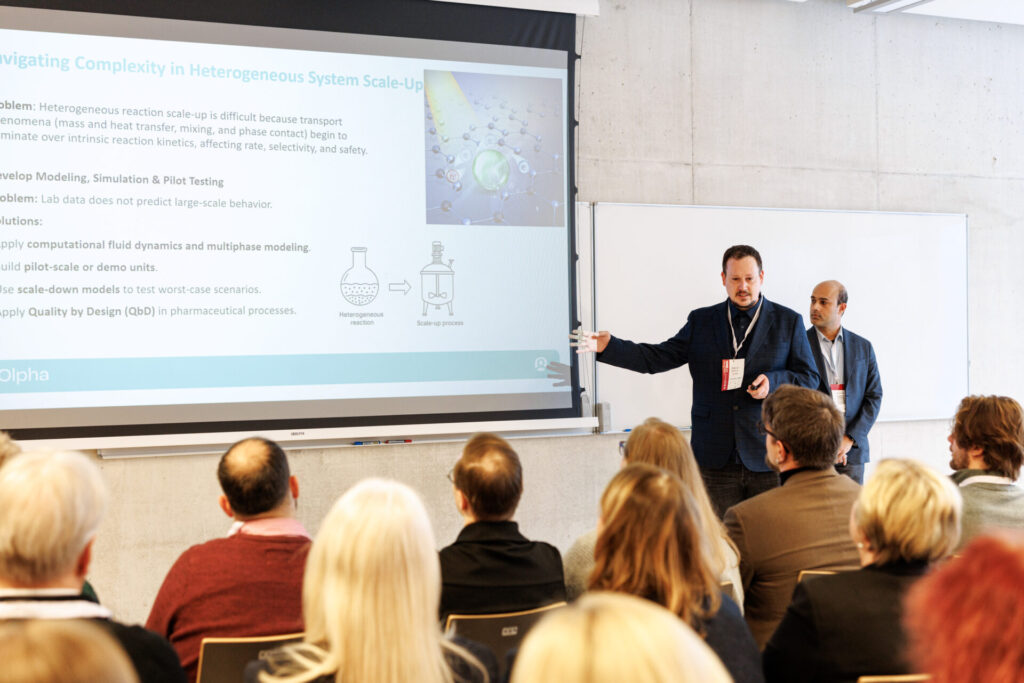
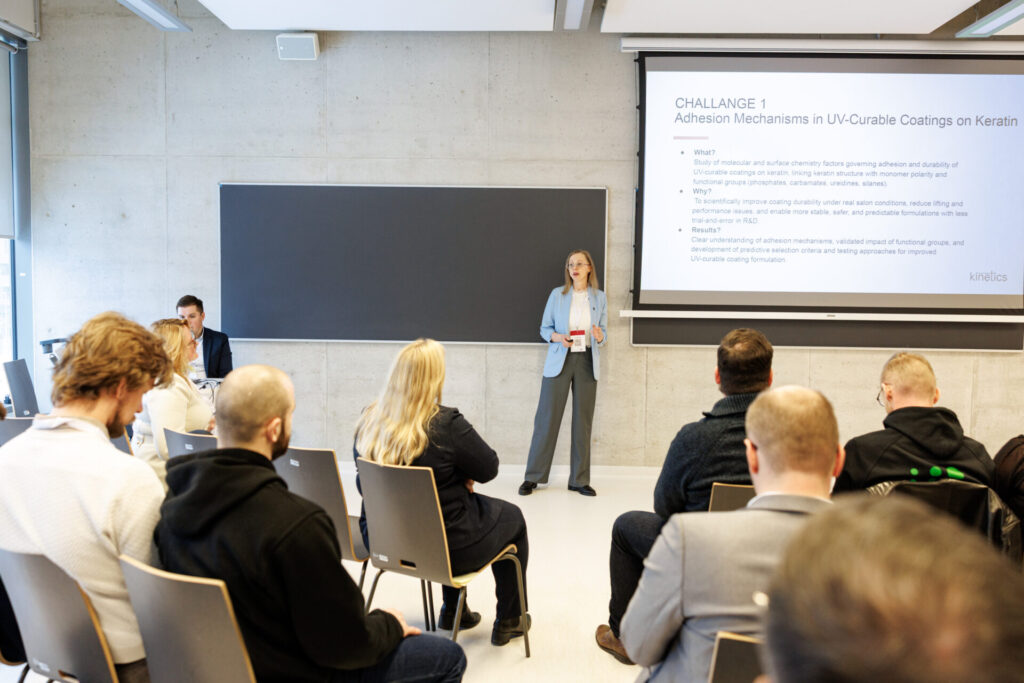
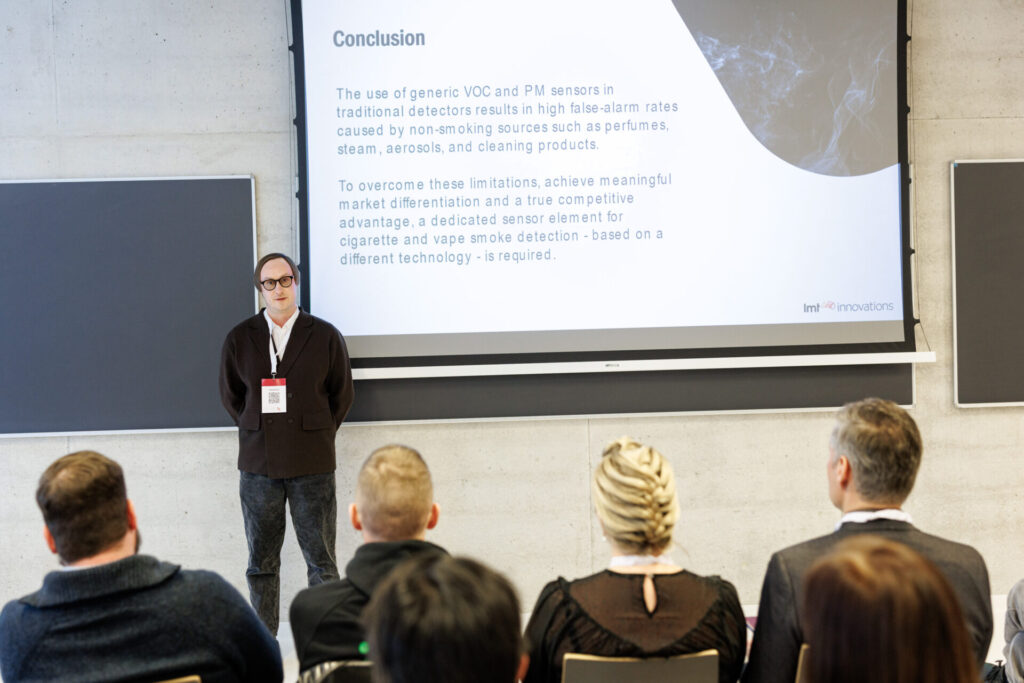
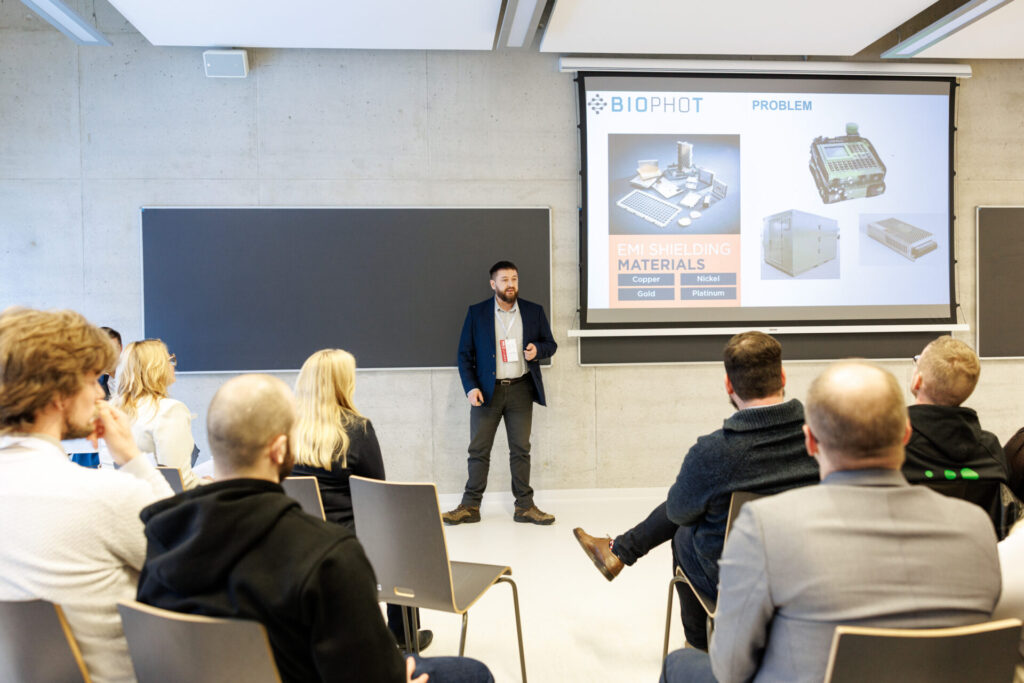
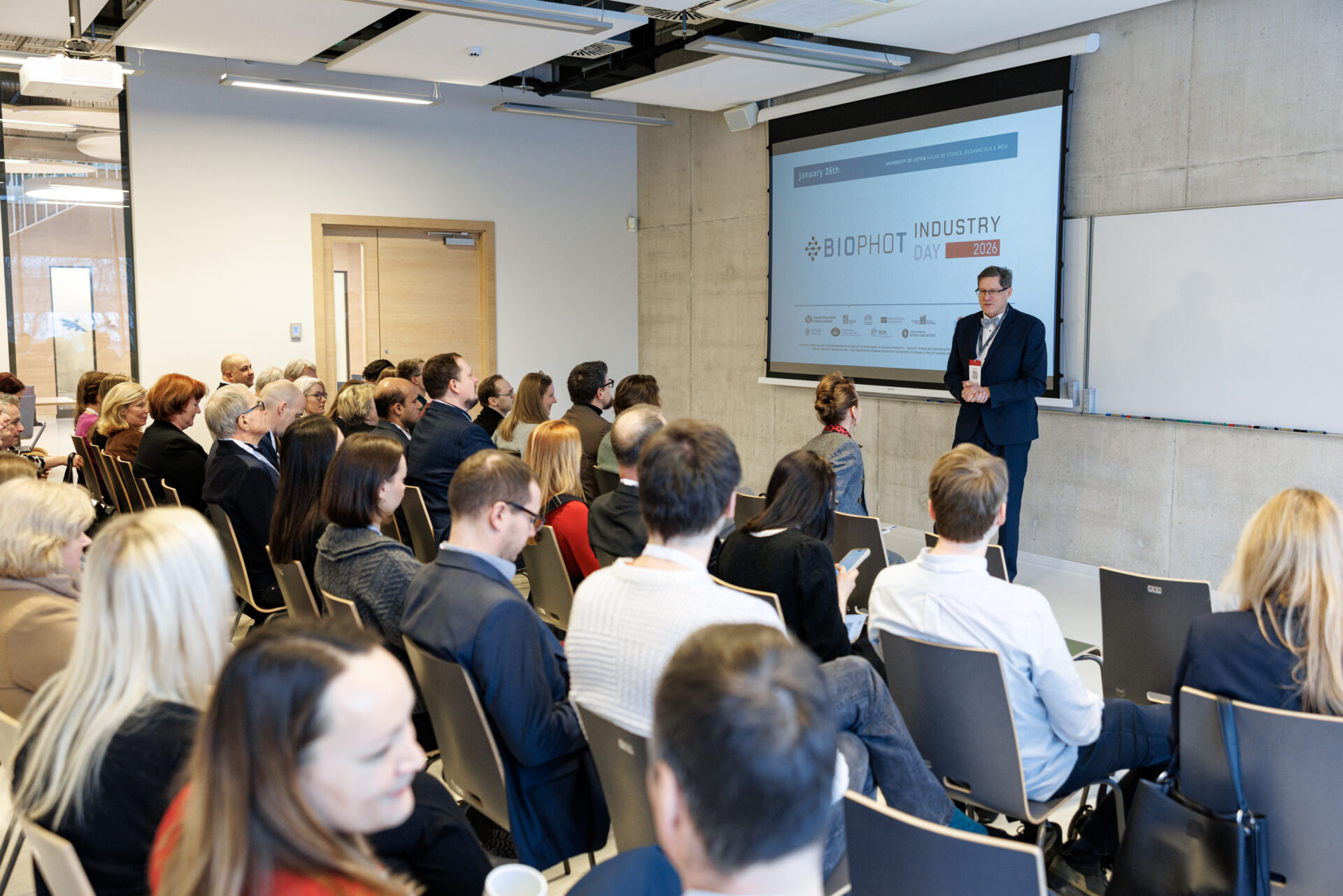
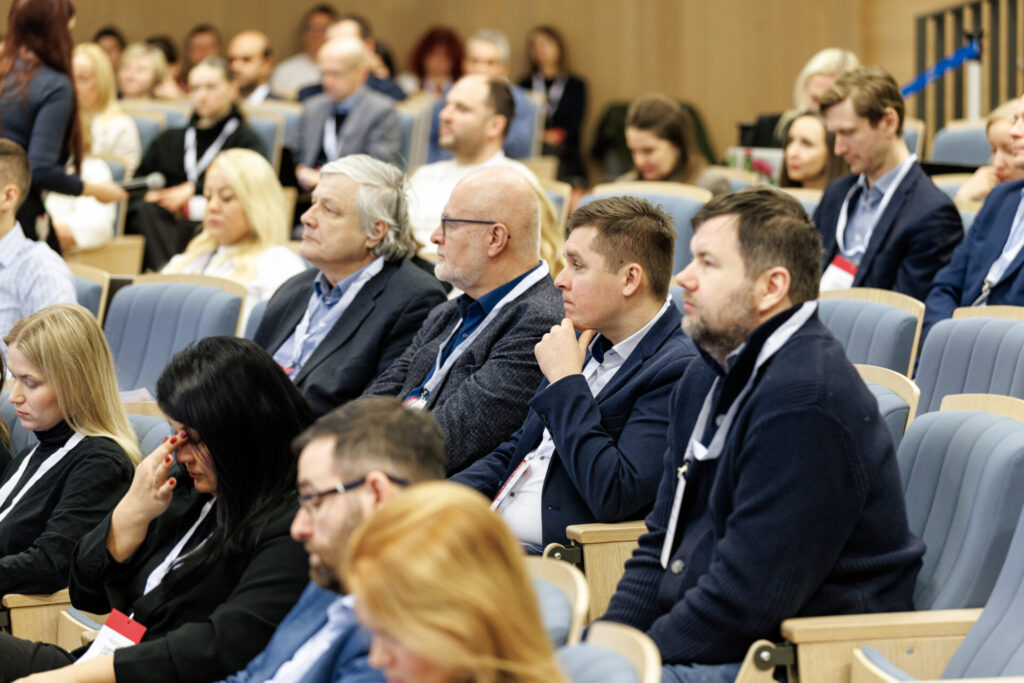
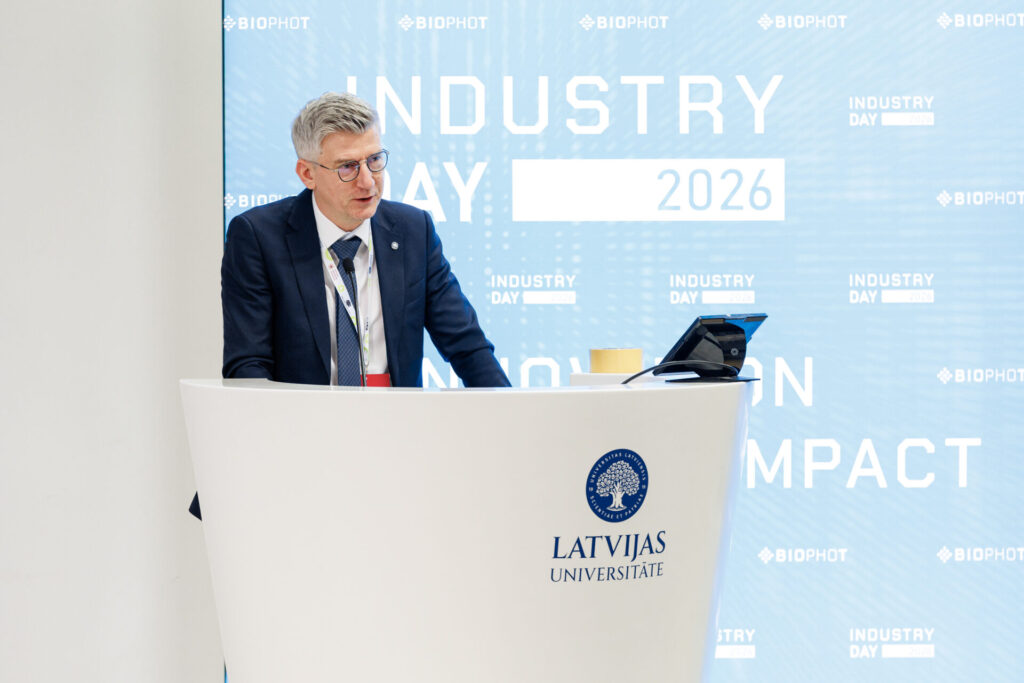
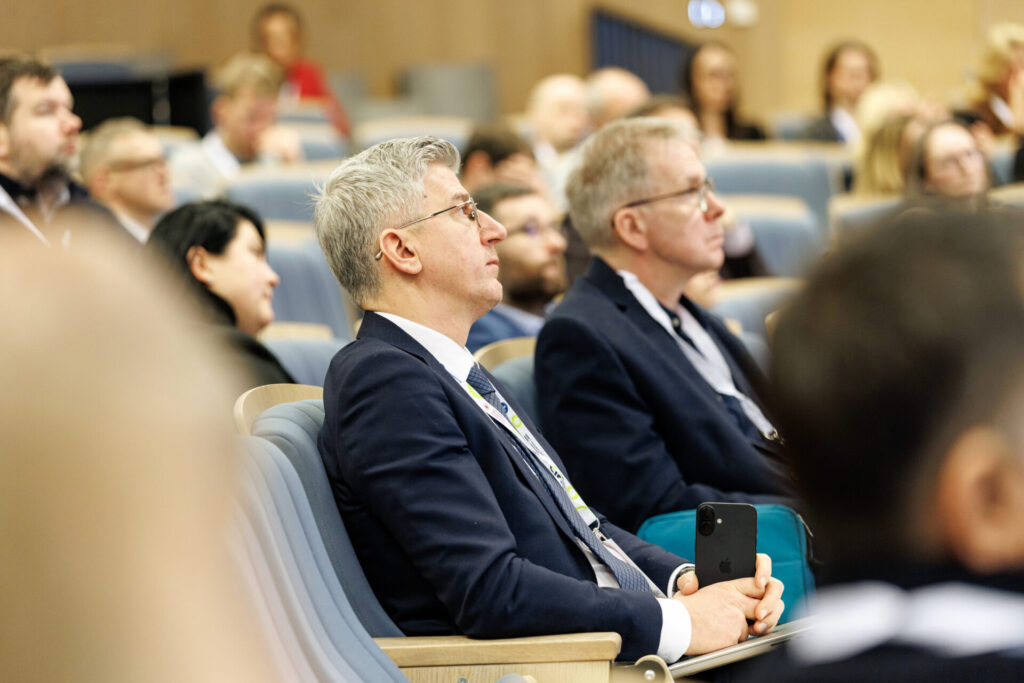
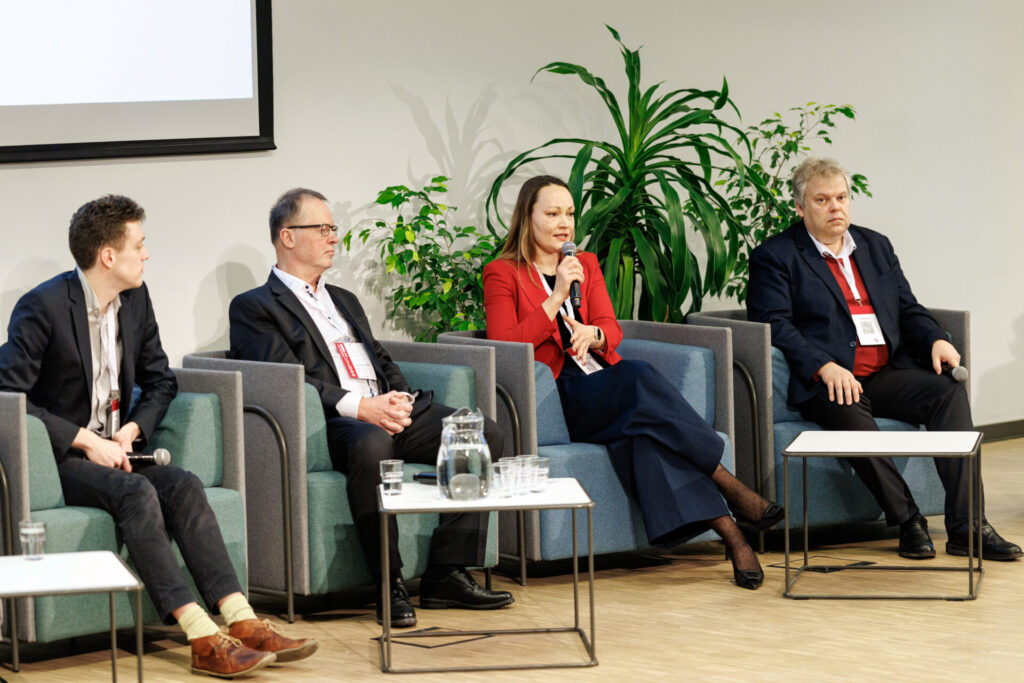
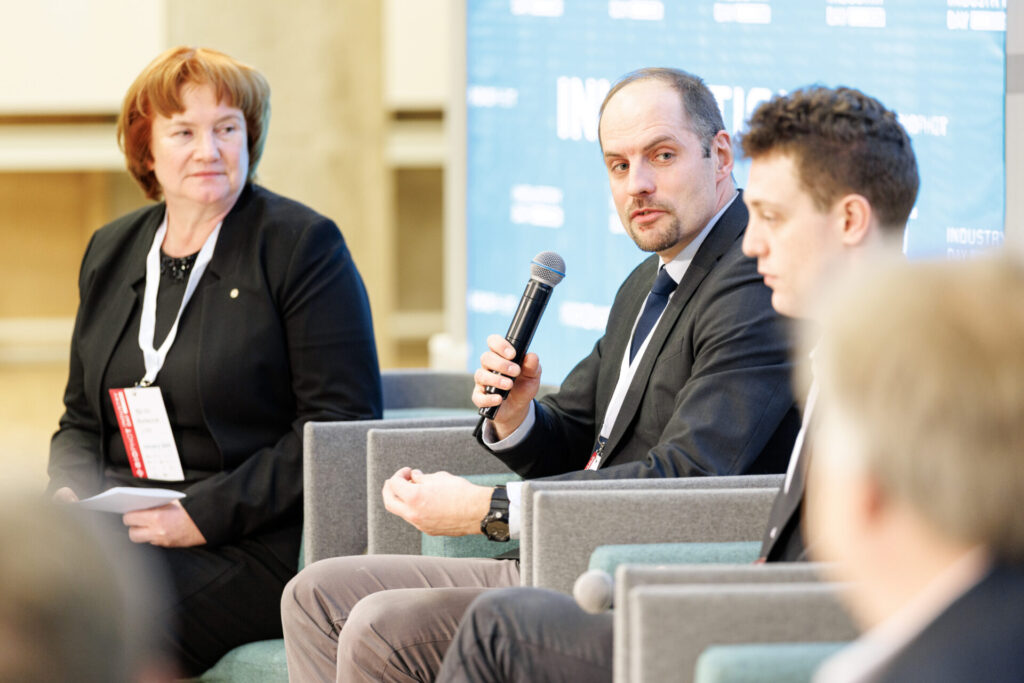
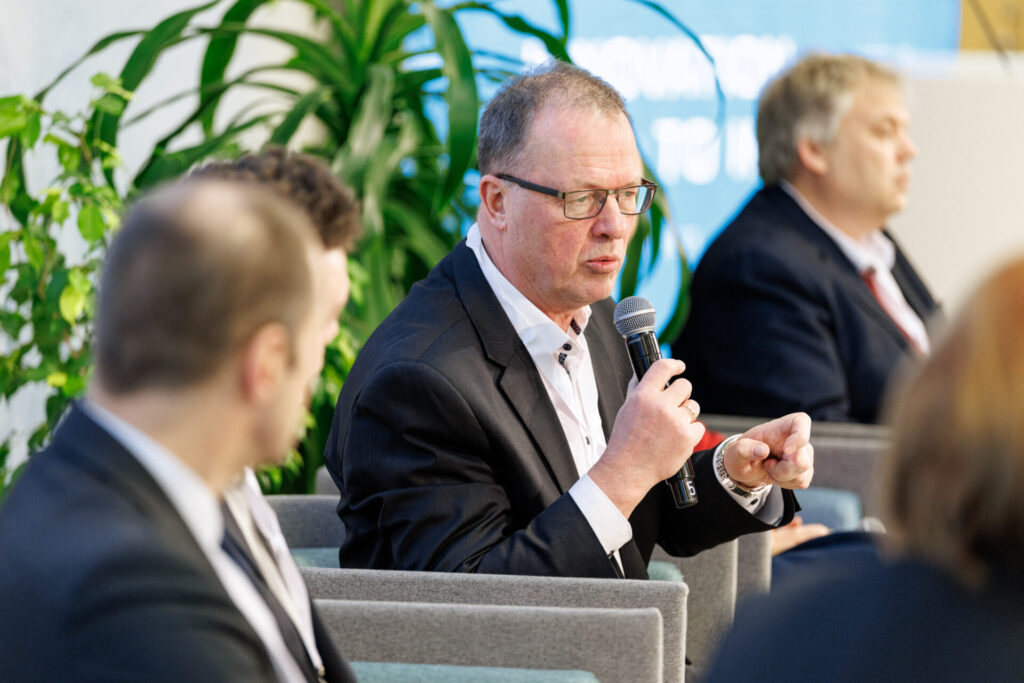
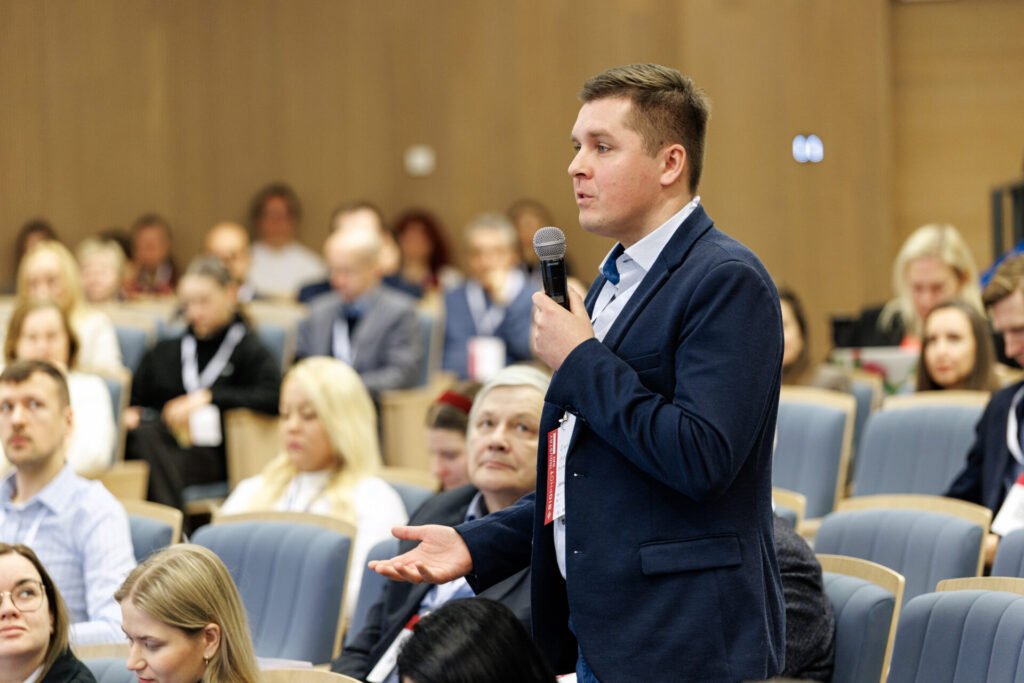
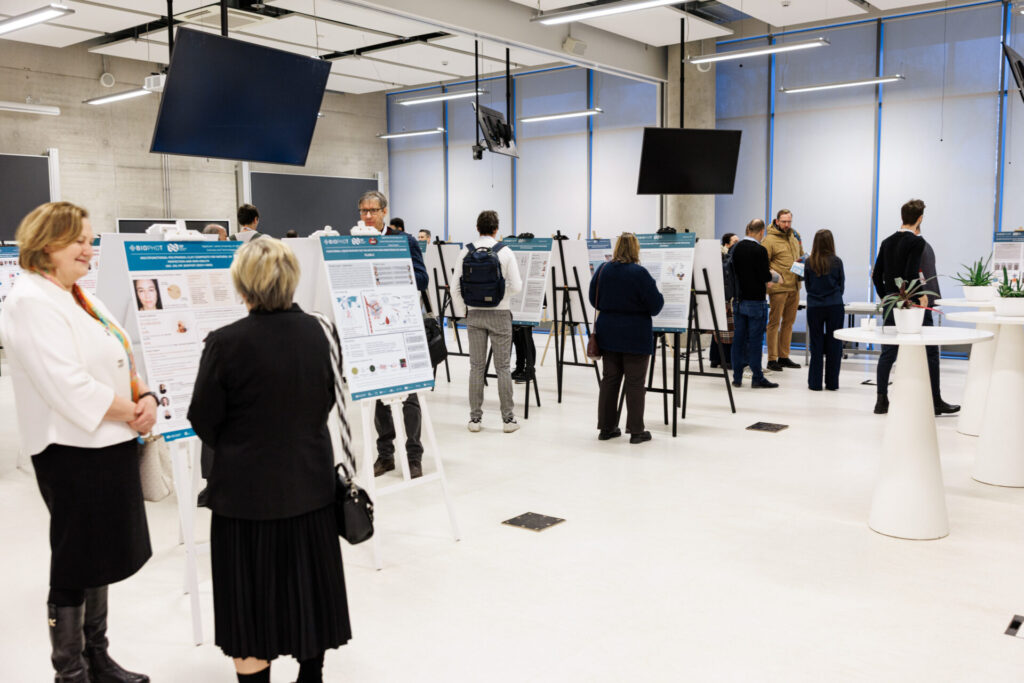
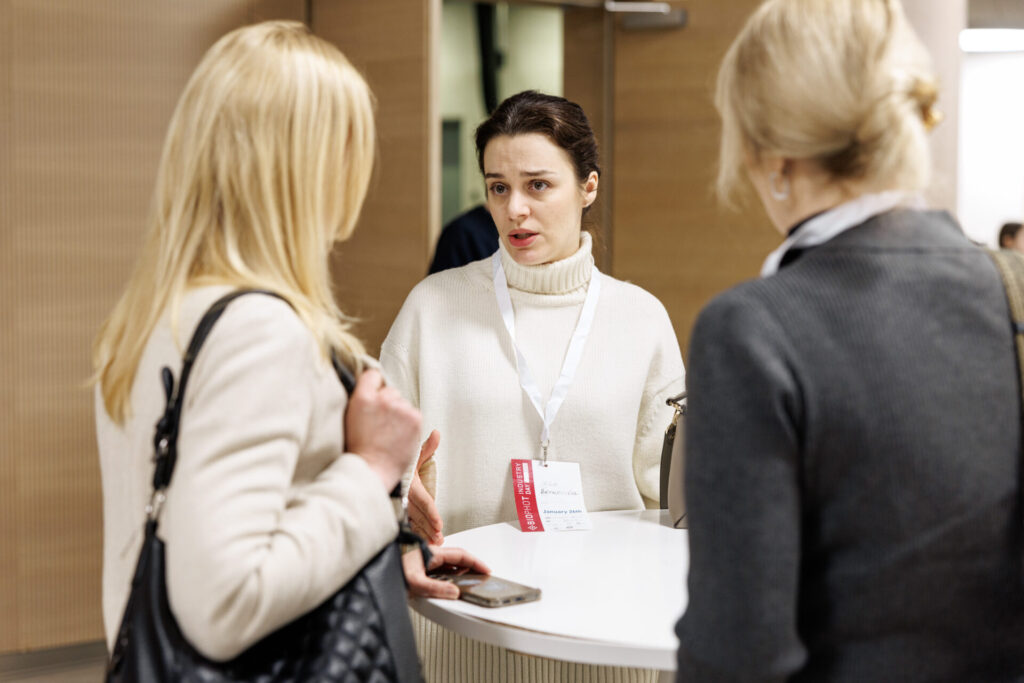
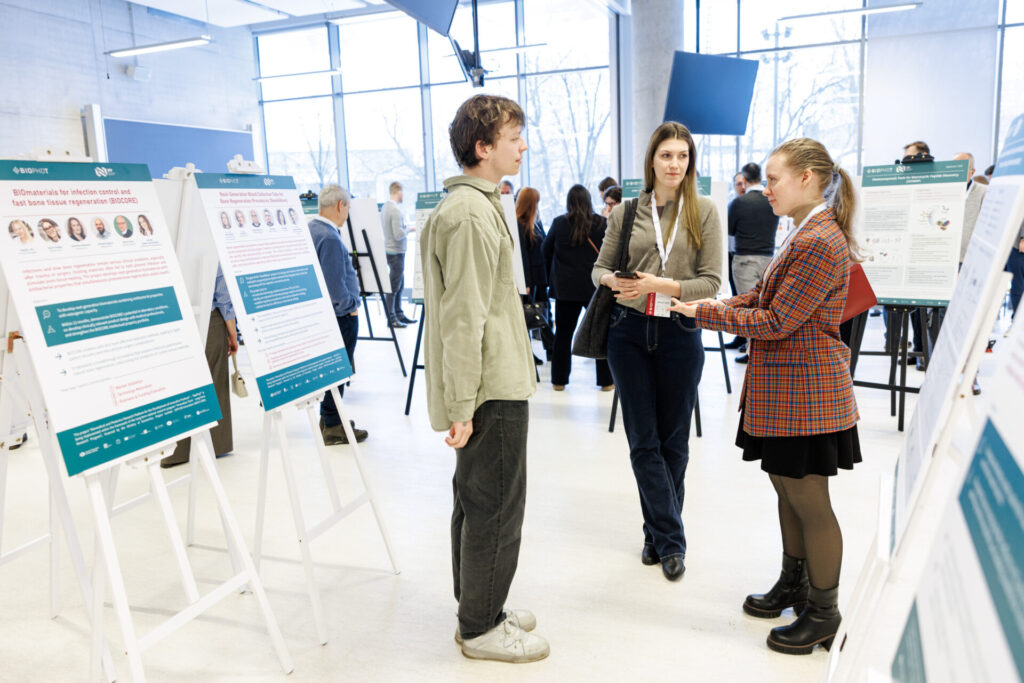
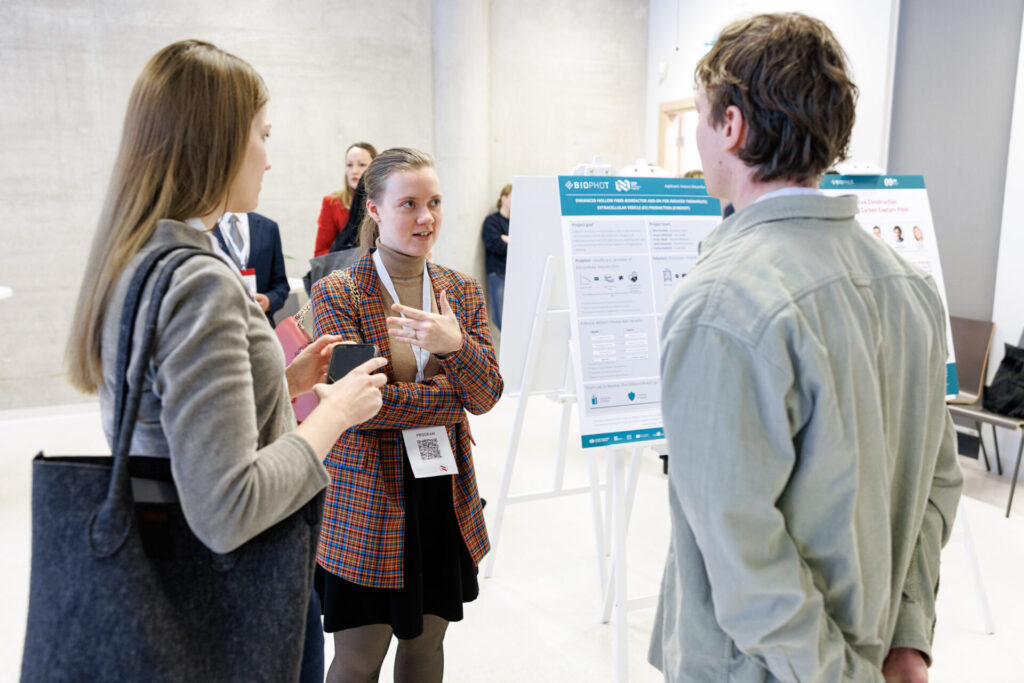
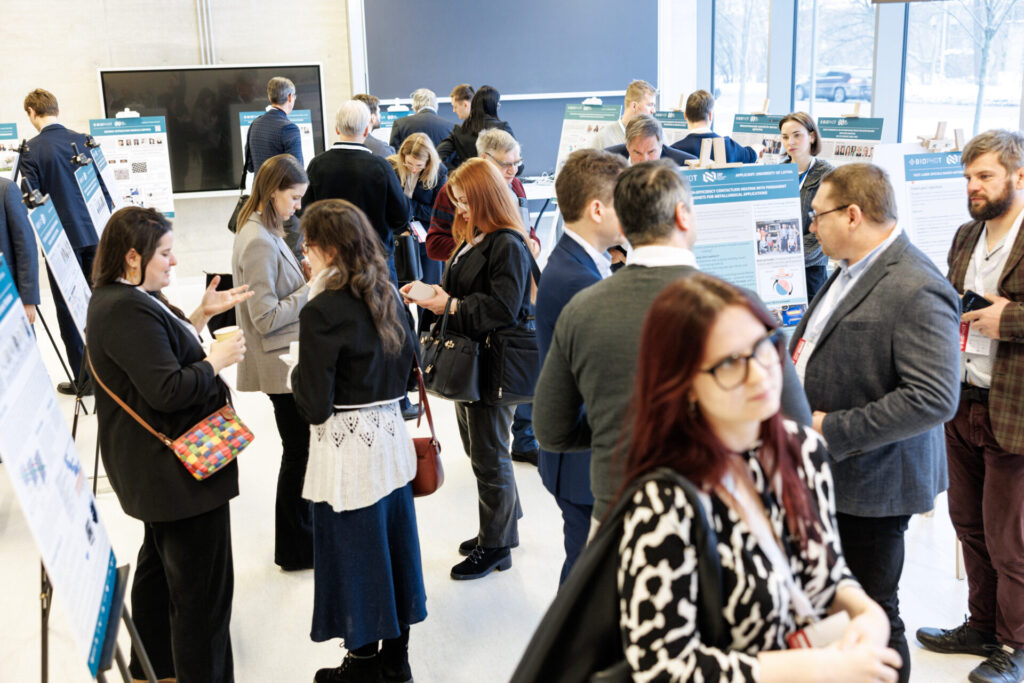
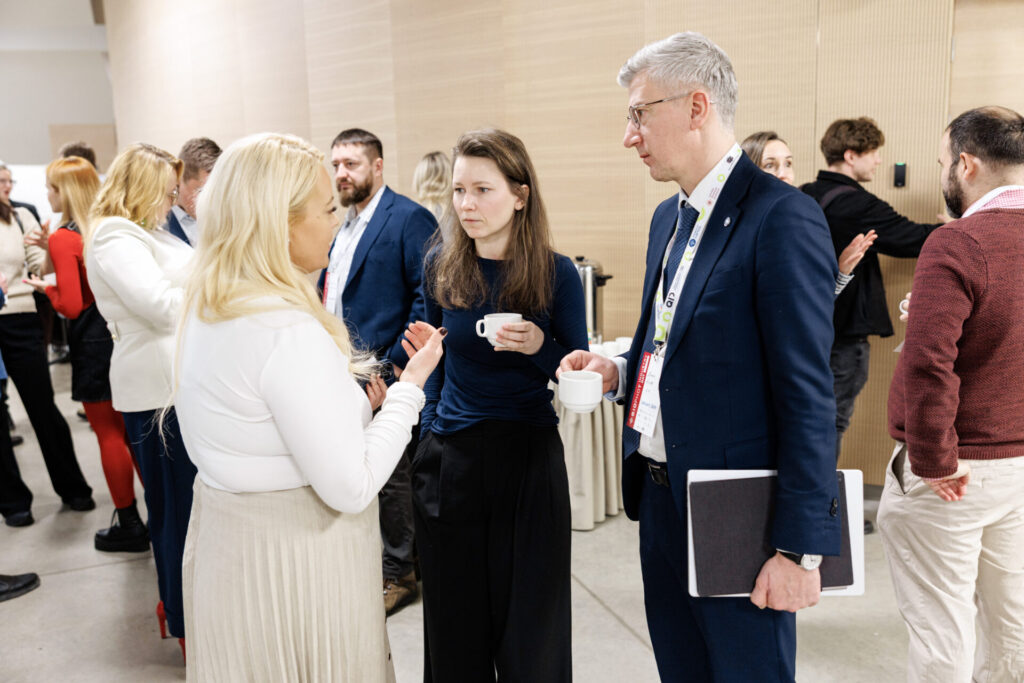
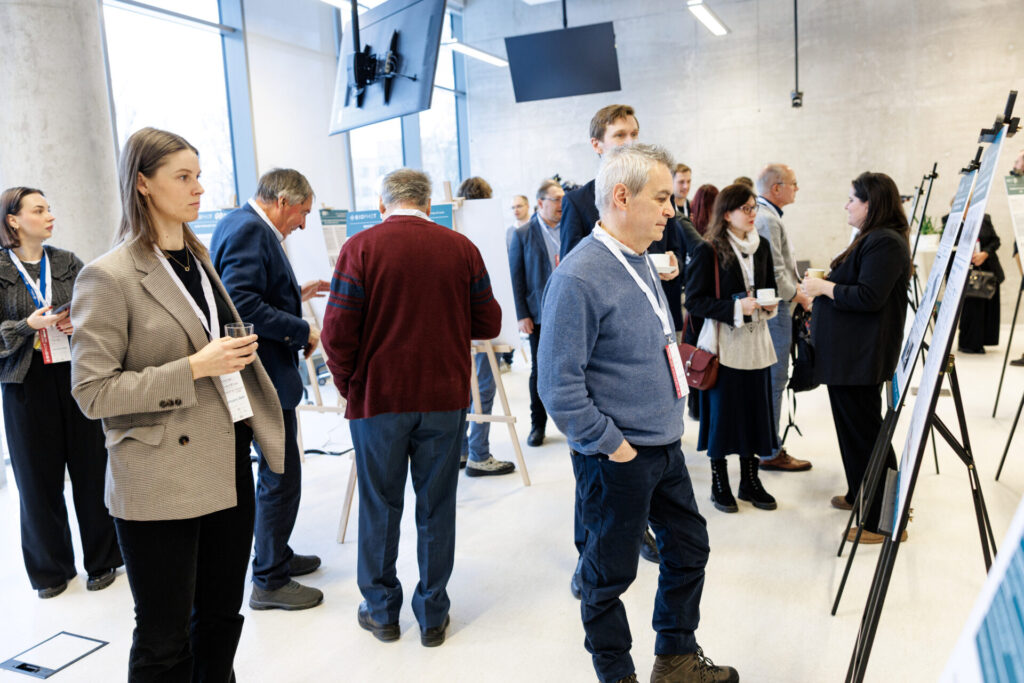
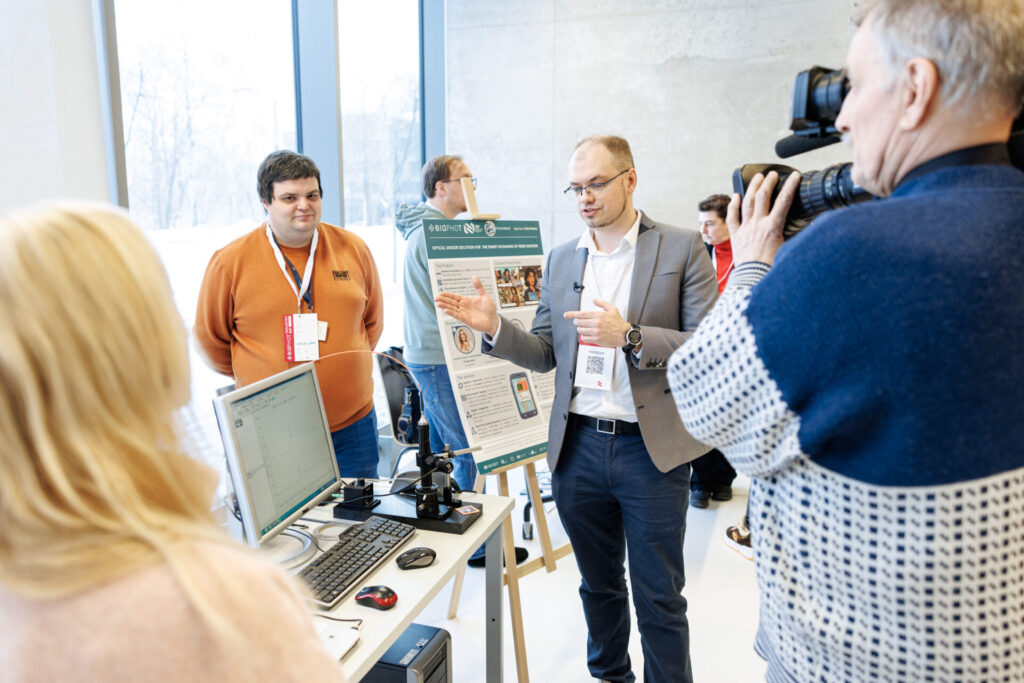
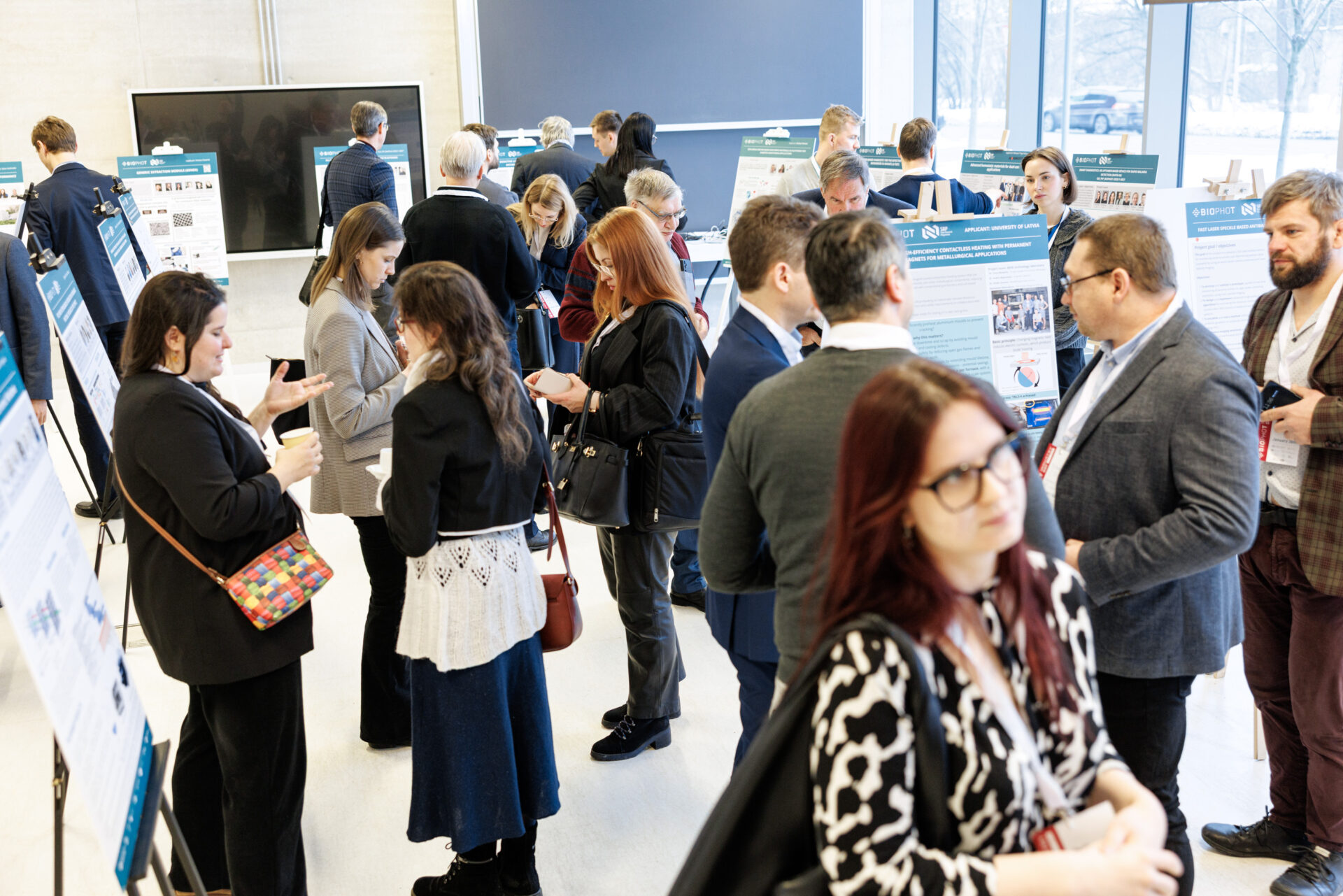
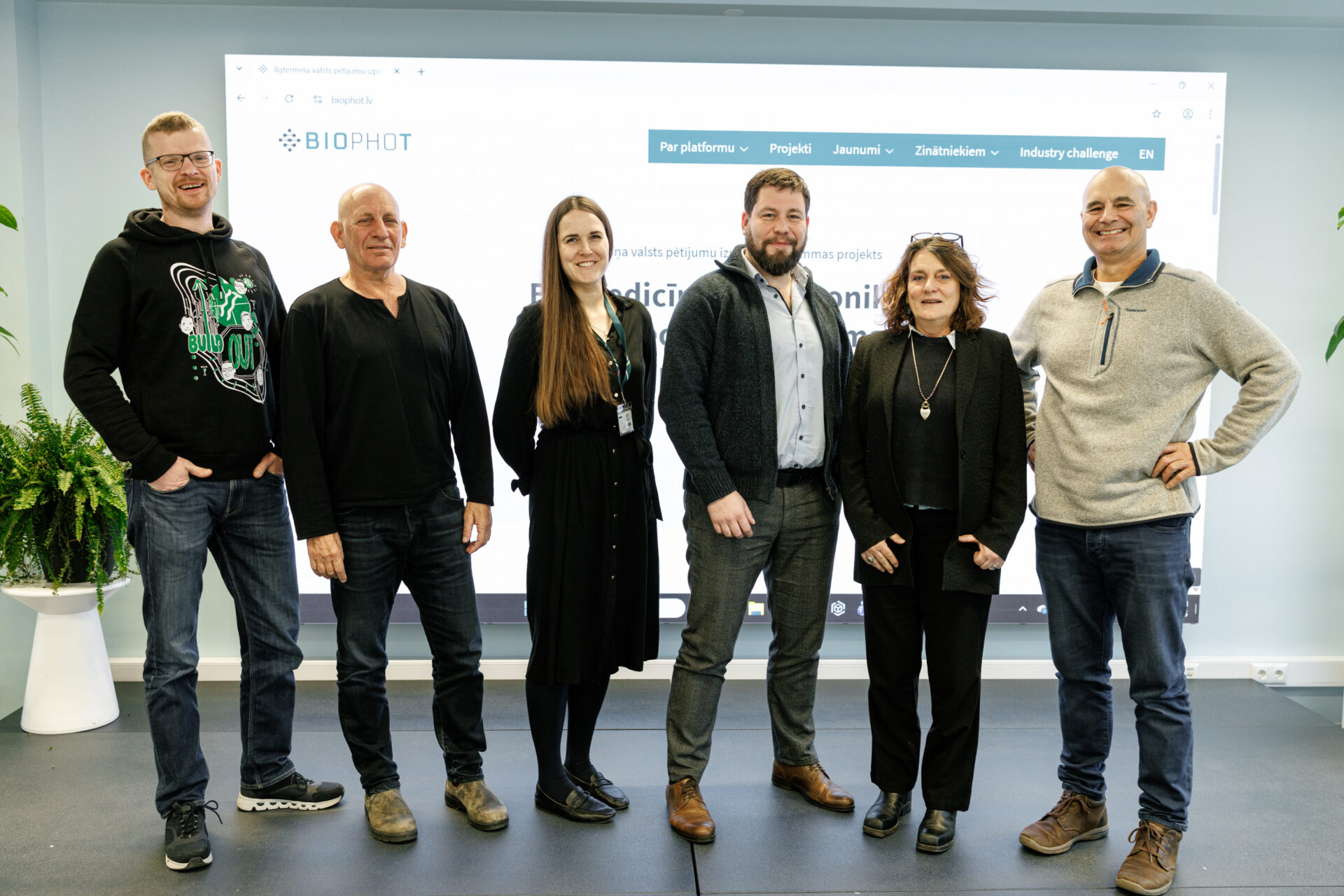
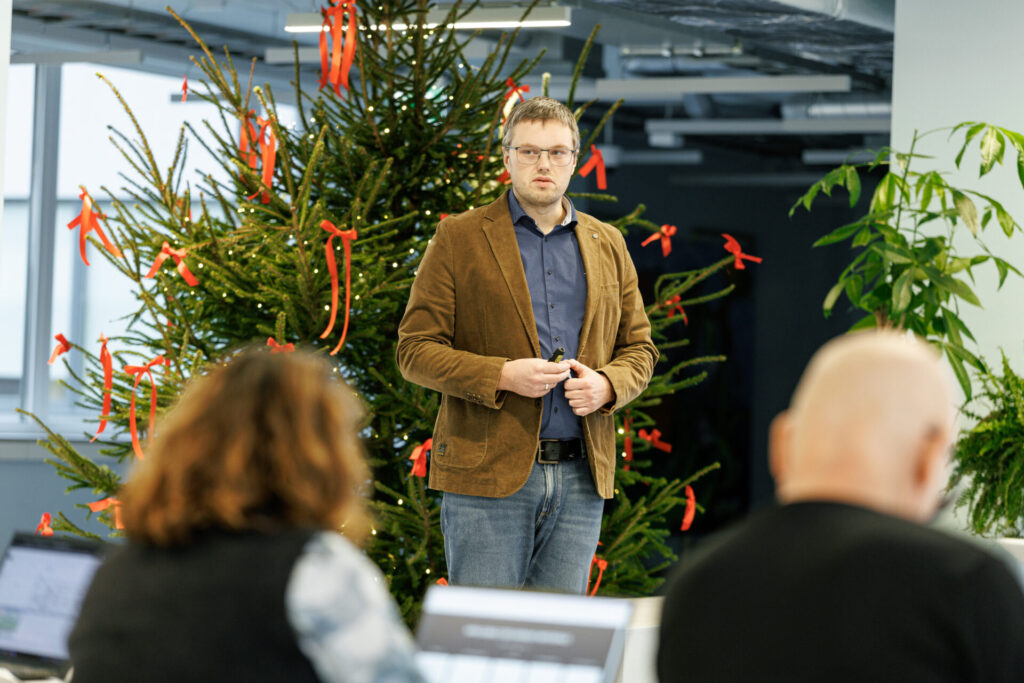
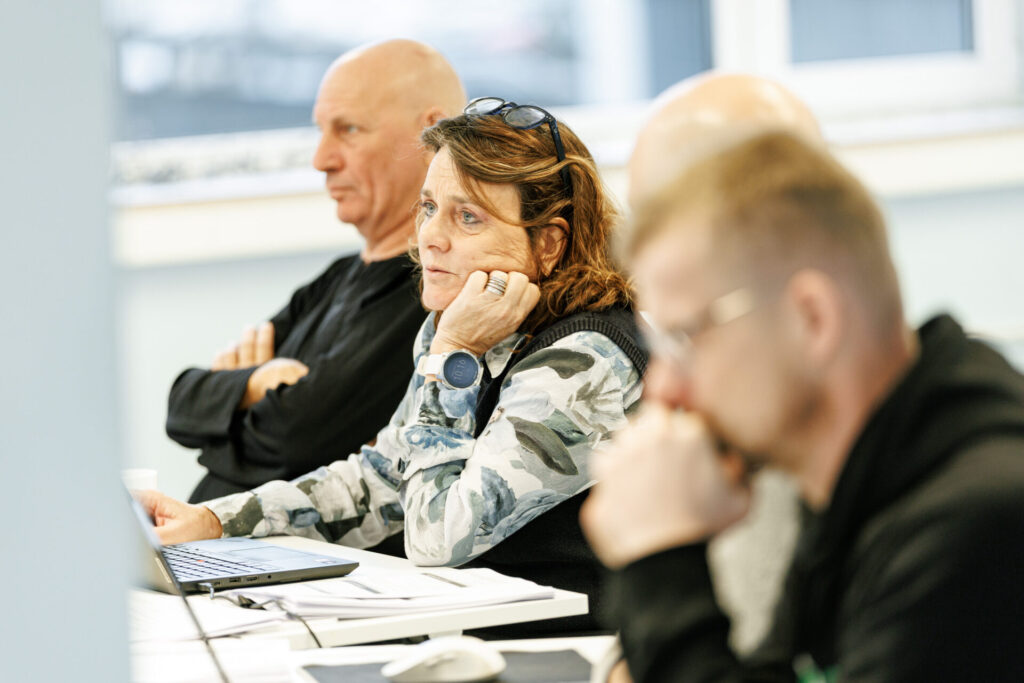
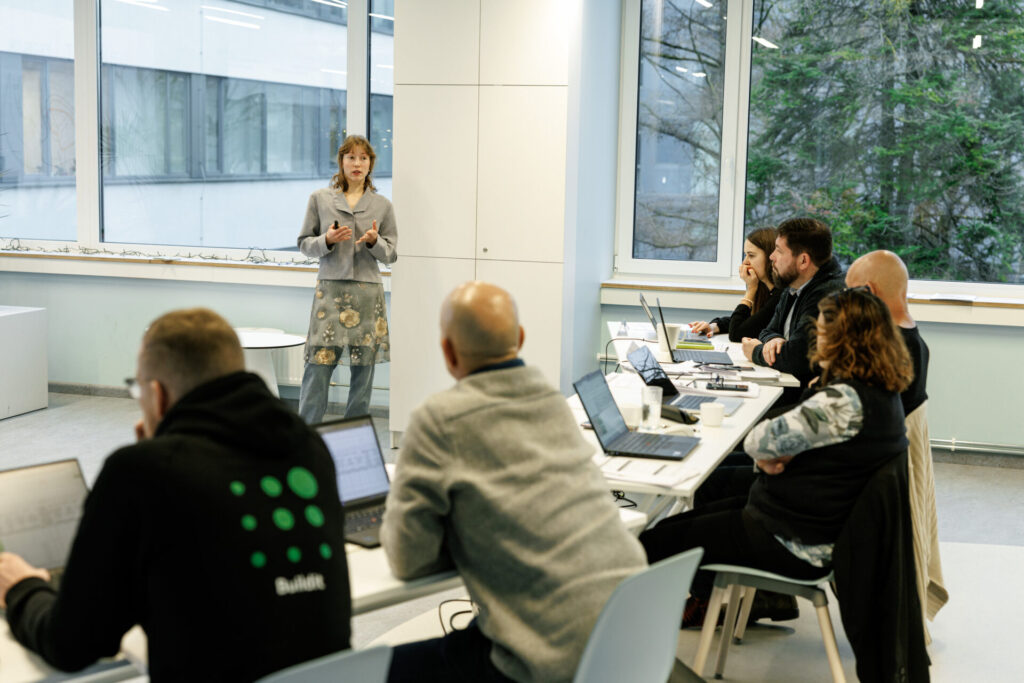
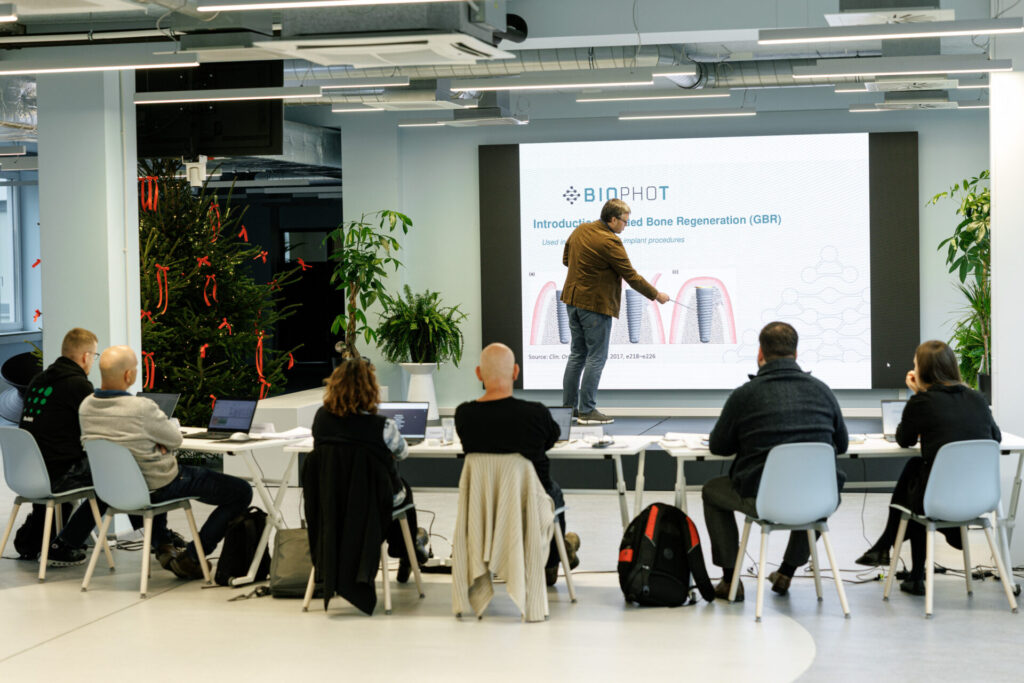
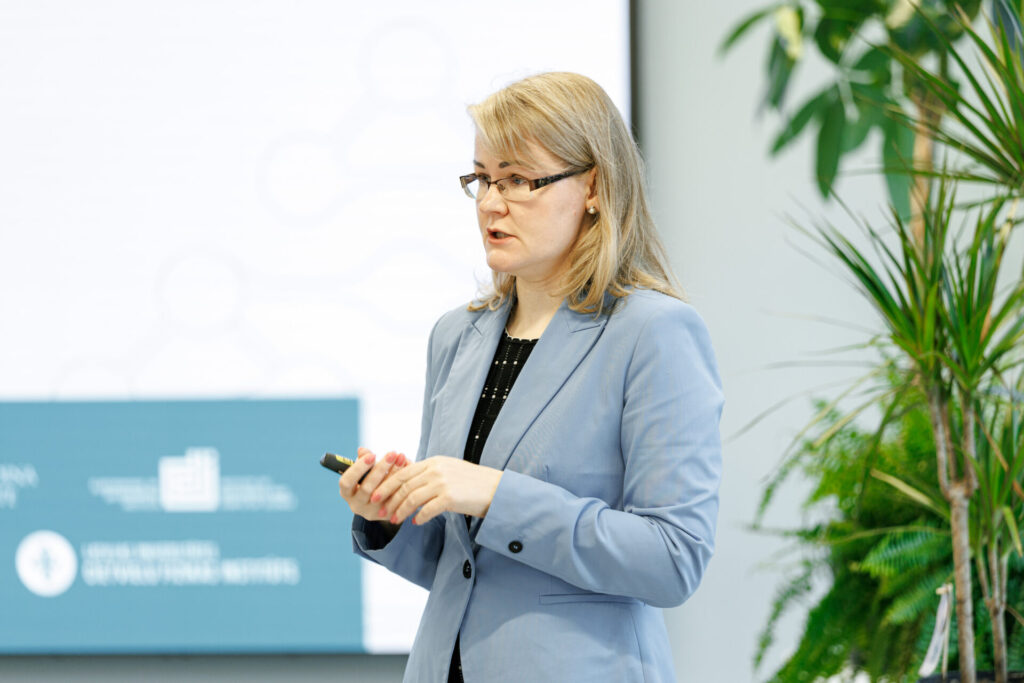
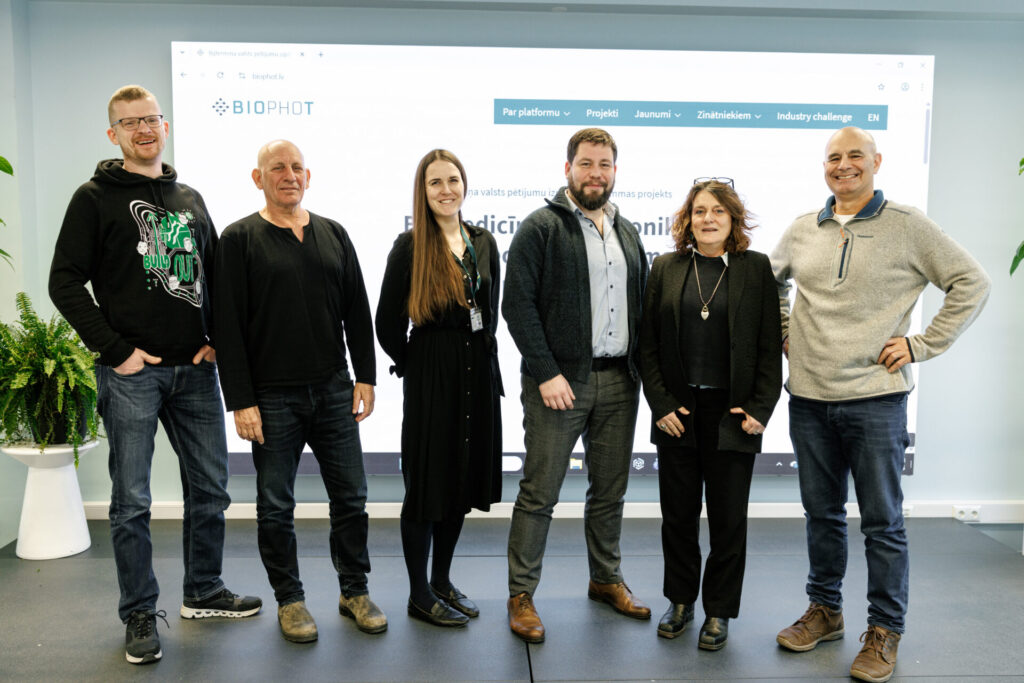
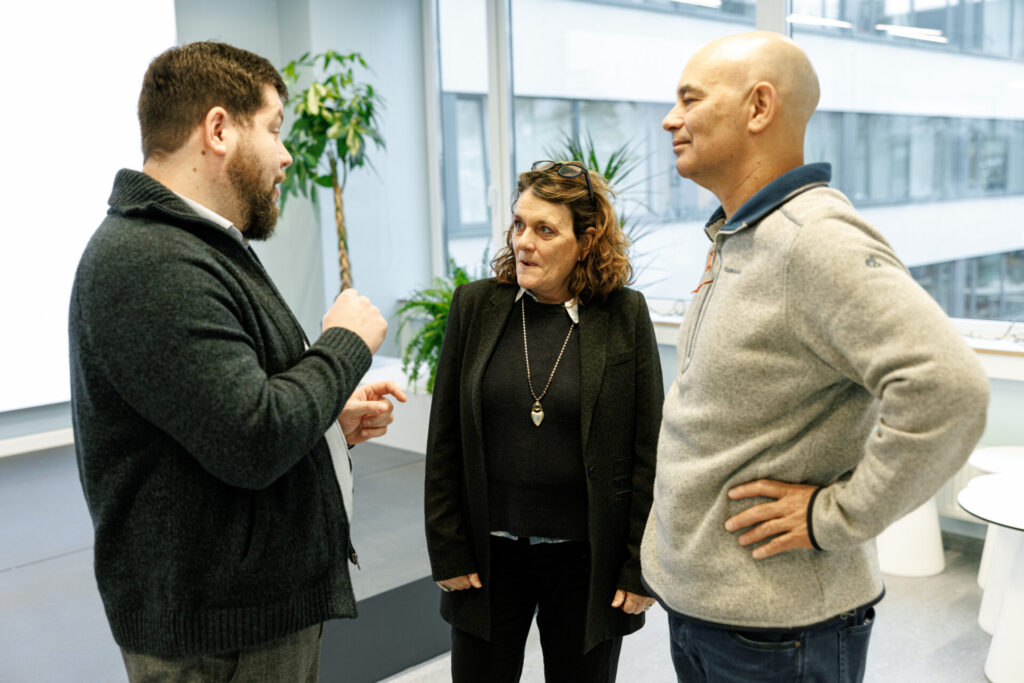
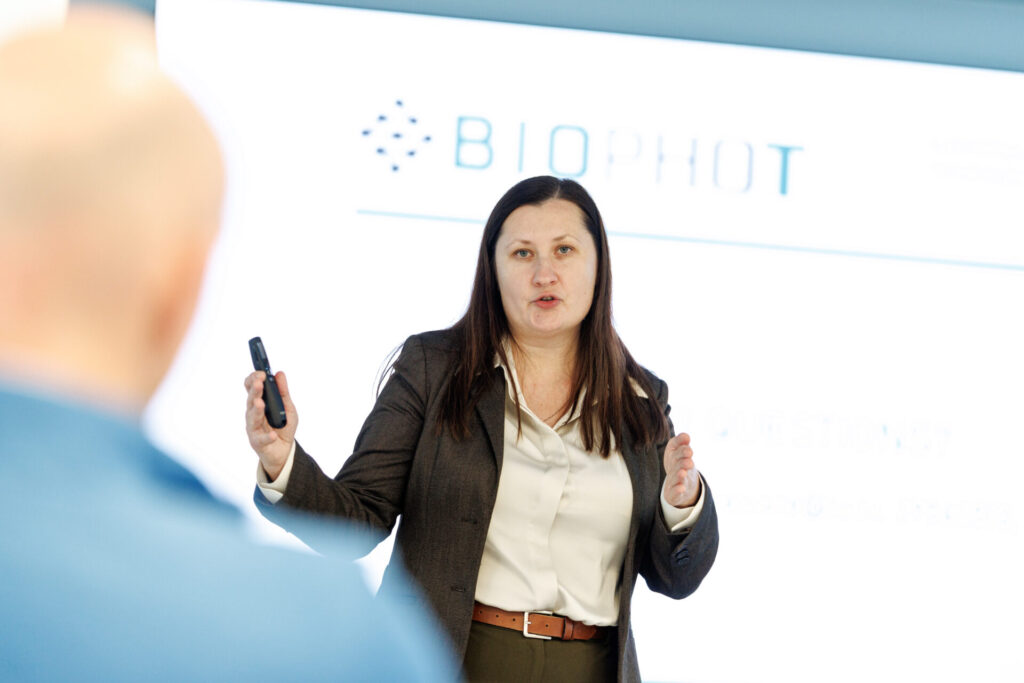
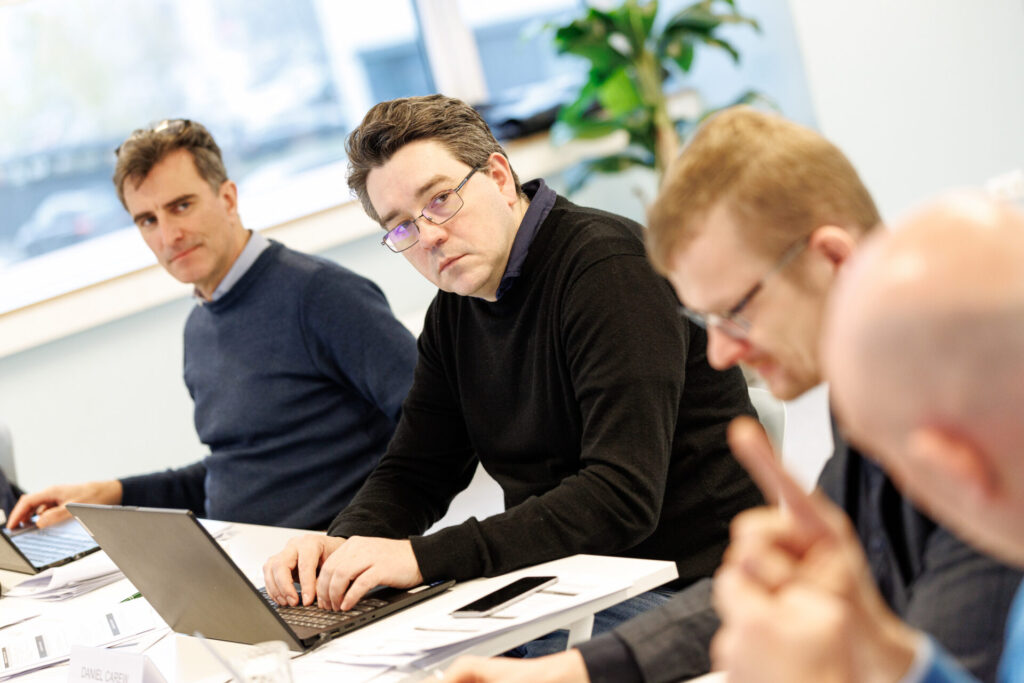
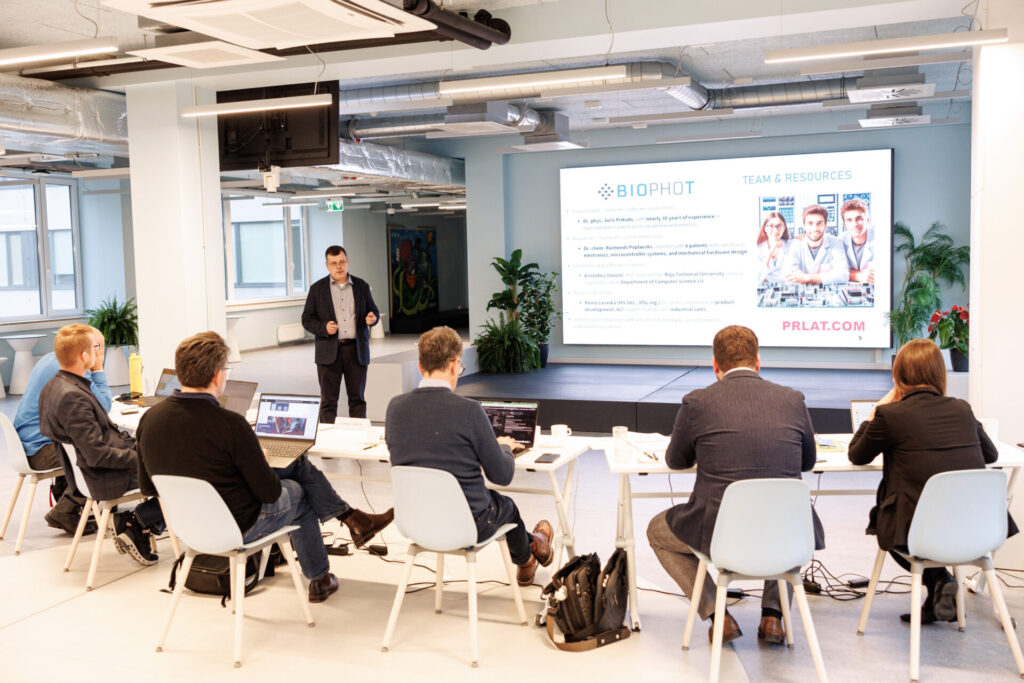
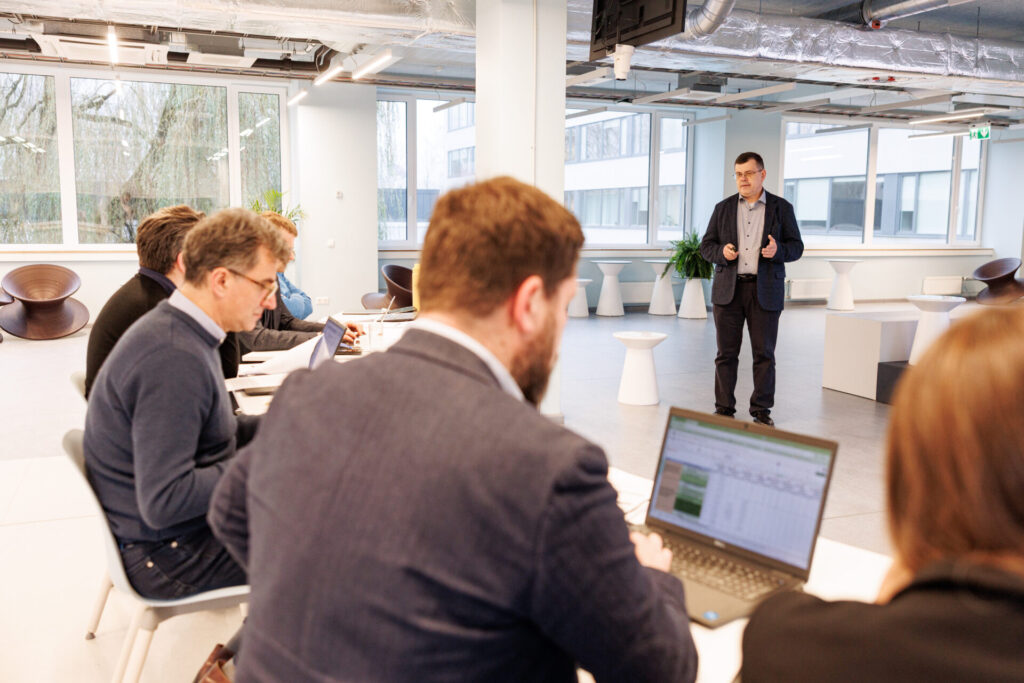
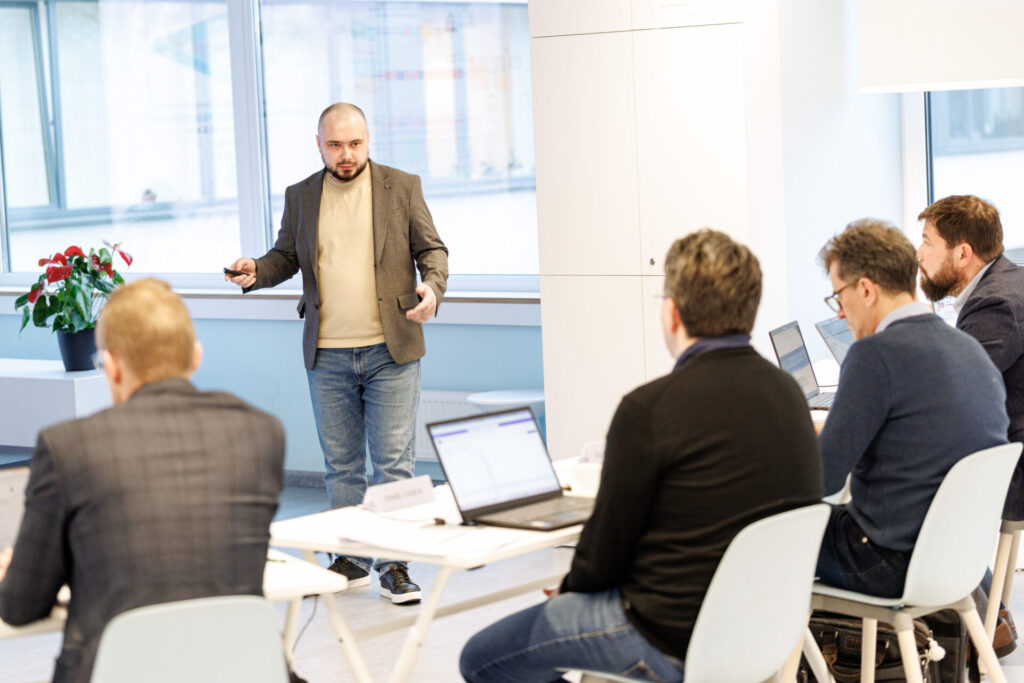
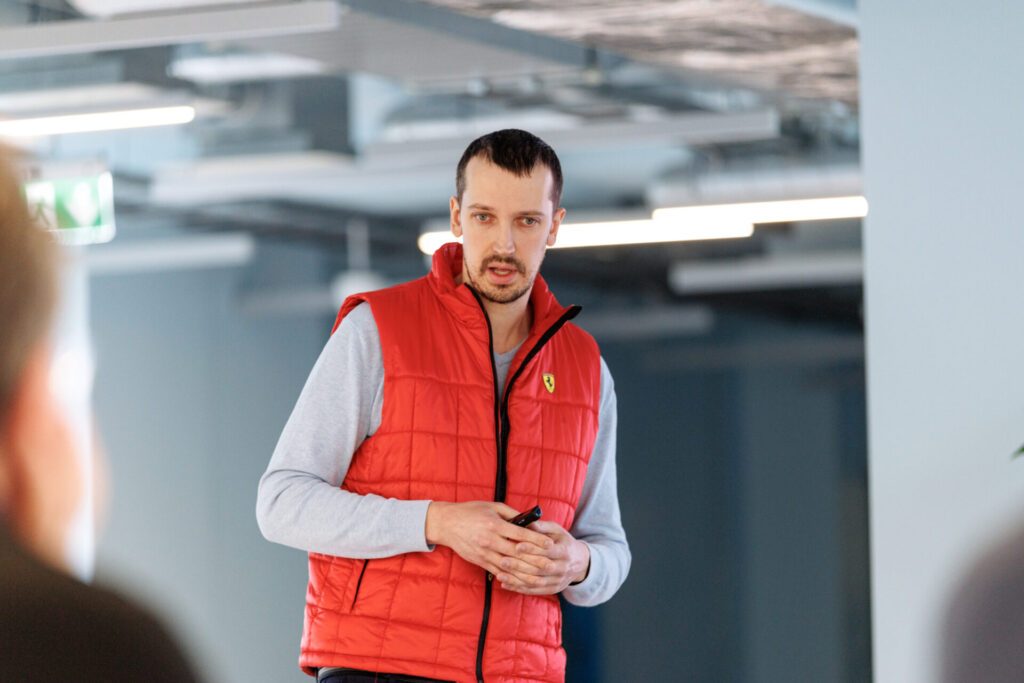
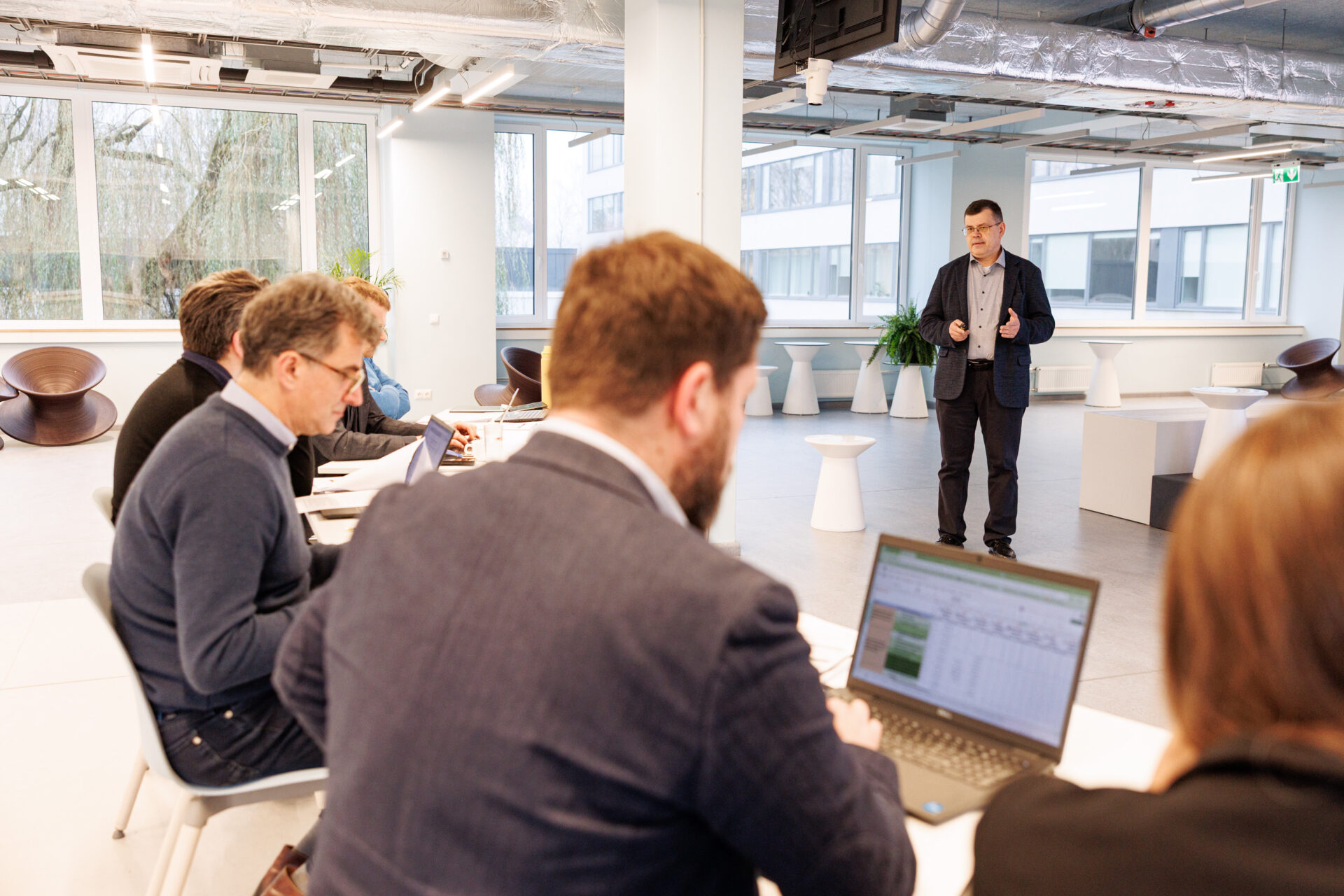
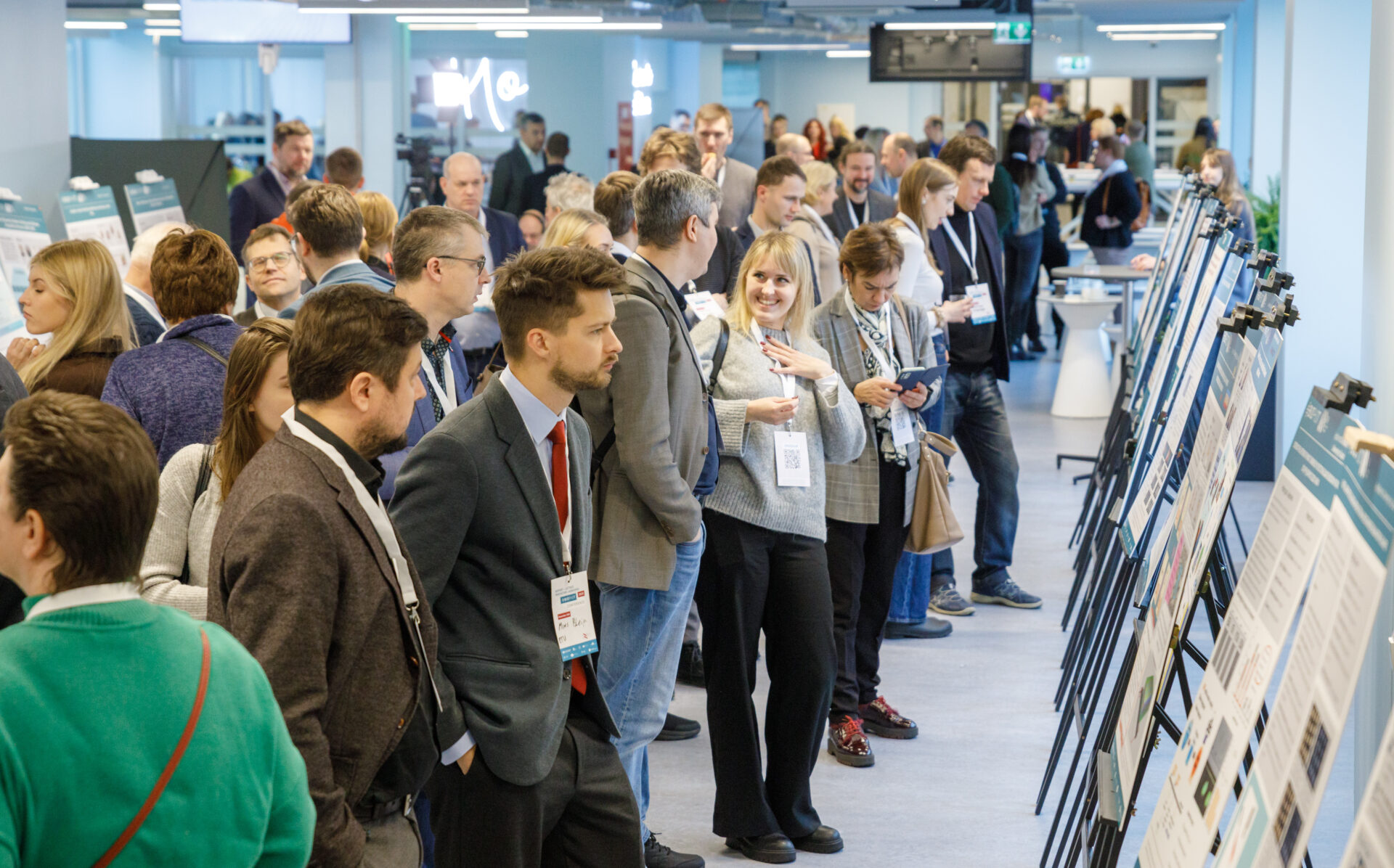
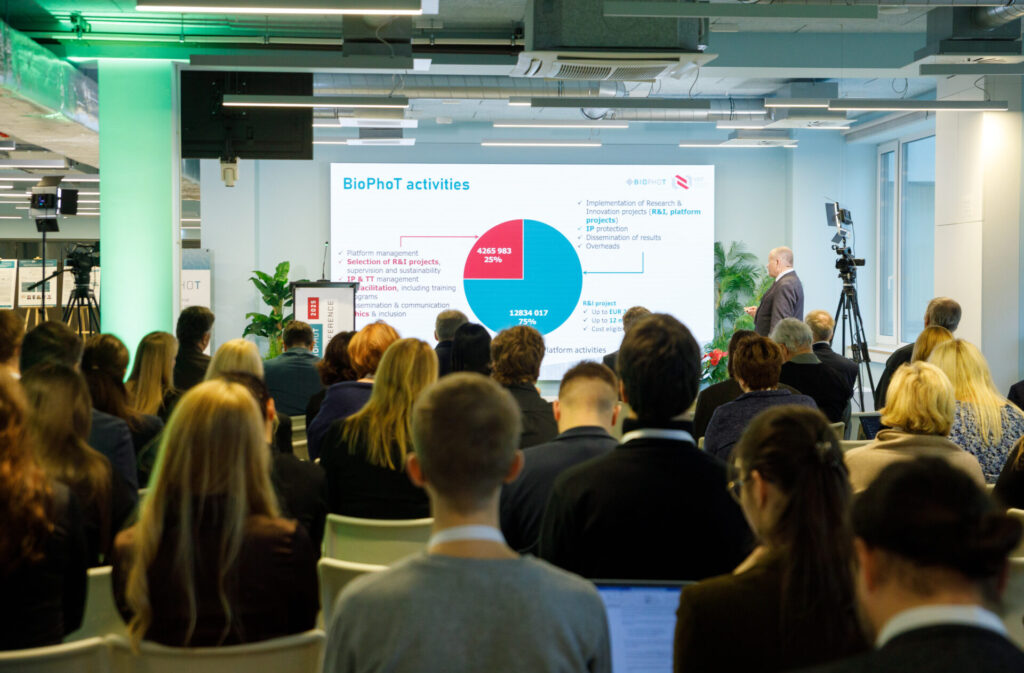
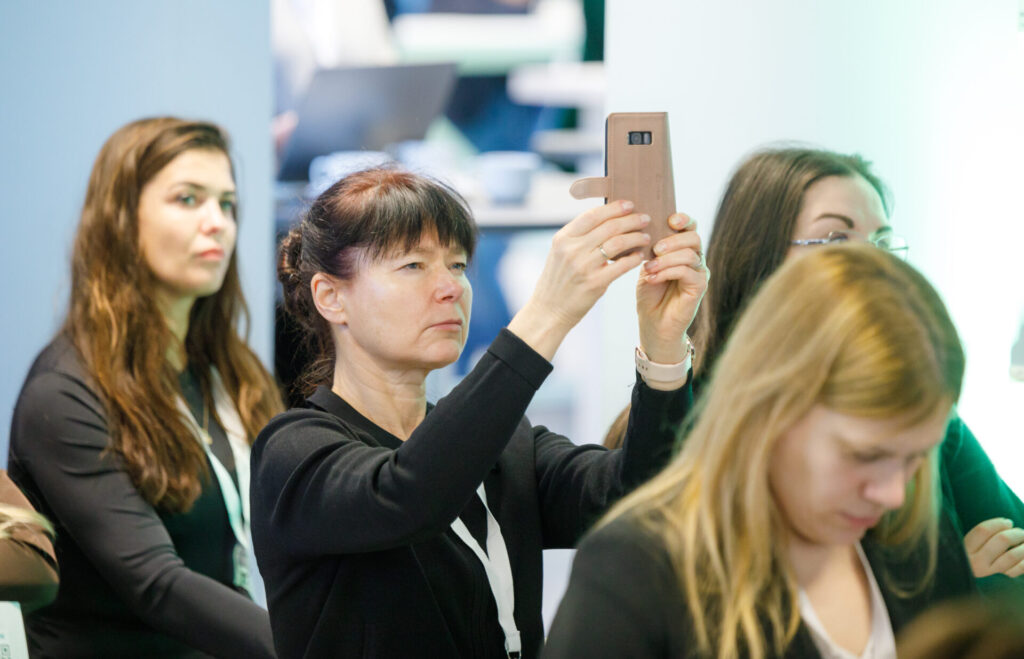
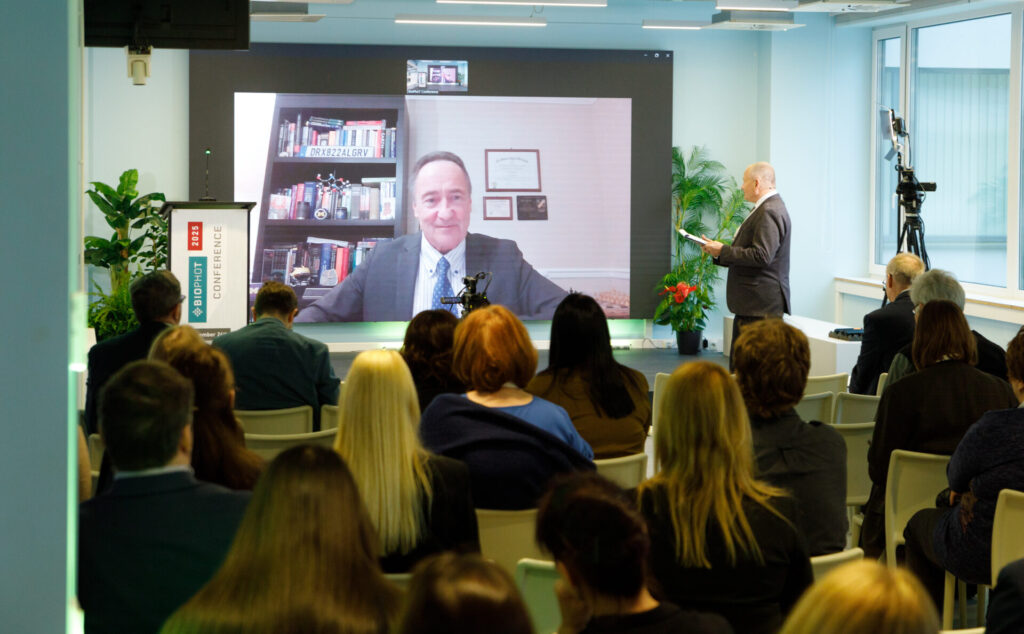
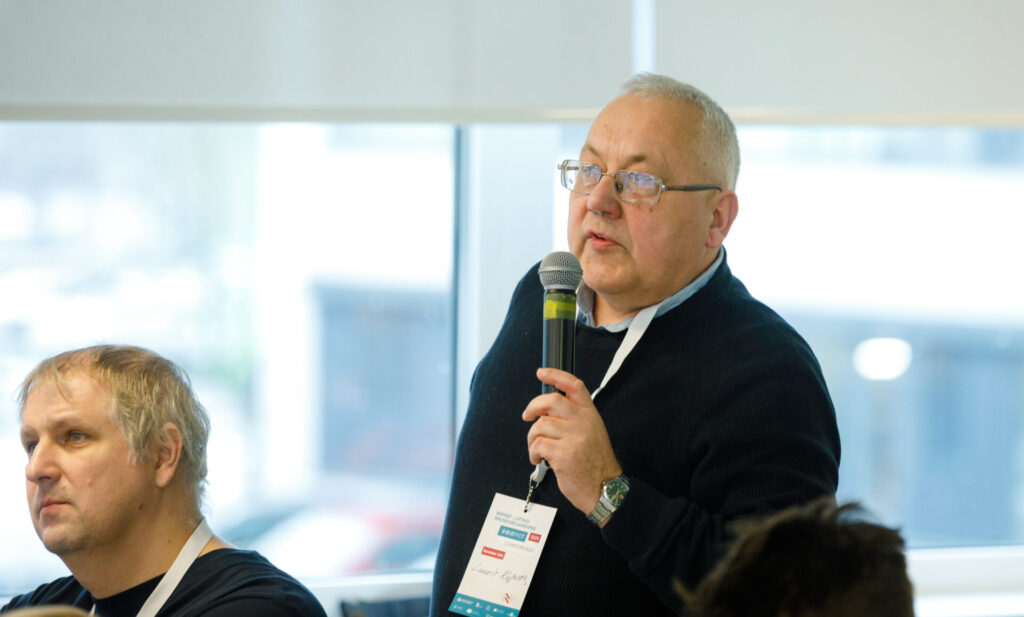
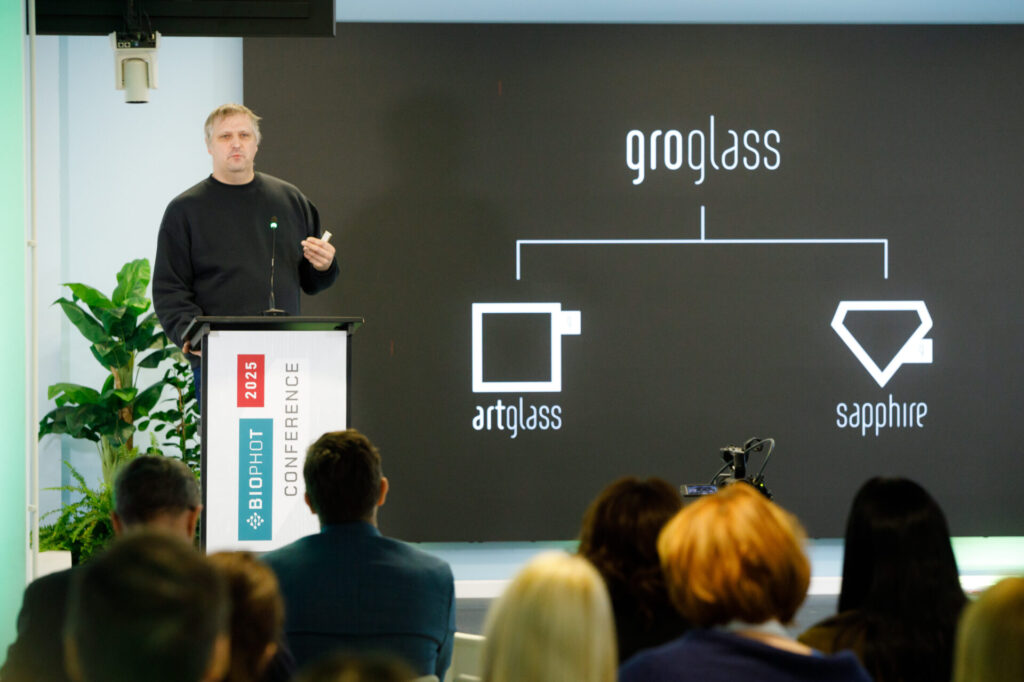
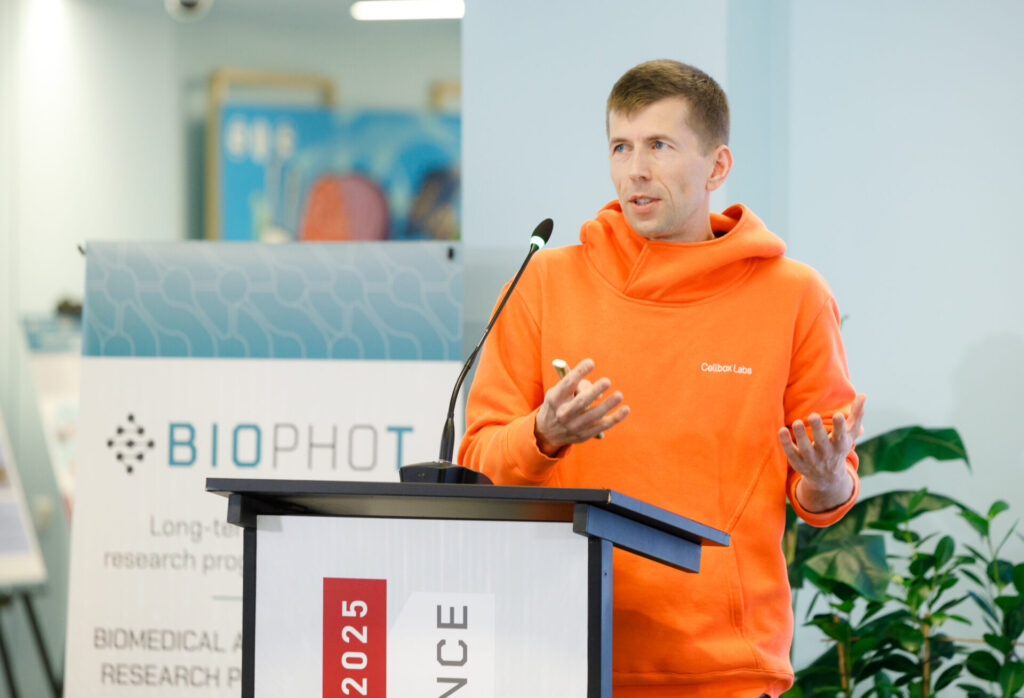
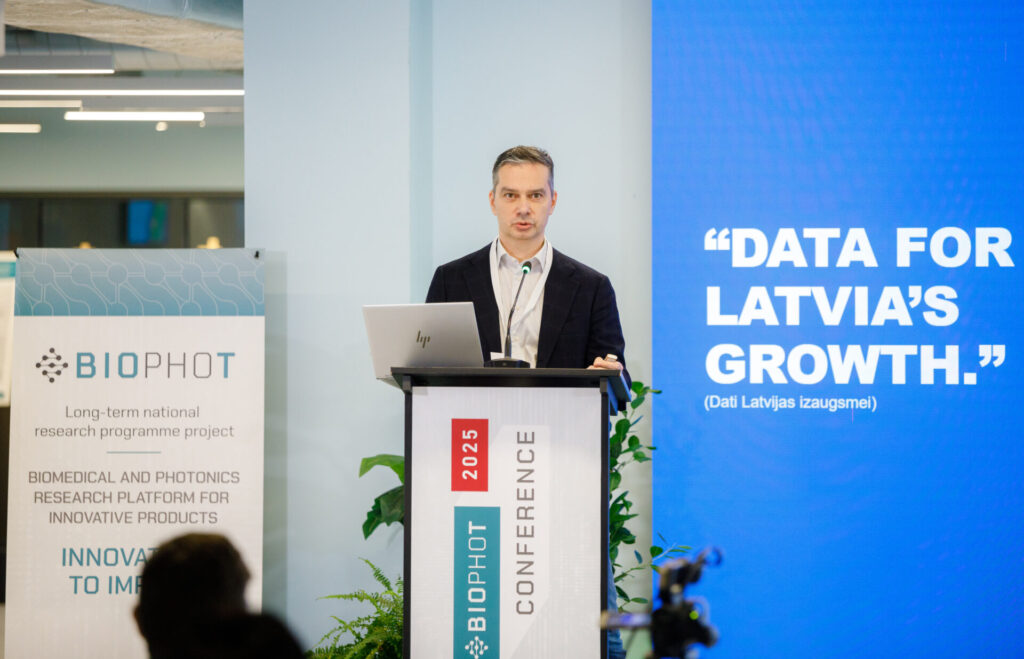
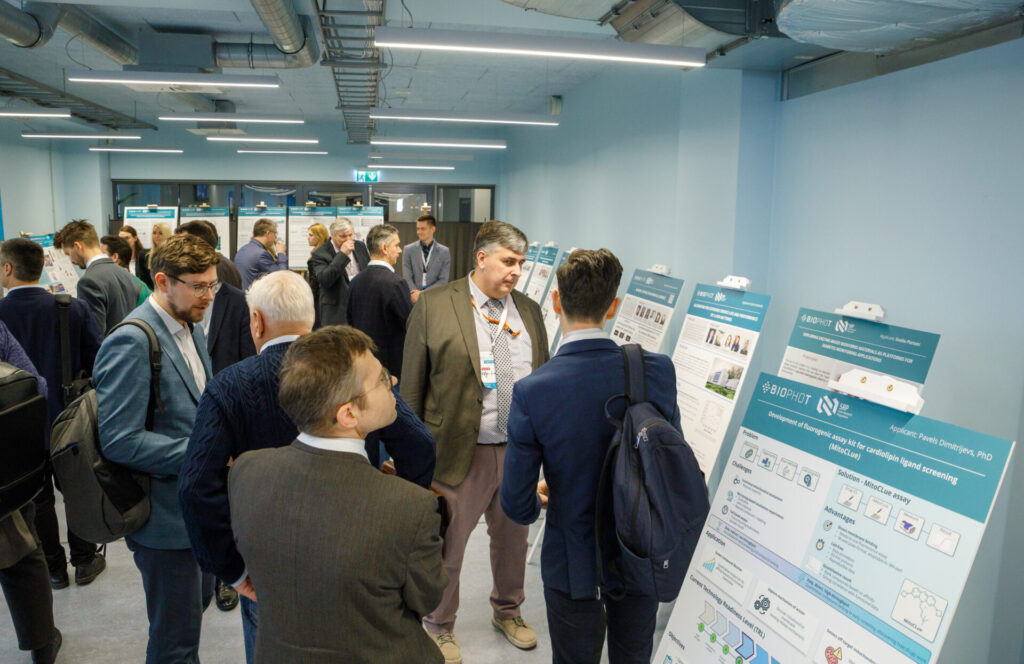
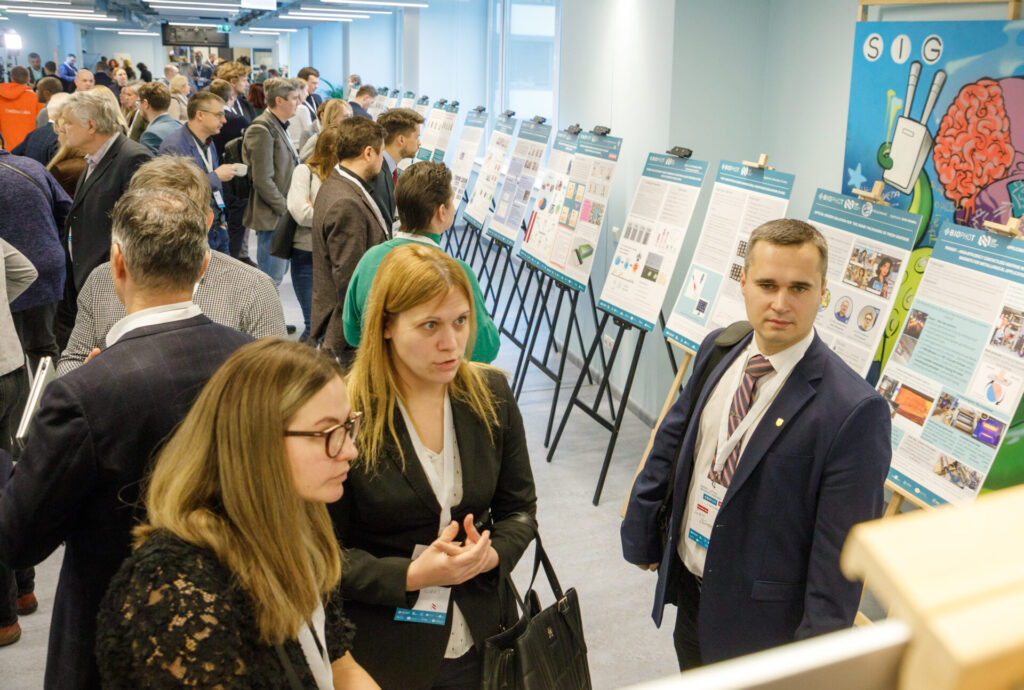
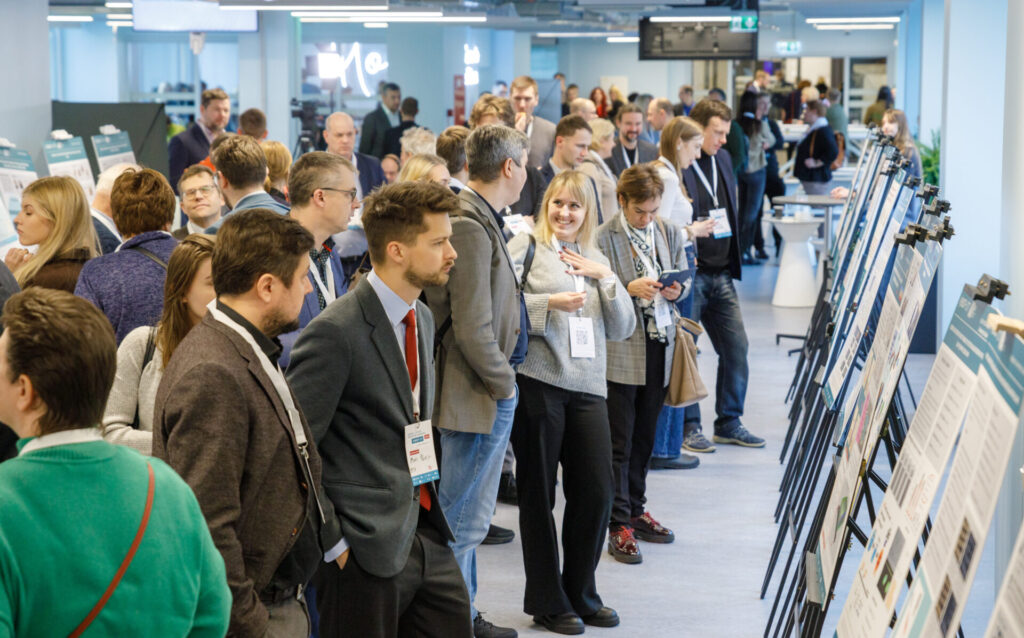
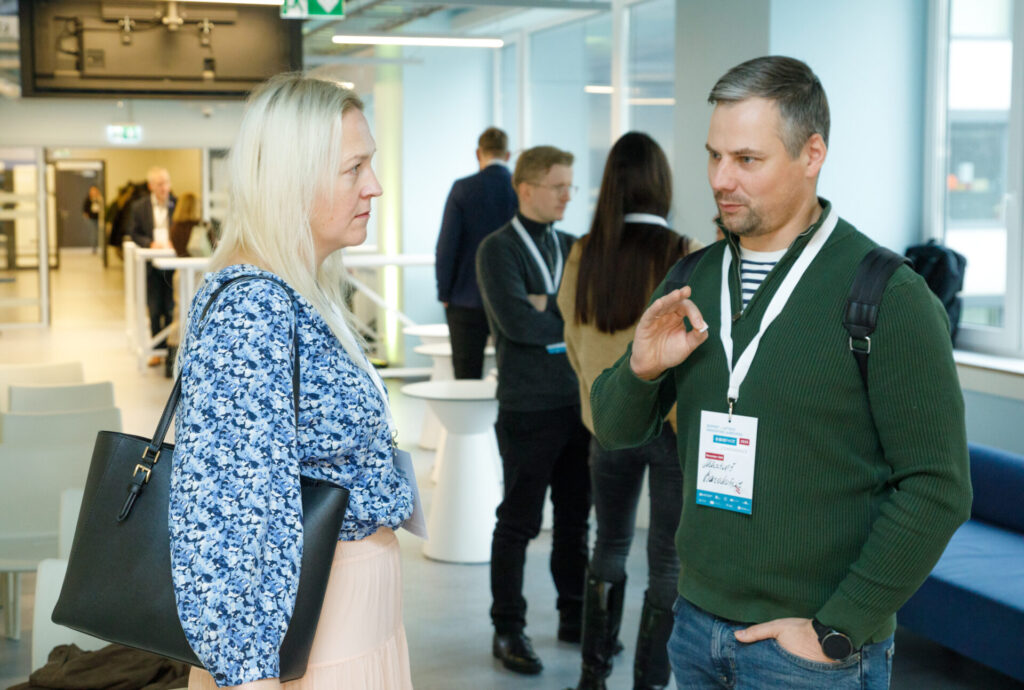
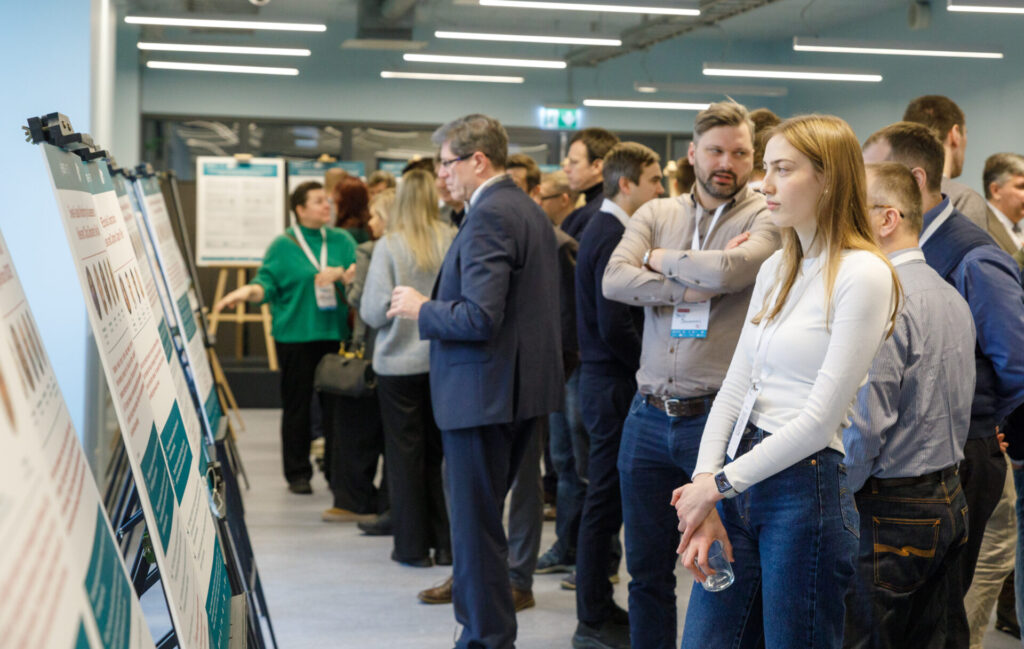
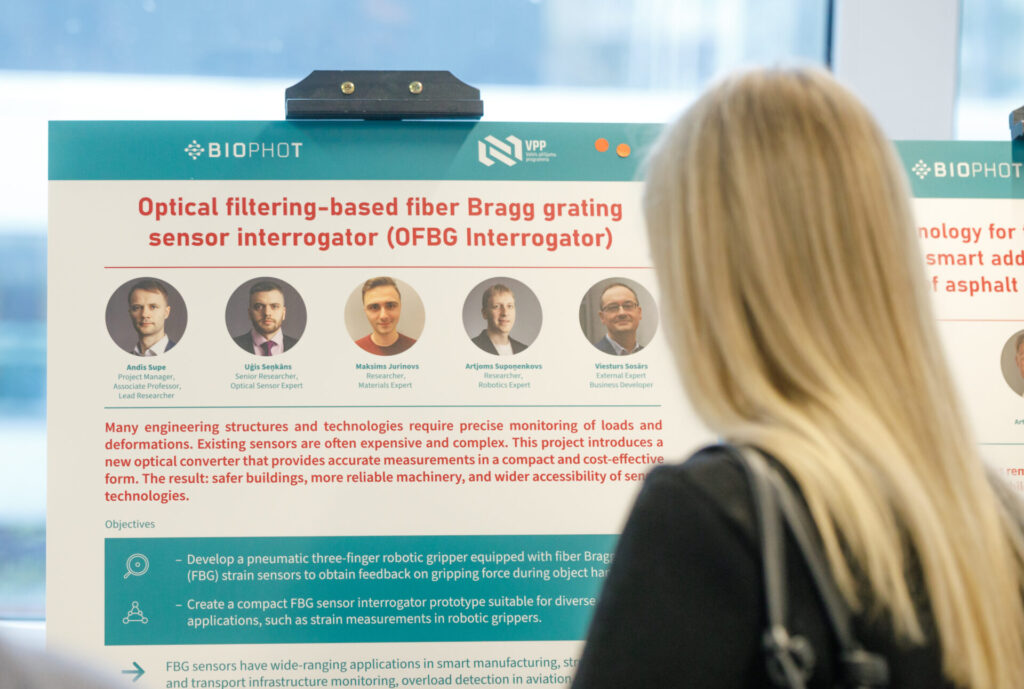
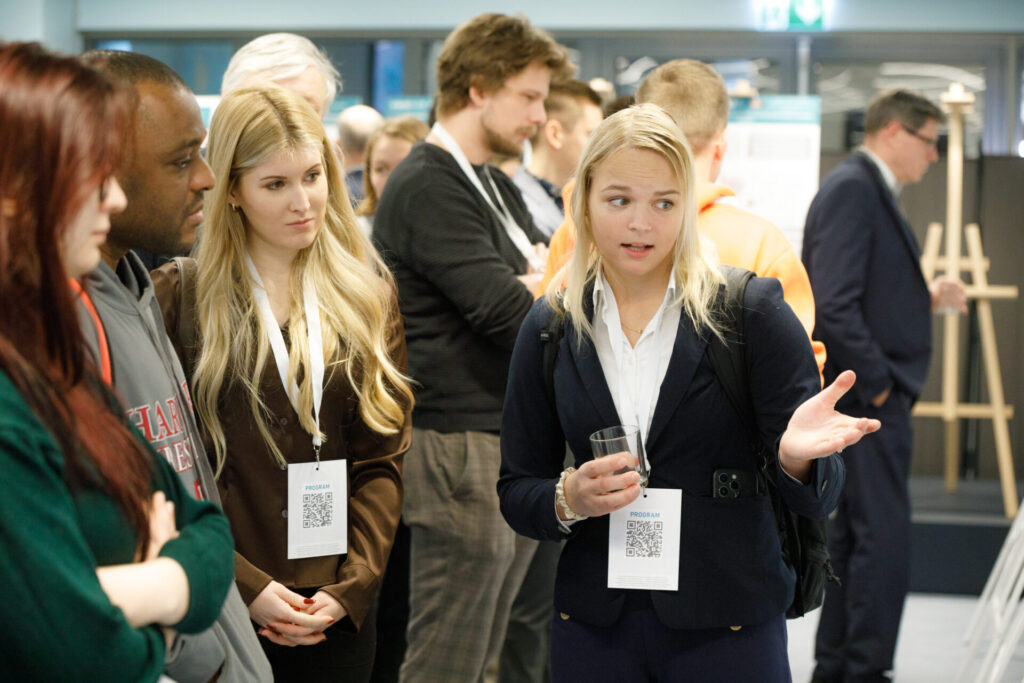
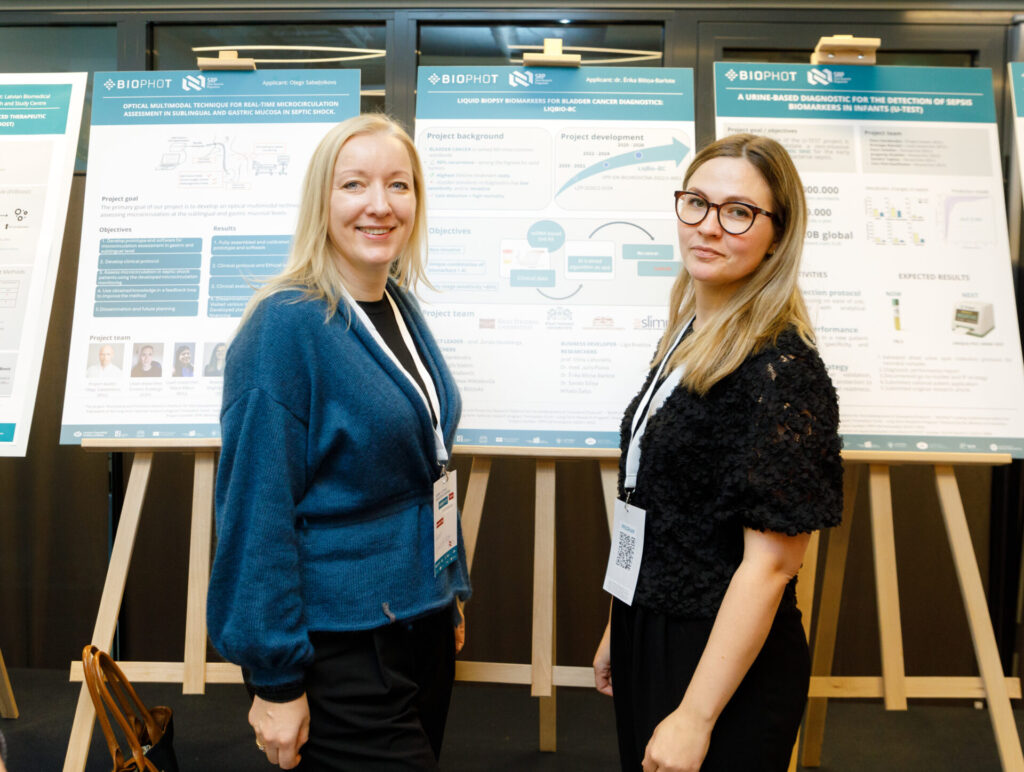
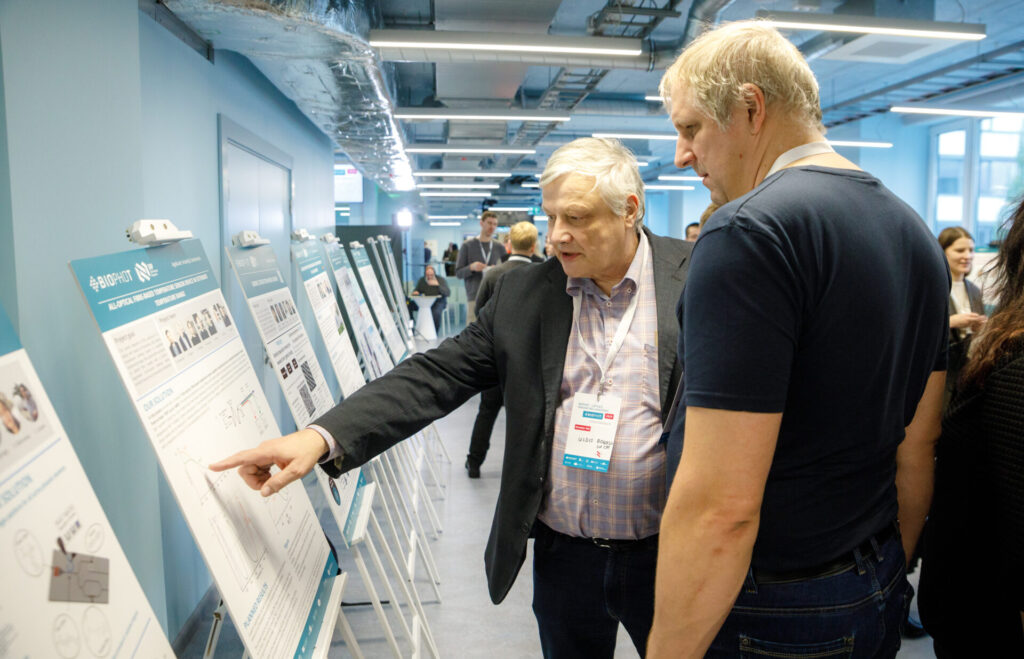
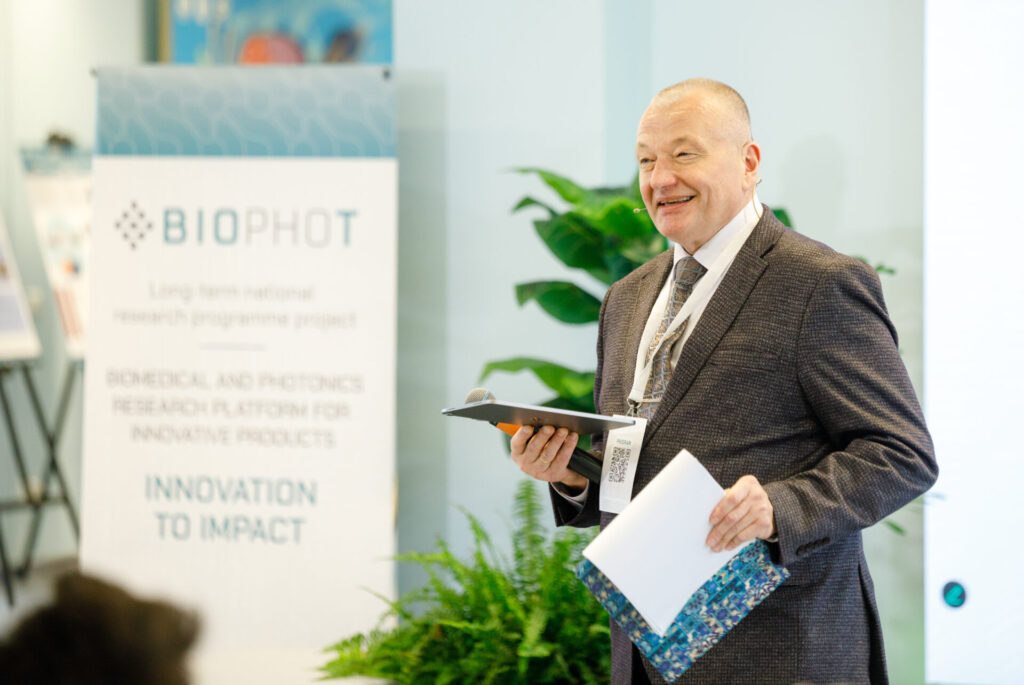
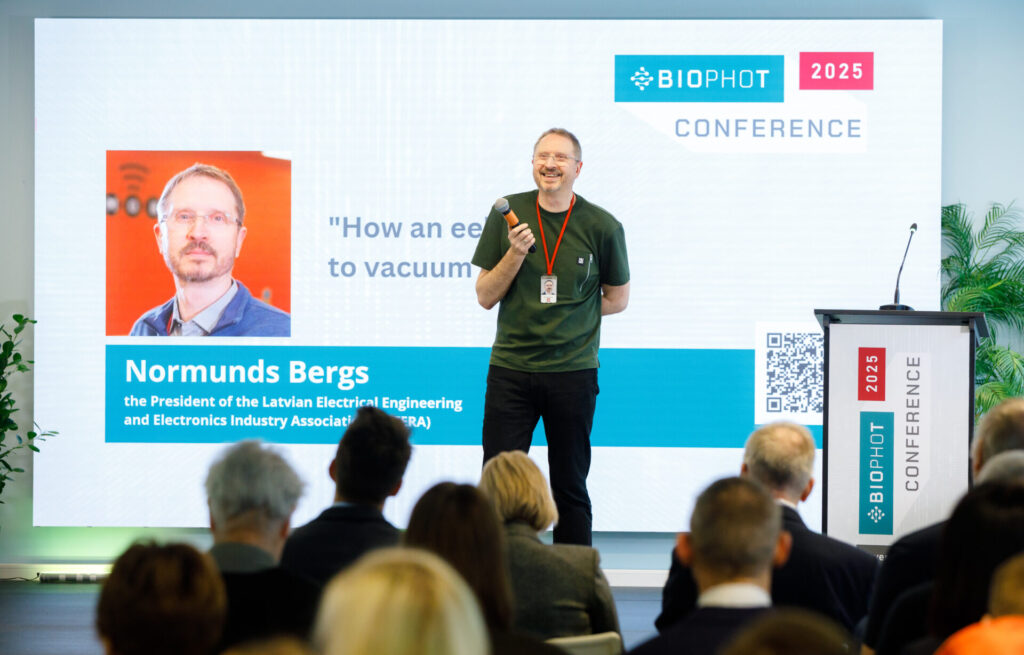
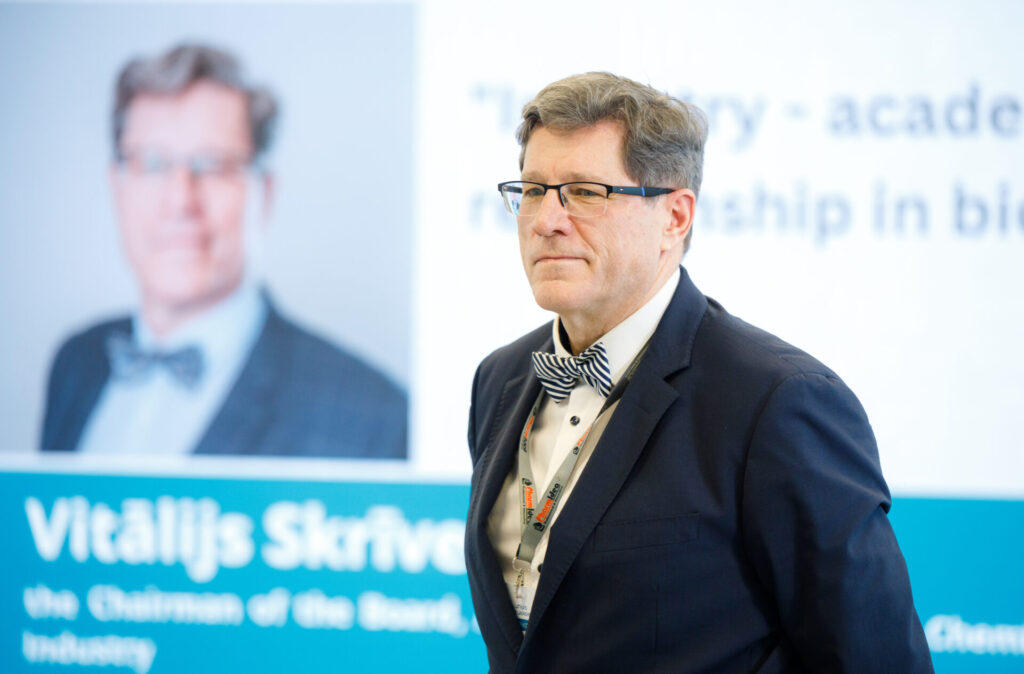
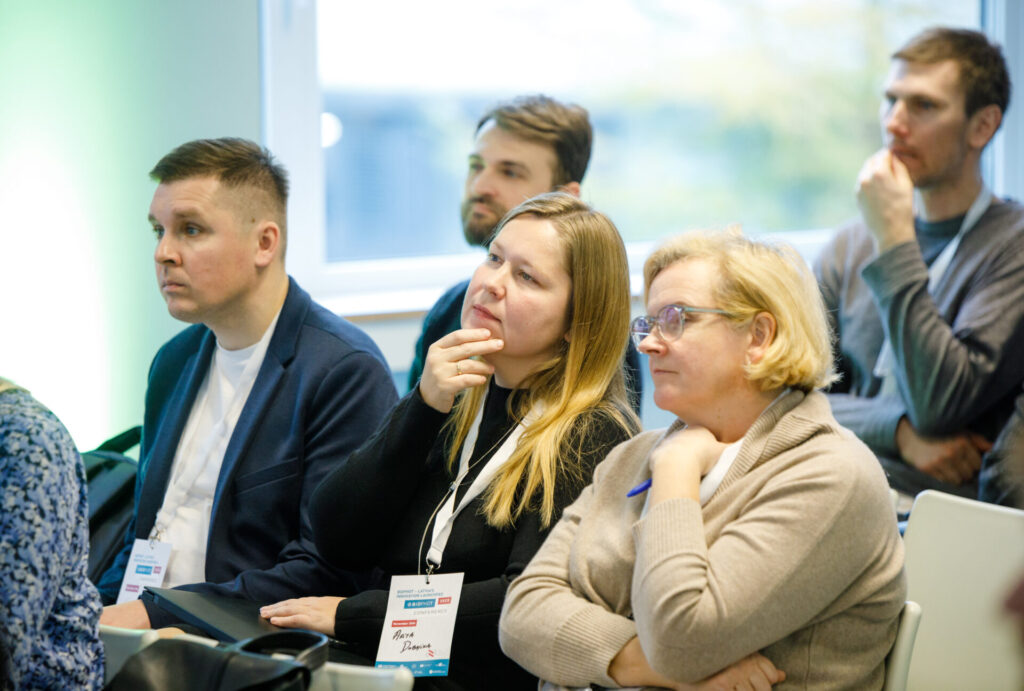
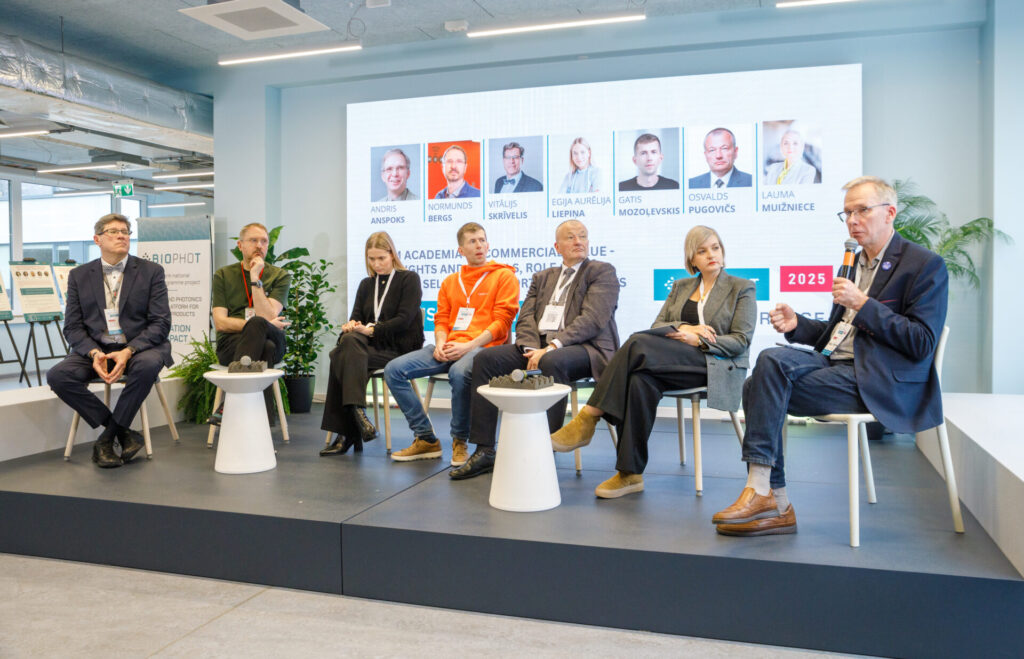
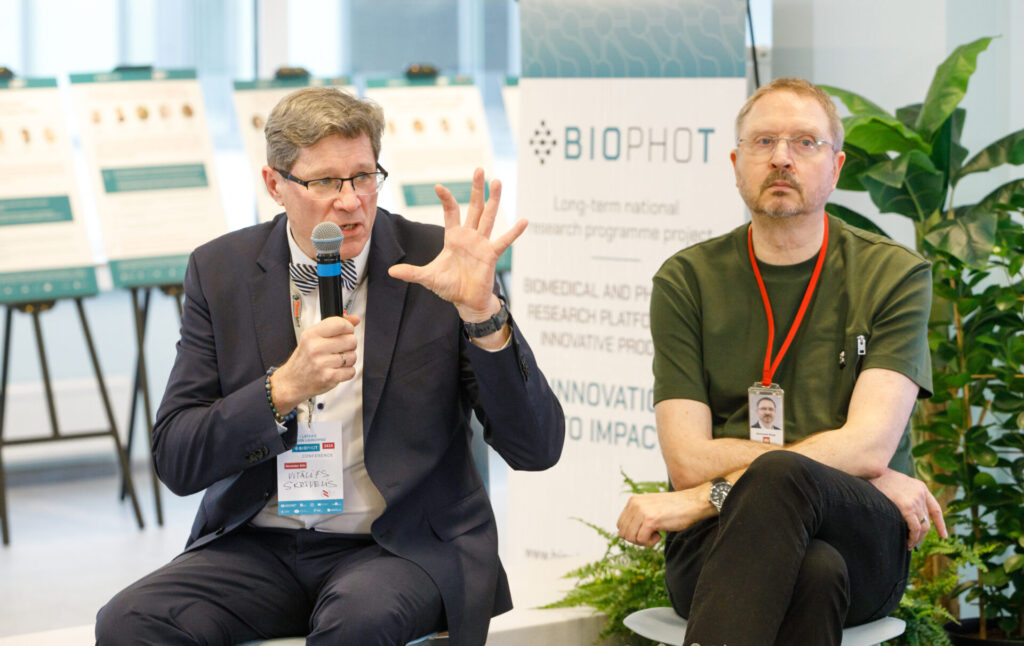
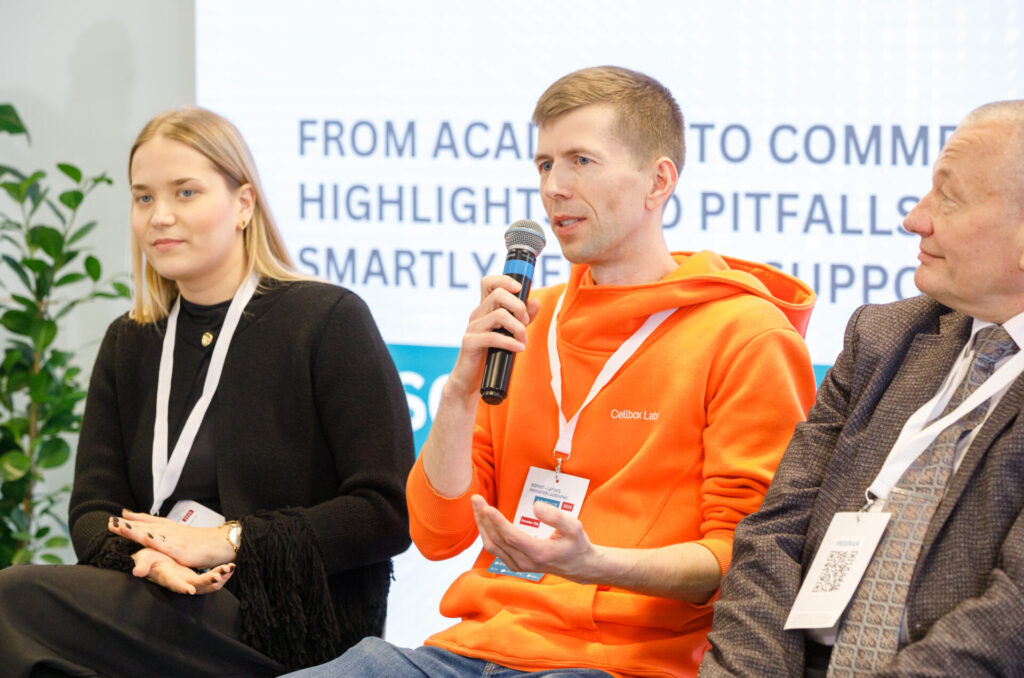
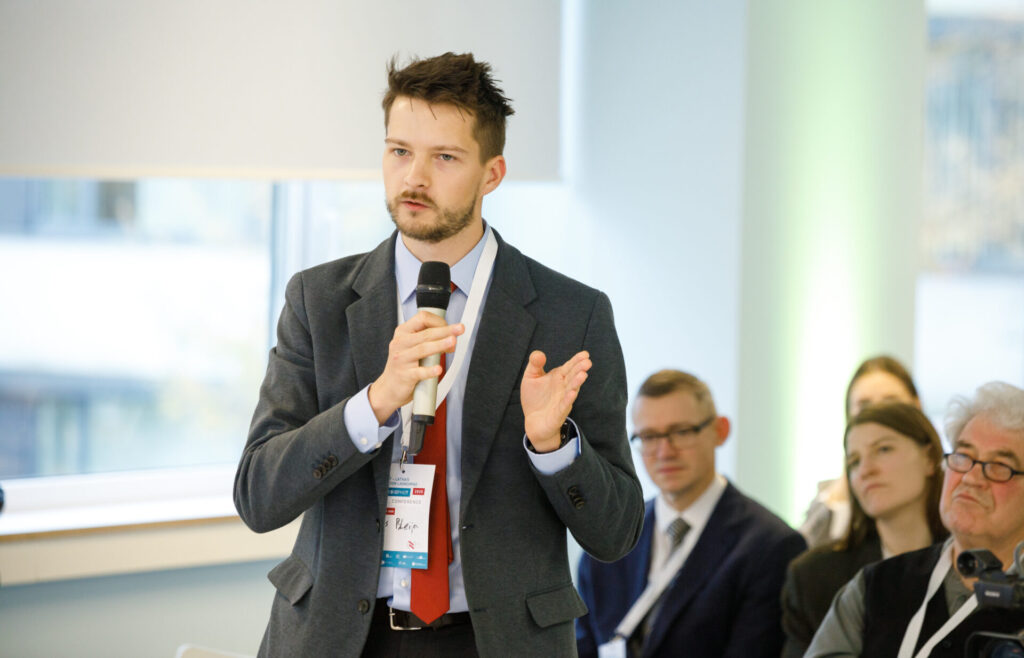
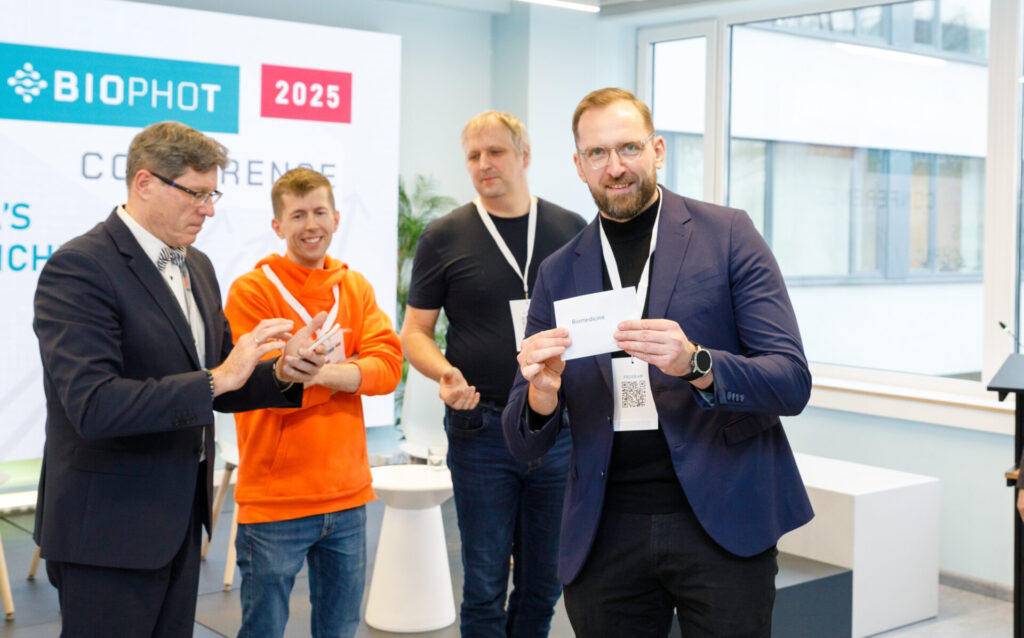
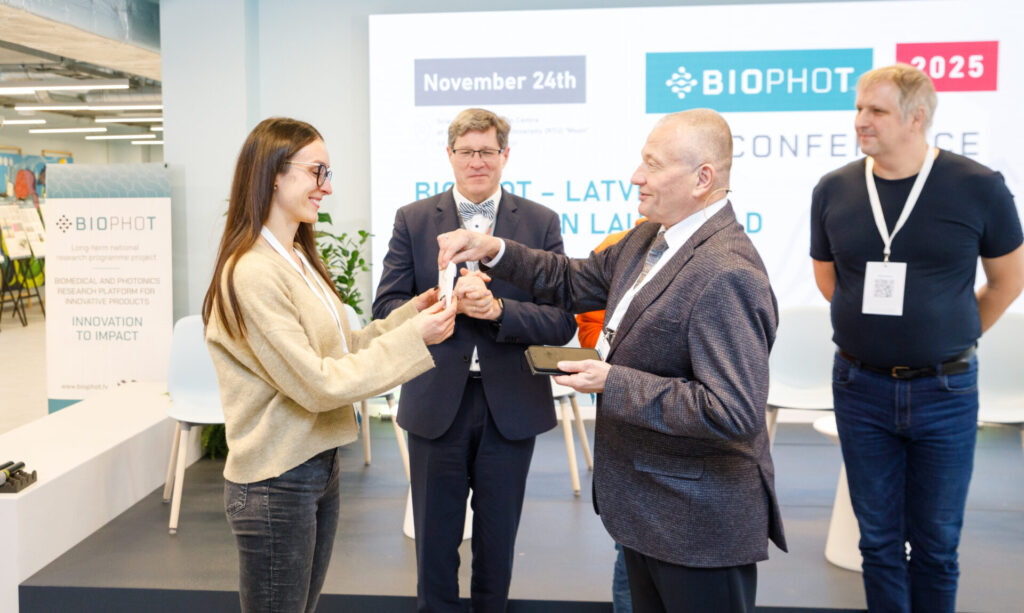
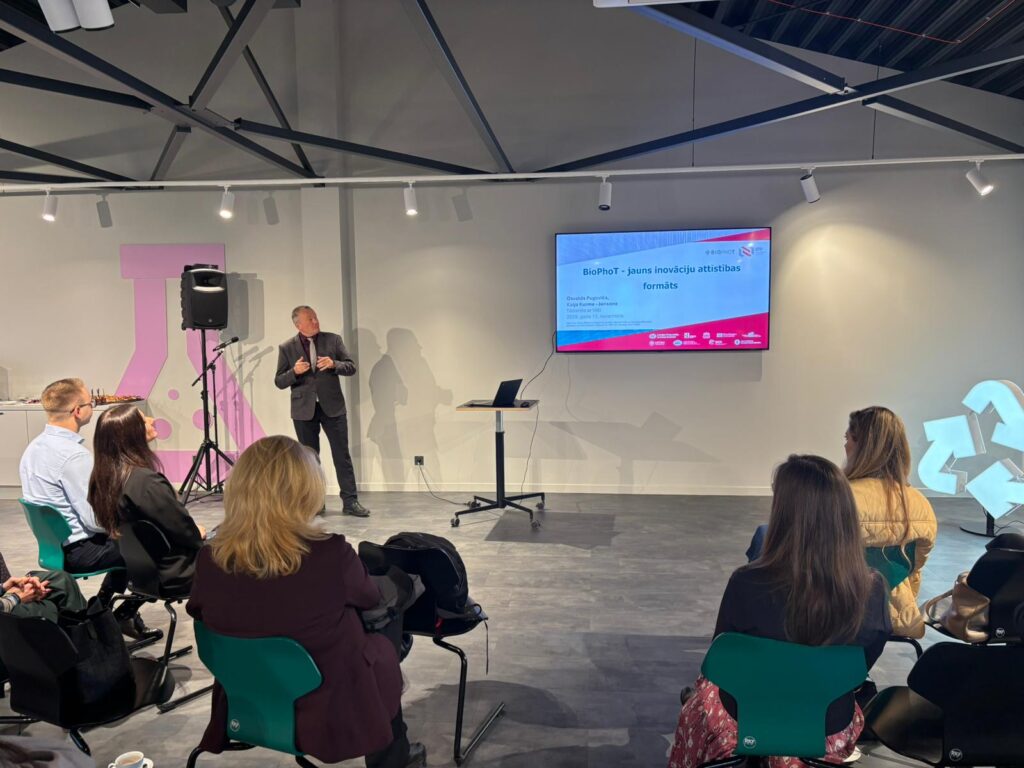
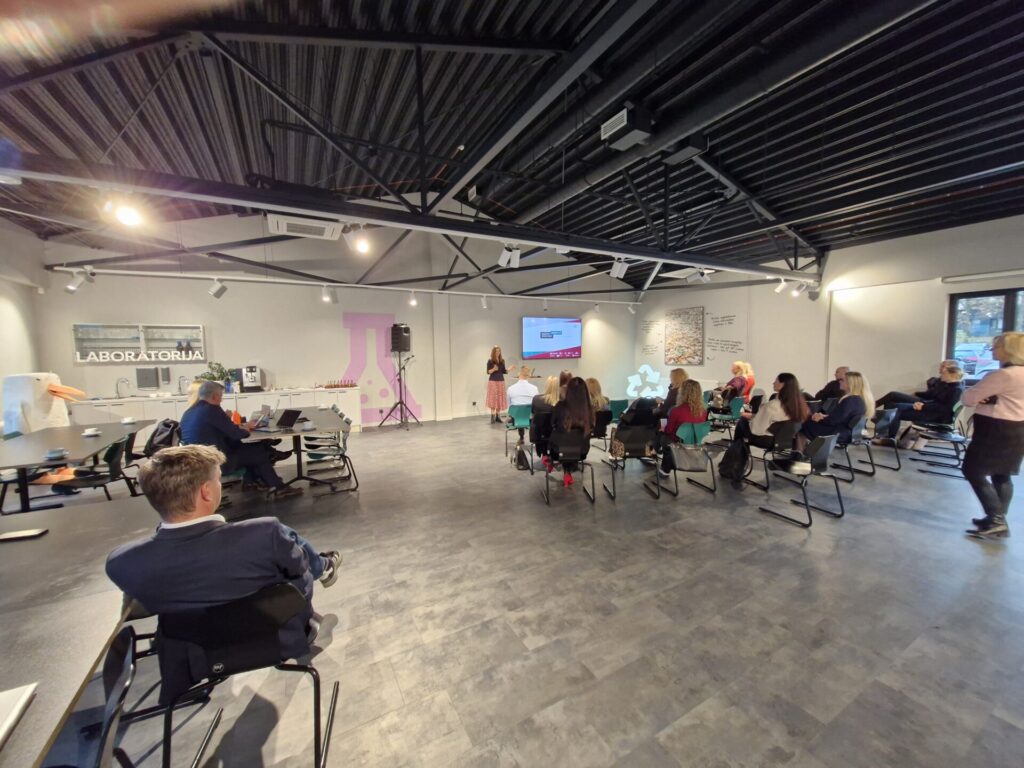
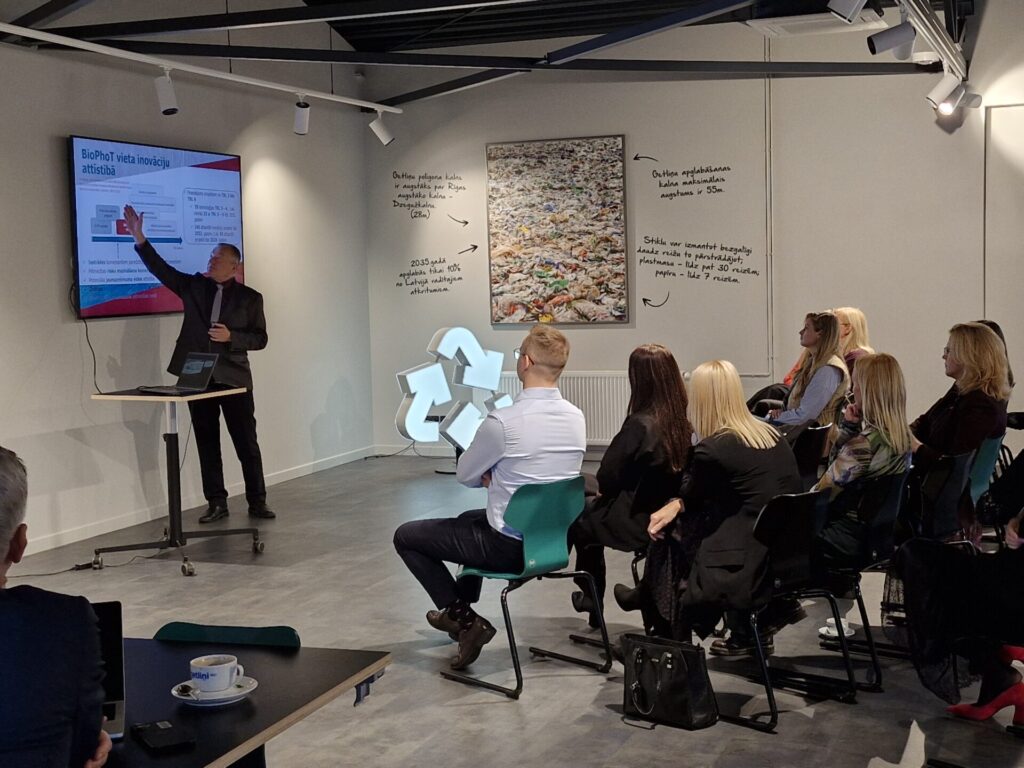
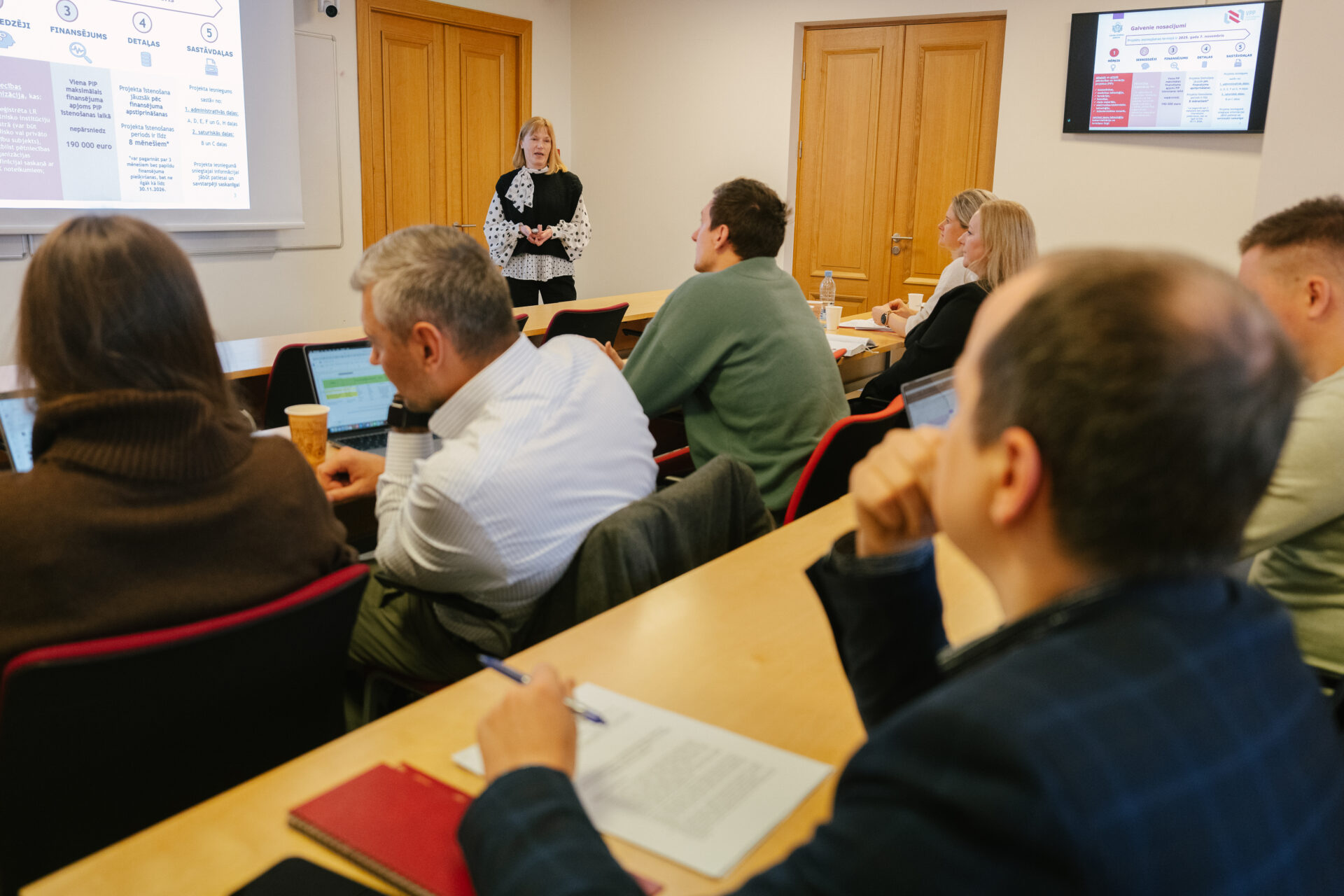
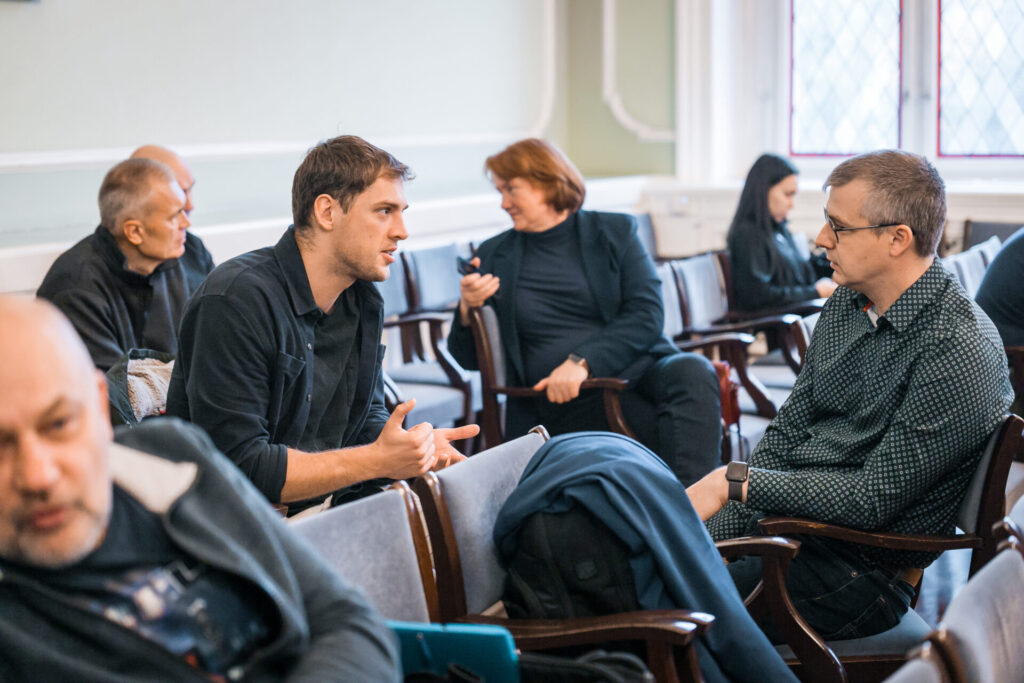
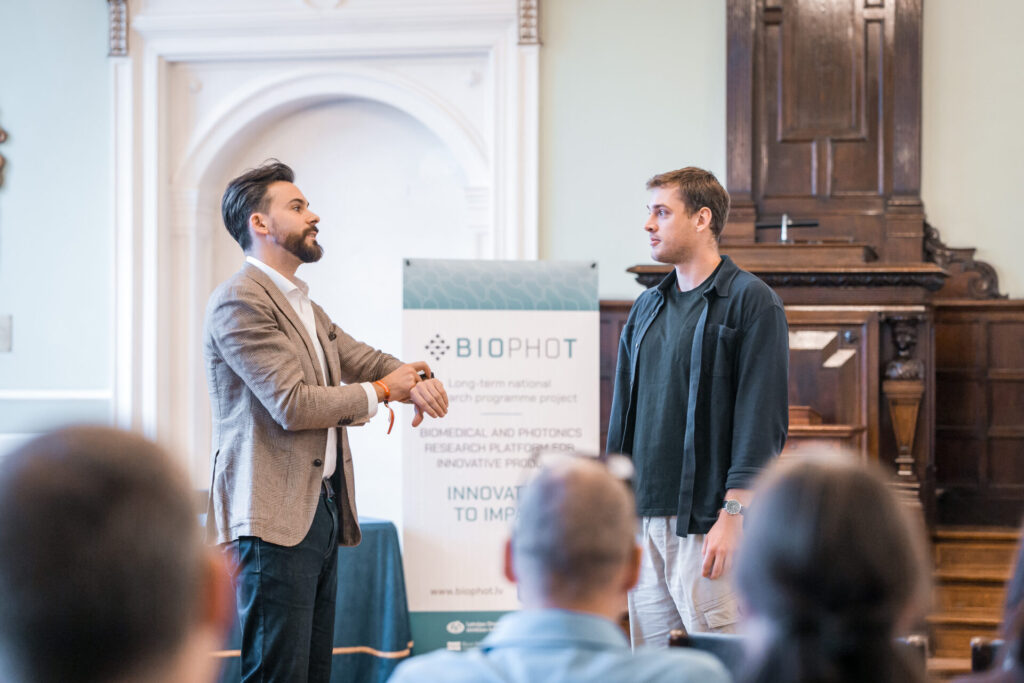
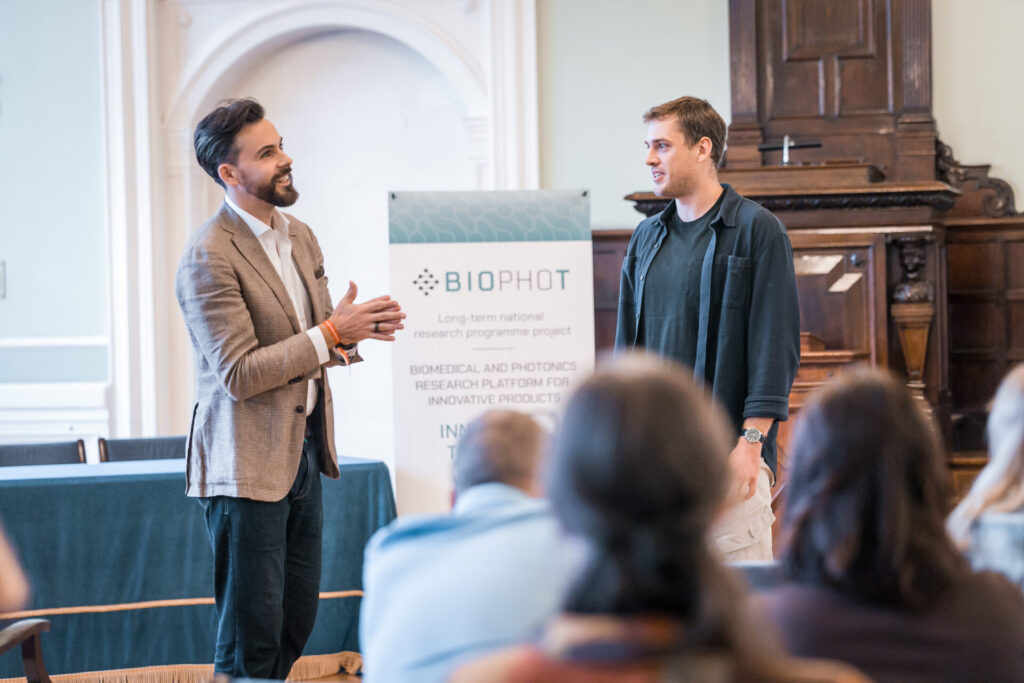
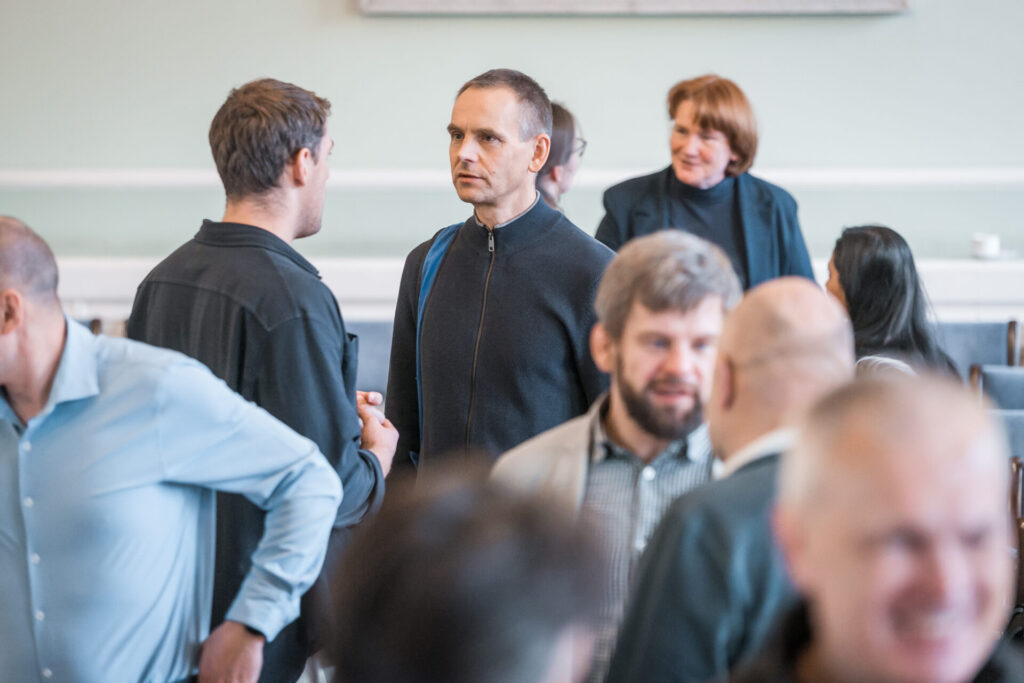
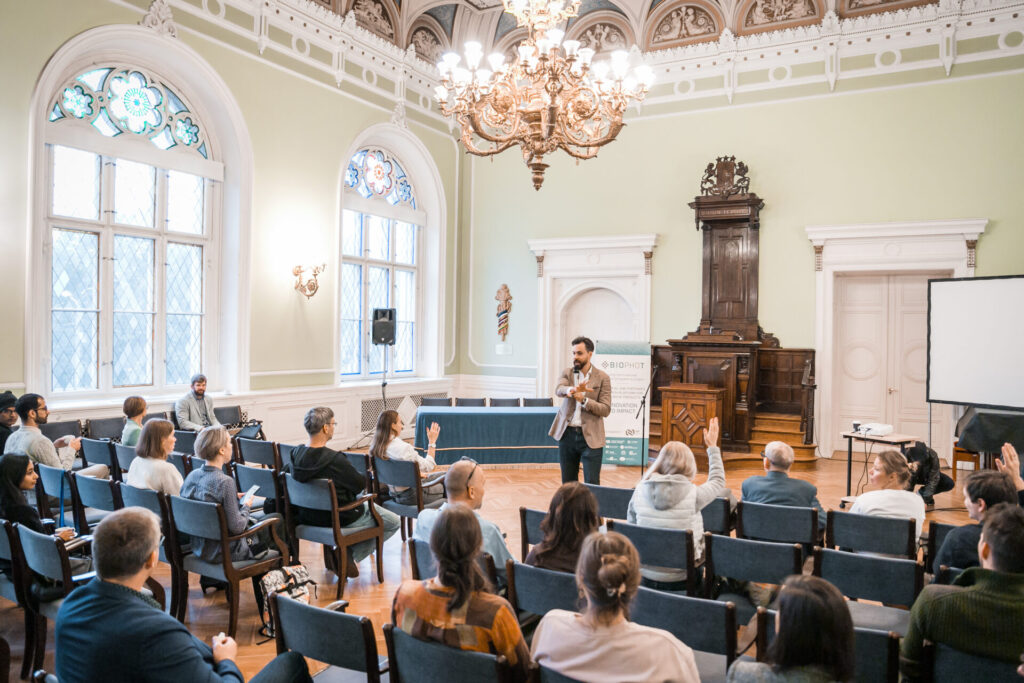
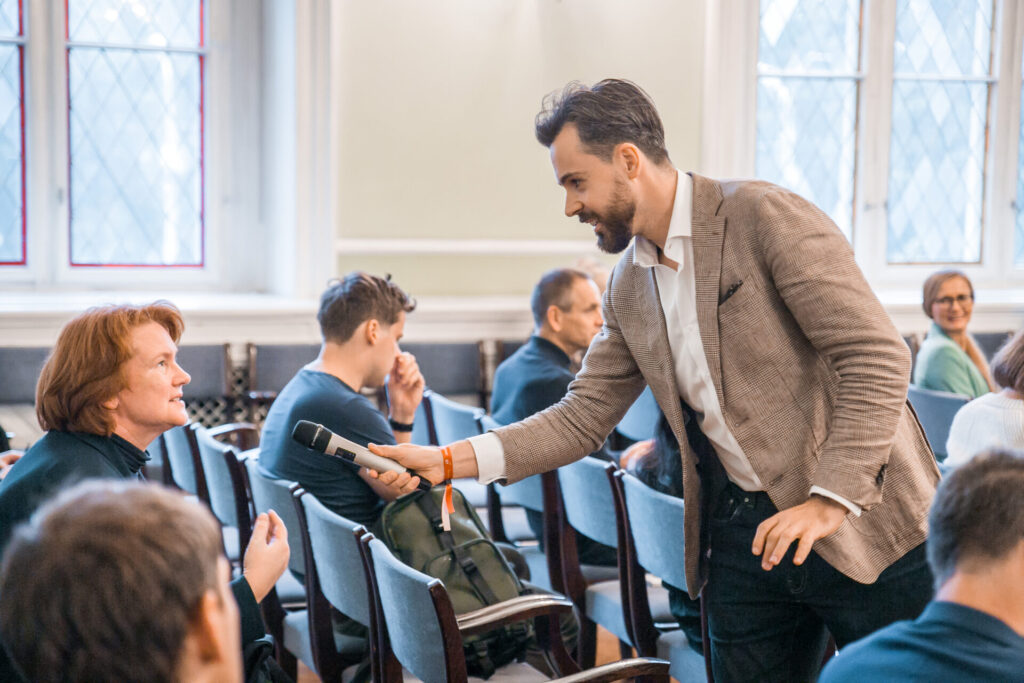
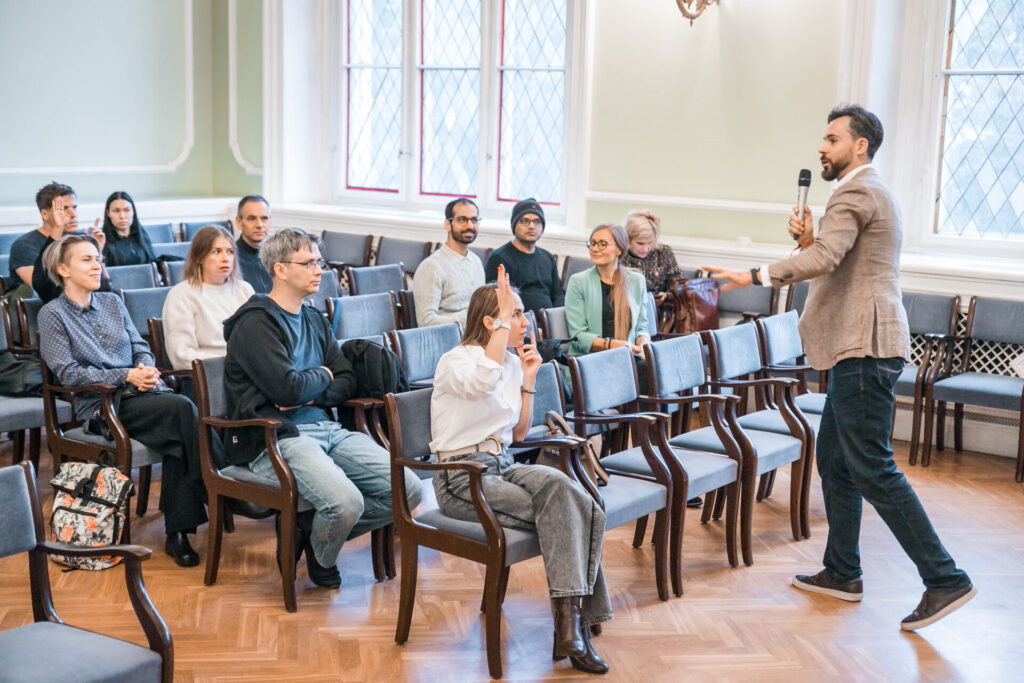
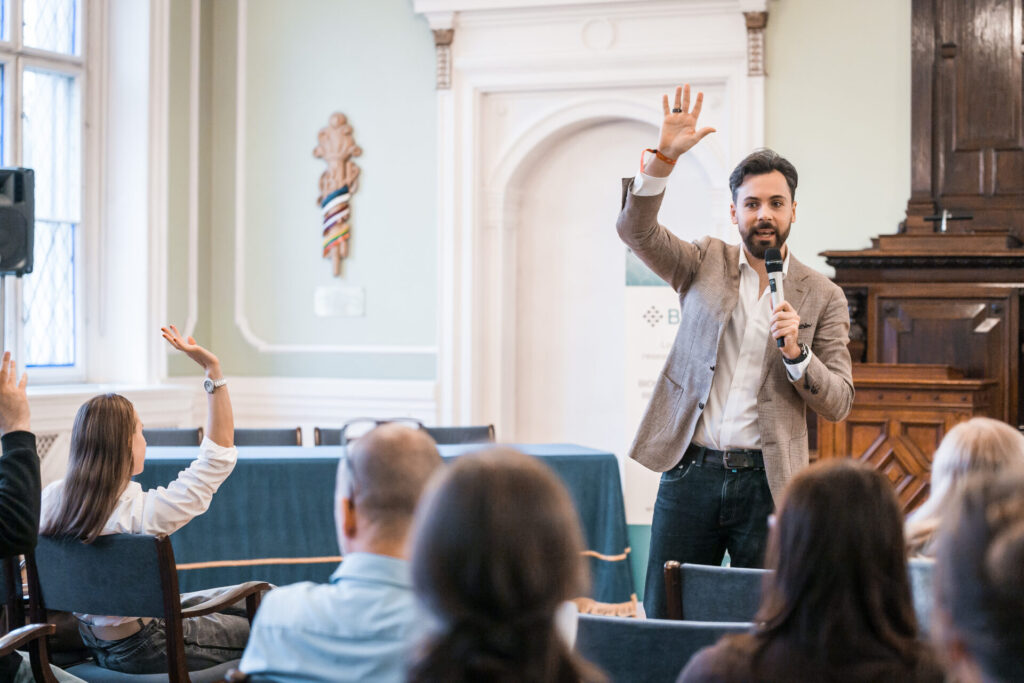
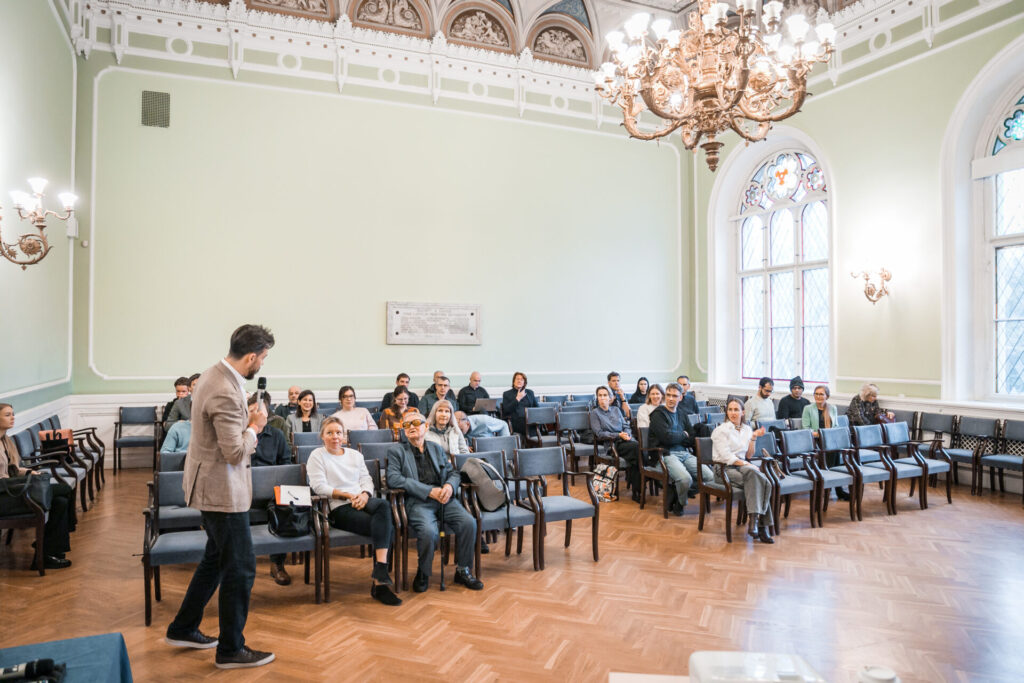
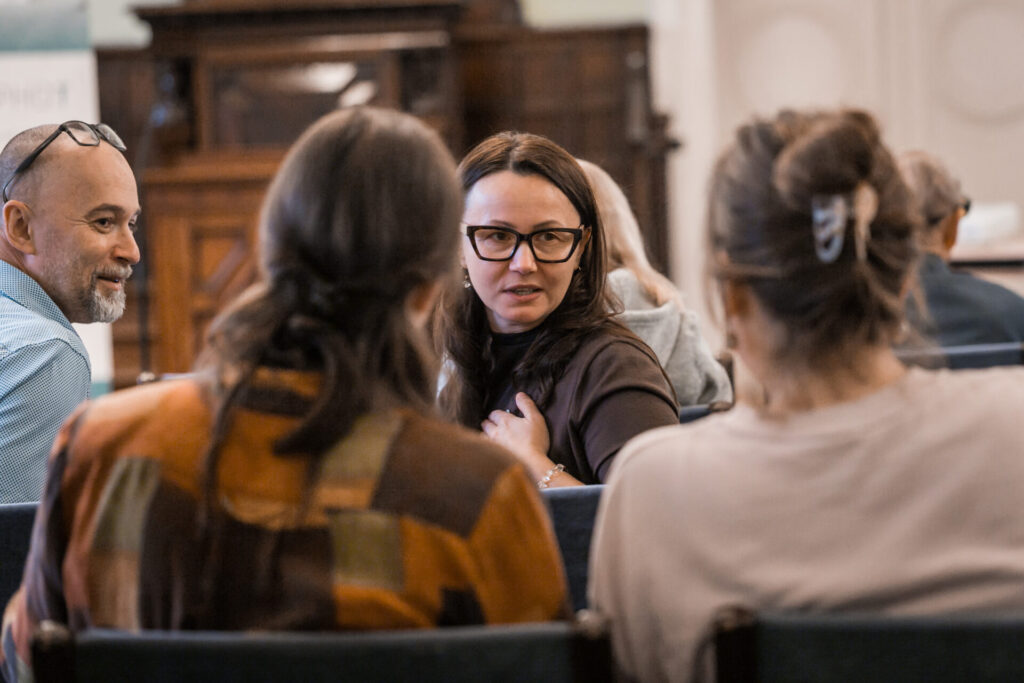
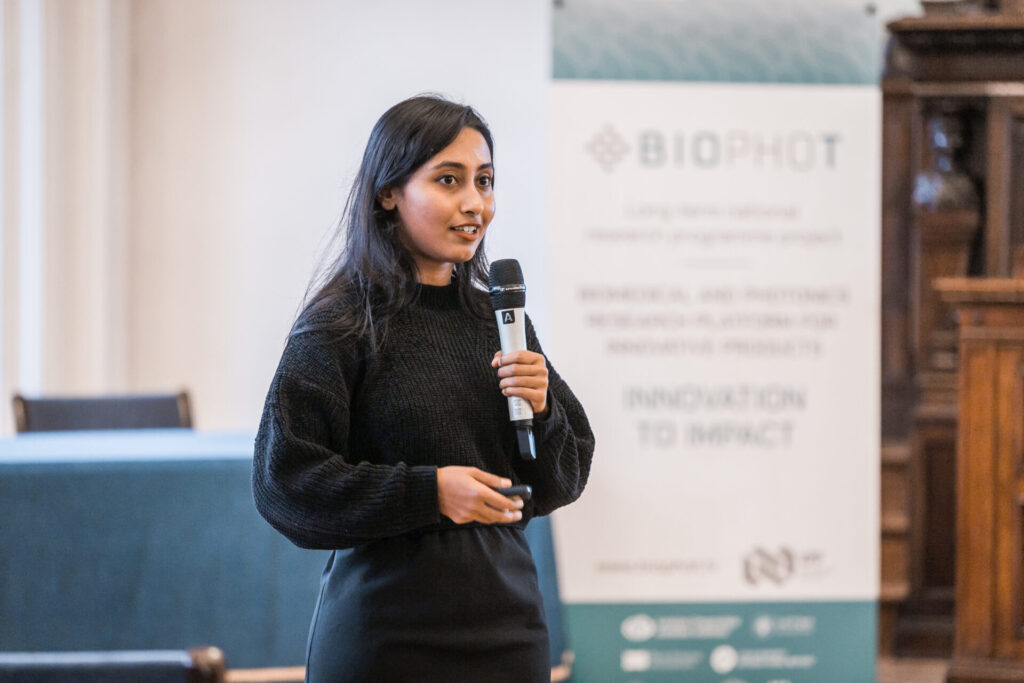
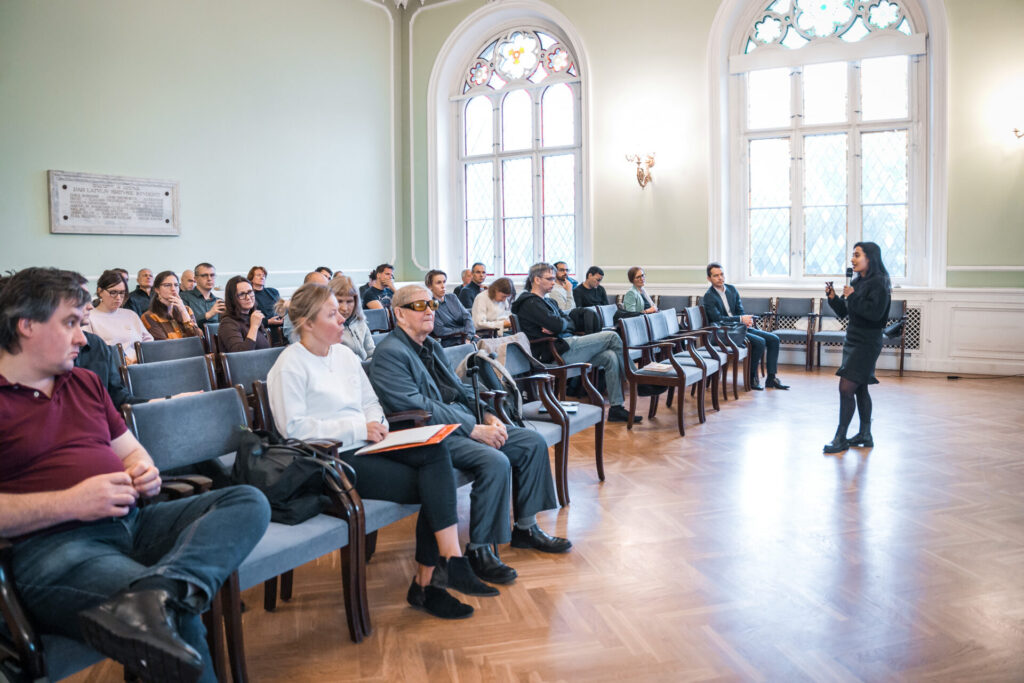
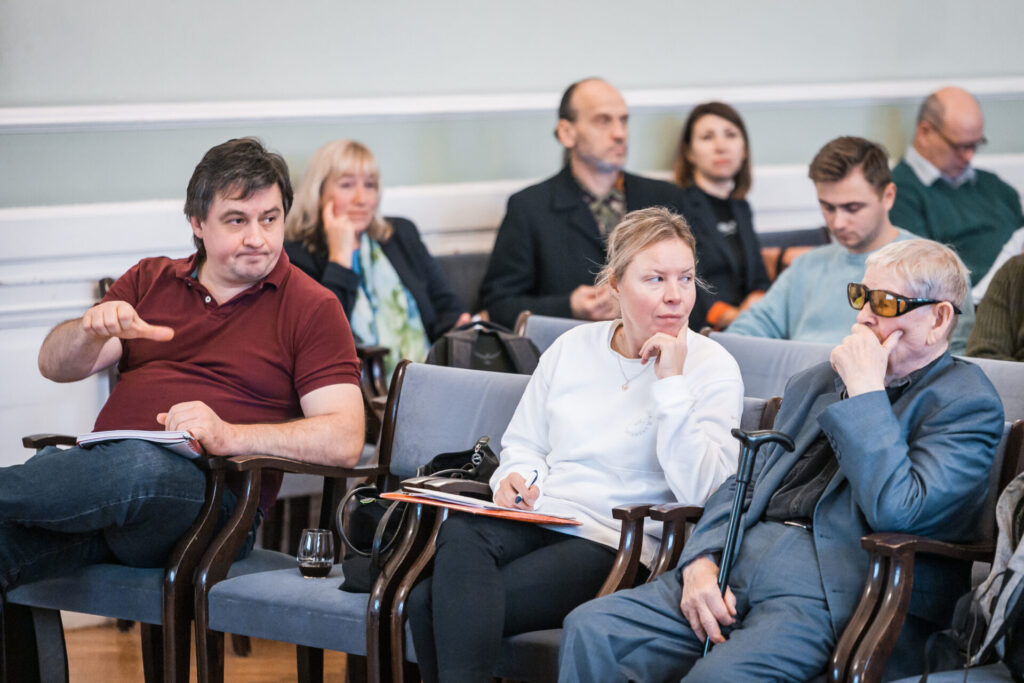
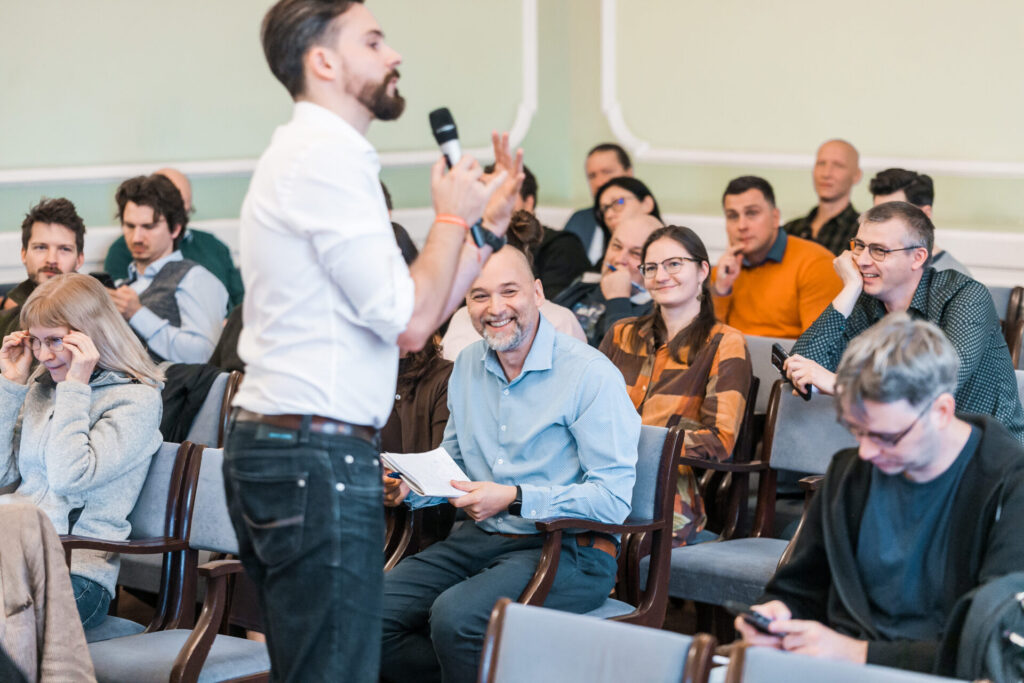
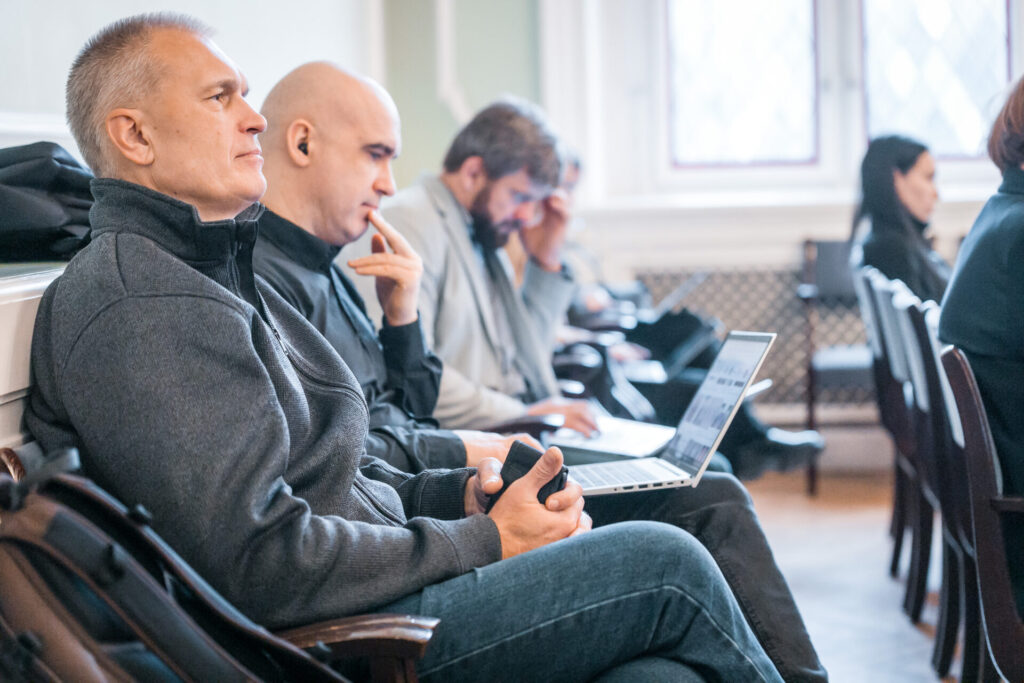
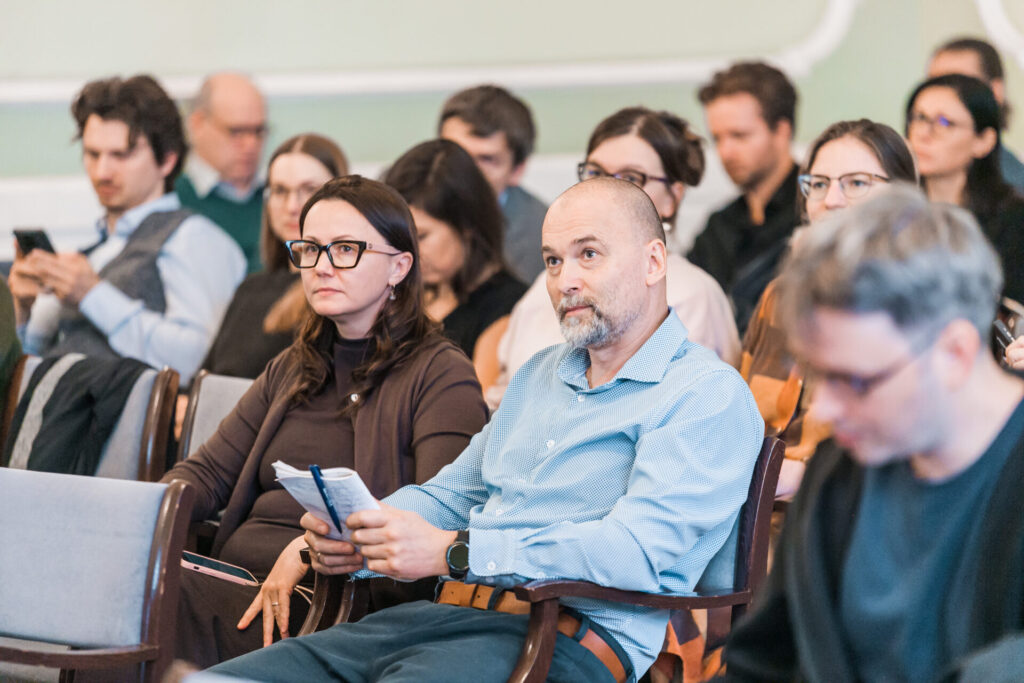
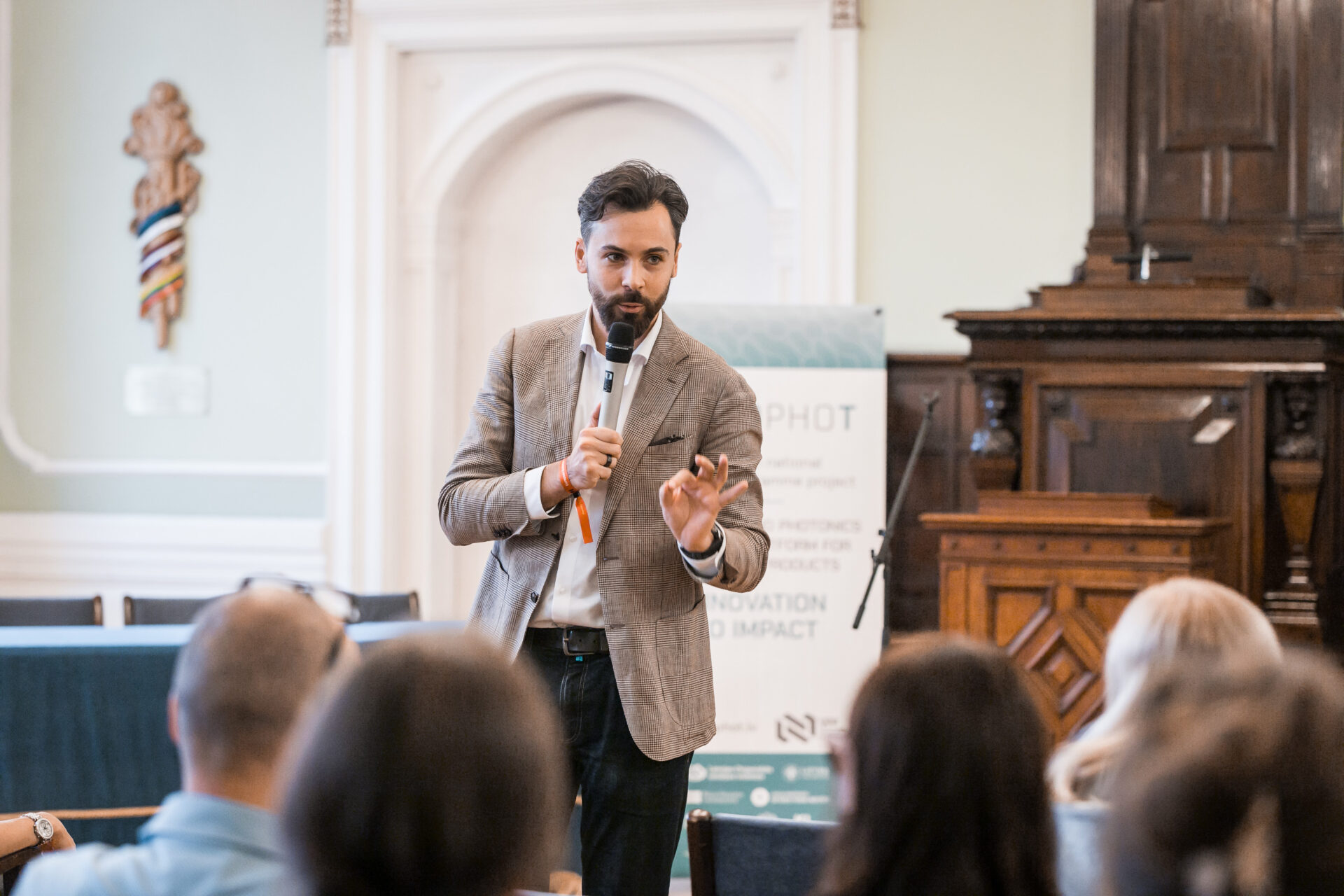
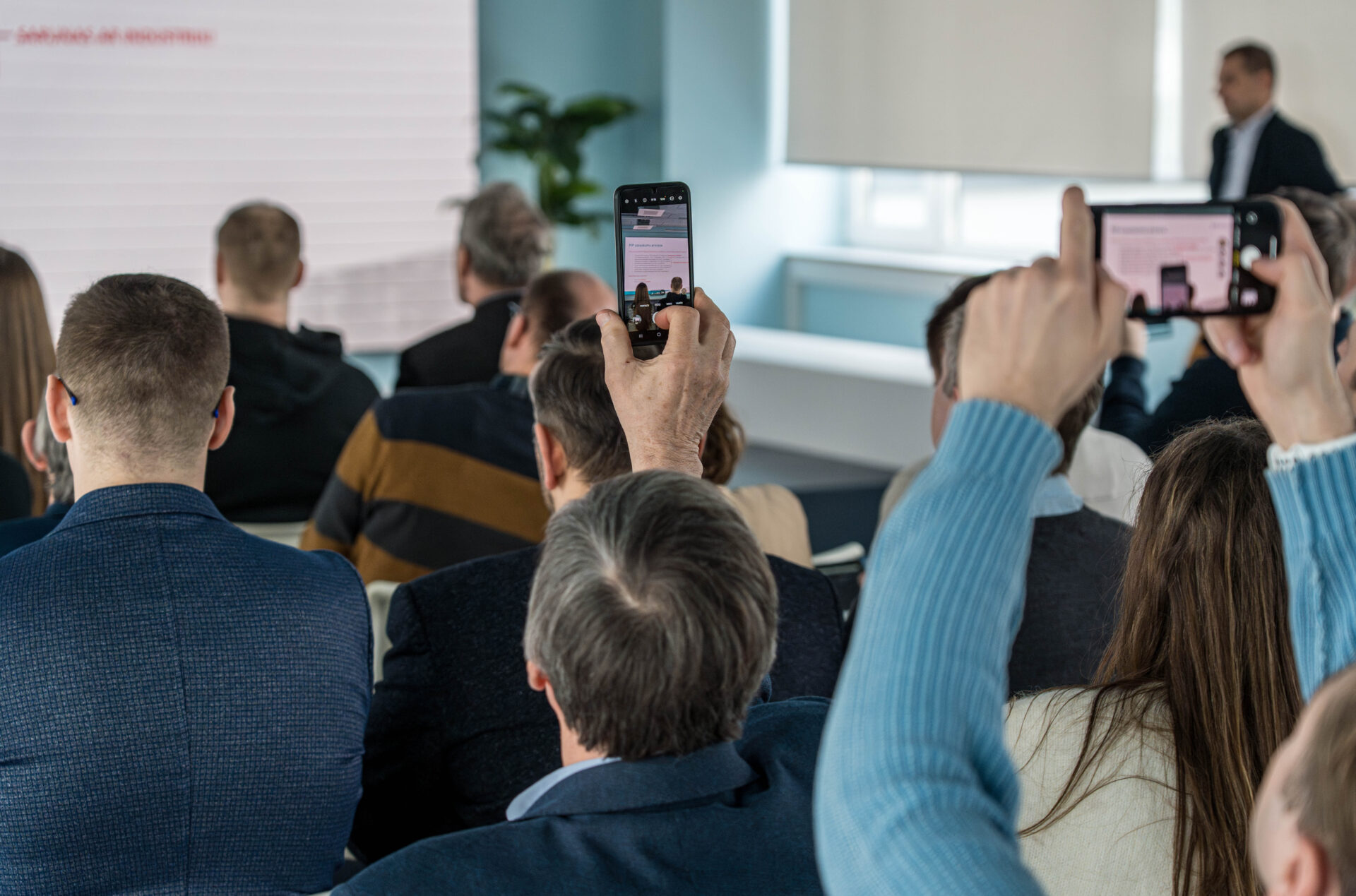
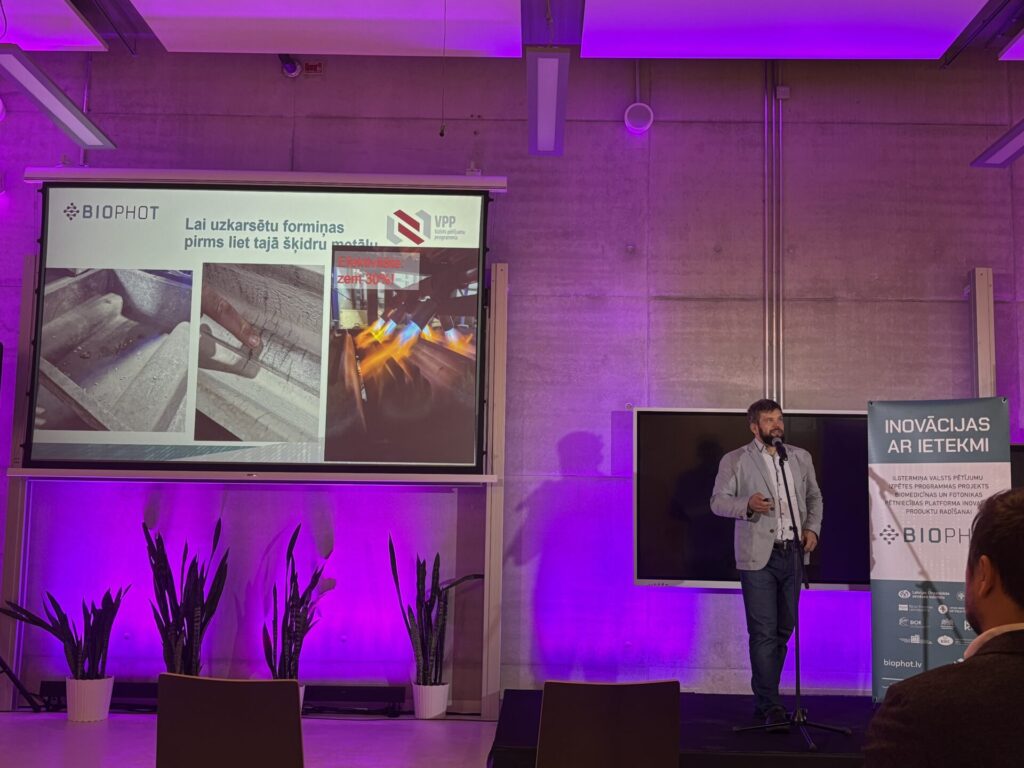
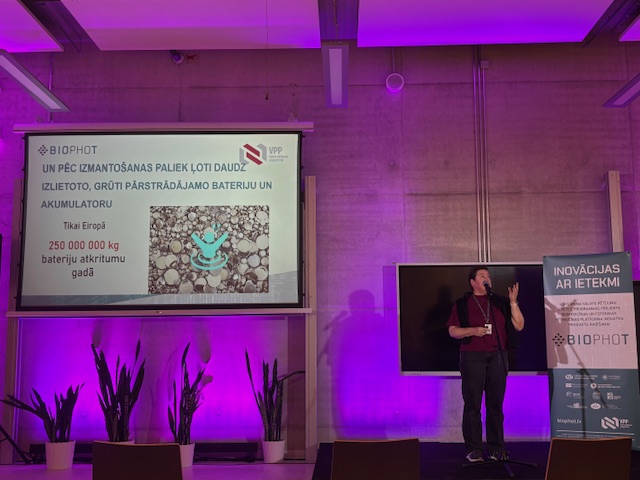
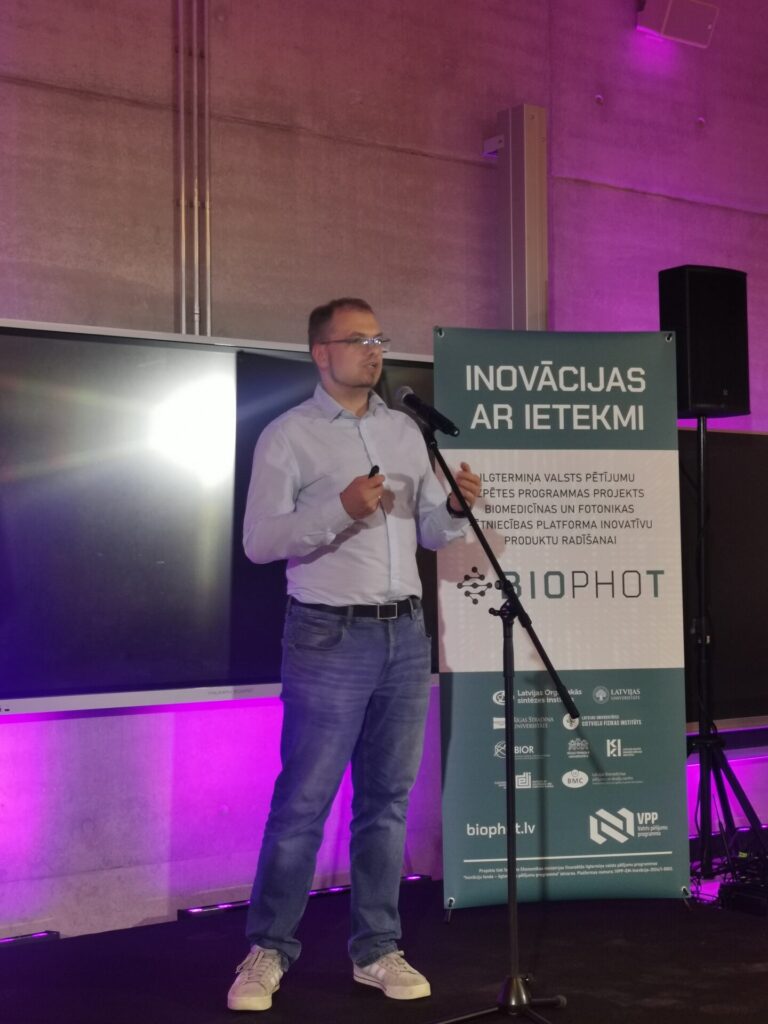
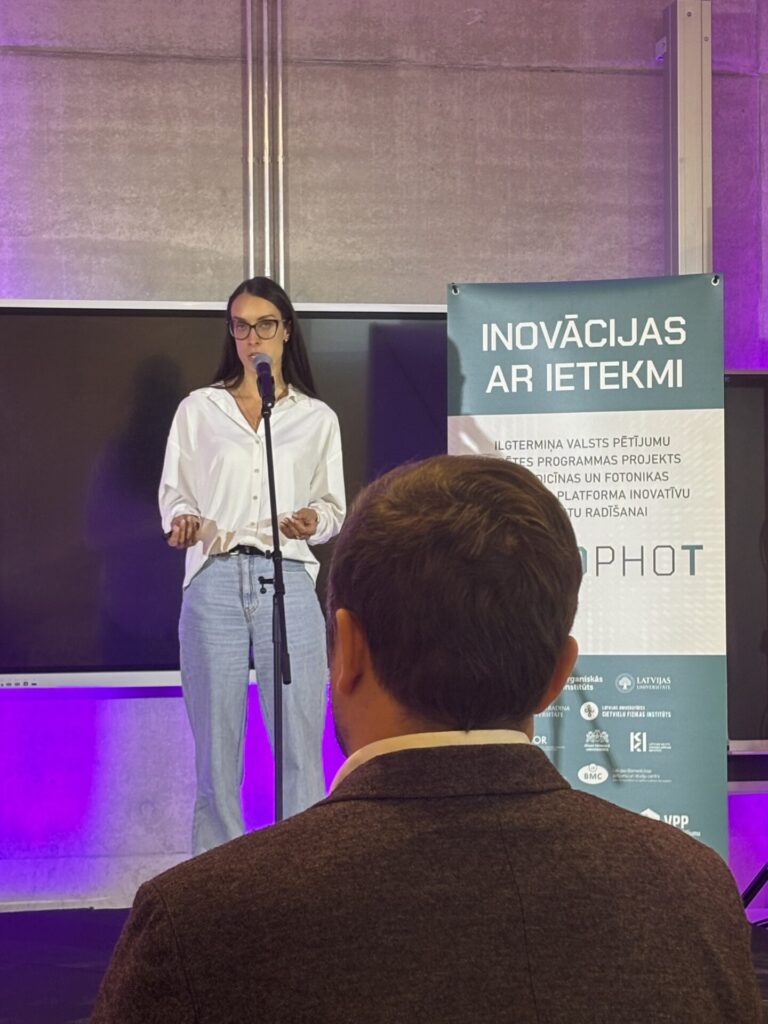
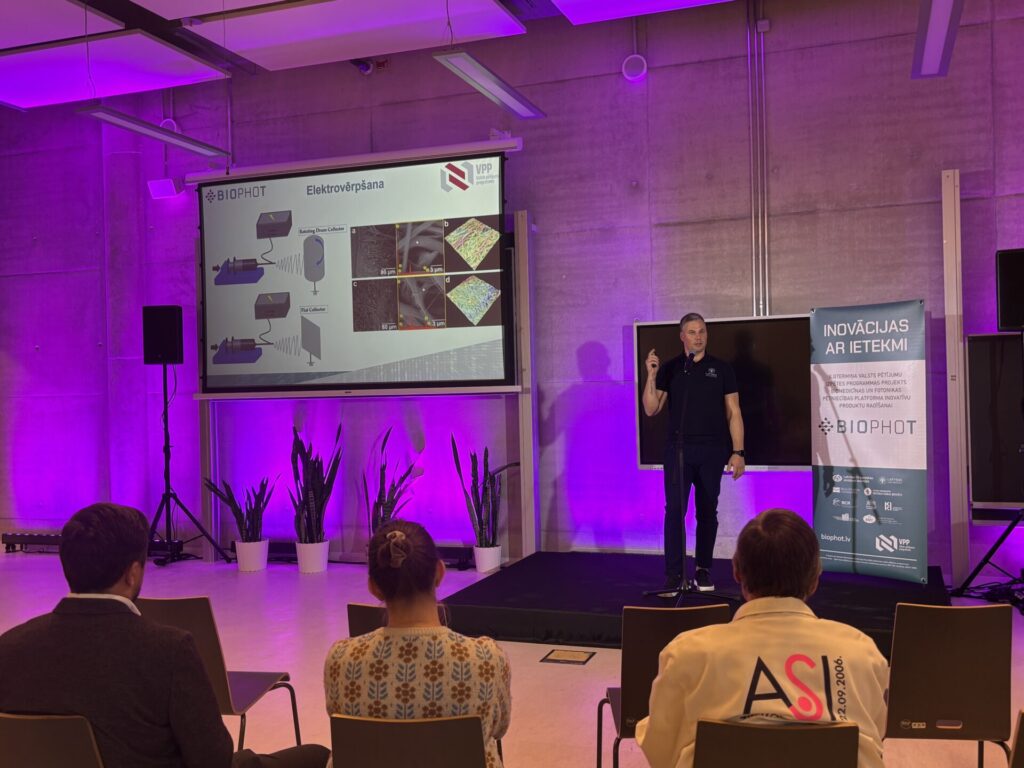
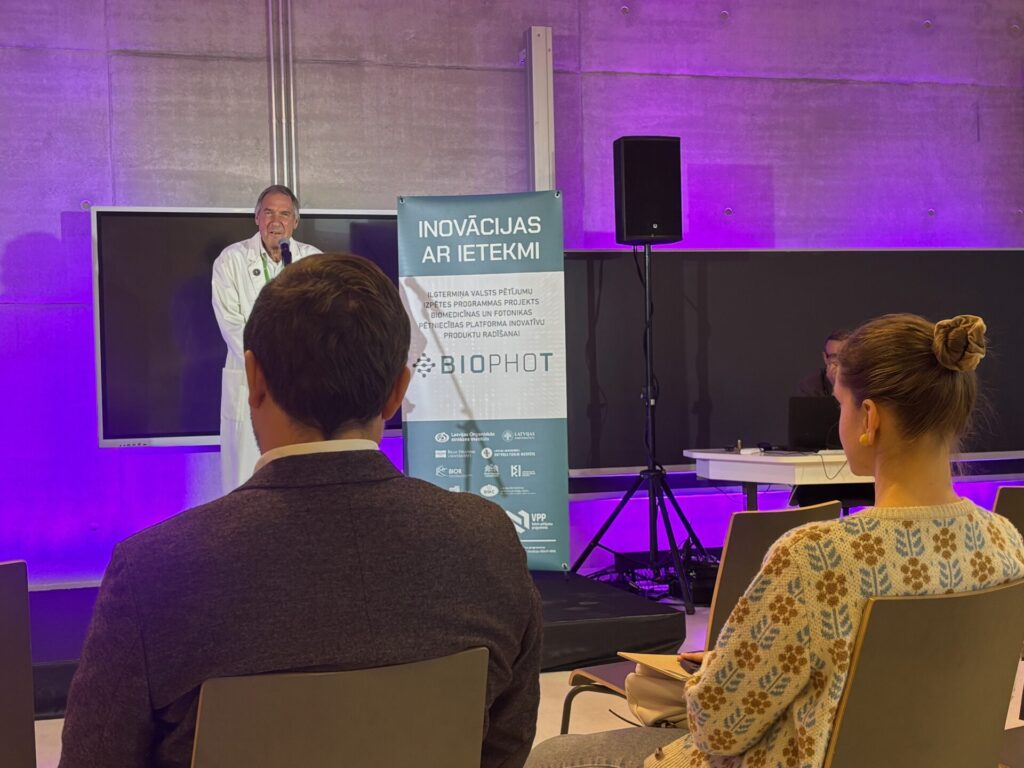
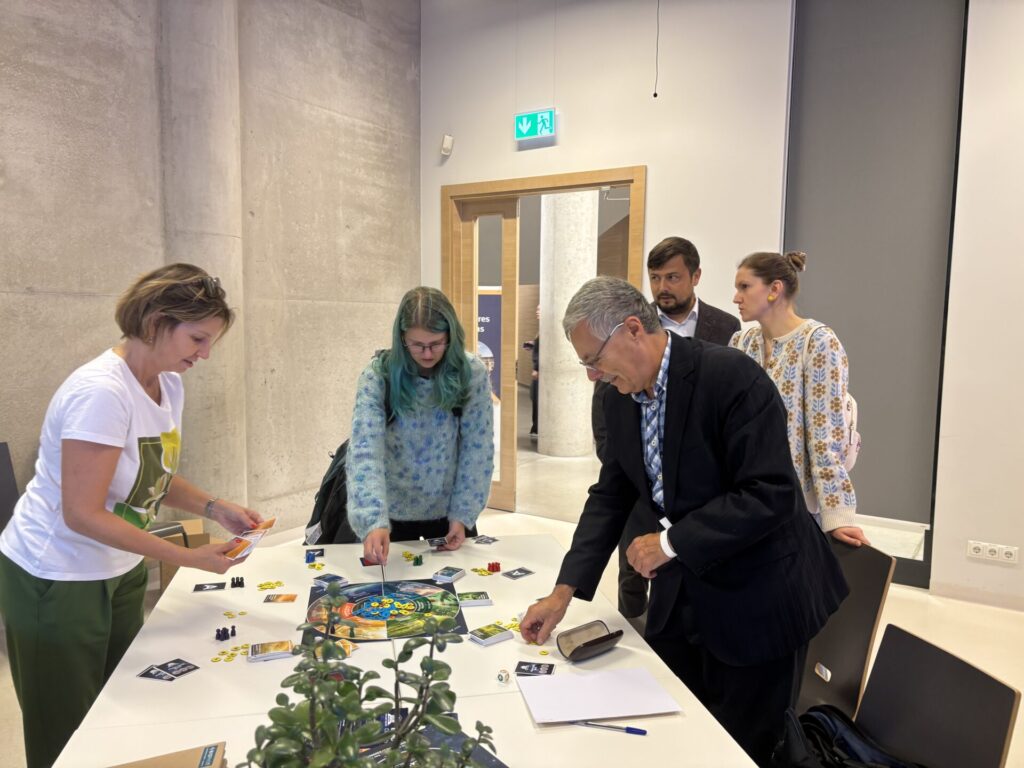
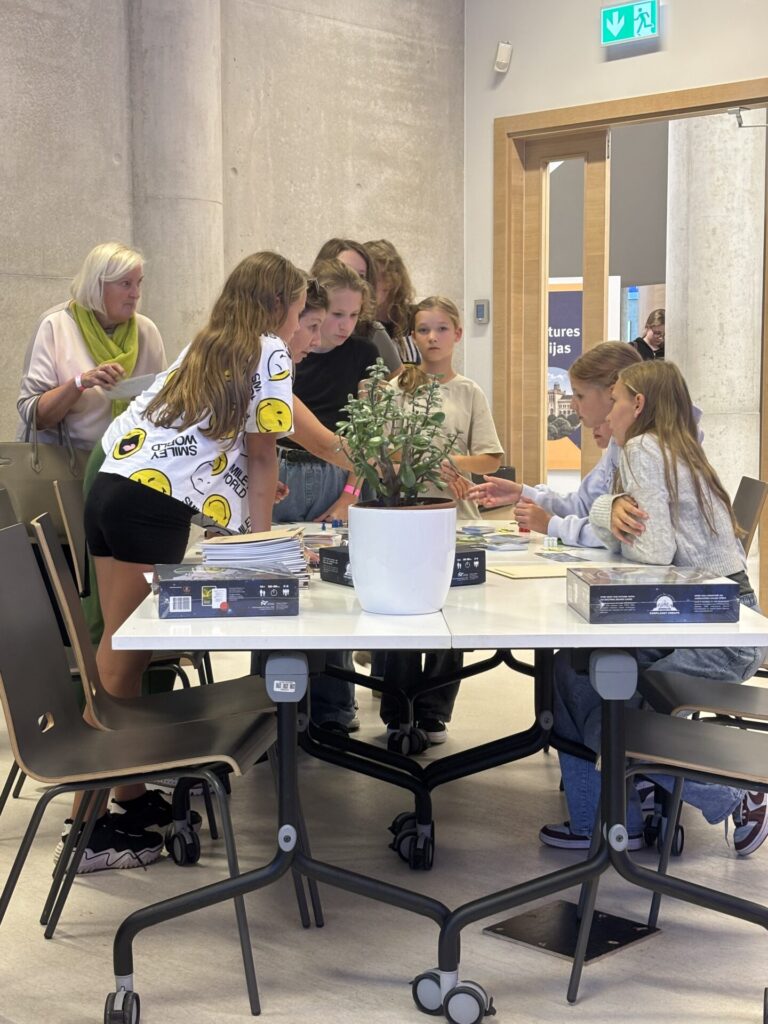
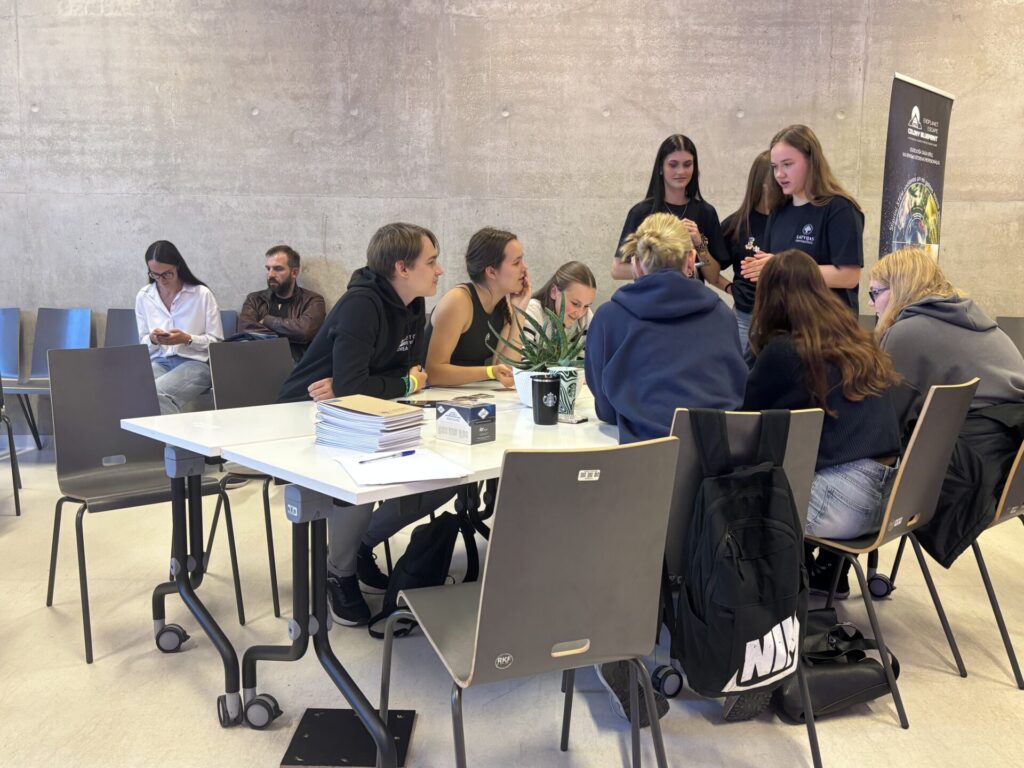
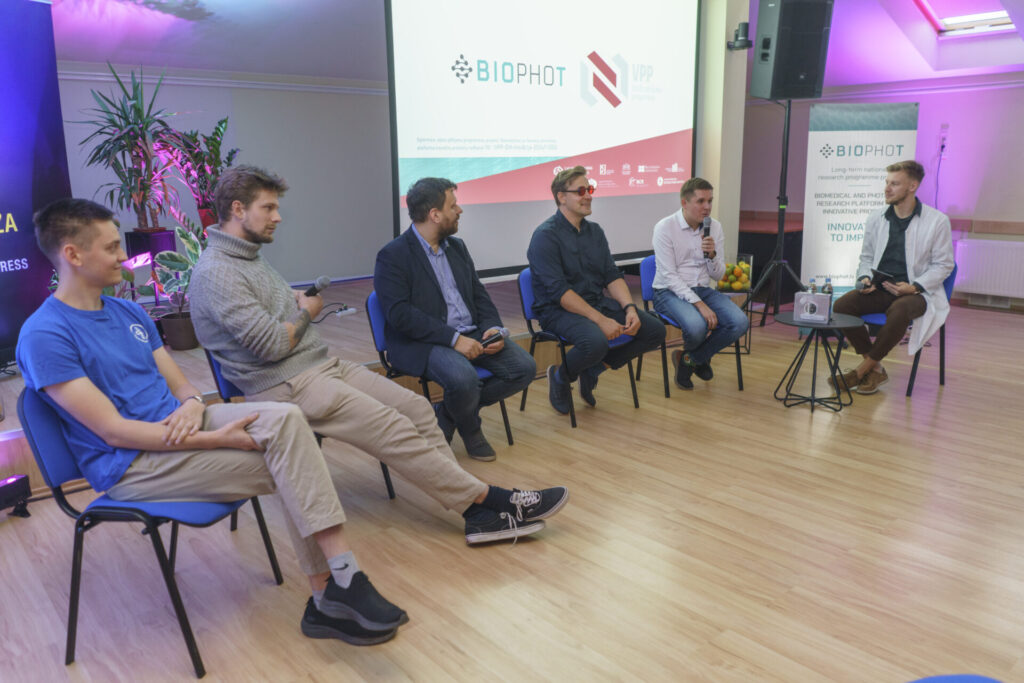
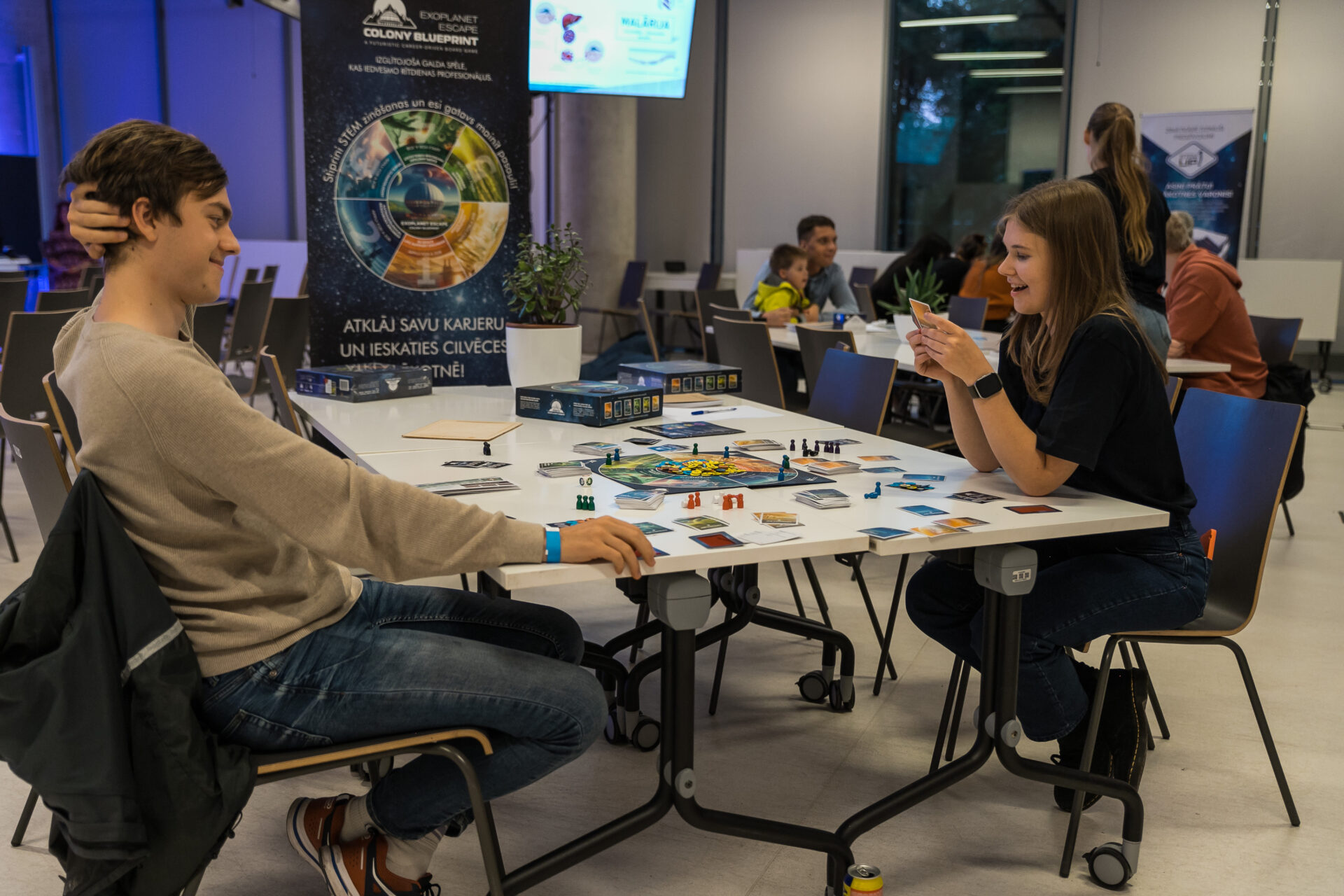
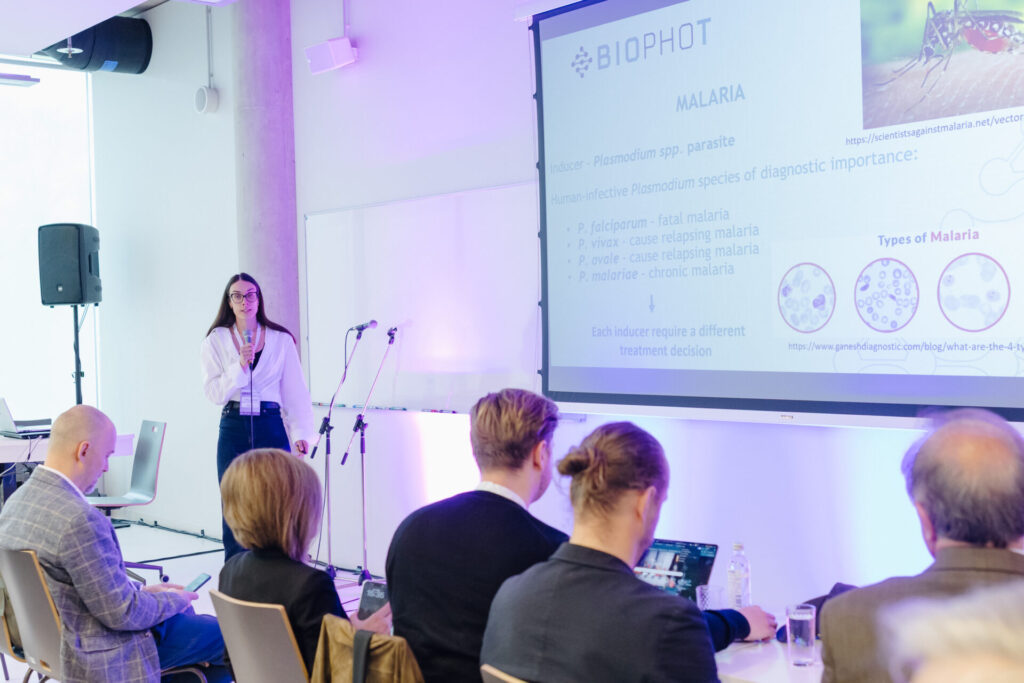
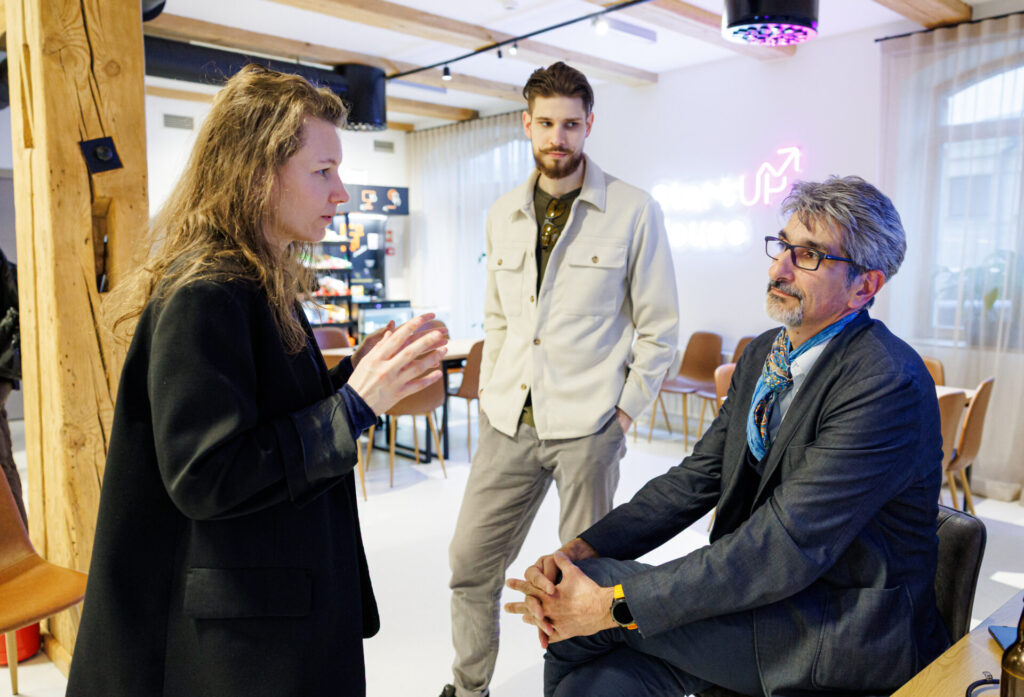
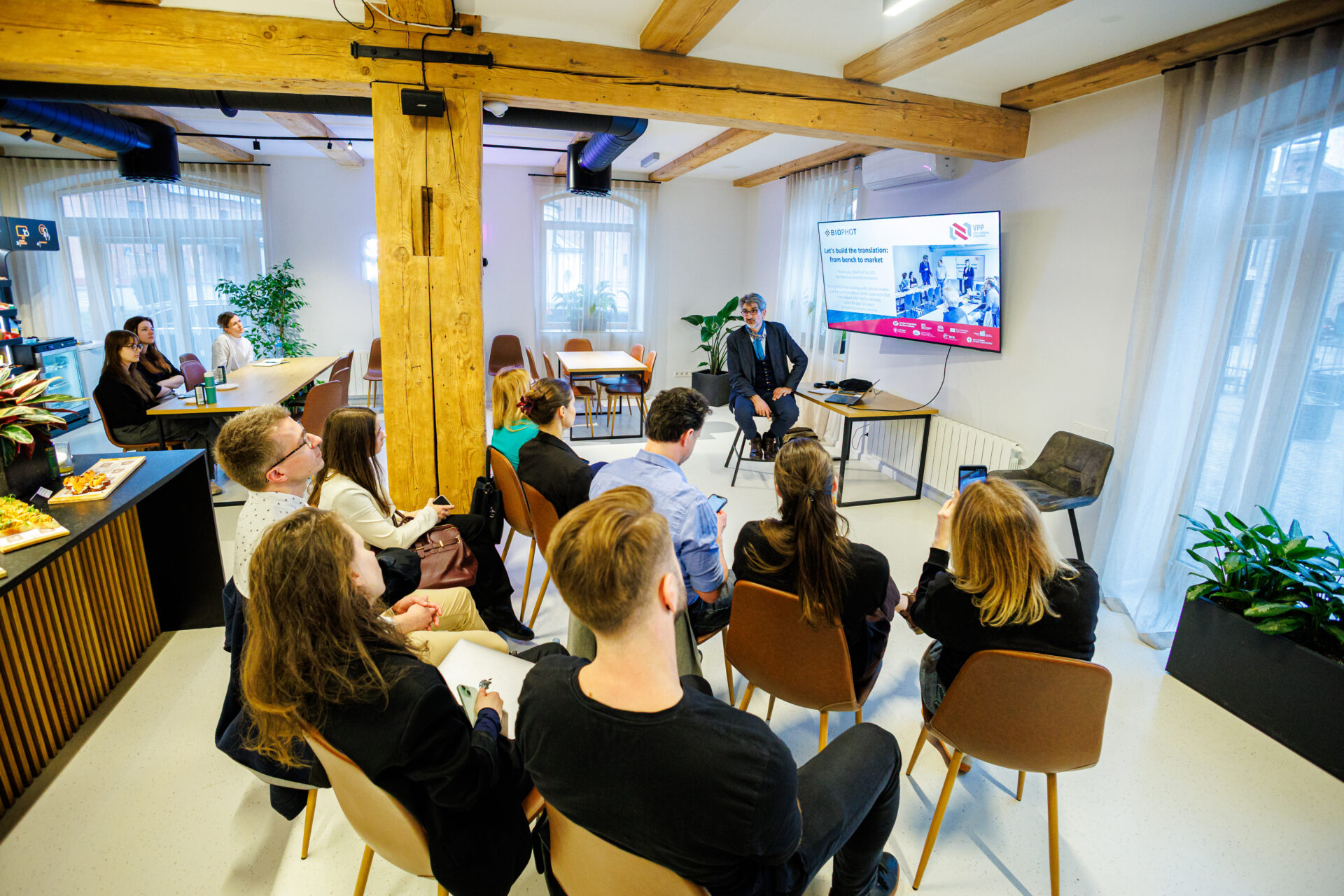
Within the framework of the International Deep Tech Commercialization Forum “Innovation Impact Forum 2026,” parallel “BioPhoT” presentation sessions took place on May 12th at the University of Latvia's House of Science, where research project teams in biomedicine and photonics presented their technological solutions to investors, industry representatives, and innovation experts. 

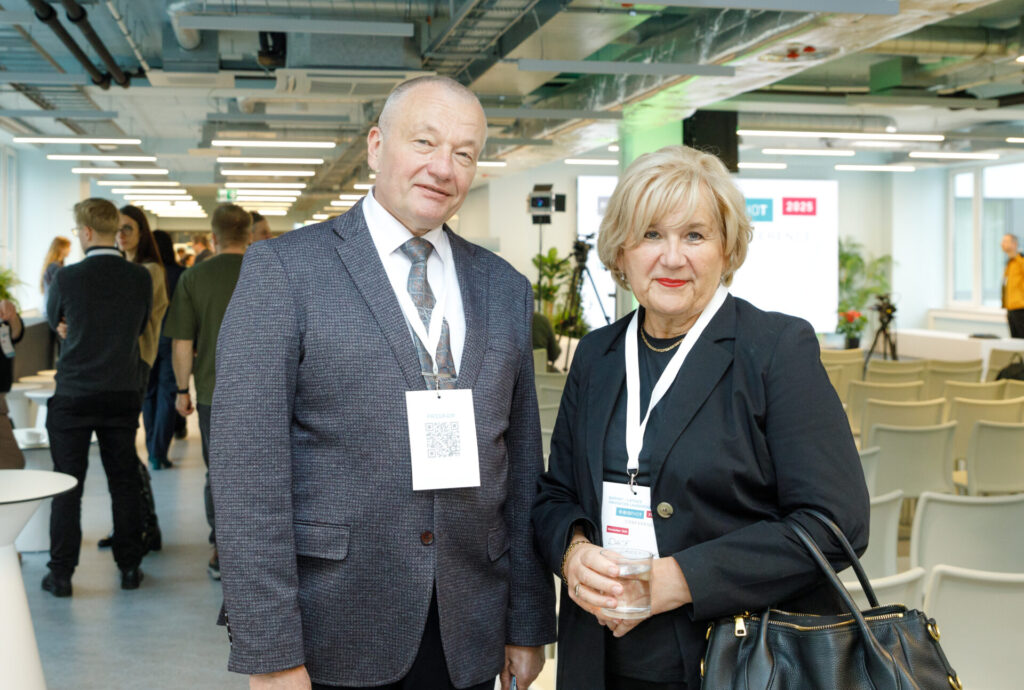
“The ”Innovation Impact Forum 2026" brought together experts from leading innovation, investment, and technology organizations to strengthen the Baltic region's position in the European innovation space, while promoting knowledge transfer, international cooperation, and the commercialization of high value-added technologies. 

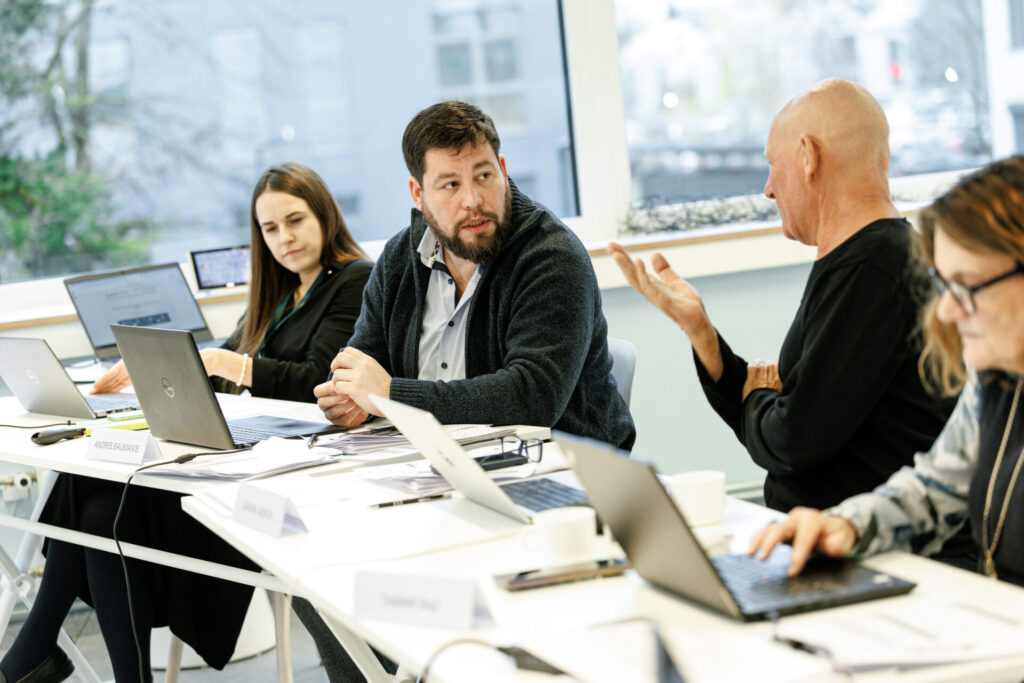
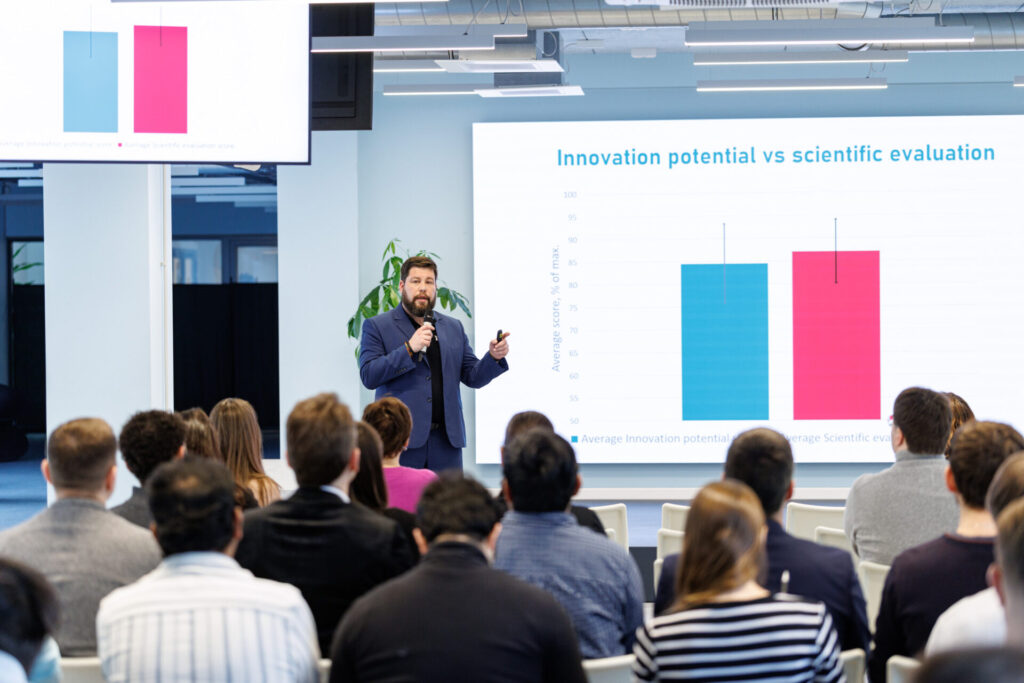
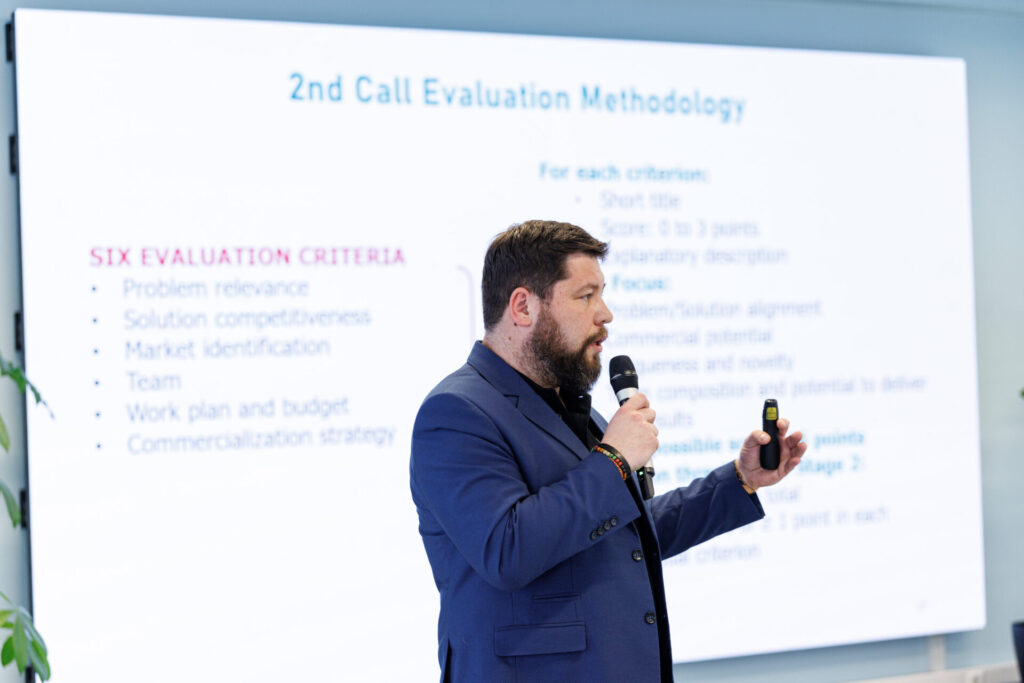
More than 20 “BioPhoT” research projects participated in presentation sessions within two thematic categories: “Photonics, Smart Materials, and Advanced Engineering Systems” and “Biomedicine, Medical Technologies, and Pharmacy.” A panel of international experts evaluated the presentations from research groups at leading Latvian higher education and research institutions, providing teams with professional feedback on the commercialization potential, market readiness, and development opportunities of their technologies.

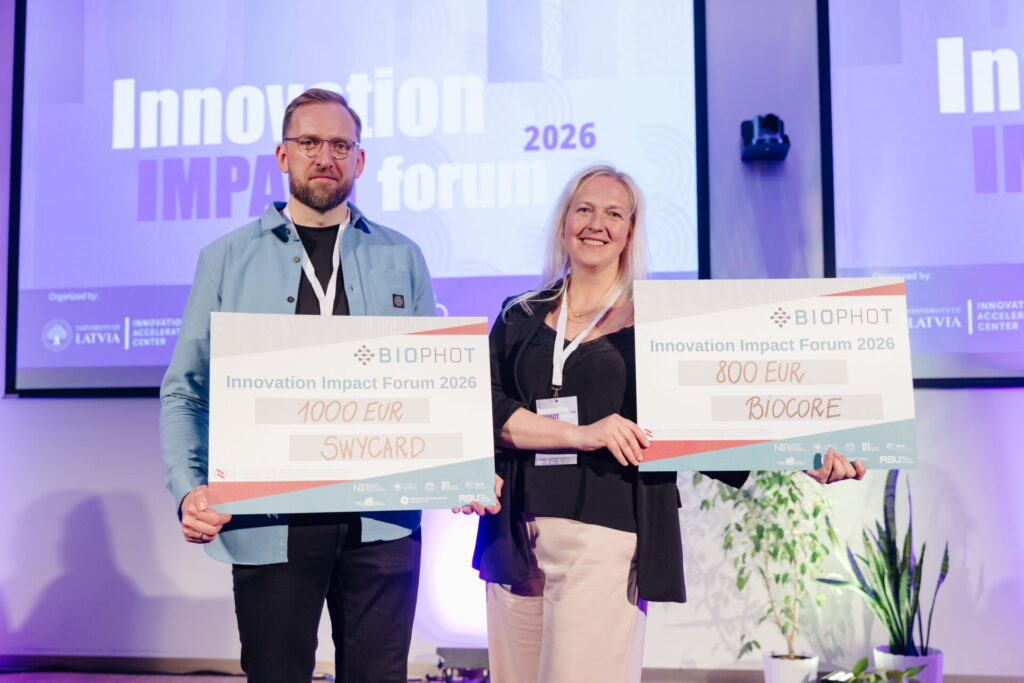
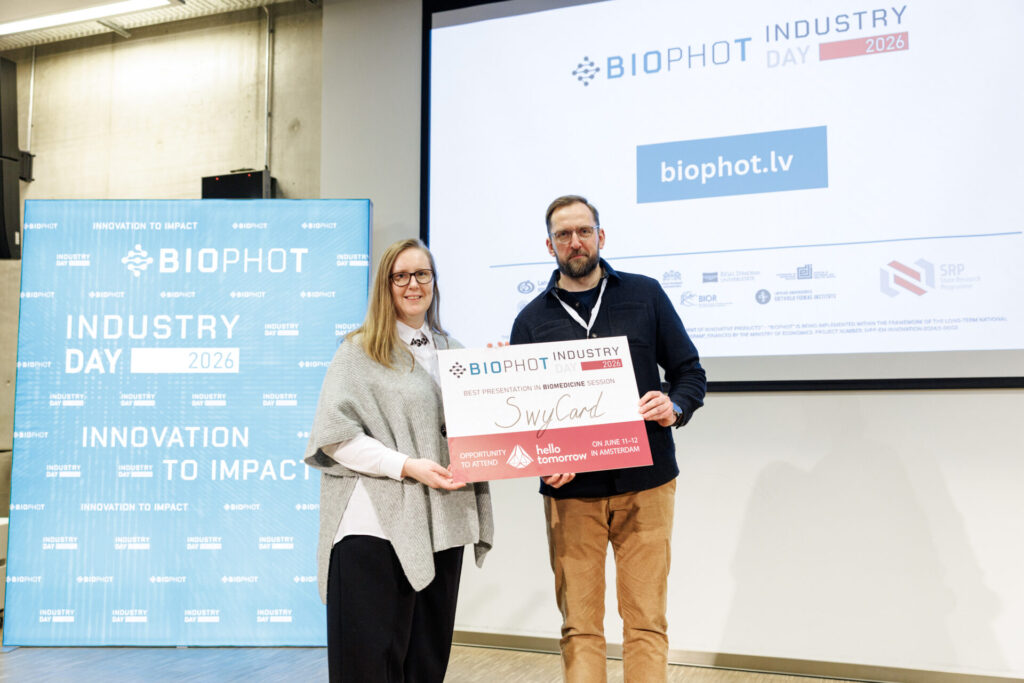
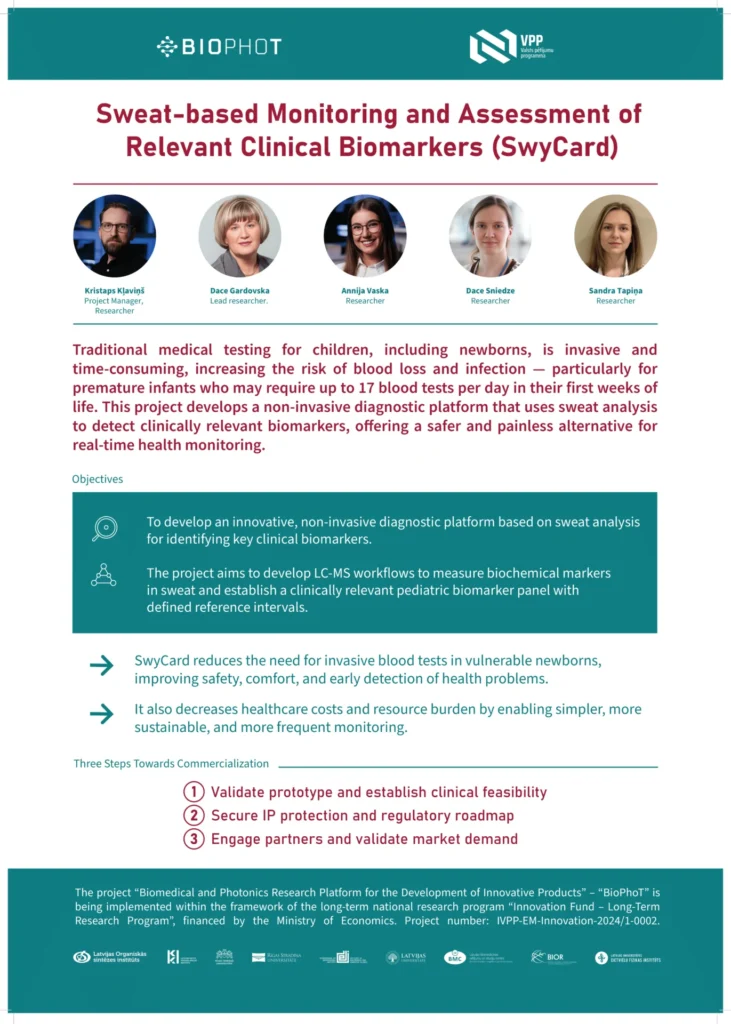
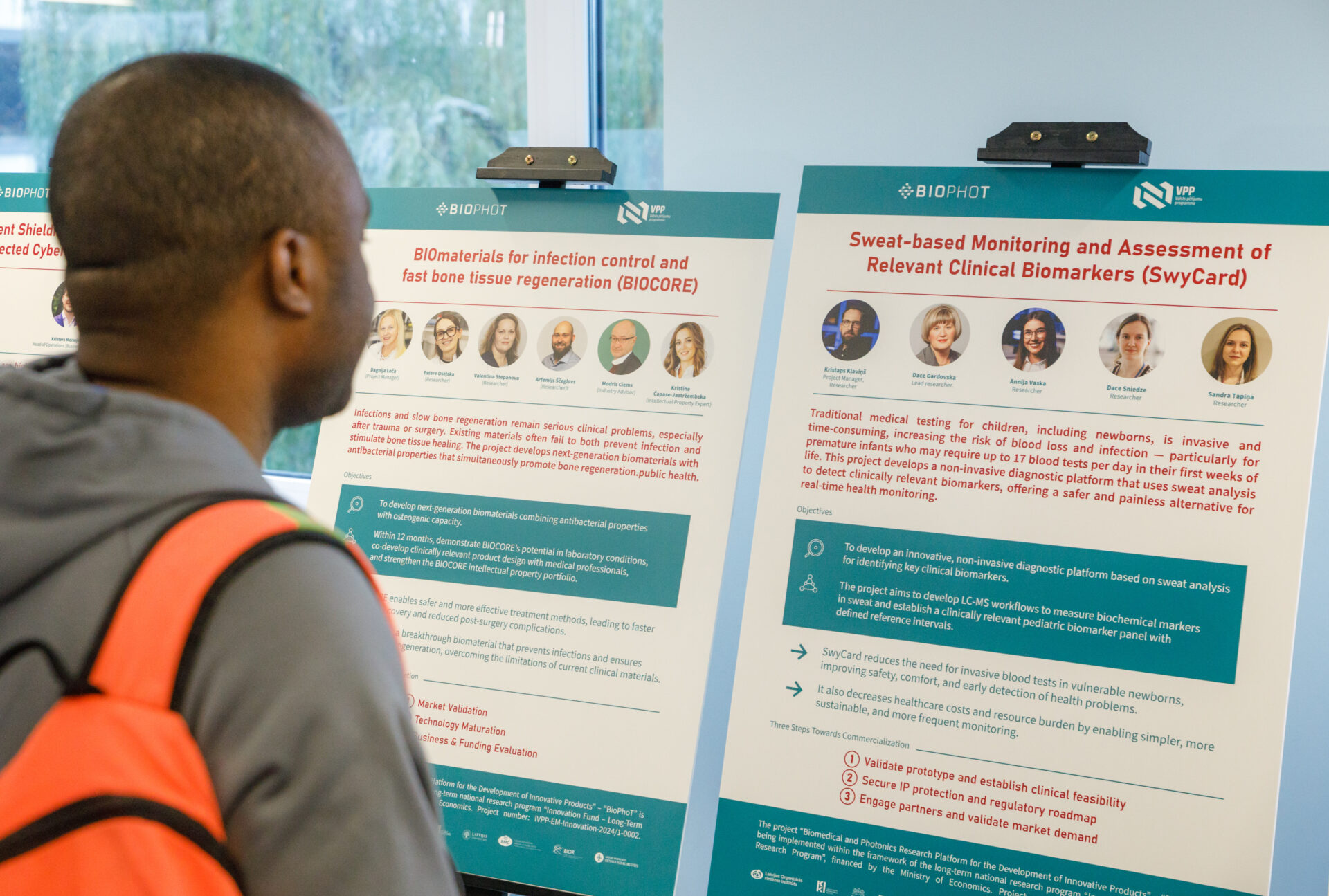
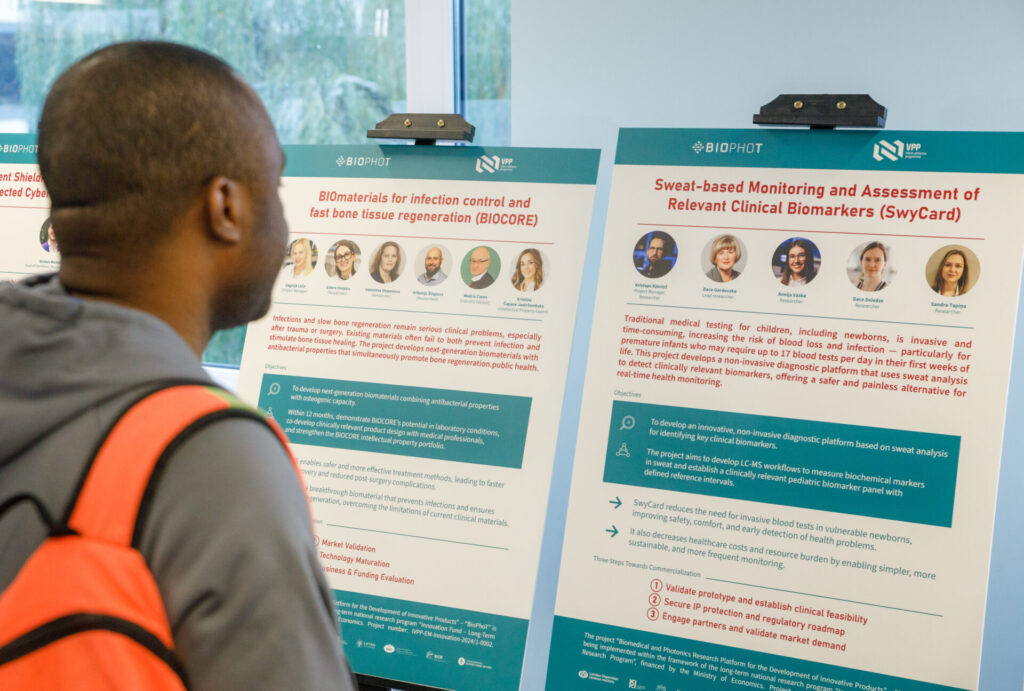
The project “ received first place and a prize of 1000 EUR from the BioPhoT platform.”Detection and Monitoring of Clinically Significant Biomarkers Using Sweat Tests (SwyCad)”(RTU, Project Manager Kristaps Kļaviņš).

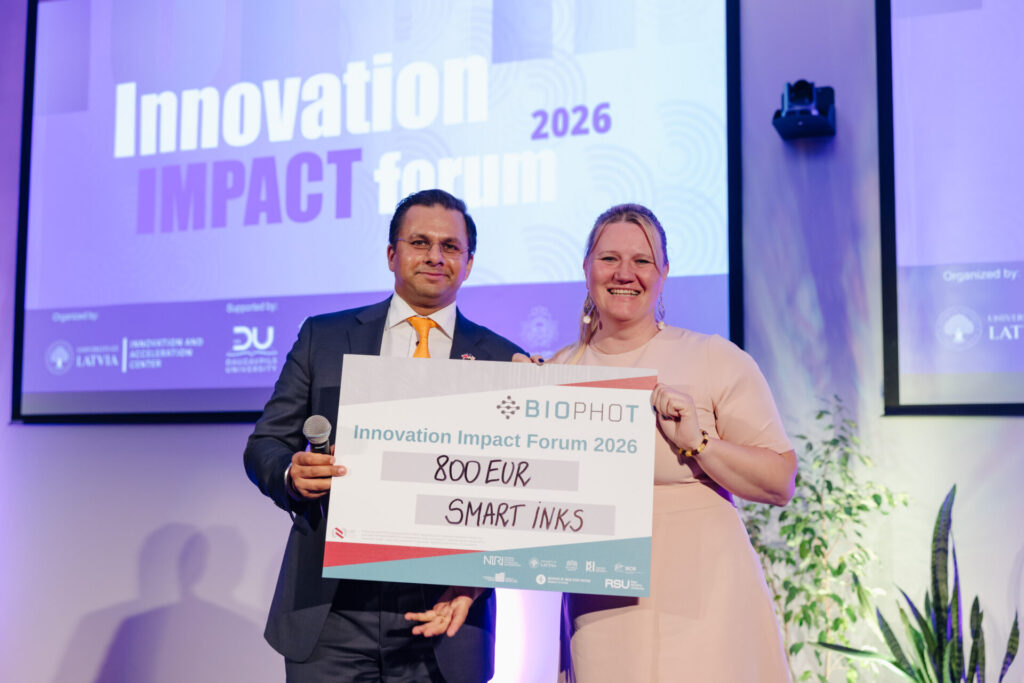
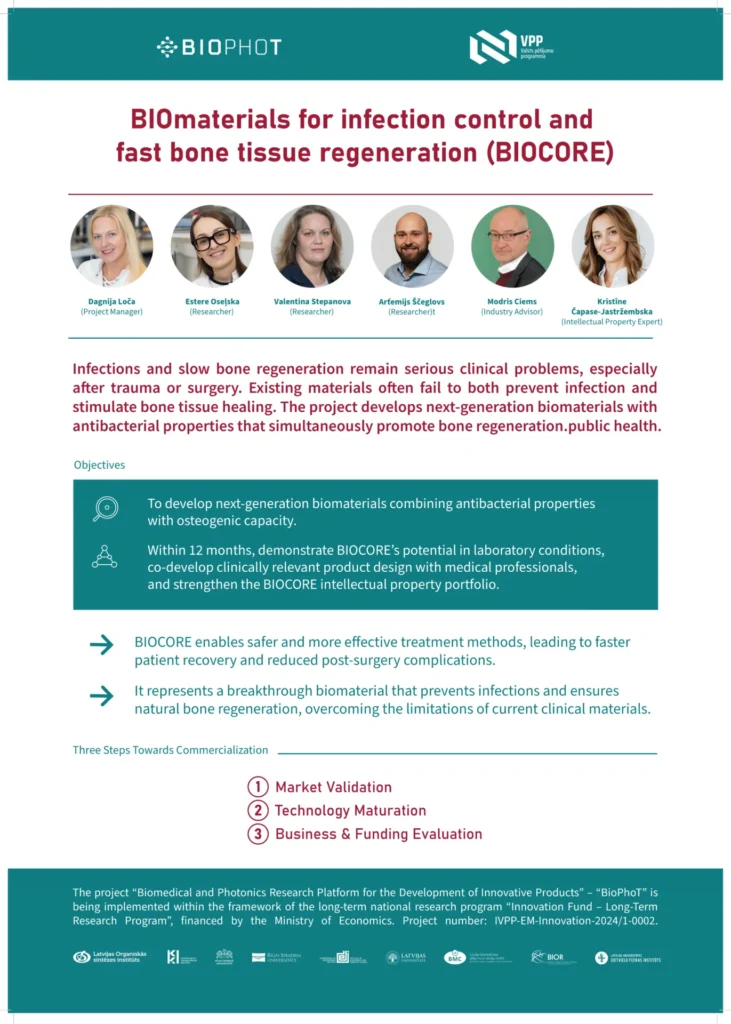
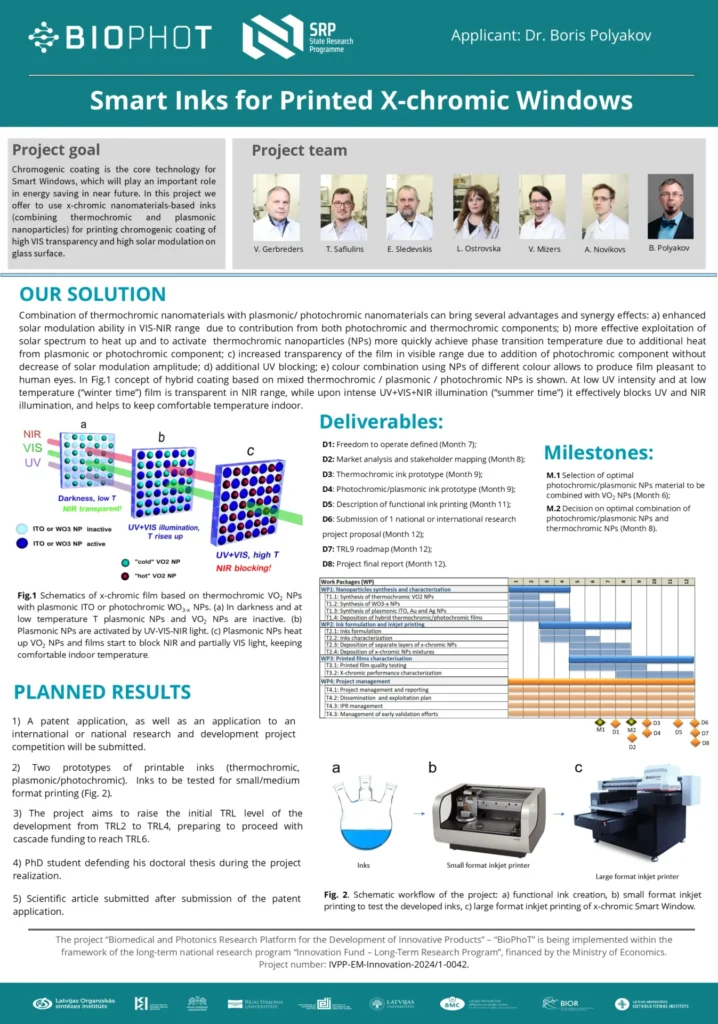
Another winner of an 800 EUR prize in the category “Biomedicine, Medical Technologies, and Pharmacy” was the project “BIOmaterials for infection control and rapid bone regeneration (BioCore)”(RTU, Project Manager Dagnija Loča), but in the category “Photonics, Smart Materials and Advanced Engineering Systems” - “Smart Inks for Printed Chromogenic Windows”(DU, Project Manager Vyacheslavs Gerbreders).

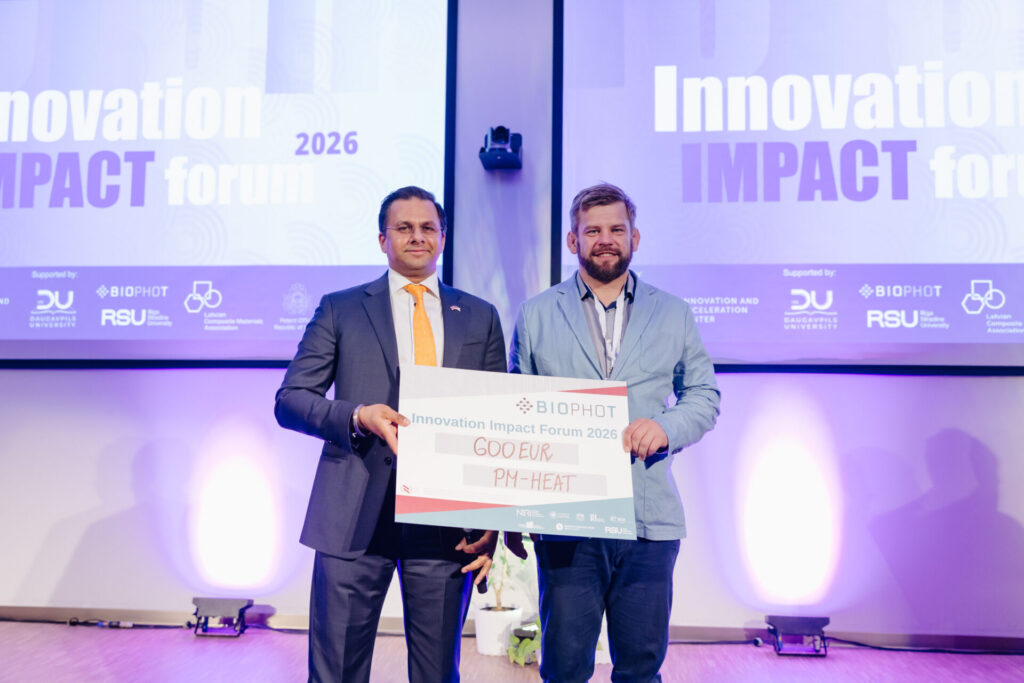
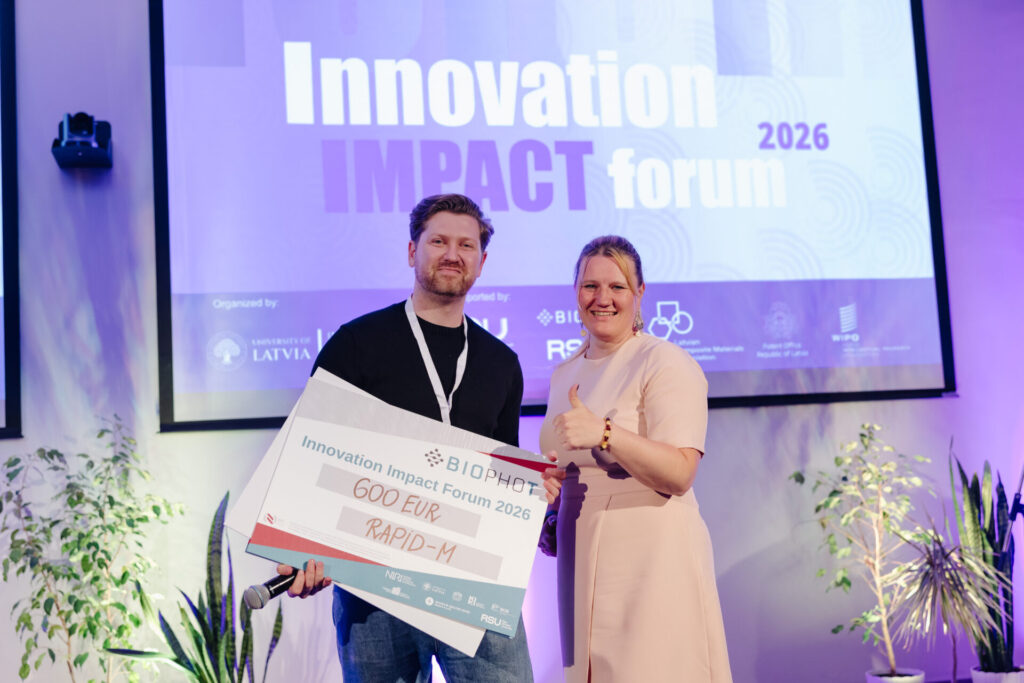
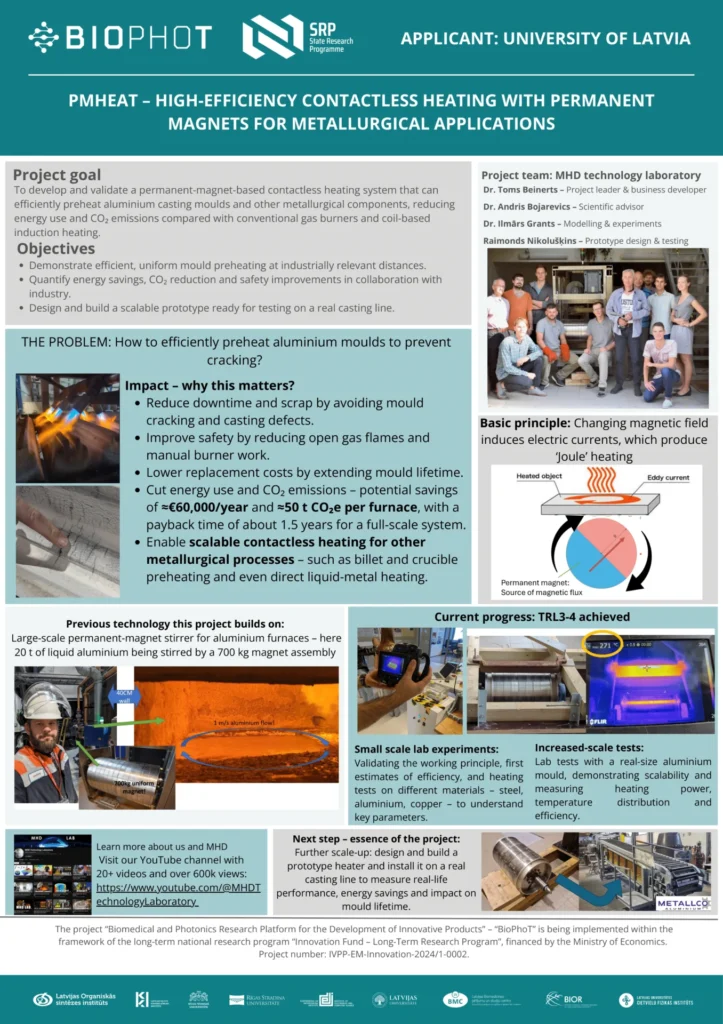
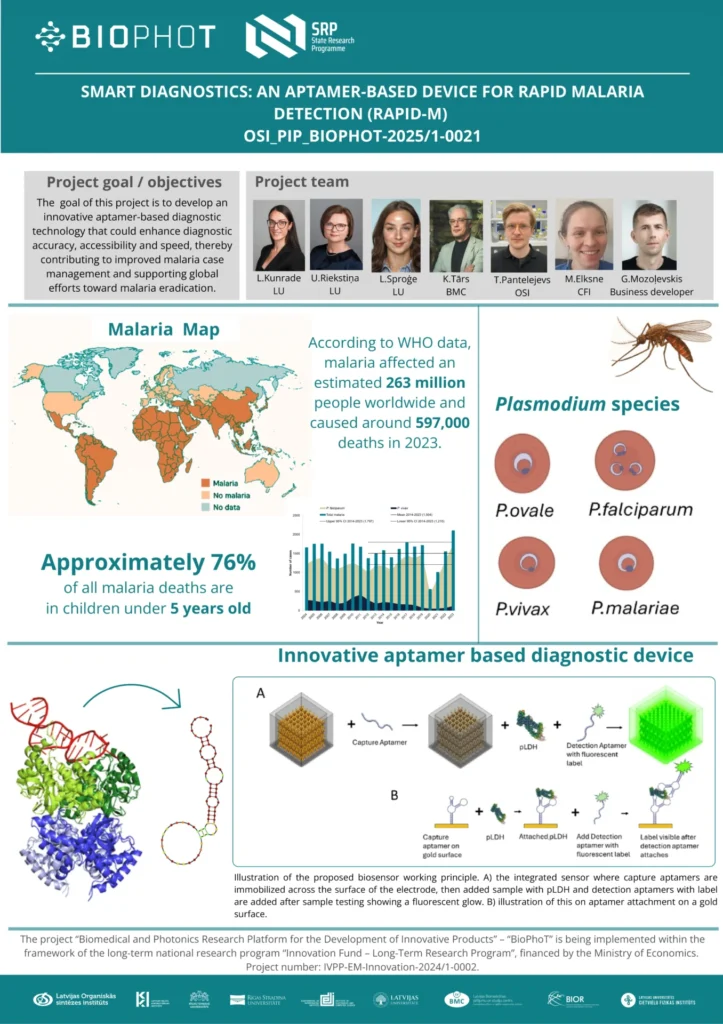
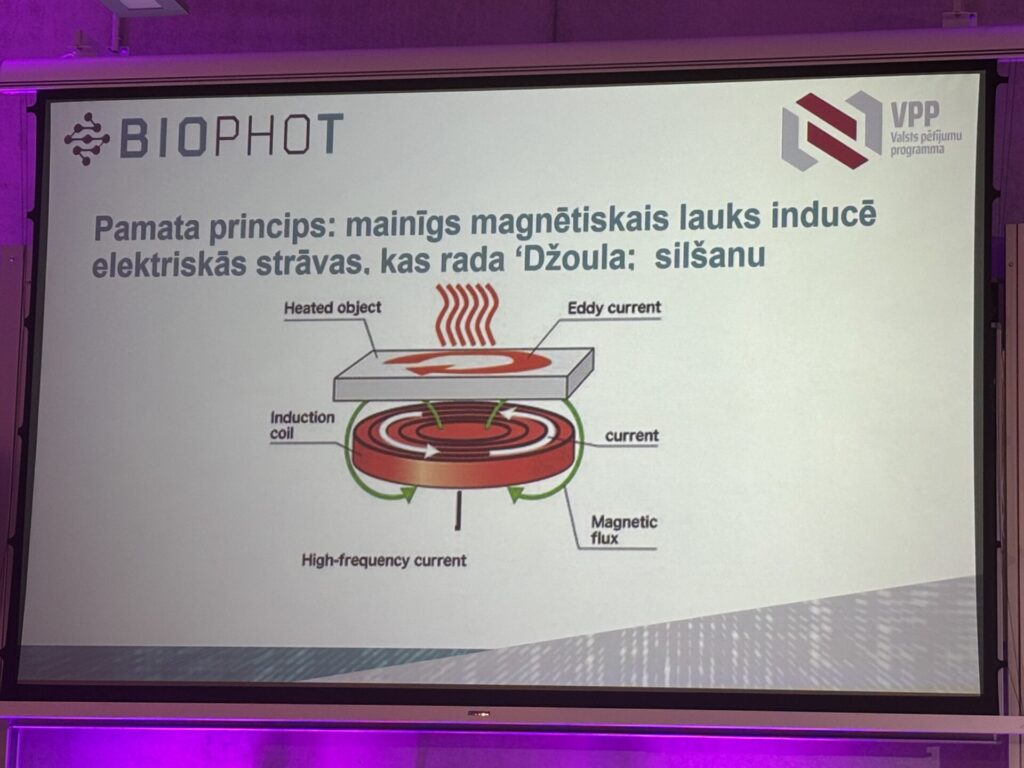
The third-place prize of 600 EUR in the “Biomedicine, Medical Technologies, and Pharmacy” category was awarded to “Field Diagnostics: Aptamer-Based Device for Rapid Malaria Detection (Rapid-M)”(LU, project manager Līga Kunrade), but in the category “Photonics, Smart Materials and Advanced Engineering Systems” received “High-efficiency contactless heating system based on permanent magnets for metallurgical applications (PM-Heat)”(LU, Project Manager Toms Beinerts).

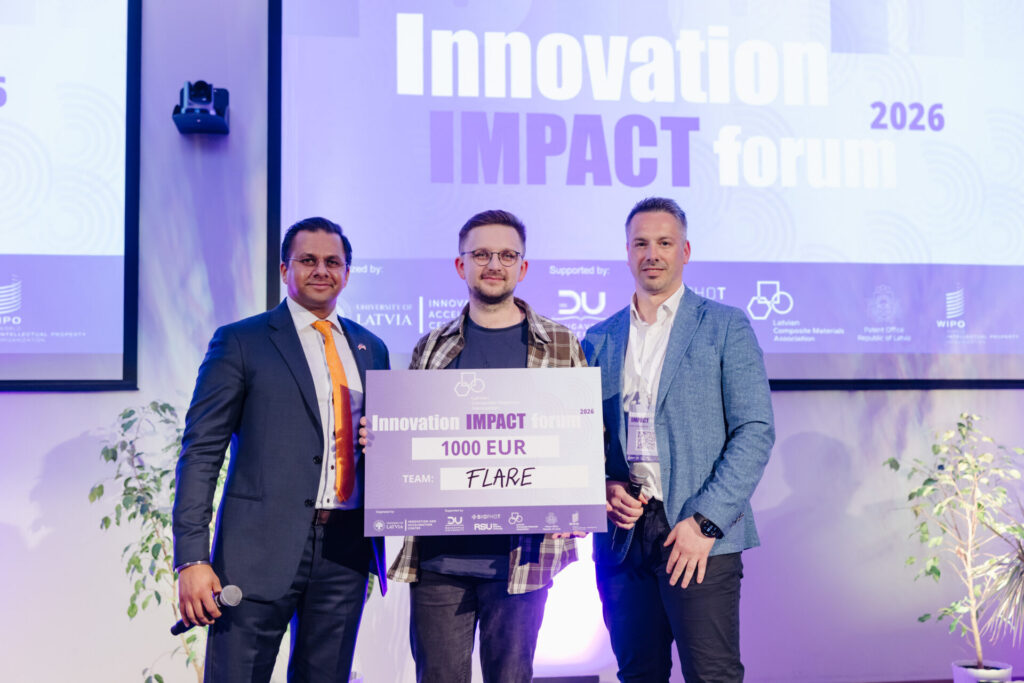
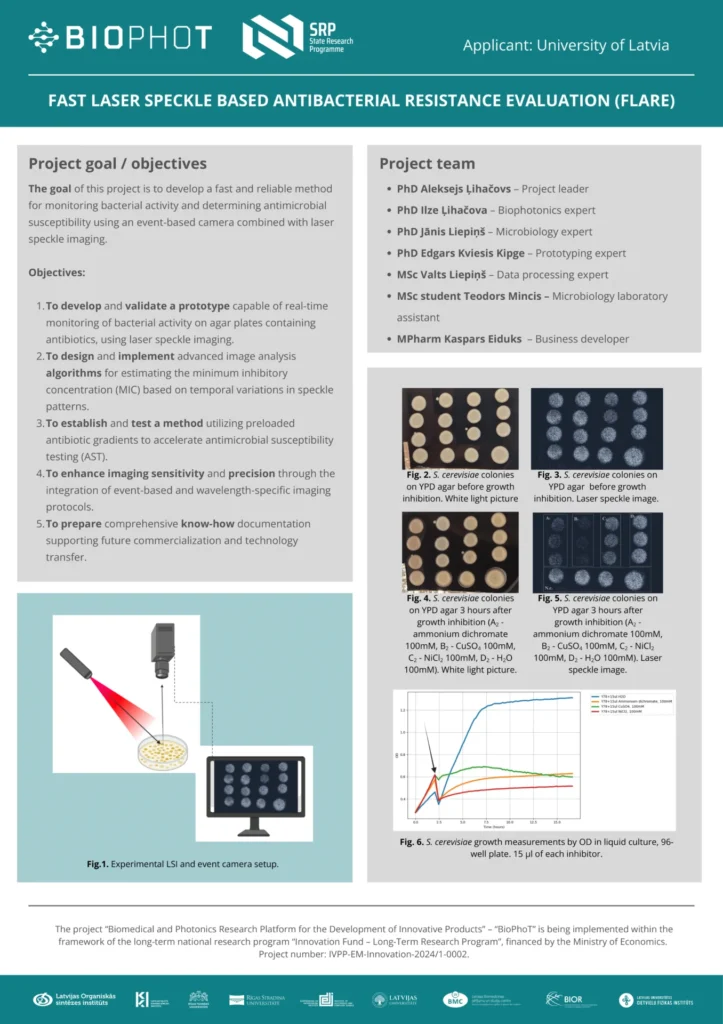
Special thanks to the Latvian Composites Association and its director, Gunārs Kosojš, for the awarded 1,000 EUR Audience's Choice Award in the “Photonics, Smart Materials, and Advanced Engineering Systems” category, emphasizing the importance of advanced technologies in the development of future industries. This award was received by the project “Fast Laser Speckle Based Evaluation of Antibacterial Resistance Evaluation (FLARE)”(LU, Project Manager Aleksey Likhachev).

In addition, the project “Real-Time Drug Efficacy and Integrated Cytotoxicity Testing Platform in Pancreatic Adenocarcinoma (PREDICT-PDAC)”(LU, Project Manager Karīna Goluba), who received the sponsor Plug and Play Tech Center award – three hours of mentoring training.

The presentations in both categories were evaluated by an international jury of industry-leading experts. The evaluation committee for the “Biomedicine, Medical Technologies, and Pharmacy” category consisted of four representatives: Ilona Gulchak, Andrea Basso, Antons Adamovičs, and Povilas Žinys, ensuring that projects were assessed from an investment and commercialization perspective. The jury for the second category, “Photonics, Smart Materials, and Advanced Engineering Systems,” included Matīss Neimanis, Ali Jazairy, Raj Mendhir, and Gunārs Kosojs, representing the fields of intellectual property, deep tech investment, and industrial innovation. We thank the jury for their participation and contribution to the sessions.

“The ”Innovation Impact Forum 2026" provided an opportunity to explore the deep technology development process from patent to market, discuss with policymakers, patent office representatives, technology transfer offices, venture capital funds, and industry partners, as well as build professional connections with international investors, industry experts, and startup representatives. 

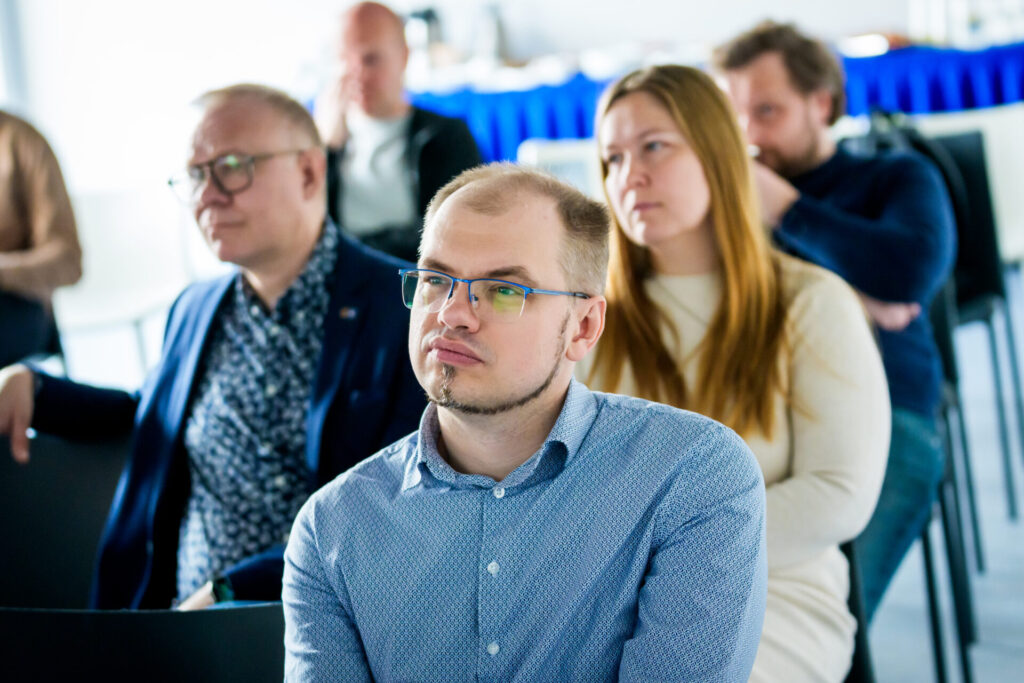
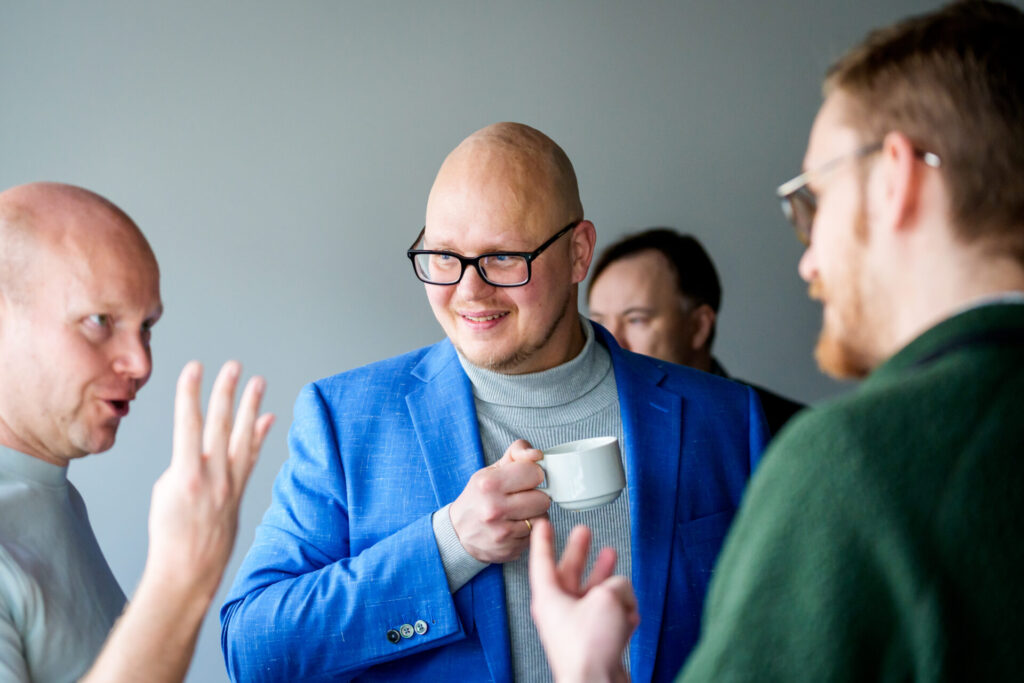
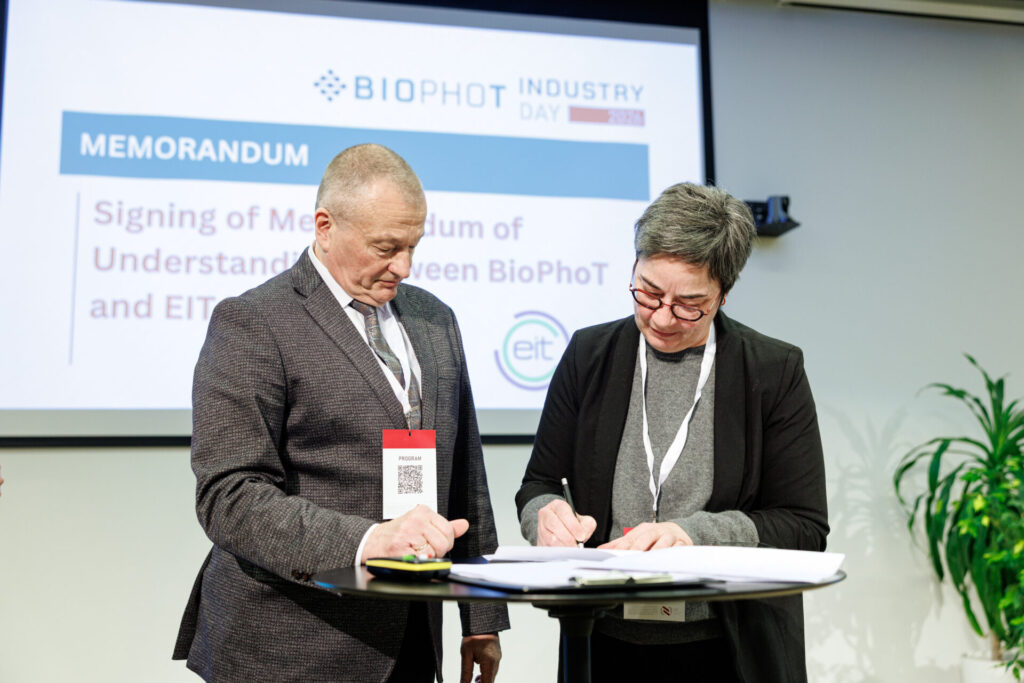
Photo: Toms Norde
Four “BioPhoT” projects have won the opportunity to present at the “Deep Tech Startup Pitch Competition 2026”.”

On May 14 and 15, four “BioPhoT” projects will represent the Latvian science and innovation ecosystem internationally at the leading deep tech conference in Northern Europe. “Deep Tech Atelier 2026” in the international startup pitch competition “Deep Tech Startup Pitch Competition 2026”. 

“The “Deep Tech Startup Pitch Competition” is intended for early-stage deep tech startups from around the world in sectors such as medical technology, artificial intelligence, biotechnology, defense technology, energy, materials science, and more. To participate in the competition, teams had to meet specific quality criteria – combining scientific and business expertise, demonstrating high internationalization growth potential for projects, and having at least a laboratory-level prototype developed, ” says “BioPhoT” Innovation Project Atlas, Implementation, Monitoring, and Sustainability Manager Andris Baumanis.

He emphasizes that winning a spot in the competition alongside 33 other international projects is crucial for Latvian researchers to enhance their international recognition, as well as a valuable opportunity to present their technological solutions to international investors, industry leaders, and innovation experts, fostering collaborations and attracting implementation partners for projects.
In the project “Sorting validation available for stem cell therapy at an affordable price (DEPCELL)” A team of scientists from Riga Technical University is developing innovative cell therapy technologies using advanced cell selection and artificial intelligence solutions for quality control. In the future, these technologies can provide safer, more effective, and more accessible treatment options for patients with psoriasis, rheumatoid arthritis, and Crohn's disease.
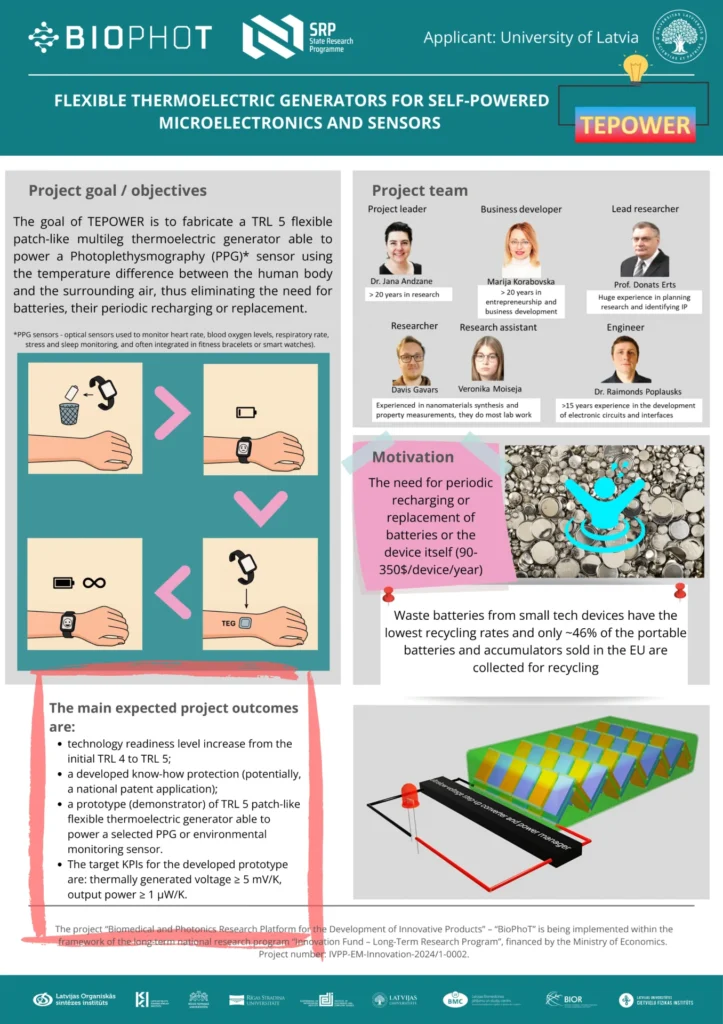
University of Latvia team in the project “Thermoelectric generators for self-powered microelectronics and sensors (TEPOWER)” Develop new generation wearable device technology capable of operating using human body heat, thereby reducing dependence on batteries and their associated waste. The project promotes more convenient, longer-lasting, and environmentally friendly health and environmental monitoring devices for public accessibility. 

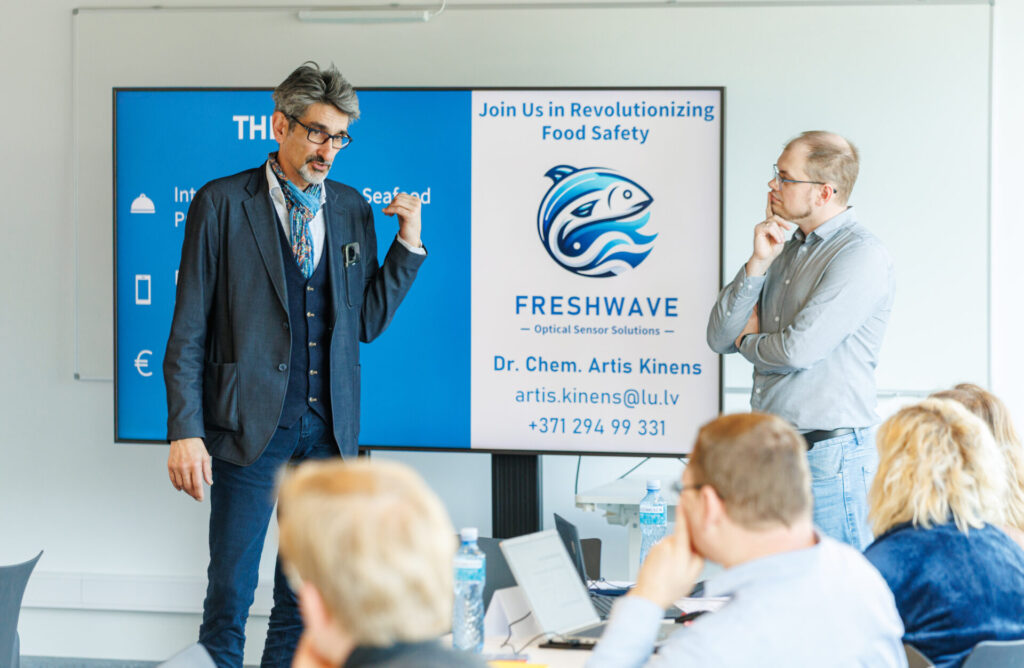
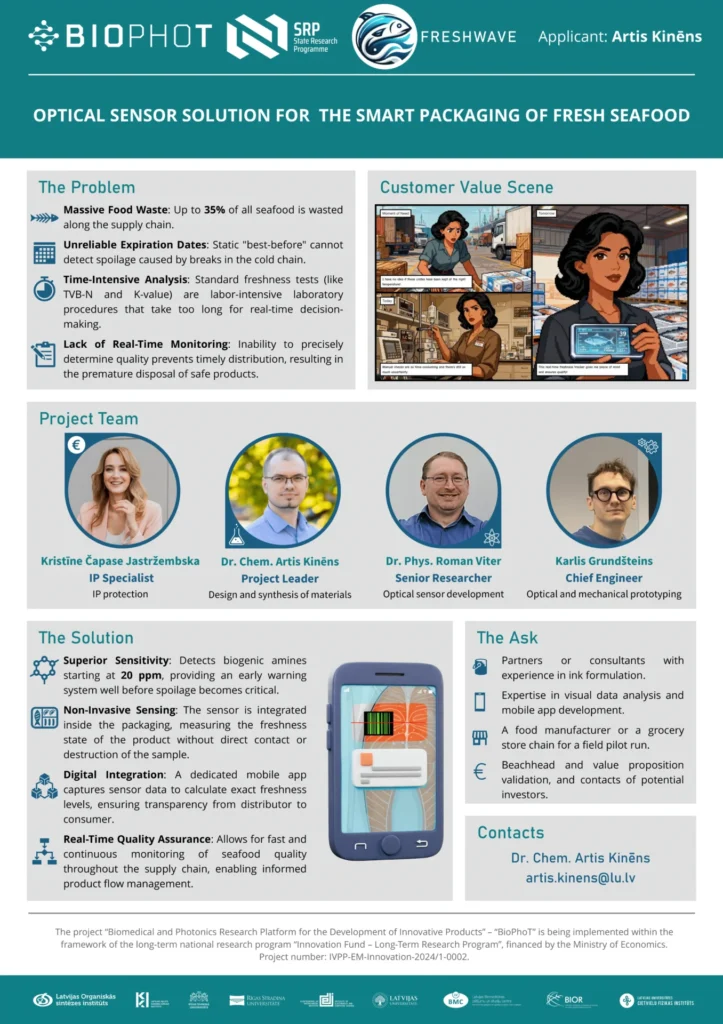
In turn, in the project “Development of an optical sensor for smart packaging of fresh seafood – FRESHWAVE” Researchers at the University of Latvia are developing an easy-to-use sensor that allows for quick and accurate determination of seafood freshness without opening the packaging. This will help to detect product spoilage in a timely manner, improve food safety, and reduce the risk of consumers purchasing or consuming substandard products. At the same time, the technology will promote less food waste and more efficient resource utilization throughout the entire food supply chain.

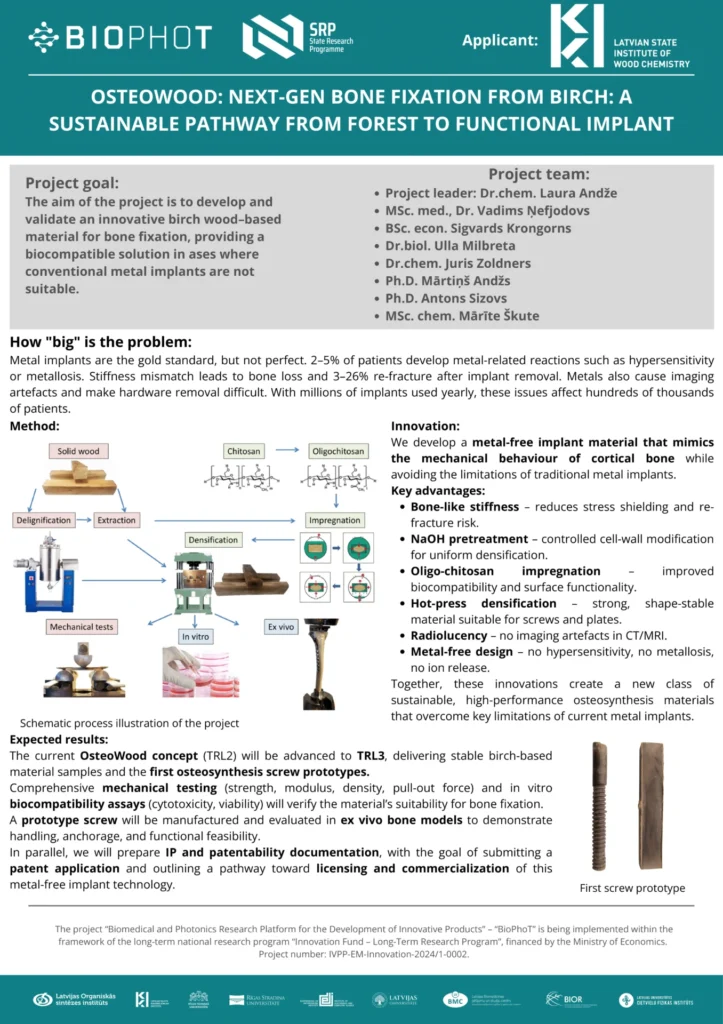
Latvian State Institute of Wood Chemistry Project “New generation birch wood solution for bone fixation – a sustainable path from forest to functional implants (OsteoWood)” focuses on developing new materials made from birch wood for bone fixation as an alternative to metal implants for patients who experience allergies or inflammation from them. This solution will provide safer and more gentle treatment options while using sustainable and environmentally friendly materials in medicine. 

In the semi-finals of the competition, participants will present their solutions in a three-minute presentation, followed by jury questions and a discussion with international experts. In the finals, the most promising deep tech solutions with the highest commercialization and investment attraction potential will be selected and presented on the main “Deep Tech Atelier 2026” stage. In preparation for the competition, participants will have the opportunity to improve their presentation skills through professional pitch training, as well as participate in a special investor bootcamp session. 

In addition to the “DEPCELL” project and seven other “BioPhoT” platform projects, and the prototypes developed so far, they can be explored in the conference exhibition area within “Deep Tech Atelier 2026,” while on May 13th, a special “BioPhoT” side event will also take place – Open Door Day, during which anyone interested can visit the University of Latvia, the University of Latvia Institute of Solid State Physics, and the Latvian Institute of Organic Synthesis, exploring their infrastructure, research, and innovation development.

The international deep tech commercialization forum “Innovation Impact Forum 2026” will be held in Riga.”

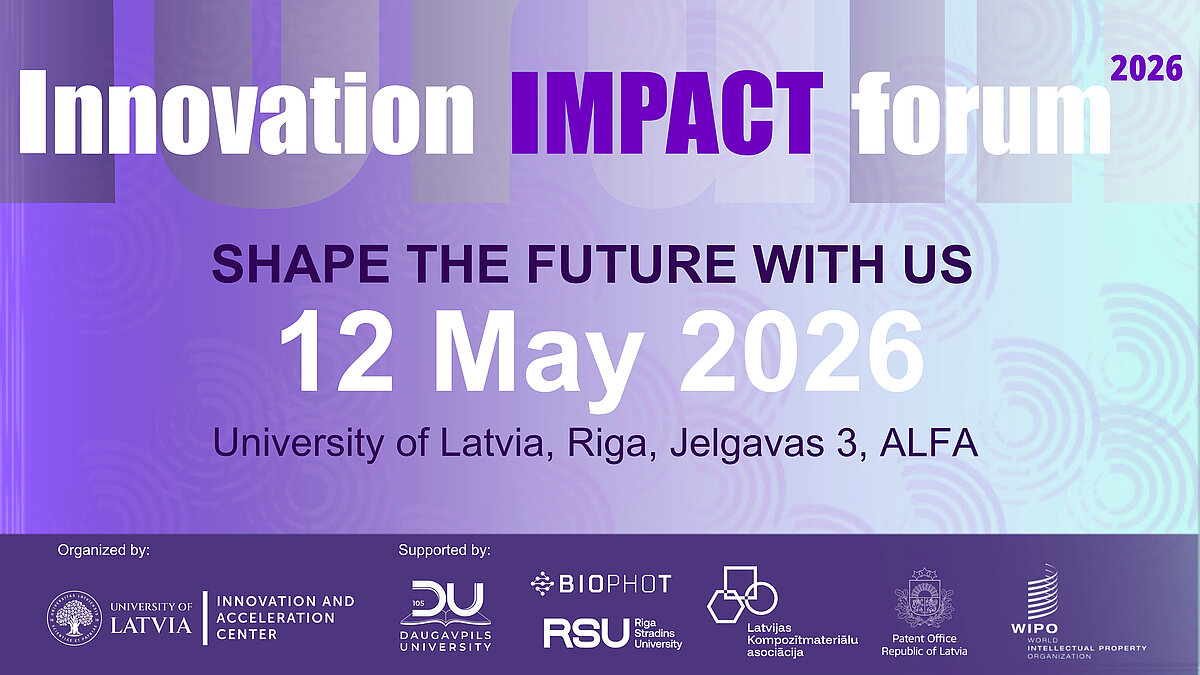
On May 12, 2026, from 8:30 AM, the international deep tech commercialization forum “Innovation Impact Forum 2026,” organized by the University of Latvia Innovation and Acceleration Center, will take place at the University of Latvia's House of Science, Jelgavas iela 3, Riga, in the “Alfa” auditorium. The event will bring together representatives of the Baltic innovation ecosystem, European investors, policymakers, and industry experts, creating a strategic platform for cooperation, knowledge exchange, and investment development.

The forum is envisioned as a high-level discussion and networking space that will analyze the key factors driving the transition of deep technology innovation from scientific discoveries to commercially viable solutions in global markets. The event's content covers intellectual property management, technology transfer mechanisms, investment structures, and international cooperation models.

Event participants will have the opportunity to understand the development process of deep technology innovation from patent to market, meet with policymakers, patent office representatives, technology transfer offices, venture capital funds, and industry partners, gain in-depth insights into intellectual property strategies and investment architecture, and build professional connections with international investors, industry experts, and startup representatives.

The forum program is structured into four thematic blocks. The first block is dedicated to intellectual property issues, analyzing the importance of patents in the commercialization of innovation. The second block focuses on technology transfer and cooperation models between academia and industry. The third block will examine international success stories, highlighting innovation development in cross-border contexts. Finally, the fourth block features parallel “BioPhoT” pitch sessions, where deep tech teams will present their solutions to potential investors.

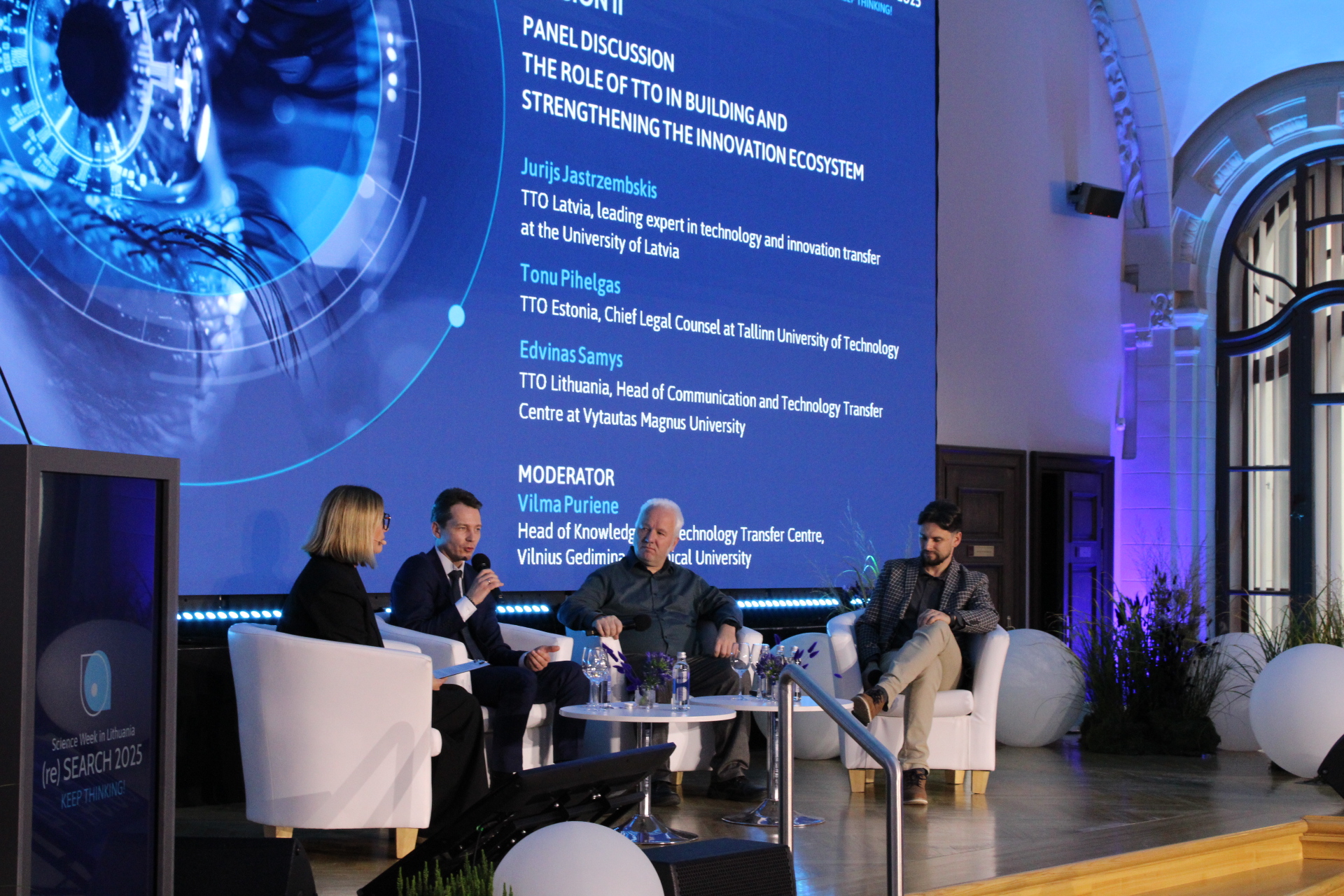
Within the forum, internationally recognized experts from leading institutions and industries will be presenting. Among the speakers are Ali Jazairy from the World Intellectual Property Organization (WIPO), Andrea Basso from MITO Tech Ventures, Cyrus Gunalan Veloo from Caetan, Michael Norton from Wolven Industries, and Raj Mendhir from Wippd. Panel discussions will feature representatives from WIPO, Kaunas University of Technology, TALTEC, the University of Latvia, and other international and regional innovation ecosystem players, providing a multidimensional perspective on intellectual property management, technology transfer, and investment strategies.

The day also includes thematic discussions, networking breaks, and a lunch break, which will foster informal contacts among representatives from various sectors. At the end of the forum, there will be an awards ceremony for the best “BioPhoT” pitch presentations and a networking event with investors, industry representatives, and the research community, thereby promoting the development of new partnerships and investment opportunities.

“The ”Innovation Impact Forum 2026" aims to strengthen the Baltic region's position in the European innovation space, while promoting knowledge transfer, international cooperation, and the commercialization of high value-added technologies. The event will be held in English. More information about the event program and registration is available here.

“BioPhoT” invites you to an open day as part of “Deep Tech Atelier 2026”

The “BioPhoT” Biomedical and Photonics platform invites interested parties to an open day, which will take place on May 13th as part of the international conference “Deep Tech Atelier 2026”. During the open day, you will be able to visit the University of Latvia, the Institute of Solid State Physics of the University of Latvia, and the Latvian Institute of Organic Synthesis, exploring their infrastructure, research, and innovation development.

The event will provide an opportunity for students, young researchers, entrepreneurs, investors, and other interested parties to better understand how scientific ideas are developed into practical, market-ready solutions in Latvia. Participation in the events requires pre-registration and is free of charge. More information and registration – “On the ”BioPhoT” website.

At the event, visitors will also be able to explore projects implemented within the “BioPhoT” platform, gaining hands-on insight into research in biomedicine, photonics, and other high-tech fields. The program is designed to foster dialogue between science, industry, and investors, strengthening cooperation and promoting the commercialization of innovation.

Open House Program (May 13):

  • University of Latvia
    Jelgavas street 1 and Jelgavas street 3 | 11:00 AM – 1:00 PM
    Tours of state-of-the-art laboratories (chemistry, optometry, physics, atomic physics), meetings with technology transfer experts, and insights into innovation and acceleration programs.
  • Institute of Solid State Physics, University of Latvia
    Ķengaraga Street 8 | 10:00 AM–12:00 PM
    Tours of modern infrastructure, including cleanrooms and laboratories, as well as insights into research in the fields of photonic microchips, quantum photonics, smart materials, batteries, and microfluidics.
  • “POLYCLAY-UV” Project Open Day
    Jelgavas street 3 | 1:30 PM–3:30 PM
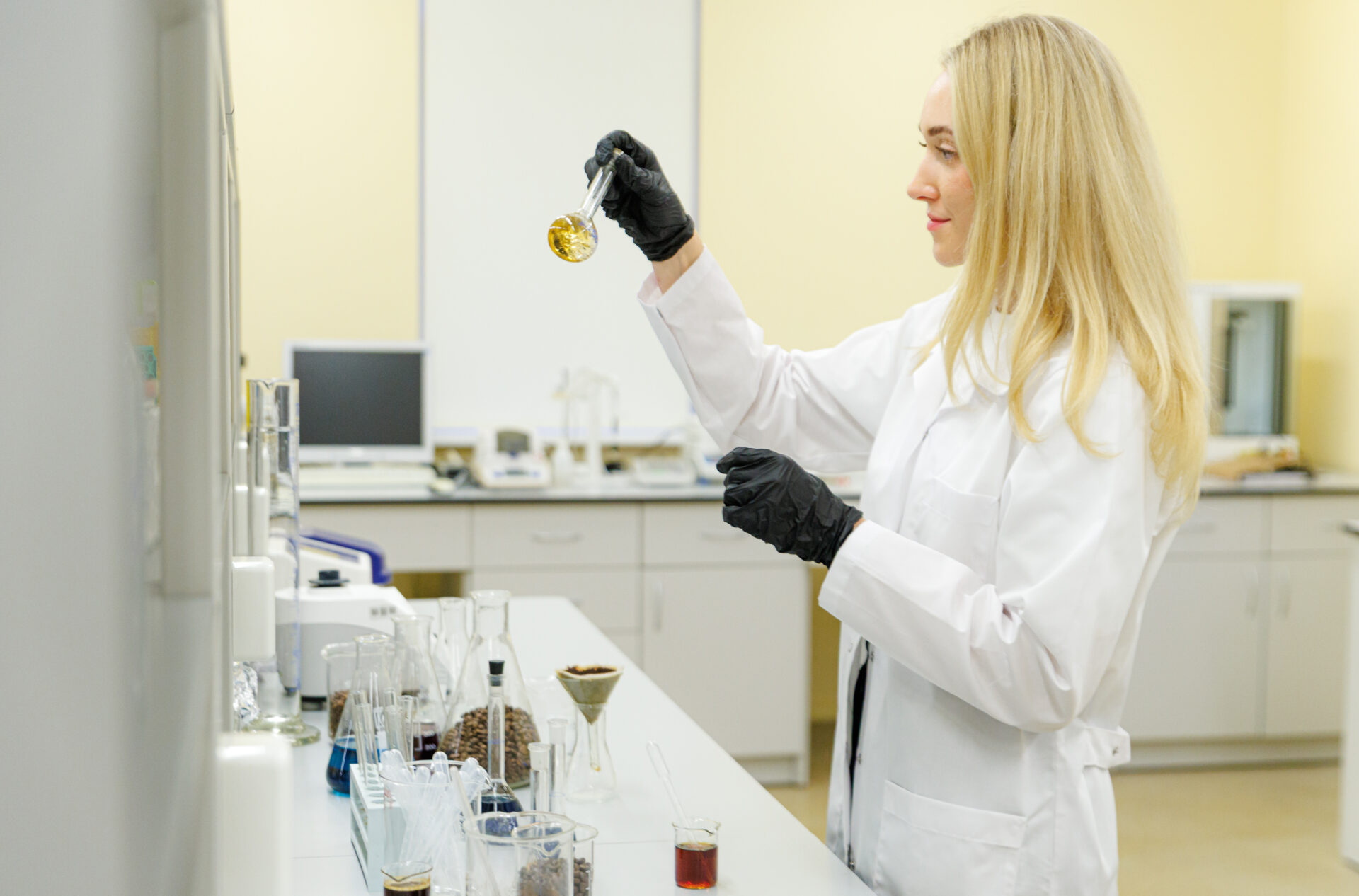
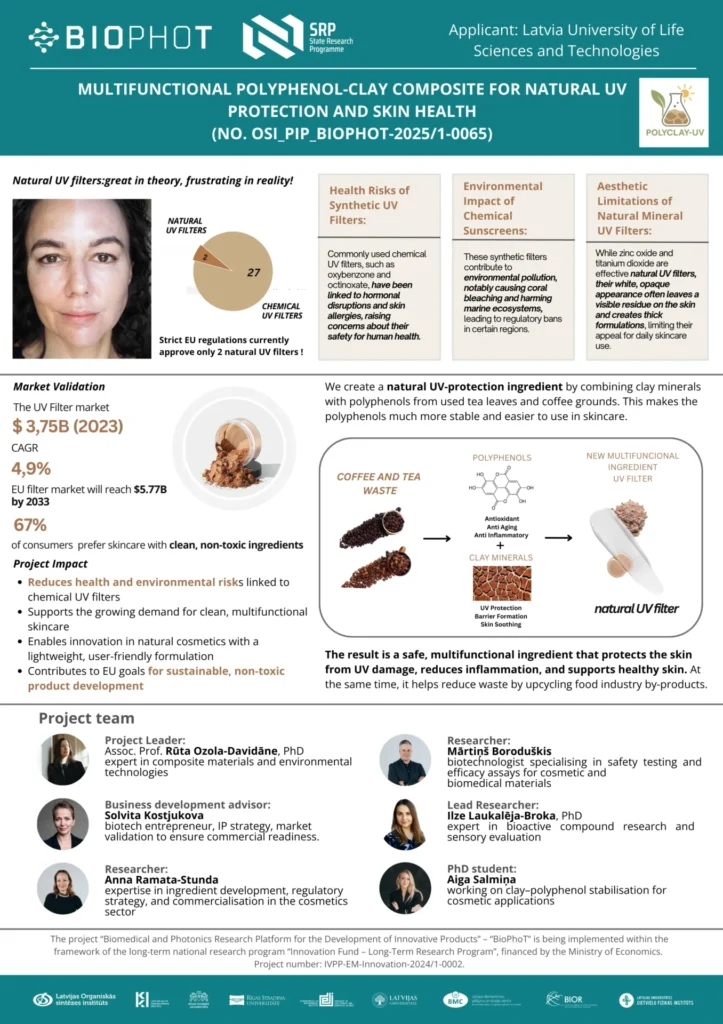
    Meeting with the “BioPhot” project team and insight into the development of “POLYCLAY-UV” – an innovative polyphenol-clay composite created from coffee and tea industry by-products, intended as a sustainable, multifunctional UV protection ingredient.
  • Latvian Institute of Organic Synthesis
    Aizkraukles Street 21 | 4:00 PM–6:00 PM
    An overview of the full drug development cycle, meetings with researchers, and tours of structural biology, drug design, organic synthesis, biotechnology, and pharmacology laboratories.

Open Door Day is an opportunity not only to get acquainted with the innovation process up close, but also to build new contacts and cooperation opportunities.

“The ”Biomedicine and Photonics Research Platform for the Creation of Innovative Products“ (”BioPhoT“) is implemented under the leadership of the Latvian Institute of Organic Synthesis, with the participation of the Institute of Electronics and Computer Science, the Latvian Biomedical Research and Study Centre, the University of Latvia, the Institute of Solid State Physics of the University of Latvia, the Latvian State Institute of Wood Chemistry, the Food Safety, Animal Health and Environmental Science Institute ”BIOR", Rīga Stradins University, and Riga Technical University. 

Project No. IVPP-EM-Inovācija-2024/1-0002 “Biomedicine and Photonics Research Platform for Innovative Product Creation (BioPhoT)” is being implemented within the framework of the long-term national research program “Innovation Fund – Long-term research program,” financed by the Ministry of Economics.

VIDEO: Webinar “Cooperation Models with Companies and Market Validation”

In a webinar on collaboration models with businesses and market validation, participants were introduced to the key principles of technology transfer, emphasizing effective collaboration between academia and industry. During the event, the importance of various forms of collaboration in innovation development was explained, as well as the emphasis on early market validation of ideas, which is crucial for successful commercialization.

The webinar took place as part of the series “Basics of Technology Transfer: From Idea to Innovation,” which aims to promote a common understanding of the stages of innovation development, terminology, and cooperation mechanisms between research institutions and businesses.

The webinar was led by M.Sc. Chemistry, M.Sc. Nutrition Līga Žūka, leading innovation expert at the University of Latvia's Innovation and Acceleration Center, who shared practical examples and international experience in building cooperation between universities, scientific institutions, and businesses. Special attention was paid to the approaches of various countries, including the Swiss academia-industry cooperation model, where close partnerships between the public sector, academia, and businesses foster innovation development.

See M.Sc. Eng., MBA Egils Bēriņš, the expert on commercialization of innovative solutions from the Institute of Electronics and Computer Science (EDI) presented the institute's experience in transforming research results into commercially viable solutions, and also emphasized the importance of long-term cooperation with industry partners.

The webinar covered the following topics:

  • The most effective collaboration models between academia and businesses
  • International experience in developing innovation ecosystems
  • Examples of Academy-Industry Collaboration, including the Swiss Model
  • Barriers and opportunities for cooperation from the perspective of researchers, companies, and investors
  • Market validation of ideas and its importance in the commercialization process
  • Practical examples of implementing research results in business

Hello Tomorrow Global Summit 2026 Online Kick-off Session

We invite teams that have registered and been confirmed for participation Hello Tomorrow Global Summit 2026, with a short online introductory session. During this session, we will provide practical insights into the upcoming event, preparation steps, and how to get the most added value from your participation.

Speakers:

  • Elīza Drāzniece – Head of Latvia's Foreign Economic Representation in France, who coordinated the participation of the Latvian delegation at Hello Tomorrow 2025. Elīza will talk about what to expect from the event overall, as well as provide recommendations on what homework teams should do to prepare as effectively as possible and turn their participation into concrete business and cooperation results.
  • Ģirts Ozoliņš – Commercialization Expert at the Institute of Solid State Physics, BioPhoT mentor and representative of the Platform Office, entrepreneur and co-founder of Spectromarine, with prior experience participating in the Hello Tomorrow event. Will share an entrepreneur's perspective on participating in international innovation events, building connections, and turning opportunities into practical results.

Topics:

  • What to expect from Hello Tomorrow
  • How to prepare for an event
  • Most Common Mistakes
  • Questions and answers

Seminar language: Latvian
Duration: About 60 minutes

The participation fee will be sent separately by applying to the coordinator Aigars Lazdiņš; in case of questions or ambiguities, write to: aigars.lazdins@osi.lv.

Life science teams develop their research projects with Marco Rüedi.

“An intensive business development week was held within the framework of ”BioPhoT," during which more than 25 research teams worked purposefully on advancing their projects to the next stage of development. 

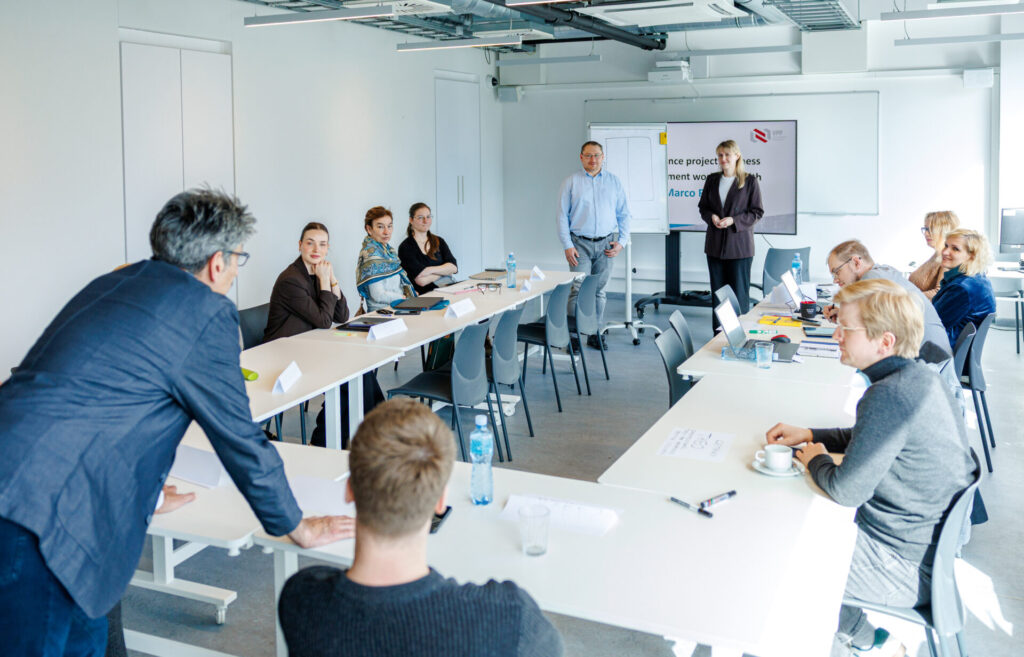
The sessions were led by Dr. Marco Rüedi, an entrepreneur and life sciences business development mentor at the Swiss innovation agency “Innosuisse.” Under his guidance, teams participated in both individual mentoring sessions and thematic workshops, where they received direct, practical, and constructive feedback. This process allowed each team not only to refine their project's value proposition but also to more clearly define an action plan for the next four months.

The program was structured by day, with each day dedicated to a specific theme and group of participants. This approach ensured in-depth and personalized work with each team, while maintaining high intensity and a focus on results. Participants particularly appreciated this format, emphasizing that similar workshops would be valuable to organize regularly and expand into other areas.

Marco Rüedi, in turn, appreciated both the quality of the ideas and the team's engagement in the discussions. He emphasized that the ability to step outside one's comfort zone is often crucial for projects to gain visibility among investors and in the industry.

Within the week, an informal networking event also took place on the evening of April 16th at StartUp House Riga, where Marco Rüedi shared his insights on working with Latvian researchers and innovation potential. Startup founder Andrii Shekhirev also joined the discussion, sparking a conversation about industry development prospects in Latvia. At the end of the event, participants had the opportunity to continue their conversations individually, discussing topics relevant to them in depth and forming new collaborative contacts.

This week once again confirmed that Latvian researchers have both the knowledge and the motivation to develop their projects to the next level. International experience and practical support are particularly important in this process, helping to structure the development path and accelerate the go-to-market progression.

The next meeting with Marco Rüedi is already planned for August of this year, continuing the work started on project development and strengthening international competitiveness.

More about the past week:

Ten scientists will represent Latvia at the Hello Tomorrow Global Summit 2026.

The “BioPhoT” Biomedical and Photonics Research Platform, in collaboration with international experts from “Hello Tomorrow,” has selected ten strong “BioPhoT” research teams through a competitive process to represent Latvia at one of the world's most significant deep technology events – “Hello Tomorrow Global Summit 2026”This year it will take place on June 11th and 12th in Amsterdam.

“More than 25 research project applications were received for the competition. An international jury, including experts from Hello Tomorrow, evaluated all applications and selected eight “BioPhoT” research and innovation project teams that most strongly demonstrate the global competitiveness of their technologies. Participation in such an event is a strategically important opportunity for Latvian science and innovation to position themselves in the global market,” says Andris Baumanis, head of the project selection and mentoring process.

The delegation includes representatives from leading Latvian research institutions and universities:

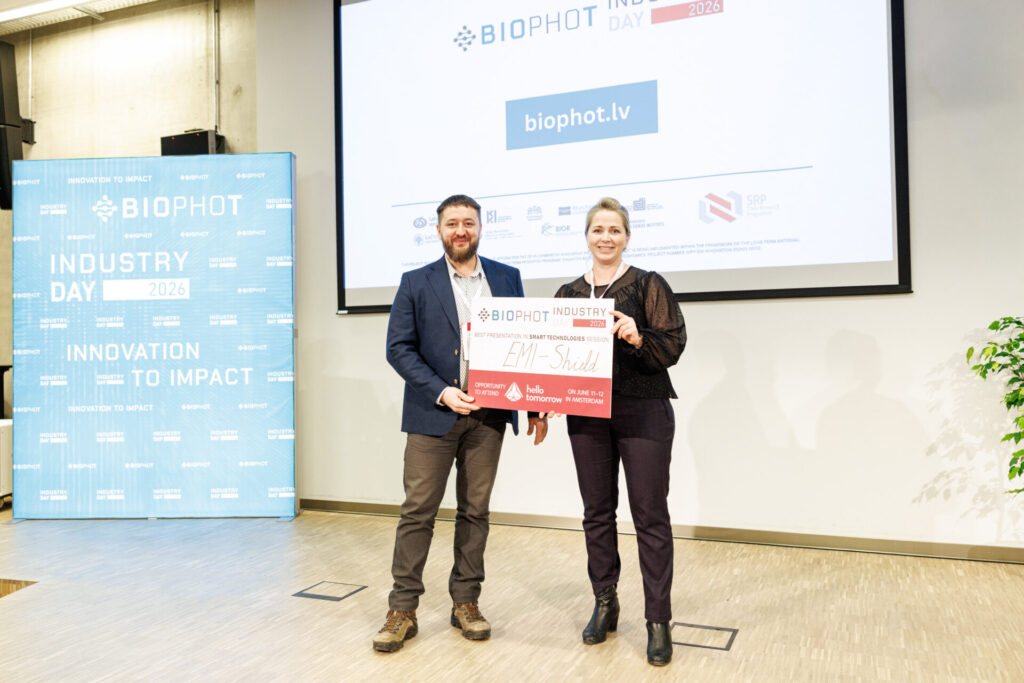
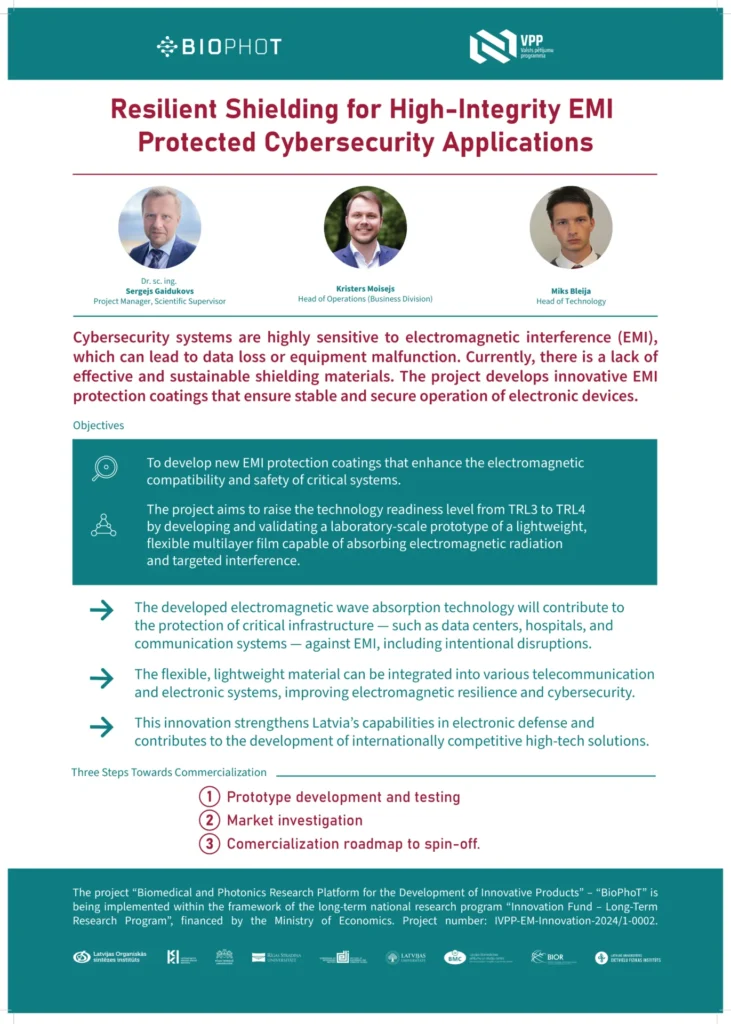
The delegation is also supplemented by the January 26th “BioPhoT” Industry Days Winners are Sergejs Gaidukovs's project “Resilient EMI Protection for High-Integrity Cybersecurity Solutions” and Kristaps Kļaviņš's project “Determination and Monitoring of Clinically Significant Biomarkers Using Sweat Analysis (SwyCard).” Both solutions were recognized as the best in their categories among 13 presented innovations and gained the opportunity to join the Latvian delegation.

Participation in the “Hello Tomorrow Global Summit 2026” is a clear affirmation that Latvia's research and innovation are capable of competing internationally. It is not only an opportunity to showcase technological achievements but also a strategic step towards transforming targeted research ideas into commercially viable solutions, with a special focus on high value-added areas such as biomedical sciences, medical technologies, photonics, smart materials, and engineering. Participation in the event will allow for the establishment of new strategic partnerships, as well as the identification of investment attraction and export opportunities. International visibility at such events is a crucial tool for transforming Latvian innovations into global successes.

“The ”BioPhoT“ platform will participate in collaboration with the Investment and Development Agency of Latvia (LIAA) and the Riga Investment and Tourism Agency (RITA), jointly achieving the special status of Hello Tomorrow ”Visionary Partner." This provides an opportunity to more extensively position Latvia's deep tech ecosystem, its participants, and its goals. A multifaceted program is planned for the stand, with its main objective being to present Latvia's scientific and technological achievements to an international audience, establish new collaborative contacts, and attract investor interest.

Delegation teams will also have the opportunity to participate in an exclusive Investor Day at an event that will bring together leading deep tech investors and industry leaders. Participation is limited and in this case provided as a result of the partnership between “BioPhoT” and Hello Tomorrow. Alongside the “BioPhoT” teams, the Hello Tomorrow Global Summit 2026 will also host a broader Latvian research delegation, including representatives from the partner organizations of the “BioPhoT” platform, strengthening the international visibility of Latvia's innovation ecosystem.

Open Doors Day: Discover Latvia's Science and Innovation Ecosystem in One Day

On May 13th, as part of Deep Tech Atelier week, “BiophoT” invites you to take advantage of a unique opportunity—to visit leading innovation hubs in Latvia. From fundamental science to early-stage deep tech solutions, this day offers a broad perspective on the development of future technologies.

More information below:

University of Latvia Institute of Solid State Physics (UL ISSP)

LU CFI is an internationally recognized leader in materials science and interdisciplinary research, combining world-class expertise with state-of-the-art infrastructure. The institute is at the forefront of innovation, developing advanced materials, driving the development of new technologies, and offering customized solutions for industry.

The excursion will take place from 10:00 AM to 12:00 PM at the University of Latvia Institute of Solid State Physics, Kengaraga Street 8, Riga. Pre-registration is required to participate. here. 

Visitors will have the opportunity to explore:

  • modern infrastructure, including cleanrooms and laboratories
  • photonics microchips and quantum photonics
  • battery research and smart materials
  • Microfluidics and “organ-on-chip” technologies

University of Latvia (LU)

The University of Latvia invites you to an event that will provide an opportunity to get acquainted with Latvia's deep tech ecosystem and research excellence in person. This experience is designed to foster meaningful collaborations between academia, industry, and investors, while highlighting the University of Latvia's potential as a strategic partner in the development of deep tech innovations in the Baltic region.

The event will take place from 11:00 AM to 1:00 PM at the University of Latvia, Jelgavas Street, Riga. Pre-registration is required to participate. here.

The program includes:

  • Excursion through the most modern laboratories (chemistry, optometry, physics, atomic physics)
  • strategic meeting with technology transfer experts
  • seek innovation and acceleration programs

This is an opportunity to build contacts and understand how academic knowledge is transformed into market-applicable solutions.

Riga Technical University (RTU)

Investors, startup founders, and biotech companies are invited to join a dynamic visit exploring how science and innovation drive real-world solutions and business opportunities.

The event will take place from 1:30 PM to 4:45 PM at Riga Technical University's Science and Innovation Center. telpā “Mushroom”, Ķīpsalas Street 6A, Riga. Pre-registration is required to participate. here. 

The program includes:

  • Networking with researchers
  • RTU Presentations and Partnership Opportunities
  • demonstrations of scientific research
  • Laboratory visits (biomedicine, nano-engineering, environmental biotechnology, materials science)

Latvian Institute of Organic Synthesis (OSI)

The Latvian Institute of Organic Synthesis is the leading drug discovery and development center in the Baltics—with 18 created and clinically implemented drugs, decades of experience, and full-cycle competence from molecule design to preclinical studies. It is an environment where cutting-edge science meets industrial thinking.

The excursion will take place from 4:00 PM to 6:00 PM at the Latvian Institute of Organic Synthesis, Aizkraukles Street 21, Riga. Prior registration is required to participate. here. 

During the event, you will have the opportunity to:

  • Meet OSI and its researchers in an informal setting
  • Visit OSI's modern laboratories:
    • Structural Biology and Drug Design Laboratory
    • Advanced Organic Synthesis Technologies Laboratory
    • Large-scale synthesis laboratory
    • Biotechnology Laboratories
    • Pharmaceutical Pharmacology Laboratories
Open House at POLYCLAY-UV Laboratory

“The ”BioPhot" project team invites you to an open house dedicated to POLYCLAY-UV – an innovative polyphenol-clay composite material created from coffee and tea industry by-products, intended as a sustainable, multifunctional UV protection ingredient.

This is an early-stage innovation, and the event marks one of the first steps in its real-world validation. Instead of showcasing a finished product, the development process itself is opened up – creating space for insights, discussions, and co-creation.

The event will take place from 1:30 PM to 3:30 PM at the University of Latvia, Jelgavas iela 3, Riga. Pre-registration is required to participate. here. 

Programme:

  • Deep-tech presentation: POLYCLAY-UV from material science to application
  • Panel Discussion: Science × Sustainability × Industry
  • Industry Perspective: From Coffee By-products to High Value-Added Materials (in cooperation with Rocket Bean Roastery)
  • Coffee cupping: taste, molecules, and sensory science

Before the public session, closed focus group sessions (invitation only) will also take place to understand user needs and expectations regarding personal care products.

RSU researchers are developing a new approach to diagnosing severe male infertility

Approximately 10–15% couples in Europe face infertility, and in a significant number of cases, it is linked to male reproductive health disorders. In this context, researchers at Riga Stradins University, within the “BioPhoT” platform, are developing a new diagnostic solution called “SPERMFREE,” which offers a more precise approach to assessing severe male infertility.

Within the “BioPhoT” program, an RSU research team is developing a diagnostic method called “SPERMFREE.” This method offers a non-invasive approach to assessing severe male infertility. It is based on the analysis of extracellular DNA in ejaculate and allows for the determination of whether sperm production is occurring in the body *before* any potential surgical intervention. This approach enables doctors to make more precise and data-driven decisions regarding further treatment strategies.

A segment on Latvian Television's “Rīta panorāma” emphasized that currently available diagnostic methods do not always allow for the prediction of invasive procedure outcomes, which can mean a physically and emotionally arduous experience for patients. The new solution has the potential to reduce the number of unnecessary surgeries while making the diagnostic process faster and more patient-friendly.

This project is an example of how research developed in Latvia is moving closer to practical application in healthcare, creating solutions with a clear impact on patients' quality of life and the efficiency of the health system.

Invitation to watch plot!

Conversation with “BioPhoT” Innovation Specialist Jānis Latvels

The latest Radio NABA program “In the Name of Science” addressed an issue that often remains outside of broader attention – how scientific ideas move from laboratories to real products and society. Jānis Latvels, innovation specialist at “BioPhoT” and innovation and technology commercialization expert at the Institute of Solid State Physics of the University of Latvia, spoke about this process, explaining the significance of innovation in modern development.

The discussion stressed that scientific discoveries alone are not enough – their true value is revealed only when they are translated into practical solutions. This is precisely what innovation and technology commercialization provide, aiming to help research reach industry, businesses, and end-users. This requires not only technological development but also the ability to understand market needs, build collaborations, and develop sustainable business models.

The innovation ecosystem is particularly important – an environment where various institutions and organizations collaborate, share knowledge, and jointly drive innovation forward. In Latvia, this environment, especially thanks to the “BioPhoT” platform initiative, is rapidly developing, and more and more scientists are choosing to develop their ideas through entrepreneurship. This promotes the emergence of startups and creates high value-added products with the potential to compete internationally.

Welcome to listen to a conversation with Jānis Latvelis online!

International investor meeting highlights “BioPhoT's” role in Latvia's innovation ecosystem

An international investor meeting took place at Riga Technical University's Science and Innovation Center on March 24th. The meeting aimed to introduce foreign investors to Latvia's science-intensive innovation ecosystem, with a particular emphasis on the “BioPhoT” platform's contribution to innovation development and commercialization.

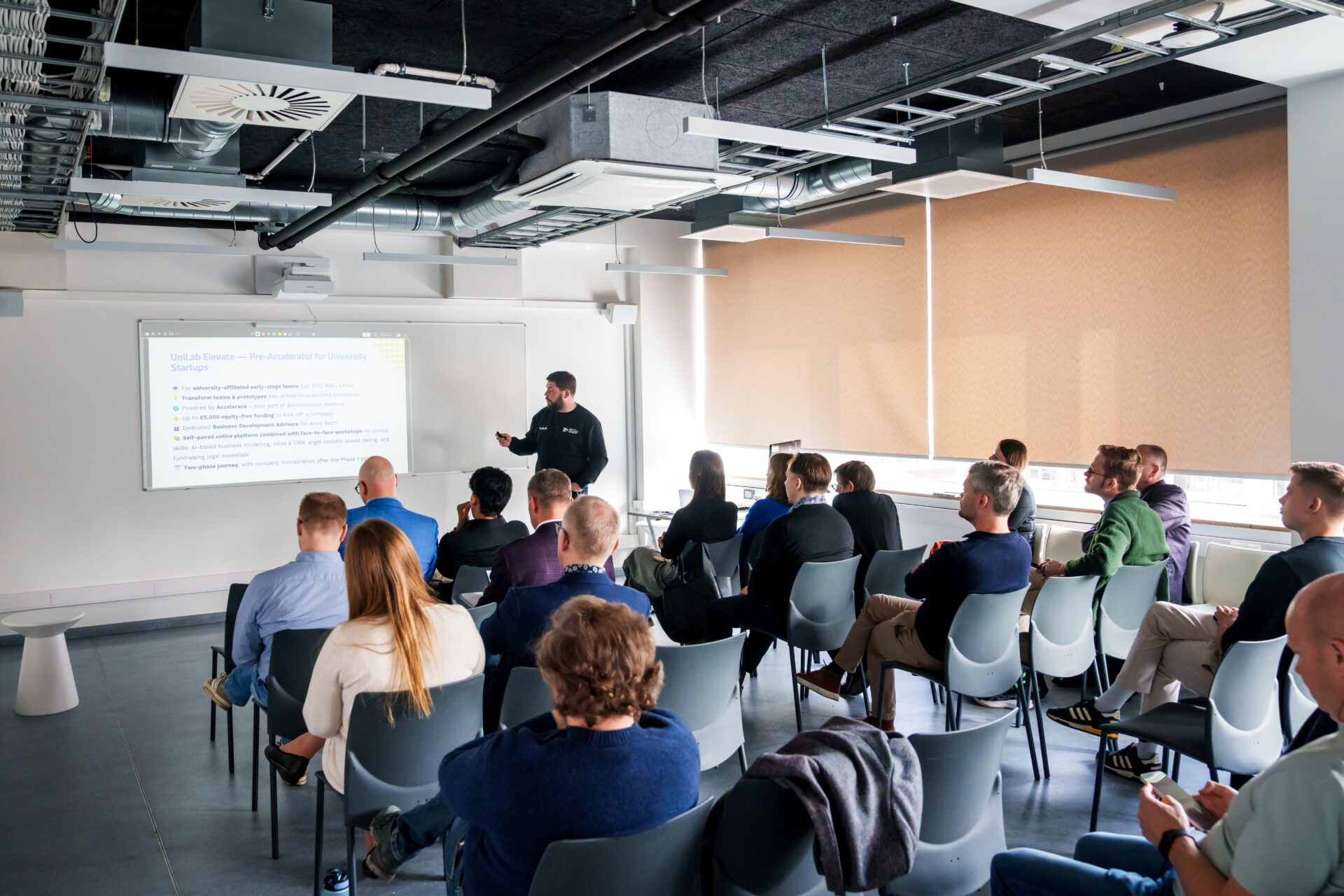
The event focused on fostering collaboration between science, business, and investors. During the meeting, solutions developed in the “BioPhoT” and UniLab Elevate pre-acceleration programs were presented. These demonstrated Latvia's research potential and its ability to create internationally competitive technologies.

“BioPhoT” stands out as a significant platform that supports the development of research ideas into practically applicable solutions, while strengthening collaboration between researchers and industry. A key role was also assigned to collaboration with partners, including LatBAN, which expands opportunities for attracting early-stage funding and promotes the growth of startups in an international environment.

Several “BioPhoT” platform researchers presented their solutions:

The presented technologies demonstrate significant potential to develop into science-intensive startups. Some solutions are already approaching practical application, including in the defense sector, confirming a successful transition from research to market.

VIDEO: Webinar “EU Regulations for Software and Artificial Intelligence (AI/ML) Based Medical Devices”

In a webinar on software and artificial intelligence (AI/ML) regulation in medical technologies, participants were introduced to the requirements of the MDR, IVDR, and the EU AI Act, which are becoming increasingly detailed for developers of digital health solutions. Special attention was given to the early understanding of qualification, classification, and compliance in preparation for CE marking.

The webinar was led by Stefan Bolleininger, Head of Consultys Medical and Senior Regulatory Affairs Consultant, who specializes in supporting early-stage innovation projects.

The webinar covered the following topics:

  • Software Qualification as a Medical Device or IVD under MDR/IVDR
  • Classification of Software and IVD Software and its Impact on Regulatory Requirements
  • Conformity assessment, including technical documentation, cybersecurity, and clinical/performance evidence
  • Standards applicable to software and AI, including IEC 62304, ISO 14971, and IEC 82304-1
  • Artificial Intelligence and Machine Learning Systems Requirements: Data Management, Transparency, and Validation
  • Interaction between the AI Act and MDR/IVDR and the importance of dual compliance in practice

LU CFI Scientist Breakfast - Value Proposition and Business Model in Project Applications and Implementation

LU CFI invites you to Scientist Breakfasts, dedicated to the topic “Value Proposition and Business Model in Project Applications and Implementation.” The event will cover essential aspects that help transform research results into practical and market-demanded solutions.

The seminar will be led by Aldis Greitāns, who will share his experience and practical examples from the innovation management and business environment.

Dates April 30, 2026
Time: 10:00 AM
Vieta University of Latvia, Institute of Solid State Physics, Ķengaraga Street 8, Riga (4th floor meeting room) and remotely via Microsoft Teams
To participate, please register in advance.: https://luma.com/eq2jgknm

Topics

  • The Science vs. Market Paradox – Why a Brilliant Discovery Doesn't Always Become a Successful Business
  • Problem Awareness Scale – Customer Segmentation by Need Awareness
  • Quantifying the Value Proposition – Translating Technical Parameters into Measurable Benefits
  • “Death Valley” Communication – Building Collaboration Between Scientists and Investors

About the lecturer

Aldis Greitāns is a leader and lecturer with over 25 years of experience in the fields of financial technologies, digital services, and telecommunications. He is the Chairman of the Board of the Latvian State Radio and Television Center and a lecturer at the Riga Business School of Riga Technical University.

Additional information

Coffee and snacks will be provided during the event.
Participation is possible both in-person and remotely.

Researchers are learning to create value propositions at “Scientists” Breakfasts"

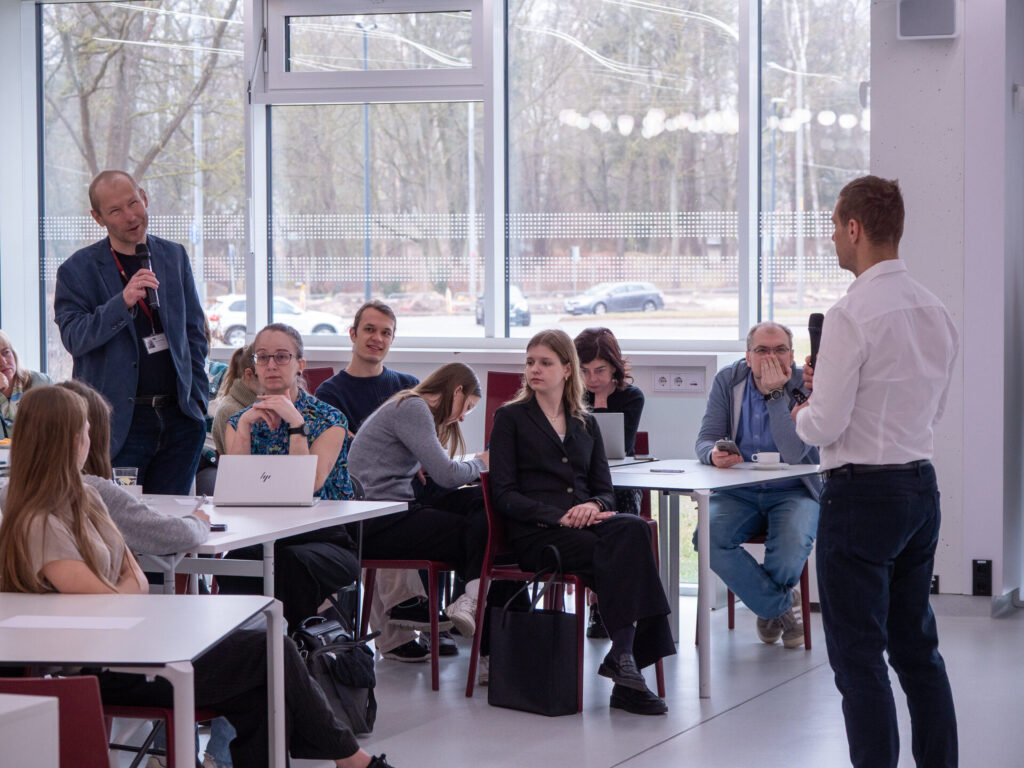
On April 1st, Riga Stradinš University hosted a practical seminar titled “Scientists” Breakfast: From Lab to Value." The seminar aimed to strengthen the BioPhoT team and researchers' ability to transform their scientific results into a clear, structured, and compelling value proposition. The event brought together scientists and interested parties from various fields who, alongside experienced mentor Voldemārs Brēdiks, deeply analyzed how to define the significance of their research beyond academia, by addressing funders, collaborators, and end-users.

There was a fundamental difference between the science and innovation perspectives at the seminar. While in academia, value is traditionally measured by publications, citations, and methodological rigor, in the innovation ecosystem, what is crucial is what problem a specific solution addresses, who needs it, and what its practical impact is. During the seminar, the mentor explained how to successfully transition from thinking “What am I researching?” to “Why should anyone care?”.

Participants learned about the principles of creating a value proposition, paying special attention to the ability to distinguish a technology's functionality from user benefits and the actual “pain points” that the solution addresses. The importance of problem definition was also emphasized, analyzing the frequency, severity, and lack of existing solutions for a problem, as well as the ability to substantiate the scale of the problem with specific data and examples.

In the practical workshop session, participants worked on formulating the value proposition of their projects and developing a short idea outline, also known as an elevator pitch. During this process, special attention was paid to different target audiences – users, decision-makers, and payers – emphasizing that each of these groups requires a distinct message.

Given that the event took place on Shadow Day, students – shadows who had come along with industry professionals – also actively participated in the seminar. They not only observed the process but also engaged in discussions, participated in value generation, and presented their ideas, demonstrating a high level of interest and understanding of innovation creation principles.

The workshop served as an important preparatory step for the next steps in research and innovation development, in particular with a view to the upcoming BioPhoT call for research and innovation projects, where a clearly defined socio-economic impact and a solid value proposition are essential.

We invite you to apply for the Deep Tech Atelier 2026 Startup Competition and Demo Zone.

We invite “BioPhoT” research projects to apply. Deep Tech Atelier 2026 For startup competitions and the Demo zone!

Deep Tech Atelier 2026 will take place from May 14th to 15th at Fantadroms in Rīga. It is one of the leading deep tech events in Europe, bringing together over 2,000 startup founders, investors, companies, and ecosystem leaders, focusing on breakthrough technologies.

Startup bankruptcy – present your solution.

The startup competition offers an opportunity to present your solution to an international jury in a 3-minute pitch format, followed by a 2-minute Q&A session.

Selected projects will have the opportunity:

  • Present your solution leading European deep tech investors
  • Gain visibility In the European and Nordic deep tech ecosystem
  • Build contacts with potential industry partners
  • Demonstrate your technology over 2,000 conference attendees
  • Access the selected bonus fund, which combines financial and practical support
  • Participate in bootcamp sessions, to improve your pitch presentation

Application deadline: April 6, 2026, at 6:00 PM
Sign up here

Demo Zone – showcase your prototype

Research projects with a physical prototype or a demonstrable product are also invited to participate in the Demo Zone, at a special “BioPhoT” stand.

  • The number of spots is limited (16 PIP demo spots), and in case of a large number of applications, the organizers reserve the right to select based on the submission date.

The demo zone provides the opportunity to:

  • Gain visibility among investors, companies, and peer teams
  • Get direct feedback for technology
  • Identify potential pilot project collaboration opportunities

Application deadline:  April 6, 2026, at 6:00 PM
Sign up here

Don't miss the opportunity to present and showcase your research project at one of Europe's leading deep tech events!

Scientific research is transformed into real products

From scientific idea to finished product – this is the path that several Latvian scientific teams are currently taking on the “BioPhoT” platform. A report by LTV on the second competition call and projects.

One of the Latvian University's Institute of Solid State Physics researchers“ closely examined projects allows for quick and accurate determination of circulatory problems, while in another laboratory, materials are being developed that will help to see road signs better in the dark. With the support of ”BioPhoT," these innovations are being developed, refined, and business experts are also being involved so that they can eventually become a real product and be introduced into everyday use.

We invite you to watch!

We invite you to the webinar “Cooperation Models with Companies and Market Validation”

In order to ensure a common understanding of the key stages, terminology and cooperation mechanisms of technology transfer and to strengthen institutional competences in this field, technology transfer and intellectual property experts, researchers and other interested parties are invited to participate in the webinar series “Technology Transfer Fundamentals: From Idea to Innovation”.

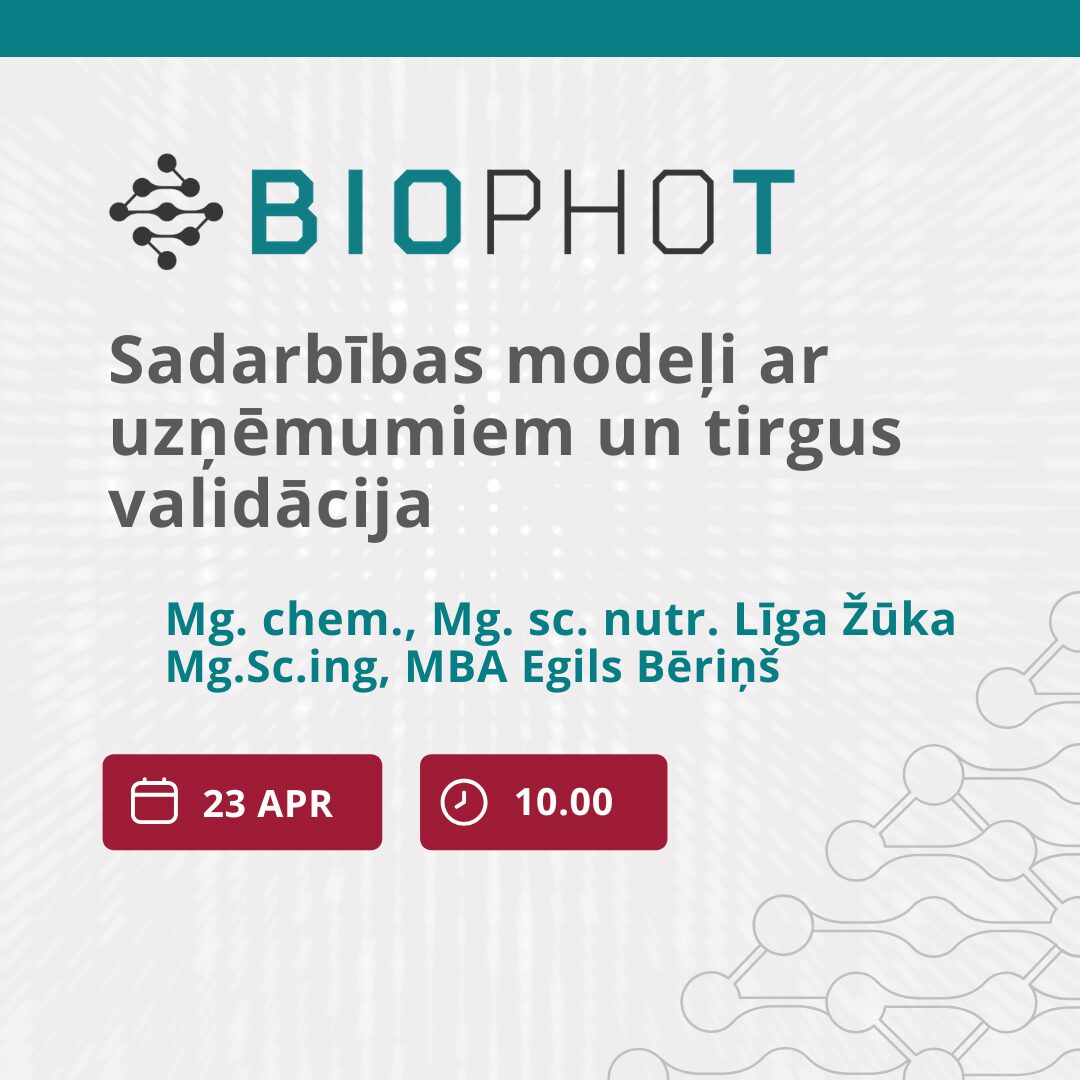
Researchers and other interested parties are invited to an online seminar on April 23 at 10:00 AM about collaboration with companies and market validation of ideas – we will share experiences, examples, and practical advice.

M.Sc. Chemistry, M.Sc. Nutrition Līga Žūka, leading innovation expert at the University of Latvia's Innovation and Acceleration Center, will present the most effective cooperation models between universities, scientific institutions, and companies. Special attention will be given to the experiences of various countries, analyzing how academic-industry cooperation is organized in different innovation ecosystems. The Swiss academic-industry cooperation model, where universities, companies, and the public sector form a close innovation partnership, will also be discussed.

We will also analyze in more detail the barriers and opportunities for collaboration with industry, looking at them from the perspectives of various stakeholders—researchers, companies, and investors.

M.Sc. Eng., MBA Egils Bēriņš, an expert in the commercialization of innovative solutions at the Institute of Electronics and Computer Science (EDI), will present the experience of the Institute of Electronics and Computer Science (EDI) in transforming research results into commercial value and strengthening partnerships with companies.


Norris Zoom platform

Working language: Latvian

Registration: https://luma.com/g3larw2k

Participants have the opportunity to submit questions of interest to them by April 20th by sending them to the email address: alise.ose@osi.lv.

We inform you that the webinar will be recorded.

We invite you to a Life Science networking evening with Marco Rüedi

What is the current state of Latvia's life sciences ecosystem - and how does it look from an international perspective?

We invite you to an informal networking evening with Marco Rüedi, to continue the discussion on the life sciences ecosystem in Latvia, gain fresh insights into its strengths and development opportunities, as well as participate in an open conversation with other researchers, startup representatives and industry professionals.

🕐 16 April, 17:30-20:00
📍 StartUp House, Lastādijas iela 12 k-3
🎟 Registration: https://luma.com/604x42fz

After several days working with local research teams, Swiss life sciences expert Marco Rüedi will share a fresh, independent perspective on our ecosystem - what's working well, where the challenges lie and where the opportunities for development lie.

This is not a formal conference event, but rather an informal networking evening for discussions and idea exchange. It will bring together researchers, startup representatives, and other industry participants to collectively look at familiar things from a different perspective, ask uncomfortable but important questions, and build new collaborations.

It is also an opportunity to gain an external perspective that can help you understand your project direction more clearly, see new opportunities for collaboration and better position yourself in the life sciences ecosystem.

The event will be an opportunity to continue discussions with Marco Rüedi in an informal setting, to discuss the next steps for development and to outline potential opportunities for cooperation.

VIDEO: Webinar “EU Regulations for Medical Devices and In Vitro Diagnostics”

A webinar on the European Union framework for medical devices and in vitro diagnostics introduced participants to the significant changes within the MDR and IVDR.

Given that regulatory requirements have changed significantly in recent years, particular attention has been paid to the importance of early understanding for innovation projects moving from the research environment to the market.

The webinar was moderated by Stefan Bolleininger, CEO of Consultys Medical and Senior Regulatory Affairs Consultant, who specialises in supporting early-stage innovation projects and helping to navigate the EU regulatory environment when preparing products for CE marking.

The webinar covered:

  • EU regulatory framework for MDR and IVDR, role of notified bodies and CE marking requirements
  • Classification of medical devices and IVDs and its role in the choice of regulatory pathway
  • Conformity assessment procedures and required documentation
  • Harmonised standards, common specifications and guidelines
  • Integrating regulatory planning at an early stage

We invite you to the Scientists“ Breakfast ”From Lab to Value"

How to turn research into a clear and convincing proposal? Not all ideas are equally strong – those that can convince win. In the world of science, excellence is measured by publications, while in the world of innovation, it is measured by the value it brings to the user, investor, or society.

We invite you to a practical seminar where, together with experienced mentors Voldemārs Brēdiks and Jānis Zaltāns, we will learn to articulate the essence of research in a way that is understandable not only to industry experts but also to funders and collaboration partners.

The registration form is available here.

Why participate?

The seminar is a strategic preparatory phase for two important events:

  • BioPhoT for the tender (planned for August 2026);
  • for FLPP project applications (to be announced within the next month), where socioeconomic impact and value definition are critical points.

Seminar programme

9.00–9.30“Why would anyone care about that? (theoretical framework)
Anatomy of a Value Proposition: How to Distinguish Technology Features from Customer Benefits
– Problem Definition: How to Identify the “Pain Point” Your Research Addresses
– Target user: Who needs your discovery
9.30–9.40Q&A
Mentor's answers to participants' questions about the first steps of commercialization
9.40–10.40Value Fixing (Practical Workshop)
– Defining the value of a project
– Brief outline of the idea (Elevator pitchpreparation
10.40–11.00Idea presentationPitcha return link
Volunteer presentations and direct, constructive evaluation of mentors from an investor's and entrepreneur's perspective

The event will be held in Latvian.

Since April 1st will be Shadow Day, we especially invite you to bring your eels, to introduce them to the scientific environment and the development of scientific projects.

Life Science project business development workshop with Marco Rüedi in April

From lab to market – a week that could be a turning point for your project.

A practical and intensive program for Latvian life sciences teams who want to take the next step  from research to a real, fundable solution. The program is led by one of Switzerland's most experienced Life Science startup mentors.

Research has already been initiated. You have data and results. But is it clear how to turn them into a project that interests investors or financiers? It is at this stage that many research teams stop. This program is designed to help bridge this gap.

You will work closely with Marco Rüedi – doctors, entrepreneurs, and business coaches – in a practical, discussion-based format. There will be no excess of lectures and theory. Instead, there will be work on your own project and specific, honest feedback.

Until April 7th, we invite you to apply for participation in the program, which will take place from April 13th to 17th – each team will participate in one thematic day according to their project's direction. The number of spots is limited, and teams will be selected on a first-come, first-served basis. To apply: https://luma.com/5n88bue8

What will you get:

  • Clarity on your current location
    Together, we will identify what else is missing for your solution to be ready for clinical or market development.
  • Specific development path
    Create a clear and well-founded plan  based on the data up to market entry (preclinical, regulatory and clinical development)
  • Understand the fundraising process
    You will understand what investors and funding programs actually want to see to make a decision.
  • Learning from others
    You will work with other teams, share experiences, and gain an outside perspective.

Programme:

  • Day 1 (13.04.) - Assistive Technologies
    (e.g., lab-on-chip, materials, sensors, AI and data solutions)
    Riga Technical University
  • Day 2 (14.04.) - Biotechnology and Pharmacy
    (including synthetic molecules and nutraceutical products)
    Latvian Institute of Organic Synthesis
  • Day 3 (04.16) – Diagnostics
    (biomarkers, in vitro diagnostics, screening, and molecular diagnostics solutions)
    Riga Stradiņš University

This will be Marco's first time working with Latvian teams, and he will offer an approach he has developed over 10 years in the Swiss biotech and medtech environment. You will receive direct, constructive feedback and leave with a clear action plan for the next four months.

A follow-up meeting in Riga is scheduled for August to discuss your progress.

By mentor:

Marco Rüedi, MD, eMBA

Doctor, entrepreneur, and Life Science business coach (Innosuisse), founder of Startup-Doc

Over 30 years of experience at the intersection of medicine, science, and business.
For the last 10 years, he has been working with startups in Switzerland.  helping researchers turn ideas into developable and investable projects.

Her approach combines clinical precision with a practical business perspective.

From lab idea to spin-off, startup, and company.

BioPhoT teams are invited to “DeepTech Breakfast” – an opportunity to meet investors within TechChill

Startin.LV, EIT Community Latvia, and Iron Wolf Capital invite science-intensive technology enthusiasts, researchers, and investors to “DeepTech Breakfast,” which will take place on March 26th at Startup House Riga. This is an official TechChill side event, but a TechChill ticket is not required for participation.

The event will gather investors and stakeholders from the deep tech industry, and it's a great opportunity to network in an informal atmosphere, learn about the latest trends, and make connections before the conference buzz.

A Special Opportunity for BioPhoT Teams: Targeted Investor Conversations

As part of the event, BioPhoT project teams will be organized for targeted matchmaking with deeptech investors. Participation in such discussions, regardless of the project's stage of readiness, is valuable for understanding in a timely manner what investors expect from the team, the technology, and its development plans.

Event Program (March 26):

  • 08:30 – 09:00 | Arrival, coffee, and informal networking
  • 09:00 – 09:20 | Iron Wolf Capital “Baltic Deep Tech Report 2026” presentation
  • 09:20 – 09:30 | FINEST SCALEUP Key Takeaways for Deeptech Teams
  • 09:30 – 09:40 | Venture Capital Perspective – How Early-Stage Teams Should Think About Fundraising
  • 09:40 – 09:50 | EIT Community Latvia News
  • 09:50 – 10:00 | Announcements (Open Mic)
  • 10:05 AM – 10:30 AM | Organized Networking and Matchmaking

How to participate?

1. Register for the event: here

2. Apply for investor talks: BioPhoT teams wishing to participate in the matchmaking session are invited to write to biophot@rtu.lv by March 23rd. We will identify investors and select 1-2 investors for each team whose interests align with the industry your team represents.

Location Location: Startup House Riga (Lastādijas iela 12-k-3, Riga). Note: Photography will take place at the event, and materials may be used on social media.

Latvia among world leaders in deep tech innovation: 7th on the Hello Tomorrow radar

Latvia is increasingly asserting its place in the global science-based innovation landscape. International deep technology platforms Hello Tomorrow published in 2026 Global Deep Tech Pioneers Radar The report ranks Latvia 7th in the world for the number of deep tech start-ups per capita. This result confirms the ability of Latvia's research and innovation ecosystem to create technologies with global potential, and highlights the importance of platforms such as BioPhoT in the development of this ecosystem.

Latvia is ranked 31st among 100 countries in the overall ecosystem ranking, and 7th in the world on a per capita basis, becoming one of the world leaders in deep technology innovation. Global Deep Tech Pioneers Radar is based on more than a decade of Hello Tomorrow Challenge data on tens of thousands of early-stage, deep-tech start-ups from around the world. These projects are evaluated through an international selection process involving an independent jury of industry experts, investors and innovation leaders.

“BioPhoT facilitates the translation of research ideas into technologies with commercial potential by supporting research teams in the early stages of innovation. The platform focuses on deep technology areas where Latvia has high growth potential, including biomedicine, medical technologies, photonics, smart materials, electronics and other engineering sectors.

These international assessments show that research-based projects created in Latvia can indeed compete on a global level. Deep-tech innovations are often born in laboratories and research teams, and only become visible in the commercial world or in industry. International assessments that highlight these early signals of technology development therefore help to spot the countries and ecosystems where the next generation of innovations is emerging.

In order to strengthen the international visibility of Latvia's deep technology innovations and promote cooperation with investors and industry, BioPhoT in cooperation with the Latvian Investment and Development Agency (LIAA) will participate in this year's Hello Tomorrow Global Summit. It is one of the world's most important deep tech events, bringing together start-ups, researchers, investors and technology companies from around the world. Each year, the event attracts more than 3000 participants, creating an environment for new technology development, partnerships and investment.

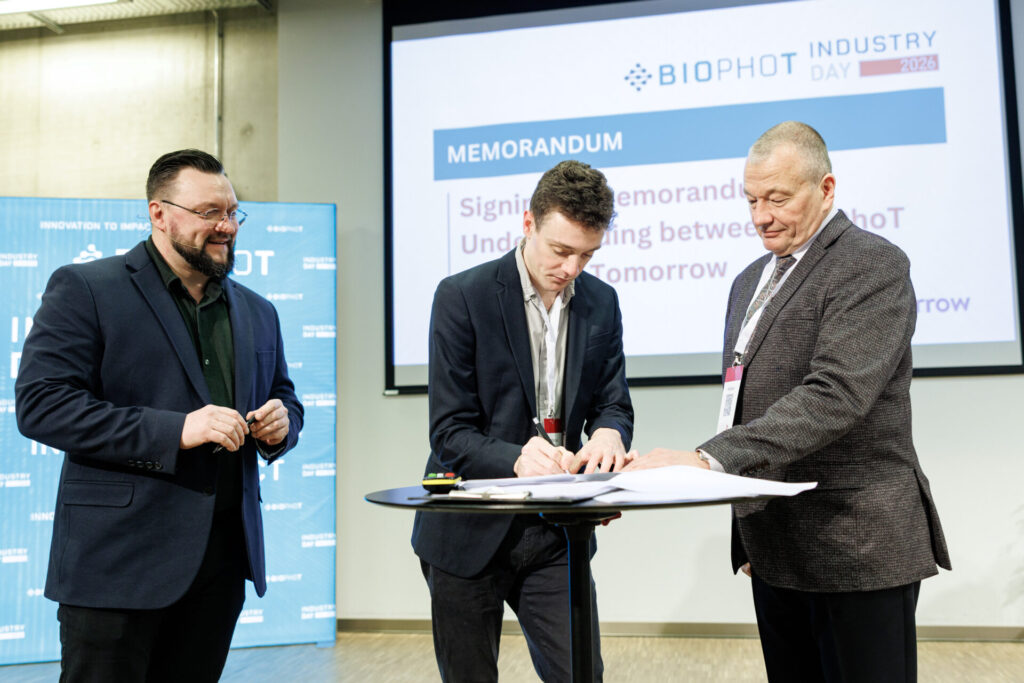
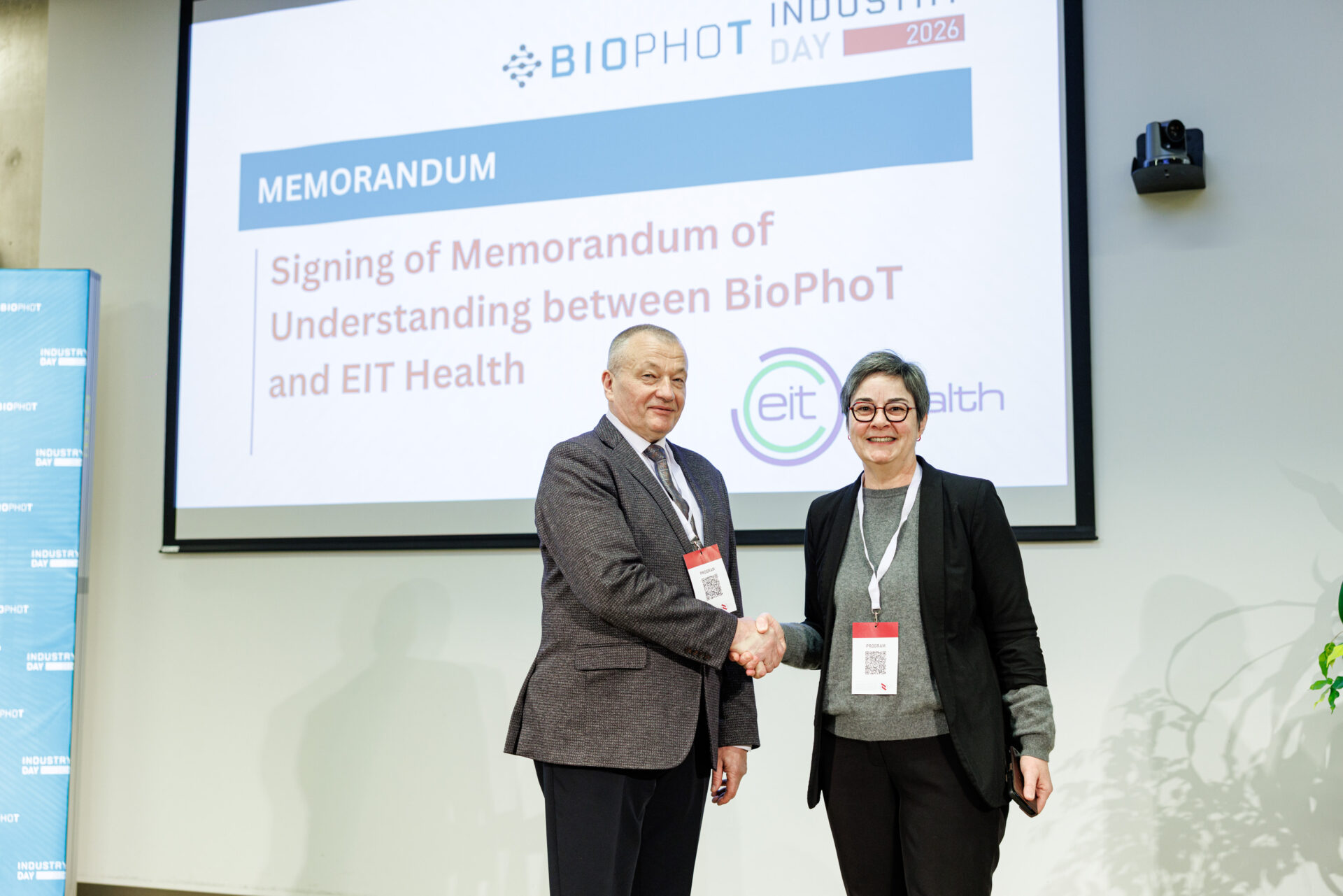
“BioPhoT's participation in the conference is also part of a wider international collaboration. To promote the involvement of Latvian researchers and start-ups in global innovation networks, BioPhoT will take place on 26 January 2026” Industry Days A strategic Memorandum of Understanding was signed with Hello Tomorrow, which provides for closer cooperation with one of the world's leading deep-tech innovation platforms.

“BioPhoT invites platform research project teams to apply Hello Tomorrow Global Summit 2026, which will take place in Amsterdam, the Netherlands, on 11-12 June. Eight BioPhoT research teams will be selected through a competitive process to represent Latvia at the event and present their technologies to an international audience.

Selected teams will get the chance to:

  • Participate in the Hello Tomorrow Global Summit 2026 in Amsterdam
  • receive travel and accommodation expenses per team member
  • present your technology at the BioPhoT stand in the international exhibition area
  • build direct contacts with investors and industry partners

In addition, teams that confirm Hello Tomorrow experts, will also have the opportunity to participate in Investor Day 10 June - an exclusive event bringing together leading deep tech investors and technology leaders.

Applications are open until 20 March 2026 by filling in the application form and attaching a project presentation (pitch deck): https://forms.gle/44B8LdvcnBhMvSib7

Teams are advised to contact their project mentor before submitting their application to discuss the usefulness of participating and the team's readiness for an international event.

Membership Hello Tomorrow Global Summit will allow to present Latvian science-based innovations to an international audience, while strengthening the visibility of Latvia's deep technology ecosystem and creating new contacts with potential partners, investors and industry representatives.

A conversation with BioPhoT researcher Rihards Rusks

Rihards Ruska is a PhD student at the University of Latvia (UL), is working on his PhD thesis on applications of luminescent nanomaterials in biosensors at the Institute of Solid State Physics, and is “BioPhoT project ”Bioactive Luminescent Coatings for Antimicrobial Protection“ in the team.

He recently received the Latvian Academy of Sciences' Arthurs Balklavs Award for Science Popularisation. The Latvian Young Scientists' Association (LJSA) invited R. Rusks for a talk - about his path in physics, his research on light-emitting nanoparticles and their applications in medicine and agriculture, as well as about science communication, entrepreneurship and the importance of cooperation in science.

The conversation can be read LJZA website.

Applications open for BioPhoT research delegation to Hello Tomorrow Global Summit 2026

“BioPhoT in collaboration with the Investment and Development Agency of Latvia (LIAA) invites PIP research teams to apply for one of the world's most important deep-tech events - Hello Tomorrow Global Summit 2026, which will take place in Amsterdam, the Netherlands, on 11-12 June.

Apply at by 20 March 2026, by completing the application form and attaching a project presentation (pitch deck): https://forms.gle/44B8LdvcnBhMvSib7

Eight BioPhoT research teams will be selected through a competitive process to represent Latvia at the event and present their technology to an international audience.

Teams will get the chance to:

  • Participate in the Hello Tomorrow Global Summit 2026 in Amsterdam;
  • receive travel and accommodation expenses per team member;
  • present your technology at the BioPhoT stand in the International Exhibition Area;
  • build direct contacts with investors and industry partners.

In addition, teams approved by Hello Tomorrow experts will also have the opportunity to participate in Investor Day (10 June) - an exclusive investor event bringing together leading deep-tech investors and technology leaders.

“Hello Tomorrow is a global innovation network that has become one of the most influential supporters of the deep-tech ecosystem in the world over more than a decade. Each year, the Hello Tomorrow Global Summit brings together more than 3,000 industry experts, investors and technology companies from around the world, creating a unique environment for developing new deep-tech solutions, building partnerships and attracting investment.

To promote the involvement of Latvian researchers and start-ups in international innovation networks, a strategic Memorandum of Understanding with Hello Tomorrow was signed at the BioPhoT Industry Day on 26 January, ensuring closer collaboration with the global innovation ecosystem.

Teams are advised to contact their project mentor before submitting their application to discuss the usefulness of participating and the team's readiness for an international event.

Further information about participation is available from the project mentors or by contacting the BioPhoT platform coordinator Aigars Lazdiņš (e-mail: Aigars.Lazdins@osi.lv; phone: +371 26401099).

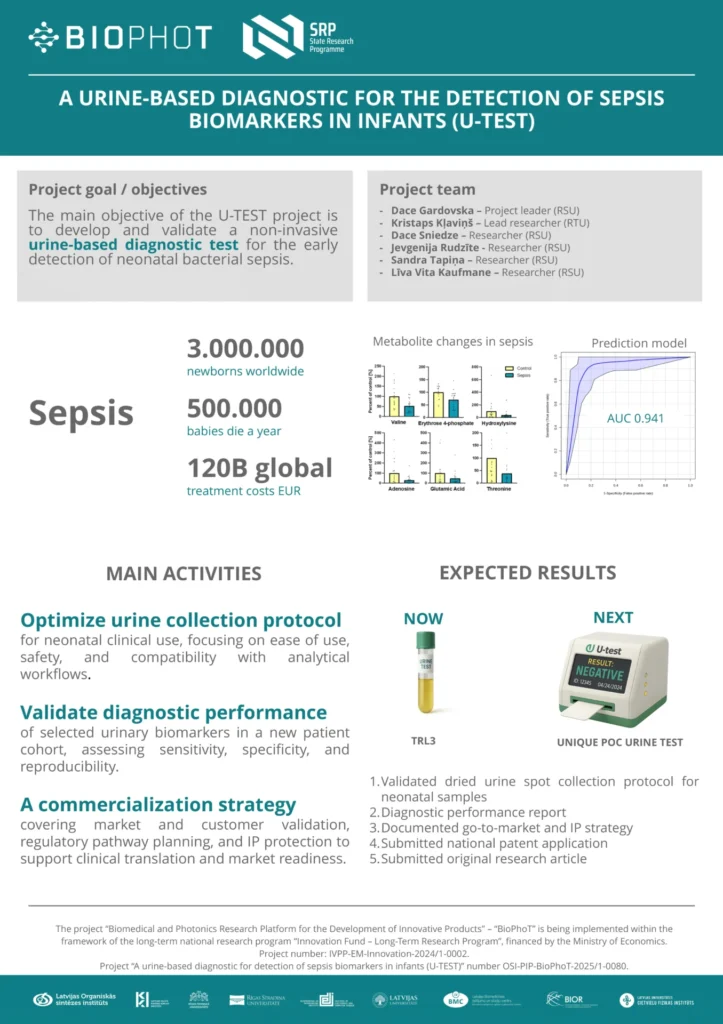
“BioPhoT scientists develop new method to detect sepsis in newborn urine in U-TEST project

A collaboration between doctors from the Children's Clinical University Hospital (BKUS), Riga Stradins University (RSU) and Riga Technical University (RTU), “BioPhoT in the U-TEST project A new method for detecting blood poisoning is being developed. It allows the detection of sepsis in newborns using urine instead of painful blood tests. If all goes well, the new equipment could certainly be in demand not only at the Children's Hospital in Latvia, but in hospitals all over the world.

More - LTV story and lsm.lv.

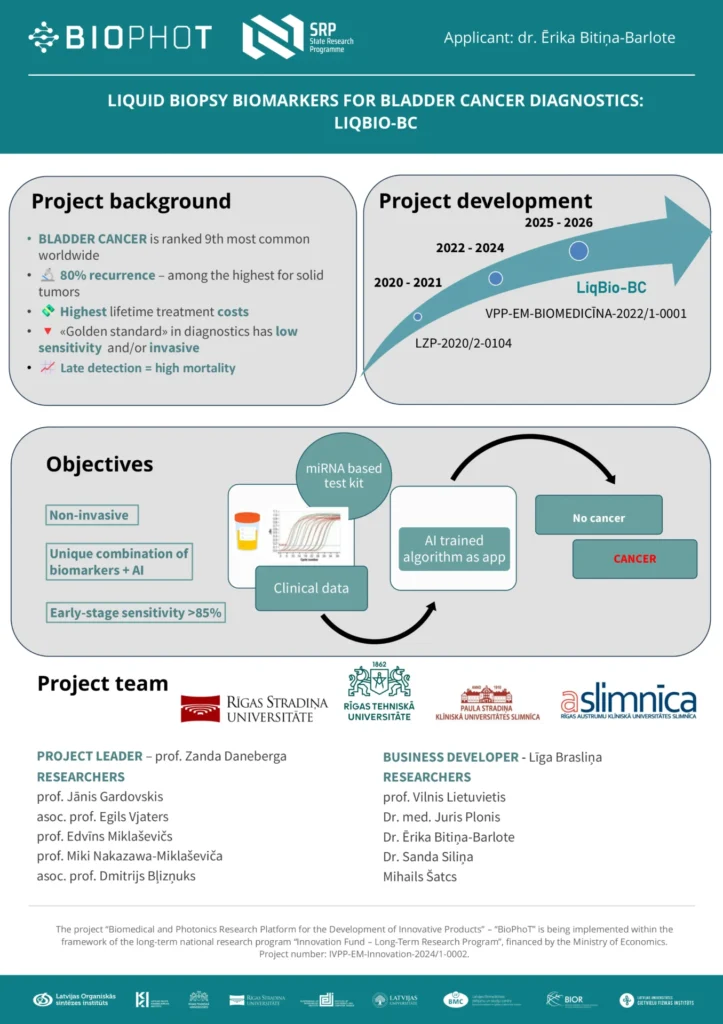
“BioPhoT project LiqBio-BC receives recognition from the President of the Lithuanian Academy of Sciences

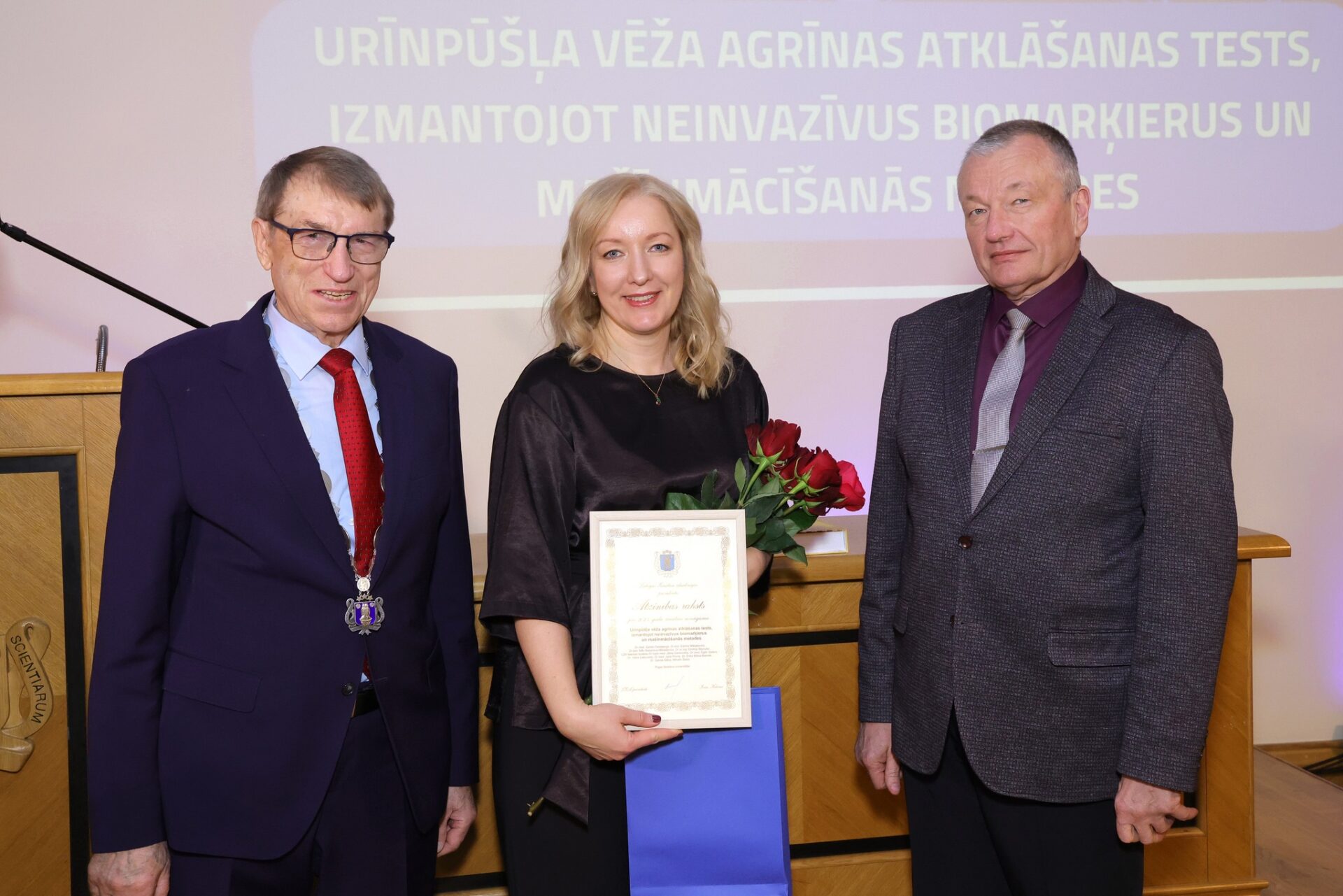
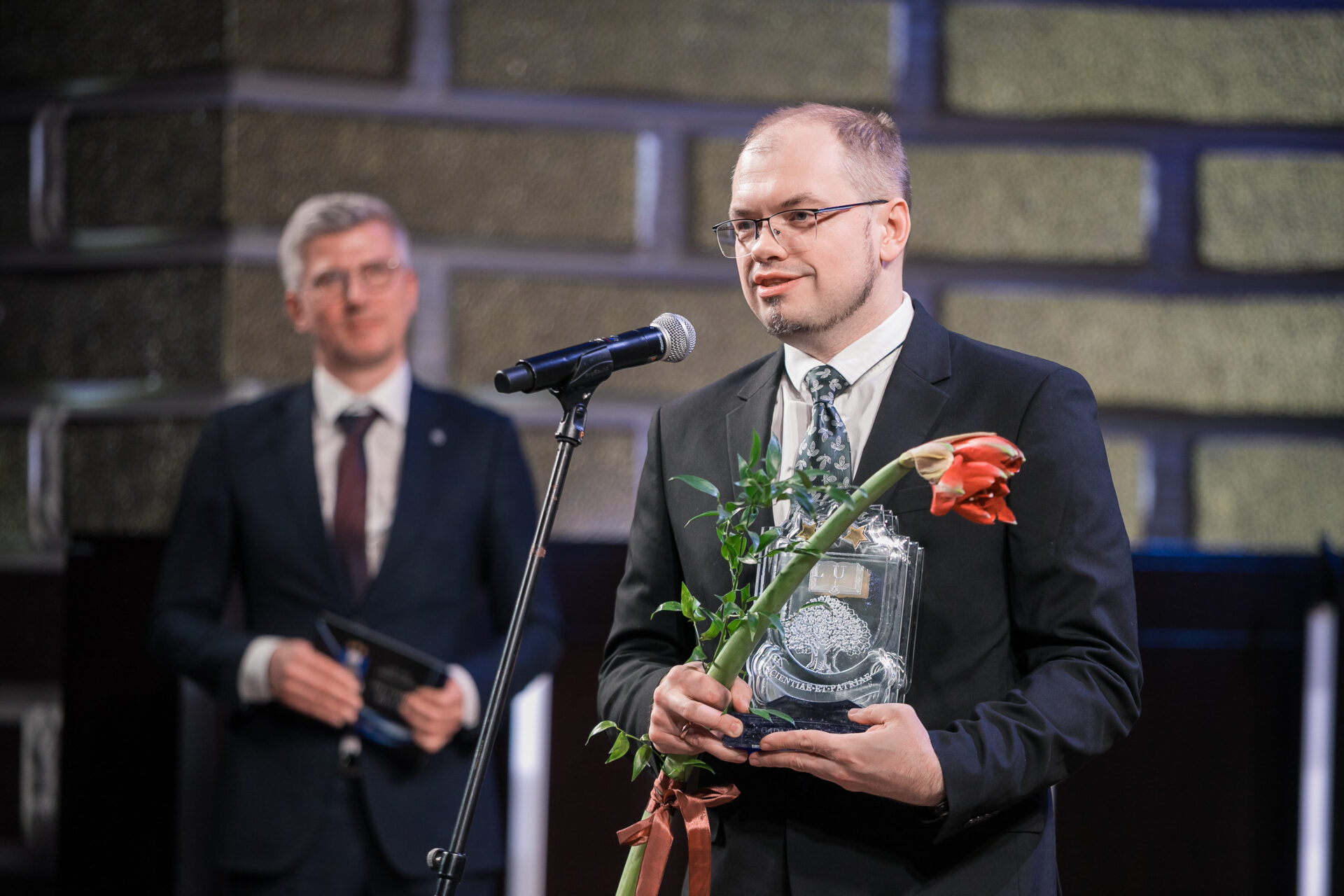
At the end of February, during the award ceremony of the Latvian Academy of Sciences (LAS) for the most significant achievements in science in 2025, the LAS President's Certificate of Appreciation was awarded to the research and innovation project LiqBio-BC of Riga Stradins University (RSU), which develops an early detection test for bladder cancer using non-invasive biomarkers and machine learning methods. The recognition was awarded for a significant contribution to the development of oncology diagnostics by creating an innovative approach for the early detection of bladder cancer.

Bladder cancer is one of the most common urological cancers and invasive methods are still widely used to diagnose it. The aim of the project is to offer an alternative test with high sensitivity and specificity to detect the disease early, improve the quality of life of patients and optimise the use of healthcare resources. The LiqBio-BC team developed a novel, patient-friendly and clinically effective diagnostic method based on the non-invasive detection of biomarkers in urine using molecular biology and bioinformatics approaches, as well as machine learning algorithms to analyse the data and improve diagnostic accuracy.

“Research in bladder cancer diagnostics at RSU started in 2020. Since then, this topic has been developed in various national research programmes, while work is currently ongoing on the BioPhoT platform, where we combine molecular biology, clinical medicine and data analytics competences. During these years, we have not only developed innovative diagnostic approaches, but also nurtured a new generation of scientists who continue to strengthen this field of research in Latvia with their energy and knowledge,“ says Project leader LiqBio-BC prof. Zanda Daneberga.

The solution developed by RSU researchers is an important step towards more personalised, accurate and patient-friendly oncology diagnostics in Latvia and internationally. The project brings together the expertise of clinical specialists, molecular biology experts and data scientists, creating an interdisciplinary collaboration between researchers and clinicians.

“BioPhoT brings together industry leaders and future innovators at the University of Latvia Business Opportunities Festival

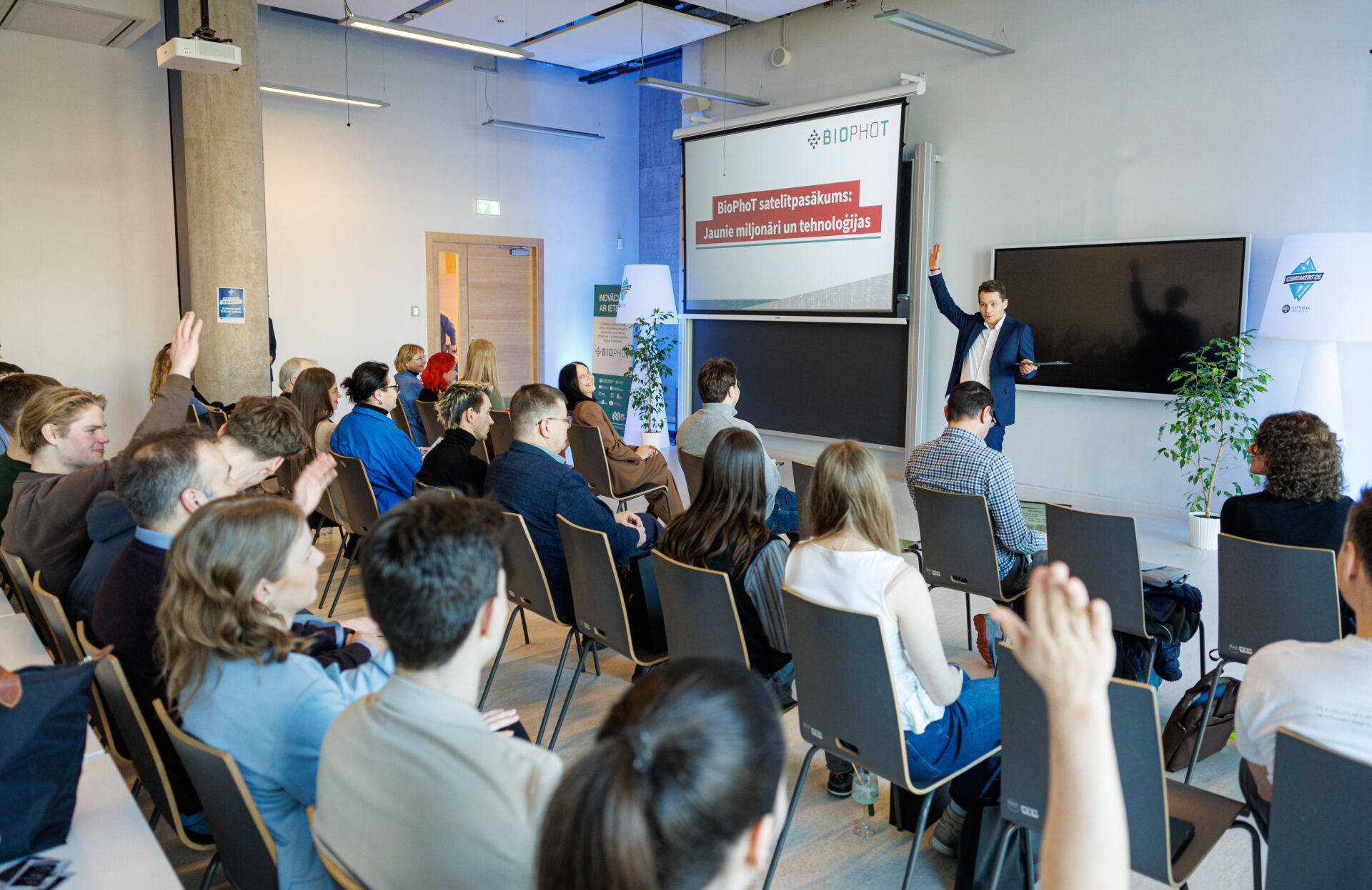
On 5 March, the satellite event “Young Millionaires and Technologies’ of the research platform ”BioPhoT“ took place at the University of Latvia (UL) House of Sciences as part of the festival ”Icebreakers“26”. Participants of the event not only got to know the latest innovations of Latvian scientists and students, but also predicted their commercial future in an interactive format.

The main aim of the event was to break down the barrier between science and business. During the event, five authors of innovations supported by the BioPhoT platform and potentially emerging innovations presented their ideas in short and concise presentations. Each presentation was followed by a unique element: a business forecasting game, where the audience together with experts assessed the viability of the ideas and predicted their development over a five-year period.

The projects presented covered a wide range of technologies, from high tech medicine to innovative energy solutions:

  • Ilva Trapiņa: “Early, accurate, personalised: an MI-based biomarker panel for prognostication of multiple sclerosis progression PRECISE-MS”.
  • Artūrs Brēķis: “Innovative power generation technologies at the Institute of Physics, University of Latvia, Salaspils”.
  • Zane Šmite: “Neuromuscular workload assessment for personalisation of the training process”.
  • Alexander Dutov: “Optical biosensors for tumour detection”.
  • RTU student project: “VR glasses for children who experience anxiety from a medical environment”.

Alongside the evaluation of new ideas, leaders of the innovation industry shared their experience: co-founder of SIA “Alternative plants” Mārtiņš Borodušķis, founder of spin-off company SIA EPM Riga Toms Beinerts, CEO of SIA Fluffy Unlimited and SIA Sepsiscan Didzis Rūtītis, sustainable business strategist and Point2Hectare co-founder Diāna Šmite. The experts defined a number of essential prerequisites for the successful development of start-ups. The most important factors were a strong and united team, a willingness to experiment and persevere even after mistakes, as well as a genuine passion for your product, service or project.

These values were illustrated in practical action by a special guest: the Latvian toy brand KNOP KNOP. Rodion Zenevich, a representative of the company, demonstrated how the combination of design and sustainability can create a product with high global potential.

One of the most striking conclusions of the event was that “when you think a billion, millions will come”. This serves as a call to Latvian researchers and start-ups not to be afraid of big ambitions at the very beginning of a project. The event ended with a networking session, giving participants the opportunity to speak personally to experts in the field and forge new partnerships to commercialise innovations.

Project No IVPP-EM-Innovation-2024/1-0002 “Biomedical and Photonics Research Platform for Innovative Products (BioPhot)” is implemented under the long-term national research programme “Innovation Fund - Long-Term Research Programme”, funded by the Ministry of Economics.

Photo by Dmitrijs Sulžics, BioPhoT“

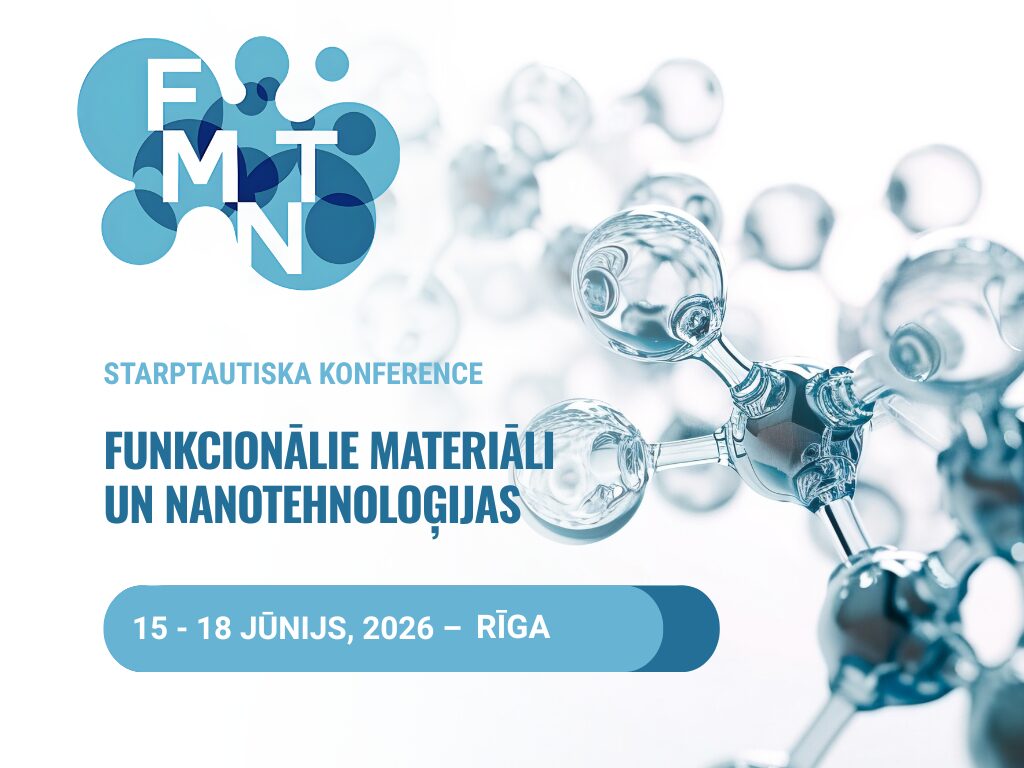
FM&NT 2026 in June – International Conference on Functional Materials & Nanotechnologies 

From 15 to 18 June 2026, the 16th International Conference on Functional Materials and Nanotechnologies (FM&NT 2026) will take place in Riga, bringing together researchers, engineers, industry representatives, and policy makers from around the world. The conference will be held at the House of Science of the University of Latvia. 

FM&NT is a leading regional forum for advances in functional materials and nanotechnologies, featuring topics such as energy materials, photonics, ferroelectrics, microfluidics, and biomedical technologies, theoretical modelling, device technologies, and large-scale research infrastructures.

Representatives of EIT RawMaterials will provide insights into current EU priorities, sector needs, and funding opportunities for commercialisation and innovation projects. A dedicated session will introduce EIT RawMaterials innovation instruments, including KAVA Call, designed to accelerate validated technologies towards market readiness.

The FM&NT 2026 programme will feature plenary and invited lectures, oral and poster sessions, as well as thematic workshops and a DEMO exhibition area - opportunity to showcase your prototype and explore new collaborations, offering plenty of room for discussion and new connections.

Important dates 

  • 6 March 2026 – Abstract submission deadline 
  • 15 April 2026 – Early-bird registration deadline 
  • 15–18 June 2026 – FM&NT 2026 Conference 
  • 18-19 June 2026 - SWEB Summer School on Functional Coatings and X-Chromic Materials 

Since its launch in 2006 by the Institute of Solid State Physics, University of Latvia, the FM&NT has developed into a key Baltic–Nordic forum for presenting cutting-edge research and discussing emerging trends in functional materials and nanotechnologies. 

The conference is organized by the Institute of Solid State Physics, University of Latvia, together with the University of Tartu, Vilnius University, and the University of Latvia. 

More information about the conference, programme, and registration is available at: fmnt.lv 

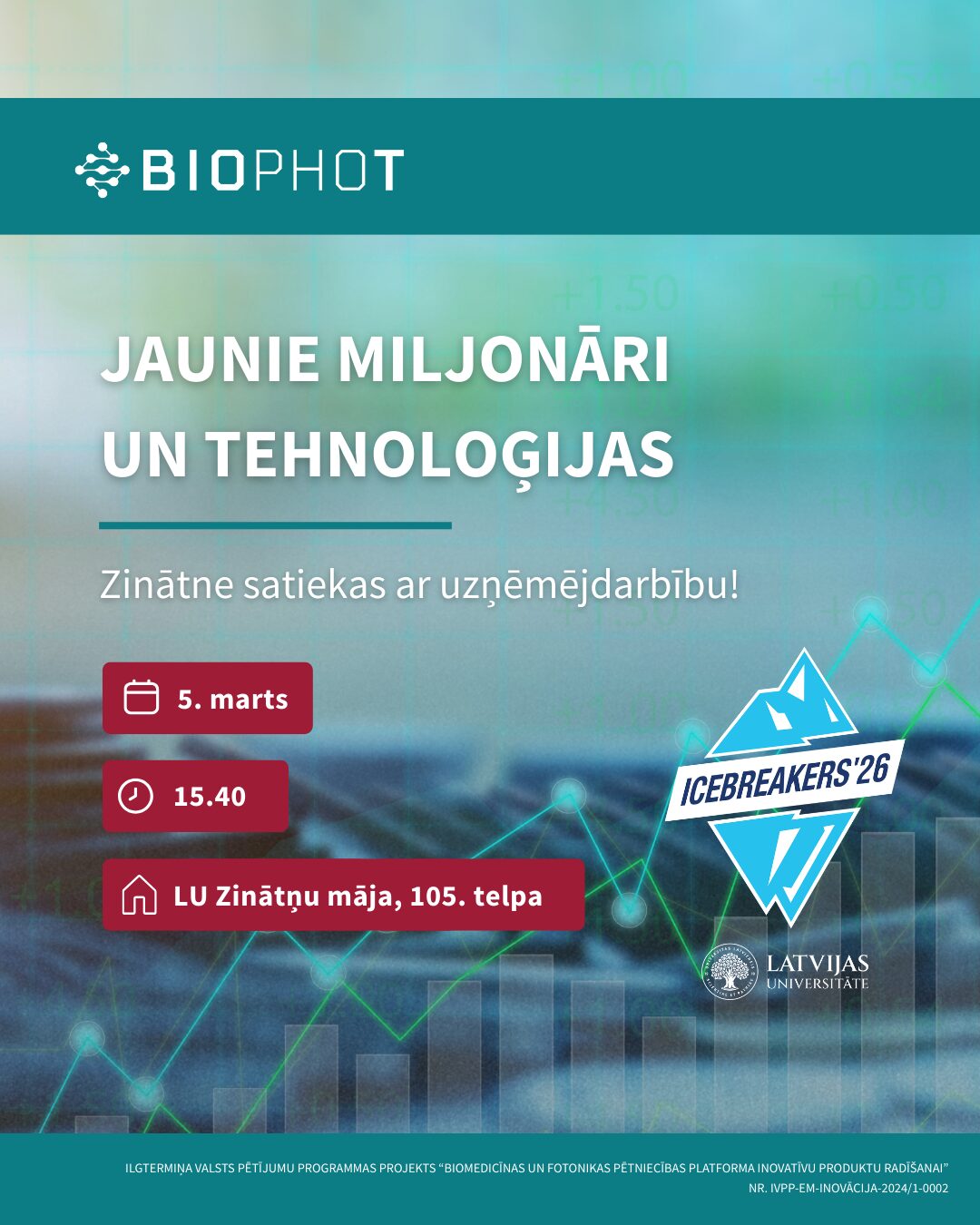
BioPhoT satellite event Icebreakers’26: Young Millionaires and Technology

On 5 March, the ’BioPhoT“ satellite event ”Young Millionaires and Technology“ will take place as part of the Icebreakers”26 Business Opportunities Festival. From 15.40 to 16.40, researchers, innovation experts and future investors will gather in Room 105 of the University of Latvia House of Sciences to discuss the development of scientific ideas and their potential in the market.

Current and potential BioPhoT participants from the University of Latvia will present their research and innovation ideas at the event. In short, concise presentations, the researchers will reveal the nature of the ideas, the stages of development and the next steps towards commercialisation, as well as explain why these ideas are worth millions.

An interactive business forecast game will add a special dynamic to the event - after each presentation, the audience will take on the role of investors, assessing the growth opportunities of projects and forecasting their development over the next five years. This format promotes an active dialogue between science and business, allowing ideas to be seen from a market perspective and giving researchers immediate feedback.

The event will be complemented by experienced innovation experts who will share practical insights on the challenges of commercialisation and the key success factors for start-ups.

“BioPhoT's satellite event ”Young Millionaires and Technology“ invites everyone to become part of a place where scientific ideas are transformed into business opportunities and the next success stories are born.

The Icebreakers’26 Business Opportunities Festival is a platform that brings together students, researchers and entrepreneurs, promoting the exchange of ideas, innovation and collaboration between the academic, public and private sectors. The festival will take place on 5 March at the University of Latvia, House of Sciences, Jelgavas iela 3, from 10.00 to 18.00. Participation - free of charge, in advance by registering at.

Project No IVPP-EM-Innovation-2024/1-0002 “Biomedical and Photonics Research Platform for Innovative Products (BioPhot)” is implemented under the long-term national research programme “Innovation Fund - Long-Term Research Programme”, funded by the Ministry of Economics.

26 research projects funded in BioPhoT second call

The 26 highest ranked projects in the second BioPhoT call for research and innovation projects will receive funding. They will receive an investment of €4,710,859, with each project receiving up to €190,000 in funding for eight months of research and innovation activities.

Most of the supported projects - seven - will be carried out by research groups from the Institute of Solid State Physics at the University of Latvia. The University of Latvia follows with five supported projects, followed by the Institute of Organic Synthesis and Riga Technical University with four each. Two projects each will be implemented by teams from the Latvian Biomedical Research and Study Centre and Riga Stradins University, and one each by research groups from the Institute of Electronics and Computer Science and Ventspils University College.

A significant proportion of the initiatives supported are related to healthcare solutions. For example, a new generation of patient monitoring and diagnostic devices will be developed, including a continuous microcirculation assessment solution for intensive care patients and a device for blood clot analysis. Innovative ultrasound solutions for bone and muscle assessment will also be developed, as well as an artificial intelligence platform for early detection of osteoporosis risk using dental CT images.

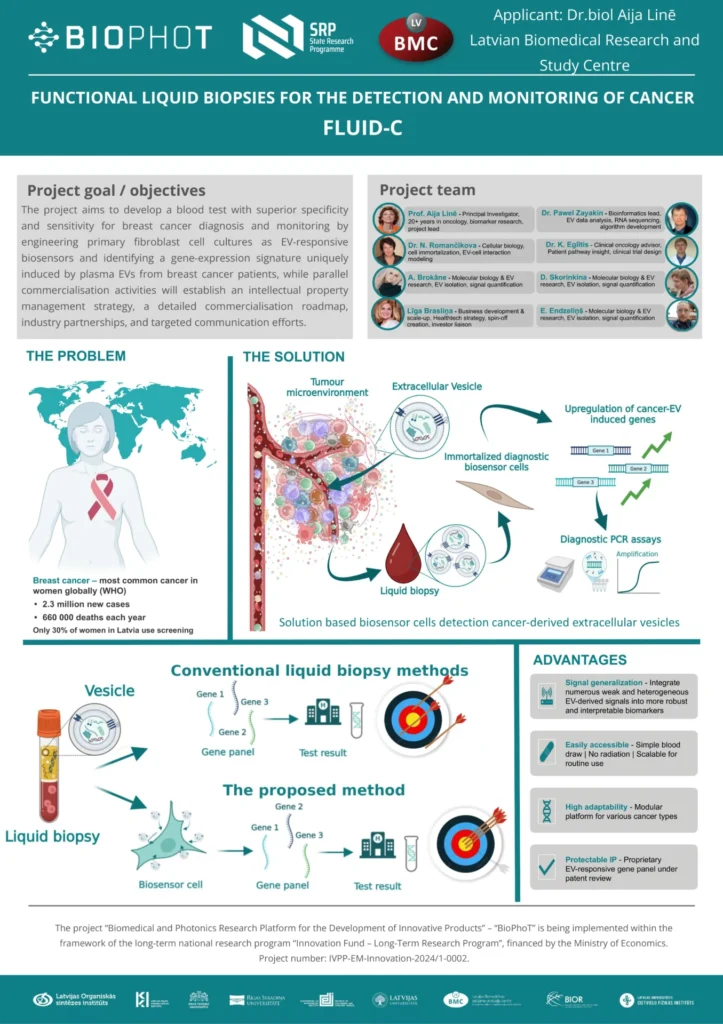
Oncology and precision medicine are also strongly represented. Projects include the identification of specific cancer metabolic types for targeted therapies and the creation of a platform for real-time testing of drug efficacy in pancreatic cancer.

Demonstrating Latvia's expertise in pharmaceutical innovation, it is planned to develop a prototype anticancer vaccine and create a specific compound library for fragment-based screening of new drugs. Separate projects include the development of evidence-based new nutritional supplements, as well as the development of oxygen carriers and new drug delivery systems. The biomaterials and regenerative medicine sector is represented by a project to develop an injectable hydrogel for the treatment of bone infections.

As one of the cross-cutting solutions, a project to develop laser-structured titanium surfaces with antimicrobial properties for medical applications has been funded. 

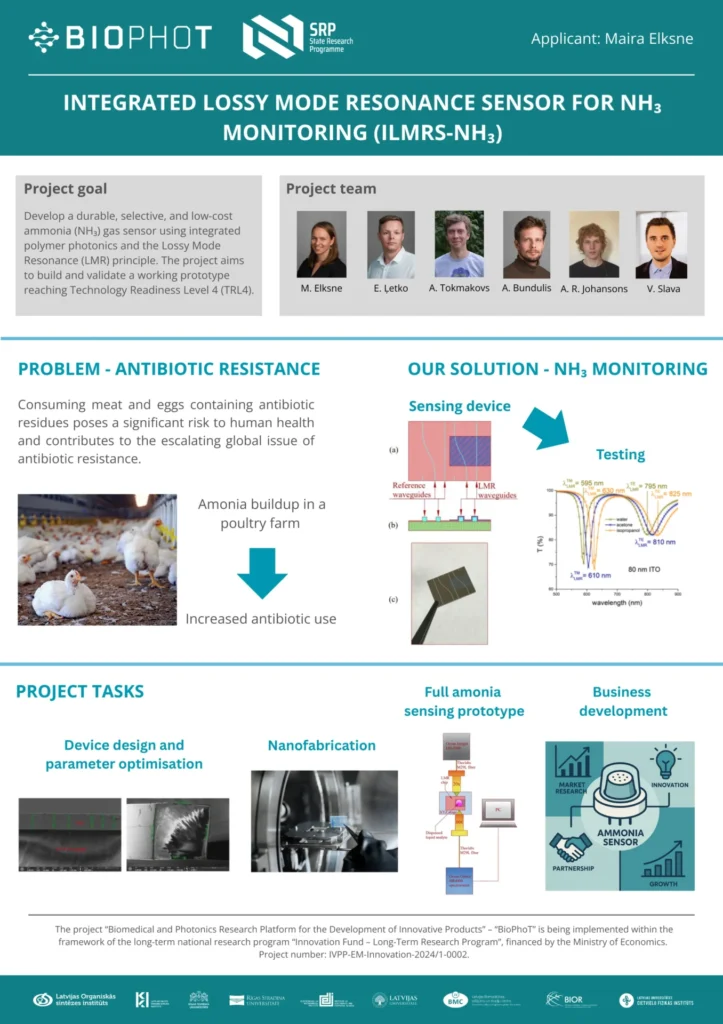
Supported projects in photonics, optics and sensor technologies include the development of polarising optics for augmented reality devices, an adaptive infrared laser communication system for underwater communication, polymer-based ammonia sensors, and semiconductor surface processing technologies to improve imaging quality. Innovative solutions are also being developed for road safety through the development of long-lasting coatings for standard road signs.

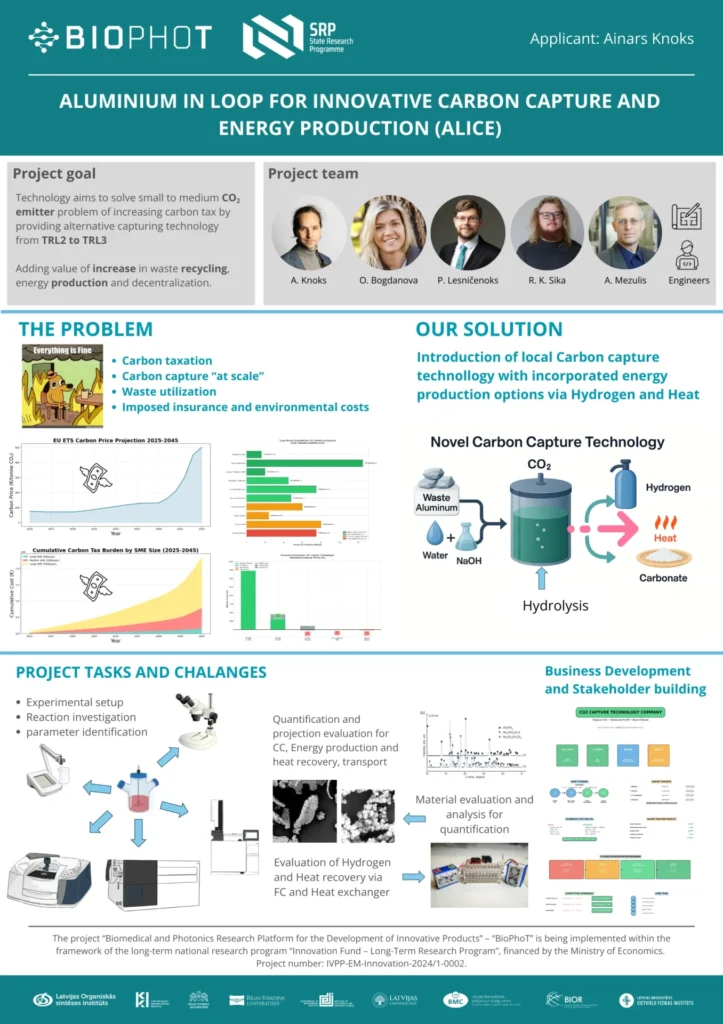
Among the projects supported are smart materials and defence technology solutions, such as polymer composites with improved radiation protection for medical, space and defence applications. In the energy and sustainability area, solutions will be developed for the electrocatalytic conversion of carbon dioxide into valuable chemical products, hydraulic compression technologies for gases, and concepts for a new generation of unmanned aerial vehicles.

The Platform's second funding call attracted a total of 99 project proposals, from which the strongest proposals with the highest innovation potential and scientific quality were selected after two rounds of evaluation.

Supported projects:

Application IDName (LV)Name (EN)Applicant
OSI_PIP_BioPhoT-2025/2-0002Continuous capillary refill replenishment monitor for microcirculation assessment in intensive careContinuous Capillary Refill Monitor for Critical Care Microcirculation AssessmentUniversity of Latvia
OSI_PIP_BioPhoT-2025/2-0016Identification of prostate cancer-dependent cancer types for targeted therapyIdentification of fatty acid-addicted cancers for targeted therapyLatvian Institute of Organic Synthesis
OSI_PIP_BioPhoT-2025/2-0058Shielded Haemoglobin-based Oxygen Carriers (SHOC)Shielded Haemoglobin-based Oxygen Carriers (SHOC)Latvian Institute of Organic Synthesis
OSI_PIP_BioPhoT-2025/2-0020Anti-Cancer Vaccine Prototype to Block Immune Checkpoint (IC-Vax)Anti-Cancer Vaccine Prototype Targeting Immune Checkpoint (IC-Vax)Latvian Centre for Biomedical Research and Studies
OSI_PIP_BioPhoT-2025/2-0041Ultrasound Measurement System for Bone and Muscle Characterization (BoMUS)Ultrasonic measurement complex for bone and muscle characterisation (BoMUS)Institute of Electronics and Computer Science
OSI_PIP_BioPhoT-2025/2-0076SynGABA: Glutamine-driven synbiotic for microbiome-mediated GABA productionSynGABA: Glutamine-driven Synbiotic for microbiome-mediated GABA productionLatvian Centre for Biomedical Research and Studies
OSI_PIP_BioPhoT-2025/2-0083Polarizing, durable, aberration-free optics for augmented reality head-mounted displays (ARHMDs)Aberration-free Ruggedized Polarizing optics for Extended Reality headset (ARPEX)Institute of Solid State Physics, University of Latvia
OSI_PIP_BioPhoT-2025/2-0077Automatic Exercise Recognition and Movement Speed Analytics for Objective Neuromuscular Load Monitoring and Optimization of Personalized Training ApproachAutomatic exercise recognition and velocity analytics for objective neuromuscular load monitoring and data-driven training optimizationUniversity of Latvia
OSI_PIP_BioPhoT-2025/2-0015SPERMFREE: Integrated analytical workflow for cell-free DNA (cfDNA) analysis for assessing testicular function in cases of severe male infertilitySPERMFREE: integrated analytical workflow for cell-free DNA (cfDNA)-based assessment of testicular function in severe male infertilityRiga Stradiņš University
OSI_PIP_BioPhoT-2025/2-0072Laser-structured titanium surfaces for antibacterial applicationsLaser-Structured Titanium Surfaces for Antibacterial PurposesRiga Technical University
OSI_PIP_BioPhoT-2025/2-0039Reflective road signs with direct application methodDirect-write Afterglow on standard Road Signs (DARS)Institute of Solid State Physics, University of Latvia
OSI_PIP_BioPhoT-2025/2-0082Adaptive Infrared Laser Underwater Communication System [MARLIN]Maritime Adaptive IR-Laser-based underwater Intercommunications [MARLIN]Institute of Solid State Physics, University of Latvia
OSI_PIP_BioPhoT-2025/2-0091Polymer-based ammonia sensorPolymer Based Ammonia Sensor (POLYMONIA)Institute of Solid State Physics, University of Latvia
OSI_PIP_BioPhoT-2025/2-0106In-situ ellipsometry studies for the development of a wet cleaning method for image-forming GaAs wafers (EpiClean)In-situ ellipsometry-guided wet cleaning to achieve imaging-grade GaAs on small epi-ready wafers (EpiClean)Institute of Solid State Physics, University of Latvia
OSI_PIP_BioPhoT-2025/2-0104Multifunctional drone with dual-helical propulsionMultifunctional drone with double-helicoidal driveRiga Technical University
OSI_PIP_BioPhoT-2025/2-0018Development of a divided chamber compression device for gas hydraulic compressionDevelopment of a Dual-Chamber Compression Unit for Gas Hydraulic CompressionVentspils University College
OSI_PIP_BioPhoT-2025/2-0119Device for coagulation assessment at the point of care (CLOTcheck)Point-of-Care device for clotting assessment (CLOTcheck)Institute of Solid State Physics, University of Latvia
OSI_PIP_BioPhoT-2025/2-0014Automated Deep Machine Learning Platform for Early Osteoporosis Risk Assessment Using Cone-Beam Computed Tomography Images of the Craniofacial Region (OsteoXplore)Automated Deep Learning Platform for Early Osteoporosis Risk Assessment from Dental CBCT Scans (OsteoXplore)Riga Stradiņš University
OSI_PIP_BioPhoT-2025/2-0071Injectable Hydrogel for Antimicrobial and Regenerative Therapy of Bone Fracture Infections (BoneART)Injectable Hydrogel for Antimicrobial and Regenerative Therapy of Fracture-Related Bone Infections (BoneART)Riga Technical University
OSI_PIP_BioPhoT-2025/2-0066Immobilized polyprenols as slow-acting adaptogens with immunostimulatory activityImmobilised polyprenols as slow-release adaptogens with immunostimulatory activityUniversity of Latvia
OSI_PIP_BioPhoT-2025/2-0062Membrane Fusion Lipids for Direct Intracellular Delivery (FusionX)Membrane Fusion Lipids for Direct Intracellular Delivery (FusionX)Latvian Institute of Organic Synthesis
OSI_PIP_BioPhoT-2025/2-0100Polymer-based composite radiation shielding materials with additives for improved radiation protection and dosimetry performance in medical, aerospace, and defense applicationsPolymer-Based Composite Shielding Materials with Additives for Enhanced Radiation Protection and Dosimetric Performance in Medical, Space and Defence ApplicationsUniversity of Latvia
OSI_PIP_BioPhoT-2025/2-0069Development of a molecular catalyst for electrolyzer assembly for the electrocatalytic conversion of carbon dioxide (CO₂) to formic acidMolecular Catalyst Design to Electrolyzer Assembly for Electrocatalytic Conversion of CO2 to Formic AcidInstitute of Solid State Physics, University of Latvia
OSI_PIP_BioPhoT-2025/2-0050Development of a Customizable Compound Library for High-Throughput Fragment Screening Using NMRDesign of customizable compound library for high-throughput NMR fragment screeningLatvian Institute of Organic Synthesis
OSI_PIP_BioPhoT-2025/2-0096Affordable Sorting Validation for Cell Therapy (DEPCELL)Affordable Sorting Validation for Accessible Stem Cell Therapy (DEPCELL)Riga Technical University
OSI_PIP_BioPhoT-2025/2-0095PREDICT-PDAC: Real-time Drug Efficacy and Integrated Cytotoxicity Testing Platform for Pancreatic Ductal AdenocarcinomaPREDICT-PDAC: Platform for Real-time Drug efficacy and Integrated Cytotoxicity Testing in Pancreatic Ductal AdenocarcinomaUniversity of Latvia

BioPhoT aims to foster the development of high value-added technologies in the fields of biomedicine, medical technologies, pharmaceuticals, photonics and smart materials, bridging the gap between science and the commercial sector. At least 35 new technologies with high commercialisation potential are expected to be created by 2032. 

Since its launch, 223 research and innovation project applications have been received during the two funding calls, demonstrating the high level of interest in the initiative among scientists. The first call for proposals supported 40 projects. Around a quarter of these projects are biomedical and healthcare-related, such as innovative approaches to sepsis, cancer and infection diagnostics. The same number of projects represent medical technologies, including the development of new devices, sensors and diagnostic solutions. There is also a strong focus on photonics and optical technologies, solutions for fibre optic sensors, fluorescent coatings and infrared spectroscopy. Eight other projects are on smart materials, including innovative biomaterials and sustainable composites, and four on environmental and energy topics.

The third call for research and innovation projects is scheduled for August 2026. 

“Biomedical and Photonics Research Platform for Innovative Products” (“BioPhoT”) is implemented by the Latvian Institute of Electronics and Computer Science, the Latvian Biomedical Research and Study Centre, the University of Latvia, the Institute of Solid State Physics at the University of Latvia, the Latvian State Institute of Wood Chemistry, the Food Safety, Animal Health and Environment Research Institute “BIOR”, Riga Stradins University and Riga Technical University under the leadership of the Latvian Institute of Organic Synthesis. 

The project "Biomedical and Photonics Research Platform for Innovative Products" or "BioPhoT" is implemented under the long-term national research programme "Innovation Fund - Long-term Research Programme" funded by the Ministry of Economics. Project number: IVPP-EM-Innovation-2024/1-0002.

Experts analyse the results of the second BioPhoT call and the growth opportunities for research teams

On 24 February, the Riga Technical University (RTU) Science and Innovation Centre hosted a BioPhoT platform workshop. During the seminar, Tamar Raz and Daniel Carew, members of the BioPhoT second call industry expert panel, looked back at the results of the second call, analysing the strengths of the project applications and providing practical recommendations to increase the competitiveness of the projects in the global market.

The workshop was opened by Dace Kārkle, Director of the Organic Synthesis Institute (OSI), while Andris Baumanis, Coordinator of the BioPhoT Mentor Network, and industry panel experts presented the statistics and qualitative evaluation of the second call. Out of the 99 research and innovation project applications received, 71 passed the scientific evaluation and were promoted to the second round of evaluation, while 26 projects were approved and funded. In total, 66 projects have been implemented under both calls, with €12.7 million invested in their development.

When analysing the applications, the experts stressed that the scientific quality of the Latvian projects is high, but that a number of critical aspects need to be focused on in order to successfully commercialise ideas:

  • Technological progress: The actual stage of development of the project should be clear, including the preliminary data obtained to date.
  • Market scale: Experts urged researchers to think beyond the Baltic borders, pointing out that investors are interested in solutions with high market potential.
  • Intellectual property: Experts pointed out that many teams lack in-depth knowledge of IP strategies - it is not enough to have a patent, you need to understand how it will protect the product in a real business environment.

Due to the interest of the participants, the number of points awarded for the second call for proposals is detailed below in the table below.

The workshop concluded with an outline of BioPhoT's future plans. The next call for projects is scheduled for August 2026, and competition promises to be even fiercer. Experts pointed out that in the future, it is the implementation potential and the ability of teams to present their idea in business language that will have a greater weight in the evaluation.

To help scientists bridge the gap between the lab and the market, BioPhoT offers to strengthen the capacity of teams by bringing in professional business developers. This initiative will allow researchers to focus on developing technological advances by entrusting market validation and investor attraction to industry professionals. The offer can be found at here.

Welcome to the webinar “EU Regulations for Medical Devices and In Vitro Diagnostics”

Join us for a webinar on the European Union framework for medical devices and in vitro diagnostics. The requirements for MDR and IVDR have changed significantly in recent years and an early understanding of the regulatory conditions is crucial for innovation projects moving from the research environment to the market.

The webinar will take place on 6 March at 10.00.

The webinar will be moderated by Stefan Bolleininger, CEO of Consultys Medical and Senior Regulatory Advisor, who specialises in supporting early stage innovation projects and helping to navigate the EU regulatory environment when preparing products for CE marking.

Topics covered in the webinar:

  • EU regulatory framework for MDR and IVDR, role of notified bodies and CE marking requirements
  • Classification of medical devices and IVDs and its role in the choice of regulatory pathway
  • Conformity assessment procedures and required documentation
  • Harmonised standards, common specifications and guidelines
  • Integrating regulatory planning at an early stage

Norise: Zoom platform

Working language: english

Registration: https://luma.com/48rvig6y

Participants are invited to send their questions by 9 February by e-mail: alise.ose@osi.lv

Please note that the webinar will be recorded.

Welcome to the webinar “EU Regulations for Software and Artificial Intelligence (AI/ML) Based Medical Devices”

Join us for a webinar on the regulation of software and artificial intelligence in medical technology. MDR, IVDR and the EU Artificial Intelligence Act are placing increasingly detailed requirements on developers of digital health solutions, so a clear understanding of qualifications, classification and compliance is essential early in development.

The webinar will take place on 17 March at 10.00.

The webinar will be moderated by Stefan Bolleininger, CEO of Consultys Medical and Senior Regulatory Affairs Advisor, specialising in early-stage innovation project support and CE marking strategy.

Topics covered in the webinar:

  • How to determine whether software qualifies as a medical device or in vitro diagnostic under the MDR/IVDR
  • Classification of software and in vitro diagnostic software and its impact on regulatory requirements
  • Conformity assessment requirements, including technical documentation, cybersecurity and clinical or performance evidence
  • Standards applicable to software and AI, including IEC 62304, ISO 14971 and IEC 82304-1
  • Requirements for artificial intelligence and machine learning systems, including data management, transparency and validation
  • The interplay between the EU AI Act and MDR/IVDR and the role of double compliance in practice

Norise: Zoom platform

Working language: english

Registration: https://luma.com/dki2q09z

Participants are invited to send their questions by 13 March by e-mail: inovacija@rsu.lv

Please note that the webinar will be recorded.

Results of the second call for proposals announced

26 research projects funded in BioPhoT second call

“The 26 highest ranked projects in the second BioPhoT Research and Innovation Project (RIP) call will receive funding, as decided by the Platform's Project Steering Group on 20 February.

A total of 99 project applications were submitted to the second call for proposals, from which the strongest proposals with the highest innovation potential and scientific quality were selected after two rounds of evaluation.

On average, funded projects scored 84% out of a maximum possible score in the innovative potential assessment (Round 1) and 87% out of a maximum possible score in the scientific assessment (Round 2).

Most of the supported projects - seven - will be carried out by research groups from the Institute of Solid State Physics at the University of Latvia. The University of Latvia has five supported projects, followed by the Institute of Organic Synthesis and Riga Technical University (RTU) with four each. Two projects each will be implemented by teams from the Latvian Biomedical Research and Study Centre and Riga Stradiņš University, and one each by teams from the Institute of Electronics and Computer Science and Ventspils University College.

First round The projects were evaluated by a panel of industry and commercialisation experts, analysing the innovative potential of the ideas, their market prospects and their relevance to users' needs. In the second round, the applications were scientifically assessed by experts from the Latvian Science Council.

The second call will invest €4,710,859, with each project receiving up to €190,000 in funding for eight months of research and innovation activities. The Platform aims to foster the development of high value-added technologies in the fields of biomedicine, medical technologies, pharmaceuticals, photonics and smart materials, bridging the gap between science and the commercial sector.

On 24 February, the RTU Science and Innovation Centre at Ķīpsalas iela 8a will host the second face-to-face project evaluation analysis workshop, where interested parties will have the opportunity to learn more about the PIP application evaluation process and the conclusions of the experts involved. Registration for the seminar is available at: https://luma.com/9nio1zds.

Since the launch of the platform, 223 PIP applications have been received over the two calls, demonstrating the strong interest of scientists in this initiative. The first call has already supported 40 PIP. Around a quarter of these projects are biomedical and healthcare-related, such as innovative approaches to sepsis, cancer and infection diagnostics. The same number of projects represent medical technologies, including the development of new devices, sensors and diagnostic solutions. There is also a strong focus on photonics and optical technologies, solutions for fibre optic sensors, fluorescent coatings and infrared spectroscopy. Eight other projects are on smart materials, including innovative biomaterials and sustainable composites, and four on environmental and energy topics.

Supported projects:

Application IDName (LV)Name (EN)Applicant
OSI_PIP_BioPhoT-2025/2-0002Continuous capillary refill replenishment monitor for microcirculation assessment in intensive careContinuous Capillary Refill Monitor for Critical Care Microcirculation AssessmentUniversity of Latvia
OSI_PIP_BioPhoT-2025/2-0016Identification of prostate cancer-dependent cancer types for targeted therapyIdentification of fatty acid-addicted cancers for targeted therapyLatvian Institute of Organic Synthesis
OSI_PIP_BioPhoT-2025/2-0058Shielded Haemoglobin-based Oxygen Carriers (SHOC)Shielded Haemoglobin-based Oxygen Carriers (SHOC)Latvian Institute of Organic Synthesis
OSI_PIP_BioPhoT-2025/2-0020Anti-Cancer Vaccine Prototype to Block Immune Checkpoint (IC-Vax)Anti-Cancer Vaccine Prototype Targeting Immune Checkpoint (IC-Vax)Latvian Centre for Biomedical Research and Studies
OSI_PIP_BioPhoT-2025/2-0041Ultrasound Measurement System for Bone and Muscle Characterization (BoMUS)Ultrasonic measurement complex for bone and muscle characterisation (BoMUS)Institute of Electronics and Computer Science
OSI_PIP_BioPhoT-2025/2-0076SynGABA: Glutamine-driven synbiotic for microbiome-mediated GABA productionSynGABA: Glutamine-driven Synbiotic for microbiome-mediated GABA productionLatvian Centre for Biomedical Research and Studies
OSI_PIP_BioPhoT-2025/2-0083Polarizing, durable, aberration-free optics for augmented reality head-mounted displays (ARHMDs)Aberration-free Ruggedized Polarizing optics for Extended Reality headset (ARPEX)Institute of Solid State Physics, University of Latvia
OSI_PIP_BioPhoT-2025/2-0077Automatic Exercise Recognition and Movement Speed Analytics for Objective Neuromuscular Load Monitoring and Optimization of Personalized Training ApproachAutomatic exercise recognition and velocity analytics for objective neuromuscular load monitoring and data-driven training optimizationUniversity of Latvia
OSI_PIP_BioPhoT-2025/2-0015SPERMFREE: Integrated analytical workflow for cell-free DNA (cfDNA) analysis for assessing testicular function in cases of severe male infertilitySPERMFREE: integrated analytical workflow for cell-free DNA (cfDNA)-based assessment of testicular function in severe male infertilityRiga Stradiņš University
OSI_PIP_BioPhoT-2025/2-0072Laser-structured titanium surfaces for antibacterial applicationsLaser-Structured Titanium Surfaces for Antibacterial PurposesRiga Technical University
OSI_PIP_BioPhoT-2025/2-0039Reflective road signs with direct application methodDirect-write Afterglow on standard Road Signs (DARS)Institute of Solid State Physics, University of Latvia
OSI_PIP_BioPhoT-2025/2-0082Adaptive Infrared Laser Underwater Communication System [MARLIN]Maritime Adaptive IR-Laser-based underwater Intercommunications [MARLIN]Institute of Solid State Physics, University of Latvia
OSI_PIP_BioPhoT-2025/2-0091Polymer-based ammonia sensorPolymer Based Ammonia Sensor (POLYMONIA)Institute of Solid State Physics, University of Latvia
OSI_PIP_BioPhoT-2025/2-0106In-situ ellipsometry studies for the development of a wet cleaning method for image-forming GaAs wafers (EpiClean)In-situ ellipsometry-guided wet cleaning to achieve imaging-grade GaAs on small epi-ready wafers (EpiClean)Institute of Solid State Physics, University of Latvia
OSI_PIP_BioPhoT-2025/2-0104Multifunctional drone with dual-helical propulsionMultifunctional drone with double-helicoidal driveRiga Technical University
OSI_PIP_BioPhoT-2025/2-0018Development of a divided chamber compression device for gas hydraulic compressionDevelopment of a Dual-Chamber Compression Unit for Gas Hydraulic CompressionVentspils University College
OSI_PIP_BioPhoT-2025/2-0119Device for coagulation assessment at the point of care (CLOTcheck)Point-of-Care device for clotting assessment (CLOTcheck)Institute of Solid State Physics, University of Latvia
OSI_PIP_BioPhoT-2025/2-0014Automated Deep Machine Learning Platform for Early Osteoporosis Risk Assessment Using Cone-Beam Computed Tomography Images of the Craniofacial Region (OsteoXplore)Automated Deep Learning Platform for Early Osteoporosis Risk Assessment from Dental CBCT Scans (OsteoXplore)Riga Stradiņš University
OSI_PIP_BioPhoT-2025/2-0071Injectable Hydrogel for Antimicrobial and Regenerative Therapy of Bone Fracture Infections (BoneART)Injectable Hydrogel for Antimicrobial and Regenerative Therapy of Fracture-Related Bone Infections (BoneART)Riga Technical University
OSI_PIP_BioPhoT-2025/2-0066Immobilized polyprenols as slow-acting adaptogens with immunostimulatory activityImmobilised polyprenols as slow-release adaptogens with immunostimulatory activityUniversity of Latvia
OSI_PIP_BioPhoT-2025/2-0062Membrane Fusion Lipids for Direct Intracellular Delivery (FusionX)Membrane Fusion Lipids for Direct Intracellular Delivery (FusionX)Latvian Institute of Organic Synthesis
OSI_PIP_BioPhoT-2025/2-0100Polymer-based composite radiation shielding materials with additives for improved radiation protection and dosimetry performance in medical, aerospace, and defense applicationsPolymer-Based Composite Shielding Materials with Additives for Enhanced Radiation Protection and Dosimetric Performance in Medical, Space and Defence ApplicationsUniversity of Latvia
OSI_PIP_BioPhoT-2025/2-0069Development of a molecular catalyst for electrolyzer assembly for the electrocatalytic conversion of carbon dioxide (CO₂) to formic acidMolecular Catalyst Design to Electrolyzer Assembly for Electrocatalytic Conversion of CO2 to Formic AcidInstitute of Solid State Physics, University of Latvia
OSI_PIP_BioPhoT-2025/2-0050Development of a Customizable Compound Library for High-Throughput Fragment Screening Using NMRDesign of customizable compound library for high-throughput NMR fragment screeningLatvian Institute of Organic Synthesis
OSI_PIP_BioPhoT-2025/2-0096Affordable Sorting Validation for Cell Therapy (DEPCELL)Affordable Sorting Validation for Accessible Stem Cell Therapy (DEPCELL)Riga Technical University
OSI_PIP_BioPhoT-2025/2-0095PREDICT-PDAC: Real-time Drug Efficacy and Integrated Cytotoxicity Testing Platform for Pancreatic Ductal AdenocarcinomaPREDICT-PDAC: Platform for Real-time Drug efficacy and Integrated Cytotoxicity Testing in Pancreatic Ductal AdenocarcinomaUniversity of Latvia

VIDEO: Webinar “Invention discovery, evaluation and protection”

In order to ensure a common understanding of the key stages, terminology and cooperation mechanisms of technology transfer and to strengthen institutional competences in this field, technology transfer and intellectual property experts, scientists and other interested parties are invited to participate in the webinar series “Technology Transfer Basics: From Idea to Innovation”, where intellectual property and technology transfer specialists from the BioPhoT platform share their knowledge and experience.

In the webinar “Invention discovery, evaluation and protection” Dr. sc. ing. Artis Kromanis, European Patent Attorney:

- Discovering (fixing) inventions during research and development;

- Preliminary assessment of an open (fixed) invention - patent search and discretion analysis;

- Steps, timelines and life cycle for protecting an invention;

- Methods for determining the value of an invention.

Invited to an analytical workshop on the results of the BioPhoT 2nd Call Industry Expert Panel

BioPhoT invites you to an analytical webinar on the results of the second call's industry expert panel, project performance evaluation and key insights on the path to market for research ideas. The seminar will take place on 24 February at 14.00 at the Science and Innovation Centre of Riga Technical University (RTU), Moon Hall. The panel will include industry experts Tamar Raz and Daniel Carew. Registration for the event is open until 23 February.

The workshop is expected to provide an in-depth look back at the BioPhoT Call 2 Industry Panel, where teams of scientists received direct, market-oriented feedback from international experts.

The aim of the event is to analyse the performance of applications, identify common strengths and weaknesses, and provide practical advice for researchers working on the further development and commercialisation of their ideas.

The workshop is especially aimed at BioPhoT Call 2 applicants, project mentors and researchers planning to participate in future calls, as well as anyone interested in the commercialisation of science and collaboration with industry.

Working language - English. Registration for the event is open until 23 February: https://luma.com/9nio1zds

Seminar programme

13.45-14.00 Arrival and registration of participants

14.00-14.10 Introductory remarks (Osvalds Pugovičs, CEO of BioPhoT)

14.10-15.00 Analysis of results - strengths and weaknesses of reports, lessons learned, recommendations for the next call (Andris Baumanis, BioPhoT mentor, Tamar Raz and Daniel Carew, experts in Indian studies)

15.00-15.30 Q&A session, discussion

About the Industry Panel Experts

Dr Tamar Raz is a life sciences and medical innovation expert with more than 20 years of experience in technology transfer, business development and commercialisation of medical innovations. She has previously led Hadasit - Hadassah Medical Organisation Technology Transfer Company, worked at Tel Aviv University Technology Transfer Company Ramot and founded a biomedical start-up. Dr Raz's day-to-day work includes early-stage biomedical project development, academia-industry partnerships and investor attraction.

Dr Daniel Carew Ph.D. in Nanotechnology and Materials Chemistry; B.Sc. in Applied Science and Engineering; early stage investor and board member in deep tech and defence start-ups. He has over 10 years of experience in investing in breakthrough technologies critical to defence and national security and several of his investments have become “unicorns”. He has helped turn breakthroughs into products and visions for the future.

BioPhoT platform presents first year results and next phase of growth

On 10 February, the Latvian Academy of Sciences (LAS) presented the results of the first year of operation of the BioPhoT research platform. Since the launch of the platform, 223 research and innovation project (RIP) applications have been received during the two calls, demonstrating the strong interest of scientists in this initiative. So far, the following have already received support 40 PIP.

Osvalds Pugovičs, Platform Manager At the LAS Senate meeting, he stressed, “BioPhoT has done a lot to help the scientific community make its results visible to the commercial sector. Although the BioPhoT consortium consists of nine leading research organisations, the platform is open to all Latvian scientists. In the second call, the range of institutions represented was significantly expanded - alongside the consortium partners, Daugavpils University, Latvian University of Life Sciences and Technology, Ventspils University College, Vidzeme University College and Jāzeps Vītols Latvian Academy of Music took part. This demonstrates the development of the platform into a comprehensive instrument of the national innovation ecosystem.“

“BioPhoT is a long-term national research programme project, established by a Cabinet of Ministers” Order as a strategic instrument in Latvia's smart specialisation areas - biomedicine, medical technologies and pharmaceuticals, as well as photonics, smart materials, technologies and engineering systems. The Platform aims not only to generate new knowledge, but also to create at least 35 new technologies with high commercialisation potential by 2032. The Platform supports technology development at TRL levels 2-6, bridging the gap between early research and market-ready solutions.

“BioPhoT's organisational model draws on internationally proven examples, including the European ENABLE initiative with a budget of over €100 million, which demonstrates the importance of structured project selection and portfolio management for innovation development.

Project funding is up to €200 000 per project, with a maximum implementation period of 12 months. More than €12 million is earmarked for project implementation by the end of 2026, and €4.275 million for platform development activities.

The quality of the projects submitted under the second call for proposals has increased significantly. While 11% of the 80% projects received the maximum score in the first call, almost a quarter, or 24%, received the maximum score in the second call. This shows that Latvian researchers are improving their skills in identifying solutions with practical applications and in creating a clear value proposition for industry.

At the same time, the report stresses that to compete fully in investment and technology markets, researchers' skills in positioning products and demonstrating the benefits of solutions in the commercial sector need to be strengthened. Targeted training and short visits to companies are foreseen in the near future.

“BioPhoT's Industry Challenge or Industry Challenge database is a unique cooperation instrument in Latvia. Companies publish specific technological problems, while scientists offer solutions based on their expertise.

27 challenges have now been published. Among the companies - Cellbox Labs, Roche Latvia, Latvijas Mobilais Telefons, Kinetics Nail Systems, as well as international partners ABB, Medicover, GSK, Saint-Gobain, Skanska and others. The platform promotes both the creation of new research projects and direct contract research with industry.

“BioPhoT develops strategic collaborations with networks EIT Health, Hello Tomorrow and EUInnovate Together, giving Latvian researchers access to European innovation networks and investment opportunities. Cooperation with the initiative launched in Poland is particularly important EUInnovate Together, which gives Latvian scientists the opportunity to engage with European manufacturing companies in solving science-intensive problems, while strengthening the visibility of Latvian applied science at European level.

The results of the second PIP are expected in early March, when at least 25 more teams of scientists will receive funding to develop their innovations. The next call for research and innovation projects is planned for August 2026. “BioPhoT continues to develop as a long-term mechanism to reduce research risks in the commercial sector, foster the potential of start-ups and strengthen the culture of science commercialisation in Latvia.

RTU scientists and engineers develop and patent device to fight antimicrobial resistance

Antimicrobial resistance - the ability of micro-organisms to survive and even grow in conditions that would normally kill them - is one of the biggest public health threats in the world. Scientists and engineers at Riga Technical University (RTU) in the BioPhoT project B-Shield developed and patented an innovative disinfection device for sinks that prevents the growth of micro-organisms. Designed for use in medical facilities, the device's effectiveness has been tested in a hospital and is being developed in collaboration with medical professionals.

Invitation to watch LTV stories on lsm.lv.

Researcher Artis Kinēns receives the Excellence Award for his work in the BioPhoT project FRESHWAVE

“Artis Kinēns, the leader of the project ”Development of an optical sensor for smart packaging of fresh seafood - FRESHWAVE“ and the senior researcher and associate professor at the University of Latvia (UL), has received the UL Excellence Award in the category ”Innovator of the Year 2025“ for his work on the project.

The LU Excellence Award is a new LU tradition established this year, which is the University's gratitude for the work that contributes to the development of LU and the whole of Latvia. In the category “Innovator of the Year 2025”, Artis Kinēns was honoured for the development of an innovative optical sensor for freshness detection of seafood, which has been implemented in the “BioPhoT” project FRESHWAVE and has already attracted interest from both industry institutions and investors.

The FRESHWAVE project aims to develop a new sensor that shows the freshness of seafood in real time. The project will develop the technology from laboratory level (TRL 3) to a proven prototype (TRL 4). The sensor provides early warning of product spoilage at an early stage of seafood deterioration.

Unlike conventional laboratory tests and simple indicators, the FRESHWAVE sensor is more accurate, easy to read and easy to integrate into food packaging. The project will improve the performance of the sensor, increase the production of the active ingredient and develop a label-like prototype that will be tested on real seafood samples.

FRESHWAVE is helping to tackle a major problem: the high loss of seafood, which is estimated at around 35 % worldwide. The sensor will help reduce food waste, improve product movement and reduce the risk of food-borne diseases, thus improving consumer safety throughout the supply chain.

The project will culminate in a patent application and a clearly defined commercialisation strategy, including the creation of a start-up company to bring the technology to market. The FRESHWAVE solution is in line with the objectives of the European Green Deal and the “Field to Table” strategies, contributing to the development of sustainable food systems, food security and more efficient use of resources.

Artis is also one of the principal investigators in another BioPhoT project at the University, where he is developing a solution to detect wind turbine blade damage.

“BioPhoT highlights the importance of dialogue in innovation development at Industry Day

On 26 January, the Industry Day of the long-term national research programme “BioPhoT” took place at the University of Latvia (UL) House of Sciences. Participants - biomedical and photonics experts, entrepreneurs, researchers and investors - agreed that successful innovations come from collaboration between academia and industry, prototype development, international partnerships and investor involvement, thus strengthening Latvia's innovation competitiveness.

“The BioPhoT Industry Day aimed to strengthen the dialogue between science and industry, promote knowledge transfer and support the development of new research and innovation projects. The event brought together more than 200 participants, more than half of whom were science professionals and the rest representing industry, innovation and other sectors.

International and Latvian experts addressed the participants, including the Global Deep Tech (deep tech) innovation ecosystems Hello Tomorrow, the Polish Association of University Knowledge Transfer Companies, the University of Tartu and Alliance4Life, and the Health Innovators Network EIT Health representatives. The panel discussion “What hinders successful industry-academia collaboration?” the foreign experts were joined by the Ministry of Economics, Riga Technical University (RTU), as well as companies Alternative Plants and PharmIdea representatives.

International experts highlighted the importance of cooperation between academia and industry in early-stage research and deep technology or deep tech area. They also highlighted prototyping, spin-off the importance of business development and strong global partnerships, especially for smaller countries and the Central European region. They stressed the importance of translating scientific results into commercialisable products and that attracting investors and technology transfer and commercialisation offices (Technology Transfer Office Developing TTO functions.

In order to strengthen long-term cooperation opportunities internationally, promote knowledge and experience exchange, as well as open new pathways for the international growth of Latvian research and innovation, two strategic cooperation memoranda were signed between BioPhoT and leading international innovation organisations during the event. Memorandum of Cooperation with the Innovation Network Hello Tomorrow Strengthens the involvement of Latvian researchers and start-ups in global innovation networks. Cooperation with EIT Health BioPhoT's important role in the health and biomedical innovation ecosystem. This partnership will strengthen the capacity of Latvian research projects to become part of pan-European health innovation initiatives.

The panel concluded that the success of innovation is not just about funding or infrastructure, but also about trust, communication and long-term cooperation between people. A large part of successful projects in Latvia started from personal contacts and informal conversations. The interlocutors also stressed the importance of the industry PhD model, the ability of scientists to present their ideas in a simple way, and the ability of entrepreneurs to articulate their needs to bridge the communication gap between academia and industry.

Offering a glimpse into the innovations that are emerging with BioPhoT support, a special session of poster presentations during the Industry Day featured scientific presentations from all 40 projects launched on the platform so far. Two thematic parallel sessions gave the opportunity to get to know 13 research ideas selected by BioPhoT experts. The presentations were evaluated by an Industry Day panel of experts who provided feedback to the authors on their commercialisation and market uptake potential.

The panel of experts awarded the best project presentation in the field of biomedicine, medical technology and pharmaceutics to “Identification and monitoring of clinically relevant biomarkers using sweat analysis (SwyCard)” (project leader Kristaps Kļaviņš, RTU). The best project presentation in the field of photonics and smart materials, technologies and engineering systems was “Robust EMI protection for high integrity cyber security solutions” (project leader Sergejs Gaidukovs, RTU).

Here is a recording of the event:

“The BioPhoT platform is continuing the call for research and innovation project proposals and at least 25 more research teams are expected to start their projects in early March. The project funder, the Ministry of Economy, underlined the importance of innovation for economic growth, especially for exports, as well as the growing role of the defence sector and science-industry cooperation, and expressed optimism for the continuation of the platform in 2027 and beyond.

Webinar “How to win EIC Funding in 2026”

Please join us for a webinar hosted by Zaz Ventures, a leading strategic fundraising advisor for deep-tech companies. Based on years of experience, Zaz Ventures will offer insights into the 2026 funding landscape. The webinar will not only explain the “rules” - Zaz Ventures will also share practical insights gained from supporting more than 420 successful projects.

The webinar will take place on 25 February at 13.00.

In the webinar you will learn how to:

  • Plan and structure the preparation of the EIC application and identify the key “must have” elements;
  • Interpret funding trends (2021-2025) in Cleantech, Health and Quantum to better position your project;
  • Adopt best practices from real deep-tech projects that have successfully used EIC tools;
  • avoiding and correcting common mistakes that lead to failures in the Excellence or Impact criteria.

Norise: Zoom platform

Working language: english

Registration: https://luma.com/y8zixfw1

Participants have until 20 February to send their questions to alise.ose@osi.lv.

Please note that the webinar will be recorded.

PHOTO: BioPhoT Industry Day Session II

On 26 January, the University of Latvia (UL) Science House hosted the BioPhoT Industry Day, bringing together researchers, industry, entrepreneurs and investors to strengthen collaboration between science and business.

Offering a glimpse into the innovations that are emerging with BioPhoT support, a special session of poster presentations during the Industry Day featured scientific presentations from all 40 projects launched on the platform so far. Two thematic parallel sessions gave the opportunity to get to know 13 research ideas selected by BioPhoT experts. The presentations were evaluated by an Industry Day panel of experts who provided feedback to the authors on their commercialisation and market uptake potential.

The best project presentation in the field of biomedicine, medical technology and pharmaceutics was “Detection and monitoring of clinically relevant biomarkers using sweat analysis (SwyCard)” (project leader Kristaps Kļaviņš, RTU). The best project presentation in the field of photonics and smart materials, technologies and engineering systems was “Robust EMI protection for high-integrity cyber security solutions” (project leader Sergejs Gaidukovs, RTU).

“The BioPhoT platform is continuing the call for research and innovation project proposals and at least 25 more research teams are expected to start their projects in early March.

Photo by Toms Norde, BioPhoT“

PHOTO: BioPhoT Industry Day Session I

On 26 January, the University of Latvia (UL) Science House hosted the BioPhoT Industry Day, bringing together researchers, industry, entrepreneurs and investors to strengthen collaboration between science and business.

During the event, you had the opportunity to get acquainted with the research, innovative solutions and prototypes in biomedicine, photonics, smart materials and engineering technologies supported by the platform, as well as to hear inspiring presentations from Latvian and international experts on knowledge transfer and research commercialisation.

The panel discussions and networking opportunities were particularly valuable, demonstrating that Latvia has a strong potential to create competitive, internationally relevant innovations.

To strengthen long-term partnerships, the event saw the signing of two MoUs between the BioPhoT platform and leading international innovation and health organisations - with the global deep tech innovation ecosystem Hello Tomorrow and with EIT Health - Europe's largest network of health innovators.

Photo by Toms Norde, BioPhoT“

BioPhoT and EIT Health Strengthen Collaboration to Advance Health Innovation in Latvia and Europe

By signing a Memorandum of Understanding, EIT Health, Europe's largest network of health innovators, and BioPhoT, the national research and innovation platform, agree to jointly promote the commercialisation of research, early-stage innovation and closer integration of Latvian researchers and start-ups into the European health innovation ecosystem.

The collaboration was formalised through the signing of a Memorandum of Understanding during BioPhoT Industry Day in Riga, marking a shared commitment to foster research commercialisation, early-stage innovation, and closer integration of Latvian research teams into European health innovation ecosystems.

BioPhoT is a national initiative supported by the Latvian Ministry of Economics, with dedicated public funding to accelerate research commercialisation in priority areas relevant to health innovation, including biomedicine, medical technologies, pharmaceuticals, and photonics-enabled solutions. Through national investment and international collaboration, Latvia aims to support the development of export-ready innovations with sustainable economic and societal impact across Europe.

“BioPhoT is more than a project - it is a catalyst for transforming Latvia’s scientific excellence into innovations that make a real difference in people’s lives. By uniting researchers, entrepreneurs, and industry, we are building a bridge from ideas to impact, fostering solutions that can compete on a global scale and create lasting value,” says Osvalds Pugovičs, BioPhoT Platform Manager.

Under the Memorandum of Understanding, BioPhoT and EIT Health will jointly explore opportunities to support Latvian innovators by facilitating connections, information exchange, and participation pathways within EIT Health activities and the wider European health innovation ecosystem.

“Signing this Memorandum marks a milestone in BioPhoT’s journey, formalizing our commitment to connect Latvian innovators with European partners, accelerate the development of market-ready solutions, and ensure that scientific ideas translate into real-world impact,” adds Pugovičs.

BioPhoT is open to collaboration with industry partners across Europe, enabling Latvian research teams to engage with real-world industry challenges in health and medical technologies and to develop solutions aligned with European market needs from an early stage.

“This collaboration creates mutual value: Latvian innovators gain access to industry and expertise, while EIT Health strengthens its connection to a dynamic and fast-growing ecosystem committed to delivering impactful health solutions for Europe,” says Alina Dolmate, representative ofEIT Community Hub Latvia,hosted by Riga Technical University.

By combining national support through BioPhoT with European-level collaboration via EIT Community Hub Latvia, Latvia signals its ambition to position itself as a dynamic health innovation ecosystem, capable of translating strong research into high-impact, market-ready solutions addressing European and global challenges. The collaboration is supported by EIT Community Hub Latvia, hosted by Riga Technical University, ensuring alignment with the broader EIT Community presence in Latvia.

About the EIT

The EIT is the largest innovation network in Europe, operating since 2008. It is an independent body of the European Union and an integral part of Horizon Europe - the EU framework program for research and innovation. 

The EIT Community offers a wide range of innovation and entrepreneurship activities across Europe, including entrepreneurship training courses, startup services, business acceleration programs, and research projects.

For more information - https://www.eit.europa.eu/

About EIT Health

EIT Health is a vast, vibrant community of health innovators which connects around 80 world-class member organisations with thousands of start-ups and entrepreneurs. It brings together all sides of the “knowledge triangle” – research, education and business – so that life-changing innovation can happen.

Supported by the European Institute of Innovation and Technology (EIT), a body of the European Union, EIT Health collaborates across borders to deliver new solutions that can enable European citizens to live longer, healthier lives. The organisation’s work addresses urgent public health needs, strengthens health systems, and bolsters the continent’s competitiveness in the global economy.  

As Europe faces rising chronic disease and multi-morbidity and seeks to realise the potential technology offers to transform treatment, prevention and healthy living, we need effective ways to bring innovative healthcare solutions to the market faster. EIT Health meets this need, driving healthcare innovation through mentorship, funding, and research facilitation. Since its inception in 2016 EIT Health has supported 3,000 start-ups and scale-ups, helping them to attract €2.2 billion in investment and launch 123 innovative products and services. EIT Health programmes have trained over 65,000 students and professionals to power the healthcare workforce of tomorrow. EIT Health: Together for healthy lives in Europe. For more information - www.eithealth.eu

“BioPhoT offers to discover Latvian innovations in biomedicine, photonics and technology at Industry Day

On 26 January, the University of Latvia (UL) Academic Centre Science House in Riga will host the Industry Day of the long-term national research programme “BioPhoT”. During the event, you will have the opportunity to get acquainted with current BioPhoT-funded research, innovations and prototypes, their practical applications, as well as to develop new cooperation projects. 

The aim of Industry Day is to strengthen the dialogue between science and industry, promote knowledge transfer and support the development of new research and innovation projects. The event will bring together representatives from the fields of biomedicine, medical technology, pharmaceuticals, photonics, smart materials, technology and engineering systems to foster targeted collaboration between academia, industry and investors.

The language of the Industry Day is English and participation is free of charge. Registration: https://luma.com/i81hmsl0

Programme

The event will be of particular interest to researchers and academics who want to broaden the visibility of their research, better understand industry needs and develop collaborations with companies and investors.

The Industry Day programme will include presentations by foreign and Latvian experts on successful models of cooperation between science and industry, knowledge transfer and research commercialisation, including Hello Tomorrow Partnerships Coordinator Alexander Saivz (Alexander Cywes), Jakub Jasiczak, President of the Polish Association of University Knowledge Transfer Companies (Jakub Jasiczak), professor at the University of Tartu and Alliance4Life Toivo Maimets, president of the consortium, and EIT Health Director of Education Selina Karera (Céline Carrera). 

The programme will be complemented by a panel discussion “What hinders successful cooperation between industry and academia?”, which will be attended by Raivis Bremšmits, State Secretary of the Ministry of Economics, representatives of industry and academia, including Prof. Prof. Māris Turks, representatives of Alternative Plants co-founder and Executive Director Anna Ramata-Stunda, Chairman of the Board of the Latvian Chemical and Pharmaceutical Entrepreneurs Association (LACCEA) Vitālijs Skrīvelis and other experts.

In thematic parallel sessions, companies and organisations such as Labrains, Olpha, Kinetics Science Foundation, LMT and the Latvian Federation of Security and Defence Industries will share their technological and research challenges. 

Several BioPhoT platform project teams will present their innovations to a panel of investors and industry representatives for advice on how to further develop their ideas and take them to market. The Biomedicine, Medical Technologies and Pharmaceuticals section will showcase a sink-integrated disinfection device to control antibiotic-resistant micro-organisms in healthcare facilities, a compact and robust laser system for high-precision optical sensors and medical devices, and a next-generation blood collection barrel to improve the safety of bone regeneration procedures. Also on show will be a solution for safe cleaning and reuse of dental drills, an aptamer-based device for faster and more accurate diagnosis of malaria, and a non-invasive sweat analysis platform for the detection of clinically relevant biomarkers, which is particularly important in neonatal health monitoring.

The photonics, smart materials, technology and engineering systems project teams will receive feedback on solutions for sustainability and industrial applications. These include a technology that converts worn tyre rubber into a smart additive for asphalt concrete, robust EMI protection coatings for cyber security systems, and a highly efficient non-contact heating system for metallurgy that reduces energy consumption and CO₂ emissions. Projects will also be presented on the development of next-generation photonics chips, luminescent coatings for early detection of wind turbine blade damage, precision optical sensors for structural monitoring and smart packaging solutions for real-time quality monitoring of fresh seafood.

To strengthen long-term partnerships, the event will see the signing of two MoUs between the BioPhoT platform and leading international innovation and health organisations - with the global deep tech innovation ecosystem Hello Tomorrow and with EIT Health - Europe's largest network of health innovators. “The Biomedical and Photonics Research Platform for Innovative Products (BioPhoT) is a long-term interdisciplinary research and innovation platform that brings together leading Latvian research institutions and universities with the aim of facilitating the translation of scientific results into competitive and marketable solutions.

“BioPhoT brings together researchers for two days of training on technology commercialisation

On 19 and 20 January, the BioPhoT platform community participated in an intensive training course on technology commercialisation led by internationally renowned knowledge and technology transfer expert Jeff Skinner (Jeff Skinner). 

The aim of the training was to improve researchers' practical skills in the stages of technology commercialisation: determining the relevance of a technology to market requirements, planning a structured commercialisation pathway, facilitating collaboration with university technology transfer offices (TTOs) and communicating confidently with potential partners and investors.

A course on creating and developing new business ideas based on research, designed and delivered by Jeff Skinner, one of the most experienced technology transfer specialists in Europe, former UK and European Knowledge Transfer Associations (Knowledge Transfer Associations) and active lecturer in academic knowledge transfer professional training throughout Europe. The content of the training programme is based on his extensive practical experience, project portfolio, research results and published data.

During the two-day programme, participants learnt how to engage more actively and purposefully with business partners and investors, and how to become commercialisers of their own technologies. Participants followed a step-by-step path from identifying the potential of a new technology to successful negotiations with investors and partners. The course focused on providing participants with practical, proven methods, models and tips that can be used immediately after the training to avoid common mistakes in the commercialisation process.

Kaija Kurme-Jansone, BioPhoT Platform Project Mentor and training participant, says: “I think Jeff Skinner is an excellent trainer and has a really deep understanding of his field. His willingness to share real examples and personal experiences in the field of technology transfer was particularly valuable and helped me to better understand the practical side of the topic. He listened attentively to participants” questions and situations, providing concrete, actionable advice, especially in terms of communication with the various stakeholders. I believe that this training was particularly relevant for scientists as it helped to shift the thinking towards the needs of the client and consumer - how to reach them, how to speak their language and why this is important from the early phases of a project. This shift in perspective provided a lot of clarity and inspiration for future work."

The training programme is delivered by ASTP - a non-profit membership organisation of university and industry knowledge and technology transfer professionals since 2000. ASTP aims to improve the impact of public research on the economy and society, provide excellent quality training and professional practice support, represent the profession internationally and promote professional networking.

The project "Biomedical and Photonics Research Platform for Innovative Products" or "BioPhoT" is implemented under the long-term national research programme "Innovation Fund - Long-term Research Programme" funded by the Ministry of Economics. Project number: IVPP-EM-Innovation-2024/1-0002.

Webinar on “Invention discovery, evaluation and protection”

In order to ensure a common understanding of the key stages, terminology and cooperation mechanisms of technology transfer and to strengthen institutional competences in this field, technology transfer and intellectual property experts, researchers and other interested parties are invited to participate in the webinar series “Technology Transfer Fundamentals: From Idea to Innovation”.

On 12 February at 10.00, Dr. sc. ing. will share his knowledge and practical experience in the webinar “Invention Discovery, Valuation and Protection”. Artis Kromanis, European Patent Attorney.

The webinar will cover:

  • discovering (fixing) inventions during research and development;
  • Initial assessment of the disclosed (fixed) invention - patent search and discretion analysis;
  • steps, timelines and life cycle for protecting an invention;
  • methods for determining the value of an invention.

Working language: latvian

Norise: Zoom platform

Registration: https://luma.com/7qi5gqw8

Participants have until 9 February to send their questions to alise.ose@osi.lv.

Please note that the webinar will be recorded.

Mark the date: BioPhoT Industry Day - 26 January

On 26 January 2026, the BioPhoT Industry Day will take place at the Science House of the Academic Centre of the University of Latvia (UL) in Riga, Jelgavas iela 3. It will be an opportunity to meet professionals in the field and to learn about current BioPhoT research, solutions and collaboration opportunities. To participate in the event, industry companies are invited to submit their challenges by 30 December in a special section of the BioPhoT website - Industry Challenge.

“The aim of the BioPhoT Industry Day is to foster closer cooperation between science and industry, strengthening the biomedical, medical technology, pharmaceutical, photonics, smart materials, technologies and engineering systems sectors, creating a favourable environment for the development of new collaborative projects, technological solutions and innovative ideas.

The event will bring together companies, scientific institutions and public sector experts to foster closer collaboration between science and industry, to present current BioPhoT projects and new ideas that may be eligible for BioPhoT funding, and to discuss practical models for collaboration. Thematic working sessions will highlight current challenges and research opportunities in the sectors.

Programme

The event is free for everyone, registration is free: https://luma.com/i81hmsl0

For industry partners, this is an opportunity to gain first-hand insight into BioPhoT's research and innovation portfolio and identify areas of highest added value for collaboration:

“BioPhoT” Industry Challenge is an initiative that invites companies to submit specific industry-related technological challenges requiring specialised research, laboratory infrastructure or high-level scientific expertise. Selected challenges will be presented in thematic working sessions on Industry Day, allowing companies to present their needs directly to researchers and build targeted collaborations. 

What is Industry Challenge and how to apply - in Latvian
What is Industry Challenge and how to apply - in English

Deadline for applications for company participation Industry Challenge Industry Day initiative is 30 December

Insight into BioPhoT 1st Call project ideas - scientific posters

During the conference "BioPhoT - Latvia's Innovation Launchpad“ 40 teams of scientists who have already started projects presented their ideas.

The Platform's strategic objectives include creation of 35 new technologies by 2032, 23 of them developed to TRL 5-6, and at least four products in the commercialisation phase. The Platform promotes efficient sharing of scientific infrastructure and systematic strengthening of scientists' commercialisation competences.

“Results of the first round of the second BioPhoT competition

The first round of evaluation of the second call for proposals for research and innovation projects (RIPs) of the BioPhoT platform is now over - 71 RIP proposals will be submitted to the second round of evaluation, i.e. to the Latvian Science Council.

From 2 to 3 and from 9 to 10 December, an industry and commercialisation expert panel evaluated 97 BioPhoT PIP applications for funding in the second BioPhoT call for proposals at the Riga Technical University Science and Innovation Centre. On 12 December, the Platform's Project Steering Group validated the evaluation results.

In order to qualify for the second evaluation round, according to the Tender Rules, a PIP application had to have a consolidated score of 9 points or more and could not have scored less than 1 point in any of the evaluation criteria.

The average score for PIP applications is 11.32 points, with the highest score of 16 points and the lowest score of 3.25 points. Of the PIP applications received, 15 did not reach the required 9 points. 11 RIP applications did not score 1 point in any of the evaluation criteria, although the total score exceeded 9 points.

In accordance with the competition rules, each PIP leader will receive an evaluation of his/her application by email to the email address provided in the application.

First round PIP assessment

#PIP IDOverall rating, pandQualified for Round 2, Yes/No
1OSI_PIP_BioPhoT-2025/2-005816,00Yes
2OSI_PIP_BioPhoT-2025/2-007215,75Yes
3OSI_PIP_BioPhoT-2025/2-001615,75Yes
4OSI_PIP_BioPhoT-2025/2-000215,75Yes
5OSI_PIP_BioPhoT-2025/2-010415,00Yes
6OSI_PIP_BioPhoT-2025/2-002015,00Yes
7OSI_PIP_BioPhoT-2025/2-010614,75Yes
8OSI_PIP_BioPhoT-2025/2-011014,25Yes
9OSI_PIP_BioPhoT-2025/2-007714,25Yes
10OSI_PIP_BioPhoT-2025/2-010714,00Yes
11OSI_PIP_BioPhoT-2025/2-005614,00Yes
12OSI_PIP_BioPhoT-2025/2-001514,00Yes
13OSI_PIP_BioPhoT-2025/2-008213,75Yes
14OSI_PIP_BioPhoT-2025/2-006613,75Yes
15OSI_PIP_BioPhoT-2025/2-010513,50Yes
16OSI_PIP_BioPhoT-2025/2-007613,50Yes
17OSI_PIP_BioPhoT-2025/2-007913,50Yes
18OSI_PIP_BioPhoT-2025/2-009113,25Yes
19OSI_PIP_BioPhoT-2025/2-009813,25Yes
20OSI_PIP_BioPhoT-2025/2-003413,00Yes
21OSI_PIP_BioPhoT-2025/2-006913,00Yes
22OSI_PIP_BioPhoT-2025/2-001413,00Yes
23OSI_PIP_BioPhoT-2025/2-007113,00Yes
24OSI_PIP_BioPhoT-2025/2-006112,75Yes
25OSI_PIP_BioPhoT-2025/2-004812,75Yes
26OSI_PIP_BioPhoT-2025/2-003912,75Yes
27OSI_PIP_BioPhoT-2025/2-008312,75Yes
28OSI_PIP_BioPhoT-2025/2-004112,75Yes
29OSI_PIP_BioPhoT-2025/2-005012,75Yes
30OSI_PIP_BioPhoT-2025/2-008012,50Yes
31OSI_PIP_BioPhoT-2025/2-001912,50Yes
32OSI_PIP_BioPhoT-2025/2-001812,50Yes
33OSI_PIP_BioPhoT-2025/2-004712,50Yes
34OSI_PIP_BioPhoT-2025/2-008812,50Yes
35OSI_PIP_BioPhoT-2025/2-008912,25Yes
36OSI_PIP_BioPhoT-2025/2-006812,25Yes
37OSI_PIP_BioPhoT-2025/2-007012,25Yes
38OSI_PIP_BioPhoT-2025/2-011912,25Yes
39OSI_PIP_BioPhoT-2025/2-002512,25Yes
40OSI_PIP_BioPhoT-2025/2-005512,00Yes
41OSI_PIP_BioPhoT-2025/2-005112,00Yes
42OSI_PIP_BioPhoT-2025/2-011512,00Yes
43OSI_PIP_BioPhoT-2025/2-009212,00Yes
44OSI_PIP_BioPhoT-2025/2-010011,75Yes
45OSI_PIP_BioPhoT-2025/2-011211,75From
46OSI_PIP_BioPhoT-2025/2-006211,75Yes
47OSI_PIP_BioPhoT-2025/2-004411,50Yes
48OSI_PIP_BioPhoT-2025/2-009511,50Yes
49OSI_PIP_BioPhoT-2025/2-011711,25Yes
50OSI_PIP_BioPhoT-2025/2-008611,25Yes
51OSI_PIP_BioPhoT-2025/2-006411,25Yes
52OSI_PIP_BioPhoT-2025/2-004611,25Yes
53OSI_PIP_BioPhoT-2025/2-009611,25Yes
54OSI_PIP_BioPhoT-2025/2-002611,25Yes
55OSI_PIP_BioPhoT-2025/2-009311,00Yes
56OSI_PIP_BioPhoT-2025/2-003311,00From
57OSI_PIP_BioPhoT-2025/2-007811,00Yes
58OSI_PIP_BioPhoT-2025/2-003211,00Yes
59OSI_PIP_BioPhoT-2025/2-003611,00Yes
60OSI_PIP_BioPhoT-2025/2-000810,75Yes
61OSI_PIP_BioPhoT-2025/2-000910,75Yes
62OSI_PIP_BioPhoT-2025/2-003710,50Yes
63OSI_PIP_BioPhoT-2025/2-005710,50Yes
64OSI_PIP_BioPhoT-2025/2-009410,50Yes
65OSI_PIP_BioPhoT-2025/2-009910,25Yes
66OSI_PIP_BioPhoT-2025/2-004010,25Yes
67OSI_PIP_BioPhoT-2025/2-010310,00Yes
68OSI_PIP_BioPhoT-2025/2-001310,00From
69OSI_PIP_BioPhoT-2025/2-010110,00From
70OSI_PIP_BioPhoT-2025/2-00979,75Yes
71OSI_PIP_BioPhoT-2025/2-00819,75From
72OSI_PIP_BioPhoT-2025/2-00229,75Yes
73OSI_PIP_BioPhoT-2025/2-00539,75From
74OSI_PIP_BioPhoT-2025/2-00429,75From
75OSI_PIP_BioPhoT-2025/2-01149,50From
76OSI_PIP_BioPhoT-2025/2-00679,50Yes
77OSI_PIP_BioPhoT-2025/2-01119,50Yes
78OSI_PIP_BioPhoT-2025/2-00279,50Yes
79OSI_PIP_BioPhoT-2025/2-01099,25From
80OSI_PIP_BioPhoT-2025/2-01029,25From
81OSI_PIP_BioPhoT-2025/2-00439,25From
82OSI_PIP_BioPhoT-2025/2-01189,00Yes
83OSI_PIP_BioPhoT-2025/2-00738,75From
84OSI_PIP_BioPhoT-2025/2-00128,75From
85OSI_PIP_BioPhoT-2025/2-01208,75From
86OSI_PIP_BioPhoT-2025/2-00548,75From
87OSI_PIP_BioPhoT-2025/2-00308,50From
88OSI_PIP_BioPhoT-2025/2-01228,25From
89OSI_PIP_BioPhoT-2025/2-00248,25From
90OSI_PIP_BioPhoT-2025/2-00458,25From
91OSI_PIP_BioPhoT-2025/2-00118,25From
92OSI_PIP_BioPhoT-2025/2-00857,75From
93OSI_PIP_BioPhoT-2025/2-00637,75From
94OSI_PIP_BioPhoT-2025/2-01087,75From
95OSI_PIP_BioPhoT-2025/2-00527,50From
96OSI_PIP_BioPhoT-2025/2-00746,50From
97OSI_PIP_BioPhoT-2025/2-00753,25From

Webinar: how Hello Tomorrow can increase the impact of research

“The BioPhoT community is invited to a special webinar on 12 January at 15.00-16.00 to get to know deep-tech Hello Tomorrow network and explore how each research organisation and commercialisable project can benefit from its science-intensive technology advice and global innovation network.

“Hello Tomorrow is the world's largest deep tech network, connecting researchers, start-ups, corporations, investors and institutions around the world. The network includes research centres, incubators, corporations and investors. The organisation helps to identify future-ready research opportunities, translate scientific advances into market-ready solutions and develop new collaborative or entrepreneurial initiatives.

The webinar will be particularly useful for research group leaders, principal investigators, technology transfer offices, R&D directors, and other innovation professionals in the academic and research sectors who wish to expand their research ambitions, strengthen collaboration with industry or explore commercialisation opportunities.

Please register - https://app.livestorm.co/p/f8be95a1-df85-4ef4-9e60-43ee9f9a01f6?s=6549d492-5fdb-4189-a0df-49a303c09a6f6

97 projects submitted for the second BioPhoT call evaluated by industry panel

The second BioPhoT Platform Research and Innovation Project (RIP) competition has concluded with presentations to industry panels, where 97 research teams presented their ideas to an international panel of experts. 

During the four-day intensive evaluation process, which took place on 2, 3, 9 and 10 December at the Riga Technical University Science and Innovation Centre, scientists gave short presentations focused on innovation and its practical application. Industry experts analysed the market potential of the ideas and their technological and commercialisation readiness, providing an in-depth assessment of each project's development opportunities, technological advantages and potential barriers to market. This close collaboration allows research teams to receive structured, evidence-based feedback at an early stage, which is essential to develop ideas towards real products and technologies.

“We saw a very high standard in these presentations - many of them were so convincing that the project representatives could stand on international stages. This is a clear improvement on even the previous BioPhoT competition in the spring and shows the importance of using the training and mentoring offered by the platform - the teams that did this proved themselves much more convincingly,“ says Panelist, Venture Capital Fund and Accelerator Buildit Latvia Managing Partner and CEO Matīss Neimanis.

“At the same time, it should be remembered that commercial potential is closely linked to ambition: projects with an eye only on the Latvian market are objectively limited. The most important question remains the same: what real problem is the project solving and who will be willing to pay for it? This format of industry engagement is very good at identifying which projects have this potential and which might need to look for other development paths,” he highlights. 

Other experienced industry professionals and deep-tech Investors Tamar Raz, PhD in Biology and Business Management, Barak Azmon, MD and founder and CEO of several medical startups, Daniel Carew, investor and board member of early stage defense deep tech startups, Julien Venturini, international expert in the semiconductor and laser industry, and International SubFAB Research Labs founder, Ilya Zabelinsky, specialist in semiconductor plant support equipment and infrastructure, as well as VLX Ventures and NetwoRx Bio Mr Ori Choshen. Project presentations were moderated by venture capital and startup exosystem expert, BioPhoT mentor Andris Baumanis.

Industry panels are an essential part of BioPhoT's approach to bridging the gap between research and business by ensuring that scientific ideas are formulated with a clear understanding of market needs from the outset of the application. The involvement of industry experts in the evaluation process motivates researchers to define project objectives precisely, select project team members correctly and identify commercialisation opportunities.

By 16 December, the BioPhoT Platform Project Steering Group has to decide which project applications have passed the qualification threshold of the 1st evaluation round and will be forwarded for scientific evaluation by experts selected by the Latvian Science Council.

See photos from the event: https://biophot.lv/foto-1-kartas-industrijas-panela-prezentacijas-2-3-un-9-10-12-2025/

Here is a video insight into the experts' views:

Matīss Neimanis, Managing Partner and CEO of the Venture Capital Fund and Accelerator Buildit Latvia

Company VLX Ventures and NetwoRx Bio Manager Ori Choshen

Barak Azmon, physician and founder and CEO of several medical start-ups

“BioPhoT project: researchers look for new solutions to treat life-threatening fungal infections

Researchers at the Latvian Institute of Organic Synthesis are looking for new solutions to treat life-threatening fungal infections. If a person's immunity is very weak, pathogenic fungi can move from mucous membranes into the blood and cause a systemic infection, or candidemia, which can affect the heart, kidneys, liver or brain. Researchers hope to find a new drug within 10 years that will help combat this problem more effectively.

Welcome to listen to the Latvian Radio story and read more on the Latvian Public Media portal www.lsm.lv.

BioPhoT conference demonstrates Latvia's potential to translate scientific excellence into market-ready solutions

The first BioPhoT - Latvian Innovation Launchpad conference brought together a wide range of stakeholders - almost 200 participants met to discuss science-industry collaboration, showcase the results of the first year of the platform and chart the way forward for efficient commercialisation of scientific results. The conference took place on 24 November at the Science and Innovation Centre of Riga Technical University (RTU).

The event was opened by Osvads Pugovičs, BioPhoT Platform Manager: “We have created a platform that allows scientists and industry to meet and speak the same language. BioPhoT covers biomedicine, photonics, smart materials and engineered systems, creating the cross-sectoral interactions needed for high-impact innovation.” He highlighted the rapid growth of the programme and the activity of the researchers: 124 project applications were received in the first call, of which 40 are already underway and 99 are in the second round. ”This activity sends us two important signals: there are strong, interdisciplinary research groups in Latvia ready to create marketable technologies, and scientists are becoming more actively involved in intellectual property, commercialisation and entrepreneurship processes, taking the risks that this entails,“ Pugovičs said. 

The conference also clearly highlighted the support for the development of the programme. “It is important for us that innovation support tools meet real needs and we therefore value the dialogue between stakeholders to jointly develop a vision for an efficient, sustainable and growth-enhancing innovation ecosystem. The practical implementation of scientific results is an essential prerequisite for the competitiveness of the Latvian economy at the global level,” said Senior Expert of Entrepreneurship Competitiveness Department of the Ministry of Economics Egija Aurēlija Liepiņa.

RTU Rector Professor Tālis Juhna pointed out that BioPhoT is not an isolated initiative, but an innovation capacity development tool of national significance, helping to bridge the science-industry “valley of death” by connecting the two hemispheres of the ecosystem. Dace Kārkle, Chair of the BioPhoT Steering Group and Director of the Latvian Institute of Organic Synthesis noted the significant progress in the Consortium's internal collaboration, underlining that scientists are becoming more confident in presenting their ideas to industry, adapting them to market needs and thinking in terms of commercialisation - a development that significantly strengthens the quality of technology transfer.

“BioPhoT has become an important manifestation of the synergy between science and industry in Latvia. The results of the first year clearly show that the country has the scientific potential, the infrastructure and the ambition to create technologies with global impact. The programme is fostering a cultural transformation in which researchers, entrepreneurs and government institutions work as a system, and this collaboration will result in new technologies, new companies, new markets and a solid foundation for Latvia's sustainable growth,” said D. Kārkle.

The BioPhoT platform's strategic objectives include the creation of 35 new technologies by 2032, 23 of them developed to TRL 5-6, and at least four products in the commercialisation phase. The Platform promotes the efficient sharing of scientific infrastructure and the systematic strengthening of scientists commercialisation competences. 

During the conference, an agreement was signed between RTU and Latvenergo AS on the establishment of an industrial professorship, marking a new model of cooperation between science and industry. The Industrial Professorship will integrate industry expertise into university research and studies, create high added value projects in smart energy and green technologies, accelerate the translation of laboratory solutions into practical industry products and strengthen Latvia's competitiveness in meeting the objectives of the European Green Deal.

The BioPhoT Industry Challenge provides an important launchpad for collaboration between scientists and industry. Industry Challenge database, which already contains 18 specific industry challenges from companies such as GSK, Cellbox Labs, Veolia, ABB and others. This database serves as a guide for researchers, allowing them to identify real market needs and position their solutions accurately. At the same time, BioPhoT has become Latvia's representative in the EU's Innovate Together initiative, expanding local researchers access to the European Technology Transfer Network.

The international dimension of the conference was reinforced by several guest speakers.Dr Scott L. Dax, known as one of the architects of biotech innovation, shared his experience on the development cycle of pharmaceutical molecules, attracting investors and the successful sale of CersciTherapeutics in 2020. He stressed the critical importance of early industry involvement and a clear IP strategy. Guntis Mārciņš from Groglass, one of the world's leading museum glass manufacturers, demonstrated Latvia's ability to create globally competitive products and highlighted the importance of market validation, while Gatis Mozoļevskis from Cellbox Labs presented the latest solutions in immobilised organ technology. He stressed that successful commercialisation requires a clear definition of who exactly the technology will help.

Raimonds Lapiņš, Director General of the Central Statistical Office, presented the Secure Data Access initiative, which will allow researchers to analyse cross-sectoral data to the highest security standards. This environment is essential for interpreting medical data, forecasting energy consumption, optimising transport logistics and making public administration more efficient.

In their speeches, Normunds Bergs, President of the Latvian Electrical Engineering and Electronics Industry Association, and Vitālijs Skrīvelis, Chairman of the Board of the Latvian Chemical and Pharmaceutical Entrepreneurs Association, agreed that Latvia needs much closer, structured and long-term cooperation between researchers and companies, includinghospitals, as well as substantially increased and well targeted investment and coordinated public policies.

The ensuing expert discussion highlighted a number of important steps for the development of Latvian science - the need to promote internships for academics in industry, accelerate prototype development, ensure systematic industry feedback to BioPhoT projects, strengthen intellectual property management and integrate commercialisation strategies from the early stages of a project. E. A. Liepiņa highlighted BioPhoT's unique contribution to the early phases of TRL, where access to finance is traditionally most limited.

During the conference, the first 40 projects that have already started to implement their ideas were presented. The four winners of the poster competition were awarded at the end of the event: 

  • In the photonics category, Aleksejs Zolotarjovs won with his research on infrared spectroscopy for the detection of PFAS in aqueous media (“IR-sense – Infrared Spectroscopy for In-Situ Detection of PFAS in Aquatic Environments Using a Submersible Sensing Platform”); 
  • In the biomedical category - Kristaps Kļaviņš with the SwyCard solution for biomarker detection (“Sweat-based Monitoring and Assessment of Relevant Clinical Biomarkers”); 
  • The hybrid project award went to Jānis Spīgulis with the ENDOLASE white laser endoscopy system (“White Laser Endoscopy System (ENDOLASE)”); 
  • The visitors choice award went to Līga Kunrade for her aptamer-based device for rapid malaria detection (”Smart Diagnostics: An Aptamer-Based Device for Rapid Malaria Detection").

The BioPhoT platform has already announced its next major event - Industry Day 2026, which will take place on 26 January at the University of Latvia and will become a platform for presenting the first significant results and highlighting new industry challenges. As Pugovičs pointed out, this will be an opportunity for academic partners to critically assess the extent to which their ideas meet the needs of industry, as such interaction is crucial for the economic and social value creation of science. Both researchers and industry are invited to register for the event; free registration - https://biophot.lv/event/biophot-industrijas-diena-2026/ 

Photo gallery of the event is avilable on the platform's website.

Here is a recording of the conference:

“BioPhoT is implemented by the Latvian Institute of Electronics and Computer Science, the Latvian Biomedical Research and Study Centre, the University of Latvia, the Institute of Solid State Physics, the Latvian State Institute of Wood Chemistry, the Scientific Institute of Food Safety, Animal Health and Environment ”BIOR“, Riga Stradins University and Riga Technical University under the leadership of the Latvian Institute of Organic Synthesis.

The project "Biomedical and Photonics Research Platform for Innovative Products" or "BioPhoT" is implemented under the long-term national research programme "Innovation Fund - Long-term Research Programme" funded by the Ministry of Economics. Project number: IVPP-EM-Innovation-2024/1-0002.

“BioPhoT Round 1 industry panel presentations will take place on 2-3 and 9-10 December

“The BioPhoT Round 1 Industry Panel presentations will take place on 2-3 and 9-10 December at the Riga Technical University Science and Innovation Centre (RTU ZIC), Moon Hall, Ķīpsalas iela 6A, Riga.

You can find the date and time of your presentation by the PIP registration number assigned by NZDIS, which was specified in the decision on the assessment of the administrative criteria. Please make a note of this and arrive at the RTU ZIC 5-10 minutes before your specified presentation time.

The individual presentation date and time can no longer be changed. For technical questions related to the Industry Expert Panel and presentations, please contact biophot@rtu.lv.

2 December 2025
No.TimeRegistration No
Info session for project applicants at 8:30
108:45 - 09:05OSI_PIP_BioPhoT-2025/2-0093
209:05 - 09:25OSI_PIP_BioPhoT-2025/2-0117
309:25 - 09:45OSI_PIP_BioPhoT-2025/2-0085
409:45 - 10:05OSI_PIP_BioPhoT-2025/2-0097
510:05 - 10:25OSI_PIP_BioPhoT-2025/2-0089
610:25 - 10:45OSI_PIP_BioPhoT-2025/2-0055
10:45 - 11:00
711:00 - 11:20OSI_PIP_BioPhoT-2025/2-0068
811:20 - 11:40OSI_PIP_BioPhoT-2025/2-0103
911:40 - 12:00OSI_PIP_BioPhoT-2025/2-0091
1012:00 - 12:20OSI_PIP_BioPhoT-2025/2-0080
1112:20 - 12:40OSI_PIP_BioPhoT-2025/2-0013
1212:40 - 13:00OSI_PIP_BioPhoT-2025/2-0114
13:00 - 13:30
1313:30 - 13:50OSI_PIP_BioPhoT-2025/2-0074
1413:50 - 14:10OSI_PIP_BioPhoT-2025/2-0037
1514:10 - 14:30OSI_PIP_BioPhoT-2025/2-0105
1614:30 - 14:50OSI_PIP_BioPhoT-2025/2-0100
1714:50 - 15:10OSI_PIP_BioPhoT-2025/2-0051
15:10 - 15:25
1815:25 - 15:45OSI_PIP_BioPhoT-2025/2-0098
1915:45 - 16:05OSI_PIP_BioPhoT-2025/2-0061
2016:05 - 16:25OSI_PIP_BioPhoT-2025/2-0063
2116:25 - 16:45OSI_PIP_BioPhoT-2025/2-0115
2216:45 - 17:05OSI_PIP_BioPhoT-2025/2-0122
2317:05 - 17:25OSI_PIP_BioPhoT-2025/2-0070
2417:25 - 17:45OSI_PIP_BioPhoT-2025/2-0019
2517:45 - 18:05OSI_PIP_BioPhoT-2025/2-0034
18:05 - 18:20
3 December 2025
No.TimeRegistration No
108:45 - 09:05OSI_PIP_BioPhoT-2025/2-0092
209:05 - 09:25OSI_PIP_BioPhoT-2025/2-0067
309:25 - 09:45OSI_PIP_BioPhoT-2025/2-0044
409:45 - 10:05OSI_PIP_BioPhoT-2025/2-0104
510:05 - 10:25OSI_PIP_BioPhoT-2025/2-0069
610:25 - 10:45OSI_PIP_BioPhoT-2025/2-0082
10:45 - 11:00
711:00 - 11:20OSI_PIP_BioPhoT-2025/2-0106
811:20 - 11:40OSI_PIP_BioPhoT-2025/2-0086
911:40 - 12:00OSI_PIP_BioPhoT-2025/2-0064
1012:00 - 12:20OSI_PIP_BioPhoT-2025/2-0008
1112:20 - 12:40OSI_PIP_BioPhoT-2025/2-0073
1212:40 - 13:00OSI_PIP_BioPhoT-2025/2-0107
13:00 - 13:30
1313:30 - 13:50OSI_PIP_BioPhoT-2025/2-0048
1413:50 - 14:10OSI_PIP_BioPhoT-2025/2-0039
1514:10 - 14:30OSI_PIP_BioPhoT-2025/2-0057
1614:30 - 14:50OSI_PIP_BioPhoT-2025/2-0108
1714:50 - 15:10OSI_PIP_BioPhoT-2025/2-0109
15:10 - 15:25
1815:25 - 15:45OSI_PIP_BioPhoT-2025/2-0018
1915:45 - 16:05OSI_PIP_BioPhoT-2025/2-0075
2016:05 - 16:25OSI_PIP_BioPhoT-2025/2-0099
2116:25 - 16:45OSI_PIP_BioPhoT-2025/2-0012
2216:45 - 17:05OSI_PIP_BioPhoT-2025/2-0083
2317:05 - 17:25OSI_PIP_BioPhoT-2025/2-0118
2417:25 - 17:45
9 December 2025
No.TimeRegistration No
Info session for project applicants at 8:30
108:45 - 09:05OSI_PIP_BioPhoT-2025/2-0112
209:05 - 09:25OSI_PIP_BioPhoT-2025/2-0058
309:25 - 09:45OSI_PIP_BioPhoT-2025/2-0033
409:45 - 10:05OSI_PIP_BioPhoT-2025/2-0102
510:05 - 10:25OSI_PIP_BioPhoT-2025/2-0101
610:25 - 10:45OSI_PIP_BioPhoT-2025/2-0081
10:45 - 11:00
711:00 - 11:20OSI_PIP_BioPhoT-2025/2-0095
811:20 - 11:40OSI_PIP_BioPhoT-2025/2-0046
911:40 - 12:00OSI_PIP_BioPhoT-2025/2-0119
1012:00 - 12:20OSI_PIP_BioPhoT-2025/2-0056
1112:20 - 12:40OSI_PIP_BioPhoT-2025/2-0096
1212:40 - 13:00OSI_PIP_BioPhoT-2025/2-0094
13:00 - 13:30
1313:30 - 13:50OSI_PIP_BioPhoT-2025/2-0072
1413:50 - 14:10OSI_PIP_BioPhoT-2025/2-0025
1514:10 - 14:30OSI_PIP_BioPhoT-2025/2-0024
1614:30 - 14:50OSI_PIP_BioPhoT-2025/2-0110
1714:50 - 15:10OSI_PIP_BioPhoT-2025/2-0062
1815:10 - 15:30OSI_PIP_BioPhoT-2025/2-0026
15:30 - 15:40
1915:40 - 16:00OSI_PIP_BioPhoT-2025/2-0066
2016:00 - 16:20OSI_PIP_BioPhoT-2025/2-0016
2116:20 - 16:40OSI_PIP_BioPhoT-2025/2-0120
2216:40 - 17:00OSI_PIP_BioPhoT-2025/2-0022
2317:00 - 17:20OSI_PIP_BioPhoT-2025/2-0111
2417:20 - 17:40OSI_PIP_BioPhoT-2025/2-0076
2517:40 - 18:00OSI_PIP_BioPhoT-2025/2-0078
2618:00 - 18:20OSI_PIP_BioPhoT-2025/2-0079
2718:20 - 18:40OSI_PIP_BioPhoT-2025/2-0042
10 December 2025
No.TimeRegistration No
108:30 - 08:50OSI_PIP_BioPhoT-2025/2-0014
208:50 - 09:10OSI_PIP_BioPhoT-2025/2-0043
309:10 - 09:30OSI_PIP_BioPhoT-2025/2-0047
409:30 - 09:50OSI_PIP_BioPhoT-2025/2-0041
509:50 - 10:10OSI_PIP_BioPhoT-2025/2-0053
610:10 - 10:30OSI_PIP_BioPhoT-2025/2-0032
710:30 - 10:50OSI_PIP_BioPhoT-2025/2-0015
10:50 - 11:05
811:05 - 11:25OSI_PIP_BioPhoT-2025/2-0002
911:25 - 11:45OSI_PIP_BioPhoT-2025/2-0045
1011:45 - 12:05OSI_PIP_BioPhoT-2025/2-0054
1112:05 - 12:25OSI_PIP_BioPhoT-2025/2-0011
1212:25 - 12:45OSI_PIP_BioPhoT-2025/2-0050
12:45 - 13:15
1313:15 - 13:35OSI_PIP_BioPhoT-2025/2-0071
1413:35 - 13:55OSI_PIP_BioPhoT-2025/2-0036
1513:55 - 14:15OSI_PIP_BioPhoT-2025/2-0052
1614:15 - 14:35OSI_PIP_BioPhoT-2025/2-0040
1714:35 - 14:55OSI_PIP_BioPhoT-2025/2-0077
14:55 - 15:05
1815:05 - 15:25OSI_PIP_BioPhoT-2025/2-0030
1915:25 - 15:45OSI_PIP_BioPhoT-2025/2-0088
2015:45 - 16:05OSI_PIP_BioPhoT-2025/2-0009
2116:05 - 16:25OSI_PIP_BioPhoT-2025/2-0020
2216:25 - 16:45OSI_PIP_BioPhoT-2025/2-0027
2316:45 - 17:00

PHOTO: Conference “BioPhoT - Latvia's innovation springboard”

On 24 November, the first “BioPhoT - Latvia's Innovation Springboard” conference took place at the Riga Technical University Science and Innovation Centre, bringing together biomedical and photonics researchers, entrepreneurs, industry representatives and science policy makers.

In addition to presentations, discussions and ideas that are paving the way for next-generation technology and healthcare solutions in Latvia, participants were introduced to the first 40 projects funded by the platform, which aim to create internationally competitive innovations and strengthen science-business collaboration.

Photo by Dmitrijs Sulžics

CFI researchers create luminescent coating for safer environment

Laura Pauniņa and Rihards Ruska from the Solid State Physics Institute (SSPI) at the University of Latvia (UL) are working together on a technology that can simultaneously fight microbes and make them “signal” their presence on the surface. Less than two months ago, they received support from the BioPhoT platform for their project “Bioactive Luminescent Coatings for Antimicrobial Protection”.

The researchers' solution will be a smart spray coating that kills micro-organisms and visually demonstrates its effectiveness through luminescence. Based on the Dezosil and Fungosil coatings, researchers will improve biocidal and optical properties, providing a sustainable and cost-effective solution.

This can make hygiene control much easier in the future in places where cleanliness is critical: medical facilities, treatment rooms, laboratories and more.

At the end of November, the researchers were guests of the “Student Stop” programme on Radio NABA, where they explained how the idea came about, what challenges the team faced on the way to getting the project funded and what experiments await them in the coming months.

Welcome to Listen at!

BioPhoT - Latvia's Innovation Launchpad to showcase emerging innovations in Latvia

On 24 November, the first BioPhoT - Biomedical and Photonics Research Platform for Innovative Products conference “BioPhoT - Latvia's Innovation Launchpad” will bring together representatives from the biomedical and photonics industry, science policy makers, researchers and entrepreneurs. The aim of the event is to present the first 40 innovation projects funded by the platform, demonstrate their international potential and create a dialogue on the importance of collaboration between science and business.

“The BioPhoT platform aims to create an environment where science and industry work side by side to create new products with high added value. BioPhoT is not just a project - it is a reform that helps Latvia's scientific ideas become products with a real impact on people's lives and the country's economy. We are creating an environment where researchers and entrepreneurs come together to create exportable innovations with sustainable value. The BioPhoT - Latvian Innovation Launchpad conference is one of the first steps towards Latvian innovation becoming part of global technology and healthcare solutions,” says Osvalds Pugovičs, Platform Manager.

The conference will be an opportunity to learn about the first 40 research and innovation projects that have received funding from the BioPhoT platform. These include diagnostics for sepsis, cancer and infections, new sensors and medical devices, fibre-optic solutions, luminescent coatings, infrared spectroscopy technologies, innovative biomaterials and composites, environmental and energy innovations and more. 

The conference will take place at the Science Innovation Centre of Riga Technical University, Moon Hall, from 9:00 to 13.:30. Registration:

The conference will be held in English and is free to attend. 

Program

The event will be opened by the Rector of Riga Technical University Prof. Tālis Juhna, Director of the Latvian Institute of Organic Synthesis Dace Kārkle, as well as Senior Expert of the Entrepreneurship Competitiveness Department of the Ministry of Economics Egija Aurēlija Liepiņa. Signing of the cooperation agreement between Latvenergo AS and RTU on the implementation of the industrial professor project will be followed by a report by the BioPhoT platform manager O. Pugovičs on the platform's activities so far and future plans.

The special guest of the conference will beDr Scott L. Dax, former Chief Scientific Officer of CerSci Therapeutics, who will talk about the role of innovation Build-to-Buy strategy in biotechnology and the company's successful market entry. 

Latvian companies will also share their experience: success stories from Groglass, one of the world's leading museum glass manufacturers, represented by Head of Research and Development, researcher Guntis Mārciņš, and Cellbox Labs, a start-up developing microfluidics-based solutions for cell biotechnology, will be presented at the conference. It will be represented by its founder and CEO Gatis Mozoļevskis. 

Participants will have the opportunity to listen to a presentation by Raimonds Lapiņš, Director General of the Central Statistical Office (CSO), entitled “CSO - a source of valuable data - opportunities and challenges”, which will show how data can become a resource for the development of new products and services. Normunds Bergs, President of the Latvian Electrical Engineering and Electronics Industry Association (LETERA), will report on “how an eel can talk to a vacuum cleaner”. Vitālijs Skrīvelis, Chairman of the Board of the Latvian Chemical and Pharmaceutical Entrepreneurs Association (LACCEA), will stimulate a conversation on the interaction between industry and academia in biomedicine.

The panel discussion “From academia to commercial value - highlights and pitfalls, role of smartly selected support support instruments” will be attended by Normunds Bergs, President of LETERA, Vitālijs Skrīvelis, Chairman of the Board of LAĶĪFA, Egija Aurēlija Liepiņa, expert of the Ministry of Economics, Lauma Muižniece, Director of the Latvian Science Council, Gatis Mozoļevskis, CEO of Cellbox Labs and Osvalds Pugovičs, CEO of BioPhoT. The discussion will be moderated by Andris Anspoks.

About BioPhoT“

“BioPhoT is implemented by the Latvian Institute of Electronics and Computer Science, the Latvian Biomedical Research and Study Centre, the University of Latvia, the Institute of Solid State Physics, the Latvian State Institute of Wood Chemistry, the Scientific Institute of Food Safety, Animal Health and Environment ”BIOR“, Riga Stradins University and Riga Technical University under the leadership of the Latvian Institute of Organic Synthesis. The project ”Biomedical and Photonics Research Platform for Innovative Products“ or ”BioPhoT“ is implemented under the long-term national research programme ”Innovation Fund - Long-term Research Programme“ funded by the Ministry of Economics. Platform number: IVPP-EM-Innovation-2024/1-0002.

VIDEO: Webinar “Technology transfer process and role in research organisations”

In order to ensure a common understanding of the key stages, terminology and cooperation mechanisms of technology transfer and to strengthen institutional competences in this field, technology transfer and intellectual property experts, scientists and other interested parties are invited to participate in the webinar series “Technology Transfer Basics: From Idea to Innovation”, where intellectual property and technology transfer specialists from the BioPhoT platform will share their knowledge and experience.

The first webinar - “Technology Transfer Process and Role in Research Organisations” - Dr Anna Stikane (Head of the Technology Transfer Centre at the Latvian Institute of Organic Synthesis) and Dāvids Štēbelis (Industrial Coordinator of the European Space Agency (ESA) in Latvia) shared their knowledge and experience:

- Technology transfer process from invention discovery to commercialisation (technology identification, evaluation, protection, commercialisation, transaction, maintenance of commitment);

- The role of the TTO in the research organisation, the role of the innovation ecosystem and typical challenges in communicating with scientists and industry.

Welcome to the webinar “Research Integrity and Inclusion”

Research integrity and inclusiveness are central principles in the research and innovation projects funded by the BioPhoT platform. To strengthen the understanding of these principles, to foster reflection and discussion among researchers, and to build a shared understanding of responsible and inclusive research practices in the context of BioPhoT, interested parties are invited to Workshop on “Research Integrity and Inclusion”, on 28 November at 10.00 live on Zoom.

The seminar will be moderated by RSU lecturers and researchers Dr Uldis Vegners, Laura Bitiniece and Diana Kiščenko.

The seminar will be held in two parts:

Part 1 will include two short presentations on integrity and inclusion:

  • Laura Bitiniece will address the topic of research integrity, focusing on issues of collaboration and communication.
  • Diana Kishchenko will provide insights on inclusion and diversity.

Part 2 - practical workshop:

Participants will be invited to take part in an ethical reflection and discussion game on dilemmas related to research integrity in order to develop their capacity to make critically considered and ethically sound decisions.

Working language: latvian

Registration: https://luma.com/aoa1mxp2

Please note that Part 1 of the seminar will be recorded.

“BioPhoT strengthens links with industry at the National Innovative Capital Companies Initiative

On 11 November, the BioPhoT team - platform manager Osvalds Pugovičs and mentors Kaija Kurme-Jansone and Jānis Latvels - participated in the State Innovative Capital Initiative (SICI) event at Getliņi EKO, where they presented the platform's mission - to build a bridge between science and industry.

Participants were introduced to the BioPhoT platform, which brings together experts in biotechnology, photonics and high-tech, as well as to the new Industry Challenge initiative. This platform invites companies to submit their challenges, where scientists can offer innovative solutions, fostering collaboration and new product development.

The event took place at Getliņi EKO - a place where innovation meets sustainability. Participants had the opportunity to learn about the landfill's operations, see state-of-the-art greenhouses and learn about the solutions that are shaping the circular economy of the future. “BioPhoT's participation in this event is an important step towards closer cooperation with industry and joint innovation.

“99 scientists” ideas in second BioPhoT call for €4.8 million

On 7 November, the second call for Research and Innovation Projects (RIPs) of the research platform “Biomedical and Photonics Research Platform for Innovative Products” (“BioPhoT”) closed with an indicative amount of €4,826,110 available for researchers. 99 project applications were received from 14 research organisations.

“The 40 projects in the first call have already started and the interest of scientists in the second call for BioPhoT funding opportunities is also very high. The number of applications shows that the research community is ready to continue the path of Latvian science towards international recognition, to think boldly, to collaborate with the commercial sector and to move scientific ideas towards practical commercialisation. Innovation starts with an idea, but it grows where there is trust, support and the opportunity to act,“ says Osvalds Pugovičs, BioPhoT Platform Manager.

The most active applicants were Riga Technical University with 26 projects and the University of Latvia (LU) with 20 projects. Riga Stradiņš University, the Latvian Institute of Organic Synthesis and the Institute of Solid State Physics of the University of Latvia are each participating with 11 projects. The Latvian Biomedical Research and Study Centre has submitted eight project applications, as have the Institute of Electronics and Computer Science, the Scientific Institute of Food Safety, Animal Health Environment “BIOR” and the Latvian State Institute of Wood Chemistry. In addition to the consortium members, researchers from Daugavpils University, Ventspils University College, Vidzeme University of Applied Sciences, Latvian University of Biosciences and Technology and Jāzeps Vītols Latvian Academy of Music have also applied for participation in the competition, thus significantly broadening the range of participants and promoting interdisciplinary cooperation in Latvian science.

The second BioPhoT call for proposals will approve 25 research projects and make €4,826,110 indicatively available to scientists to implement innovative solutions in two of Latvia's Smart Specialisation (RIS3) areas - biomedicine, medical technologies and pharmaceuticals, as well as photonics and smart materials research, technologies and engineering systems. Each PIP can receive up to €190,000 and has a duration of 8 months, with the possibility to extend it for a further 3 months without additional funding.

The Latvian Research Council has already started the administrative eligibility check of project applications. In early December, project teams will have the opportunity to present their ideas to a panel of industry experts, who will assess the innovative potential of the ideas and their relevance to market and user needs.

“BioPhoT competitions aim to bridge the gap between science and the commercial sector by promoting the development and commercialisation of new technologies. Alongside the competitions, the platform offers free training programmes on technology transfer, intellectual property protection and commercialisation of innovations, as well as mentoring to assess the readiness of projects.

O. Pugovičs emphasises that the first BioPhoT competition has proved the ability of Latvian scientists to generate ideas with high technological and commercial potential, with 40 projects supported for a total of EUR 8 million. The projects will be presented on 24 November, when the first BioPhoT - Biomedical and Photonics Research Platform for Innovative Products Conference “BioPhoT - Latvia's Innovation Springboard”.

“BioPhoT is implemented by the Latvian Institute of Electronics and Computer Science, the Latvian Biomedical Research and Study Centre, the Institute of Solid State Physics, the Latvian State Institute of Wood Chemistry, the Scientific Institute of Food Safety, Animal Health and Environment ”BIOR“, Riga Stradins University and Riga Technical University under the leadership of the Latvian Institute of Organic Synthesis. By 2032, the platform plans to develop at least 35 new technologies, more than two thirds of which will be developed to validation in real or full-scale conditions and at least four will reach the commercialisation phase.

The project "Biomedical and Photonics Research Platform for Innovative Products" or "BioPhoT" is implemented under the long-term national research programme "Innovation Fund - Long-term Research Programme" funded by the Ministry of Economics. Project number: IVPP-EM-Innovation-2024/1-0002.

“BioPhoT - Latvia's Innovation Launchpad”. A conference to discover Latvia's emerging innovations

On 24 November, the first BioPhoT conference “BioPhoT - Latvia's Innovation Launchpad” will take place. It will introduce the biomedical and photonics industry, science policy makers and the scientific community to the innovation projects launched in Latvia and the future plans of the platform, offer insights into a number of international success stories in the sector, and stimulate expert discussions on the importance of developing innovation in a broader context.

“BioPhoT is not just a project - it's a reform to help Latvia's scientific ideas become products with a real impact on people's lives and the country's economy. Our goal is to create an environment where researchers and entrepreneurs come together to create innovations with exportability and sustainable value,“says Osvalds Pugovičs, BioPhoT Platform Manager.

The conference will take place on 24 November from 9.00 to 13.30 at the Science and Innovation Centre of Riga Technical University (RTU), Moon Hall. Working language - English.

Conference programme:

The conference is free to attend in person and online, with advance registration:

Representatives of international and Latvian companies, whose scientific ideas have already been turned into commercialised products or who have helped foreign partners to implement their innovations in collaboration with Latvian researchers, will share their success stories at the conference.

The panel discussion “From academia to commercial value - highlights and pitfalls, role of smartly selected support instruments” will highlight the need for a national platform for the development of science and its translation into practice.

Special guests -Scott L. Dax, former  CerSci Therapeutics Scientific Director, will present on how innovation is driven by “Build-to-Buy” a strategy for biotechnology, one of the world's leadingartglass manufacturers, Latvian company Ltd. Groglass, as well as Ltd. Cellbox Labs - a company developing new solutions in cell biotechnology using innovative microfluidics solutions.

At the conference, everyone will have the opportunity to get to know the first 40 research and innovation projects (RIPs) that have been funded by the BioPhoT platform. These include innovative approaches to sepsis, cancer and infection diagnostics, new devices, sensors and diagnostics, fibre optic sensors, fluorescent coatings and infrared spectroscopy, innovative biomaterials and sustainable composites, as well as PIPs related to environmental and energy topics. The best posters in the categories “Biomedicine” and “Photonics” will be awarded.

Participants will have the opportunity to hear the Central Statistical Office (CSO) report “CSO - a source of valuable data - opportunities and challenges”, which will show how data can become a resource for the development of new products and services. The conference will also include the signing of a cooperation agreement between Latvenergo and RTU on the implementation of the Industrial Professor project. Presentations by Normunds Bergs, President of the Latvian Electrical Engineering and Electronics Industry Association, and Vitālijs Skrīvelis, Chairman of the Board of the Latvian Chemical and Pharmaceutical Entrepreneurs Association, are also expected.

“BioPhoT establishes working group to strengthen support for EU projects

“The BioPhoT platform has set up a working group to strengthen partners” capacity to prepare competitive European Union (EU) project proposals. It brings together EU-funded research project support specialists - project attraction officers, project managers, technology transfer and innovation experts from the Platform's partner organisations.

The BioPhoT Working Group will foster cooperation and exchange of experience between EU project support professionals, providing the opportunity for mutual consultation and practical solutions to day-to-day challenges, from building international consortia to administrative compliance issues and budgets. Access will also be provided to jointly developed materials and tools to facilitate the preparation of project applications for both researchers and support staff.

The main activities of the working group are: identifying the needs of researchers and project support officers in the preparation of competitive project applications; summarising the support available in each partner institution; assessing and developing possible additional support mechanisms that can be provided within the BioPhoT project.

To find out which support tools and activities would be most useful, the Working Group invites researchers and project support officers from partner organisations to complete a short survey by 16 November: https://forms.gle/f5Y1x6LGABYJ744s9

The questionnaire will take 2-5 minutes to complete and the feedback will help improve support for the preparation of competitive project proposals.

The Task Force invites BioPhoT partner organisations to join the initiative: professionals involved in the day-to-day preparation of EU-funded project applications - project managers, administrative and financial specialists, as well as technology transfer and innovation experts, especially those working on projects at higher levels of technology maturity. To apply for the Working Group, please contact: elina_priede@osi.lv.

VIDEO: 2nd Infoday of the competition with the participation of the Latvian Council of Science and the Ministry of Defence

30 October at the Latvian Organic Synthesis Institute (OSI) The 2nd BioPhoT Infoday with the participation of the Latvian Science Council (LSC) and the Ministry of Defence (MoD) was held, with around 30 participants in person and another 60 online. The aim of the event was to help project applicants to better prepare their applications, familiarise themselves with the evaluation phases, and receive advice on the conditions applicable to the development of dual-use technologies and projects.

LZP: Innovation and applicability - BioPhoT priority

Ineta Kurzemniece, Director of the Research Programme Implementation and Monitoring Department of the Latvian Academy of Sciences, presented the detailed application and evaluation procedure, reminding that the main focus of BioPhoT competitions is on innovation and applicability, not on the number of high quality publications. She also highlighted a new feature: PhD students and PhD candidates can also apply for the competition.

The LFA also presented a simplified administrative evaluation procedure and explained the principles of expert recruitment, where the keywords provided by the applicants play a key role. These are used to find experts with the relevant expertise and experience.

Council representatives also confirmed that feedback after the first call for proposals has been taken into account to improve the application process and that every effort is being made to make the evaluation process as objective and accurate as possible.

LZP presentation:

AM: Innovation with a purpose

Jānis Erno, Senior Expert at the Innovation and Research Policy Division of the AM Innovation and Research Policy Department, presented the regulatory framework governing the development and licensing of dual-use goods, services and technologies. He highlighted that such innovations cover ten categories of goods, including sensor technologies, lasers, software, navigation systems and other solutions with both military and civilian applications.

Erno urged applicants to develop such solutions in a deliberate and targeted way, not with the idea that they might be useful for defence in the future, but with a specific vision of their application from the outset.

Funding and deadlines

“BioPhoT Call 2 will fund projects up to €190 000 for up to eight months, with a possible extension until November 2026.

The deadline for applications is 7 November and the results will be announced by March 2025.

"BioPhoT Call 2 Info Day with the Latvian Science Council and the Ministry of Defence

On 30 October, the Latvian Institute of Organic Synthesis will host the BioPhoT Research and Innovation Project Call 2 Info Day with the Latvian Council of Science and the Ministry of Defence.

The event will take place from 15.00 to 16.30 in the Institute's Large Conference Hall (Aizkraukles iela 21, 4th floor) and will also be available online.

During the Info Day, participants will be introduced to the current conditions of the 2nd call for BioPhoT Research and Innovation projects and the procedure for preparing applications in the National Scientific Activity Information System (NZDIS). Also, a presentation on dual-use technologies - their nature, development and commercialisation opportunities - will be given by Jānis Erno, Senior Expert of the Innovation and Research Policy Division of the Ministry of Defence.

The programme will start with participants' arrival and lunch coffee at 14.30, followed by informative presentations and concluded by an informal discussion with afternoon coffee.

Participants are invited to register for the event in advance by filling in the application form: https://luma.com/9dmypvvb

Networking should be seen as a strategic tool for career and professional development, not as a source of stress or anxiety. This intensive 2-hour workshop will help you change the way you look at networking by teaching you how to overcome the fear of talking to strangers and make the most of every interaction.

Participants will learn a three-step methodology that helps them make the most of every networking opportunity to achieve a professional breakthrough:

Before the event - Set your goals and expectations, research your key players and build your digital visibility before you arrive.
During the event - Learn proven tactics, including the “60-second rule” to help you make contacts quickly and assess their potential.
After the event - Schedule time for targeted networking to turn new acquaintances into real collaborations and opportunities.

Coach: Voldemārs Brēdiķis - experienced entrepreneur and deep-tech mentor at Riga Stradiņš University. His approach is based on practical experience gained through participation in high-level events - exhibitions, conferences, trade missions and international visits.

More information and registration: https://biophot.lv/event/tiklosanas-introvertiem/

Latvian experience in technology transfer: the BioPhoT platform as an example from the Baltic region

On 16 October, the Baltic Technology Transfer (Technology Transfer Office, TTO) Networking Conference 2025, which brought together knowledge and technology transfer experts from Latvia, Estonia and Lithuania. The event took place as part of the Lithuanian Science Forum Week (re)search 2025, offering a platform for discussions on strengthening innovation ecosystems, managing intellectual property and fostering an entrepreneurial culture in the Baltics.

One of the conference events was a panel discussion on the role of Technology Transfer Offices (TTOs) in the development of the innovation ecosystem, where Latvia was represented by Jurijs Jastržemskis, a leading technology and innovation transfer expert at the University of Latvia.

The Baltic TTO Network panellists shared examples of good practice and discussed the potential of regional cooperation to foster the development of start-ups, the business environment and the strengthening of transnational innovation networks.

During the discussion, J. Jastržembskis highlighted the importance of the BioPhoT platform as a pilot programme in Latvia that successfully connects science and business, offering new, efficient and proactive opportunities for technology transfer. This initiative demonstrates that Latvia is already taking concrete steps towards the commercialisation of knowledge and the development of innovation through stronger cooperation between research institutions and industry. Read more about the conference On the Lithuanian Science Forum website.

PHOTO: Presentation skills training (15.-16.10.2025)

Presenting your project is one of the key requirements for selection for BioPhoT, and a well-prepared presentation can significantly increase your chances of getting funding.
That's why this autumn, Platform participants had the opportunity to take part in a practical presentation skills training session led by an experienced speaker Gleb Maltsev (Estonia) - trainer who evaluates more than 900 pitch presentations every year and has helped hundreds of executives, scientists and entrepreneurs develop persuasive communication skills.

During the training, participants learned how to communicate complex scientific information in 5 minutes, demonstrate the value of a project in numbers and effectively structure their pitch. In the practical part, everyone had the opportunity to prepare, visualise and present their idea, receiving professional feedback from the trainer.

Photo: Toms Grīnbergs, Department of Communication, University of Latvia

“BioPhoT offers a new initiative for science-industry collaboration

BioPhoT, the biomedical and photonics research platform for innovative products, launches a new initiative - BioPhoT“ Industry Challenge, creating a space where science and industry meet, accessible to everyone. Here, companies have a unique opportunity to present their technological challenges, which research teams can address by applying scientific expertise and creating solutions with a direct impact on industry.

Industry Challenge or industry challenges, cover a wide range of science-intensive sectoral issues that affect multiple industry players and other stakeholders. Researchers Industry Challenge the opportunity to network with specific companies and develop prototypes based on real industry needs.

For companies, this initiative provides an opportunity to highlight the most pressing technological challenges, find suitable research partners and access the expertise of researchers without making an immediate investment. The process will be guided by BioPhoT mentors, facilitating an open and creative dialogue between scientists and potential industry partners.

Once the challenge is solved, the intellectual property rights remain with the research institutions, but industry partners are given the option to purchase the proven results in a way that suits them - through licensing, patenting or other collaborative mechanisms. For more information and to apply, visit the platform's website www.biophot.lv.

“Scientific results have economic value when they help solve real problems, and with this tool we are creating an environment where science and industry can dialogue on real solutions. This initiative is a bridge between knowledge and needs for win-win cooperation. It is a tool that translates knowledge into action and ideas into technologies with a real impact on the economy and society,” said “Osvalds Pugovičs, CEO of BioPhoT.

Around 15 company-proposed challenges in the two Smart Specialisation Areas are already available to researchers, submitted by companies including Roche, Cellbox Labs, Veolia, ABB and others.

Biomedicine, medical technology and pharmaceuticals require innovative solutions for both laboratory research and patient care - from technologies that facilitate research to intelligent systems that streamline clinical trials, doctors' work and patient experience through AI-powered data analysis.

Photonics and smart materials, technologies and engineering systems are at the forefront of developing sustainable building materials and coatings, recyclable building and electronics solutions, energy efficiency and interactive systems for skills development.

“BioPhoT invites companies and research teams to use this opportunity to foster translational research, technology development and strengthen collaboration between science and industry.

Apply for a mentoring consultation to validate your TRL 

All Research and Innovation Project (RIP) promoters planning to participate in the BioPhoT call for proposals, mentoring is compulsory.

The mentor's main task during the preparation phase of the PIP is confirm the initial Technology Readiness Level (TRL). This TRL value will be fixed in the application form and will be binding during the implementation phase of the project if the PIP receives BioPhoT funding.  

According to the rules, the initial TRL must not be lower than “2”.  

To apply for your first mentoring session, see the mentor profiles in “For scientists” -> “Mentors”, and follow the process: 

  1. Check out KTH Innovation Readiness Level methodology, with particular attention to the definition of TRL. 
  1. Fill in the application form, by providing TRL with details of your innovation project. 
  1. Choose a mentor and book a time, by adding a link to the completed form in the booking field (e.g, SharePoint or Google Drive).  

Important: Plan your timing well in advance to ensure you have the opportunity to receive advice and TRL validation before the submission deadline! 

“BioPhoT project: a new generation of birch wood for bone fixation - a sustainable path from forest to functional implants - OsteoWood”

A team of scientists at the Latvian State Institute of Wood Chemistry (LVKCKI) is working on a new generation of bone fixation solutions. Their approach combines sustainable forestry with medical innovation, promoting the development of green technologies and strengthening Latvia's position in the biotechnology and medical materials market. The result is that patients have access to a new, non-metallic implant material that can provide better biocompatibility and reduce the risks of complications compared to traditional implants.

“There are a surprising number of similarities between the structure of a tree cell and that of a human cell,” says LVKCI researcher, project leader “OsteoWood” Dr.chem. Laura Ange.

Wood and human bone are both living, breathing materials - they respond to stress, adapt to their environment and accumulate experience in their structure. The wood fibre system works in a similar way to human bone tissue - it provides fluid flow, nutrient movement and mechanical strength while maintaining flexibility. In both wood and bone, this hierarchical structure - from microscopic cells to macroscopic formations - is responsible for their strength, plasticity and ability to live in harmony with their environment. It is this similarity between wood and human bone that inspired the OsteoWood project.

The OsteoWood project aims to develop and validate an innovative birch wood material for osteosynthesis implants, offering a biocompatible alternative for patients who are not suitable for traditional metal implants (e.g. titanium or steel). Approximately 2-5 % patients suffer from allergic reactions or metal intolerance, and this project offers a solution for these situations.

“The OsteoWood team develops semi-delignified, densified and mechanically resistant birch wood samples that are impregnated with oligo-chitosan to improve their biocompatibility and dimensional stability. The material will be developed to TRL3 level through microscopic structural analysis, mechanical tests and cell compatibility tests under laboratory conditions.

This niche biomaterial solution has not been widely developed in the world so far and its potential is focused on the future export and medical innovation direction, based on the renewable resources available in Latvia and the high level of wood chemistry expertise.

The project is implemented by a team of researchers from LVKCI, Riga Stradins University (RSU) and the Organic Synthesis Institute (OSI): Laura Andže, Vadims Nefjodovs, Mārtiņš Andžs, Juris Zoldners, Sigvards Krongorns, Ulla Milbreta, Antons Sizovs and Mārīte Škute.

NIRI will take over the coordination of BioPhoT in June 2026

On 14 October, the Latvian Cabinet of Ministers decided that the National Research and Innovation Institute (NIRI), a European-scale centre for life and natural sciences, will start its work on 31 May 2026 by merging two leading Latvian science institutes - the Latvian Organic Synthesis Institute (OSI) and the Latvian Biomedical Research and Study Centre (BMC).

NIRI will therefore take over the coordination of the long-term national research programme project BioPhoT in June 2026. OSI will continue to coordinate the BioPhoT platform until the merger.

"NIRI will strengthen the links between BioPhoT partners and promises an even greater influx of interdisciplinary research project proposals in future BioPhoT calls," says Osvalds Pugovičs, BioPhoT Platform Manager.

NIRI will conduct research into new medicines, treatments and diagnostics, with the ultimate goal of finding solutions that help people live healthier, longer lives.

Research and innovation projects will also be open to PhD students and PhD candidates

On 14 October, the Cabinet of Ministers approved amendments to the Cabinet Regulation of 4 September 2018 No 560 "Procedures for the Implementation of National Research Programme Projects". The new amendments provide that the leaders of BioPhoT research and innovation projects (RIPs) may also be PhD students or PhD candidates.

These changes significantly broaden the pool of potential beneficiaries and encourage the involvement of younger researchers in leading projects, which is expected to stimulate a surge of new ideas and innovations in the BioPhoT programme. The current BioPhoT call rules do not contradict these changes and therefore no changes will be made to the documentation.

Webinar series "The basics of technology transfer: from idea to innovation"

To ensure a common understanding of the key stages, terminology and cooperation mechanisms of technology transfer, strengthening institutional competences in this field, technology transfer and intellectual property experts, scientists and other interested parties are invited to participate in the webinar series "The Basics of Technology Transfer: From Idea to Innovation", where experts in intellectual property and technology transfer from the BioPhoT platform will share their knowledge and experience.

Planned webinars:  

13 November 2025

The process and role of technology transfer in research organisations

  • Technology transfer process from invention discovery to commercialisation (technology identification, evaluation, protection, commercialisation, transaction, maintenance of commitment)
  • The role of the TTO in the research organisation, the role of the innovation ecosystem and typical challenges in communicating with researchers and industry

Lecturers - Dr. Anna Stikāne (Head of the Technology Transfer Centre, Latvian Institute of Organic Synthesis) and David Stöbel (European Space Agency (ESA) Industrial Coordinator for Latvia)

Registration and more information: https://luma.com/sofueghc


12 February 2026

Invention discovery, evaluation and protection

  • The stages of the invention (disclosure), initial assessment criteria, risks and potential
  • The value of technology and types of protection (patents, know-how, trade secrets) and strategies for choosing them

Lecturer - Dr.Sc.ing. Dr. Artis Kromanis (Intellectual Property Specialist, Latvian State Institute of Wood Chemistry)


9 April 2026

Business models and market validation

  • Market validation fundamentals to assess the potential demand for an invention

Lecturer - Mg.Sc.ing Egils Bēriņš (Commercialisation expert at the Institute of Electronics and Computer Science (EDI))


11 June 2026

Types of technology transfer, licensing, divestment and conflicts of interest

  • Types of technology transfer and the strategy for choosing them. 
  • Licensing and expropriation, their differences, types of contracts, main conditions, and common mistakes. 
  • Conflicts of interest and how to mitigate or eliminate their risks.

Lecturer - Mg.iur. Mgr. Artūrs Žukovs (Intellectual Property Specialist, Institute of Solid State Physics, University of Latvia)

“BioPhoT projects: nine projects implemented by RTU scientists

“In the first call of BioPhoT, Riga Technical University (RTU) research teams have received a total of €1.8 million to translate nine scientific results and technologies into practical solutions for biomedicine, photonics, sustainable chemistry and smart engineering.

200 000 will be allocated for the development of each project. This will allow a targeted increase in technology readiness by at least one level. This is a direct contribution to productivity and the creation of science-intensive start-ups, as well as to the greater resilience and competitiveness of the Latvian economy in the global network.

The funding is not just about developing technologies in the lab - it is a bridge to practical applications: implementing pilot projects in industry, protecting intellectual property, developing commercialisation strategies and international cooperation.

“The next challenge is to focus on helping teams move from the lab to validating technologies in real-world settings, to strengthen collaboration with industry, and to purposefully raise the technological readiness of innovations from concept to practical solution. This means building prototypes, testing solutions outside the lab, preparing patent applications, equipping teams with business competences, taking practical steps in market research and fostering international cooperation,” emphasises “Andris Baumanis, coordinator of the BioPhoT mentor network.

Biomaterials for infection control and rapid bone regeneration - “BIOCORE” 

Infections and slow bone regeneration are a major problem in medicine, especially after trauma or surgery. Existing materials are often unable to simultaneously inhibit infection and stimulate bone regeneration. The project is developing next generation biomaterials with antimicrobial properties that simultaneously promote bone healing, giving the public access to safer, more effective treatments towards faster recovery.

The project team is led by Professor Dagnija Loča from the Institute of Biomaterials and Bioengineering, Faculty of Science and Technology, RTU.

Durable EMI Protection for High-Integrity Cyber Security Applications

Electromagnetic interference can cause data loss and damage equipment. Currently, there is a lack of effective, sustainable protective materials to guard against this. The project is developing a new coating that protects devices from electromagnetic interference, ensuring their stable and reliable operation. The result will be more reliable cyber security solutions.

The project team is led by Sergey Gaidukov, tenure professor at RTU Faculty of Science and Technology.

Next-Generation Blood Collection Tube for Bone Regeneration Procedures (Need4Bone)

Bone regeneration procedures require high-quality biomaterials, which are supplemented with blood components during surgery. Existing blood collection tools often limit the quality of results. In this project, scientists are developing a new barrel that improves the preparation and use of biomaterials and blood components. This will allow safer and more accurate procedures, reducing the risk of complications.

The project team is led by Arita Dubņika, Senior Researcher at the Institute of Biomaterials and Bioengineering, Faculty of Science and Technology, RTU.

Technology for converting waste tyre rubber into a smart additive to improve asphalt concrete recycling - RE-TECH-ROAD“

Tyre recycling is dominated by low-value-added solutions and some practices create additional environmental risks. The project proposes a new approach - reactive extrusion technology - to create a smart, multifunctional modifier. Its addition to road construction materials will renew ageing bitumen, improve self-healing and promote the recycling of tyres and asphalt concrete, thus creating more durable and sustainable roads.

The project team is led by Associate Professor Viktors Haritonovs from the Institute of Civil Engineering, Faculty of Civil Engineering and Mechanical Engineering, RTU.

Development of an innovative sink disinfection device against AMR micro-organisms - “B-Shield”

Antibiotic resistance is a global problem that spreads dangerous micro-organisms, especially in hospitals. Traditional disinfection solutions do not always provide sufficient protection. The project develops a device that integrates into sinks and automatically kills micro-organisms, thus reducing the risks of spreading infections and improving public health.

The project team is led by Brigita Dejus, Senior Researcher at the Institute of Water Systems and Biotechnologies, Faculty of Science and Technology, RTU.

Optical filtering-based fiber Bragg grating sensor interrogator” (OFBG Interrogator)

Engineering structures and equipment need accurate monitoring of loads and deformations, but existing solutions tend to be expensive and bulky. The researchers propose a compact and affordable optical transducer that provides high-precision measurements. The benefits are safer buildings, more reliable technology and wider availability of sensing technologies.

The project team is led by Andis Supe, Senior Researcher at the Institute of Photonics, Electronics and Electronic Communications, Faculty of Computer Science, Information Technology and Energy, RTU.

Establishment of a virtual testing laboratory for wooden materials and structures - VIWO-LAB“

Real tests on timber structures are expensive and time-consuming, so the researchers are developing a digital testing environment that can be used to simulate and test solutions before construction. This shortens the path towards safe, resource-efficient and sustainable projects.

The project team is led by Jānis Šliseris, Senior Researcher at the Institute of Civil Engineering, Faculty of Civil Engineering and Mechanical Engineering, RTU.

Detection and monitoring of clinically relevant biomarkers using sweat analysis - “SwyCard”

Traditional tests - especially for newborns - are invasive and carry additional risks. Researchers are developing a non-invasive diagnostic platform that detects clinical biomarkers in sweat, allowing real-time monitoring of health status and early detection of problems.

The project team is led by Kristaps Kļaviņš, Senior Researcher at the Institute of Biomaterials and Bioengineering, Faculty of Science and Technology, RTU.

CO₂ Filter Made from Recycled Construction Waste

The researchers propose solutions to two environmental challenges - CO₂ emissions and construction waste. The project develops a filter capable of capturing CO₂ using recycled building materials. The solution reduces climate impacts and gives new value to waste. 

The project team is led by Māris Šinka, Senior Researcher at the Institute of Sustainable Building Materials and Engineering Systems, Faculty of Civil Engineering and Mechanical Engineering, RTU.

“BioPhoT project: functional liquid biopsy test for tumour diagnosis and monitoring - FLUID-C”

Extracellular vesicles (EVs) derived from cancer cells promote cancer development by activating various signalling pathways in target cells, according to a series of studies to date. In the FLUID-C project, which is being carried out at the Latvian Biomedical Research and Studies Centre (BMC), scientists are working on a new blood test for breast cancer diagnosis and early detection of recurrence. This will facilitate early detection and post-operative monitoring of the cancer, thus improving the effectiveness of treatment and quality of life for patients.

A key component of the proposed technology will be a cell line that acts as a biosensor, i.e. it is able to sense the patient's EVs and respond to them with certain changes in gene expression. “The main research objective of the FLUID-C project is to establish a fibroblast cell line that would serve as a sensitive EV biosensor and to identify gene expression signatures that are specifically induced by EVs from CF patients but not from healthy individuals.

The project aims to demonstrate that the FLUID-C technology concept works, using breast cancer diagnostics as an example, thereby achieving TRL3, and to develop a roadmap for bringing this technology to market.

The main commercialisation activities of the project include the development of an IP management strategy, a detailed commercialisation roadmap, the identification of potential industry partners and the implementation of targeted communication activities, thus mapping out a clear path to market for the technology. The project team is led by BMC Senior Researcher Aija Linē.

KTH IRL methodology: recording and materials available

"BioPhoT uses the following tools to evaluate research and innovation projects at entry, mid-term and final stages KTH Innovation Readiness Level a methodology developed by the KTH Royal Institute of Technology. A special workshop was held on 6 October to introduce the method and its application to the platform's innovators. A recording of the workshop and the materials to be used are available to anyone interested.

Workshop presentation:

The KTH IRL is a useful tool for research teams and Technology Transfer Offices (TTOs) beyond BioPhoT to assess the maturity of projects with commercial potential and to plan the work/tasks to be carried out to advance a specific idea/technology towards commercialisation. 

The KTH Innovation Readiness Level methodology helps to assess the readiness of an innovation at different stages of development and covers all critical aspects: technology, market, business model, team, intellectual property and funding readiness. The methodology provides a structured approach to effectively develop and commercialise innovations and helps to identify critical points and priorities for the next steps of development.

The KTH IRL framework is based on six key dimensions of innovation development, each with a scale of 1-9 levels of readiness, with clear requirements and targets to be met at each level: 

  • Customer Readiness Level (CRL) - confirm customer needs and interest 
  • Technology Readiness Level (TRL) - to develop and test a technology, product or service 
  • Business Model Readiness Level (BRL) - to ensure the sustainability of the business model (financially, socially, environmentally) 
  • IPR Readiness Level (IPRL) - to clearly define and protect intellectual property rights 
  • Team Readiness Level (TMRL) - assemble and develop a competent and coherent team 
  • Funding Readiness Level (FRL) - to provide the necessary funding to turn an idea into a marketable product 

Useful materials: 

KTH IRL Methodology - User Guide:

KTH IRL key 6 dimensions of innovation development with a scale of 1-9:

KTH IRL self-assessment form:

KTH IRL Task and Activity Planning Form:

Specific technology readiness levels - pharmaceuticals, medical devices and diagnostics:

PMNET 2025 focuses on health data management and improving access to care

PMNET 2025, the Precision Medicine Networking Forum supported by the Recovery Foundation, brings together more than 50 speakers from 20 countries to strengthen the development of innovation and research in precision medicine at both regional and European level. In the run-up to the five-year anniversary of the Forum, this year's focus is on strengthening networking agreements through hands-on workshops for members of the biomedical ecosystem.

On Thursday, 9 October, the agenda of the Partners' Session of the Forum includes a report by Osvalds Pugovičs, Head of the long-term research platform BioPhoT, entitled "BioPhoT - a new format for innovation development, first lessons and future plans". The report will provide information on the place of BioPhoT in the Latvian innovation ecosystem, analyse the results achieved so far, and outline plans for the near future.

Those interested in precision medicine are invited to register for free at https://pmnetforum.com/registration/

For more information on the Forum programme and speakers, visit www.pmnetforum.com.

The PMNET Forum has become a major event thanks to the contribution of both local and international experts. The Forum is organised by the Children's Hospital Foundation, Children's Clinical University Hospital, Riga Stradins University, the Latvian Children's Oncology Foundation, the Ministry of Economics, the Ministry of Health, the Investment and Development Agency of Latvia, as well as several patient organisations in cooperation with the Latvian Biomedical Research and Study Centre, the American Chamber of Commerce in Latvia, the University of Latvia, Riga Technical University, Riga East Clinical University Hospital and Pauls Stradins Clinical University Hospital. 

The event is held in English with separate sessions in Latvian. 

The event is supported by the Investment and Development Agency of Latvia (LIAA). The project "Development of a full innovation system management model and its continuous operation" is funded by the European Union's Recovery Fund.

About the Recovery Fund

Recovery Fund (Recovery and Resilience Facility) is a centrally managed budget programme of the EC, additional to the EU's multiannual budget for the programming period 2021-2027. It aims to support reforms and investments linked to the transition to a green and digital economy and to mitigate the social and economic impact of the crisis. The Recovery Fund will invest €1.97 billion in Latvia's economy by the end of 2026, through reforms and investments in all six of the Recovery Fund's strands: Climate and Energy (including REPowerEU), Digital Transformation, Reducing Inequalities, Economic Transformation, Health and Rule of Law.

VIDEO: BioPhoT Info Day 7.10.2025.

Info day for potential applicants: on the BioPhoT call and its rules, and on changes to the application and evaluation of research and innovation projects.

"BioPhoT Research and Innovation Call 2 conditions.


Collaboration with mentors in BioPhoT Research and Innovation Call 2: Ģirts Ozoliņš


University accelerator UniLab's offer for BioPhoT team capacity building: Andris Baumanis

"BioPhoT platform strengthens links with EIT Health

On Wednesday, 8 October, the RTU Science and Innovation Centre in Riga will host EIT National Day 2025 - an event organised by the European Institute of Innovation and Technology (EIT) that will bring together representatives of the science, business and innovation ecosystem from Latvia and abroad. Everyone is welcome to attend the event by registering in advance for free on fienta.com/eitnationalday2025.

During the event, the leadership of the research platform "Biomedical and Photonics Research Platform for Innovative Products" ("BioPhoT") will discuss opportunities for closer collaboration with the EIT community in Latvia, in particular with EIT Health a network to promote health innovation, photonics and biomedical technologies in Latvia and Europe

The aim of the collaboration is to help Latvian researchers and start-ups become part of the European health innovation community, learning from industry professionals and gaining valuable international experience.

Osvalds Pugovičs, BioPhoT Platform Manager will take part in the panel "Bridging the Gap in Innovation: Potential for Latvian Deep Tech Startup Ecosystem Support". The topic of the panel will be tools for bridging the innovation "valley of death", i.e. the technological readiness level range TRL4 - TRL6 - national support tools, incl. "BioPhoT platform, EIT programmes, as well as opportunities for synergies between tools.

O. Pugovic stresses: "The synergistic use of support tools is probably more effective than simply increasing the amount of funding, as it allows the different elements of the innovation ecosystem - researchers, start-ups and industry partners - to be connected, creating a more sustainable and collaborative development environment."

EIT Community Latvia is the European Institute of Innovation and Technology's representative office in Latvia, based at Riga Technical University (RTU) and supported by the Ministry of Education and Science and the Latvian Science Council.

It aims to connect scientists, entrepreneurs and start-ups with European innovation networks, providing access to training, mentoring and funding opportunities for health, food, digital technologies and more.

By 2032 BioPhoT platforms At least 35 new technologies are expected to be developed, of which more than half will be developed to validation in real or full-scale conditions (TRL 5-6) and at least four to the commercialisation phase. This will significantly strengthen Latvia's competitiveness in high-tech areas.

“BioPhoT project: Advanced hollow fibre bioreactor supplement for induced therapeutic EV production - ”EVBoost“

The EVBoost project, implemented at the Latvian Biomedical Research and Study Centre (BMC), addresses one of the main challenges in regenerative medicine: the safe and cost-effective production of extracellular vesicles (EVs). Improving these processes can accelerate the development of new regenerative and cell-free therapies that offer safer and more affordable treatment options for patients with cancer, degenerative and immune diseases.

EVs are tiny biological particles that are naturally secreted by cells and play an important role in cell-to-cell communication. They are being widely explored as potential therapeutics for tissue repair, immune modulation and the treatment of chronic diseases. However, their production in the quantities required for clinical use is still insufficient. Current methods are time-consuming, expensive and often affect the quality of EVs.

To address this problem, the EVBoost team is developing a module for hollow fibre bioreactor systems, which are already being used in laboratories to grow stem cells. This module applies electromagnetic stimulation to mesenchymal stem cells, encouraging them to release more EVs. Preliminary studies show that this stimulation does not harm the cells and does not reduce the therapeutic potential of EVs. If validated, this approach would provide a scalable and non-invasive method to significantly increase EV yield.

The project not only advances technology, but also scientific understanding. Using advanced multiomics analyses (integrating proteomics and transcriptomics), it will investigate how stimulation affects cells and the EVs they produce. This knowledge will shed light on the molecular pathways involved and may open the way to tailor EV production in the future.

The main objective of the project is to take the EV stimulation module from a laboratory concept to a validated prototype. First, the project will test and validate the module in a hollow fibre bioreactor under controlled laboratory conditions, comparing EV production with and without stimulation. Secondly, biological mechanisms will be analysed using multiomics approaches, mapping changes in proteins and RNA to understand how stimulation affects EV composition and cell function. Thirdly, the project will secure intellectual property rights through a primary patent application to protect the innovation and strengthen its future commercialisation. Fourth and finally, it will prepare the next stages of development by conducting targeted market research, engaging potential users and developing new grant applications to support scale-up and clinical transfer.

In healthcare, improving EV production could accelerate the development of new regenerative and cell-free therapies, offering safer and more affordable treatment options for patients with cancer, degenerative or immune diseases. On the economic front, the project will contribute to the growth of Latvia's biotechnology sector, creating opportunities for local innovation, collaboration with international partners and potentially new high value-added jobs.

The project also strengthens the scientific knowledge base by providing new insights into how this type of stimulation affects cells at the molecular level. This can not only support EV-based therapies, but also inspire future biomedical technologies in other fields. Importantly, EVBoost invests in the development of human capital, as all research tasks are carried out by students, PhD students and young researchers under an internationally experienced principal investigator. This ensures skills transfer, knowledge transfer and the sustainability of the Latvian scientific ecosystem. The project team is led by BMC researcher Karīna Narbute.

VIDEO: Workshop on the KTH IRL methodology for BioPhoT project teams

"BioPhoT approved Platform Innovation Projects (PIPs) are regularly assessed and mentored using the Innovation Readiness Level (IRL) methodology developed by KTH Royal Institute of Technology.

During the workshop, led by BioPhoT mentor Ģirts Ozoliņš, everyone can learn how this methodology helps to evaluate and develop innovation projects, its application in BioPhoT platform projects, get practical examples and answers to questions.

Workshop presentation:

Second call for research and innovation projects: €4.8 million available for researchers

On 6 October, the second call for Research and Innovation Projects (PIPs) of the Research Platform on Biomedicine and Photonics for Innovative Products ("BioPhoT") was launched. This call for proposals has an indicative amount of €4,826,110 available for researchers to implement innovative solutions in two areas of the Latvian Smart Strategy (RIS3) - biomedicine, medical technologies and pharmaceuticals, as well as photonics and smart materials research, technology and engineering.

Each Research and Innovation Project (RIP) can receive up to €190 000 and has an implementation period of 8 months, with the possibility of extending it for a further three months without additional funding. The PIP leader submits an application to the National Scientific Activity Information System (NZDIS). The deadline for applications is 7 November 2025.

On 7 October, the Latvian Institute of Organic Synthesis will host information seminar on the preparation and submission of applications. For more information on applying for funding, the Terms of Reference and information on the information workshops organised by the Platform, please visit the Platform's website www.biophot.lv.

The PIP leader is obliged to apply for a mentoring consultation to assess the technological readiness of the project before submission. Mentoring can also be used for the preparation of the first round application and the presentation to the industry panel. To apply for a mentoring consultation, please visit the project website https://biophot.lv/zinatniekiem/#mentors“.

"The first BioPhoT project competition was a striking testament to the competitiveness of Latvian science and its readiness to tackle global challenges with locally generated, innovative ideas. The diversity of the 40 approved projects reveals that our researchers are not only rich in ideas, but also ready to go beyond the academic framework, convincingly demonstrating the commercial potential of their solutions. Latvia already has strong, collaborative research teams which, with the right support mechanisms, can achieve technological breakthroughs. Innovation starts with the courage to think differently - and we saw this courage, this strategic vision of the future, in the ideas, in the presentations and in the collaboration between the teams. It is this approach - focused, results-oriented and rooted in scientific excellence - that is the way to strengthen Latvia's competitiveness in high-tech areas. Our common task now is to help these ideas develop into real solutions," says Osvalds Pugovičs, BioPhoT Platform Manager.

Applications will be evaluated in two rounds. In the first round, a panel of experts will analyse the innovative potential of the ideas and their relevance to market and/or user needs. PIP applicants will be asked to present their idea in a five-minute presentation followed by a 10-minute question and answer session. In the second round, experts from the Latvian Research Council will assess the scientific quality, impact and feasibility of the applications.

"The BioPhoT platform aims to bridge the gap between science and the commercial sector to develop new technologies and promote their commercialisation. Alongside the calls for projects, BioPhoT offers a wide range of free training programmes providing practical knowledge on technology transfer, intellectual property protection and commercialisation of innovations.

The first call for proposals launched by the Platform supported 40 projects for a total of €8 million. They cover a wide range of topics, from sepsis diagnostics for newborns and biomaterials for bone regeneration to sensors for assessing the quality of seafood and smart additives for asphalt. The most active project promoters are the University of Latvia, Riga Technical University, the Institute of Solid State Physics and the Latvian Institute of Organic Synthesis. Support was also given to regional universities - scientists from Daugavpils and Jelgava.

By 2032, BioPhoT will have developed at least 35 new technologies, more than half of which will have progressed to validation in real or full-scale conditions (TRL 5-6), and at least four to commercialisation.

The project "Biomedical and Photonics Research Platform for Innovative Products" or "BioPhoT" is implemented under the long-term national research programme "Innovation Fund - Long-term Research Programme" funded by the Ministry of Economics. Project number: IVPP-EM-Innovation-2024/1-0002.

The Platform is expected to run until at least 2026, with the potential to extend funding in subsequent phases until 2032.

BioPhoT Info Day for Call 2 applicants

On 7 October, the BioPhoT platform will host an info day for potential applicants on the BioPhoT call, its rules and regulations, as well as on the changes in the application and evaluation of research and innovation projects compared to the first call.

During the Info Day event, all questions will be answered to ensure a smooth preparation and application process.

The in-person event will take place from 10-12 at the Latvian Institute of Organic Synthesis (Aizkraukles iela 21) in the Large Conference Hall, 4th floor, and remotely on the Zoom platform. Links - https://us06web.zoom.us/j/88916023567?pwd=azHlhjp1mcv8s9zRtYKc1Gt0w18a72.1 (Meeting ID: 889 1602 3567, Passcode: 632269)

To apply: https://luma.com/zl4x6zzv

Programme:

9:45 - 10:00Arrival of participants, morning coffee 
10:00 - 10:40"BioPhoT Research and Innovation Call 2 conditionsOsvalds Pugovičs
10:40 - 11:20Collaborating with mentors in BioPhoT 2nd Call for Research and Innovation ProjectsĢirts Ozoliņš
11.20 - 11.40
UNILAB SIA information on recruitment of business development specialistsAndris Baumanis
11.40 - 12.00Informal discussion, coffee break

"BioPhoT stage at Scientists' Night highlights innovative technologies of Latvian researchers

During the Night of Scientists 2025, the BioPhoT stages at the University of Latvia (UL) and the Institute of Solid State Physics (ISSP) of the UL stood out, where visitors had the opportunity to get to know the diverse and socially important innovation projects implemented by Latvian scientists within the BioPhoT platform. Researchers revealed how science can become a driving force for the creation of new technologies with real applications in medicine, industry, environmental protection and societal well-being.

Seven projects with high commercialisation potential were presented at the Academic Centre of the University of Latvia. The researchers addressed the audience with a creative, illustrative and understandable approach to presenting complex technological solutions.

Physicist Tom Beinert surprised the audience by demonstrating how a rotating magnet can generate temperatures so high that an egg can be fried in a hot cast-iron pan. This solution could be successfully applied in the metalworking industry in processes for heating cast iron moulds, reducing energy consumption by up to 30%.

Artis Kinēns, Associate Professor, University of Latvia presented a project on a smart sensor that could accurately detect the freshness of seafood products and significantly reduce food waste - as around a third of the world's seafood is currently thrown away if spoilage is not detected in time.

Jana Andžāne from the Institute of Chemical Physics at the University of Latvia presented the development of flexible thermoelectric generators that use human body heat to generate electricity for smart devices such as heart rate monitors, smart watches and sensors. Such generators could replace some lithium batteries and reduce e-waste.

Professor Jānis Spīgulis presented an innovative endoscopic solution for early cancer diagnosis, while researcher Alexey Likhachev presented a technology that allows rapid detection of antimicrobial resistance - a vital factor, especially in severe infections such as sepsis. Līga Kunrade from the Department of Pharmaceutical Sciences at the University of Latvia presented an innovative solution for malaria detection in the field - a rapid test that identifies the specific causative agent of malaria and immediately starts effective treatment.

Researcher Mārtiņš Borodušķis presented a project on improved haemostatic materials for wound treatment, early prototypes of which have already been tested in real combat conditions in Ukraine. The project team is working on a next generation solution with a chitosan matrix and electrospinning technology.

During the evening, the Faculty of Science House was also buzzing with activity at the STEM board games designed especially for families and children. Both younger visitors and their parents enthusiastically participated in the quiz game "STEM UP!", where researchers from the University of Ljubljana were involved in designing and testing the questions, making the game not only entertaining, but also educational. Alongside it, a brand new board game "Exoplanet Escape" allowed children and adults to work together to complete missions, overcome various challenges and learn about STEM professions at the same time. The great interest of the visitors showed that science can also be presented as an engaging and exciting experience for the whole family.

An equally exciting programme took place at the Institute of Solid State Physics, where four promising projects were presented on the BioPhoT stage.

Anatolijs Šarakovskis, Head of the CFI Spectroscopy Laboratory, talked about a fibre-optic temperature sensor that operates over an extended temperature range and is applicable in conditions where traditional measurement methods are not effective, such as induction cookers, high-voltage transformers or explosive environments.

Arturs Bundulis, Senior Researcher, Organic Materials Laboratory, presented the possibilities of heterogeneous integration of polymers in inorganic integrated photonic circuits to offer a cheaper, more energy-efficient option instead of conventional electronic chips.

Rihards Ruska, Research Assistant, CFI, LU, presented a project on bioactive fluorescent coatings with antimicrobial properties that could be used in healthcare or food packaging to protect products, homes and human health from mould in the future.

See Sergejs Fomins, Head of the Vision Perception Laboratoryspoke about a mobile infrared spectroscopy underwater sensor capable of detecting PFAS and microplastic contamination in different aquatic environments - a problem that is becoming increasingly important worldwide.

The presentations were followed by a panel discussion with the project authors and "Mentor of BioPhoT platform Ģirts Ozoliņš, Senior Expert on Technology Commercialisation and Innovation, CFI. He introduced the mission of the BioPhoT platform - to support the translation of scientific ideas into practical solutions and commercialisable technologies.

During the discussion, the researchers briefly recalled the nature of their research and outlined its potential impact on society, while in the ensuing conversation they shared their career paths as scientists - the motivations, challenges and opportunities of working in science - to give the young minds in the audience a better insight into their potential future careers.

Guests could also enjoy a fire show, challenge themselves in a laser maze and a break-out room, and watch and try out various experiments with light, temperature and the latest technologies developed at the Institute, such as microfluidics chips and touch sensors. Throughout the evening, guests also showed interest in other scientists' stories, both on specific scientific topics (micro and nano worlds, light technologies) and on mistakes made in their scientific careers that have taught them valuable lessons. 

Scientists' Night 2025 clearly showed that Latvian scientists are not only working on high-level research, but also actively thinking about its societal relevance and practical applications. "The BioPhoT stage programme became a shining example of how science can inspire, educate and drive innovation, while at the same time stimulating public interest in technological development and the scientific profession.

A journey into future technologies and behind the scenes of science - BioPhoT invites you to Scientists' Night

On 26 September, Scientists' Night will be an unforgettable experience for everyone - young people and students, families, educators and technology enthusiasts. The BioPhoT platform invites you to discover the world of Latvian researchers - from brilliant ideas in biophotonics to exciting inventions that are changing medicine, the environment and everyday life.

Visitors will be welcome at the Academic Centre of the University of Latvia, the Institute of Solid State Physics and the Institute of Organic Synthesis, where they can meet scientists, try creative games and learn how future technologies are being developed. It will be a great opportunity to explore the world of science and get inspired for STEM studies and careers.

From 17.20 in Rooms 103 and 104 of the Academic Centre of the Faculty of Science, Jelgavas iela 3 "The BioPhoT stage will give you the chance to discover projects where light and technology are helping doctors, protecting the environment and creating new devices for our everyday lives. Visitors will learn how endoscopic and non-contact heating devices are being developed, rapid tests that detect bacteria, biosensors and gas monitors that let you see the invisible, technologies that make life safer and healthier by detecting tumours faster, and more. Emerging innovations in Latvia.

Until 20.00, families can also take part in exciting games: the quiz game "STEM UP!", which stimulates interest in science, technology and mathematics, and the brand new board game "Exoplanet Escape", which allows children and adults to complete missions, overcome challenges and explore STEM professions. The programme of the Researchers' Night 2025 is available on the Faculty of Science website: https://www.lu.lv/zinatne/zinatnes-komunikacija/zinatne-un-sabiedriba/zinatnieku-nakts/zinatnieku-nakts-2025/ 

18.20-19.00 at the Institute of Solid State Physics, 8 Kengaraga Street Innovators will be on hand to talk about projects under development in Latvia - optical temperature sensors, bioactive coatings and gas sensors. Scientists will share their research, show how ideas are born and how challenges are overcome. A preview of the CFI Scientists' Night 2025 programmes: https://www.cfi.lu.lv/zinatnieku-nakts/ 

From 19.15 at the Institute of Organic Synthesis, Aizkraukles iela 21 material scientist Anton Sizov and his colleagues will be there to welcome you. He will talk about his innovative solution for extending the life of dental drills, which is being developed with the support of BioPhoT and will allow children and parents to get to know the everyday life of scientists, ask questions and find out how inventions are made. OSI Scientists' Night 2025 programme: https://www.osi.lv/21237-2/zinatnieku-nakts-2024/ 

All Scientists' Night and BioPhoT events are open to families, children, young people, students, educators, technology enthusiasts - everyone! - and are free of charge. It's a great opportunity to discover the magic of science, the power of Latvian innovation and experience future technologies together!

Presentation skills training

Presenting your project is one of the key requirements for BioPhoT calls - good presenting skills can significantly increase your chances of funding.

We invite you to take the opportunity to participate in the presentation skills training on 15 and 16 October, 9.30 - 14.30 at the Small Auditorium of the University of Latvia, 19 Raina Boulevard.

Presentation skills training is designed to teach you how to communicate complex information in 5 minutes and how to quantify and demonstrate the value of a project. Practical part: prepare, visualise and present your "pitch" effectively.

Teacher: Gleb Maltsev (Estonia)

Evaluated 900+ pitch presentations per year in recent years; 5+ years of practical experience in business management; trained hundreds of managers, entrepreneurs, scientists and creative people. More information about the trainer: LinkedIn profile

IMPORTANT: For feedback from the trainer, please send an English presentation using the presentation template to the following email address by 17 September biophot@biophot.lv.

Presentation template:

The sessions will focus on presentation skills rather than content, so prepare your presentation even if you haven't fully formulated your idea yet. Up to 20 presentations will be considered during the programme, with priority given to the first to register.

Registration for the event is compulsory for all participants - both presenters and team members - by 12 October: https://luma.com/skn64gxa

6 October - Online seminar on the KTH IRL methodology

"BioPhoT approved Platform innovation projects will be regularly evaluated and mentored using the IRL developed by KTH Royal Institute of Technology (Innovation Readiness Level) methodology.

All interested parties, in particular teams from approved BioPhoT projects, are invited to participate in an online workshop to learn more about the approach and its practical application.

The agenda will be divided into two parts: the theoretical part will explain the nature of the KTH IRL methodology and its practical applications for assessing the maturity level of innovation projects and for development planning. This will be followed by a discussion and Q&A session, which will provide an opportunity to ask questions and discuss the application of the methodology in the context of BioPhoT projects.

The workshop will be moderated by Ģirts Ozoliņš, BioPhoT platform mentor.

Interested participants are invited to register in advance. More information, including a log-in link: http://bit.ly/3Ix3pFU

Latvian scientists get the green light - 40 projects receive €8 million

Following the evaluation process of the first call for research and innovation projects, 40 projects have been selected for further implementation under the "Biomedical and Photonics Research Platform for Innovative Products" ("BioPhoT"). They represent a broad spectrum of research, focusing on smart specialisation areas such as biomedicine, medical technologies, photonics, materials science, energy and the environment.

"The first call for BioPhoT research and innovation projects has received an overwhelming response in the academic community, with more than 120 research groups responding to the invitation to take part in a competition format that has never before been seen in Latvia. A third of these groups have received funding to implement their ideas. This is a clear demonstration of the great potential of our scientists for applied research and innovation, if properly supported. Our challenge now is to highlight the themes of the supported projects both nationally and internationally, and to convince industry partners that Latvian scientists are ready to tackle high-level practical challenges and create innovations with global potential," says Osvalds Pugovičs, Platform Manager.

Due to the high quality of the applications, the Platform's Project Steering Group, after assessing the density of the results, decided to increase the original funding from €6 million to €8 million.

Around a quarter of the projects supported are biomedical and healthcare related, such as innovative approaches to sepsis, cancer and infection diagnostics. The same number of projects represent medical technologies, including the development of new devices, sensors and diagnostic solutions. There is also a strong focus on photonics and optical technologies, solutions for fibre optic sensors, fluorescent coatings and infrared spectroscopy. A further eight projects are on smart materials, including innovative biomaterials and sustainable composites, and four on environmental and energy topics such as CO2 capture and renewable energy applications

The largest project promoters are the University of Latvia with ten funded projects and Riga Technical University with nine. The Institute of Solid State Physics at the University of Latvia will implement seven projects, while the Latvian Institute of Organic Synthesis supports six research groups. Three projects will be implemented by Riga Stradiņš University, two by the Latvian Biomedical Research and Study Centre, and one project each by Daugavpils University, the Latvian State Institute of Wood Chemistry and the Latvian University of Life Sciences and Technologies.

"The BioPhoT platform is open to all Latvian research organisations, for example, in this call for proposals, support was also granted to scientists from Daugavpils and Jelgava, which confirms the quality of the projects submitted, while sending an important signal to all regional universities," emphasises O. Pugovičs.

The broad institutional coverage demonstrates both the potential of Latvian science and the high level of engagement across disciplines. The competition attracted considerable interest, with 122 applications from a wide range of research fields, including biomedical, pharmaceutical, photonics, medical technology and materials science.

The evaluation of the submitted projects took place in two rounds: initially, the innovative potential of the applications was analysed by industry, commercialisation and innovation experts, while in the second round their scientific quality was assessed by foreign scientific experts attracted by the Latvian Council of Science.

This is the first of three calls for the first phase of the BioPhoT platform until the end of 2026. More than €12 million will be available for innovation projects, and almost €5 million more for training on technology transfer, IP protection and commercialisation skills. The next call for research and innovation projects is expected in early October, with a conference at the end of November to give everyone the opportunity to get a closer look at the projects supported under the first call. 

By 2032, the platform plans to develop at least 35 new technologies, more than half of which will be developed to validation in real or full-scale conditions (TRL 5-6) and at least four to commercialisation. This will significantly strengthen Latvia's competitiveness in high-tech areas.

The project "Biomedical and Photonics Research Platform for Innovative Products" or "BioPhoT" is implemented under the long-term national research programme "Innovation Fund - Long-term Research Programme" funded by the Ministry of Economics. Project number: IVPP-EM-Innovation-2024/1-0002.

Supported projects:

Application IDName (LV)Name (EN)Applicant
OSI_PIP_BioPhoT-2025/1-0080Urinalysis for the Detection of Sepsis Biomarkers in Newborns (U-TEST)A urine-based diagnostic for detection of sepsis biomarkers in infantsRiga Stradiņš University
OSI_PIP_BioPhoT-2025/1-0030Enhanced Add-On of Hollow Fiber Bioreactor for Induced Therapeutic EV Production (EVBoost)Enhanced hollow fibre bioreactor add-on for induced therapeutic EV productionLatvian Centre for Biomedical Research and Studies
OSI_PIP_BioPhoT-2025/1-0059Development of Fluorogenic Assay Kit for Cardiolipin Ligand Screening (MitoCLue)Development of fluorogenic assay kit for cardiolipin ligand screeningLatvian Institute of Organic Synthesis
OSI_PIP_BioPhoT-2025/1-0024Advanced hemostatic materials for dual-use applicationsAdvanced haemostatic materials for dual-use applicationsUniversity of Latvia
OSI_PIP_BioPhoT-2025/1-0048BIOmaterials for Infection Control and Fast Bone Regeneration (BIOCORE)BIOmaterials for infection COntrol and fast bone RegenerationRiga Technical University
OSI_PIP_BioPhoT-2025/1-0052High-Efficiency Contactless heating system based on permanent magnets for metallurgical applications (PMHEAT)High-Efficiency Contactless heating system based on permanent magnets for metallurgical applicationsUniversity of Latvia
OSI_PIP_BioPhoT-2025/1-0013Optical Sensor Solution for the Smart Packaging of Fresh Food (FRESHWAVE)Optical Sensor Solution for the Smart Packaging of Fresh SeafoodUniversity of Latvia
OSI_PIP_BioPhoT-2025/1-0073Durable EMI Protection for High-Integrity Cyber Security ApplicationsResilient Shielding for High-Integrity EMI Protected Cybersecurity ApplicationsRiga Technical University
OSI_PIP_BioPhoT-2025/1-0012Next-Generation Blood Collection Tube for Bone Regeneration Procedures (Need4Bone)Next-Generation Blood Collection Tube for Bone Regeneration ProceduresRiga Technical University
OSI_PIP_BioPhoT-2025/1-0051Bioactive Luminescent Coatings for Antimicrobial ProtectionBioactive Luminescent Coating for Antimicrobial protectionInstitute of Solid State Physics, University of Latvia
OSI_PIP_BioPhoT-2025/1-0055Universal DNA Extraction Module (GENEX)GENeric EXtraction moduleInstitute of Solid State Physics, University of Latvia
OSI_PIP_BioPhoT-2025/1-0058Solution for Cleaning Dental Burs and Improving Reusability (BUR-CURE)Bur Ultrasonic Residue Cleaning and Ultimate Reusability EnhancerLatvian Institute of Organic Synthesis
OSI_PIP_BioPhoT-2025/1-0074Technology for Transforming End-of-Life Tire Rubber into Smart Additive for Improved Recyclability of Asphalt Concrete (RE-TECH-ROAD)Technology for transforming waste tire rubber into smart additive for improved recyclability of asphalt concreteRiga Technical University
OSI_PIP_BioPhoT-2025/1-0070Infrared Spectroscopy for Detection of PFAS in Aquatic Environment Using Submersible Sensing PlatformInfrared Spectroscopy for In-Situ Detection of PFAS in Aquatic Environments Using a Submersible Sensing PlatformInstitute of Solid State Physics, University of Latvia
OSI_PIP_BioPhoT-2025/1-0006White-Laser Endoscopy System (ENDOLASE)White Laser Endoscopy SystemUniversity of Latvia
OSI_PIP_BioPhoT-2025/1-0008Development of Innovative Sink Disinfection Device Against AMR Microorganisms (B-Shield)B-Shield: Pioneering Drainage Disinfection Device Against AMR PathogensRiga Technical University
OSI_PIP_BioPhoT-2025/1-0042Smart Inks for Printed Chromogenic WindowsSmart inks for printed chromogenic windowsDaugavpils University
OSI_PIP_BioPhoT-2025/1-0037Optical fibre-based temperature sensor device in extended temperature rangeAll-optical fibre-based temperature sensor device in extended temperature rangeInstitute of Solid State Physics, University of Latvia
OSI_PIP_BioPhoT-2025/1-0014Increase wind turbine life by early detection of blade erosionIncrease wind turbine life time by early detection of blade erosionUniversity of Latvia
OSI_PIP_BioPhoT-2025/1-0027Treonil t-RNA Synthetase Inhibitors as Antifungal AgentsThreonyl t-RNA synthetase inhibitors as antifungal agentsLatvian Institute of Organic Synthesis
OSI_PIP_BioPhoT-2025/1-0040Optical filtering-based fiber Bragg grating sensor interrogator” (OFBG Interrogator)Optical filtering-based fibre Bragg grating sensor interrogatorRiga Technical University
OSI_PIP_BioPhoT-2025/1-0039Chemoenzymatic Tools for Macrocyclic Peptide Discovery (CETMAP)Chemoenzymatic tools for macrocyclic peptide discoveryLatvian Institute of Organic Synthesis
OSI_PIP_BioPhoT-2025/1-0047Heterogeneous integration of polymers in inorganic integrated photonic circuitsPolymer heterogeneous integration in inorganic photonic integrated chipsInstitute of Solid State Physics, University of Latvia
OSI_PIP_BioPhoT-2025/1-0044Flexible thermoelectric generators for self-powered microelectronics and sensors (TEPOWER)Flexible thermoelectric generators for selfpowered microelectronics and sensorsUniversity of Latvia
OSI_PIP_BioPhoT-2025/1-0076Optical multimodal method for assessment of microcirculation at submucosal and gastric mucosal level in septic shock patients.Optical multimodal technique for real-time microcirculation assessment in sublingual and gastric mucosa in septic shockRiga Stradiņš University
OSI_PIP_BioPhoT-2025/1-0061Next-Gen Bone Fixation from Birch: A Sustainable Pathway from Forest to Functional Implant (OsteoWood)Next-Gen Bone Fixation from Birch: A Sustainable Pathway from Forest to Functional ImplantLatvian State Institute of Wood Chemistry
OSI_PIP_BioPhoT-2025/1-0009Reference-Cell-Stabilized Laser for Optical Sensor ApplicationsLaser stabilised to a reference cell for optical sensingUniversity of Latvia
OSI_PIP_BioPhoT-2025/1-0025Rapid assessment of antimicrobial resistance by laser speckle analysis (FLARE)Fast laser speckle based antibacterial resistance evaluationUniversity of Latvia
OSI_PIP_BioPhoT-2025/1-0091Exploring Enzyme-Based Biohybrid Materials as Platforms for Diabetes Monitoring (EXPEDIA)Exploring enzyme-based biohybrid materials as platforms for diabetes monitoringLatvian Institute of Organic Synthesis
OSI_PIP_BioPhoT-2025/1-0043Development of a Virtual Testing Laboratory for Wood Materials and Structures (VIWO-LAB)Development of a Virtual Testing Laboratory for Wood Materials and StructuresRiga Technical University
OSI_PIP_BioPhoT-2025/1-0056Integrated Loss-Mode Resonance Sensor for Monitoring Ammonia (NH₃) (ILMRS-NH₃)Integrated lossy mode resonance sensor for NH3 monitoringInstitute of Solid State Physics, University of Latvia
OSI_PIP_BioPhoT-2025/1-0032Functional Liquid Biopsies for Diagnostics and Monitoring of Tumors (FLUID-C)Functional liquid biopsies for the detection and monitoring of cancerLatvian Centre for Biomedical Research and Studies
OSI_PIP_BioPhoT-2025/1-0081Detection and Monitoring of Clinically Significant Biomarkers Using Sweat Tests (SwyCad)Sweat-based Monitoring and Assessment of Relevant Clinical BiomarkersRiga Technical University
OSI_PIP_BioPhoT-2025/1-0021Smart diagnostics: an aptamer-based device for rapid malaria detection.Smart Diagnostics: An Aptamer-Based Device for Rapid Malaria DetectionUniversity of Latvia
OSI_PIP_BioPhoT-2025/1-0035Preclinical Characterisation of an Aryl Hydrocarbon Receptor Inhibitor (AHRIC)Preclinical Characterisation of an Aryl Hydrocarbon Receptor InhibitorLatvian Institute of Organic Synthesis
OSI_PIP_BioPhoT-2025/1-0069CO₂ Filter Made from Recycled Construction WasteREcycled Construction waste and Carbon Capture FilterRiga Technical University
OSI_PIP_BioPhoT-2025/1-0065Multifunctional Polyphenol-Clay Composite for Natural UV Protection and Skin Health (POLYCLAY-UV)Multifunctional Polyphenol-Clay composite for Natural UV Protection and Skin HealthLatvia University of Life Sciences and Technologies
OSI_PIP_BioPhoT-2025/1-0071Aluminium in Circulation for Innovative Carbon Capture and Energy (ALICE)Aluminium in Loop for Innovative Carbon capture and Energy productionInstitute of Solid State Physics, University of Latvia
OSI_PIP_BioPhoT-2025/1-0038Liquid biopsy biomarkers for bladder cancer: LiqBio-BCLiquid biopsy biomarkers for bladder cancer diagnosticsRiga Stradiņš University
OSI_PIP_BioPhoT-2025/1-0075Algorithm for Extended Service Life and Performance of Lithium-Ion BatteriesAlgorithm for extended service life and performance of Li-ion batteriesInstitute of Solid State Physics, University of Latvia

Results of the first call for proposals announced

Following the evaluation process of the first call for research and innovation projects, 40 projects have been selected for further implementation under the "Biomedical and Photonics Research Platform for Innovative Products" ("BioPhoT"). They represent a broad spectrum of research, focusing on smart specialisation areas such as biomedicine, medical technologies, photonics, materials science, energy and the environment.

Supported projects:

Application IDName (LV)Name (EN)Applicant
OSI_PIP_BioPhoT-2025/1-0080Urinalysis for the Detection of Sepsis Biomarkers in Newborns (U-TEST)A urine-based diagnostic for detection of sepsis biomarkers in infantsRiga Stradiņš University
OSI_PIP_BioPhoT-2025/1-0030Enhanced Add-On of Hollow Fiber Bioreactor for Induced Therapeutic EV Production (EVBoost)Enhanced hollow fibre bioreactor add-on for induced therapeutic EV productionLatvian Centre for Biomedical Research and Studies
OSI_PIP_BioPhoT-2025/1-0059Development of Fluorogenic Assay Kit for Cardiolipin Ligand Screening (MitoCLue)Development of fluorogenic assay kit for cardiolipin ligand screeningLatvian Institute of Organic Synthesis
OSI_PIP_BioPhoT-2025/1-0024Advanced hemostatic materials for dual-use applicationsAdvanced haemostatic materials for dual-use applicationsUniversity of Latvia
OSI_PIP_BioPhoT-2025/1-0048BIOmaterials for Infection Control and Fast Bone Regeneration (BIOCORE)BIOmaterials for infection COntrol and fast bone RegenerationRiga Technical University
OSI_PIP_BioPhoT-2025/1-0052High-Efficiency Contactless heating system based on permanent magnets for metallurgical applications (PMHEAT)High-Efficiency Contactless heating system based on permanent magnets for metallurgical applicationsUniversity of Latvia
OSI_PIP_BioPhoT-2025/1-0013Optical Sensor Solution for the Smart Packaging of Fresh Food (FRESHWAVE)Optical Sensor Solution for the Smart Packaging of Fresh SeafoodUniversity of Latvia
OSI_PIP_BioPhoT-2025/1-0073Durable EMI Protection for High-Integrity Cyber Security ApplicationsResilient Shielding for High-Integrity EMI Protected Cybersecurity ApplicationsRiga Technical University
OSI_PIP_BioPhoT-2025/1-0012Next-Generation Blood Collection Tube for Bone Regeneration Procedures (Need4Bone)Next-Generation Blood Collection Tube for Bone Regeneration ProceduresRiga Technical University
OSI_PIP_BioPhoT-2025/1-0051Bioactive Luminescent Coatings for Antimicrobial ProtectionBioactive Luminescent Coating for Antimicrobial protectionInstitute of Solid State Physics, University of Latvia
OSI_PIP_BioPhoT-2025/1-0055Universal DNA Extraction Module (GENEX)GENeric EXtraction moduleInstitute of Solid State Physics, University of Latvia
OSI_PIP_BioPhoT-2025/1-0058Solution for Cleaning Dental Burs and Improving Reusability (BUR-CURE)Bur Ultrasonic Residue Cleaning and Ultimate Reusability EnhancerLatvian Institute of Organic Synthesis
OSI_PIP_BioPhoT-2025/1-0074Technology for Transforming End-of-Life Tire Rubber into Smart Additive for Improved Recyclability of Asphalt Concrete (RE-TECH-ROAD)Technology for transforming waste tire rubber into smart additive for improved recyclability of asphalt concreteRiga Technical University
OSI_PIP_BioPhoT-2025/1-0070Infrared Spectroscopy for Detection of PFAS in Aquatic Environment Using Submersible Sensing PlatformInfrared Spectroscopy for In-Situ Detection of PFAS in Aquatic Environments Using a Submersible Sensing PlatformInstitute of Solid State Physics, University of Latvia
OSI_PIP_BioPhoT-2025/1-0006White-Laser Endoscopy System (ENDOLASE)White Laser Endoscopy SystemUniversity of Latvia
OSI_PIP_BioPhoT-2025/1-0008Development of Innovative Sink Disinfection Device Against AMR Microorganisms (B-Shield)B-Shield: Pioneering Drainage Disinfection Device Against AMR PathogensRiga Technical University
OSI_PIP_BioPhoT-2025/1-0042Smart Inks for Printed Chromogenic WindowsSmart inks for printed chromogenic windowsDaugavpils University
OSI_PIP_BioPhoT-2025/1-0037Optical fibre-based temperature sensor device in extended temperature rangeAll-optical fibre-based temperature sensor device in extended temperature rangeInstitute of Solid State Physics, University of Latvia
OSI_PIP_BioPhoT-2025/1-0014Increase wind turbine life by early detection of blade erosionIncrease wind turbine life time by early detection of blade erosionUniversity of Latvia
OSI_PIP_BioPhoT-2025/1-0027Treonil t-RNA Synthetase Inhibitors as Antifungal AgentsThreonyl t-RNA synthetase inhibitors as antifungal agentsLatvian Institute of Organic Synthesis
OSI_PIP_BioPhoT-2025/1-0040Optical filtering-based fiber Bragg grating sensor interrogator” (OFBG Interrogator)Optical filtering-based fibre Bragg grating sensor interrogatorRiga Technical University
OSI_PIP_BioPhoT-2025/1-0039Chemoenzymatic Tools for Macrocyclic Peptide Discovery (CETMAP)Chemoenzymatic tools for macrocyclic peptide discoveryLatvian Institute of Organic Synthesis
OSI_PIP_BioPhoT-2025/1-0047Heterogeneous integration of polymers in inorganic integrated photonic circuitsPolymer heterogeneous integration in inorganic photonic integrated chipsInstitute of Solid State Physics, University of Latvia
OSI_PIP_BioPhoT-2025/1-0044Flexible thermoelectric generators for self-powered microelectronics and sensors (TEPOWER)Flexible thermoelectric generators for selfpowered microelectronics and sensorsUniversity of Latvia
OSI_PIP_BioPhoT-2025/1-0076Optical multimodal method for assessment of microcirculation at submucosal and gastric mucosal level in septic shock patients.Optical multimodal technique for real-time microcirculation assessment in sublingual and gastric mucosa in septic shockRiga Stradiņš University
OSI_PIP_BioPhoT-2025/1-0061Next-Gen Bone Fixation from Birch: A Sustainable Pathway from Forest to Functional Implant (OsteoWood)Next-Gen Bone Fixation from Birch: A Sustainable Pathway from Forest to Functional ImplantLatvian State Institute of Wood Chemistry
OSI_PIP_BioPhoT-2025/1-0009Reference-Cell-Stabilized Laser for Optical Sensor ApplicationsLaser stabilised to a reference cell for optical sensingUniversity of Latvia
OSI_PIP_BioPhoT-2025/1-0025Rapid assessment of antimicrobial resistance by laser speckle analysis (FLARE)Fast laser speckle based antibacterial resistance evaluationUniversity of Latvia
OSI_PIP_BioPhoT-2025/1-0091Exploring Enzyme-Based Biohybrid Materials as Platforms for Diabetes Monitoring (EXPEDIA)Exploring enzyme-based biohybrid materials as platforms for diabetes monitoringLatvian Institute of Organic Synthesis
OSI_PIP_BioPhoT-2025/1-0043Development of a Virtual Testing Laboratory for Wood Materials and Structures (VIWO-LAB)Development of a Virtual Testing Laboratory for Wood Materials and StructuresRiga Technical University
OSI_PIP_BioPhoT-2025/1-0056Integrated Loss-Mode Resonance Sensor for Monitoring Ammonia (NH₃) (ILMRS-NH₃)Integrated lossy mode resonance sensor for NH3 monitoringInstitute of Solid State Physics, University of Latvia
OSI_PIP_BioPhoT-2025/1-0032Functional Liquid Biopsies for Diagnostics and Monitoring of Tumors (FLUID-C)Functional liquid biopsies for the detection and monitoring of cancerLatvian Centre for Biomedical Research and Studies
OSI_PIP_BioPhoT-2025/1-0081Detection and Monitoring of Clinically Significant Biomarkers Using Sweat Tests (SwyCad)Sweat-based Monitoring and Assessment of Relevant Clinical BiomarkersRiga Technical University
OSI_PIP_BioPhoT-2025/1-0021Smart diagnostics: an aptamer-based device for rapid malaria detection.Smart Diagnostics: An Aptamer-Based Device for Rapid Malaria DetectionUniversity of Latvia
OSI_PIP_BioPhoT-2025/1-0035Preclinical Characterisation of an Aryl Hydrocarbon Receptor Inhibitor (AHRIC)Preclinical Characterisation of an Aryl Hydrocarbon Receptor InhibitorLatvian Institute of Organic Synthesis
OSI_PIP_BioPhoT-2025/1-0069CO₂ Filter Made from Recycled Construction WasteREcycled Construction waste and Carbon Capture FilterRiga Technical University
OSI_PIP_BioPhoT-2025/1-0065Multifunctional Polyphenol-Clay Composite for Natural UV Protection and Skin Health (POLYCLAY-UV)Multifunctional Polyphenol-Clay composite for Natural UV Protection and Skin HealthLatvia University of Life Sciences and Technologies
OSI_PIP_BioPhoT-2025/1-0071Aluminium in Circulation for Innovative Carbon Capture and Energy (ALICE)Aluminium in Loop for Innovative Carbon capture and Energy productionInstitute of Solid State Physics, University of Latvia
OSI_PIP_BioPhoT-2025/1-0038Liquid biopsy biomarkers for bladder cancer: LiqBio-BCLiquid biopsy biomarkers for bladder cancer diagnosticsRiga Stradiņš University
OSI_PIP_BioPhoT-2025/1-0075Algorithm for Extended Service Life and Performance of Lithium-Ion BatteriesAlgorithm for extended service life and performance of Li-ion batteriesInstitute of Solid State Physics, University of Latvia

Applications open for Venture Catalysts, a free training programme for science-based idea development

Applications are open until 14 October for the 4th call of Venture Catalysts, a free five-week training programme for students, researchers and budding entrepreneurs to support the translation of science-based ideas into real businesses.

The programme is developed and implemented by UniLab in cooperation with RTU Riga Business School, RISEBA and the Investment and Development Agency of Latvia (LIAA), co-funded by the European Union. Venture Catalysts provides a unique platform for future innovators to gain the industry knowledge, tools and contacts they need to succeed in the fast-growing deep tech in the ecosystem.

"We plan to run six 'Venture Catalysts' training cycles between 2024 and 2026. So far, 120 budding entrepreneurs have graduated from the programme. This shows that there are more and more people in Latvia who want to turn their scientific ideas into businesses. Our challenge is to create the environment and support to turn this potential into real, internationally competitive businesses," says LIAA Director Ieva Jāgere.

The programme runs from 21 October to 20 November.

Why join Venture Catalysts?

Participants will learn how to validate and develop their ideas into sustainable business models, gain practical knowledge on innovation strategy, intellectual property management and startup creation, network with experienced mentors, entrepreneurs and potential co-founders, and become part of a supportive community that fosters collaboration and growth.

Application: https://www.liaa.gov.lv/en/event/training-program-venture-catalysts-0

By deep tech Latvia is becoming a dynamic hub for science-based entrepreneurship. "Venture Catalysts provides participants with the opportunity to engage in this transformation and position their ideas for global impact.

About Venture Catalysts
Venture Catalysts is a national training initiative that supports the development of science-based start-ups in Latvia. It is a joint initiative of LIAA, UniLab, RTU Riga Business School and RISEBA, implemented under the project "SME Innovative Entrepreneurship Development", co-financed by the European Regional Development Fund and the European Union. The programme is designed to accelerate the commercialisation of deep tech innovations and foster a more dynamic and globally competitive start-up ecosystem.

"BioPhoT research team learns the innovation pathway in Cambridge

Knowledge commercialisation is not just a theoretical challenge - it is a systemic chain of change that requires a clear vision, strategic thinking and international support. This summer, four researchers from the University of Latvia (UL), members of the BioPhoT platform, started this journey by participating in the international innovation programme Latvia-Cambridge Venture Camp Cambridge, UK.

"BioPhoT research team, scientists from the University of Latvia - Artis Kinēns, Zane Šmite, Juris Prikulis and Annija Emersone - spent a week in one of the world's strongest innovation environments to learn how to take a high-value scientific idea and turn it into a viable technology - with clear applications, market insight and long-term development potential.

During the programme, researchers took part in intensive training sessions focusing on the relevance of the product to market needs (product-market fit), investment attraction strategies, clear and effective presentation of ideas, sustainable start-up team building and networking between science and industry. The Cambridge experience gave researchers the opportunity to see where their innovation ideas sit in the wider science ecosystem.

In addition to lectures and work with mentors, the BioPhoT team visited a number of major science centres - the Bio-Innovation Centre at Cambridge Science Park (Cambridge Science Park), Allia Future Business Centre - social entrepreneurship centre Judge Business School and Institute for Manufacturing.

One of the most important benefits was meeting David Chaplin, head of the Bio-Innovation Centre. During the meeting, laboratory infrastructure options and potential forms of cooperation were discussed. This gave researchers a closer understanding of how the boundaries between science and business can become more transparent, laying the groundwork for practical implementation of ideas.

The programme culminated in presentations of ideas by researchers from the University of Anglia Ruskin University at the Science Centre in front of an international audience of investors, entrepreneurs and academic experts. "The BioPhoT team received valuable feedback to help define the next steps of development more precisely, including a clearer commercialisation strategy. The programme was organised by CONNECT Latvia in partnership with Anglia Ruskin University and Professor Alan Burrell (Alan Barrell) and a team of researchers from the University of Latvia took part in it as part of the international activities of the BioPhoT platform. Overall Latvia-Cambridge Venture Camp 20 Latvian start-ups, researchers and students participated in the programme, which gave them the opportunity to cross traditional research boundaries and bring Latvian scientific ideas to the international innovation space. "The experience of the BioPhoT team shows that with the right support, vision and international collaboration, Latvian science can create solutions that have not only theoretical value, but also real relevance for society.

VIDEO: Webinar - Learning from experience: submitting ERC Starting Grant applications

In early September, BioPhoT hosted an online workshop to exchange experiences with leading researchers involved in theEuropean Research Council, ERCin the preparation of Starting Grant applications.

Dr. Sanita Reinsone, Associate Professor at the Faculty of Humanities, University of Latvia and Head of the Centre for Digital Humanities, shared the process of preparing the application for ERC Starting Grant .

In 2022, she applied for a project on new participatory practices in digital folklore archives and reached the interview stage. In the webinar, Dr Reinsone looks back at the application process, shares lessons learned and offers advice to other applicants.

Presentation was followed by Senior researcher at the Latvian Institute of Organic Synthesis Dr. Jānis Velikswho has prepared a competitive ERC Starting Grant application and participated in the Stage 2 evaluation phase.

He leads the project “Fluorinated Compounds by Nodal Synthesis” (F-NODE), originally submitted to ERC Starting Grant scheme and later refinanced through the European Regional Development Fund.

For those interested, see the presentation by J. Veliks: